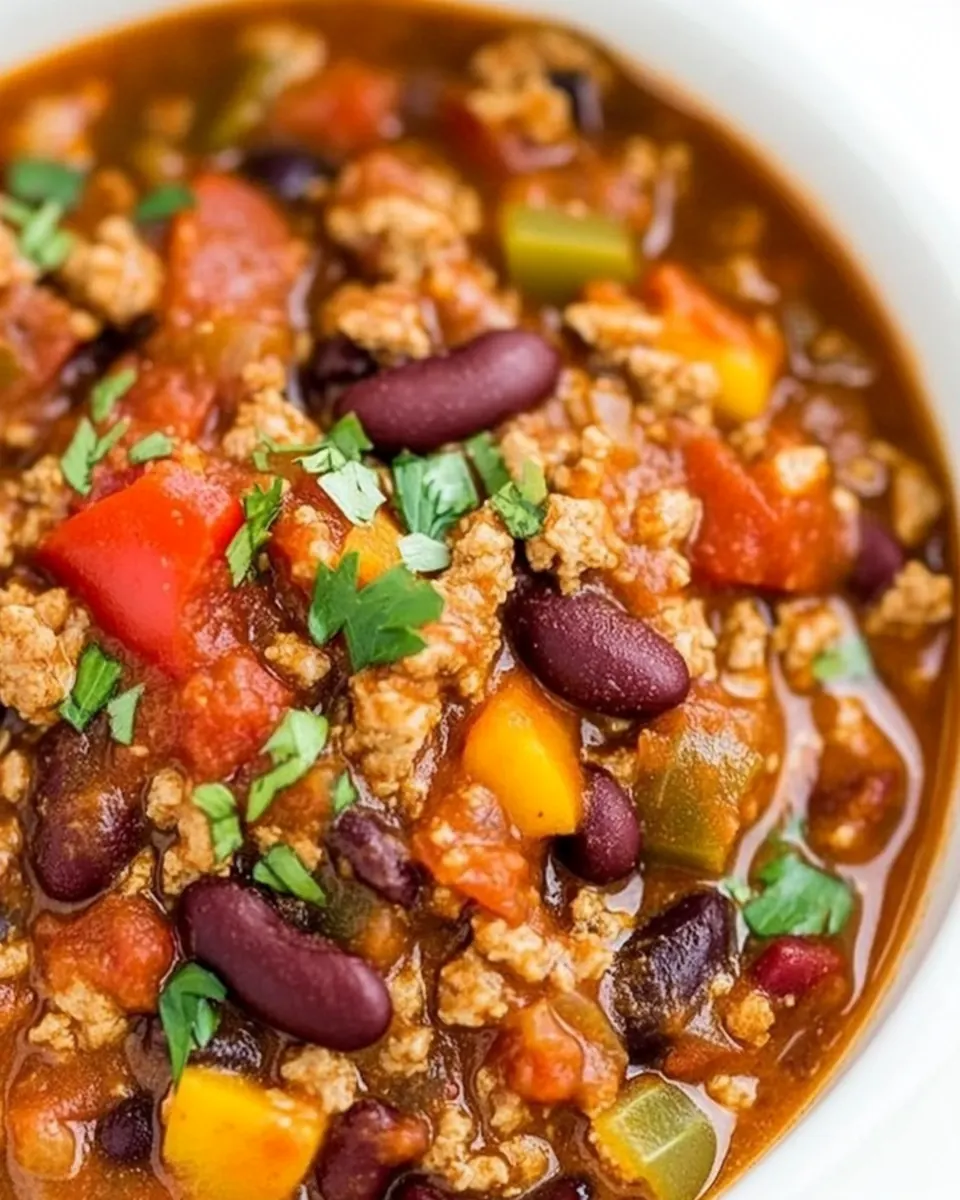
Easy 30 Minute Turkey Chili
Easy 30 Minute Turkey Chili became my go to when the week collapses into a blur and I need comfort without drama. The first time I made it I remember the kitchen filling with a warm, savory aroma that felt like a blanket, and I kept stealing spoonfuls as it simmered. I loved how the lean, golden browned ground turkey tasted with the smoky spices, and how simple ingredients turned into something that felt far more elaborate than the short clock time suggested.
There is a small ritual I follow now when I make Easy 30 Minute Turkey Chili, a particular order of stirring and tasting that makes the flavors pop. I think part of its charm is its balance, the way the acidity of canned tomatoes meets the earthiness of kidney beans and the subtle heat from chili powder. I often make it on evenings when friends drop by, and it’s always the dish that gets compliments and requests for the recipe.
I appreciate that this recipe is forgiving. Once you master the timing and the little adjustments, like how much salt or sugar to add, it’s incredibly adaptable. I remember a chilly winter night when I doubled the batch and froze half, and a week later it saved an entire evening. Now I keep the pantry staples on hand because this chili feels like an insurance policy against hangry family members and rushed schedules.
Recipe Snapshot
30 mins
10 mins
20 mins
Medium
350 kcal
American
Gluten-Free, Low FODMAP
Dinner
Large Dutch Oven
Why This Easy 30 Minute Turkey Chili Is So Good
Hearty, Yet Light
I love that Easy 30 Minute Turkey Chili delivers deep, satisfying flavor without feeling heavy. Using lean ground turkey trims the fat, but the combination of spices and beans keeps it hearty. You get the comfort of a classic chili with a lighter texture, which makes it easy to enjoy multiple nights in a row without feeling weighed down.
Speed Without Sacrifice
What sold me early on was how quickly it comes together. From the first sizzle to the final simmer, it respects busy evenings. Even though it takes only about thirty minutes overall, you still get layers of flavor. The step of browning ground turkey and softening the onion and red bell pepper builds a flavor foundation that makes the short cook time feel generous.
Pantry Friendly and Flexible
I always have most of the ingredients on hand, so this becomes a rescue meal frequently. Canned beans, canned tomatoes, and tomato sauce combine with spices to make a reliable base. If your pantry shifts, the recipe forgives small changes, which is why I reach for it when improvisation is required.
Family Friendly
We serve it to kids and adults, and it consistently wins approval. The texture is approachable, the spice level can be adjusted, and toppings let everyone personalize their bowl. When guests come over, I like that it suits varied palates and dietary needs without special effort.
Great for Make Ahead and Freezing
I often double or triple the batch and freeze portions. The flavor actually deepens overnight, and it reheats beautifully. This makes it perfect for meal prep, busy weeks, or when you want a comforting bowl without the fuss of starting from scratch.
Ingredients Required for Easy 30 Minute Turkey Chili
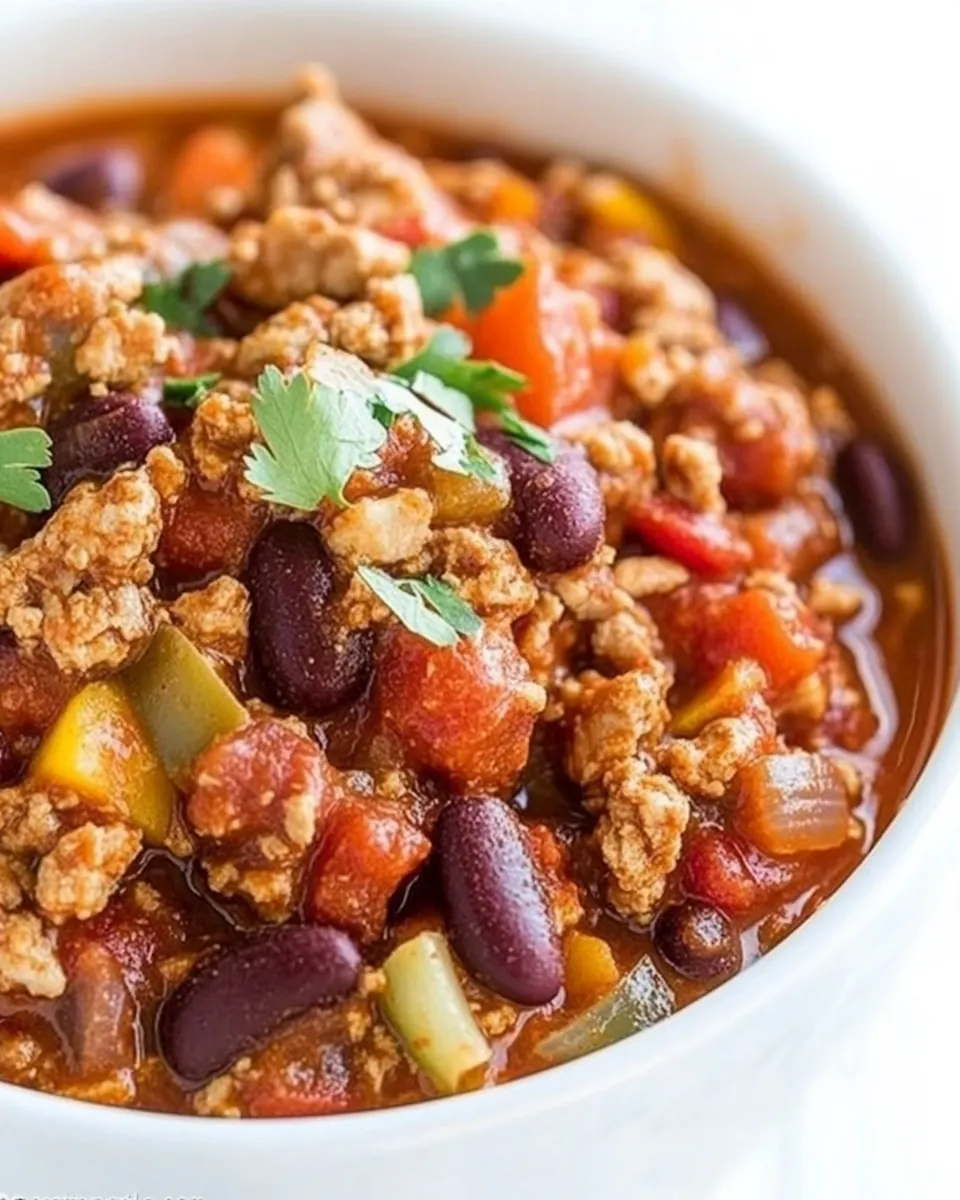
The philosophy here is straightforward: lean protein, beans for body, tomatoes for brightness, and a handful of spices for warmth and depth. These ingredients complement each other because the ground turkey provides savory umami, the canned beans and tomatoes contribute texture and acidity, and the spices round everything out. Each element plays a clear role so the chili stays balanced and satisfying.
- 4 tablespoons olive oil, divided: Heat and sauté to provide a cooking fat that browns the turkey and softens vegetables; divided use allows for initial searing and later finishing or adjusting moisture. Add gradually to control texture and prevent sticking while layering flavors throughout the recipe.
- 2 pounds ground turkey, I used extra lean: Brown thoroughly to create a lean protein base that absorbs spices and adds savory body to the chili; extra–lean reduces excess grease and keeps the dish lighter. Crumble while cooking to ensure even distribution and quick cooking within the 30-minute timeframe.
- 1 medium/large sweet Vidalia onion, diced small: Dice finely and sauté until translucent to add natural sweetness and moisture that balances acidic tomatoes and spices; Vidalia onions impart a mild, sweet flavor without overpowering the chili. Cook until softened to release sugars and meld with the other aromatics for a well-rounded base.
- 1 medium/large red bell pepper, diced small: Dice small and sauté with onions to contribute a bright, slightly sweet, and vegetal note that adds color and texture contrast; red bell pepper also enhances the chili's overall flavor complexity. Add early so it softens and integrates with the turkey and spices.
- 3 to 5 garlic cloves, finely pressed or minced: Press or mince finely and sauté briefly to release aromatic, pungent heat that deepens savory flavors and adds a fresh bite; adjust quantity depending on desired garlic intensity. Incorporate toward the end of onion and pepper cooking to avoid bitterness from overcooking.
- 2 to 3 teaspoons kosher salt, or to taste* (see Note below): Season generously and adjust to taste to enhance and balance all flavors while helping to tenderize ingredients; kosher salt's coarse grains dissolve well during simmering. Start with the lower amount and taste later, especially if using canned ingredients with added sodium.
- 1 teaspoon freshly ground black pepper, or to taste: Grind freshly and add to seasoning mix to provide a sharp, warm peppery accent that enhances other spices; adjust to taste for desired heat level. Use toward the end of cooking to preserve aromatic oils and maintain bright pepper flavor.
- one 15.5-ounce can red kidney beans, I used low-salt, drained and rinsed if desired: Drain and add to introduce creamy texture, earthy flavor, and protein that increases heartiness; rinsing lowers sodium if using low-salt preference. Add during simmering to heat through and absorb surrounding flavors without disintegrating.
- one 15-ounce can black beans, I used no-salt added, drained and rinsed if desired: Drain and add to contribute contrasting texture and deep, slightly sweet flavor that complements kidney beans; black beans also add fiber and protein for a balanced chili. Rinse if desired to reduce sodium and prevent overly thick, starchy broth.
- one 14.5-ounce can petite diced tomatoes, I used no-salt added: Pour in with juices to add bright, acidic tomato pieces that provide body, texture, and tanginess to the chili while contributing liquid for simmering. Choose no-salt–added versions when controlling sodium levels and incorporate evenly for consistent tomato presence.
- one 8-ounce can tomato sauce, plus 8 ounces water used to rinse out can (I used no-salt added): Squeeze out and rinse the can with an equal amount of water to add a concentrated tomato flavor and additional liquid for simmering without needing extra broth. Use the water to loosen and incorporate remaining sauce, ensuring no tomato is wasted while keeping salt low.
- about 8 ounces water, chicken or vegetable broth, (see step 5 below) (optional): Add up to the specified amount as needed to adjust chili thickness and cooking volume; broth adds savory depth while water keeps the flavor neutral. Reserve as optional to control final consistency based on desired heartiness and simmering time.
- two 4-ounce cans diced green chilis, I used fire-roasted: Stir in canned green chilis to deliver mild to moderate heat and a subtle roasted, tangy flavor that brightens the chili; fire–roasted versions add smoky complexity. Add during simmering so their juices meld into the sauce and complement other spices.
- 1 tablespoon cumin: Measure and sprinkle to contribute warm, earthy, and slightly citrusy notes that ground the chili's flavor profile and pair well with cumin-based recipes. Toast briefly in the pan with other spices to bloom its aroma before simmering.
- 1 tablespoon chili powder: Measure and add to provide a classic chili flavor with smoky, warm chili pepper notes that underpin the dish; adjust quantity to control heat and depth. Combine with cumin and paprika to create a balanced, cohesive spice blend.
- 2 teaspoons smoked paprika, regular paprika may be substituted: Sprinkle in to impart a smoky, slightly sweet undertone that enhances the roasted and charred elements; smoked paprika adds depth, while regular paprika can substitute for milder sweetness. Add when seasoning to allow its oils to release during cooking.
- 2 to 4 bay leaves: Tuck in whole to subtly aromatize the simmering chili with a mild, herbal bitterness that helps balance rich and sweet flavors; the number used can be adjusted for intensity. Remove before serving to avoid unexpected bites, as bay leaves are typically not eaten.
- 1 to 2 teaspoons granulated sugar, and to taste (optional): Stir in sparingly to round out acidity and enhance perceived sweetness, balancing tomatoes and chilis; granulated sugar is optional and should be adjusted to taste. Add gradually and taste, especially if canned tomatoes vary in tartness.
- sour cream, green onions, shredded cheese, crushed tortilla chips or crackers: Garnish and serve with these accompaniments to add cooling creaminess, fresh onion bite, melty cheese richness, and crunchy texture from chips or crackers; they allow each diner to personalize spice and texture. Offer on the side so guests can top individual bowls to preference.
How to Prepare Easy 30 Minute Turkey Chili
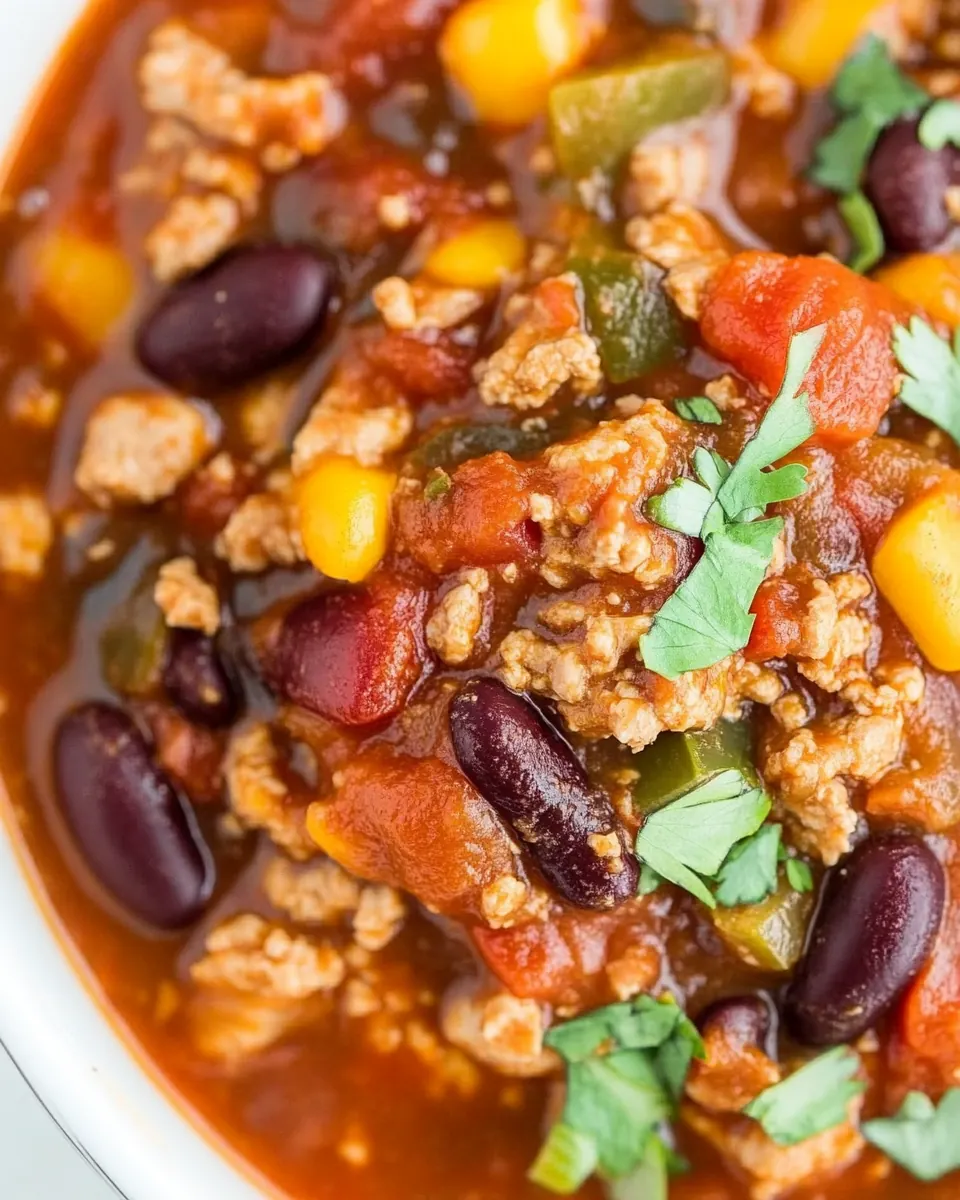
These steps are conversational and intentional, meant to guide you through every sensory cue. I explain what the pot should look and sound like, and I point out common pitfalls so you can fix them before they become problems. Keep your spoons and a tasting bowl ready, because seasoning is where this recipe truly shines.
- To a large Dutch oven, add 2 tablespoons olive oil, turkey, and cook over medium-high heat to brown, crumbling it with a spatula as it cooks and tossing it to ensure even cooking. Cook through, about 5 minutes or as necessary.: You will hear a steady sear as the ground turkey hits the hot oil, a soft sizzling that signals moisture is evaporating and browning is beginning. Visually, the meat will change from pink to pale beige and then develop golden flecks where the Maillard reaction concentrates flavor. The scent becomes savory and slightly nutty, which is where much of the final depth comes from. Why this matters, the initial browning locks in savory notes that carry through the chili, preventing a flat, one dimensional outcome. If you crowd the pot the meat will steam instead of brown, losing that toasty aroma, so keep the heat at medium high and give the meat space to contact the pan. A common mistake is stirring continuously; instead let it sit briefly to form color, then break it up. If pieces stick, gently nudge with the spatula rather than scraping aggressively, which preserves the fond on the pan for flavor.
- Add the onions, red pepper, drizzle remaining 2 tablespoons over the top, stir, and cook for about 5 to 7 minutes, or until vegetables have softened, stir intermittently.: When the diced onion and red bell pepper hit the pot they will hiss and immediately begin to soften, releasing sweet vegetal aromas that balance the meat. You will notice the liquid in the pan pull back as the vegetables release moisture, and the edges of the onion will become translucent while the pepper turns tender with a slightly glossy sheen. This stage builds sweetness and complexity, because softened vegetables integrate into the base rather than sitting as raw bits. Why this step matters, gentle cooking transforms sharp raw flavors into mellow sweetness that supports the spices. Troubleshooting tip, if the vegetables brown too fast lower the heat and add a splash of water, or they will scorch and add bitterness. Stir intermittently to ensure even softening, avoid constant stirring which prevents gentle caramelization.
- Add the garlic, salt (Note because I used all low-salt or no-salt added products I use 3 teaspoons salt total; if you’re using salted versions of the other ingredients reduce salt level to 1/2 to 1 teaspoon to start with and add more if necessary), pepper, and cook for about 1 minute, stir intermittently.: The moment you add the garlic you will be hit with a fresh, aromatic burst, but it cooks quickly so keep it brief. You want the garlic softened and fragrant, not browned and bitter, which is why one minute is sufficient. The addition of salt and black pepper at this point helps draw moisture from the vegetables, concentrating flavors and allowing the spices to meld. Why it matters, early seasoning ensures the whole pot develops balanced taste as it simmers. Watch closely because burnt garlic ruins the base. A frequent error is leaving the heat too high; reduce immediately if the garlic begins to darken.
- Add the beans, diced tomatoes, tomato sauce, rinse can out with 8 ounces water and add the water, green chilis, cumin, chili powder, smoked paprika, bay leaves, and stir.: As you add the beans , canned tomatoes , and tomato sauce the pot will steam and the scent will transition to a tangy, spiced aroma. Stirring in the diced green chilis and spices like cumin , chili powder , and smoked paprika releases a dry spice perfume that warms the nose. The added can rinse water captures concentrated tomato flavor that clings to the sides of the can, so include it to maximize depth. Why this matters, combining wet and dry components now lets flavors marry during simmering. A typical mistake is under stirring at this point, which can leave pockets of undissolved spices. Make sure the mixture is uniform so each spoonful is balanced.
- Depending on how thick you like your chili and if you prefer more broth, you may wish to add up to 8 additional ounces water, chicken or vegetable broth.: At this decision point you set texture. Adding water or broth loosens the chili for ladling, while skipping it yields a denser, stew like consistency. You will see the surface shimmer and short boiling ripples when the liquid is sufficient. Why this matters, texture influences perception of flavor and comfort; thinner chili feels more soup like, thicker chili feels more substantial. Beware of adding too much liquid at once; you can always thin later, but you cannot easily reduce an over diluted pot without longer simmering. Taste and adjust gradually.
- Bring to boil and cook for about 10 to 15 or until chili has reduced and thickened some.: As the pot comes to a boil you will hear lively bubbling and see steam rise steadily, then when it reduces to a simmer the surface calms and small bubbles break more slowly. The aroma deepens, becoming richer and more cohesive, and the color will darken slightly as flavors concentrate. This reduction step integrates the spices, softens beans, and deepens mouthfeel. Why it matters, simmer time controls how melded and concentrated the final bowl will be. Common mistake, keeping a rolling boil will toughen ingredients and evaporate too much liquid; reduce to a low boil or steady simmer to control thickness.
- Stir, taste, optionally add sugar to taste (I added 2 teaspoons because the sugar balances the acid from the tomatoes and peppers), and add more salt, pepper, or seasonings to taste.: The tasting moment is sensory rich, with heat, sweetness, acidity, and salt interacting on your palate. If the tomatoes feel too bright a teaspoon or two of sugar will smooth the acidity without making the chili sweet. Adjust salt in small increments until the flavors pop. Why this matters, seasoning at the end lets you calibrate the final balance using all developed flavors. A frequent error is over seasoning early; always taste before adding large amounts of salt or sugar.
- Remove bay leaves.: You will notice the subtle herbal scent lift as you fish out the bay leaves, clearing any residual woody note. Removing them prevents tough, papery bites in the finished bowl. Why this matters, bay leaves are an aromatics tool that give nuance during simmering, but they are not pleasant to eat whole. A common oversight is leaving them in the pot, which surprises bites later.
- Ladle into bowls and optionally garnish with sour cream, green onions, shredded cheese, crushed tortilla chips or crackers.: Serving reveals the final texture, a glossy surface with pockets of beans and softened vegetables. Garnishes like sour cream add cooling creaminess, while green onions bring brightness and crunch. Why this matters, toppings let each person tailor heat and texture, elevating the bowl beyond the base. Avoid adding garnishes too early as they will wilt or melt into the chili; add them right before serving for best contrast.
Recipe Notes about Easy 30 Minute Turkey Chili
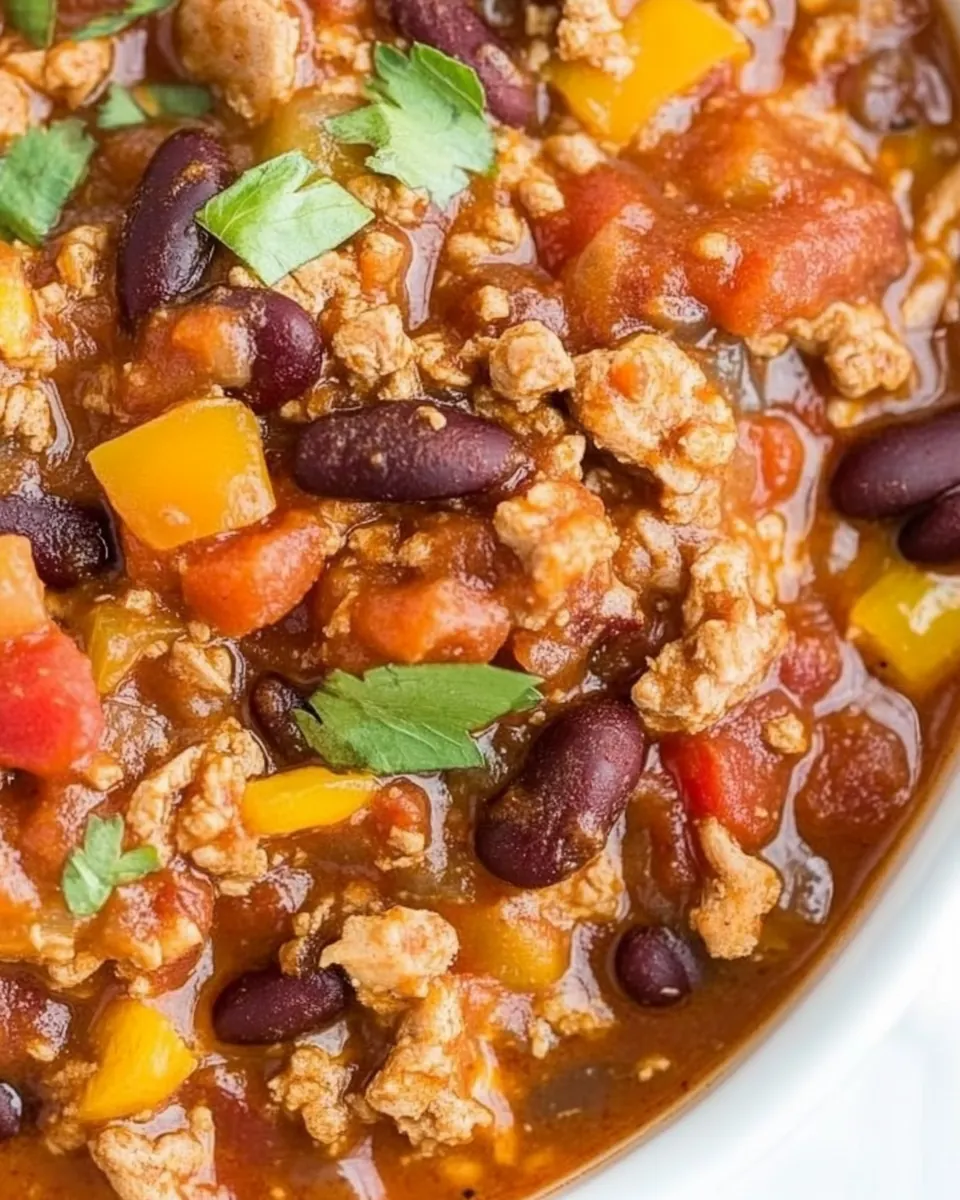
I keep these notes practical and honest, things I regularly remind myself when making this chili. They cover storage, seasoning, and quick adjustments that make the difference between good and great. Treat them as little chef prompts you can rely on.
- Storage tip: Store cooled chili airtight in the fridge up to five days or freeze portions for up to four months, reheating gently on the stove to preserve texture.
- Flavor development: This chili tastes even better the next day as the spices meld, so consider making it ahead for a dinner party or meal prep.
- Salt guidance: If using low salt canned goods start with 2 to 3 teaspoons total salt, otherwise begin with 1/2 to 1 teaspoon and adjust at the end after tasting.
- Consistency control: Use up to 8 additional ounces of water or broth to loosen the chili, adding gradually until you reach your preferred thickness.
- Topping suggestions: Offer a selection of garnishes like sour cream, green onions, or crushed tortilla chips so guests can personalize their bowl.
Serving This Easy 30 Minute Turkey Chili
This chili is versatile for weekday dinners, casual gatherings, and colder seasonal meals. It pairs well with simple sides and offers comforting warmth for family style service. I like to present bowls with a small toppings station so everyone customizes their experience.
- Classic bowl service: Ladle hot chili into bowls and offer sour cream, shredded cheese, and green onions so each person can adjust creaminess and freshness.
- Family style: Serve the chili in a warm dutch oven placed center table with bowls and a garnish tray, making it ideal for casual dinners and weekends.
- Side pairings: Offer cornbread, simple green salads, or steamed rice as accompaniments to make the meal more filling and balanced.
- Occasions: Perfect for weeknight dinners, a winter menu, or gatherings like casual game day meals where feeding a crowd matters.
- Storage and reheating: Cool completely then refrigerate in airtight containers up to five days, or freeze portions for up to four months. Reheat gently over low to medium heat with a splash of water if needed.
- Make ahead strategy: Prepare a day in advance to let flavors meld, then reheat and finish with fresh garnishes for the best texture and taste.
FAQ
Conclusion
What makes Easy 30 Minute Turkey Chili special is its ability to deliver hearty, layered flavor in a short time using pantry staples and lean protein. It’s dependable, family friendly, and forgiving, which is why I turn to it on busy evenings or when I need a make ahead solution. Give it a try and you’ll find that a modest list of ingredients can create a bowl that feels like home, ready in about thirty minutes and rewarding each time you reheat a serving.
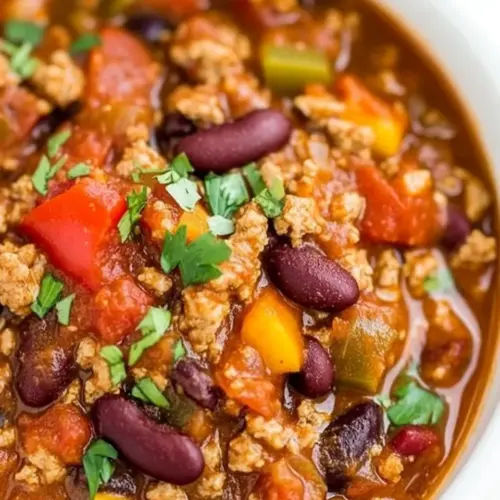
Easy 30 Minute Turkey Chili
Equipment
- Large Dutch oven
Ingredients
- 4 tablespoons olive oil, divided Heat and sauté to provide a cooking fat that browns the turkey and softens vegetables; divided use allows for initial searing and later finishing or adjusting moisture. Add gradually to control texture and prevent sticking while layering flavors throughout the recipe.
- 2 pounds ground turkey, I used extra lean Brown thoroughly to create a lean protein base that absorbs spices and adds savory body to the chili; extra-lean reduces excess grease and keeps the dish lighter. Crumble while cooking to ensure even distribution and quick cooking within the 30-minute timeframe.
- 1 medium/large sweet Vidalia onion, diced small Dice finely and sauté until translucent to add natural sweetness and moisture that balances acidic tomatoes and spices; Vidalia onions impart a mild, sweet flavor without overpowering the chili. Cook until softened to release sugars and meld with the other aromatics for a well-rounded base.
- 1 medium/large red bell pepper, diced small Dice small and sauté with onions to contribute a bright, slightly sweet, and vegetal note that adds color and texture contrast; red bell pepper also enhances the chili's overall flavor complexity. Add early so it softens and integrates with the turkey and spices.
- 3 to 5 garlic cloves, finely pressed or minced Press or mince finely and sauté briefly to release aromatic, pungent heat that deepens savory flavors and adds a fresh bite; adjust quantity depending on desired garlic intensity. Incorporate toward the end of onion and pepper cooking to avoid bitterness from overcooking.
- 2 to 3 teaspoons kosher salt, or to taste* (see Note below) Season generously and adjust to taste to enhance and balance all flavors while helping to tenderize ingredients; kosher salt's coarse grains dissolve well during simmering. Start with the lower amount and taste later, especially if using canned ingredients with added sodium.
- 1 teaspoon freshly ground black pepper, or to taste Grind freshly and add to seasoning mix to provide a sharp, warm peppery accent that enhances other spices; adjust to taste for desired heat level. Use toward the end of cooking to preserve aromatic oils and maintain bright pepper flavor.
- one 15.5-ounce can red kidney beans, I used low-salt, drained and rinsed if desired Drain and add to introduce creamy texture, earthy flavor, and protein that increases heartiness; rinsing lowers sodium if using low-salt preference. Add during simmering to heat through and absorb surrounding flavors without disintegrating.
- one 15-ounce can black beans, I used no-salt added, drained and rinsed if desired Drain and add to contribute contrasting texture and deep, slightly sweet flavor that complements kidney beans; black beans also add fiber and protein for a balanced chili. Rinse if desired to reduce sodium and prevent overly thick, starchy broth.
- one 14.5-ounce can petite diced tomatoes, I used no-salt added Pour in with juices to add bright, acidic tomato pieces that provide body, texture, and tanginess to the chili while contributing liquid for simmering. Choose no-salt-added versions when controlling sodium levels and incorporate evenly for consistent tomato presence.
- one 8-ounce can tomato sauce, plus 8 ounces water used to rinse out can (I used no-salt added) Squeeze out and rinse the can with an equal amount of water to add a concentrated tomato flavor and additional liquid for simmering without needing extra broth. Use the water to loosen and incorporate remaining sauce, ensuring no tomato is wasted while keeping salt low.
- about 8 ounces water, chicken or vegetable broth, optional (see step 5 below) Add up to the specified amount as needed to adjust chili thickness and cooking volume; broth adds savory depth while water keeps the flavor neutral. Reserve as optional to control final consistency based on desired heartiness and simmering time.
- two 4-ounce cans diced green chilis, I used fire-roasted Stir in canned green chilis to deliver mild to moderate heat and a subtle roasted, tangy flavor that brightens the chili; fire-roasted versions add smoky complexity. Add during simmering so their juices meld into the sauce and complement other spices.
- 1 tablespoon cumin Measure and sprinkle to contribute warm, earthy, and slightly citrusy notes that ground the chili's flavor profile and pair well with cumin-based recipes. Toast briefly in the pan with other spices to bloom its aroma before simmering.
- 1 tablespoon chili powder Measure and add to provide a classic chili flavor with smoky, warm chili pepper notes that underpin the dish; adjust quantity to control heat and depth. Combine with cumin and paprika to create a balanced, cohesive spice blend.
- 2 teaspoons smoked paprika, regular paprika may be substituted Sprinkle in to impart a smoky, slightly sweet undertone that enhances the roasted and charred elements; smoked paprika adds depth, while regular paprika can substitute for milder sweetness. Add when seasoning to allow its oils to release during cooking.
- 2 to 4 bay leaves Tuck in whole to subtly aromatize the simmering chili with a mild, herbal bitterness that helps balance rich and sweet flavors; the number used can be adjusted for intensity. Remove before serving to avoid unexpected bites, as bay leaves are typically not eaten.
- 1 to 2 teaspoons granulated sugar, optional and to taste Stir in sparingly to round out acidity and enhance perceived sweetness, balancing tomatoes and chilis; granulated sugar is optional and should be adjusted to taste. Add gradually and taste, especially if canned tomatoes vary in tartness.
- sour cream, green onions, shredded cheese, crushed tortilla chips or crackers Garnish and serve with these accompaniments to add cooling creaminess, fresh onion bite, melty cheese richness, and crunchy texture from chips or crackers; they allow each diner to personalize spice and texture. Offer on the side so guests can top individual bowls to preference.
Instructions
- To a large Dutch oven, add 2 tablespoons olive oil, turkey, and cook over medium-high heat to brown, crumbling it with a spatula as it cooks and tossing it to ensure even cooking. Cook through, about 5 minutes or as necessary.: You will hear a steady sear as the ground turkey hits the hot oil, a soft sizzling that signals moisture is evaporating and browning is beginning. Visually, the meat will change from pink to pale beige and then develop golden flecks where the Maillard reaction concentrates flavor. The scent becomes savory and slightly nutty, which is where much of the final depth comes from. Why this matters, the initial browning locks in savory notes that carry through the chili, preventing a flat, one dimensional outcome. If you crowd the pot the meat will steam instead of brown, losing that toasty aroma, so keep the heat at medium high and give the meat space to contact the pan. A common mistake is stirring continuously; instead let it sit briefly to form color, then break it up. If pieces stick, gently nudge with the spatula rather than scraping aggressively, which preserves the fond on the pan for flavor.
- Add the onions, red pepper, drizzle remaining 2 tablespoons over the top, stir, and cook for about 5 to 7 minutes, or until vegetables have softened, stir intermittently.: When the diced onion and red bell pepper hit the pot they will hiss and immediately begin to soften, releasing sweet vegetal aromas that balance the meat. You will notice the liquid in the pan pull back as the vegetables release moisture, and the edges of the onion will become translucent while the pepper turns tender with a slightly glossy sheen. This stage builds sweetness and complexity, because softened vegetables integrate into the base rather than sitting as raw bits. Why this step matters, gentle cooking transforms sharp raw flavors into mellow sweetness that supports the spices. Troubleshooting tip, if the vegetables brown too fast lower the heat and add a splash of water, or they will scorch and add bitterness. Stir intermittently to ensure even softening, avoid constant stirring which prevents gentle caramelization.
- Add the garlic, salt (Note because I used all low-salt or no-salt added products I use 3 teaspoons salt total; if you’re using salted versions of the other ingredients reduce salt level to 1/2 to 1 teaspoon to start with and add more if necessary), pepper, and cook for about 1 minute, stir intermittently.: The moment you add the garlic you will be hit with a fresh, aromatic burst, but it cooks quickly so keep it brief. You want the garlic softened and fragrant, not browned and bitter, which is why one minute is sufficient. The addition of salt and black pepper at this point helps draw moisture from the vegetables, concentrating flavors and allowing the spices to meld. Why it matters, early seasoning ensures the whole pot develops balanced taste as it simmers. Watch closely because burnt garlic ruins the base. A frequent error is leaving the heat too high; reduce immediately if the garlic begins to darken.
- Add the beans, diced tomatoes, tomato sauce, rinse can out with 8 ounces water and add the water, green chilis, cumin, chili powder, smoked paprika, bay leaves, and stir.: As you add the beans , canned tomatoes , and tomato sauce the pot will steam and the scent will transition to a tangy, spiced aroma. Stirring in the diced green chilis and spices like cumin , chili powder , and smoked paprika releases a dry spice perfume that warms the nose. The added can rinse water captures concentrated tomato flavor that clings to the sides of the can, so include it to maximize depth. Why this matters, combining wet and dry components now lets flavors marry during simmering. A typical mistake is under stirring at this point, which can leave pockets of undissolved spices. Make sure the mixture is uniform so each spoonful is balanced.
- Depending on how thick you like your chili and if you prefer more broth, you may wish to add up to 8 additional ounces water, chicken or vegetable broth.: At this decision point you set texture. Adding water or broth loosens the chili for ladling, while skipping it yields a denser, stew like consistency. You will see the surface shimmer and short boiling ripples when the liquid is sufficient. Why this matters, texture influences perception of flavor and comfort; thinner chili feels more soup like, thicker chili feels more substantial. Beware of adding too much liquid at once; you can always thin later, but you cannot easily reduce an over diluted pot without longer simmering. Taste and adjust gradually.
- Bring to boil and cook for about 10 to 15 or until chili has reduced and thickened some.: As the pot comes to a boil you will hear lively bubbling and see steam rise steadily, then when it reduces to a simmer the surface calms and small bubbles break more slowly. The aroma deepens, becoming richer and more cohesive, and the color will darken slightly as flavors concentrate. This reduction step integrates the spices, softens beans, and deepens mouthfeel. Why it matters, simmer time controls how melded and concentrated the final bowl will be. Common mistake, keeping a rolling boil will toughen ingredients and evaporate too much liquid; reduce to a low boil or steady simmer to control thickness.
- Stir, taste, optionally add sugar to taste (I added 2 teaspoons because the sugar balances the acid from the tomatoes and peppers), and add more salt, pepper, or seasonings to taste.: The tasting moment is sensory rich, with heat, sweetness, acidity, and salt interacting on your palate. If the tomatoes feel too bright a teaspoon or two of sugar will smooth the acidity without making the chili sweet. Adjust salt in small increments until the flavors pop. Why this matters, seasoning at the end lets you calibrate the final balance using all developed flavors. A frequent error is over seasoning early; always taste before adding large amounts of salt or sugar.
- Remove bay leaves.: You will notice the subtle herbal scent lift as you fish out the bay leaves, clearing any residual woody note. Removing them prevents tough, papery bites in the finished bowl. Why this matters, bay leaves are an aromatics tool that give nuance during simmering, but they are not pleasant to eat whole. A common oversight is leaving them in the pot, which surprises bites later.
- Ladle into bowls and optionally garnish with sour cream, green onions, shredded cheese, crushed tortilla chips or crackers.: Serving reveals the final texture, a glossy surface with pockets of beans and softened vegetables. Garnishes like sour cream add cooling creaminess, while green onions bring brightness and crunch. Why this matters, toppings let each person tailor heat and texture, elevating the bowl beyond the base. Avoid adding garnishes too early as they will wilt or melt into the chili; add them right before serving for best contrast.
Notes
- Storage tip: Store cooled chili airtight in the fridge up to five days or freeze portions for up to four months, reheating gently on the stove to preserve texture.
- Flavor development: This chili tastes even better the next day as the spices meld, so consider making it ahead for a dinner party or meal prep.
- Salt guidance: If using low salt canned goods start with 2 to 3 teaspoons total salt, otherwise begin with 1/2 to 1 teaspoon and adjust at the end after tasting.
- Consistency control: Use up to 8 additional ounces of water or broth to loosen the chili, adding gradually until you reach your preferred thickness.
- Topping suggestions: Offer a selection of garnishes like sour cream, green onions, or crushed tortilla chips so guests can personalize their bowl.