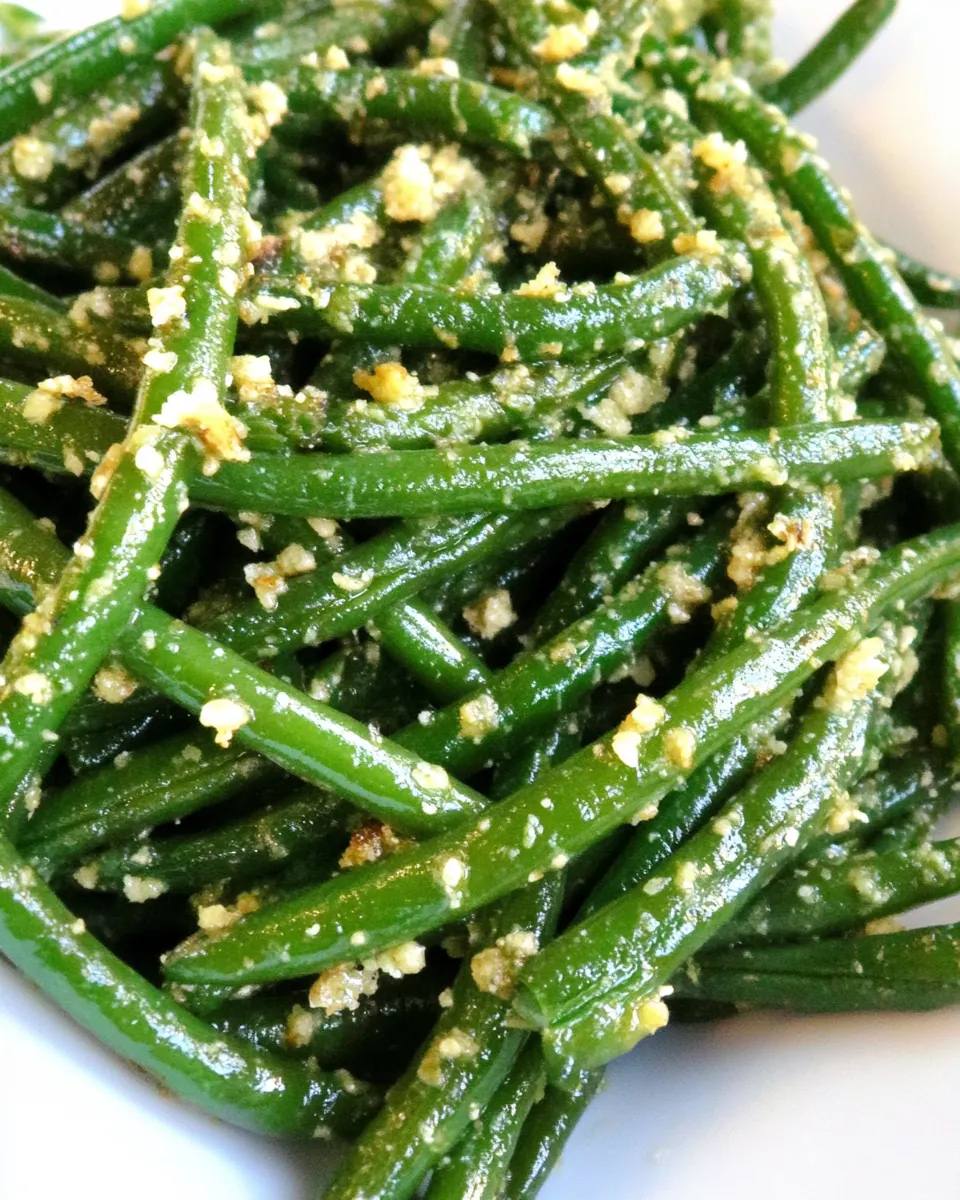
Easy Green Beans Gremolata Side Dish
Easy Green Beans Gremolata Side Dish has been one of my go to sides whenever I want something bright, punchy, and effortless on the table. The first time I made Easy Green Beans Gremolata Side Dish, it was for a small spring lunch with neighbors who kept asking what made the beans taste so fresh. I told them it was the gremolata, then watched them nibble and nod as the garlic and lemon zing cut through the olive oil and melted parmesan.
That afternoon I measured nothing with religious accuracy, instead relying on the rhythm of snapping beans and the scent of lemon zest to guide me. I remember standing at the stove, the pan hissing as the beans hit the hot oil, the kitchen filling with toasty pine nut aroma. From then on, Easy Green Beans Gremolata Side Dish became my fallback for weeknight dinners and casual entertaining, a dish that feels composed yet comes together in moments.
Recipe Snapshot
20 mins
10 mins
10 mins
Easy
150 kcal
Mediterranean
Gluten-Free, Vegan
Side Dishes
Large Pot, Colander, Mixing bowls, Microplane zester, Chef’s knife, Large Skillet
What Makes This Easy Green Beans Gremolata Side Dish Special
Bright, Fresh Flavor That Stands Out
I love how Easy Green Beans Gremolata Side Dish delivers an immediate lift from the lemon zest and lemon juice. When I want vegetables that sing instead of hide, this gremolata gives them a citrusy, herbaceous finish that keeps every forkful lively.
Speed Without Compromise
We often need sides that are fast and reliable. This recipe is rooted in quick techniques like blanching and a short sauté, so you get tender crisp French string beans with vibrant color. I appreciate that you can get great texture in under 20 minutes, which makes it perfect for easy weeknight dinners.
Textural Balance
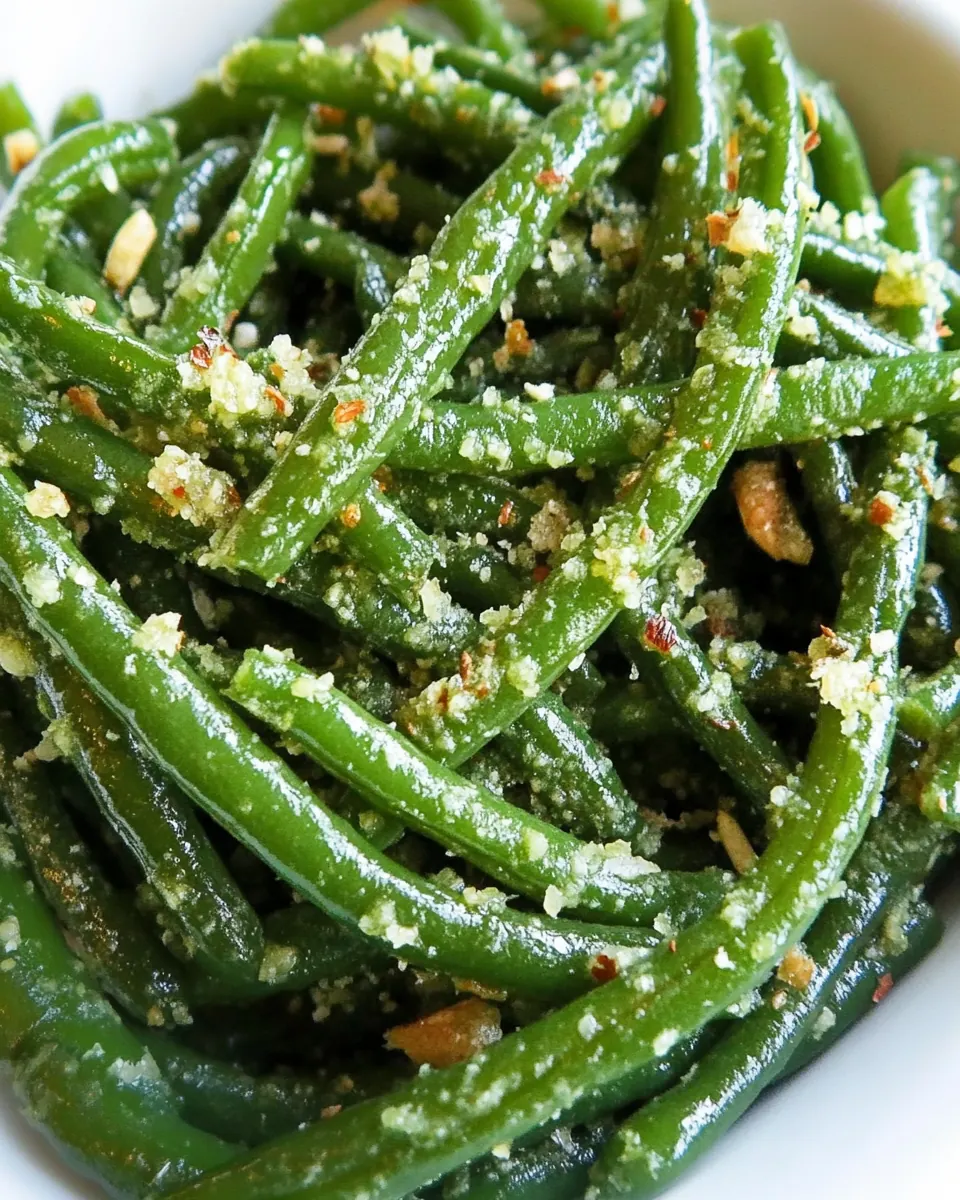
What really sells this for me is the contrast, the crispness of the beans against the soft, aromatic gremolata. The optional pine nuts bring a toasty crunch while the grated parmesan cheese melts into tiny savory pockets, creating a satisfying mouthfeel that guests always comment on.
Flexible and Make Ahead Friendly
I often blanch the beans ahead of time and keep them chilled until service. That small prep step makes it easy to pull everything together when guests arrive. You can also scale the gremolata up if you are feeding a crowd, and it holds well for a day when stored properly.
Simple, Quality Ingredients
I prefer letting a few star ingredients shine rather than masking them with heavy sauces. With Easy Green Beans Gremolata Side Dish, the combination of olive oil, garlic, and parsley is straightforward but potent. It’s a dish that proves small details like fresh zest and proper toasting matter.
What’s In This Easy Green Beans Gremolata Side Dish
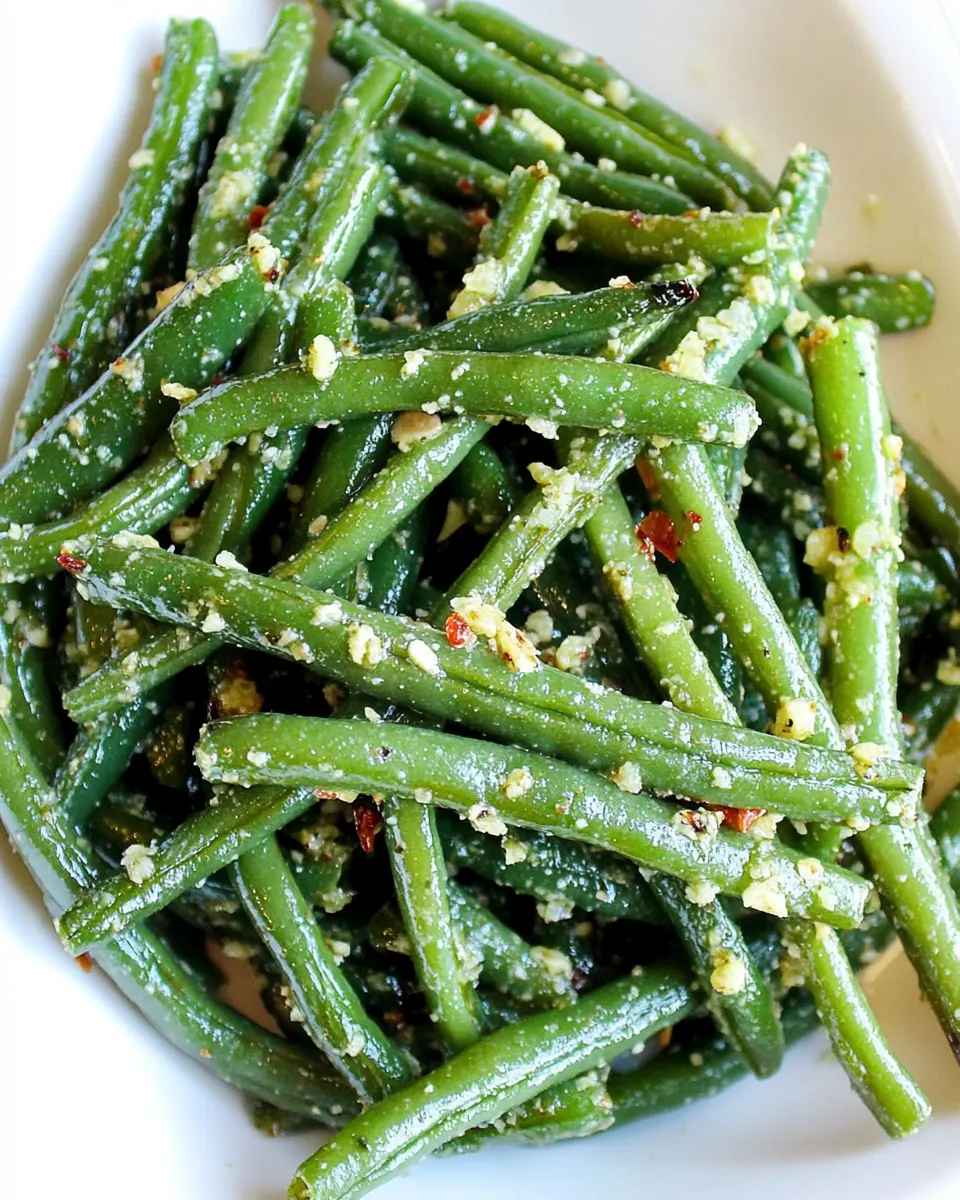
These components are chosen to keep the dish bright and balanced. The philosophy here is simple, quality ingredients with complementary roles: lively citrus to cut the richness, herbs to add freshness, and a little fat and cheese to carry flavor. The key players are the French string beans for texture, the gremolata for punch, and the olive oil and parmesan cheese to round everything out.
- 1 pound French string beans: Trimmed and washed, provides the main vegetable body and crisp texture for the dish; steam or blanch briefly to retain bright color and slight snap before tossing with gremolata components. Balances the richness of olive oil and cheese while delivering fresh, vegetal flavor and nutritional value.
- 2 tablespoons garlic, minced: Minced finely, contributes pungent, savory aromatic depth that infuses the beans when lightly sautéed or added raw to the gremolata; helps brighten and lift the overall flavor profile. Small pieces disperse evenly for bursts of garlicky heat without overwhelming other elements.
- 1 tablespoon lemon zest, grated: Finely grated, lends concentrated citrus aroma and bitter-sweet notes that cut through richness and add brightness; use only the outer yellow layer to avoid bitterness. Works in tandem with lemon juice to provide layered citrus complexity and a fresh finish.
- 3 tablespoons flat-leaf parsley, minced: Minced finely, offers fresh, herbaceous flavor and a leafy green color contrast; fold into the gremolata to add brightness and a mild anise-like undertone. Parsley also helps bind the garlic and lemon components while contributing a clean, grassy note.
- 3 tablespoons parmesan cheese, grated: Grated finely, adds savory, nutty, umami-rich depth and a creamy saltiness that enhances overall savoriness; sprinkle into the mixture to meld with the olive oil and parsley. Parmesan also provides a slightly granular texture that complements the tender beans.
- 2 tablespoons pine nuts, toasted () (optional): Toasted if used, supplies a warm, buttery, crunchy element and subtle resinous flavor that elevates texture and adds richness; include sparingly to avoid overpowering the gremolata. Can be omitted for a lighter preparation without significantly altering the core flavors.
- 2 1/2 tablespoons olive oil: Measured liquid fat, acts as the binder for the gremolata, coating the beans and carrying fat-soluble flavor compounds for mouthfeel and gloss; drizzle or toss gently to distribute flavors evenly. Use quality olive oil for fruity notes and a smooth finish.
- 2 tablespoons lemon juice: Squeezed and measured, provides bright acidity that balances oil and cheese while amplifying herb and garlic aromas; add last to preserve freshness and adjust to taste for brightness. Lemon juice also helps marry all components and lift the overall dish.
How to Assemble Easy Green Beans Gremolata Side Dish
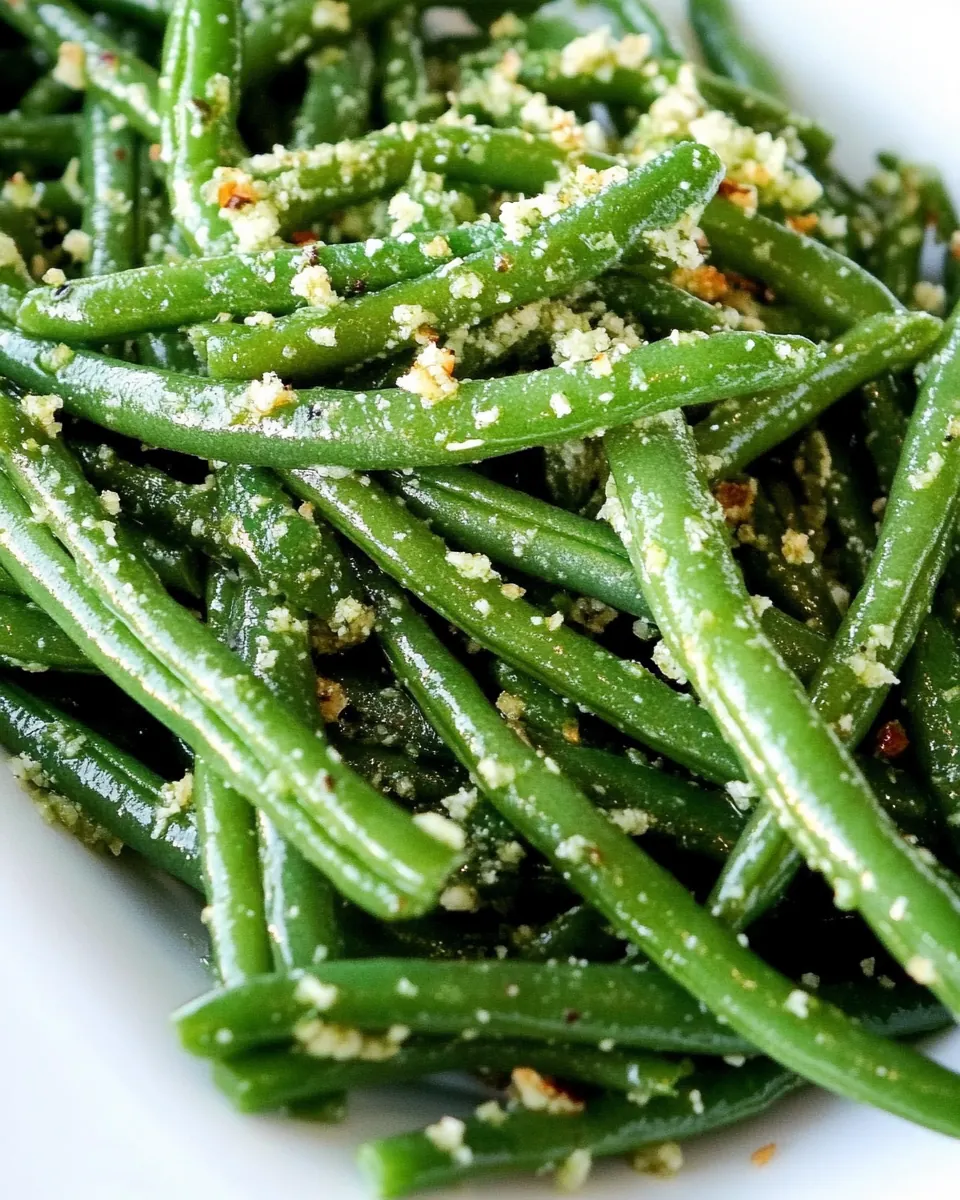
This is a hands on, sensory process that moves quickly. The steps rely on timing and watching visual cues, so having your ingredients prepped and ready makes a big difference. The sequence preserves bright color and delivers even coating from the gremolata.
- Bring a large pot of water to a boil. Add the green beans and blanch them for 2 to 3 minutes, until tender but still crisp. Drain the beans in a colander and immediately put them into a bowl of ice water to stop the cooking and preserve their bright green color.: You will notice a steady rolling boil when the water is hot enough to blanch effectively, which helps the French string beans cook evenly and maintain their bright green color. The sound is a full, consistent bubbling, and the surface will look energetic rather than just simmering. This rapid boil shocks the beans with heat fast, which cooks them quickly while protecting texture. A common mistake is using too little water, which makes the temperature drop when you add the beans and leads to uneven cooking, so use a pot large enough to keep the boil steady.
- For the gremolata, toss the garlic, lemon zest, parsley, parmesan, and pine nuts in a small bowl and set aside.: During blanching you should see the beans take on a deeper green and the pods will become slightly more flexible when pierced. The beans should still have snap when bitten, not floppy. Blanching for this short time preserves the cell structure and vibrant color. Overblanching is the most common error here, which yields limp beans, so set a timer and test one bean early to ensure the right texture.
- When ready to serve, heat the olive oil in a large sauté pan over medium-high heat. Drain the beans and pat them dry. Add the beans to the pan and sauté, turning frequently, for 2 minutes, until coated with olive oil and heated through.: The cold bath causes an audible chill as the steam stops rising and the beans firm up, locking in texture. You will see the beans settle and remain vivid green in the ice bath. This step arrests carryover cooking from the residual heat, preventing overdone, mushy beans. Skipping the ice bath risks losing that crisp tender bite and the brilliant hue.
- Remove from the heat, add the gremolata and toss well.: As you mix these components, the aroma of lemon and garlic will swirl up, and the parsley will brighten the scent. Combining them beforehand allows flavors to marry and makes final assembly quick. The cheese and oil will cling to the herb mixture later, so even distribution now ensures balance. A slip is not mincing ingredients fine enough, which can create uneven pockets of flavor rather than a cohesive gremolata.
- Sprinkle with lemon juice and serve.: The oil should shimmer but not smoke; you will see faint ripples on its surface. Properly heated oil helps the beans warm quickly without absorbing excess fat. The scent should be mild and slightly fruity if using extra virgin olive oil. If the oil smokes, it will impart bitter notes, so reduce heat and start again to protect the delicate gremolata flavors.
- Drain the beans and pat them dry: Drying the beans thoroughly is crucial because residual water will steam in the pan and prevent browning or proper coating with olive oil . When you pat them, run your hands over the beans and watch for any remaining droplets; they should feel satin dry. A wet pan leads to uneven texture and diluted flavors, so take the extra minute to blot well and avoid a soggy result.
- Add the beans to the pan and sauté, turning frequently, for 2 minutes, until coated with olive oil and heated through: Listen for a brief, lively sizzle as the beans hit the hot oil, and watch them glisten as the oil spreads. Frequent turning ensures even warming and prevents scorching, producing a glossy finish. This short sauté warms the beans while preserving their crispness. Overcooking here will dull the color and soften the beans too much, so monitor closely and keep the movement brisk.
- Remove from the heat, add the gremolata and toss well: After pulling the pan off the flame, the residual heat will soften the parmesan cheese slightly and release the aromatics from the garlic and lemon zest , creating a fragrant coating. Tossing immediately distributes the gremolata so each bean picks up herb, cheese, and pine nut bits. Doing this off heat prevents the garlic from becoming bitter, which is a common pitfall when adding raw aromatics directly to very hot oil.
- Sprinkle with lemon juice and serve: A final splash of lemon juice brightens the plate and ties together all components with fresh acidity. You will notice a lively tang on the tongue that balances the oil and cheese, making each bite feel clean and savory. Serve promptly so the textures remain vibrant. Waiting too long will let the beans soften and the gremolata lose its fresh punch, which reduces the dish's appeal.
Helpful Hints
These tips expand on small techniques that lift the dish from good to memorable. I include practical advice for prep, storage, and small ingredient choices that influence flavor and texture.
- Prep mise en place Have your garlic, lemon zest, and parsley ready before you boil the beans so you can finish quickly and keep flavors bright.
- Control the boil Use a large pot of well salted water so the temperature stays high when you add the French string beans, ensuring even blanching and vibrant color.
- Rapid chill Shock the beans in an ice bath immediately after blanching to lock in texture and color, which also helps them hold up for make ahead storage.
- Gentle toasting Toast the pine nuts over medium low heat and remove them at the first hint of fragrance to avoid bitterness and burnt flavor.
- Finish off heat Add the gremolata after removing the pan from the flame so the garlic remains bright and does not take on a bitter, cooked taste.
- Store properly Keep blanched beans layered with paper towels in an airtight container for best fridge life, and add gremolata just before serving to maintain texture.
What Complements This Easy Green Beans Gremolata Side Dish
This dish plays well with protein centered mains and seasonal menus, from casual weeknight suppers to festive gatherings. Think about pairing flavors and textures that contrast the beans brightness, and consider occasions and storage strategies.
- Perfect pairings Serve with roasted or grilled main courses where the bright gremolata cuts through richer meats or mains, offering a refreshing counterpoint.
- Occasions Great for spring lunches, holiday side tables, or Ramadan iftar spreads where a light, flavorful vegetable is welcome alongside heartier dishes.
- Presentation Serve warm in a shallow bowl so the gremolata sits visibly on top, and finish with an extra scatter of parmesan cheese or pine nuts for visual and textural appeal.
- Storage tips Blanched beans keep well refrigerated for 3 to 5 days. Store them dry and add gremolata just before serving for the freshest flavor and texture.
- Seasonal pairing This side is ideal in spring and early summer produce menus when fresh herbs and lemons are at their peak, complementing lighter mains and salads.
- Serving size Portion as a modest side with about a half cup to one cup per person depending on the rest of the menu and appetite.
FAQ
Conclusion
This recipe stands out for its bright, fresh flavors and effortless preparation. It combines crisp French string beans with a punchy gremolata that elevates any meal. Try it for a simple weeknight side or as a make ahead option for gatherings, and you’ll notice how a few fresh ingredients can transform a vegetable. I encourage you to make it soon and enjoy how quickly it becomes a memorable part of your dinner rotation.
Easy Green Beans Gremolata Side Dish
Equipment
- Large Pot
- Colander
- Mixing Bowls
- Microplane zester
- Chef's Knife
- Large Skillet
Ingredients
- 1 pound French string beans Trimmed and washed, provides the main vegetable body and crisp texture for the dish; steam or blanch briefly to retain bright color and slight snap before tossing with gremolata components. Balances the richness of olive oil and cheese while delivering fresh, vegetal flavor and nutritional value.
- 2 tablespoons garlic, minced Minced finely, contributes pungent, savory aromatic depth that infuses the beans when lightly sautéed or added raw to the gremolata; helps brighten and lift the overall flavor profile. Small pieces disperse evenly for bursts of garlicky heat without overwhelming other elements.
- 1 tablespoon lemon zest, grated Finely grated, lends concentrated citrus aroma and bitter-sweet notes that cut through richness and add brightness; use only the outer yellow layer to avoid bitterness. Works in tandem with lemon juice to provide layered citrus complexity and a fresh finish.
- 3 tablespoons flat-leaf parsley, minced Minced finely, offers fresh, herbaceous flavor and a leafy green color contrast; fold into the gremolata to add brightness and a mild anise-like undertone. Parsley also helps bind the garlic and lemon components while contributing a clean, grassy note.
- 3 tablespoons parmesan cheese, grated Grated finely, adds savory, nutty, umami-rich depth and a creamy saltiness that enhances overall savoriness; sprinkle into the mixture to meld with the olive oil and parsley. Parmesan also provides a slightly granular texture that complements the tender beans.
- 2 tablespoons pine nuts, toasted (optional) Toasted if used, supplies a warm, buttery, crunchy element and subtle resinous flavor that elevates texture and adds richness; include sparingly to avoid overpowering the gremolata. Can be omitted for a lighter preparation without significantly altering the core flavors.
- 2 1/2 tablespoons olive oil Measured liquid fat, acts as the binder for the gremolata, coating the beans and carrying fat-soluble flavor compounds for mouthfeel and gloss; drizzle or toss gently to distribute flavors evenly. Use quality olive oil for fruity notes and a smooth finish.
- 2 tablespoons lemon juice Squeezed and measured, provides bright acidity that balances oil and cheese while amplifying herb and garlic aromas; add last to preserve freshness and adjust to taste for brightness. Lemon juice also helps marry all components and lift the overall dish.
Instructions
- Bring a large pot of water to a boil. Add the green beans and blanch them for 2 to 3 minutes, until tender but still crisp. Drain the beans in a colander and immediately put them into a bowl of ice water to stop the cooking and preserve their bright green color.: You will notice a steady rolling boil when the water is hot enough to blanch effectively, which helps the French string beans cook evenly and maintain their bright green color. The sound is a full, consistent bubbling, and the surface will look energetic rather than just simmering. This rapid boil shocks the beans with heat fast, which cooks them quickly while protecting texture. A common mistake is using too little water, which makes the temperature drop when you add the beans and leads to uneven cooking, so use a pot large enough to keep the boil steady.
- For the gremolata, toss the garlic, lemon zest, parsley, parmesan, and pine nuts in a small bowl and set aside.: During blanching you should see the beans take on a deeper green and the pods will become slightly more flexible when pierced. The beans should still have snap when bitten, not floppy. Blanching for this short time preserves the cell structure and vibrant color. Overblanching is the most common error here, which yields limp beans, so set a timer and test one bean early to ensure the right texture.
- When ready to serve, heat the olive oil in a large sauté pan over medium-high heat. Drain the beans and pat them dry. Add the beans to the pan and sauté, turning frequently, for 2 minutes, until coated with olive oil and heated through.: The cold bath causes an audible chill as the steam stops rising and the beans firm up, locking in texture. You will see the beans settle and remain vivid green in the ice bath. This step arrests carryover cooking from the residual heat, preventing overdone, mushy beans. Skipping the ice bath risks losing that crisp tender bite and the brilliant hue.
- Remove from the heat, add the gremolata and toss well.: As you mix these components, the aroma of lemon and garlic will swirl up, and the parsley will brighten the scent. Combining them beforehand allows flavors to marry and makes final assembly quick. The cheese and oil will cling to the herb mixture later, so even distribution now ensures balance. A slip is not mincing ingredients fine enough, which can create uneven pockets of flavor rather than a cohesive gremolata.
- Sprinkle with lemon juice and serve.: The oil should shimmer but not smoke; you will see faint ripples on its surface. Properly heated oil helps the beans warm quickly without absorbing excess fat. The scent should be mild and slightly fruity if using extra virgin olive oil. If the oil smokes, it will impart bitter notes, so reduce heat and start again to protect the delicate gremolata flavors.
- Drain the beans and pat them dry: Drying the beans thoroughly is crucial because residual water will steam in the pan and prevent browning or proper coating with olive oil . When you pat them, run your hands over the beans and watch for any remaining droplets; they should feel satin dry. A wet pan leads to uneven texture and diluted flavors, so take the extra minute to blot well and avoid a soggy result.
- Add the beans to the pan and sauté, turning frequently, for 2 minutes, until coated with olive oil and heated through: Listen for a brief, lively sizzle as the beans hit the hot oil, and watch them glisten as the oil spreads. Frequent turning ensures even warming and prevents scorching, producing a glossy finish. This short sauté warms the beans while preserving their crispness. Overcooking here will dull the color and soften the beans too much, so monitor closely and keep the movement brisk.
- Remove from the heat, add the gremolata and toss well: After pulling the pan off the flame, the residual heat will soften the parmesan cheese slightly and release the aromatics from the garlic and lemon zest , creating a fragrant coating. Tossing immediately distributes the gremolata so each bean picks up herb, cheese, and pine nut bits. Doing this off heat prevents the garlic from becoming bitter, which is a common pitfall when adding raw aromatics directly to very hot oil.
- Sprinkle with lemon juice and serve: A final splash of lemon juice brightens the plate and ties together all components with fresh acidity. You will notice a lively tang on the tongue that balances the oil and cheese, making each bite feel clean and savory. Serve promptly so the textures remain vibrant. Waiting too long will let the beans soften and the gremolata lose its fresh punch, which reduces the dish's appeal.
Notes
- Prep mise en place Have your garlic, lemon zest, and parsley ready before you boil the beans so you can finish quickly and keep flavors bright.
- Control the boil Use a large pot of well salted water so the temperature stays high when you add the French string beans, ensuring even blanching and vibrant color.
- Rapid chill Shock the beans in an ice bath immediately after blanching to lock in texture and color, which also helps them hold up for make ahead storage.
- Gentle toasting Toast the pine nuts over medium low heat and remove them at the first hint of fragrance to avoid bitterness and burnt flavor.
- Finish off heat Add the gremolata after removing the pan from the flame so the garlic remains bright and does not take on a bitter, cooked taste.
- Store properly Keep blanched beans layered with paper towels in an airtight container for best fridge life, and add gremolata just before serving to maintain texture.