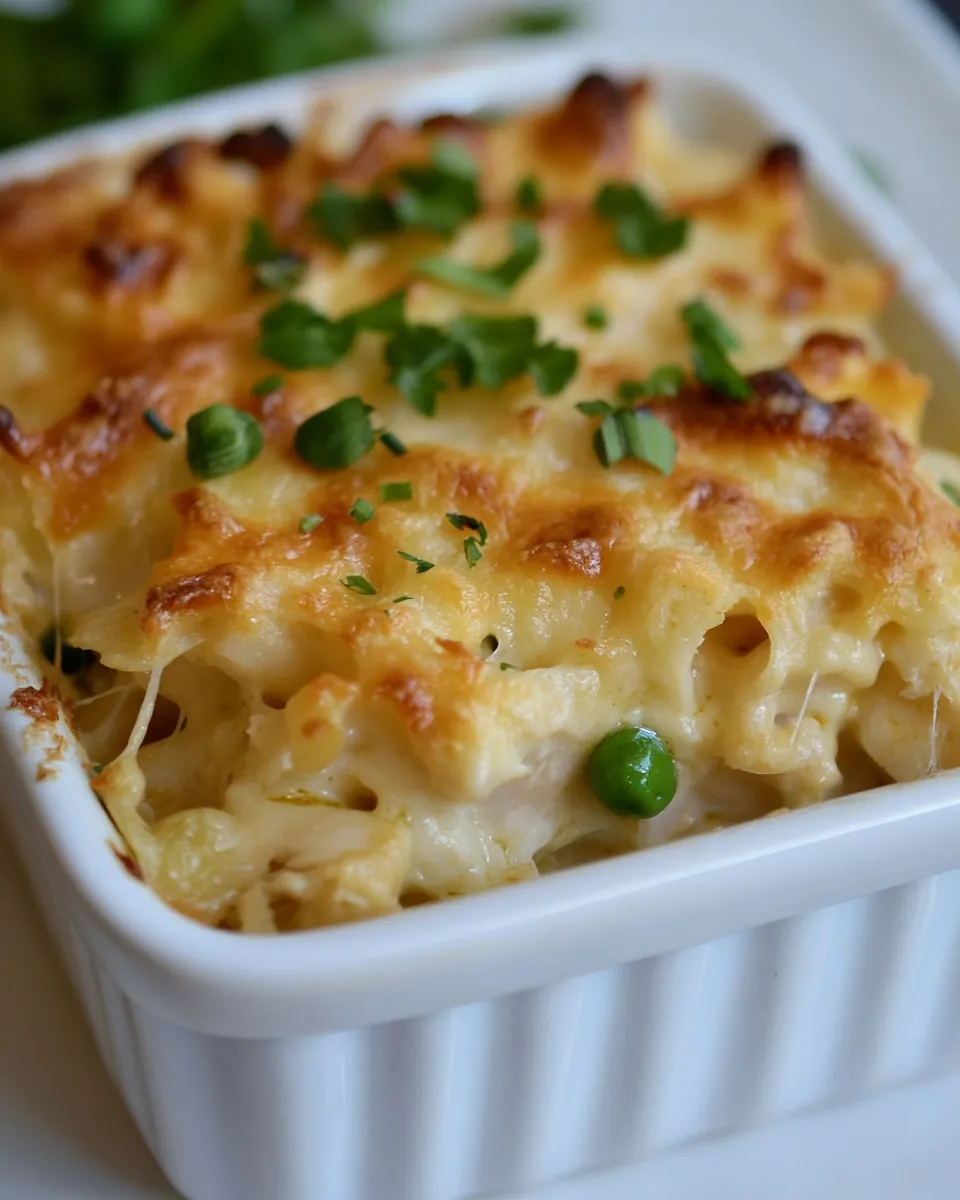
Tuna Casserole
Tuna Casserole has been my anchor on nights when the fridge offers more possibility than plan, and I still want something warm, comforting, and satisfying. I remember the first time I layered pasta, tender cauliflower, and flaky tuna with a glossy alfredo sauce, thinking it sounded like a strange mix, and then watching everyone sneak second helpings while I pretended it was all for presentation. That first bowl taught me that humble pantry staples can feel elevated with small, thoughtful moves.
Over the years I’ve adjusted the balance so the texture sings: the bite of the pasta, the gentle snap of cauliflower florets, pockets of creamy cheddar cheese, and the even, savory lift from the onion. When I’m rushed I rely on quick techniques that keep everything tender and not mushy. When I have a little extra time I let the sauce rest so flavors knit together, and the top gets that irresistible bubbly finish that brings everyone to the table.
Recipe Snapshot
35 mins
30 mins
5 mins
Easy
450 kcal
American
Gluten-Free, Low FODMAP
Dinner
Large pot, Colander, Wooden spoon, Measuring cups, Grater
What We Adore About This Tuna Casserole
Comforting and familiar
I grew up on casseroles, and Tuna Casserole brings that same warm familiarity to my kitchen. It hits the same comfort notes as a slow Sunday meal, yet it comes together fast. The creamy sauce paired with melting cheddar cheese and tender pasta creates a texture that makes people feel cared for, and I love serving something that instantly feels like home.
Pantry friendly and practical
I often reach for recipes that use what I already have, and this one is a star. Canned tuna, a jar of alfredo sauce, frozen peas, and dried pasta sit quietly in the cupboard until they get their moment. Having a dish that transforms everyday items into a full meal makes weeknight planning easier, and I always feel clever when a fridge rescue becomes a favorite.
Balanced textures and flavors
What I adore is the contrast: soft yet al dente pasta, tender roasted like cauliflower pieces, creamy sauce, and flaked tuna that adds a savory, slightly briny note. The onion sweated in olive oil gives a sweet base, while melted cheddar cheese brings richness. These layers keep every bite interesting and prevent the dish from becoming flat.
Flexible for cooks of all levels
Whether you are brand new to the kitchen or a seasoned home cook, Tuna Casserole lets you control complexity. You can keep it straightforward for a speedy dinner, or give it a minute under the broiler for a golden, bubbly top that earns applause. I like how forgiving it is, and that gives me confidence to improvise when needed.
Great for leftovers and feeding a crowd
This casserole scales beautifully. I’ve doubled the recipe for potlucks and still come home with an empty dish. Leftovers reheat beautifully, and the flavors continue to meld overnight. I find this makes it a reliable option for anyone planning ahead or feeding several mouths with minimal fuss.
Ingredients Required for Tuna Casserole
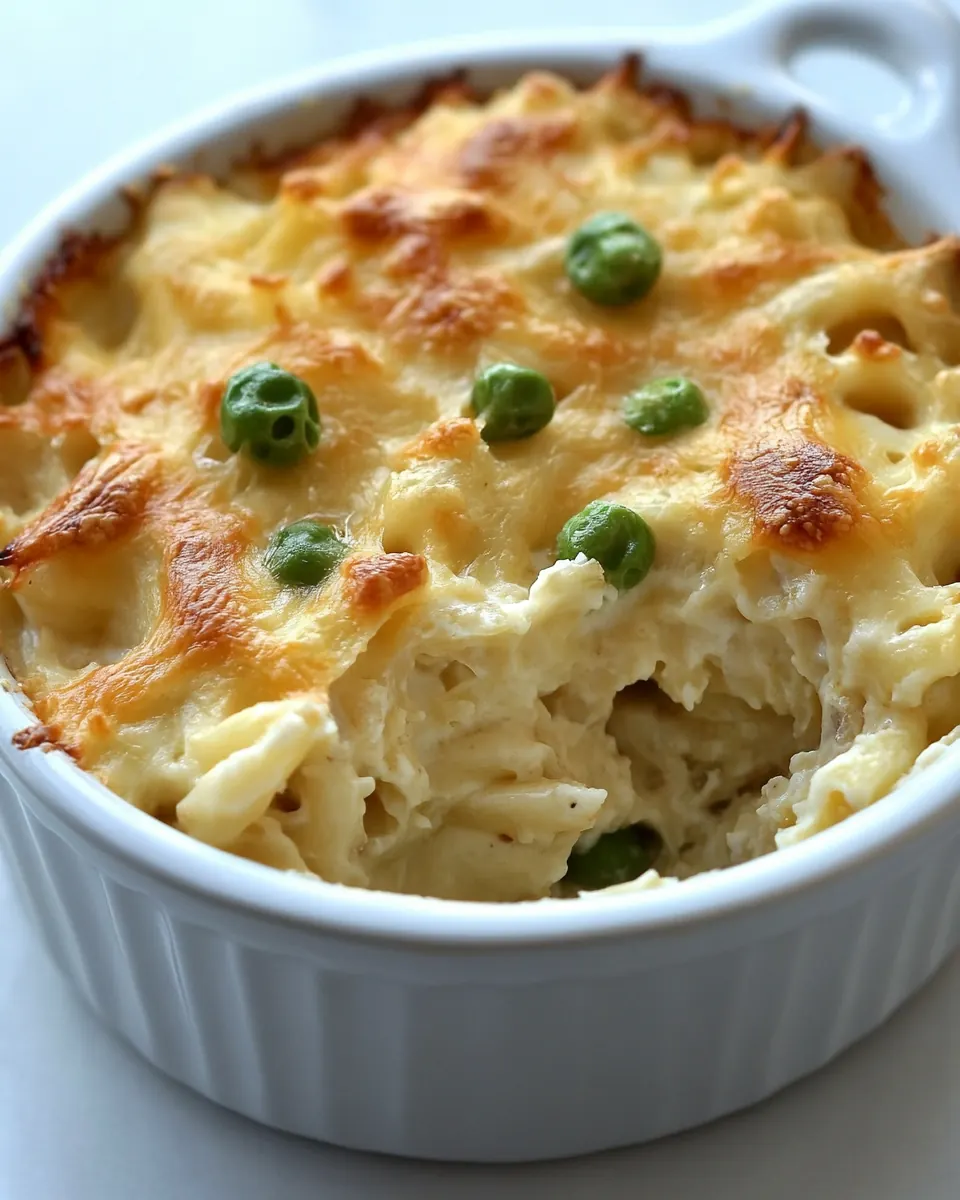
These ingredients work together like a well rehearsed quartet. The starch of the pasta provides structure, the alfredo sauce creates a creamy binding element, and the tuna offers protein and savory depth. Vegetables such as cauliflower and peas add texture contrasts and subtle sweetness, while cheddar cheese melts into comforting pockets. Small touches like onion, olive oil, and seasoning bring balance and lift the whole dish.
- 1/2 pounds short cut pasta such as Barilla Plus Farfalle: Cook until al dente and provide a starchy base that binds the casserole together; short cut shapes like farfalle hold sauce well and mix evenly with other components. Use the specified amount to ensure proper texture and portioning for a family-style dish.
- 1 head cauliflower: Steam or roast to tender-crisp and add a mild, slightly nutty flavor while contributing bulk and additional nutrients; cauliflower also offers a lower-carb alternative to more traditional fillers. Chop into bite-sized florets so it melds evenly with pasta and sauce.
- 2 tablespoons olive oil: Heat gently to sauté aromatics or coat vegetables; olive oil contributes healthy monounsaturated fats and helps prevent sticking during cooking. Measure precisely to maintain the right balance of moisture without making the casserole greasy.
- 1 cup diced onion: Sauté until translucent to build foundational savory sweetness and depth of flavor; diced onion releases moisture and aromatic compounds that enrich the sauce. Use a consistent dice to ensure even cooking and distribution throughout the casserole.
- 1 jar prepared alfredo sauce: Pour in as the creamy binder that provides richness, body, and a smooth sauce base; prepared Alfredo speeds assembly and adds reliable dairy flavor. Choose the jarred variety specified to match the recipe's intended consistency and seasoning.
- 2/3 cup milk: Stir in to loosen the sauce and adjust consistency while adding creaminess and a touch of dairy flavor; milk helps achieve a pourable yet cohesive texture. Use the listed amount to prevent the casserole from becoming too thin or too thick.
- 2 1/2 cups grated cheddar cheese divided: Fold most into the sauce and sprinkle some on top to create a gooey, melty interior and a gratinéed topping; grated cheddar contributes sharpness and a pleasing orange color. Reserve a portion to achieve a browned crust when baked, enhancing both flavor and presentation.
- 2 cans water packed tuna: Drain and flake into chunks to provide savory, flaky protein throughout the casserole; water–packed tuna stays moist without adding extra oil. Distribute evenly so each serving contains balanced bites of seafood and other ingredients.
- salt & pepper to taste: Season sparingly to enhance overall flavor balance and to brighten the creamy and savory elements; salt and pepper allow adjustment to personal taste and compensate for varying sodium levels in jarred sauce. Add gradually and taste before final seasoning to avoid over-salting.
- 1 cup frozen peas: Thaw or add frozen to provide pops of sweetness, color, and texture contrast; peas contribute vegetal brightness and little bursts of moisture. Stir in late during assembly to preserve their tender shape and prevent mushiness.
Recipe Directions for Tuna Casserole
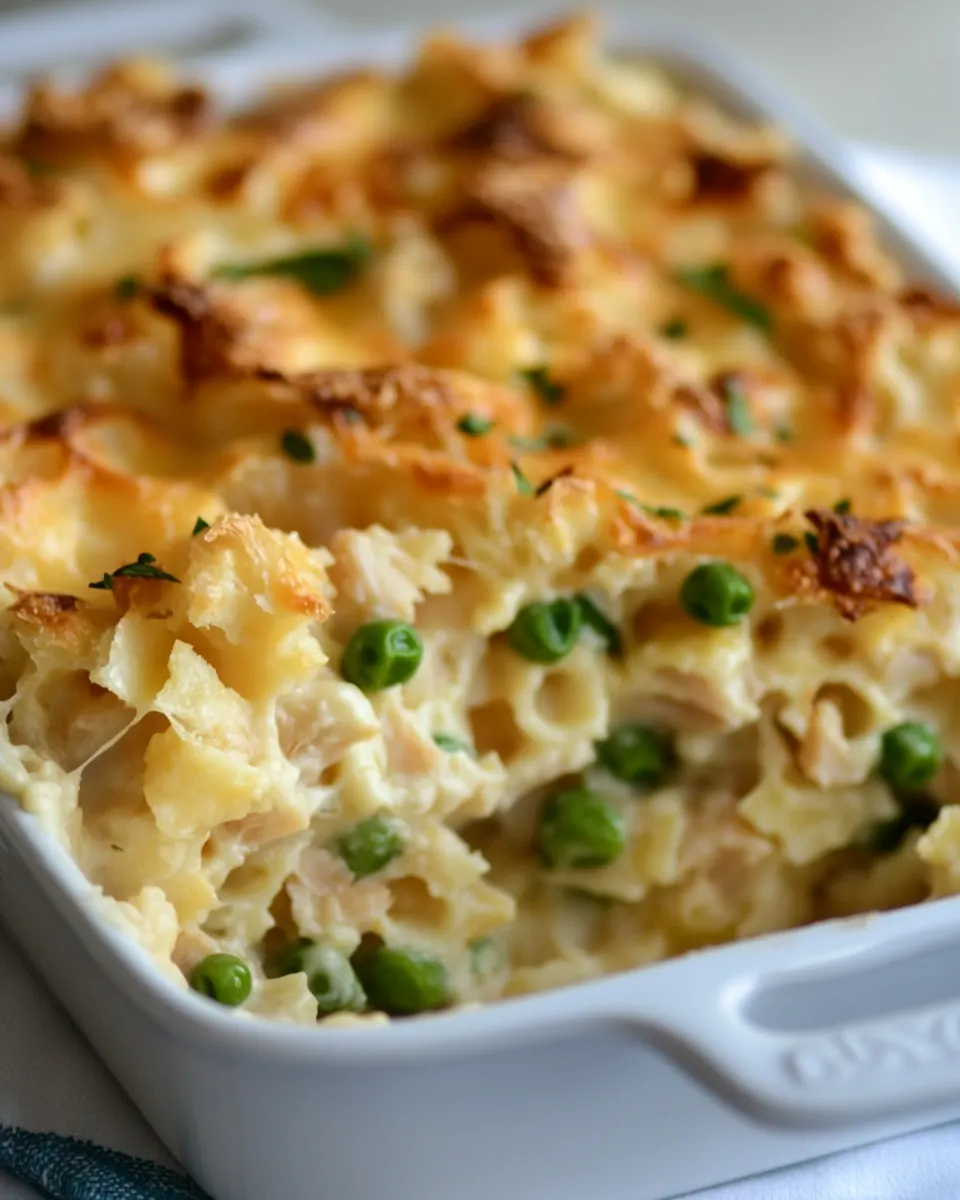
This recipe moves quickly once the water is boiling, but the payoff comes from paying attention to texture and timing. I recommend setting out the cans and cheese, and prepping the cauliflower so you can move smoothly. Below I turn each bullet from the original directions into rich, sensory steps so you know exactly what to watch for.
- Bring large pot of water to boil. Cut cauliflower into small bite sized florets. Once water comes to rolling boil, salt water and stir in pasta. Cook 3 minutes and then pour in cauliflower pieces. Cook until pasta is al dente and cauliflower is soft. Drain and set aside.: The moment the water hits a rolling boil you will see large, consistent bubbles breaking the surface and feel the steam lift from the pot, which is the cue that salt and pasta will dissolve properly. Salting the water here seasons the pasta from within, enhancing the overall dish. A common mistake is under salting, which leads to bland pasta, or over salting, which is hard to correct later. Make sure the pot is large enough to prevent the water temperature from dropping too much when you add the pasta and cauliflower .
- In same pot over medium heat, saute onion in olive oil until soft, 5 minutes. Sprinkle in salt and pepper. Pour in alfredo sauce. Pour milk into jar of alfredo sauce, replace lid and shake to remove any excess. Uncap and pour into pot. Sprinkle 2 cups of cheese into sauce and stir until cheese has melted and sauce is smooth.: When you cut the cauliflower into uniform small pieces they cook evenly alongside the pasta so you do not end up with some crunchy bits and some mushy ones. The visual cue is small, even florets that look like tiny bouquets; they should feel firm but not rock hard when raw. Avoid cutting them too large, which causes uneven cooking, and try not to bruise them while cutting since that can lead to waterlogged pieces.
- Pour in cooked pasta, drained tuna, cauliflower and frozen peas. Stir until everything is well mixed and coated in sauce. Splash in a little milk if sauce seems too thick. Smooth the top and sprinkle with remaining 1/2 cup cheese.: I add a generous pinch of salt until the water tastes slightly like the sea, then stir in the pasta to keep it from sticking. The sound changes to a steady low bubbling once the starch is released, and the foam rising to the surface is normal. A frequent error is overcrowding the pot, which cools the water and makes the pasta gummy, so give it space to move.
- Remove from heat and cover to melt cheese OR stick pot under hot broiler for 1-2 minutes or until cheese is brown and bubbly. Serve hot.: Timing is important here; adding the cauliflower after the pasta has started softening allows both to reach similar doneness simultaneously. After three minutes the pasta will be partially hydrated, and the cauliflower will poach gently without disintegrating. Avoid leaving them too long together, which can result in overly soft vegetables and mushy pasta .
- Cook until pasta is al dente and cauliflower is soft: You want the pasta to have a faint resistance when bitten and the cauliflower to be tender but still holding shape, with a slight tooth. The visual clue is that the pasta looks plump and the cauliflower has lost its raw whiteness. Under cooking leaves the dish tough, while overcooking makes it stodgy and prone to falling apart when mixed with the sauce.
- Drain and set aside: Draining should be quick and efficient so the cooked ingredients do not sit in hot water and continue to soften. I usually give a brief shake to remove excess water but avoid pressing the pasta which squeezes out flavor. A common pitfall is letting everything steam in the colander too long, which can make the pieces soggy; transfer to a warm bowl to keep textures intact.
- In same pot over medium heat, saute onion in olive oil until soft, 5 minutes: You will smell the sweet, caramelizing aroma as the diced onion turns translucent and glossy, and the gentle sizzling is your indicator that the olive oil is doing its job. This step builds depth and mellows the raw edge of the onion . Avoid cooking on too high heat, which can burn the onion and give a bitter note; medium heat keeps the transformation slow and flavorful.
- Sprinkle in salt and pepper: Adding salt and pepper during the saute enhances the natural sugars of the onion and layers seasoning into the base. Taste as you go because the later addition of cheddar cheese and canned tuna will alter the final saltiness. A mistake to avoid is seasoning everything at the end, which can lead to unevenly flavored bites.
- Pour in alfredo sauce: When the jarred alfredo sauce hits the warm pot it will loosen and begin to steam, releasing a creamy aroma. This is the backbone of the dish, so let it warm gradually to avoid separation. Stir gently and watch for a smooth, glossy appearance; if it looks grainy you may need to lower the heat and whisk to bring it back together.
- Pour milk into jar of alfredo sauce replace lid and shake to remove any excess Uncap and pour into pot: Shaking the jar with milk ensures you get every bit of sauce and thins it slightly for a more even coating. As it pours, the sauce will become more fluid and shimmer in the pot, which is the right texture for coating the pasta and vegetables. A common error is adding too much milk at once, which can make the sauce runny, so have more on hand to adjust gradually.
- Sprinkle 2 cups of cheese into sauce and stir until cheese has melted and sauce is smooth: Adding most of the cheddar cheese creates a glossy, velvety sauce; stir patiently until each strand melts and the mixture looks homogeneous. The smell will deepen into a toasty, dairy aroma, and the sauce should cling to a spoon in a ribbon. If the sauce becomes stringy rather than smooth, reduce heat and stir until it loosens; overheating can change the cheese texture.
- Pour in cooked pasta drained tuna cauliflower and frozen peas: At this point the pot fills with color and scent as the warm creamy sauce enfolds the al dente pasta , flaked tuna , tender cauliflower , and bright peas . Fold gently so the tuna stays flaky and the vegetables keep some integrity. Overmixing can pulverize delicate pieces and create a mash rather than a layered casserole.
- Stir until everything is well mixed and coated in sauce: When each bite looks evenly sauced and glossy, you can tell the balance is right because nothing appears dry and there are no pools of liquid. The sound is a soft, cohesive movement as ingredients slide together. If you notice dry pockets, a splash of milk will help, but add sparingly to keep the texture creamy rather than soupy.
- Splash in a little milk if sauce seems too thick: A small addition of milk will loosen the sauce and make it silkier, and you can see it blend in immediately, smoothing the surface. This keeps the casserole from tightening up and becoming claggy as it cools. Avoid adding too much at once, which dilutes flavor; add a tablespoon at a time until the desired consistency is reached.
- Smooth the top and sprinkle with remaining 1/2 cup cheese: Smoothing the surface creates an even layer for the top to brown, and the final sprinkle of cheddar cheese forms a golden, bubbling crust under heat. The visual cue is a uniform dusting that melts into a glossy film before browning. A frequent mistake is layering too thickly, which can insulate the top and leave the center underheated.
- Remove from heat and cover to melt cheese OR stick pot under hot broiler for 1 to 2 minutes or until cheese is brown and bubbly: Covering lets residual heat finish melting the cheese for a gentle finish, while a quick broil produces a dramatic, browned top in moments. Under the broiler watch closely, because it can move from golden to burnt in seconds; the bubbling and an even golden hue are your signals to stop. If you overdo it the top will taste bitter, so err on the side of caution when broiling.
- Serve hot: Serve straightaway so the molten cheese and creamy sauce are at their peak, with steam rising and a rich aroma filling the room. The ideal serving is warm and cohesive, where each spoonful carries sauce, pasta , and a tender flake of tuna . Reheating later will still be good, but the immediate texture and aroma are unbeatable.
Change It Up
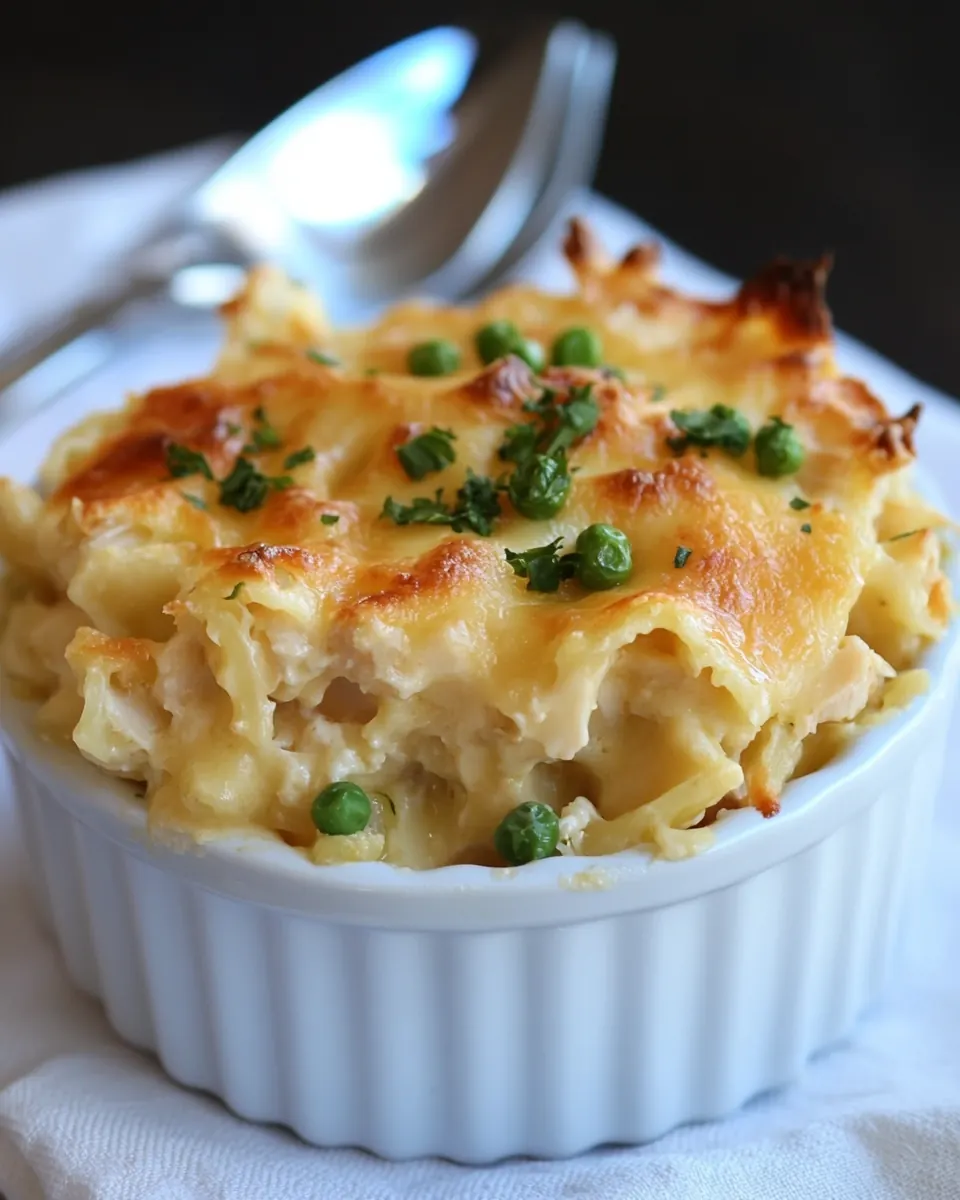
This section offers practical ways to vary the dish while keeping the core identity intact. Each tip begins with an emphasized short phrase so you can scan quickly and choose the approach that fits your pantry or mood.
- Make ahead for easy weeknights, assemble the casserole through the step of smoothing the top, cover tightly, and refrigerate up to 24 hours; when ready, bring to room temperature for 20 minutes and either reheat gently on the stovetop or finish under the broiler to refresh the top.
- Boost texture with breadcrumbs, toast a handful of plain breadcrumbs in olive oil until golden and sprinkle over the cheese before broiling for a crunchy contrast to the creamy interior.
- Adjust the cheese blend, use part sharp cheddar cheese and part milder melting cheese if you prefer a smoother, less tangy profile; experiment with ratios to find your favorite balance.
- Keep it lighter, reduce the jarred alfredo sauce by a quarter and add more milk to thin the sauce, which gives a lighter mouthfeel while maintaining creaminess.
- Serve family style, transfer the mixed casserole to an ovenproof dish before adding the final cheese layer and broiling, which makes for an attractive presentation and easier portioning for company.
How to Serve Tuna Casserole
This casserole works across many occasions, from quick family dinners to relaxed gatherings. The following ideas explain serving contexts, complementary sides, storage tips, and seasonal suggestions so you can make the most of the dish.
- Casual weeknight dinner, plate a warm scoop with a simple green side salad dressed lightly to cut the richness, and serve immediately while the cheese is still gooey.
- Family potluck, bake in a larger casserole dish, broil until bubbly, and transport covered; it reheats well and stretches to feed a group without fuss.
- Lunchboxes and leftovers, cool the casserole completely before refrigerating in airtight containers; reheat gently in the microwave or oven, adding a splash of milk if it seems dry.
- Seasonal pairing, the dish feels right in colder months such as winter, when warm, creamy foods are desirable; pair with roasted root vegetables or a tangy slaw for balance.
- Occasion suggestions, serve at a casual holiday buffet or a comforting Ramadan iftar as a hearty option that’s easy to portion and share with family and friends.
- Storage tips, refrigerate leftovers up to three days and freeze up to two months in a freezer safe dish; thaw overnight in the fridge before reheating to preserve texture.
FAQ
Conclusion
Tuna Casserole stands out because it turns simple pantry items into a cohesive, creamy, and satisfying meal that comforts and feeds with minimal fuss. Give it a try on a busy weeknight or when you want a make ahead option that still tastes fresh and indulgent. I hope you enjoy how the textures and flavors come together, and that this recipe earns a regular spot on your rotation for practical, delicious dinners.
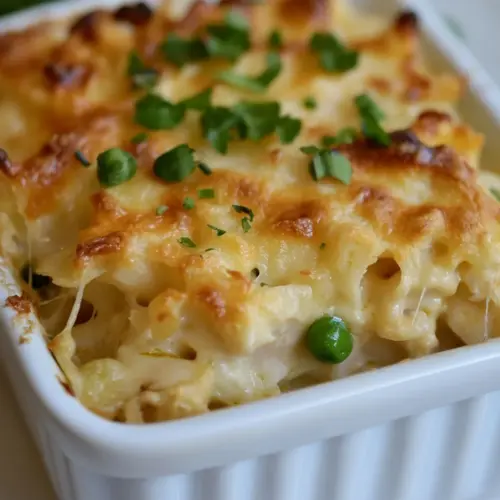
Tuna Casserole
Equipment
- Large Pot
- Colander
- Wooden Spoon
- Measuring Cups
- Grater
Ingredients
- 1/2 pounds short cut pasta such as Barilla Plus Farfalle Cook until al dente and provide a starchy base that binds the casserole together; short cut shapes like farfalle hold sauce well and mix evenly with other components. Use the specified amount to ensure proper texture and portioning for a family-style dish.
- 1 head cauliflower Steam or roast to tender-crisp and add a mild, slightly nutty flavor while contributing bulk and additional nutrients; cauliflower also offers a lower-carb alternative to more traditional fillers. Chop into bite-sized florets so it melds evenly with pasta and sauce.
- 2 tablespoons olive oil Heat gently to sauté aromatics or coat vegetables; olive oil contributes healthy monounsaturated fats and helps prevent sticking during cooking. Measure precisely to maintain the right balance of moisture without making the casserole greasy.
- 1 cup diced onion Sauté until translucent to build foundational savory sweetness and depth of flavor; diced onion releases moisture and aromatic compounds that enrich the sauce. Use a consistent dice to ensure even cooking and distribution throughout the casserole.
- 1 jar prepared alfredo sauce Pour in as the creamy binder that provides richness, body, and a smooth sauce base; prepared Alfredo speeds assembly and adds reliable dairy flavor. Choose the jarred variety specified to match the recipe's intended consistency and seasoning.
- 2/3 cup milk Stir in to loosen the sauce and adjust consistency while adding creaminess and a touch of dairy flavor; milk helps achieve a pourable yet cohesive texture. Use the listed amount to prevent the casserole from becoming too thin or too thick.
- 2 1/2 cups grated cheddar cheese divided Fold most into the sauce and sprinkle some on top to create a gooey, melty interior and a gratinéed topping; grated cheddar contributes sharpness and a pleasing orange color. Reserve a portion to achieve a browned crust when baked, enhancing both flavor and presentation.
- 2 cans water packed tuna Drain and flake into chunks to provide savory, flaky protein throughout the casserole; water-packed tuna stays moist without adding extra oil. Distribute evenly so each serving contains balanced bites of seafood and other ingredients.
- salt & pepper to taste Season sparingly to enhance overall flavor balance and to brighten the creamy and savory elements; salt and pepper allow adjustment to personal taste and compensate for varying sodium levels in jarred sauce. Add gradually and taste before final seasoning to avoid over-salting.
- 1 cup frozen peas Thaw or add frozen to provide pops of sweetness, color, and texture contrast; peas contribute vegetal brightness and little bursts of moisture. Stir in late during assembly to preserve their tender shape and prevent mushiness.
Instructions
- Bring large pot of water to boil. Cut cauliflower into small bite sized florets. Once water comes to rolling boil, salt water and stir in pasta. Cook 3 minutes and then pour in cauliflower pieces. Cook until pasta is al dente and cauliflower is soft. Drain and set aside.: The moment the water hits a rolling boil you will see large, consistent bubbles breaking the surface and feel the steam lift from the pot, which is the cue that salt and pasta will dissolve properly. Salting the water here seasons the pasta from within, enhancing the overall dish. A common mistake is under salting, which leads to bland pasta, or over salting, which is hard to correct later. Make sure the pot is large enough to prevent the water temperature from dropping too much when you add the pasta and cauliflower .
- In same pot over medium heat, saute onion in olive oil until soft, 5 minutes. Sprinkle in salt and pepper. Pour in alfredo sauce. Pour milk into jar of alfredo sauce, replace lid and shake to remove any excess. Uncap and pour into pot. Sprinkle 2 cups of cheese into sauce and stir until cheese has melted and sauce is smooth.: When you cut the cauliflower into uniform small pieces they cook evenly alongside the pasta so you do not end up with some crunchy bits and some mushy ones. The visual cue is small, even florets that look like tiny bouquets; they should feel firm but not rock hard when raw. Avoid cutting them too large, which causes uneven cooking, and try not to bruise them while cutting since that can lead to waterlogged pieces.
- Pour in cooked pasta, drained tuna, cauliflower and frozen peas. Stir until everything is well mixed and coated in sauce. Splash in a little milk if sauce seems too thick. Smooth the top and sprinkle with remaining 1/2 cup cheese.: I add a generous pinch of salt until the water tastes slightly like the sea, then stir in the pasta to keep it from sticking. The sound changes to a steady low bubbling once the starch is released, and the foam rising to the surface is normal. A frequent error is overcrowding the pot, which cools the water and makes the pasta gummy, so give it space to move.
- Remove from heat and cover to melt cheese OR stick pot under hot broiler for 1-2 minutes or until cheese is brown and bubbly. Serve hot.: Timing is important here; adding the cauliflower after the pasta has started softening allows both to reach similar doneness simultaneously. After three minutes the pasta will be partially hydrated, and the cauliflower will poach gently without disintegrating. Avoid leaving them too long together, which can result in overly soft vegetables and mushy pasta .
- Cook until pasta is al dente and cauliflower is soft: You want the pasta to have a faint resistance when bitten and the cauliflower to be tender but still holding shape, with a slight tooth. The visual clue is that the pasta looks plump and the cauliflower has lost its raw whiteness. Under cooking leaves the dish tough, while overcooking makes it stodgy and prone to falling apart when mixed with the sauce.
- Drain and set aside: Draining should be quick and efficient so the cooked ingredients do not sit in hot water and continue to soften. I usually give a brief shake to remove excess water but avoid pressing the pasta which squeezes out flavor. A common pitfall is letting everything steam in the colander too long, which can make the pieces soggy; transfer to a warm bowl to keep textures intact.
- In same pot over medium heat, saute onion in olive oil until soft, 5 minutes: You will smell the sweet, caramelizing aroma as the diced onion turns translucent and glossy, and the gentle sizzling is your indicator that the olive oil is doing its job. This step builds depth and mellows the raw edge of the onion . Avoid cooking on too high heat, which can burn the onion and give a bitter note; medium heat keeps the transformation slow and flavorful.
- Sprinkle in salt and pepper: Adding salt and pepper during the saute enhances the natural sugars of the onion and layers seasoning into the base. Taste as you go because the later addition of cheddar cheese and canned tuna will alter the final saltiness. A mistake to avoid is seasoning everything at the end, which can lead to unevenly flavored bites.
- Pour in alfredo sauce: When the jarred alfredo sauce hits the warm pot it will loosen and begin to steam, releasing a creamy aroma. This is the backbone of the dish, so let it warm gradually to avoid separation. Stir gently and watch for a smooth, glossy appearance; if it looks grainy you may need to lower the heat and whisk to bring it back together.
- Pour milk into jar of alfredo sauce replace lid and shake to remove any excess Uncap and pour into pot: Shaking the jar with milk ensures you get every bit of sauce and thins it slightly for a more even coating. As it pours, the sauce will become more fluid and shimmer in the pot, which is the right texture for coating the pasta and vegetables. A common error is adding too much milk at once, which can make the sauce runny, so have more on hand to adjust gradually.
- Sprinkle 2 cups of cheese into sauce and stir until cheese has melted and sauce is smooth: Adding most of the cheddar cheese creates a glossy, velvety sauce; stir patiently until each strand melts and the mixture looks homogeneous. The smell will deepen into a toasty, dairy aroma, and the sauce should cling to a spoon in a ribbon. If the sauce becomes stringy rather than smooth, reduce heat and stir until it loosens; overheating can change the cheese texture.
- Pour in cooked pasta drained tuna cauliflower and frozen peas: At this point the pot fills with color and scent as the warm creamy sauce enfolds the al dente pasta , flaked tuna , tender cauliflower , and bright peas . Fold gently so the tuna stays flaky and the vegetables keep some integrity. Overmixing can pulverize delicate pieces and create a mash rather than a layered casserole.
- Stir until everything is well mixed and coated in sauce: When each bite looks evenly sauced and glossy, you can tell the balance is right because nothing appears dry and there are no pools of liquid. The sound is a soft, cohesive movement as ingredients slide together. If you notice dry pockets, a splash of milk will help, but add sparingly to keep the texture creamy rather than soupy.
- Splash in a little milk if sauce seems too thick: A small addition of milk will loosen the sauce and make it silkier, and you can see it blend in immediately, smoothing the surface. This keeps the casserole from tightening up and becoming claggy as it cools. Avoid adding too much at once, which dilutes flavor; add a tablespoon at a time until the desired consistency is reached.
- Smooth the top and sprinkle with remaining 1/2 cup cheese: Smoothing the surface creates an even layer for the top to brown, and the final sprinkle of cheddar cheese forms a golden, bubbling crust under heat. The visual cue is a uniform dusting that melts into a glossy film before browning. A frequent mistake is layering too thickly, which can insulate the top and leave the center underheated.
- Remove from heat and cover to melt cheese OR stick pot under hot broiler for 1 to 2 minutes or until cheese is brown and bubbly: Covering lets residual heat finish melting the cheese for a gentle finish, while a quick broil produces a dramatic, browned top in moments. Under the broiler watch closely, because it can move from golden to burnt in seconds; the bubbling and an even golden hue are your signals to stop. If you overdo it the top will taste bitter, so err on the side of caution when broiling.
- Serve hot: Serve straightaway so the molten cheese and creamy sauce are at their peak, with steam rising and a rich aroma filling the room. The ideal serving is warm and cohesive, where each spoonful carries sauce, pasta , and a tender flake of tuna . Reheating later will still be good, but the immediate texture and aroma are unbeatable.
Notes
- Make ahead for easy weeknights, assemble the casserole through the step of smoothing the top, cover tightly, and refrigerate up to 24 hours; when ready, bring to room temperature for 20 minutes and either reheat gently on the stovetop or finish under the broiler to refresh the top.
- Boost texture with breadcrumbs, toast a handful of plain breadcrumbs in olive oil until golden and sprinkle over the cheese before broiling for a crunchy contrast to the creamy interior.
- Adjust the cheese blend, use part sharp cheddar cheese and part milder melting cheese if you prefer a smoother, less tangy profile; experiment with ratios to find your favorite balance.
- Keep it lighter, reduce the jarred alfredo sauce by a quarter and add more milk to thin the sauce, which gives a lighter mouthfeel while maintaining creaminess.
- Serve family style, transfer the mixed casserole to an ovenproof dish before adding the final cheese layer and broiling, which makes for an attractive presentation and easier portioning for company.