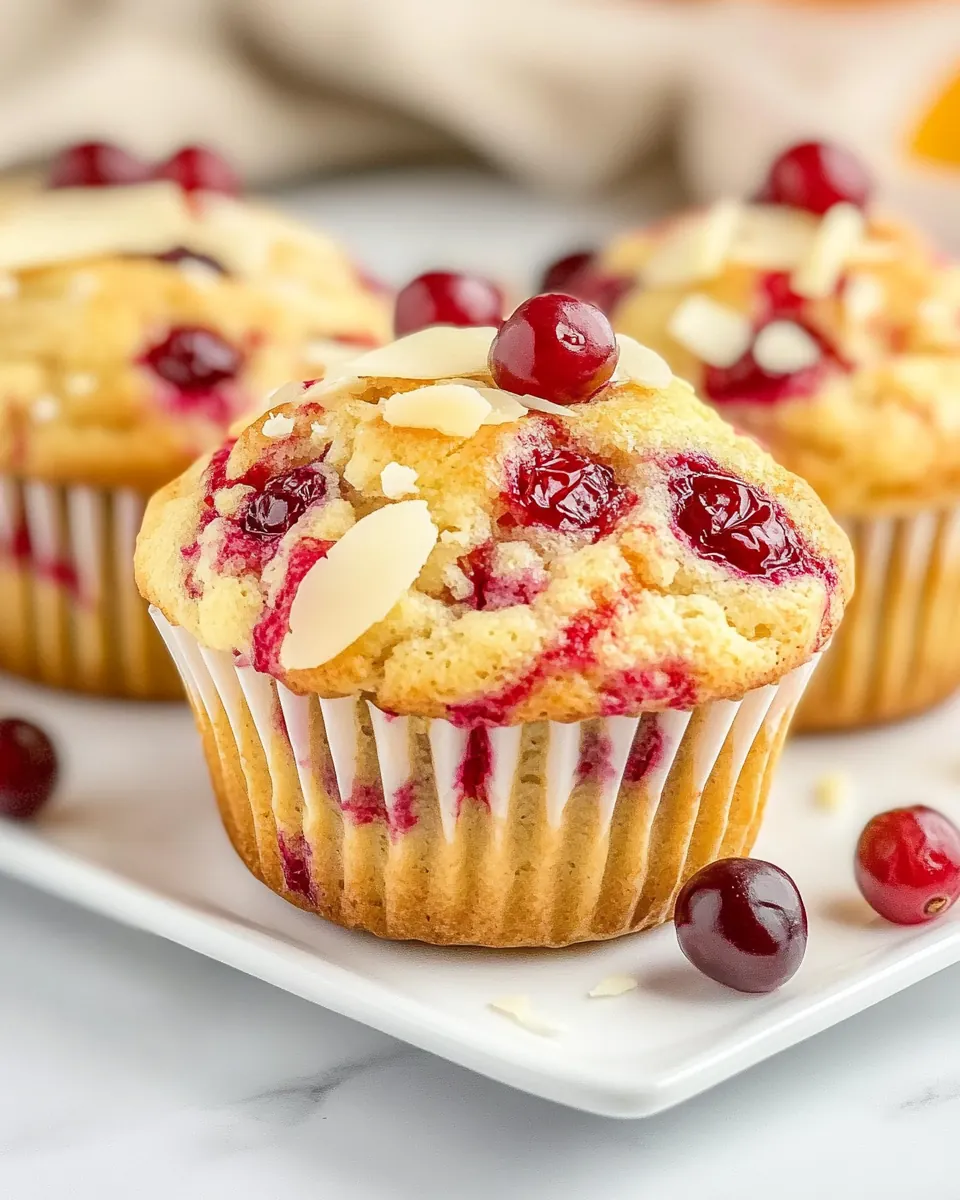
Cranberry Orange Muffins
Cranberry Orange Muffins have been my go to celebration bake when cool weather rolls in, a recipe I reach for when I want something bright and cozy on the kitchen counter. The first time I made these I was chasing a memory of holiday mornings, the scent of citrus woven through tart cranberries filling the house while I sipped something warm and watched light leak through frost on the window. Since then, they have become a small ritual, something I bring to neighbors, brunches, and quiet Sunday breakfasts.
There is a comfort in the routine of this recipe, the way the batter comes together in bowls on the counter and the way the oven trick—starting hot and lowering the temperature—gives each muffin a proud dome. I enjoy the rhythm, creaming the butter and granulated sugar until light and almost ribbon like, folding in chopped cranberries, then finishing with a glaze that catches the light. Each step feels purposeful, and I love how a few simple ingredients can make something that tastes special.
When friends ask for a seasonal treat that is fuss free but impressive, I hand them a box of these muffins. The zing of orange juice and the lift from orange zest balance the tartness of the cranberries, while the yogurt keeps the crumb tender and moist. I always warn listeners that patience is part of the charm; let them cool before glazing, and you will be rewarded with a set, glossy finish that completes the look.
Recipe Snapshot
35 mins
15 mins
20 mins
Medium
200 kcal
American
Gluten-Free, Low FODMAP
Breakfast
12 cup muffin pan, Mixing Bowl, Measuring cups and spoons, Food processor
Why This Cranberry Orange Muffins Works
Bright seasonal flavor that still feels familiar
I love how Cranberry Orange Muffins combine the familiar warmth of baked goods with a crisp, fruity finish. The tartness from the cranberries contrasts beautifully with the sweet glaze and the citrus notes from the orange zest and orange juice. To me, this balance is what makes these muffins stand out at holiday spreads and everyday breakfasts alike.
Texture that sings because of technique
The method matters here, and I can taste the difference when the batter is treated gently. Folding the chopped cranberries in at the end and avoiding overmixing keeps the crumb tender, while the two stage baking temps help the tops rise into a perfect dome. I always feel proud when the exterior is slightly crisp and the inside is soft and yielding.
Simple pantry ingredients, impressive results
This recipe uses ingredients I keep on hand, like all purpose flour, granulated sugar, and plain greek yogurt. That practicality is powerful in my kitchen, because it means I can easily whip these up for unexpected guests or weekend treats. The simplicity does not sacrifice flavor, and that contrast delights me each time.
Flexible and crowd pleasing
Whether I am serving a small family breakfast or bringing a dozen to a potluck, Cranberry Orange Muffins travel well and still taste fresh the next day. I appreciate that they store easily and freeze cleanly, making them a reliable choice for planning ahead. They are bright enough for holiday tables, yet unfussy enough for weekday mornings.
A technique that educates
Finally, this recipe has taught me small but important lessons about baking like temperature management, the importance of room temperature ingredients, and gentle mixing. Each success reinforces those habits, so I find myself reaching for this recipe when I want practice that yields delicious results.
What to Gather for Cranberry Orange Muffins
The ingredient list here is purposeful and harmonious. I think of cranberries and orange as the main voices, supported by a tendering trio of butter, yogurt, and milk. Flour and sugar are the structure and lift, while the leaveners and a touch of cinnamon add depth. Together they make a batter that yields moist, flavorful muffins with a crisp, slightly sweet finish.
- 2 cup (225 g) fresh cranberries rinsed and dried: Provide tart, bright flavor and juicy texture that balance sweetness; rinse and dry to remove debris and excess moisture before baking so muffins retain structure; distribute whole or roughly chopped throughout batter for pops of color and tang.
- 2 1/4 cups (270 g) all purpose flour: Act as the primary structure-builder, supplying gluten and bulk to form the muffin crumb; measure accurately by spooning into a cup and leveling to avoid dense results; combine with leaveners and other dry ingredients for even incorporation.
- 1 teaspoon ground cinnamon: Add warm, aromatic spice that complements citrus and berries; incorporate into the dry mix to ensure even flavor distribution and prevent clumping; can be adjusted slightly to taste without affecting chemistry.
- 1 teaspoon baking powder: Provide lift and help create a light, airy crumb by releasing carbon dioxide during baking; sift or whisk with other dry ingredients to distribute evenly and avoid pockets; balance with acidic components for optimal rise.
- 1/2 teaspoon baking soda: React with acidic ingredients to produce additional leavening and tenderize crumb; measure precisely since excess can cause soapy flavor or collapse; dissolve into the batter quickly after mixing to capture gas release.
- 1/4 teaspoons salt: Enhance overall flavor and balance sweetness while slightly strengthening gluten; mix thoroughly with dry ingredients to ensure even salinity; avoid over-salting to keep muffins pleasant and balanced.
- 3/4 cup (150 g) granulated sugar: Supply sweetness and aid in browning and moisture retention; cream with butter to incorporate air for a lighter texture when called for; adjust slightly for tart fruit like cranberries if desired.
- 1/2 cup (113 g) unsalted butter softened to room temperature: Contribute richness, moisture, and tender mouthfeel while helping to emulsify batter for even crumb; soften to room temperature for better creaming with sugar and to prevent lumps or uneven distribution.
- 1 tablespoon orange zest: Deliver concentrated citrus aroma and flavor, elevating brightness in the batter; finely grate and add with sugars to help release essential oils and infuse throughout; avoid bitter white pith when zesting.
- 2 large eggs at room temperature: Provide structure, richness, and emulsification; bring to room temperature to blend smoothly and trap air when beaten; add one at a time to ensure uniform incorporation and stable batter.
- 1/2 cup (120 g) plain greek yogurt: Add tenderizing acidity and moisture while contributing tang that complements cranberries; use plain Greek yogurt for thickness and body which helps maintain a moist crumb without thinning batter too much.
- 1/2 cup (120 ml) milk: Adjust batter viscosity and contribute to steam during baking for lift; use a milk of choice at room temperature for consistent mixing and to avoid chilling butter and eggs.
- 1/4 cup (60 ml) orange juice: Introduce fresh citrus flavor and acidity that brightens the overall profile and reacts slightly with baking soda; measure juice accurately and add with wet ingredients to distribute flavor evenly.
- 1 teaspoon (5 ml) pure vanilla extract: Provide background sweetness and enhance other flavors while contributing a familiar vanilla aroma; add with wet ingredients to ensure even dispersion and to round out the citrus and berry notes.
- 1 cup (120 g) powdered sugar: Create a smooth, sweet glaze that adds visual appeal and extra sweetness when mixed with orange juice or milk; sift before mixing to remove lumps and whisk until smooth for drizzling after cooling.
- 2 tablespoons (30 ml) orange juice: Combine with powdered sugar to form a citrus glaze, adding shine and concentrated orange flavor; whisk until smooth and adjust consistency with additional orange juice for desired thickness before glazing muffins.
How to Cook Cranberry Orange Muffins
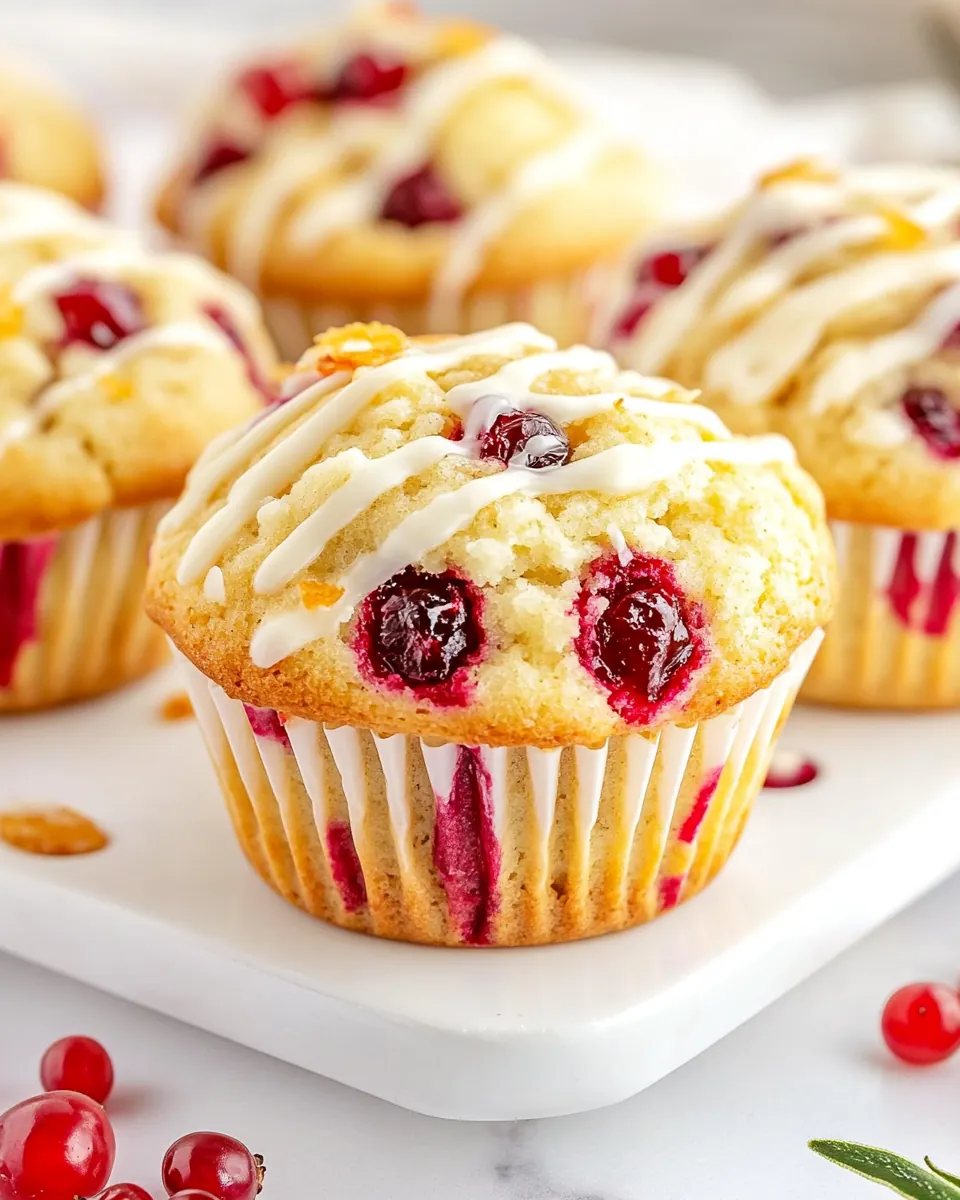
These directions are straightforward and comforting. I walk you through the process with sensory cues so you can rely on smell, sight, and texture at each stage. Follow the order and try to keep bowls and tools ready so each transition feels smooth.
- Preheat the oven to 425°F (220°C), or 200°C if using a fan oven. Line a muffin tin with paper liners and set aside.: As the kitchen warms, the scent of citrus and butter will become more inviting; the heat jump start helps the tops rise quickly, producing domes. I can hear the oven click and then hum as it approaches temperature, and that first blast of heat is crucial because it creates steam from the batter, giving the muffins height. One common mistake is skipping preheating, which leads to flat, dense tops, so always wait until the oven reaches the full initial temperature before baking.
- Add the cranberries to the bowl of a large food processor. Pulse to chop the cranberries until they are in smaller pieces, about 4-5 times. Set aside until needed.: Pulsing gives you smaller, juicy bursts of fruit without turning them into purée. You will notice the color deepen slightly as the berries break down, and pulsing four to five times yields pieces that scatter evenly through the batter. Avoid overprocessing, which will bleed into the batter and color it pink, and try not to leave excess liquid in the processor bowl which can loosen the batter.
- In a medium bowl, whisk together the flour, cinnamon, baking powder, baking soda, and salt; set aside.: Whisking aerates the flour and evenly distributes the leaveners and cinnamon . The dry mix should look light and uniform, dusting the edge of the bowl as you whisk. This step prevents pockets of chemical leavener, which could cause uneven rise. A typical issue is adding wet ingredients before the dry are well mixed, which can result in mottled texture or localized baking soda pockets.
- In a large bowl, add the granulated sugar, butter, and orange zest. Beat with a mixer on medium-high for 2-3 minutes or until light and fluffy. Add the eggs and beat again.: Crèming the butter and granulated sugar traps tiny air bubbles, which give tenderness and lift; you will see the color go paler and the texture look almost ribbon like. When you add eggs , the mixture will smell citrusy and sweet. If your butter is too cold, it will not cream properly and the muffins may be dense, so ensure it is softened to room temperature.
- In a separate bowl, whisk together the yogurt, milk, orange juice, and vanilla until smooth.: This wet mix should be silky, with the yogurt fully incorporated so no lumps remain. The combination provides both acidity and moisture, which helps with tender crumb and flavor brightness. If the liquids are too cold, they can cause the butter mixture to seize slightly, so having them close to room temperature helps everything combine evenly.
- Add half the flour mixture to the butter mixture and mix. Add the yogurt mixture and mix again. Finally, add remaining flour and mix until just combined.: When combining, stop as soon as streaks of flour disappear; the batter should be thick and slightly lumpy, not smooth like cake batter. You will notice a soft sheen and a pleasing, slightly thick scoopable consistency. Overmixing develops gluten, resulting in chewy or dense muffins, so resist the urge to fully smooth every lump.
- Fold in the cranberries and divide the batter evenly into the 12 muffin cups. They will be full.: Folding preserves the air you created earlier and keeps the cranberries intact. The batter should look speckled with bright berry pieces, and filling the cups high helps produce those bakery domes. A common slip is scraping too hard with the spoon, which knocks out air; fold gently but thoroughly to distribute the fruit.
- Bake in the preheated oven for 5 minutes, then turn the oven down to 350°F/180°C (160°C for fan oven) and bake an additional 12-15 minutes, or until the muffins are domed and a toothpick inserted into the center comes out clean.: You will hear a soft pop as the oven temperature drops, and the tops should take on a light golden color. The initial high heat gives an instant lift, while the reduced temperature finishes the crumb without burning. If you open the oven a lot during baking, you may lose heat and hinder rise, so try to peek through the glass rather than opening the door.
- Allow to cool in the tin for 5 minutes before removing to a cooling rack to cool completely.: Cooling briefly in the tin stabilizes the structure so muffins do not collapse when moved. After five minutes, transfer to a rack where you will notice steam rise and the bottoms stop sweating. Removing them too early can lead to a gummy center, while leaving them too long in the hot tin can create soggy undersides.
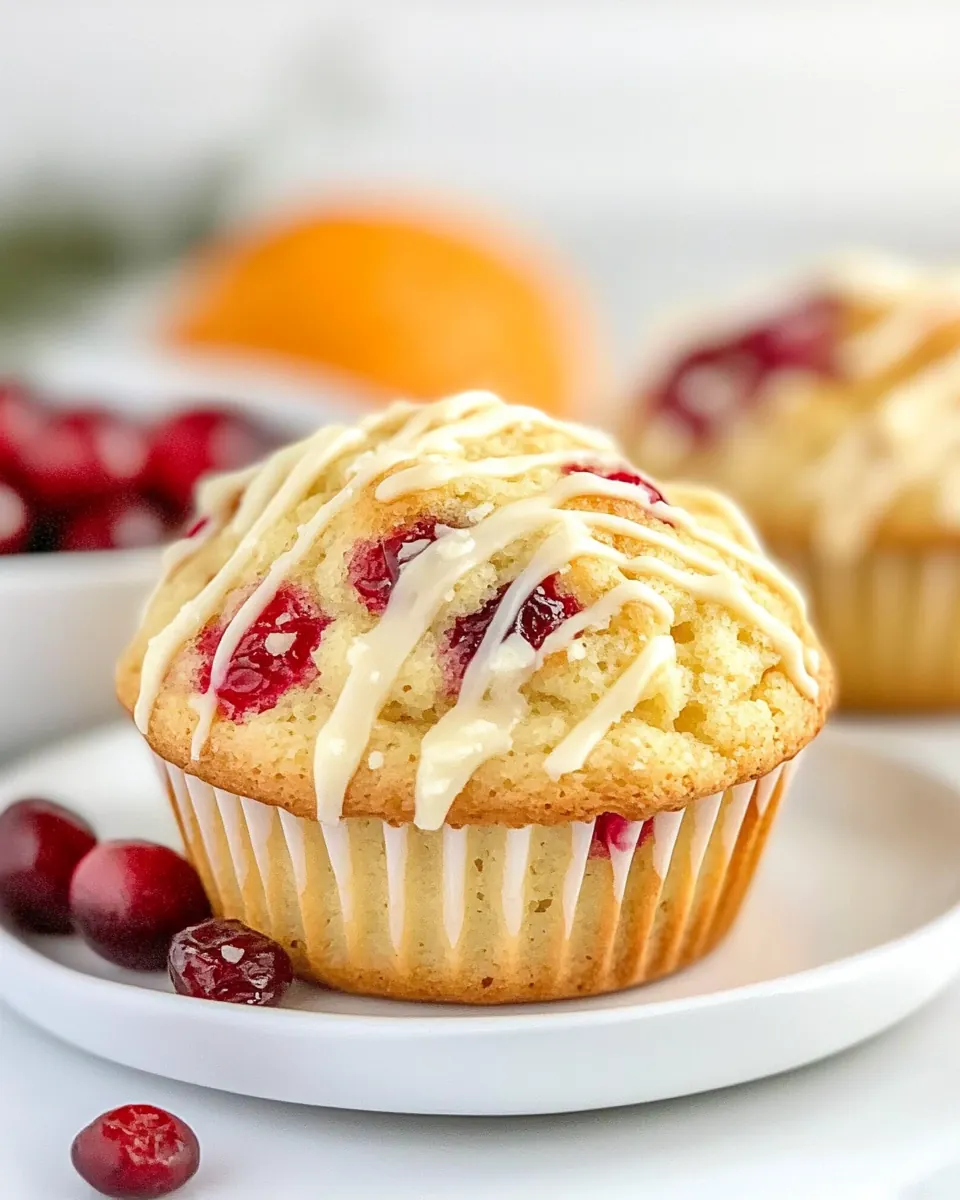
- Whisk together the powdered sugar and orange juice, then drizzle on top of the cooled muffins.: The glaze should be glossy and pourable, clinging to the tops. Use a whisk to break any lumps and adjust drizzle thickness by adding more orange juice in small amounts. Drizzling on warm muffins will melt the glaze into the surface, so wait until they are fully cool for a distinct, set finish; otherwise it may run off and make the paper liners soggy.
Pro Tips and Tweaks
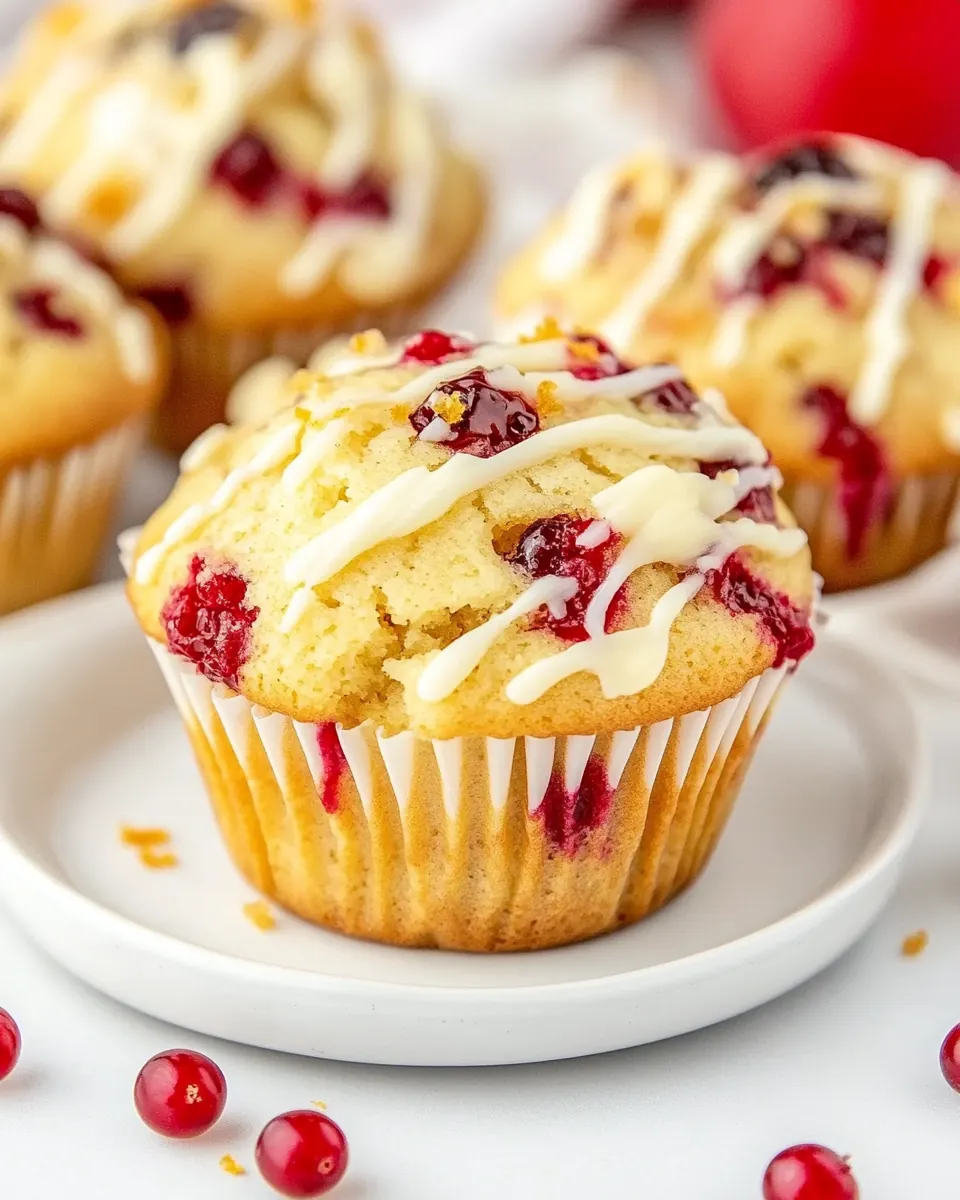
I keep these tips practical and rooted in the recipe steps so you can get reliable results every time. Each tip highlights a small action that has a big payoff, and I write them from the perspective of someone who has baked and tweaked these muffins many times.
- Use room temperature ingredients: Having the butter, eggs, and dairy close to room temperature ensures they blend smoothly and trap air during crèming for a lighter texture.
- Pulse cranberries lightly: A few short pulses produces evenly sized pieces that distribute without bleeding extensively into the batter, preserving a pretty contrast of pink and white crumb.
- Measure flour accurately: Spoon and level all purpose flour into the cup to avoid packing, which can make muffins heavy and dry rather than tender and lofty.
- Do not overmix: Stop mixing when the flour streaks disappear; overworking develops gluten and leads to a tougher muffin instead of a delicate crumb.
- Use the two stage bake: The initial high heat jump starts rise, while lowering the temperature finishes baking gently for a golden exterior and moist interior.
- Cool before glazing: Allow muffins to cool fully on a rack before drizzling the powdered sugar glaze so it sets on the surface rather than melting away.
- Freeze for make ahead: Wrap cooled muffins individually and freeze for up to three months, then thaw at room temperature for quick breakfasts or gifts.
Accompaniments for Cranberry Orange Muffins
These muffins are versatile in how they can be served, whether for a relaxed breakfast or a festive brunch. The list below outlines serving ideas, storage tips, and occasions where they shine. Each suggestion is practical and geared toward making the most of the flavors and texture.
- Brunch spread pairing: Serve on a platter alongside simple fruit salads and a pot of coffee for an effortless brunch where the muffins provide bright citrus contrast.
- Holiday table contribution: They make a colorful addition to Thanksgiving or holiday buffets, pairing well with warm beverages and heavier mains because they add brightness and a sweet tang.
- Snack or lunchbox: Pack one in an insulated container for a midafternoon boost; they travel well and stay moist for several days when stored airtight.
- Storage suggestions: Keep in an airtight container at room temperature for up to four days, or freeze for up to three months, wrapping each muffin to prevent freezer burn.
- Seasonal pairing: In fall, enjoy with warm spiced drinks or at winter holiday breakfasts where the citrus lifts richer flavors on the table.
- Occasion ideas: Bring a dozen to neighborhood gatherings, serve at casual weekend breakfasts, or include them as part of a potluck dessert selection for easy sharing.
FAQ
Conclusion
These Cranberry Orange Muffins stand out because they pair bright citrus with tart berries in a tender, well risen muffin that feels both festive and approachable. They are reliable to make, travel well, and offer big flavor from simple pantry staples, making them a great choice for holiday brunches or cozy mornings. Give them a try the next time you want something that looks special with minimal fuss, and enjoy the way the citrus and berry notes brighten a table and lift spirits.
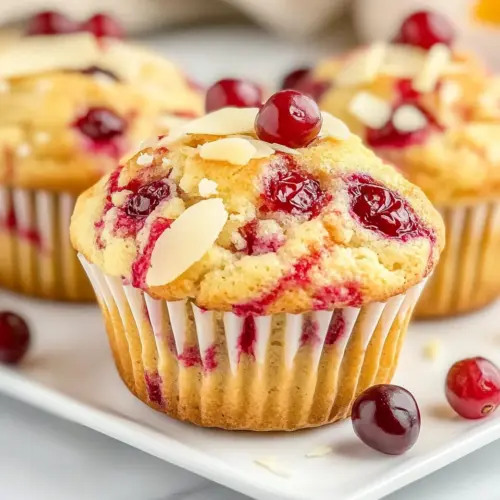
Cranberry Orange Muffins
Equipment
- 12-Cup Muffin Pan
- Mixing Bowl
- Measuring Cups and Spoons
- Food Processor
Ingredients
- 2 cup (225 g) fresh cranberries rinsed and dried Provide tart, bright flavor and juicy texture that balance sweetness; rinse and dry to remove debris and excess moisture before baking so muffins retain structure; distribute whole or roughly chopped throughout batter for pops of color and tang.
- 2 1/4 cups (270 g) all purpose flour Act as the primary structure-builder, supplying gluten and bulk to form the muffin crumb; measure accurately by spooning into a cup and leveling to avoid dense results; combine with leaveners and other dry ingredients for even incorporation.
- 1 teaspoon ground cinnamon Add warm, aromatic spice that complements citrus and berries; incorporate into the dry mix to ensure even flavor distribution and prevent clumping; can be adjusted slightly to taste without affecting chemistry.
- 1 teaspoon baking powder Provide lift and help create a light, airy crumb by releasing carbon dioxide during baking; sift or whisk with other dry ingredients to distribute evenly and avoid pockets; balance with acidic components for optimal rise.
- 1/2 teaspoon baking soda React with acidic ingredients to produce additional leavening and tenderize crumb; measure precisely since excess can cause soapy flavor or collapse; dissolve into the batter quickly after mixing to capture gas release.
- 1/4 teaspoons salt Enhance overall flavor and balance sweetness while slightly strengthening gluten; mix thoroughly with dry ingredients to ensure even salinity; avoid over-salting to keep muffins pleasant and balanced.
- 3/4 cup (150 g) granulated sugar Supply sweetness and aid in browning and moisture retention; cream with butter to incorporate air for a lighter texture when called for; adjust slightly for tart fruit like cranberries if desired.
- 1/2 cup (113 g) unsalted butter softened to room temperature Contribute richness, moisture, and tender mouthfeel while helping to emulsify batter for even crumb; soften to room temperature for better creaming with sugar and to prevent lumps or uneven distribution.
- 1 tablespoon orange zest Deliver concentrated citrus aroma and flavor, elevating brightness in the batter; finely grate and add with sugars to help release essential oils and infuse throughout; avoid bitter white pith when zesting.
- 2 large eggs at room temperature Provide structure, richness, and emulsification; bring to room temperature to blend smoothly and trap air when beaten; add one at a time to ensure uniform incorporation and stable batter.
- 1/2 cup (120 g) plain greek yogurt Add tenderizing acidity and moisture while contributing tang that complements cranberries; use plain Greek yogurt for thickness and body which helps maintain a moist crumb without thinning batter too much.
- 1/2 cup (120 ml) milk Adjust batter viscosity and contribute to steam during baking for lift; use a milk of choice at room temperature for consistent mixing and to avoid chilling butter and eggs.
- 1/4 cup (60 ml) orange juice Introduce fresh citrus flavor and acidity that brightens the overall profile and reacts slightly with baking soda; measure juice accurately and add with wet ingredients to distribute flavor evenly.
- 1 teaspoon (5 ml) pure vanilla extract Provide background sweetness and enhance other flavors while contributing a familiar vanilla aroma; add with wet ingredients to ensure even dispersion and to round out the citrus and berry notes.
- 1 cup (120 g) powdered sugar Create a smooth, sweet glaze that adds visual appeal and extra sweetness when mixed with orange juice or milk; sift before mixing to remove lumps and whisk until smooth for drizzling after cooling.
- 2 tablespoons (30 ml) orange juice Combine with powdered sugar to form a citrus glaze, adding shine and concentrated orange flavor; whisk until smooth and adjust consistency with additional orange juice for desired thickness before glazing muffins.
Instructions
- Preheat the oven to 425°F (220°C), or 200°C if using a fan oven. Line a muffin tin with paper liners and set aside.: As the kitchen warms, the scent of citrus and butter will become more inviting; the heat jump start helps the tops rise quickly, producing domes. I can hear the oven click and then hum as it approaches temperature, and that first blast of heat is crucial because it creates steam from the batter, giving the muffins height. One common mistake is skipping preheating, which leads to flat, dense tops, so always wait until the oven reaches the full initial temperature before baking.
- Add the cranberries to the bowl of a large food processor. Pulse to chop the cranberries until they are in smaller pieces, about 4-5 times. Set aside until needed.: Pulsing gives you smaller, juicy bursts of fruit without turning them into purée. You will notice the color deepen slightly as the berries break down, and pulsing four to five times yields pieces that scatter evenly through the batter. Avoid overprocessing, which will bleed into the batter and color it pink, and try not to leave excess liquid in the processor bowl which can loosen the batter.
- In a medium bowl, whisk together the flour, cinnamon, baking powder, baking soda, and salt; set aside.: Whisking aerates the flour and evenly distributes the leaveners and cinnamon . The dry mix should look light and uniform, dusting the edge of the bowl as you whisk. This step prevents pockets of chemical leavener, which could cause uneven rise. A typical issue is adding wet ingredients before the dry are well mixed, which can result in mottled texture or localized baking soda pockets.
- In a large bowl, add the granulated sugar, butter, and orange zest. Beat with a mixer on medium-high for 2-3 minutes or until light and fluffy. Add the eggs and beat again.: Crèming the butter and granulated sugar traps tiny air bubbles, which give tenderness and lift; you will see the color go paler and the texture look almost ribbon like. When you add eggs , the mixture will smell citrusy and sweet. If your butter is too cold, it will not cream properly and the muffins may be dense, so ensure it is softened to room temperature.
- In a separate bowl, whisk together the yogurt, milk, orange juice, and vanilla until smooth.: This wet mix should be silky, with the yogurt fully incorporated so no lumps remain. The combination provides both acidity and moisture, which helps with tender crumb and flavor brightness. If the liquids are too cold, they can cause the butter mixture to seize slightly, so having them close to room temperature helps everything combine evenly.
- Add half the flour mixture to the butter mixture and mix. Add the yogurt mixture and mix again. Finally, add remaining flour and mix until just combined.: When combining, stop as soon as streaks of flour disappear; the batter should be thick and slightly lumpy, not smooth like cake batter. You will notice a soft sheen and a pleasing, slightly thick scoopable consistency. Overmixing develops gluten, resulting in chewy or dense muffins, so resist the urge to fully smooth every lump.
- Fold in the cranberries and divide the batter evenly into the 12 muffin cups. They will be full.: Folding preserves the air you created earlier and keeps the cranberries intact. The batter should look speckled with bright berry pieces, and filling the cups high helps produce those bakery domes. A common slip is scraping too hard with the spoon, which knocks out air; fold gently but thoroughly to distribute the fruit.
- Bake in the preheated oven for 5 minutes, then turn the oven down to 350°F/180°C (160°C for fan oven) and bake an additional 12-15 minutes, or until the muffins are domed and a toothpick inserted into the center comes out clean.: You will hear a soft pop as the oven temperature drops, and the tops should take on a light golden color. The initial high heat gives an instant lift, while the reduced temperature finishes the crumb without burning. If you open the oven a lot during baking, you may lose heat and hinder rise, so try to peek through the glass rather than opening the door.
- Allow to cool in the tin for 5 minutes before removing to a cooling rack to cool completely.: Cooling briefly in the tin stabilizes the structure so muffins do not collapse when moved. After five minutes, transfer to a rack where you will notice steam rise and the bottoms stop sweating. Removing them too early can lead to a gummy center, while leaving them too long in the hot tin can create soggy undersides.
- Whisk together the powdered sugar and orange juice, then drizzle on top of the cooled muffins.: The glaze should be glossy and pourable, clinging to the tops. Use a whisk to break any lumps and adjust drizzle thickness by adding more orange juice in small amounts. Drizzling on warm muffins will melt the glaze into the surface, so wait until they are fully cool for a distinct, set finish; otherwise it may run off and make the paper liners soggy.
Notes
- Use room temperature ingredients: Having the butter, eggs, and dairy close to room temperature ensures they blend smoothly and trap air during crèming for a lighter texture.
- Pulse cranberries lightly: A few short pulses produces evenly sized pieces that distribute without bleeding extensively into the batter, preserving a pretty contrast of pink and white crumb.
- Measure flour accurately: Spoon and level all purpose flour into the cup to avoid packing, which can make muffins heavy and dry rather than tender and lofty.
- Do not overmix: Stop mixing when the flour streaks disappear; overworking develops gluten and leads to a tougher muffin instead of a delicate crumb.
- Use the two stage bake: The initial high heat jump starts rise, while lowering the temperature finishes baking gently for a golden exterior and moist interior.
- Cool before glazing: Allow muffins to cool fully on a rack before drizzling the powdered sugar glaze so it sets on the surface rather than melting away.
- Freeze for make ahead: Wrap cooled muffins individually and freeze for up to three months, then thaw at room temperature for quick breakfasts or gifts.