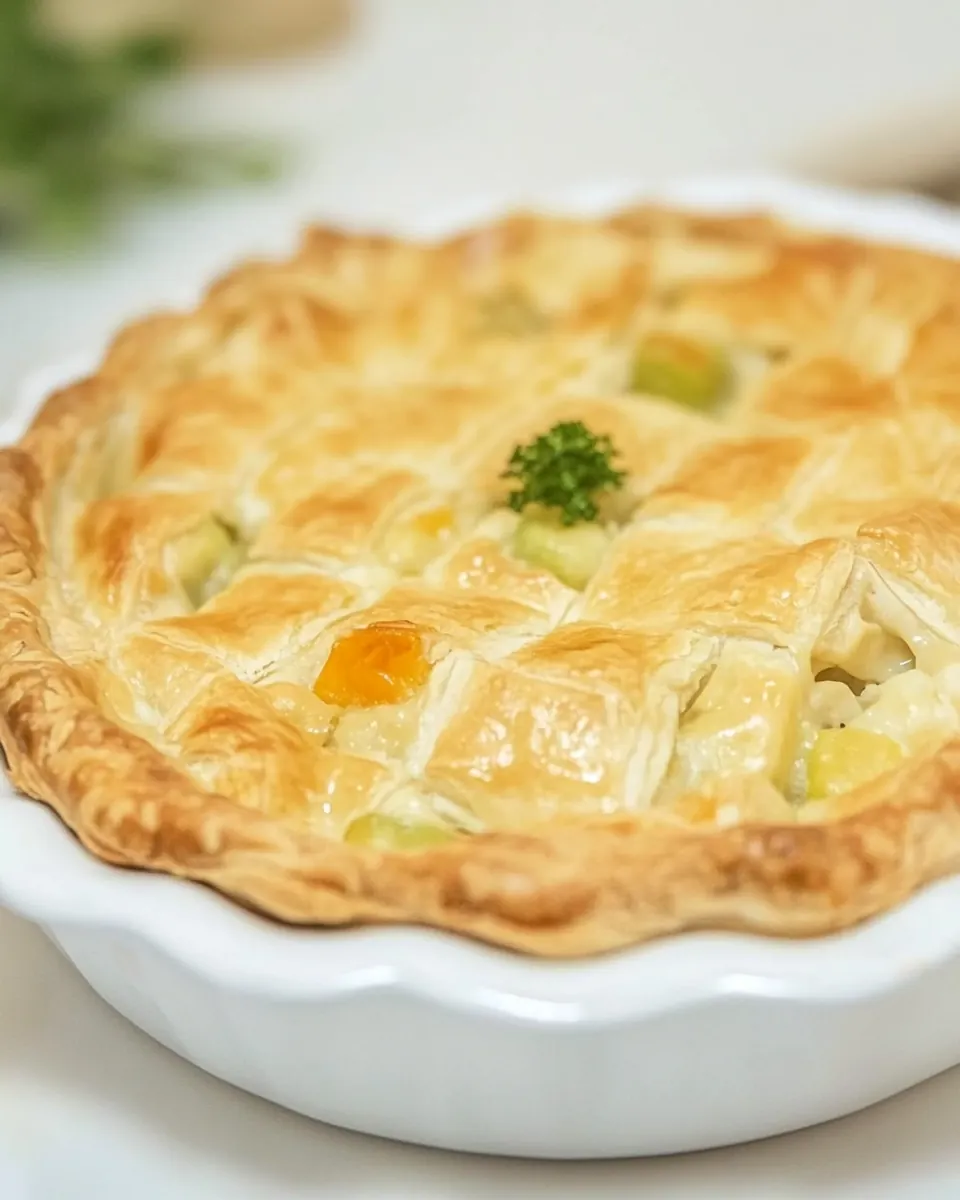
Chicken and Leek Pie
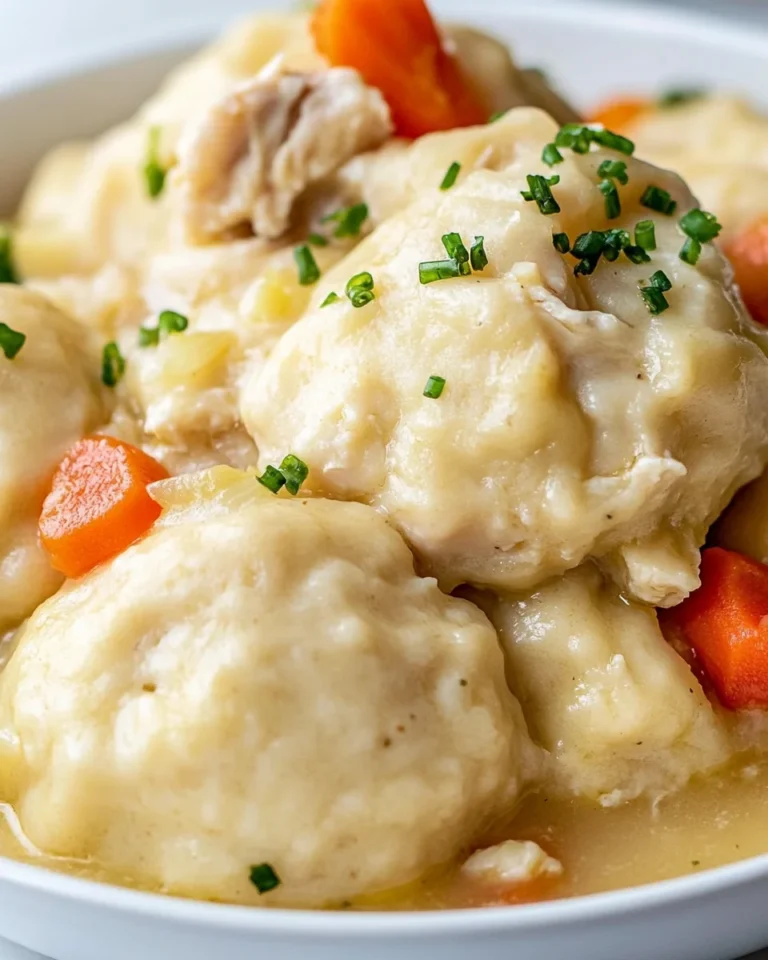
Chicken and Leek Pie has been one of those go to family dinners for me when I want comfort without fuss. I remember the first time I made it for a chilly evening at home, how the kitchen filled with the soft aroma of sautéed leek and chicken as the filling reduced into something rich and concentrated. That first bite, where the flaky puff pastry met the creamy, deeply savory interior, convinced me this was a recipe worth repeating.
Over the years, I have tweaked little things, like grating zucchini to add subtle moisture or stirring a spoonful of wholegrain mustard through the filling for a whisper of tang. Each time I make Chicken and Leek Pie I think about the people gathered around the table, talking over the clatter of cutlery, and how a simple, homey dish can make the moment feel special. I rarely complicate it, because the balance of gentle sweetness from the leek and savory chicken is the star.
Recipe Snapshot
50 mins
20 mins
30 mins
Medium
450 kcal
British
Gluten-Free, Low FODMAP
Dinner
Fry pan, Pie dish, Grater, Oven
What Sets This Chicken and Leek Pie Apart
Comfort That’s Family Friendly
I love how Chicken and Leek Pie satisfies picky eaters and adventurous palates at once. The filling is familiar enough for kids to enjoy, while adults appreciate the layered flavors and flaky puff pastry. I often serve this when I want everyone around the table to feel content and full without any drama.
Simple Ingredients, Big Flavor
What appeals to me most is how everyday pantry and fridge items come together to make something greater than the sum of its parts. The combination of sautéed leek, diced chicken, grated zucchini, and a splash of chicken stock concentrates into an intensely flavorful filling. When I stir in a touch of wholegrain mustard and a spoon of sour cream, the texture becomes creamy and the flavors lift without overpowering the dish.
Hands On But Not Fussy
I appreciate that making this pie is an active process, yet forgiving. There’s time to taste, adjust seasoning, and watch as the vegetables soften and the flavors develop. If I’m short on time, I can use whichever boneless chicken I have on hand. The technique is reassuringly straightforward, making it a reliable weeknight option that still feels special on a weekend.
Great for Leftovers and Make Ahead
I often double the filling and freeze portions, because the flavor holds up beautifully. Reheating a slice brings back that freshly baked richness, and the filling can be used as a pot pie, topped with pastry, or even scooped onto rice for a quicker meal. For holiday prep, it’s a low stress main that warms the whole house.
Textural Pleasure
The contrast between the golden, crisp puff pastry and the tender, slightly creamy filling is why I keep making this recipe. Each mouthful yields a pleasant mix of flaky pastry, soft vegetables, and juicy chicken. When you get that first crackle of pastry followed by the savory warmth beneath, it feels like a small culinary victory.
Essential Ingredients for Chicken and Leek Pie
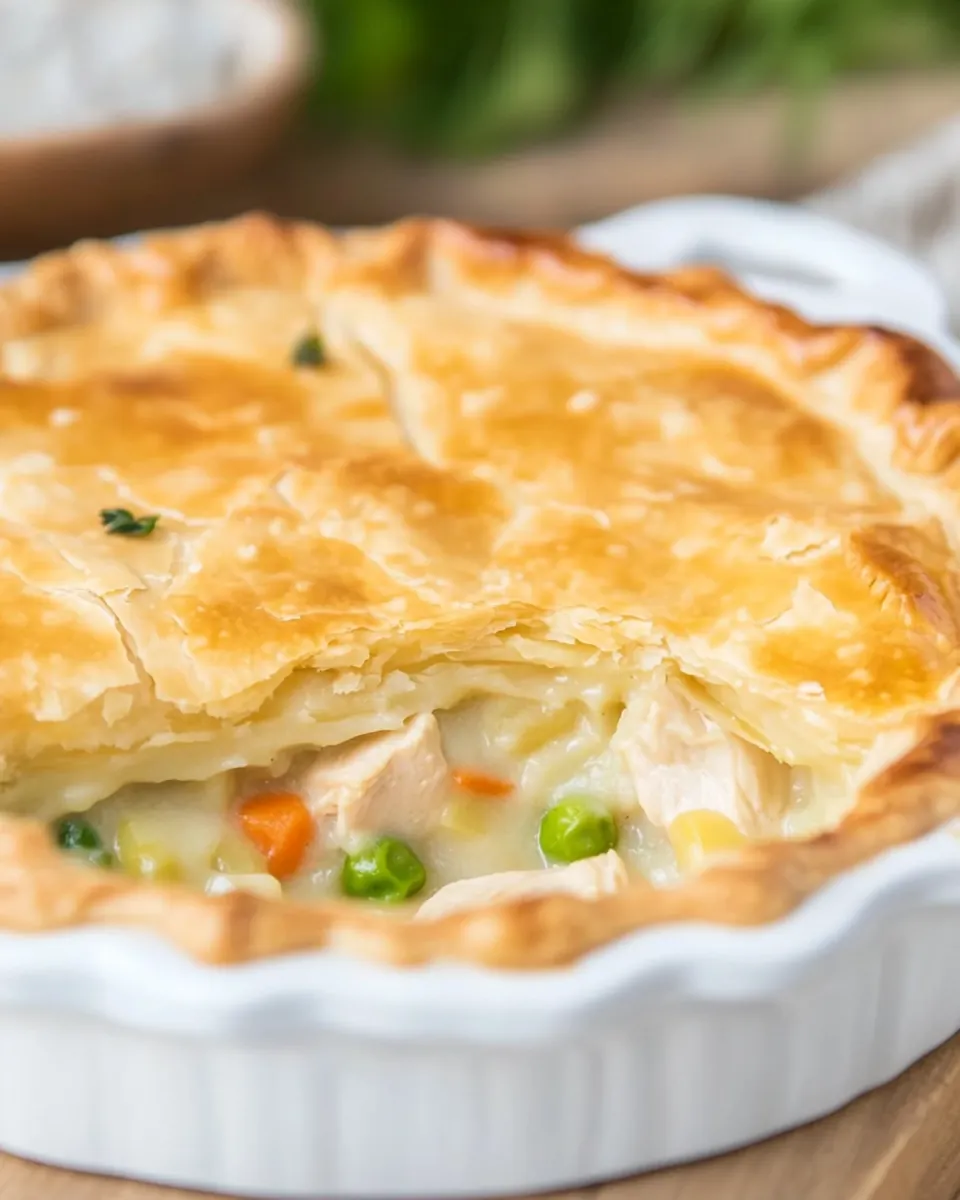
These ingredients form a harmonious, straightforward pie filling that shines because of technique rather than complexity. The key players are the aromatic leek which softens and sweetens as it cooks, the sturdy protein of the chicken, and the delicate lift from the puff pastry. Each item contributes texture, moisture control, or depth of flavor so that the pie comes out balanced and satisfying.
- 1 2 tablespoons olive oil: Lightly heats the pan and prevents sticking; adds a fruity, slightly peppery flavor that complements the chicken and vegetables. Use the amount specified to sauté the leek and carrot until softened and lightly golden. Can be substituted with another neutral oil if necessary but alters flavor subtly.
- 1 large leek: Softens and releases a mild, sweet onion-like flavor that forms the aromatic base of the pie; wash thoroughly to remove grit from between the layers. Slice thinly and cook until translucent to build depth in the sauce. Adds gentle texture and freshness when combined with the carrot and zucchini.
- 1 medium carrot: Provides natural sweetness, body, and texture to the filling while balancing savory flavors; peel and dice to distribute evenly. Releases moisture as it cooks, helping to create a cohesive sauce with the stock and sour cream. Helps add color and a tender bite alongside the leeks.
- 500 g chicken breast or thighs: Supplies the primary protein and hearty texture for the pie; trim and chop into bite-sized pieces for even cooking. Browning the chicken first adds savory depth, then simmering in the stock ensures tenderness and flavor infusion. Can be breast for leaner results or thighs for richer, juicier texture.
- 2 medium zucchini: Adds a mild, slightly watery sweetness and a tender bite that helps bulk the filling without overpowering other flavors. Slice or dice and cook until just tender to avoid excess moisture in the pastry. Complements the leek and carrot while absorbing the savory sauce.
- 300 ml chicken stock: Creates the cooking liquid that deglazes the pan, stews the chicken and vegetables, and forms the base of the sauce; use hot or warm stock for best results. Reduces slightly to concentrate flavor and should be adjusted to achieve desired sauce thickness before adding cream or mustard. Also seasons the filling and helps meld the ingredients together.
- 1 tablespoon wholegrain mustard (optional): Contributes a tangy, grainy sharpness that cuts through the richness and adds a subtle piquancy when stirred into the sauce; add according to taste or omit if preferred. Blends well with the sour cream to create a balanced, slightly tangy filling. Wholegrain texture also adds small bursts of mustard flavor.
- 2 tablespoons sour cream (optional): Adds creamy richness and a slight tang that smooths and thickens the sauce when incorporated at the end of cooking; stir in gently to avoid curdling. Helps bind the filling and keeps it luscious under the puff pastry. Use sparingly if you prefer a lighter, stock-forward sauce.
- 1 sheet puff pastry: Provides a flaky, golden topping that seals the filling and adds crisp texture contrast once baked; thaw if frozen and place over the filled pie before browning. Egg-wash or brush lightly for an even, glossy finish and bake until puffed and golden. Choose ready-rolled sheet pastry for convenience and consistent results.
Recipe Directions for Chicken and Leek Pie
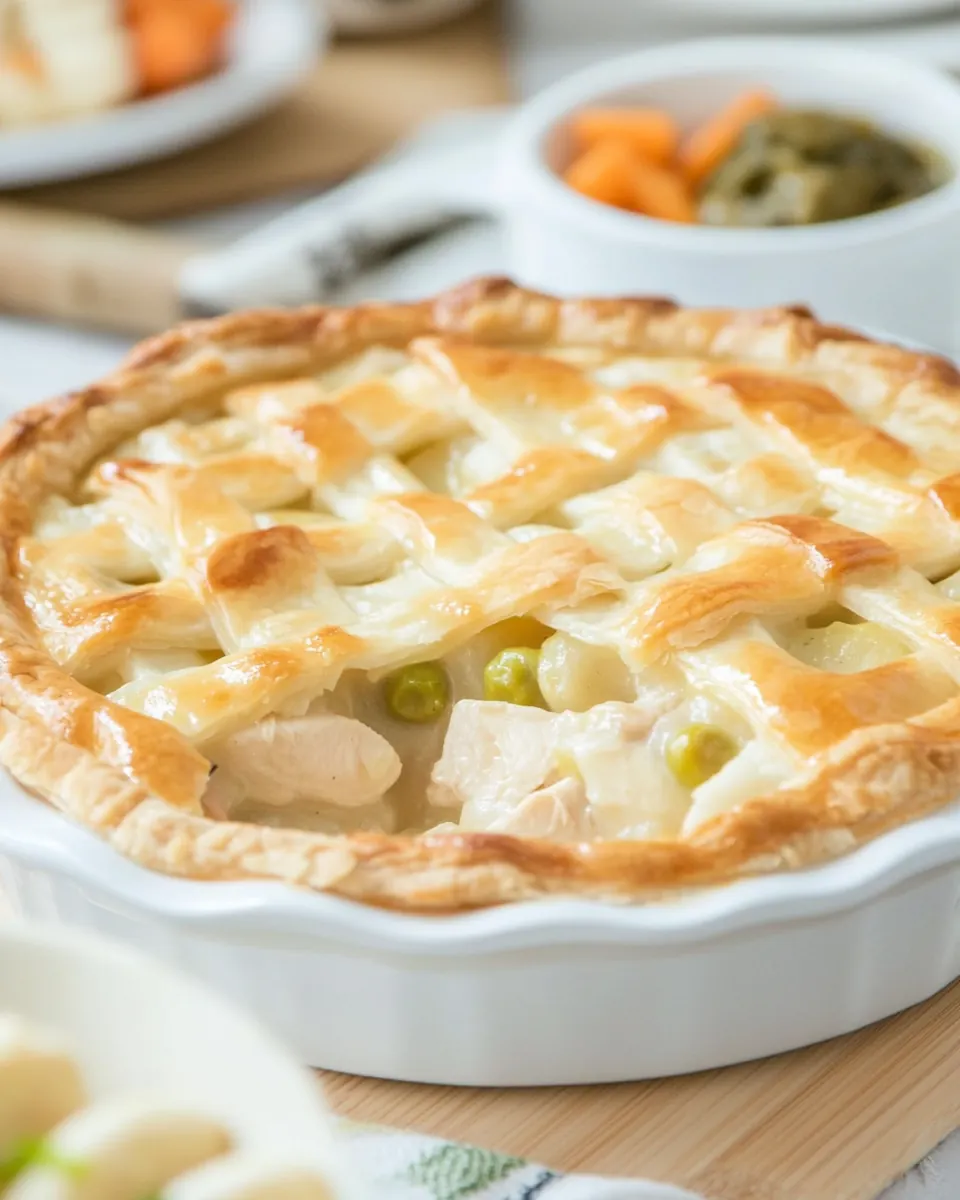
These directions walk you through building depth of flavor, reducing the filling properly, and finishing with a beautifully golden pastry. Read through first so you can time the reduction and know when to add finishing ingredients like mustard and sour cream. Keep an eye on texture and moisture levels as you simmer, because that determines whether the pie will be proud and not soggy.
- Heat the oil in a fry pan over a medium heat.: When the oil becomes shimmering but not smoking, you will feel the gentle warmth rising and see a faint ripple across the surface, which is the cue to add aromatics. The sound is subtle, a soft sizzle as moisture from the vegetables hits the hot oil. This initial step ensures the leek and carrot begin to release their sugars and build a flavor base. If the oil smokes, you have overheated it which can make things bitter, so lower the heat and start again. Proper heat control here prevents burned bits that would impart an acrid taste to the filling.
- Slice the leek thinly (into rings); you want the white and pale green part, you can discard most of the dark green leaves, sauté the leek in the oil.: As the leek meets the pan it will hiss and gradually soften, turning from crisp and slightly fibrous to translucent and tender. The aroma is sweet and vegetal, reminding you of mild onion notes. Cook slowly so the natural sugars emerge rather than caramelizing too quickly, which preserves a clean, gentle flavor. A common mistake is rushing this step with too high a flame, causing the outside to brown before the inside softens. Trim away the tough dark greens in this dish to avoid chewy pieces.
- Finely dice the carrot and add to the pan, continue to sauté the leek and carrot until both are tender and fragrant (approx 5 mins).: The carrot pieces will add a pop of orange color and a sweet scent as they soften; stirring frequently helps them cook evenly and prevents sticking. You should notice the mixture becoming glossy from the oil and the vegetables yielding under the spoon, which shows tenderness. If the carrot still feels firm, give it a little more time as undercooked carrot will stand out in texture against the soft filling. Avoid overcrowding the pan, which can steam rather than sauté the vegetables.
- Dice the chicken, add this to the fry pan and seal the chicken. It does not need to be browned all over, it will cook in the stock which you add next.: When the diced chicken hits the hot pan you will hear a lively sizzle, and pieces will quickly begin to firm along the edges. Sealing the chicken helps lock in juices and creates little browned notes that contribute to overall depth. The sound and sight of slight browning are reassuring, but you do not need to fully brown every surface since the chicken will finish cooking in the stock. Overcrowding the pan here leads to steaming, so work in batches if necessary to maintain those flavorful browned edges.
- Add the stock, grate the zucchini and add this too. Bring to the boil then reduce to a simmer. Leave the mix to simmer for 20-30 mins, you want the liquid to reduce right down as this will be the filling of your pie, if it's too liquidy you end up with pie soup! You will think there is not enough liquid, but as the zucchini cooks it releases moisture too, so try to wait before you add extra stock.: As the chicken stock heats, you will see small bubbles rise and steam carrying the savory fragrance of simmering vegetables and meat. The grated zucchini will quickly wilt, releasing water that adds body to the mixture; this is why patient reduction is crucial. Simmering slowly concentrates flavors and thickens textures, producing a cohesive filling. A common trap is adding extra stock too early, which prevents reduction and makes the filling watery. Watch for a glossy, thickened consistency and a deepened aroma to know you have reduced enough.
- Once the chicken and veggie mix has reduced down, turn off the heat and stir through the mustard and sour cream. You can skip this step, but I do find the flavour of the pie is absolutely amazing with the addition of these last 2 ingredients!: After removing the pan from heat you will notice a compact, fragrant mass of tender ingredients; stirring in the optional mustard and sour cream at this point preserves their bright tang and silky texture. The mixture will become glossy and slightly creamier, with the mustard adding a gentle bite that cuts through richness. Doing this off heat prevents the dairy from separating and keeps the flavors bright. Adding them too early on high heat risks curdling the cream or dulling the mustard's freshness.
- Transfer the chicken and leek mix into the pie dish.: When you spoon the filling into the dish you will feel the weight of the well reduced mixture, and the surface should hold together rather than slumping. Spread it evenly so each slice later contains a balance of chicken and vegetables. If the filling appears looser than expected, allow it to sit briefly to cool and firm up slightly before topping with pastry. Trying to top a steaming, very wet filling can result in sogginess beneath the pastry.
- Top with puff pastry, pierce the pastry with a knife to create a few holes for steam to escape, and if you have the inclination brush the pastry with a little milk or an egg wash.: Place the chilled puff pastry over the filling and gently tuck the edges for a neat seal, then pierce a few steam vents to allow moisture to escape. Brushing the surface will promote even browning and a glossy finish. The pastry should feel cool and firm before it goes into the oven to ensure maximum rise; if it is soft, pop it in the fridge for a short rest. Avoid sealing all edges airtight without vents, or trapped steam can make the base soggy.
- Bake at 200 degrees Celsius for 15 minutes or until the pastry is golden.: As the pie bakes, the kitchen will fill with the aroma of caramelizing pastry and savory filling, and you may hear a faint crackle as the top browns. The heat transforms the chilled puff pastry into flaky layers, and the color is your best indicator of readiness. Check that the pastry is uniformly golden; an underbaked center can feel doughy and will not provide the desired contrast. If the top browns too quickly, tent loosely with foil to allow the inside to finish cooking without burning the crust.
- Serve with mash and some green veggies, it's delicious with a 50:50 cauliflower and potato mash!: Presenting the pie alongside a creamy mash brings comforting textures together, and the vegetables add freshness and balance. The mashed side will soak up any pocket of sauce and make each mouthful more indulgent. Serve warm so the pastry retains crispness and the filling keeps its soft, velvety quality. Reheating refrigerated leftovers slowly prevents the pastry from becoming tough; a gentle oven reheat restores some flake and warmth.
Customization Ideas
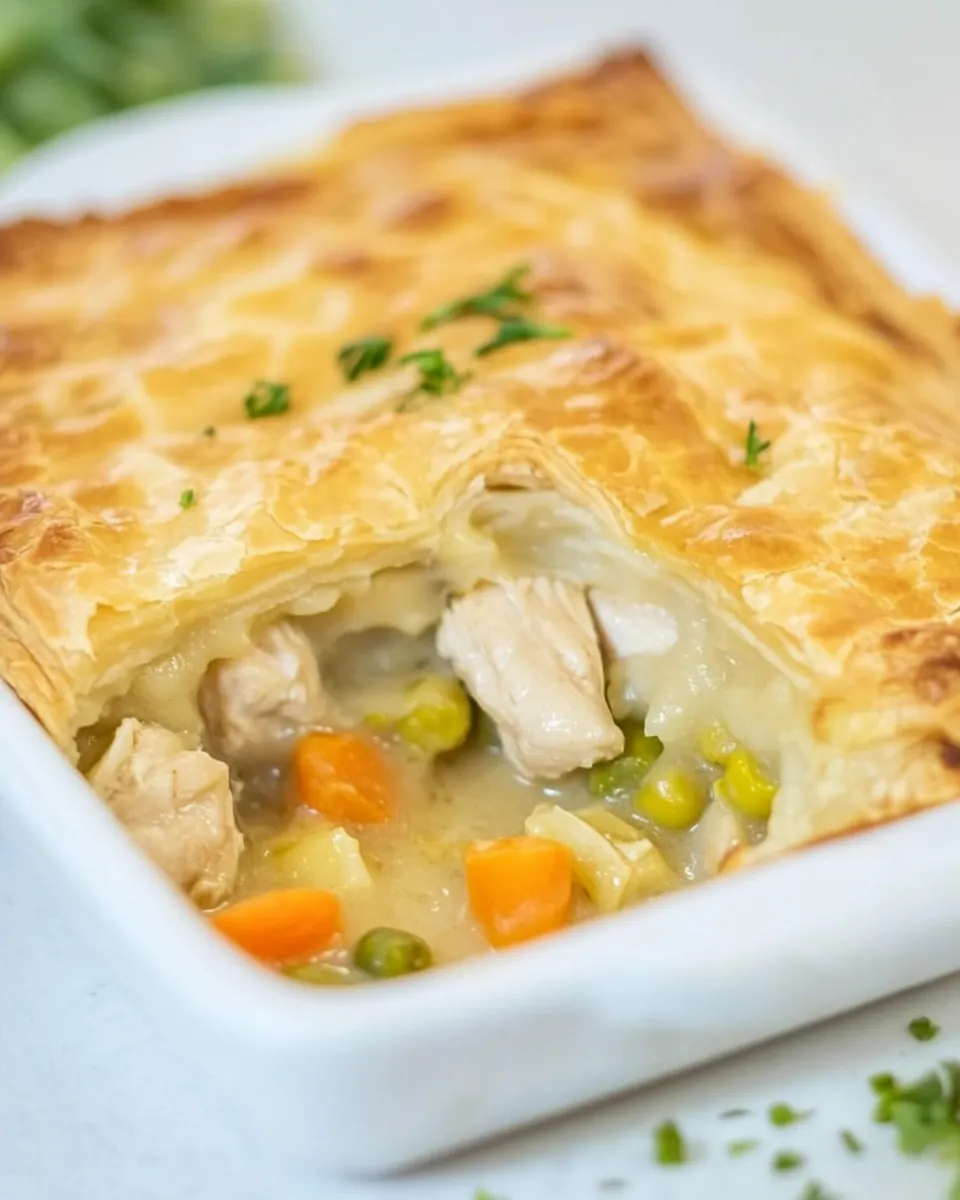
This pie adapts easily to what you have on hand, and small swaps can tailor it to your tastes. Below are practical ideas to vary texture, flavor, and presentation while keeping the dish reliable and family friendly.
- Switch chicken cut Use boneless chicken thighs for extra juiciness or breasts for a leaner filling, both dice easily and cook well in the stock.
- Mustard optionality Stir in a spoon of wholegrain mustard for a gentle tang, or omit it if you prefer a milder, creamier profile from the sour cream.
- Make it ahead Prepare the filling and refrigerate for up to two days, then top with chilled puff pastry and bake when ready for an easy finish on busy nights.
- Pastry presentation Use pastry scraps to create decorative shapes on top, but remember the pie tastes the same however the pastry looks, so keep it simple if you are short on time.
- Vegetable swaps Grated mushrooms can replace or supplement the zucchini to deepen umami, while finely diced carrot remains a dependable sweet anchor.
Perfect Pairings for Chicken and Leek Pie
When serving this pie, think comfort and contrast. A creamy mash or crisp green vegetables complement the rich, concentrated filling while adding color and balance. Below are thoughtful pairings and serving notes that make the meal rounded and appropriate for weeknights, family dinners, or relaxed gatherings.
- Classic mash Serve with mashed potato or a 50 50 cauliflower and potato mash to provide a creamy, neutral bed that soaks up any filling and keeps each bite satisfying.
- Green veg Pair with steamed green beans, peas, or sautéed greens for freshness and textural contrast that brightens the plate.
- Light salad A simple dressed leaf salad offers acidity and crunch, helping cut through the pastry richness and making the meal feel lighter.
- Occasions This dish works beautifully for family dinners, casual weekend lunches, and during cooler seasons such as fall when the pie’s warmth is welcome.
- Leftovers and storage Store cooled slices in an airtight container for up to three days, reheat in an oven at low temperature to revive the pastry, and freeze portions of the filling for future quick pies.
- Seasonal notes The recipe suits autumn and winter menus, but it remains a hearty option any time you want a comforting, hands on main.
FAQ
Conclusion
This Chicken and Leek Pie stands out for its comforting flavors, flaky pastry, and easy adaptability. It marries simple vegetables and tender chicken into a concentrated, creamy filling that shines under a golden puff pastry top. I encourage you to try making it on a cozy evening when you want something hearty yet uncomplicated. The technique of reducing the filling and finishing it with a touch of mustard or sour cream rewards patience with a deeply satisfying family meal. Serve it with a creamy mash or green vegetables, and enjoy the warm, homey feeling it brings to the table.
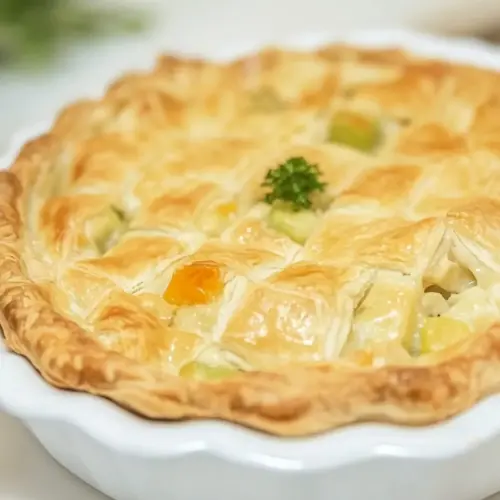
Chicken and Leek Pie
Equipment
- Fry pan
- Pie Dish
- Grater
- Oven
Ingredients
- 1 -2 tablespoons olive oil Lightly heats the pan and prevents sticking; adds a fruity, slightly peppery flavor that complements the chicken and vegetables. Use the amount specified to sauté the leek and carrot until softened and lightly golden. Can be substituted with another neutral oil if necessary but alters flavor subtly.
- 1 large leek Softens and releases a mild, sweet onion-like flavor that forms the aromatic base of the pie; wash thoroughly to remove grit from between the layers. Slice thinly and cook until translucent to build depth in the sauce. Adds gentle texture and freshness when combined with the carrot and zucchini.
- 1 medium carrot Provides natural sweetness, body, and texture to the filling while balancing savory flavors; peel and dice to distribute evenly. Releases moisture as it cooks, helping to create a cohesive sauce with the stock and sour cream. Helps add color and a tender bite alongside the leeks.
- 500 g chicken breast or thighs Supplies the primary protein and hearty texture for the pie; trim and chop into bite-sized pieces for even cooking. Browning the chicken first adds savory depth, then simmering in the stock ensures tenderness and flavor infusion. Can be breast for leaner results or thighs for richer, juicier texture.
- 2 medium zucchini Adds a mild, slightly watery sweetness and a tender bite that helps bulk the filling without overpowering other flavors. Slice or dice and cook until just tender to avoid excess moisture in the pastry. Complements the leek and carrot while absorbing the savory sauce.
- 300 ml chicken stock Creates the cooking liquid that deglazes the pan, stews the chicken and vegetables, and forms the base of the sauce; use hot or warm stock for best results. Reduces slightly to concentrate flavor and should be adjusted to achieve desired sauce thickness before adding cream or mustard. Also seasons the filling and helps meld the ingredients together.
- 1 tablespoon wholegrain mustard optional Contributes a tangy, grainy sharpness that cuts through the richness and adds a subtle piquancy when stirred into the sauce; add according to taste or omit if preferred. Blends well with the sour cream to create a balanced, slightly tangy filling. Wholegrain texture also adds small bursts of mustard flavor.
- 2 tablespoons sour cream optional Adds creamy richness and a slight tang that smooths and thickens the sauce when incorporated at the end of cooking; stir in gently to avoid curdling. Helps bind the filling and keeps it luscious under the puff pastry. Use sparingly if you prefer a lighter, stock-forward sauce.
- 1 sheet puff pastry Provides a flaky, golden topping that seals the filling and adds crisp texture contrast once baked; thaw if frozen and place over the filled pie before browning. Egg-wash or brush lightly for an even, glossy finish and bake until puffed and golden. Choose ready-rolled sheet pastry for convenience and consistent results.
Instructions
- Heat the oil in a fry pan over a medium heat.: When the oil becomes shimmering but not smoking, you will feel the gentle warmth rising and see a faint ripple across the surface, which is the cue to add aromatics. The sound is subtle, a soft sizzle as moisture from the vegetables hits the hot oil. This initial step ensures the leek and carrot begin to release their sugars and build a flavor base. If the oil smokes, you have overheated it which can make things bitter, so lower the heat and start again. Proper heat control here prevents burned bits that would impart an acrid taste to the filling.
- Slice the leek thinly (into rings); you want the white and pale green part, you can discard most of the dark green leaves, sauté the leek in the oil.: As the leek meets the pan it will hiss and gradually soften, turning from crisp and slightly fibrous to translucent and tender. The aroma is sweet and vegetal, reminding you of mild onion notes. Cook slowly so the natural sugars emerge rather than caramelizing too quickly, which preserves a clean, gentle flavor. A common mistake is rushing this step with too high a flame, causing the outside to brown before the inside softens. Trim away the tough dark greens in this dish to avoid chewy pieces.
- Finely dice the carrot and add to the pan, continue to sauté the leek and carrot until both are tender and fragrant (approx 5 mins).: The carrot pieces will add a pop of orange color and a sweet scent as they soften; stirring frequently helps them cook evenly and prevents sticking. You should notice the mixture becoming glossy from the oil and the vegetables yielding under the spoon, which shows tenderness. If the carrot still feels firm, give it a little more time as undercooked carrot will stand out in texture against the soft filling. Avoid overcrowding the pan, which can steam rather than sauté the vegetables.
- Dice the chicken, add this to the fry pan and seal the chicken. It does not need to be browned all over, it will cook in the stock which you add next.: When the diced chicken hits the hot pan you will hear a lively sizzle, and pieces will quickly begin to firm along the edges. Sealing the chicken helps lock in juices and creates little browned notes that contribute to overall depth. The sound and sight of slight browning are reassuring, but you do not need to fully brown every surface since the chicken will finish cooking in the stock. Overcrowding the pan here leads to steaming, so work in batches if necessary to maintain those flavorful browned edges.
- Add the stock, grate the zucchini and add this too. Bring to the boil then reduce to a simmer. Leave the mix to simmer for 20-30 mins, you want the liquid to reduce right down as this will be the filling of your pie, if it's too liquidy you end up with pie soup! You will think there is not enough liquid, but as the zucchini cooks it releases moisture too, so try to wait before you add extra stock.: As the chicken stock heats, you will see small bubbles rise and steam carrying the savory fragrance of simmering vegetables and meat. The grated zucchini will quickly wilt, releasing water that adds body to the mixture; this is why patient reduction is crucial. Simmering slowly concentrates flavors and thickens textures, producing a cohesive filling. A common trap is adding extra stock too early, which prevents reduction and makes the filling watery. Watch for a glossy, thickened consistency and a deepened aroma to know you have reduced enough.
- Once the chicken and veggie mix has reduced down, turn off the heat and stir through the mustard and sour cream. You can skip this step, but I do find the flavour of the pie is absolutely amazing with the addition of these last 2 ingredients!: After removing the pan from heat you will notice a compact, fragrant mass of tender ingredients; stirring in the optional mustard and sour cream at this point preserves their bright tang and silky texture. The mixture will become glossy and slightly creamier, with the mustard adding a gentle bite that cuts through richness. Doing this off heat prevents the dairy from separating and keeps the flavors bright. Adding them too early on high heat risks curdling the cream or dulling the mustard's freshness.
- Transfer the chicken and leek mix into the pie dish.: When you spoon the filling into the dish you will feel the weight of the well reduced mixture, and the surface should hold together rather than slumping. Spread it evenly so each slice later contains a balance of chicken and vegetables. If the filling appears looser than expected, allow it to sit briefly to cool and firm up slightly before topping with pastry. Trying to top a steaming, very wet filling can result in sogginess beneath the pastry.
- Top with puff pastry, pierce the pastry with a knife to create a few holes for steam to escape, and if you have the inclination brush the pastry with a little milk or an egg wash.: Place the chilled puff pastry over the filling and gently tuck the edges for a neat seal, then pierce a few steam vents to allow moisture to escape. Brushing the surface will promote even browning and a glossy finish. The pastry should feel cool and firm before it goes into the oven to ensure maximum rise; if it is soft, pop it in the fridge for a short rest. Avoid sealing all edges airtight without vents, or trapped steam can make the base soggy.
- Bake at 200 degrees Celsius for 15 minutes or until the pastry is golden.: As the pie bakes, the kitchen will fill with the aroma of caramelizing pastry and savory filling, and you may hear a faint crackle as the top browns. The heat transforms the chilled puff pastry into flaky layers, and the color is your best indicator of readiness. Check that the pastry is uniformly golden; an underbaked center can feel doughy and will not provide the desired contrast. If the top browns too quickly, tent loosely with foil to allow the inside to finish cooking without burning the crust.
- Serve with mash and some green veggies, it's delicious with a 50:50 cauliflower and potato mash!: Presenting the pie alongside a creamy mash brings comforting textures together, and the vegetables add freshness and balance. The mashed side will soak up any pocket of sauce and make each mouthful more indulgent. Serve warm so the pastry retains crispness and the filling keeps its soft, velvety quality. Reheating refrigerated leftovers slowly prevents the pastry from becoming tough; a gentle oven reheat restores some flake and warmth.
Notes
- Switch chicken cut Use boneless chicken thighs for extra juiciness or breasts for a leaner filling, both dice easily and cook well in the stock.
- Mustard optionality Stir in a spoon of wholegrain mustard for a gentle tang, or omit it if you prefer a milder, creamier profile from the sour cream.
- Make it ahead Prepare the filling and refrigerate for up to two days, then top with chilled puff pastry and bake when ready for an easy finish on busy nights.
- Pastry presentation Use pastry scraps to create decorative shapes on top, but remember the pie tastes the same however the pastry looks, so keep it simple if you are short on time.
- Vegetable swaps Grated mushrooms can replace or supplement the zucchini to deepen umami, while finely diced carrot remains a dependable sweet anchor.