Coconut Yogurt
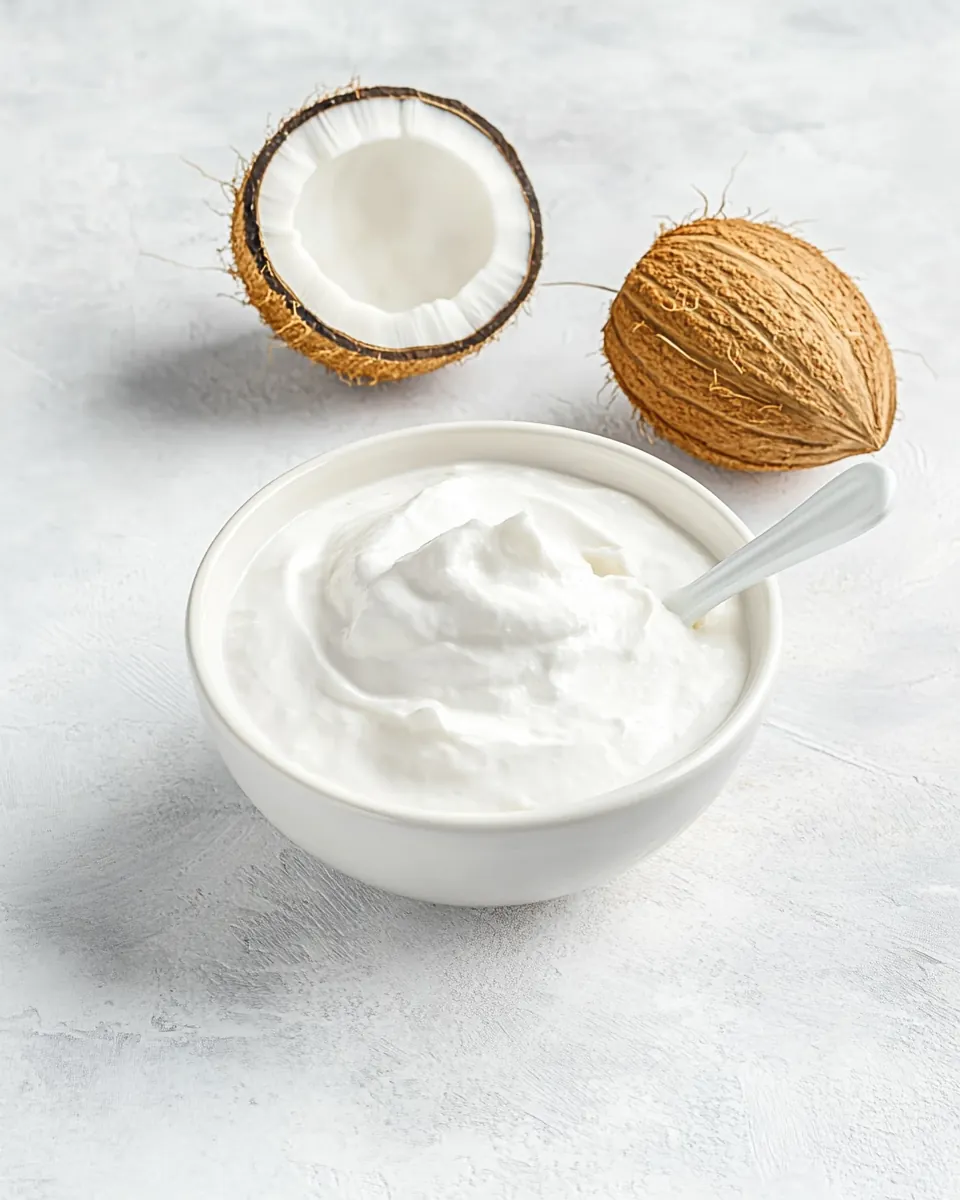
Coconut Yogurt has become a kitchen ritual for me, a jar I reach for when I want something creamy, tangy, and quietly celebratory without fuss. The first time I made it, I was skeptical that a single can of coconut milk and a little probiotic powder could transform into a spoonable, velvety treat, but the result surprised me. I remember stirring the pale mixture with a wooden spoon and thinking how something so simple could feel so wholesome.
Over the months I’ve refined the process, learning to trust visual cues rather than clocks, and to savor the soft tang that develops as it ferments. Each batch reminds me of slow mornings, the faint hum of my kitchen, and the patience required to coax flavor from time and gentle warmth. I like to sweeten mine just a touch with Maple syrup, but sometimes I skip that step and enjoy the pure, coconutty flavor. Sharing this with friends has led to lively conversations about texture and probiotic choices, and I love that it invites experimentation.
Recipe Snapshot
48 hr 5 mins
5 mins
2880 mins
Hard
150 kcal
American
Gluten-Free, Low FODMAP
Desserts
Glass jar, Non metal spoon, Cheesecloth or clean dish towel, Rubber band
Why This Coconut Yogurt Hits Different
Pure, Dairy Free Creaminess
I adore how Coconut Yogurt delivers such a lush mouthfeel without any dairy. The full fat texture of the coconut milk creates a naturally thick base that feels indulgent, while staying plant based. For folks avoiding dairy, this recipe replaces traditional yogurt richness with tropical silkiness, and I find that a gentle chill in the fridge intensifies that creaminess.
Simple Ingredients, Big Impact
One of the reasons I keep coming back to Coconut Yogurt is its minimal ingredient list. With only a can of coconut milk, a couple of probiotic capsules, and optional Maple syrup, this recipe is approachable and honest. I like that you can control each element, from the brand of coconut milk to the probiotic strain, which lets me tailor tang and texture over time.
Control Over Tang and Texture
Fermenting at home gives me the freedom to dial in how tart or gentle the yogurt becomes. I usually aim for 24 to 36 hours, but when I want a pronounced tang, I’ll leave it longer. This hands on control is why I recommend making Coconut Yogurt, because you can create exactly what you prefer, whether that means a spoonable breakfast topper or a thicker dessert style yogurt.
Versatility and Customization
I love using Coconut Yogurt in so many ways. It brightens fruit bowls, acts as a creamy base for granola, and even plays nicely in savory bowls when you want a cooling element. Adding a touch of Maple syrup or a splash of other sweeteners personalizes it instantly. The ability to adapt this base keeps it relevant in my weekly rotation.
Gut Friendly and Mindful
Knowing I can make a probiotic rich food at home is empowering. The probiotics in the capsules introduce live cultures that turn the coconut milk into yogurt, and making it yourself means you avoid unnecessary additives. For anyone curious about gut health, this homemade approach is a simple, nourishing practice I’m happy to recommend.
Ingredients for Coconut Yogurt
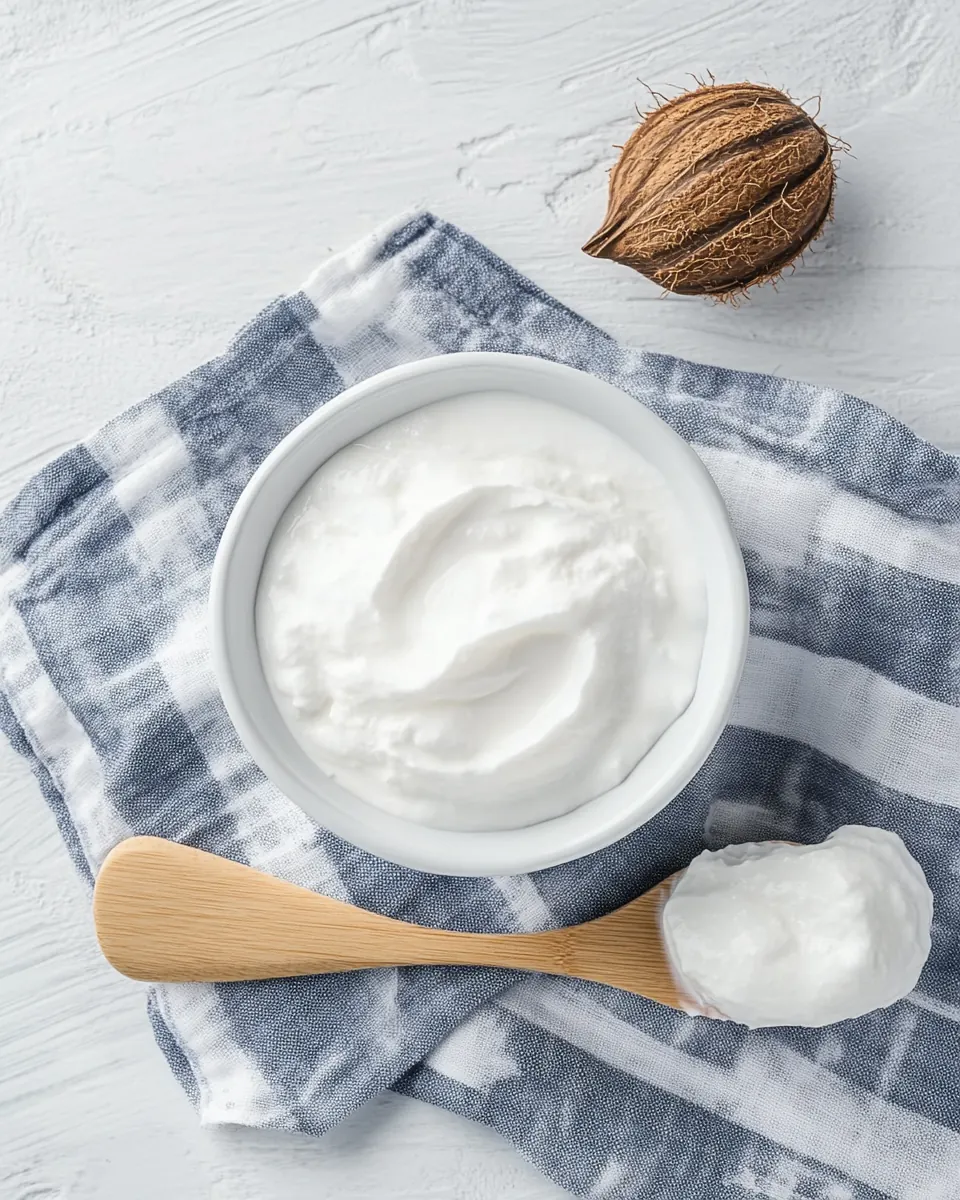
My ingredient philosophy for Coconut Yogurt is all about clarity and quality. Each element plays a clear role: the coconut milk provides the creamy body, the probiotics bring the tang and live cultures, and the Maple syrup or sweetener is purely optional, used to balance acidity. These are key players working together to create a thick, pleasantly tangy yogurt that feels luxurious but is straightforward to make.
- 1 can full-fat coconut milk 13.5 ounces: Provide a rich, creamy base for the yogurt with high fat content that yields a smooth texture and helps fermentation proceed evenly; shake the can well before opening to recombine separated cream and water, and warm slightly to improve probiotic activity during incubation.
- 2 probiotic capsules vegan-friendly: Introduce live cultures necessary to ferment the coconut milk, supplying beneficial bacteria to sour and thicken the mixture; choose vegan–friendly strains, open capsules to release powder, and whisk into warm milk to distribute cultures evenly for consistent tang and texture.
- Maple syrup or preferred sweetener, to taste: Adjust sweetness and flavor to taste, balancing the natural coconut flavor and the tang from fermentation; add sparingly before or after culturing depending on desired ferment activity, and use maple syrup or another preferred sweetener to enhance palatability without inhibiting probiotics.
Making Coconut Yogurt
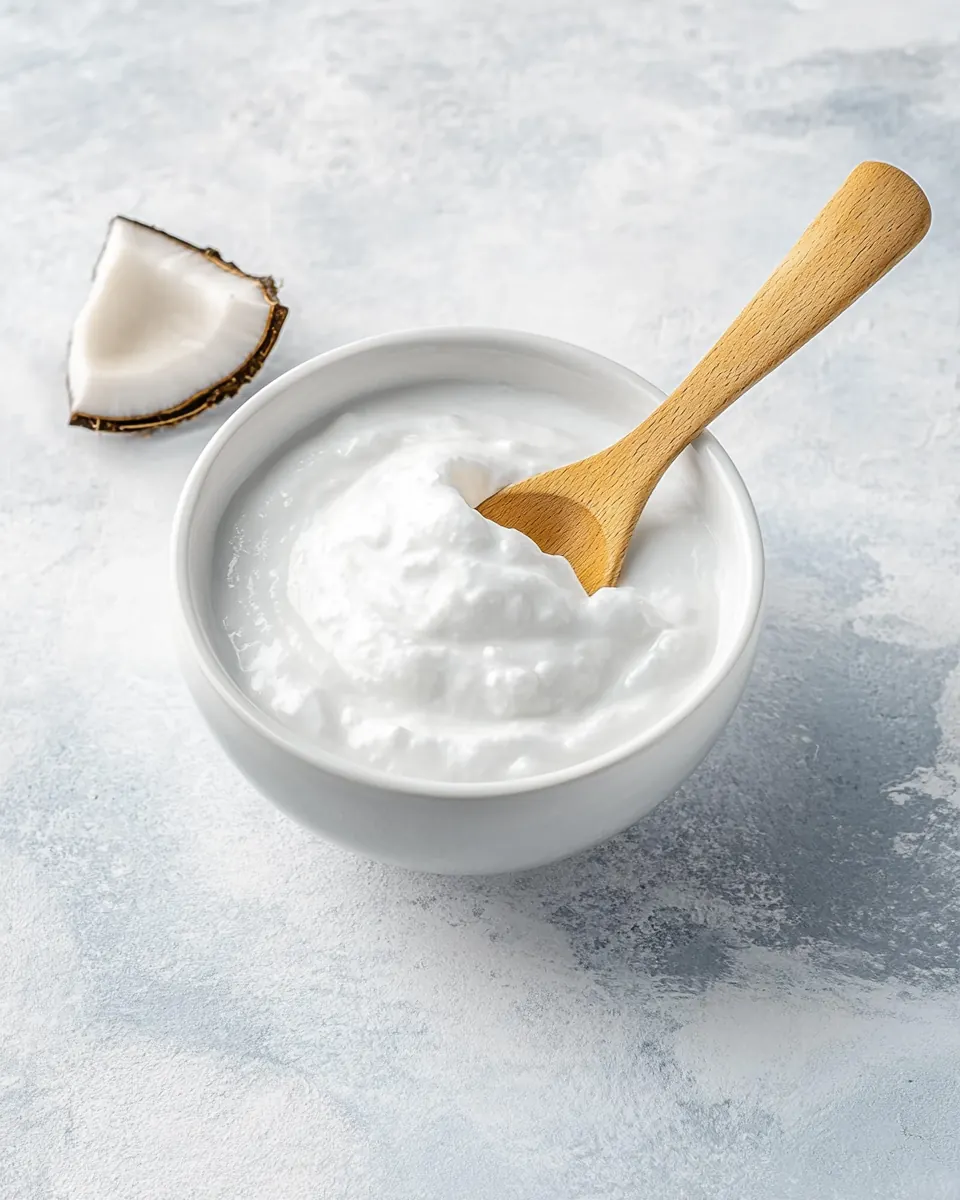
Making this yogurt is straightforward, but it rewards attention to feel and smell. Below I expand on each step from the original directions, offering sensory cues, why the technique matters, and common pitfalls to avoid.
- Shake the can of coconut milk well to mix. Pour into a clean glass jar. Open the probiotic capsules and empty the powder into the jar. Stir with a non-metal spoon.: You will notice a dense cream at the top and thinner liquid beneath, and shaking blends these layers into a uniform base. The sound is subtle as the liquid moves, and visually you want a homogenous pale mixture with no separated pools. This evenness helps the probiotics disperse consistently, ensuring uniform fermentation. A typical mistake is leaving the can sitting after shaking, which allows separation to begin again. If you see streaks of clear liquid, shake again until the texture looks silky and consistent.
- Cover the jar with cheesecloth or a clean dish towel. Secure with a rubber band. Place in a warm area of your kitchen, such as the oven with the light on, for 24 to 48 hours, depending on your taste preference for tanginess.: As you pour, observe the flow, which should resemble a thick cream rather than a watery stream. Using a glass jar helps stabilize temperature and prevents flavor transfer from plastic. The jar should be spotless, no soap residue, because that can interfere with culture activity. If the jar smells faintly soapy or has residue, wash and rinse it thoroughly. A common error is using a warm jar straight from hot water, which can accelerate fermentation unpredictably; aim for a neutral room temperature vessel.
- Once the desired tanginess is achieved, cover the jar with its lid and refrigerate to thicken the yogurt. This will take a few hours.: When you tap the capsule and sprinkle the powder, it should look like fine white dust sitting on the surface for a moment before you stir. This powder contains the live cultures that feed on the coconut sugars. Ensure your probiotic capsules are fresh, since expired cultures may not activate properly. One pitfall is allowing moisture into the powder before using it, which can clump and reduce effectiveness, so open and use immediately.
- Once thick, add maple syrup or other preferred sweetener, mixing to combine until well blended. Serve or store.: Use a wooden or silicone spoon to combine the powder into the coconut milk , watching the ingredients unite into a smooth, slightly glossy mixture. The non metal utensil prevents any potential reaction with the cultures, and stirring until you no longer see the powder dispersed on the surface helps avoid pockets of unfermented milk. If you still see visible clumps, stir gently until the texture is uniformly smooth. Avoid vigorous whisking, which can introduce excess air and alter fermentation behavior.
- Cover the jar with cheesecloth or a clean dish towel: The cover should let air in while keeping dust and insects out, so the fabric draping softly over the jar is ideal. You want the surface to breathe because the cultures need oxygen to thrive, and the warm kitchen air will interact with the mixture. If you cover it too tightly, you risk suffocating the cultures; conversely, leaving it fully open invites contamination. A common mistake is using a lid at this stage, which can trap pressure and affect texture, so use breathable fabric secured with a rubber band.
- Secure with a rubber band: The rubber band holds the cover in place while allowing some airflow. It should be snug but not crushing the rim of the jar, and you will feel the gentle tension when you press it. This small step prevents the cloth from slipping, which would expose the surface. If the band is too loose, drafts can disturb the fermenting surface; if it is too tight, the fabric may not sit properly. Replace a cracked rubber band, as it might snap and leave the jar uncovered.
- Place in a warm area of your kitchen such as the oven with the light on: The chosen spot should be consistently warm but not hot, typically around room temperature up to about 80 degrees Fahrenheit. When you use the oven light method, check that the warmth is gentle, and you may feel a faint cozy heat when you open the oven door. This steady warmth encourages the cultures to metabolize sugars, producing tang and thickening. A frequent error is placing the jar in direct sunlight, which can overheat the surface and create off flavors, so choose a stable, mild warmth.
- Ferment for 24 to 48 hours depending on taste preference for tanginess: During fermentation you will notice a subtle change in aroma, from neutral coconut to a mild tang. Around 24 hours the yogurt tends to be gently tart, and as time extends to 48 hours the tang intensifies and the texture may become firmer. Trust your nose and taste a small spoonful toward the end of your chosen window to decide. Over fermenting can make the yogurt too sour for some palates, so check periodically to avoid an overly sharp result.
- Once the desired tanginess is achieved cover the jar with its lid and refrigerate to thicken the yogurt: Cooling the yogurt in the fridge slows fermentation and encourages the fats to firm up, which deepens the texture into a spoonable consistency. You will feel the jar cool and see a slight condensation before it settles into a denser body. Refrigeration for a few hours yields the best set, and I often leave it overnight for maximum thickness. A common pitfall is skipping refrigeration and expecting immediate firmness; chilling is essential to finishing the process.
- Refrigeration will take a few hours: As the jar chills, the surface becomes less glossy and more matte, indicating the fats are stabilizing. I pay attention to how the yogurt feels on a spoon, aiming for a luxurious coating feel rather than runny liquid. If after several hours it remains loose, allow more time in the cold, as different brands of coconut milk set at different rates. Avoid quick freezing to speed this up, as that can create icy textures and damage the live cultures.
- Once thick add maple syrup or other preferred sweetener mixing to combine until well blended: When you stir in Maple syrup , notice the aroma shift and the way the sweet liquid streaks through before dissolving. Add sweetener sparingly, tasting as you go, because a little enhances flavor without masking the cultured tang. Stir gently to preserve the yogurt's body, and use a wooden or silicone spoon. A mistake to avoid is adding sweetener before fermentation, which can feed unwanted microbes and alter the process; always sweeten after the yogurt has set.
- Serve or store: The final yogurt should be chilled, creamy, and have a pleasant sour note balanced by any sweetener you added. Serve it in bowls with fruit or keep it sealed in the fridge for several days. When storing, use an airtight container and label with the date, because homemade fermented foods have a shorter shelf life than commercial versions. A common error is double dipping with utensils that have been in other foods, which can introduce contaminants; always use a clean spoon.
Make It Your Own
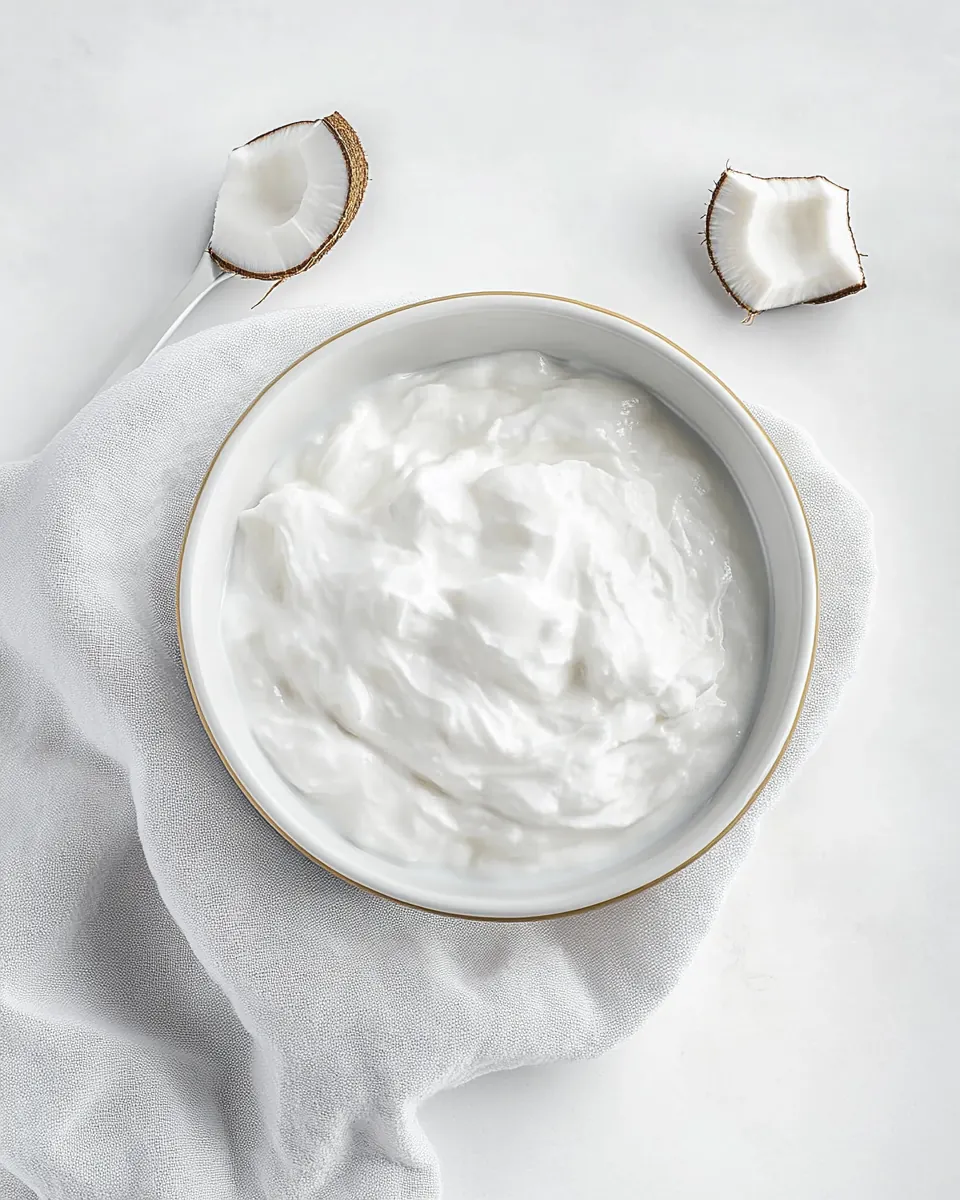
Small tweaks can personalize Coconut Yogurt to suit your taste and routine. Below are practical tips and variations that I use regularly to improve texture, flavor, and longevity.
- Choose quality coconut milk Use a full fat brand without additives for the best texture; canned options with just coconut and water set more consistently and give the richest mouthfeel.
- Select reliable probiotics Look for capsules labeled with live cultures and strains known for yogurt making, and store them in a cool place to preserve potency.
- Maintain consistent warmth Fermentation prefers steady, mild warmth; try the oven light trick or a warm corner to prevent temperature swings that can slow or unevenly ferment the yogurt.
- Sweeten mindfully Add Maple syrup sparingly after chilling to enhance flavor without overpowering the cultured tang, tasting as you go to get the balance right.
- Adjust thickness naturally If the yogurt is too thin, refrigerate longer; some brands of coconut milk simply need extra chill time to firm up fully.
Perfect Pairings for Coconut Yogurt
Coconut Yogurt pairs beautifully across meals and occasions, providing a creamy, dairy free option that complements both sweet and savory dishes. Below I outline service ideas, storage suggestions, and occasions where it shines.
- Breakfast bowls Serve chilled Coconut Yogurt atop fresh fruit and granola for a nourishing morning. The creamy texture balances crunchy toppings, and a drizzle of Maple syrup ties the flavors together.
- Snack or midday boost Spoon into a small bowl for a quick probiotic rich snack that feels indulgent yet light, perfect between meals or after a workout.
- Brunch accompaniment Use as a creamy component alongside fruit platters and pastries; it offers a plant based option that guests appreciate at gatherings.
- Storage tips Keep in an airtight container in the refrigerator; homemade Coconut Yogurt generally stays best for about 5 to 7 days. Label with the date to track freshness and discard if the aroma becomes unpleasantly sharp or mold appears.
- Seasonal pairing In warmer months, serve with tropical fruits like mango and pineapple; in cooler months, pair with stewed apples or pear compote to create comforting contrasts.
FAQ
Conclusion
Coconut Yogurt stands out for its simplicity and the rich, dairy free creaminess it delivers with very few ingredients. If you enjoy hands on kitchen projects that reward patience with delightful flavor, this recipe is a wonderful place to start. Try it once and you may find yourself returning to the ritual of fermenting, tweaking times and sweetening levels to create a personalized batch you love. Share it with friends or keep it as a quiet pantry triumph, and take pleasure in making something nourishing at home.
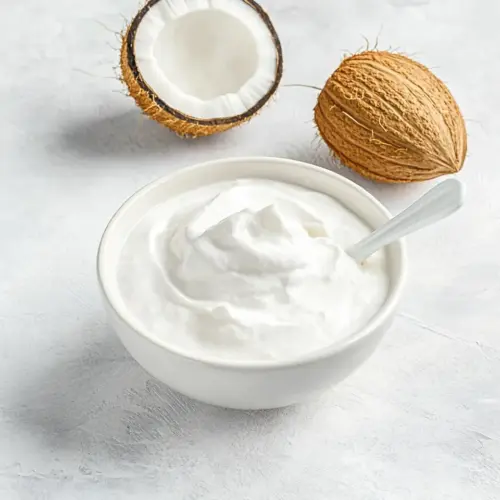
Coconut Yogurt
Equipment
- Glass jar
- Non metal spoon
- Cheesecloth or clean dish towel
- Rubber band
Ingredients
- 1 can full-fat coconut milk 13.5 ounces Provide a rich, creamy base for the yogurt with high fat content that yields a smooth texture and helps fermentation proceed evenly; shake the can well before opening to recombine separated cream and water, and warm slightly to improve probiotic activity during incubation.
- 2 probiotic capsules vegan-friendly Introduce live cultures necessary to ferment the coconut milk, supplying beneficial bacteria to sour and thicken the mixture; choose vegan-friendly strains, open capsules to release powder, and whisk into warm milk to distribute cultures evenly for consistent tang and texture.
- Maple syrup or preferred sweetener, to taste Adjust sweetness and flavor to taste, balancing the natural coconut flavor and the tang from fermentation; add sparingly before or after culturing depending on desired ferment activity, and use maple syrup or another preferred sweetener to enhance palatability without inhibiting probiotics.
Instructions
- Shake the can of coconut milk well to mix. Pour into a clean glass jar. Open the probiotic capsules and empty the powder into the jar. Stir with a non-metal spoon.: You will notice a dense cream at the top and thinner liquid beneath, and shaking blends these layers into a uniform base. The sound is subtle as the liquid moves, and visually you want a homogenous pale mixture with no separated pools. This evenness helps the probiotics disperse consistently, ensuring uniform fermentation. A typical mistake is leaving the can sitting after shaking, which allows separation to begin again. If you see streaks of clear liquid, shake again until the texture looks silky and consistent.
- Cover the jar with cheesecloth or a clean dish towel. Secure with a rubber band. Place in a warm area of your kitchen, such as the oven with the light on, for 24 to 48 hours, depending on your taste preference for tanginess.: As you pour, observe the flow, which should resemble a thick cream rather than a watery stream. Using a glass jar helps stabilize temperature and prevents flavor transfer from plastic. The jar should be spotless, no soap residue, because that can interfere with culture activity. If the jar smells faintly soapy or has residue, wash and rinse it thoroughly. A common error is using a warm jar straight from hot water, which can accelerate fermentation unpredictably; aim for a neutral room temperature vessel.
- Once the desired tanginess is achieved, cover the jar with its lid and refrigerate to thicken the yogurt. This will take a few hours.: When you tap the capsule and sprinkle the powder, it should look like fine white dust sitting on the surface for a moment before you stir. This powder contains the live cultures that feed on the coconut sugars. Ensure your probiotic capsules are fresh, since expired cultures may not activate properly. One pitfall is allowing moisture into the powder before using it, which can clump and reduce effectiveness, so open and use immediately.
- Once thick, add maple syrup or other preferred sweetener, mixing to combine until well blended. Serve or store.: Use a wooden or silicone spoon to combine the powder into the coconut milk , watching the ingredients unite into a smooth, slightly glossy mixture. The non metal utensil prevents any potential reaction with the cultures, and stirring until you no longer see the powder dispersed on the surface helps avoid pockets of unfermented milk. If you still see visible clumps, stir gently until the texture is uniformly smooth. Avoid vigorous whisking, which can introduce excess air and alter fermentation behavior.
- Cover the jar with cheesecloth or a clean dish towel: The cover should let air in while keeping dust and insects out, so the fabric draping softly over the jar is ideal. You want the surface to breathe because the cultures need oxygen to thrive, and the warm kitchen air will interact with the mixture. If you cover it too tightly, you risk suffocating the cultures; conversely, leaving it fully open invites contamination. A common mistake is using a lid at this stage, which can trap pressure and affect texture, so use breathable fabric secured with a rubber band.
- Secure with a rubber band: The rubber band holds the cover in place while allowing some airflow. It should be snug but not crushing the rim of the jar, and you will feel the gentle tension when you press it. This small step prevents the cloth from slipping, which would expose the surface. If the band is too loose, drafts can disturb the fermenting surface; if it is too tight, the fabric may not sit properly. Replace a cracked rubber band, as it might snap and leave the jar uncovered.
- Place in a warm area of your kitchen such as the oven with the light on: The chosen spot should be consistently warm but not hot, typically around room temperature up to about 80 degrees Fahrenheit. When you use the oven light method, check that the warmth is gentle, and you may feel a faint cozy heat when you open the oven door. This steady warmth encourages the cultures to metabolize sugars, producing tang and thickening. A frequent error is placing the jar in direct sunlight, which can overheat the surface and create off flavors, so choose a stable, mild warmth.
- Ferment for 24 to 48 hours depending on taste preference for tanginess: During fermentation you will notice a subtle change in aroma, from neutral coconut to a mild tang. Around 24 hours the yogurt tends to be gently tart, and as time extends to 48 hours the tang intensifies and the texture may become firmer. Trust your nose and taste a small spoonful toward the end of your chosen window to decide. Over fermenting can make the yogurt too sour for some palates, so check periodically to avoid an overly sharp result.
- Once the desired tanginess is achieved cover the jar with its lid and refrigerate to thicken the yogurt: Cooling the yogurt in the fridge slows fermentation and encourages the fats to firm up, which deepens the texture into a spoonable consistency. You will feel the jar cool and see a slight condensation before it settles into a denser body. Refrigeration for a few hours yields the best set, and I often leave it overnight for maximum thickness. A common pitfall is skipping refrigeration and expecting immediate firmness; chilling is essential to finishing the process.
- Refrigeration will take a few hours: As the jar chills, the surface becomes less glossy and more matte, indicating the fats are stabilizing. I pay attention to how the yogurt feels on a spoon, aiming for a luxurious coating feel rather than runny liquid. If after several hours it remains loose, allow more time in the cold, as different brands of coconut milk set at different rates. Avoid quick freezing to speed this up, as that can create icy textures and damage the live cultures.
- Once thick add maple syrup or other preferred sweetener mixing to combine until well blended: When you stir in Maple syrup , notice the aroma shift and the way the sweet liquid streaks through before dissolving. Add sweetener sparingly, tasting as you go, because a little enhances flavor without masking the cultured tang. Stir gently to preserve the yogurt's body, and use a wooden or silicone spoon. A mistake to avoid is adding sweetener before fermentation, which can feed unwanted microbes and alter the process; always sweeten after the yogurt has set.
- Serve or store: The final yogurt should be chilled, creamy, and have a pleasant sour note balanced by any sweetener you added. Serve it in bowls with fruit or keep it sealed in the fridge for several days. When storing, use an airtight container and label with the date, because homemade fermented foods have a shorter shelf life than commercial versions. A common error is double dipping with utensils that have been in other foods, which can introduce contaminants; always use a clean spoon.
Notes
- Choose quality coconut milk Use a full fat brand without additives for the best texture; canned options with just coconut and water set more consistently and give the richest mouthfeel.
- Select reliable probiotics Look for capsules labeled with live cultures and strains known for yogurt making, and store them in a cool place to preserve potency.
- Maintain consistent warmth Fermentation prefers steady, mild warmth; try the oven light trick or a warm corner to prevent temperature swings that can slow or unevenly ferment the yogurt.
- Sweeten mindfully Add Maple syrup sparingly after chilling to enhance flavor without overpowering the cultured tang, tasting as you go to get the balance right.
- Adjust thickness naturally If the yogurt is too thin, refrigerate longer; some brands of coconut milk simply need extra chill time to firm up fully.