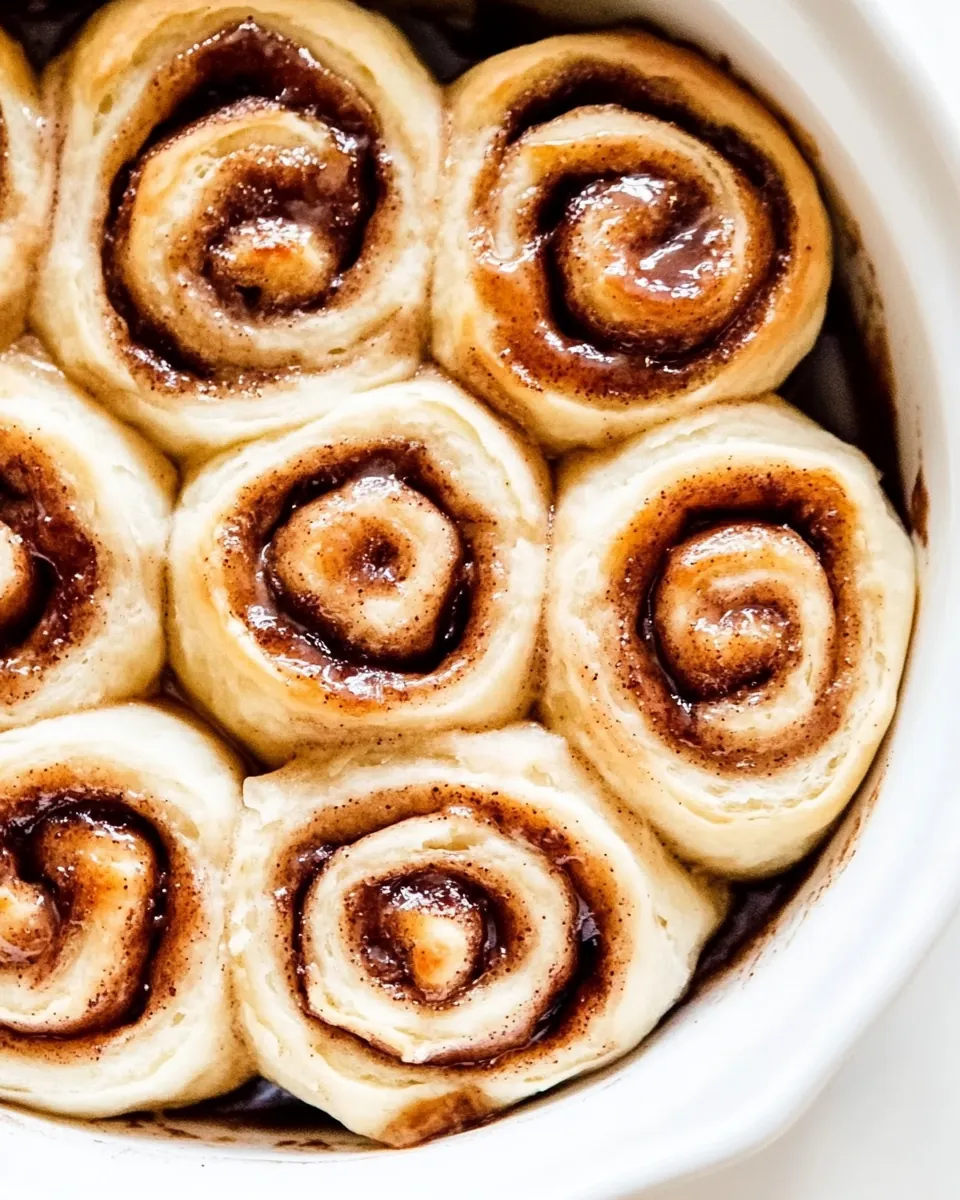
Cinnamon Rolls
Cinnamon Rolls are the sticky, swirled comfort I reach for on slow weekend mornings when I want the house to smell like warmth and nostalgia.
I’ve baked my way through a few versions of these over the years, tweaking the dough and the glaze until the texture felt just right to me. One rainy afternoon, I pulled a tray of warm rolls from the oven and watched my kids press their faces to the kitchen window, steam fogging the glass. That memory is stitched to the scent of cinnamon and the soft give of a perfectly risen roll, and it keeps me coming back to this formula.
There is a quiet ritual in making these: proofing the yeast, folding in the butter, and rolling the dough into a tight log. Each stage invites a moment of patience, and each pause rewards you with a deeper, more layered flavor. Over time I’ve learned small habits that save time and make the results more reliable, and I enjoy sharing those little discoveries with friends when they ask for the recipe.
Recipe Snapshot
3 hr 2 mins
160 mins
22 mins
Hard
300 kcal
American
Gluten-Free, Low FODMAP
Breakfast
half sheet pan
The Charm of This Cinnamon Rolls
Classic, approachable flavor
I love that Cinnamon Rolls keep a perfect balance of sweet and spiced without being fussy. The combination of ground cinnamon and brown sugar creates that warm aroma that fills the whole kitchen, and the soft, buttery swirls deliver the exact comfort you’d expect. This is a recipe that feels special, yet it’s totally doable for a curious home baker.
Great texture from simple technique
What sells me is the texture, the pillowy interior and slightly crisp outer edge after baking. I focus on gentle kneading and a proper rise because those moments transform basic pantry staples into soft, tender rolls. When you give the dough time to relax and rise, it rewards you with tender crumb and a lovely, even spiral.
Flexible and forgiving
I appreciate that these rolls are forgiving. You can swap nuts or raisins if you like, and the icing can be a quick glaze or a richer cream cheese version. I often adapt on the fly depending on who will be eating them, and the recipe still shines. That adaptability makes Cinnamon Rolls a go to when I want to please a crowd.
Perfect for sharing
One of my favorite things about these rolls is how they bring people together. They’re simple to scale up, and they travel well to brunches or potlucks. I enjoy the ritual of pulling a pan from the oven and watching everyone reach in for a warm piece, it always turns into a moment of shared enjoyment.
Make ahead friendly
Finally, I love that this recipe can be prepared ahead. You can slow the rise overnight in the fridge or parbake and freeze portions for busy mornings. That flexibility means you can enjoy freshly baked Cinnamon Rolls without losing an entire morning to baking.
Recipe Ingredients for Cinnamon Rolls
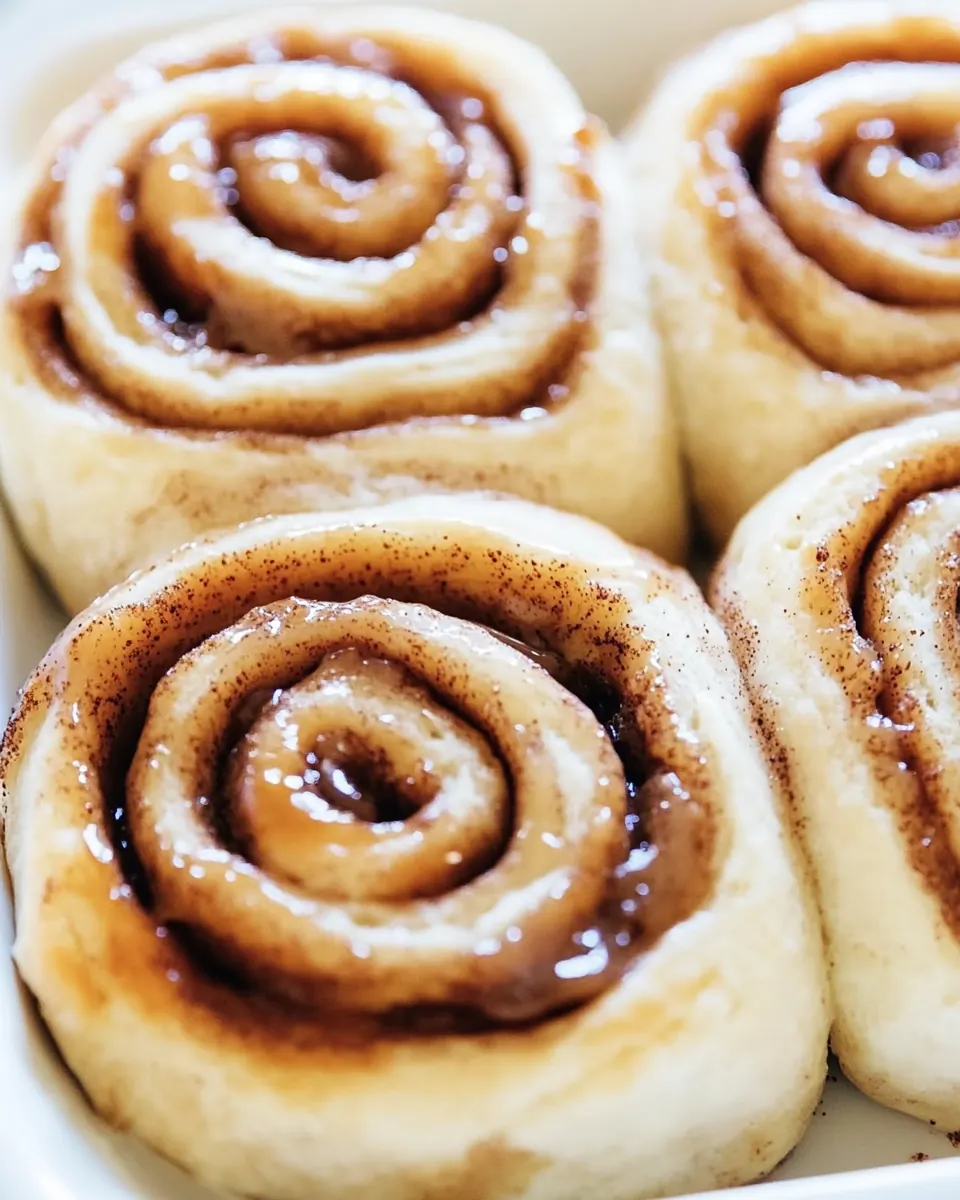
These ingredients are chosen to give you a soft, enriched dough and a luscious filling and glaze. The dough needs a balance of liquid, fat, and flour to produce tender crumb, while the filling relies on sugar and ground cinnamon for its classic flavor. The finishing glaze ties everything together with sweetness and moisture so each bite feels indulgent.
- 2 1/2 teaspoons active dry yeast: Activate yeast by dissolving in warm liquid to leaven the dough and create light, airy rolls; ensure temperature is not too hot to avoid killing yeast. Use active dry yeast to develop flavor and structure during the first rise, producing characteristic cinnamon roll texture.
- 1/2 cup warm water: Warm water to gently dissolve yeast and provide the liquid necessary for gluten development and fermentation. Use slightly warm water to kickstart yeast activity without overheating the dough, promoting consistent rising.
- 1/2 cup whole milk, warmed: Warm whole milk to enrich the dough with fat and protein, contributing to tender crumb and improved browning during baking. Combine warmed milk with the yeast mixture to create a softer, richer dough compared with water alone.
- 1/4 cup + 1/2 teaspoon granulated sugar, divided: Divide granulated sugar to both feed the yeast for fermentation and sweeten the dough; reserve a small portion for the filling or dough finishing as indicated. Balance sugar in dough to enhance browning and fermentative activity while not over-sweetening the base.
- 1/3 cup butter, slightly melted: Slightly melted butter used to tenderize the dough and add rich flavor; incorporate so the fat coats flour and limits gluten toughness. Use melted butter at moderate temperature to blend evenly into the dough without cooking the egg or yeast.
- 1 teaspoon salt: Season with salt to control yeast activity, strengthen gluten structure, and enhance overall flavor balance in the rolls. Add precisely measured salt to avoid inhibiting rise while ensuring the dough tastes well-rounded.
- 1 large egg, room temperature: Bring egg to room temperature and incorporate to enrich the dough with protein, fat, and emulsifiers for improved texture and color. Beat into the mixture to contribute tenderness, structure, and a golden crumb after baking.
- 3 1/2 4 cups all purpose flour, or bread flour: Provide the primary structure-building flour, measured within the given range to achieve proper dough hydration and elasticity; choose bread flour for more chew or all-purpose for slightly softer rolls. Add progressively to reach a tacky but workable dough that will hold gas produced by fermentation.
- 6 tablespoons softened butter: Soften butter to spreadable consistency for use in the filling, adding richness and helping the cinnamon sugar adhere to the dough layers. Use slightly softened butter to create thin, even layers when rolling for gooey, flavorful swirls.
- 2/3 cup packed light brown sugar: Pack light brown sugar to add moist sweetness and caramel-like flavor to the filling while helping create a sticky, indulgent center. Distribute evenly with cinnamon to ensure balanced sweetness and texture in each roll.
- 2 tablespoons ground cinnamon: Use ground cinnamon to provide warm, aromatic spice that defines the classic cinnamon roll flavor; mix thoroughly with sugar for an even filling. Adjust quantity within range to suit personal taste for spiciness and aroma.
- 3/4 cup raisins, walnuts, or pecans () (optional): Optionally include raisins, walnuts, or pecans to add texture, flavor complexity, and nutty or fruity contrast to the sweet cinnamon filling. Fold in sparingly to maintain roll integrity and ensure even distribution throughout the spirals.
- 4 tablespoons butter, softened: Soften additional butter for the glaze or finishing layer to melt slightly into the warm rolls, adding sheen and richness. Spread over hot or warm rolls so it melds with powdered sugar to form a smooth icing.
- 2 cups powdered sugar: Sift powdered sugar to create a smooth, creamy glaze when combined with butter, vanilla, and milk; it dissolves easily for a glossy finish. Adjust quantity to reach desired sweetness and consistency for drizzling or spreading.
- 1 teaspoon vanilla extract: Add vanilla extract to the glaze to impart aromatic depth and enhance perceived sweetness without extra sugar. Stir in small amounts to flavor the icing subtly and complement the cinnamon filling.
- 3 6 tablespoons milk, as needed: Use milk as needed to adjust glaze consistency, creating a pourable or spreadable texture that adheres to the rolls; start with less and add gradually. Choose amount to balance sweetness and ensure a smooth, glossy finish that sets slightly on cooling.
Recipe Steps for Cinnamon Rolls
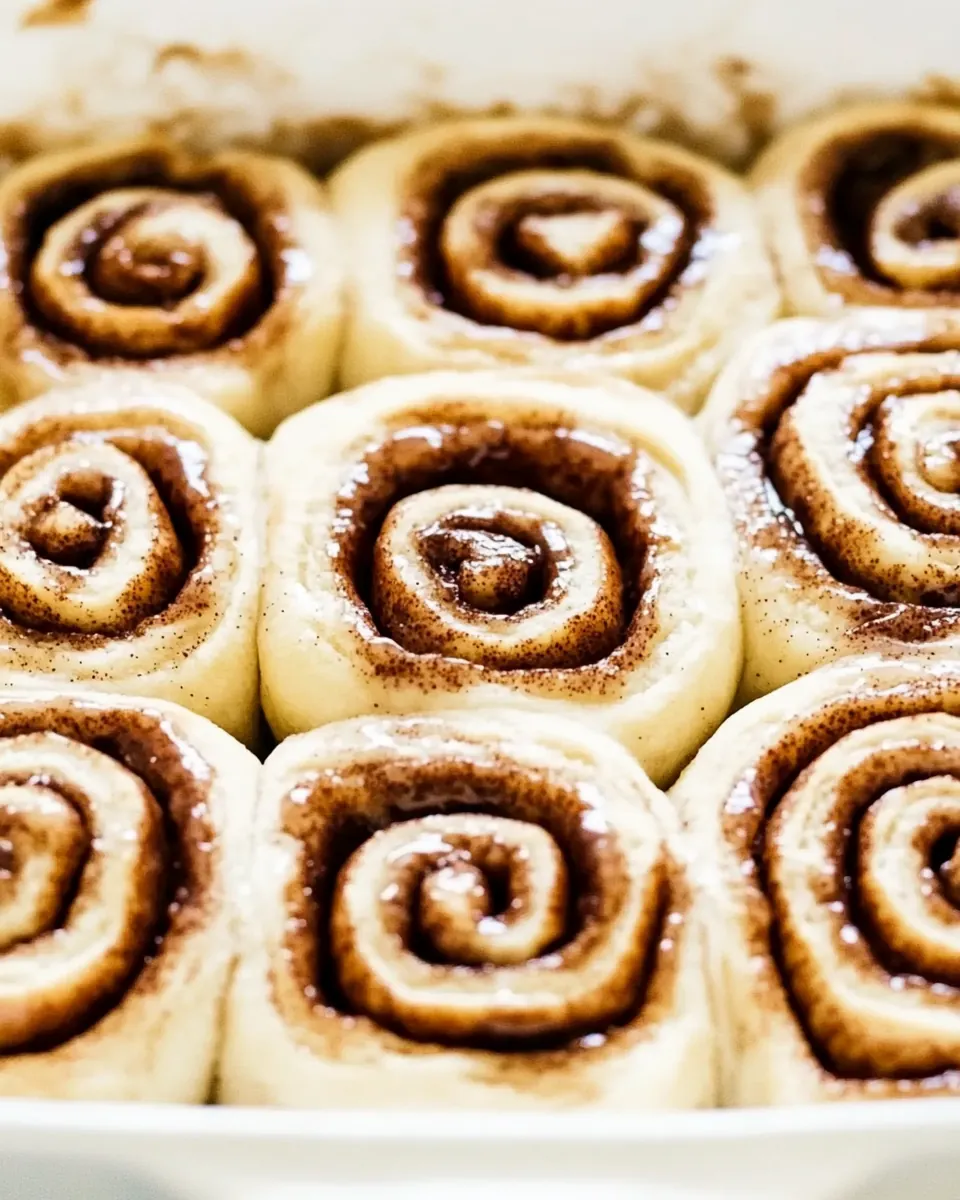
I like to think of the steps as a gentle choreography: activate the yeast, build the dough, shape the spirals, and finish with a glossy glaze. Take your time during the rises, and enjoy the small wins like a perfectly rolled log or a nicely golden top.
- Proof Yeast: In a small bowl, stir together yeast, warm water and 1/2 teaspoon sugar. Set aside for 5 minutes to 'proof'. (If the mixture doesn't get foamy on top, either the yeast is bad or the water was too hot). For instant yeast, add yeast, water and sugar with everything in step 2.: The bowl should smell faintly yeasty and the surface should become foamy within a few minutes, showing the yeast is alive, which matters for a reliable rise. If you do not see foam, do not proceed, as dough made with inactive yeast will remain dense, a common mistake to avoid.
- Make Dough: Add the yeast mixture, warm milk, sugar, melted butter, salt and egg to a large bowl or stand mixer. Add 2 cups of flour and mix until smooth. Add an additional cup of flour and knead until combined. Slowly add more flour as needed, until the dough begins to pull away from the sides and bottom of the bowl. Knead it for about 5 minutes. The dough should be very soft and not overly sticky. Add more flour if needed.: Once mixed, the dough will feel soft and slightly tacky but should pull away from the bowl, a sign that gluten has developed enough. When kneading, you should hear a faint rhythm as the dough stretches and relaxes, and the texture moves from shaggy to silky, which helps create open, tender crumb after baking; avoid adding too much flour early, which can make the rolls dry.
- First Rise: Place dough in a well-greased bowl, cover with a dry kitchen towel and let rise until doubled, about 1 1/2 hours. Meanwhile, butter a rimmed bakers half sheet (18×13") or a 9×13" pan. Set aside.: The dough will puff and double, filling the bowl with a buoyant, springy feel; touch it gently and it should slowly spring back. This rest period builds flavor and structure, so rushing it will result in denser rolls, a trap I've seen many fall into.
- Roll out and Fill: Dust a work surface lightly with flour, or spray with non-stick cooking spray. Punch down the risen dough and roll it out into about a 20"x 18" rectangle. Spread 6 tablespoons softened butter on top. Mix sugar and cinnamon together and sprinkle over buttered dough, leaving 1/2 inch border. Sprinkle with walnuts, pecans, or raisins if desired.: Rolling the dough into a large rectangle should reveal an even, smooth surface, and the act of spreading softened butter will leave a glossy sheen that helps the cinnamon sugar stick; the filling should look evenly distributed, because uneven filling causes lopsided rolls when sliced.
- Cut: Beginning on the 18-inch side, roll up dough tightly into a log. Pinch the ends together to seal. Cut into 12 equal portioned pieces (about 1 1/2 inches wide). A sharp serrated knife or a piece of floss work well to cut the dough.: When you slice the log into 12 pieces, each cross section should show a clear spiral. Use a serrated knife or floss to avoid squashing the log, because compressed rolls will lose their airy layers, which is a frequent mistake when using a dull knife.
- Second Rise: Arrange rolls on prepared baking sheet and cover with a dry kitchen towel. Rise again for about an hour, until doubled in size. Preheat oven to 375 degrees F.: During this rise the rolls should visibly swell and the swirls should loosen into plump, soft mounds; the surface will look pillowy and slightly jiggly when nudged. Preheating the oven during this time ensures a consistent oven spring, missing which may cause underbaked centers.
- Bake: Uncover rolls and bake for 18-22 minutes or until no longer doughy in the center. While the cinnamon rolls bake, make the icing.: In the oven the rolls will turn a warm golden brown and the sugar will bubble slightly at the edges, releasing a caramel scent that fills the kitchen. Remove them when they are set but still soft in the center, because overbaking dries them out, a common pitfall when baking larger trays.
- Glaze: Mix butter and powdered sugar together for several minutes. Mix in vanilla and enough milk to reach a soft frosting consistency. (See notes for cream cheese frosting option). Spread over warm baked cinnamon rolls.: The glaze should be smooth and pourable, and when spread over warm rolls it will melt into the crevices, creating glossy ribbons of sweetness; if the glaze is too thin it will run off, so hold back milk until you reach a thick, spreadable consistency.
Helpful Notes about Cinnamon Rolls
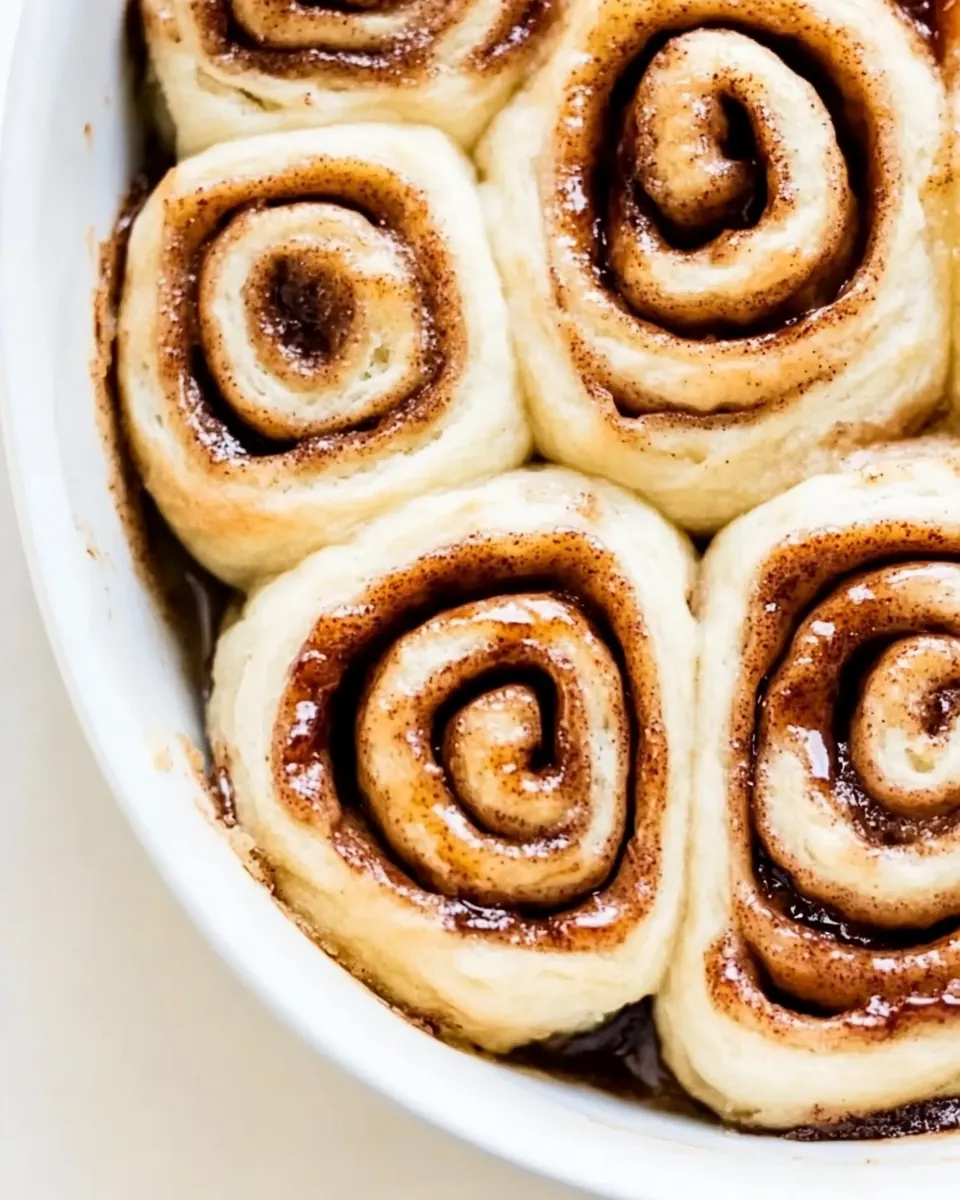
These notes expand on common questions and ways to make the process smoother, from alternative glazes to storage. They are detailed so you can confidently plan ahead or adapt when needed.
- Instant yeast shortcut Use instant yeast by mixing it directly with the dry ingredients and skip the proofing step, noting that the dough may rise faster so keep an eye on it.
- Cream cheese glaze option For a tangier finish, beat 4 ounces softened cream cheese with 4 tablespoons butter, add vanilla, and enough powdered sugar to reach a thick frosting consistency.
- Storage at room temperature Store leftover rolls in an airtight container for up to 2 days to keep them soft; refrigerating extends life to about a week but can dry them if not well sealed.
- Freezing baked rolls Freeze in a freezer safe container for up to 3 months. Thaw overnight in the fridge then rewarm to refresh texture.
- Freezing unbaked rolls Parbake for about 12 minutes, cool, wrap tightly and freeze. Reheat later for a freshly baked result without starting from scratch.
Accompaniments for Cinnamon Rolls
These suggestions show how to serve and store your rolls for different occasions, from casual breakfasts to festive brunches. The list covers pairings and practical serving tips so you can plan an entire spread around the smell and warmth of fresh rolls.
- Brunch pairing Serve warm rolls alongside a simple fruit salad and coffee so guests have a balance of sweetness and brightness for a leisurely morning meal.
- Holiday morning Make a batch the night before for holiday mornings, then warm and glaze them while everyone gathers for a cozy start to the day.
- Storage tip For best texture, store in an airtight container and rewarm individual rolls for about 15 seconds in the microwave before serving to restore softness.
- Make ahead strategy Prepare dough and refrigerate overnight, allowing you to roll and bake fresh rolls the next morning with minimal effort.
- Snack plate Pack cooled rolls into a sealed container for a sweet afternoon snack, or warm a few for a school lunch treat on special days.
- Seasonal touch Add a small bowl of toasted nuts on the side during fall gatherings, offering a crunchy counterpoint to the soft rolls.
- Serving style Place rolls on a warm baking sheet and let guests pull them apart, creating a casual, communal presentation that encourages sharing.
FAQ
Conclusion
These Cinnamon Rolls stand out for their balanced sweetness, tender dough, and gooey cinnamon swirls, all tied together by a simple glaze. Try them for a slow weekend breakfast or any time you want to fill the kitchen with cozy aroma and warm, shareable pastries. Enjoy the process and the smiles they bring when you pull a pan from the oven.
Cinnamon Rolls
Equipment
- half sheet pan
Ingredients
- 2 1/2 teaspoons active dry yeast Activate yeast by dissolving in warm liquid to leaven the dough and create light, airy rolls; ensure temperature is not too hot to avoid killing yeast. Use active dry yeast to develop flavor and structure during the first rise, producing characteristic cinnamon roll texture.
- 1/2 cup warm water Warm water to gently dissolve yeast and provide the liquid necessary for gluten development and fermentation. Use slightly warm water to kickstart yeast activity without overheating the dough, promoting consistent rising.
- 1/2 cup whole milk, warmed Warm whole milk to enrich the dough with fat and protein, contributing to tender crumb and improved browning during baking. Combine warmed milk with the yeast mixture to create a softer, richer dough compared with water alone.
- 1/4 cup + 1/2 teaspoon granulated sugar, divided Divide granulated sugar to both feed the yeast for fermentation and sweeten the dough; reserve a small portion for the filling or dough finishing as indicated. Balance sugar in dough to enhance browning and fermentative activity while not over-sweetening the base.
- 1/3 cup butter, slightly melted Slightly melted butter used to tenderize the dough and add rich flavor; incorporate so the fat coats flour and limits gluten toughness. Use melted butter at moderate temperature to blend evenly into the dough without cooking the egg or yeast.
- 1 teaspoon salt Season with salt to control yeast activity, strengthen gluten structure, and enhance overall flavor balance in the rolls. Add precisely measured salt to avoid inhibiting rise while ensuring the dough tastes well-rounded.
- 1 large egg, room temperature Bring egg to room temperature and incorporate to enrich the dough with protein, fat, and emulsifiers for improved texture and color. Beat into the mixture to contribute tenderness, structure, and a golden crumb after baking.
- 3 1/2 -4 cups all purpose flour, or bread flour Provide the primary structure-building flour, measured within the given range to achieve proper dough hydration and elasticity; choose bread flour for more chew or all-purpose for slightly softer rolls. Add progressively to reach a tacky but workable dough that will hold gas produced by fermentation.
- 6 tablespoons softened butter Soften butter to spreadable consistency for use in the filling, adding richness and helping the cinnamon sugar adhere to the dough layers. Use slightly softened butter to create thin, even layers when rolling for gooey, flavorful swirls.
- 2/3 cup packed light brown sugar Pack light brown sugar to add moist sweetness and caramel-like flavor to the filling while helping create a sticky, indulgent center. Distribute evenly with cinnamon to ensure balanced sweetness and texture in each roll.
- 2 tablespoons ground cinnamon Use ground cinnamon to provide warm, aromatic spice that defines the classic cinnamon roll flavor; mix thoroughly with sugar for an even filling. Adjust quantity within range to suit personal taste for spiciness and aroma.
- 3/4 cup raisins, walnuts, or pecans (optional) Optionally include raisins, walnuts, or pecans to add texture, flavor complexity, and nutty or fruity contrast to the sweet cinnamon filling. Fold in sparingly to maintain roll integrity and ensure even distribution throughout the spirals.
- 4 tablespoons butter, softened Soften additional butter for the glaze or finishing layer to melt slightly into the warm rolls, adding sheen and richness. Spread over hot or warm rolls so it melds with powdered sugar to form a smooth icing.
- 2 cups powdered sugar Sift powdered sugar to create a smooth, creamy glaze when combined with butter, vanilla, and milk; it dissolves easily for a glossy finish. Adjust quantity to reach desired sweetness and consistency for drizzling or spreading.
- 1 teaspoon vanilla extract Add vanilla extract to the glaze to impart aromatic depth and enhance perceived sweetness without extra sugar. Stir in small amounts to flavor the icing subtly and complement the cinnamon filling.
- 3 -6 tablespoons milk, as needed Use milk as needed to adjust glaze consistency, creating a pourable or spreadable texture that adheres to the rolls; start with less and add gradually. Choose amount to balance sweetness and ensure a smooth, glossy finish that sets slightly on cooling.
Instructions
- Proof Yeast: In a small bowl, stir together yeast, warm water and 1/2 teaspoon sugar. Set aside for 5 minutes to 'proof'. (If the mixture doesn't get foamy on top, either the yeast is bad or the water was too hot). For instant yeast, add yeast, water and sugar with everything in step 2.: The bowl should smell faintly yeasty and the surface should become foamy within a few minutes, showing the yeast is alive, which matters for a reliable rise. If you do not see foam, do not proceed, as dough made with inactive yeast will remain dense, a common mistake to avoid.
- Make Dough: Add the yeast mixture, warm milk, sugar, melted butter, salt and egg to a large bowl or stand mixer. Add 2 cups of flour and mix until smooth. Add an additional cup of flour and knead until combined. Slowly add more flour as needed, until the dough begins to pull away from the sides and bottom of the bowl. Knead it for about 5 minutes. The dough should be very soft and not overly sticky. Add more flour if needed.: Once mixed, the dough will feel soft and slightly tacky but should pull away from the bowl, a sign that gluten has developed enough. When kneading, you should hear a faint rhythm as the dough stretches and relaxes, and the texture moves from shaggy to silky, which helps create open, tender crumb after baking; avoid adding too much flour early, which can make the rolls dry.
- First Rise: Place dough in a well-greased bowl, cover with a dry kitchen towel and let rise until doubled, about 1 1/2 hours. Meanwhile, butter a rimmed bakers half sheet (18×13") or a 9×13" pan. Set aside.: The dough will puff and double, filling the bowl with a buoyant, springy feel; touch it gently and it should slowly spring back. This rest period builds flavor and structure, so rushing it will result in denser rolls, a trap I've seen many fall into.
- Roll out and Fill: Dust a work surface lightly with flour, or spray with non-stick cooking spray. Punch down the risen dough and roll it out into about a 20"x 18" rectangle. Spread 6 tablespoons softened butter on top. Mix sugar and cinnamon together and sprinkle over buttered dough, leaving 1/2 inch border. Sprinkle with walnuts, pecans, or raisins if desired.: Rolling the dough into a large rectangle should reveal an even, smooth surface, and the act of spreading softened butter will leave a glossy sheen that helps the cinnamon sugar stick; the filling should look evenly distributed, because uneven filling causes lopsided rolls when sliced.
- Cut: Beginning on the 18-inch side, roll up dough tightly into a log. Pinch the ends together to seal. Cut into 12 equal portioned pieces (about 1 1/2 inches wide). A sharp serrated knife or a piece of floss work well to cut the dough.: When you slice the log into 12 pieces, each cross section should show a clear spiral. Use a serrated knife or floss to avoid squashing the log, because compressed rolls will lose their airy layers, which is a frequent mistake when using a dull knife.
- Second Rise: Arrange rolls on prepared baking sheet and cover with a dry kitchen towel. Rise again for about an hour, until doubled in size. Preheat oven to 375 degrees F.: During this rise the rolls should visibly swell and the swirls should loosen into plump, soft mounds; the surface will look pillowy and slightly jiggly when nudged. Preheating the oven during this time ensures a consistent oven spring, missing which may cause underbaked centers.
- Bake: Uncover rolls and bake for 18-22 minutes or until no longer doughy in the center. While the cinnamon rolls bake, make the icing.: In the oven the rolls will turn a warm golden brown and the sugar will bubble slightly at the edges, releasing a caramel scent that fills the kitchen. Remove them when they are set but still soft in the center, because overbaking dries them out, a common pitfall when baking larger trays.
- Glaze: Mix butter and powdered sugar together for several minutes. Mix in vanilla and enough milk to reach a soft frosting consistency. (See notes for cream cheese frosting option). Spread over warm baked cinnamon rolls.: The glaze should be smooth and pourable, and when spread over warm rolls it will melt into the crevices, creating glossy ribbons of sweetness; if the glaze is too thin it will run off, so hold back milk until you reach a thick, spreadable consistency.
Notes
- Instant yeast shortcut Use instant yeast by mixing it directly with the dry ingredients and skip the proofing step, noting that the dough may rise faster so keep an eye on it.
- Cream cheese glaze option For a tangier finish, beat 4 ounces softened cream cheese with 4 tablespoons butter, add vanilla, and enough powdered sugar to reach a thick frosting consistency.
- Storage at room temperature Store leftover rolls in an airtight container for up to 2 days to keep them soft; refrigerating extends life to about a week but can dry them if not well sealed.
- Freezing baked rolls Freeze in a freezer safe container for up to 3 months. Thaw overnight in the fridge then rewarm to refresh texture.
- Freezing unbaked rolls Parbake for about 12 minutes, cool, wrap tightly and freeze. Reheat later for a freshly baked result without starting from scratch.