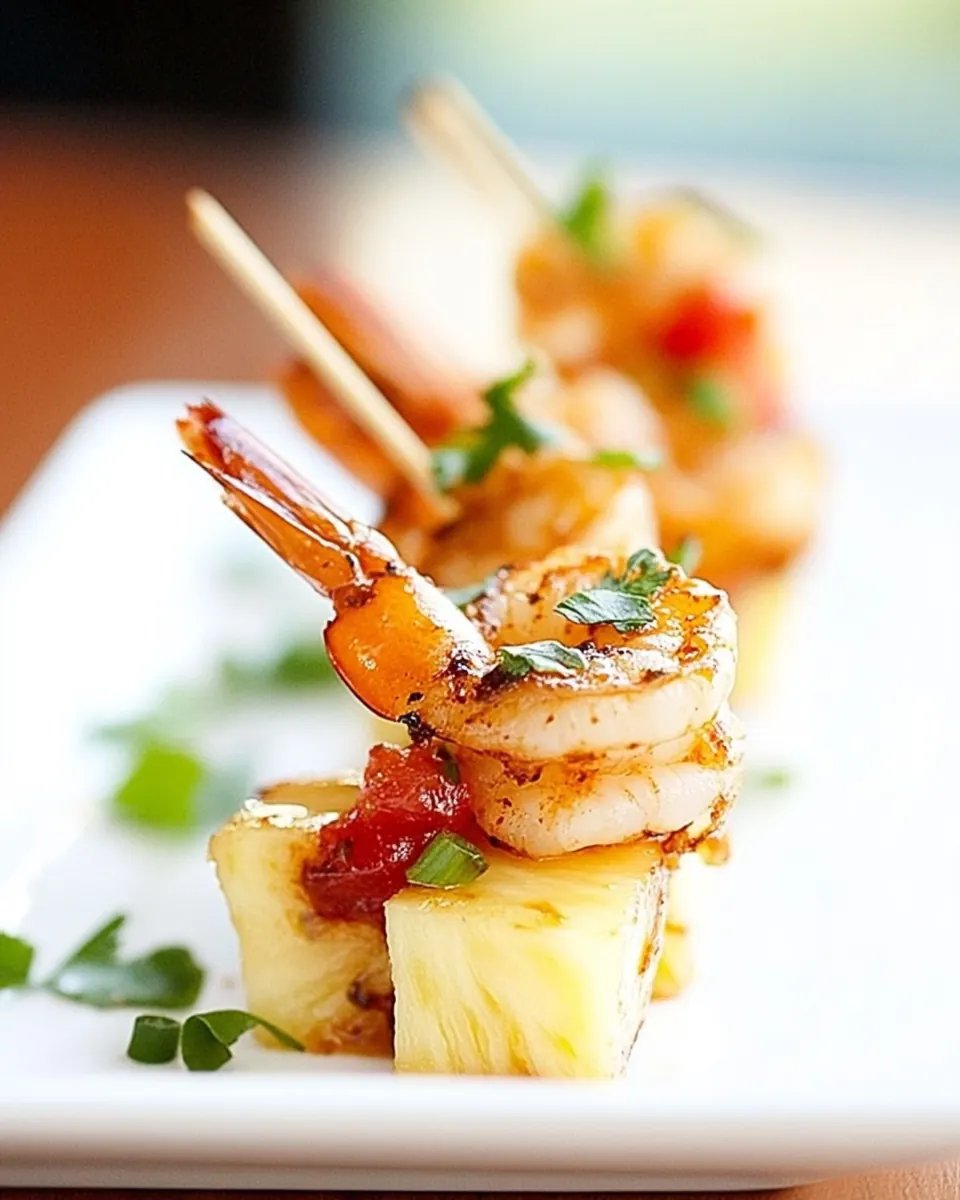
Tamarind Shrimp and Pineapple Skewers
Tamarind Shrimp and Pineapple Skewers showed up on my summer weekend menu the moment I found a box of ripe pineapple at the market and thought about bright, salty seafood that pairs with tart fruit. I remember standing at the counter, hands sticky with tamarind, while the grill warmed, and feeling the kind of easy excitement that comes when a handful of simple ingredients promise something vibrant. From the first bite I knew this was a recipe I would come back to whenever I wanted a quick, fun, and slightly exotic crowd pleaser.
That day I was cooking for friends who love bold flavors, and the combination of tangy tamarind with sweet pineapple and smoky shrimp made everyone pause and then reach for another skewer. I have a habit of tasting, adjusting, and tasting again, and this recipe rewards that attention because each small tweak shapes the final balance between sweet, sour, and savory. The texture contrast between the juicy pineapple and the meaty shrimp is what keeps it interesting bite after bite.
Recipe Snapshot
20 mins
15 mins
5 mins
Easy
250 kcal
Asian
Gluten-Free, Keto
Dinner
Grill or skillet, Bamboo skewers, Mixing bowl, Paper towels, Strainer
The Best Thing About This Tamarind Shrimp and Pineapple Skewers
Bold, Balanced Flavor
I love how Tamarind Shrimp and Pineapple Skewers layer tart tamarind, salty umami from fish sauce, and a touch of heat. The result is a compact mouthful of contrast that feels thoughtfully designed, not accidental.
Fast and Festive
This dish comes together quickly. I often pull it off when I need an easy weeknight star or a snack for company, because the hands on time is minimal and the payoff is maximal.
Great Texture Play
Putting juicy pineapple alongside firm shrimp creates a satisfying chew and burst. Toasted ground peanuts add crunch and make the skewers feel complete.
Flexible Cooking Methods
Whether I reach for the grill or heat a skillet for a quick pan sear, the technique adapts and still gives me that lightly charred, caramelized note I want from grilled fruit and seafood.
Simple Ingredients, Big Impact
The pantry items here are modest yet purposeful. A small amount of tamarind pulp transforms the entire dish with its fragrant sourness, and a little fish sauce deepens the savory profile without being overpowering.
Ingredients Overview for Tamarind Shrimp and Pineapple Skewers
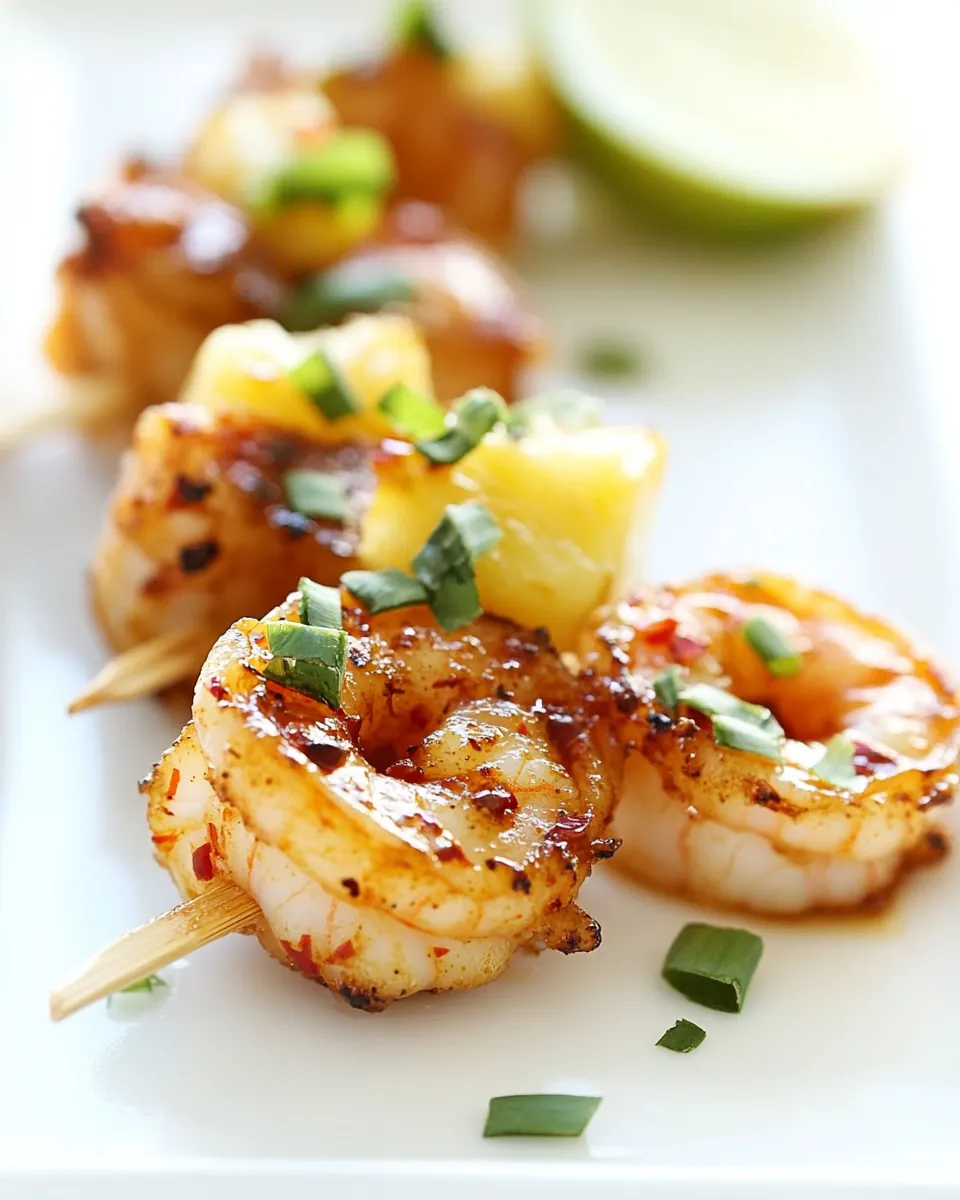
These ingredients are chosen to create a lively interplay between sweet, sour, salty, and crunchy. The key players are the tamarind pulp that lends bright acidity, the meaty shrimp that carries the flavors, and the fresh pineapple that adds sweetness and juiciness. Small seasoning touches round the dish into something memorable.
- 1 lb (500 g) tiger prawn, shelled and deveined, tail-on: Provide succulent seafood protein and a firm texture that holds well on skewers; ensure prawns are shelled and deveined with tail-on for presentation and easier eating. Marinate briefly to absorb flavors and cook quickly over high heat to retain juiciness and slight snap. Use fresh tiger prawns for best flavor and firm bite that pairs with sweet and tangy components.
- oil, for brushing: Prevent sticking and promote even browning when grilling or broiling, applied lightly with a brush to skewers or grill grates. Enhance surface crispness and carry heat for quick searing without adding competing flavors. Choose a neutral oil suitable for high-heat cooking to keep the shrimp and pineapple from burning.
- pineapple cubes: Contribute natural sweetness, juicy texture, and char-friendly pieces that balance the tangy tamarind glaze. Cube into uniform sizes so they cook evenly alongside shrimp and develop caramelized edges. Use ripe pineapple for maximum sweetness and bright tropical flavor contrast.
- 2 oz (60 g) seedless tamarind pulp: Provide concentrated sour and fruity tang that forms the backbone of the glaze or sauce, offering complexity and Southeast Asian authenticity. Soften and dissolve with water or heat to create a smooth tamarind paste suitable for glazing skewers. Adjust quantity to balance sweet, salty, and spicy elements in the dish.
- 4 tablespoons water: Dilute and loosen thick tamarind pulp into a sauce or glaze while controlling consistency for brushing onto skewers. Add gradually to achieve the desired viscosity for coating shrimp and pineapple evenly without dripping excessively. Use warm water to help extract tamarind flavor efficiently.
- 3 pinch esturmeric powder: Impart a warm, earthy color and subtle bitter-sweet undertone to support savory and tangy components in the marinade or sauce. Use sparingly to avoid overpowering delicate seafood flavors while contributing visual appeal. Combine with other spices for balanced depth.
- 3 pinch escayenne pepper powder: Add heat and a sharp, pungent kick to the marinade or glaze; sprinkle carefully to achieve the preferred spice level. Support the tamarind's tang and the pineapple's sweetness by providing contrast and excitement on the palate. Adjust amount to suit diners' heat tolerance.
- 1 tablespoon fish sauce: Introduce savory umami and salty depth to the glaze, enhancing the overall flavor profile and complementing sweet and sour notes. Mix with tamarind and sugar to create a balanced marinade that seasons the shrimp internally and the glaze externally. Use measured amounts to prevent oversalting.
- 1 teaspoon ugar: Provide sweetness to balance tamarind's acidity and fish sauce's saltiness, rounding out the glaze with a hint of caramelization when cooked. Dissolve into the tamarind mixture to achieve a harmonious sweet-tart-salty profile. Taste and adjust gradually to avoid excessive sweetness.
- 2 tablespoons oil: Serve as a cooking medium and flavor carrier in the marinade or for brushing prior to grilling, helping ingredients adhere and develop a glossy finish. Use an appropriate quantity to keep the glaze cohesive without making skewers greasy. Choose an oil with a neutral flavor and high smoke point for best results.
- ground peanuts: Add crunchy texture, nutty richness, and a contrasting mouthfeel when sprinkled over finished skewers, enhancing both texture and flavor. Use crushed or ground peanuts for even distribution and to complement the dish's Southeast Asian flavor profile. Toast lightly for extra aroma if desired.
- chopped scallions: Provide a fresh, mild oniony bite and vibrant green color as a finishing garnish to brighten flavors and appearance. Chop finely to distribute evenly over skewers, adding a crisp contrast to the cooked ingredients. Use scallions raw to preserve their crispness and fresh aroma.
How to Make Tamarind Shrimp and Pineapple Skewers
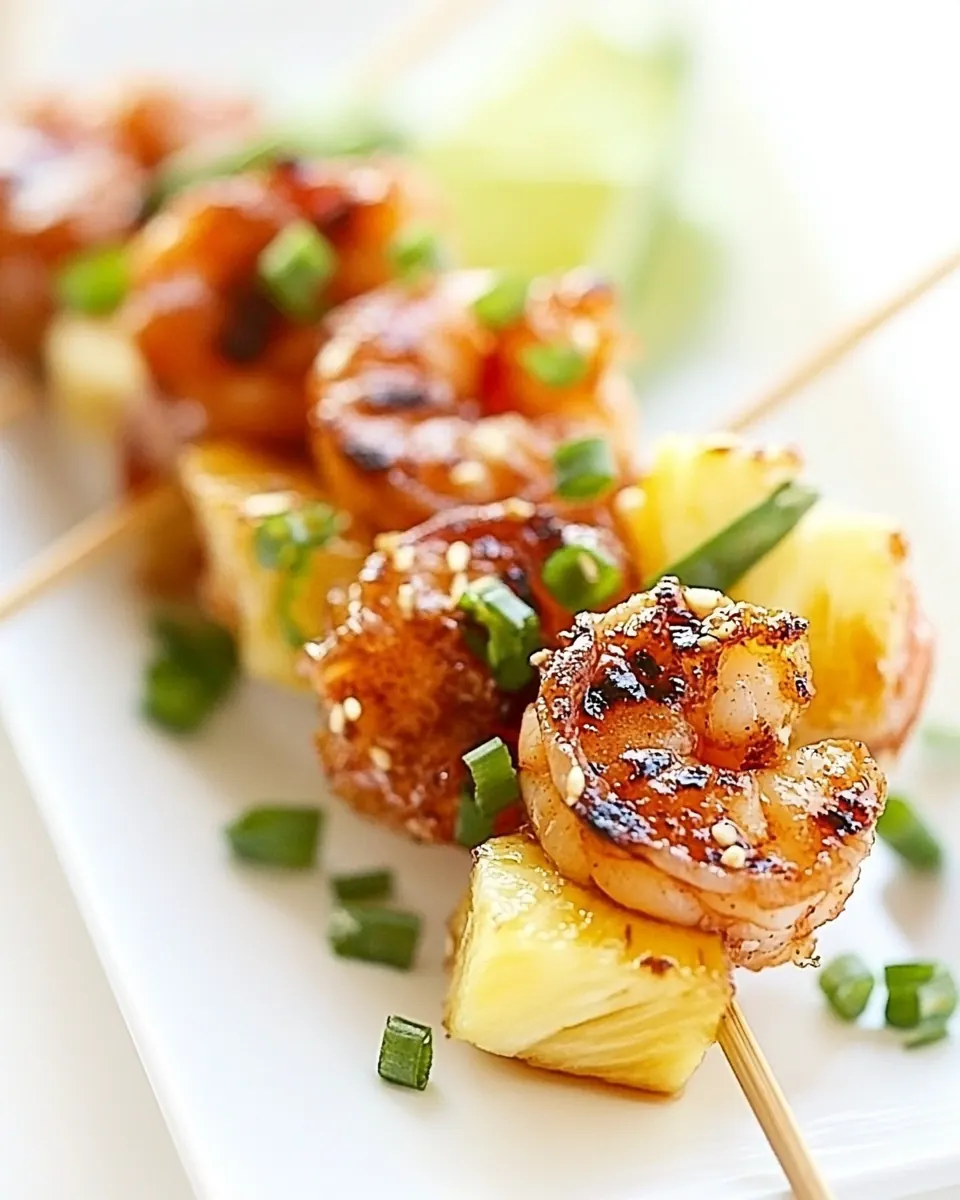
These directions will guide you step by step, with sensory cues and little troubleshooting notes so you can grill or pan fry with confidence. Read each stage, and pay attention to the visual and aromatic hints that tell you when to move to the next step.
- Pat the shrimp dry with paper towels.: The surface feel should change from damp to slightly tacky, and you will notice that the paper towels pick up a fair bit of moisture. Drying is essential because moisture blocks browning, creating steam instead of a proper sear. If you skip this, the shrimp will steam and fail to caramelize, resulting in a softer, less flavorful texture. A common mistake is rushing this step, so take a moment to press gently and rotate the shrimp until they feel consistently drier.
- Combine the tamarind pulp with water. Extract the juice and discard the pulp.: As you stir the tamarind pulp into the water , the liquid will darken and smell tangy and fruity, like citrus with molasses notes. Pressing or squeezing the mixture helps release fragrant, sour juices that form the base of the marinade. Straining produces a clear, deep amber liquid; keeping solids would make the marinade gritty and uneven. If your strained juice seems weak, it may be from overly cold water, so let the mixture sit a few minutes at room temperature to extract more flavor.
- Combine the tamarind juice with the remaining marinade ingredients and mix with the shrimp. Marinate for 5 to 10 minutes.: Once the tamarind juice meets the fish sauce , sugar , turmeric powder , cayenne pepper powder , and oil , you will notice an aromatic lift, with salty and smoky notes balancing the sour. Toss the shrimp so each piece glistens; you should see a light coating rather than a puddle of liquid. Marinating briefly seasons the surface without breaking down the protein, which keeps the texture snappy. Leaving them too long can make the texture a bit mushy, so stick close to the 5 to 10 minute window for best results.
- Grill or pan-fry the shrimp. If grilling, brush some oil on the surface of the shrimp.: Heat is where flavor concentrates, so whether you hear an immediate sizzle on the skillet or the grill marks form, those sounds tell you the sugars and proteins are caramelizing. On the grill, brush a touch of oil to prevent sticking and encourage even browning; in the pan, a thin film of oil will give you that crisp edge. The shrimp will change from translucent to opaque and take on golden edges; this visual shift is your cue that they are nearly done. Overcooking makes shrimp rubbery, so stop as soon as they curl into gentle C shapes and lose translucency.
- Thread a piece of pineapple onto a short bamboo skewer, followed by the shrimp. Garnish with ground peanuts and chopped scallions.: When assembling, the contrast is immediate: warm, slightly charred pineapple releasing sweet steam, and hot, fragrant shrimp threaded beside it. The aroma of toasted meat and caramelized fruit should be pronounced, and the final sprinkle of ground peanuts adds a nutty perfume while crunchy scallions provide a fresh, green lift. Serve right away because the temperature and textures are at their peak; letting skewers sit will soften the crisp edges and dull the fresh notes.
Making Adjustments
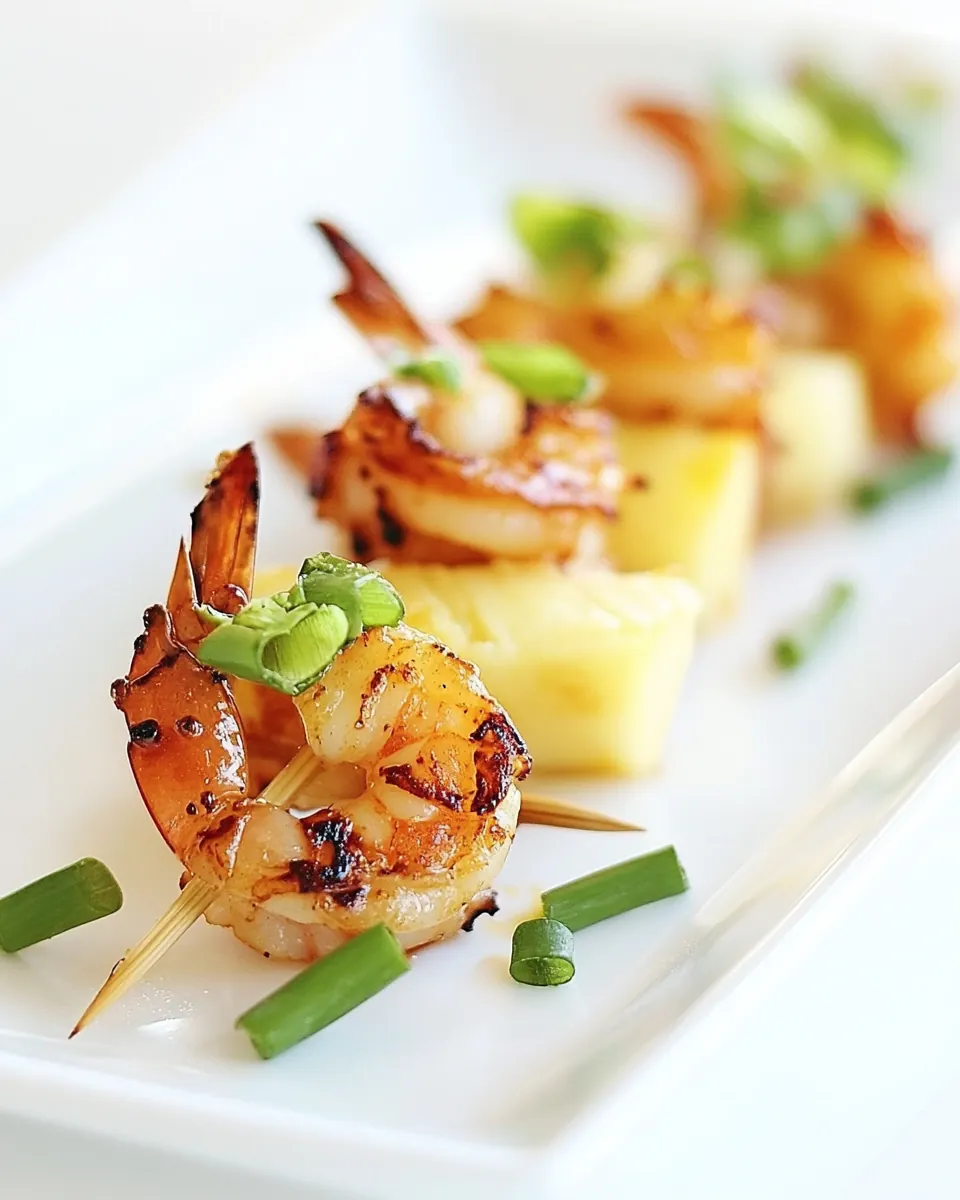
I like adjusting this recipe to match the mood of the meal, whether that means dialing heat back for kids or making a slightly sweeter batch for a fruity twist. Below are practical, tested tips that keep the balance of sweet and sour intact while letting you personalize texture and spice.
- Reduce heat gently. If you prefer less spice, cut the amount of cayenne pepper powder by half and taste the marinade before adding the shrimp. This avoids overwhelming the delicate seafood and lets the tamarind shine.
- Boost umami. Add a touch more fish sauce if the marinade tastes too sweet or flat; a small increase will deepen the savory profile without making the dish salty.
- Swap cooking method safely. If you do not have a grill, use a hot skillet and a little extra oil to mimic caramelization. Press gently with a spatula for more contact and color.
- Control caramelization. Rotate skewers frequently over a medium high heat to get even browning on both pineapple and shrimp without charring the exterior too quickly.
- Manage marinade time. Keep marinating to the short window recommended, because the acid in the tamarind pulp can start to change the shrimp texture if left too long.
- Make it ahead. You can prepare the marinade and slice the pineapple a few hours ahead, but thread the skewers only right before cooking to preserve texture.
How to Enjoy Tamarind Shrimp and Pineapple Skewers
These skewers are wonderfully versatile at gatherings, and plating them with thoughtful accompaniments elevates the entire experience. Below are serving ideas and occasions that pair naturally with the dish.
- Serve hot off the grill. Present the skewers immediately so the contrast between warm shrimp and juicy pineapple is most striking.
- Pair with simple sides. Offer a bed of lightly dressed greens or steamed rice so the skewers remain the flavor focus and guests can balance each bite.
- Ideal for summer gatherings. These skewers shine at backyard barbecues, pool parties, and alfresco dinners where bright, handheld foods are welcome.
- Make it a starter. Serve small skewers as an appetizer before a larger meal to whet appetites without filling guests.
- Storage tips. Refrigerate leftover shrimp separate from the pineapple in airtight containers, and consume within two days for best texture. Reheat briefly to avoid overcooking.
- Seasonal pairings. This recipe fits summer menus beautifully, with fruit forward sides and crisp, chilled beverages alongside.
FAQ
Conclusion
Tamarind Shrimp and Pineapple Skewers stand out because they combine bright tamarind tang, sweet pineapple, and well seasoned shrimp for a lively textural and flavor contrast. Give this recipe a try when you want something quick but impressive, whether for an easy weeknight dinner or a summer gathering. The balance of sweet and sour with a hint of heat makes it endlessly enjoyable, and once you taste it, you will find yourself coming back to the recipe again and again.
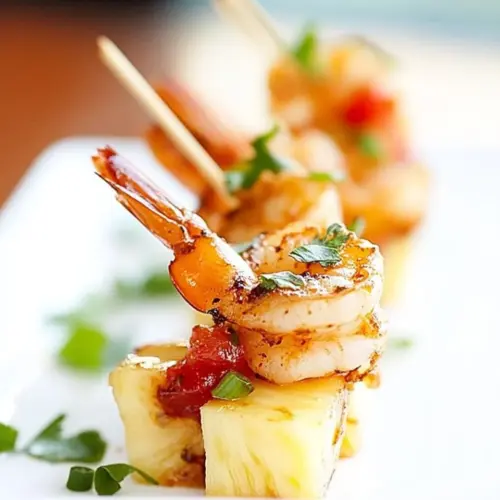
Tamarind Shrimp and Pineapple Skewers
Equipment
- Grill or Skillet
- Bamboo skewers
- Mixing Bowl
- Paper towels
- Strainer
Ingredients
- 1 lb (500 g) tiger prawn, shelled and deveined, tail-on Provide succulent seafood protein and a firm texture that holds well on skewers; ensure prawns are shelled and deveined with tail-on for presentation and easier eating. Marinate briefly to absorb flavors and cook quickly over high heat to retain juiciness and slight snap. Use fresh tiger prawns for best flavor and firm bite that pairs with sweet and tangy components.
- oil, for brushing Prevent sticking and promote even browning when grilling or broiling, applied lightly with a brush to skewers or grill grates. Enhance surface crispness and carry heat for quick searing without adding competing flavors. Choose a neutral oil suitable for high-heat cooking to keep the shrimp and pineapple from burning.
- pineapple cubes Contribute natural sweetness, juicy texture, and char-friendly pieces that balance the tangy tamarind glaze. Cube into uniform sizes so they cook evenly alongside shrimp and develop caramelized edges. Use ripe pineapple for maximum sweetness and bright tropical flavor contrast.
- 2 oz (60 g) seedless tamarind pulp Provide concentrated sour and fruity tang that forms the backbone of the glaze or sauce, offering complexity and Southeast Asian authenticity. Soften and dissolve with water or heat to create a smooth tamarind paste suitable for glazing skewers. Adjust quantity to balance sweet, salty, and spicy elements in the dish.
- 4 tablespoons water Dilute and loosen thick tamarind pulp into a sauce or glaze while controlling consistency for brushing onto skewers. Add gradually to achieve the desired viscosity for coating shrimp and pineapple evenly without dripping excessively. Use warm water to help extract tamarind flavor efficiently.
- 3 pinch esturmeric powder Impart a warm, earthy color and subtle bitter-sweet undertone to support savory and tangy components in the marinade or sauce. Use sparingly to avoid overpowering delicate seafood flavors while contributing visual appeal. Combine with other spices for balanced depth.
- 3 pinch escayenne pepper powder Add heat and a sharp, pungent kick to the marinade or glaze; sprinkle carefully to achieve the preferred spice level. Support the tamarind's tang and the pineapple's sweetness by providing contrast and excitement on the palate. Adjust amount to suit diners' heat tolerance.
- 1 tablespoon fish sauce Introduce savory umami and salty depth to the glaze, enhancing the overall flavor profile and complementing sweet and sour notes. Mix with tamarind and sugar to create a balanced marinade that seasons the shrimp internally and the glaze externally. Use measured amounts to prevent oversalting.
- 1 teaspoon ugar Provide sweetness to balance tamarind's acidity and fish sauce's saltiness, rounding out the glaze with a hint of caramelization when cooked. Dissolve into the tamarind mixture to achieve a harmonious sweet-tart-salty profile. Taste and adjust gradually to avoid excessive sweetness.
- 2 tablespoons oil Serve as a cooking medium and flavor carrier in the marinade or for brushing prior to grilling, helping ingredients adhere and develop a glossy finish. Use an appropriate quantity to keep the glaze cohesive without making skewers greasy. Choose an oil with a neutral flavor and high smoke point for best results.
- ground peanuts Add crunchy texture, nutty richness, and a contrasting mouthfeel when sprinkled over finished skewers, enhancing both texture and flavor. Use crushed or ground peanuts for even distribution and to complement the dish's Southeast Asian flavor profile. Toast lightly for extra aroma if desired.
- chopped scallions Provide a fresh, mild oniony bite and vibrant green color as a finishing garnish to brighten flavors and appearance. Chop finely to distribute evenly over skewers, adding a crisp contrast to the cooked ingredients. Use scallions raw to preserve their crispness and fresh aroma.
Instructions
- Pat the shrimp dry with paper towels.: The surface feel should change from damp to slightly tacky, and you will notice that the paper towels pick up a fair bit of moisture. Drying is essential because moisture blocks browning, creating steam instead of a proper sear. If you skip this, the shrimp will steam and fail to caramelize, resulting in a softer, less flavorful texture. A common mistake is rushing this step, so take a moment to press gently and rotate the shrimp until they feel consistently drier.
- Combine the tamarind pulp with water. Extract the juice and discard the pulp.: As you stir the tamarind pulp into the water , the liquid will darken and smell tangy and fruity, like citrus with molasses notes. Pressing or squeezing the mixture helps release fragrant, sour juices that form the base of the marinade. Straining produces a clear, deep amber liquid; keeping solids would make the marinade gritty and uneven. If your strained juice seems weak, it may be from overly cold water, so let the mixture sit a few minutes at room temperature to extract more flavor.
- Combine the tamarind juice with the remaining marinade ingredients and mix with the shrimp. Marinate for 5 to 10 minutes.: Once the tamarind juice meets the fish sauce , sugar , turmeric powder , cayenne pepper powder , and oil , you will notice an aromatic lift, with salty and smoky notes balancing the sour. Toss the shrimp so each piece glistens; you should see a light coating rather than a puddle of liquid. Marinating briefly seasons the surface without breaking down the protein, which keeps the texture snappy. Leaving them too long can make the texture a bit mushy, so stick close to the 5 to 10 minute window for best results.
- Grill or pan-fry the shrimp. If grilling, brush some oil on the surface of the shrimp.: Heat is where flavor concentrates, so whether you hear an immediate sizzle on the skillet or the grill marks form, those sounds tell you the sugars and proteins are caramelizing. On the grill, brush a touch of oil to prevent sticking and encourage even browning; in the pan, a thin film of oil will give you that crisp edge. The shrimp will change from translucent to opaque and take on golden edges; this visual shift is your cue that they are nearly done. Overcooking makes shrimp rubbery, so stop as soon as they curl into gentle C shapes and lose translucency.
- Thread a piece of pineapple onto a short bamboo skewer, followed by the shrimp. Garnish with ground peanuts and chopped scallions.: When assembling, the contrast is immediate: warm, slightly charred pineapple releasing sweet steam, and hot, fragrant shrimp threaded beside it. The aroma of toasted meat and caramelized fruit should be pronounced, and the final sprinkle of ground peanuts adds a nutty perfume while crunchy scallions provide a fresh, green lift. Serve right away because the temperature and textures are at their peak; letting skewers sit will soften the crisp edges and dull the fresh notes.
Notes
- Reduce heat gently. If you prefer less spice, cut the amount of cayenne pepper powder by half and taste the marinade before adding the shrimp. This avoids overwhelming the delicate seafood and lets the tamarind shine.
- Boost umami. Add a touch more fish sauce if the marinade tastes too sweet or flat; a small increase will deepen the savory profile without making the dish salty.
- Swap cooking method safely. If you do not have a grill, use a hot skillet and a little extra oil to mimic caramelization. Press gently with a spatula for more contact and color.
- Control caramelization. Rotate skewers frequently over a medium high heat to get even browning on both pineapple and shrimp without charring the exterior too quickly.
- Manage marinade time. Keep marinating to the short window recommended, because the acid in the tamarind pulp can start to change the shrimp texture if left too long.
- Make it ahead. You can prepare the marinade and slice the pineapple a few hours ahead, but thread the skewers only right before cooking to preserve texture.