
Vegetarian Minestrone Soup
Vegetarian Minestrone Soup has been one of those bowls I turn to when I want comfort without fuss, and it feels like a warm kitchen hug on chilly evenings. The first sentence alone brings me back to a small apartment where I learned to coax flavor from humble pantry staples, stirring a pot while rain tapped the window. I remember thinking that a soup this generous could carry an entire week of lunches, and it still does.
My approach to Vegetarian Minestrone Soup is practical and a little sentimental, because this recipe marries convenience with depth. I like that each scoop offers a variety of textures, from tender beans to slightly toothsome pasta, and that the broth sings of tomato and herb. Over time I added small rituals, like dropping in a parmesan rind early for background umami, and stirring in the spinach at the end so it stays bright. Those little choices changed everything for me.
Cooking this stew taught me patience. It let me slow down on weeknights without making dinner complicated, and it taught me the rewards of building flavor step by step. I often double the recipe when friends are coming, because it scales easily and still feels handcrafted. Each spoonful reminds me that comfort food does not have to be heavy, it can be lively and nourishing too, especially when you focus on fresh produce and a good, slow simmer.
Recipe Snapshot
55 mins
20 mins
35 mins
Medium
200 kcal
Italian
Vegan, Gluten-Free
Soups
3.5 quart or larger stock pot
Why We Love This Vegetarian Minestrone Soup
Hearty, Not Heavy
I love how Vegetarian Minestrone Soup fills you up without weighing you down. The combination of kidney beans, potatoes, and pasta provides satisfying starch and protein so a bowl feels like a complete meal. When I serve this, people comment on the balance between richness and brightness, and that always makes me smile.
Built for Busy Lives
Most of the ingredients are pantry friendly, and I often pull this together when I have just a bit of time. The recipe is forgiving; you can swap pastas or skip the potatoes if you need to, and it still holds together. That flexibility is why I reach for it on busy nights when I want something wholesome, fast, and reliable.
Layered Flavor from Simple Steps
The magic comes from small techniques, like sweating the onion, carrots, and celery to coax out sweetness, and simmering with a parmesan rind for savory depth. I adore how the broth gains body without extra fat, and that technique was a kitchen revelation for me years ago.
Vegetarian and Crowd Friendly
I often bring this to gatherings because it suits many diets and tastes. It scales easily and is naturally comforting to a crowd. When I host, I set out freshly shredded parmesan cheese so guests can personalize their bowls, which turns a simple pot into an interactive centerpiece.
Seasonal Comfort
Even though I make it most in colder months, Vegetarian Minestrone Soup feels at home any time you want something soothing. The fresh herbs and quick-cooked spinach keep it bright, while the longer simmer makes the flavors cozy and rounded. I appreciate a recipe that reads both like pantry food and like thoughtful cooking, and this is exactly that.
Ingredients You’ll Need for Vegetarian Minestrone Soup
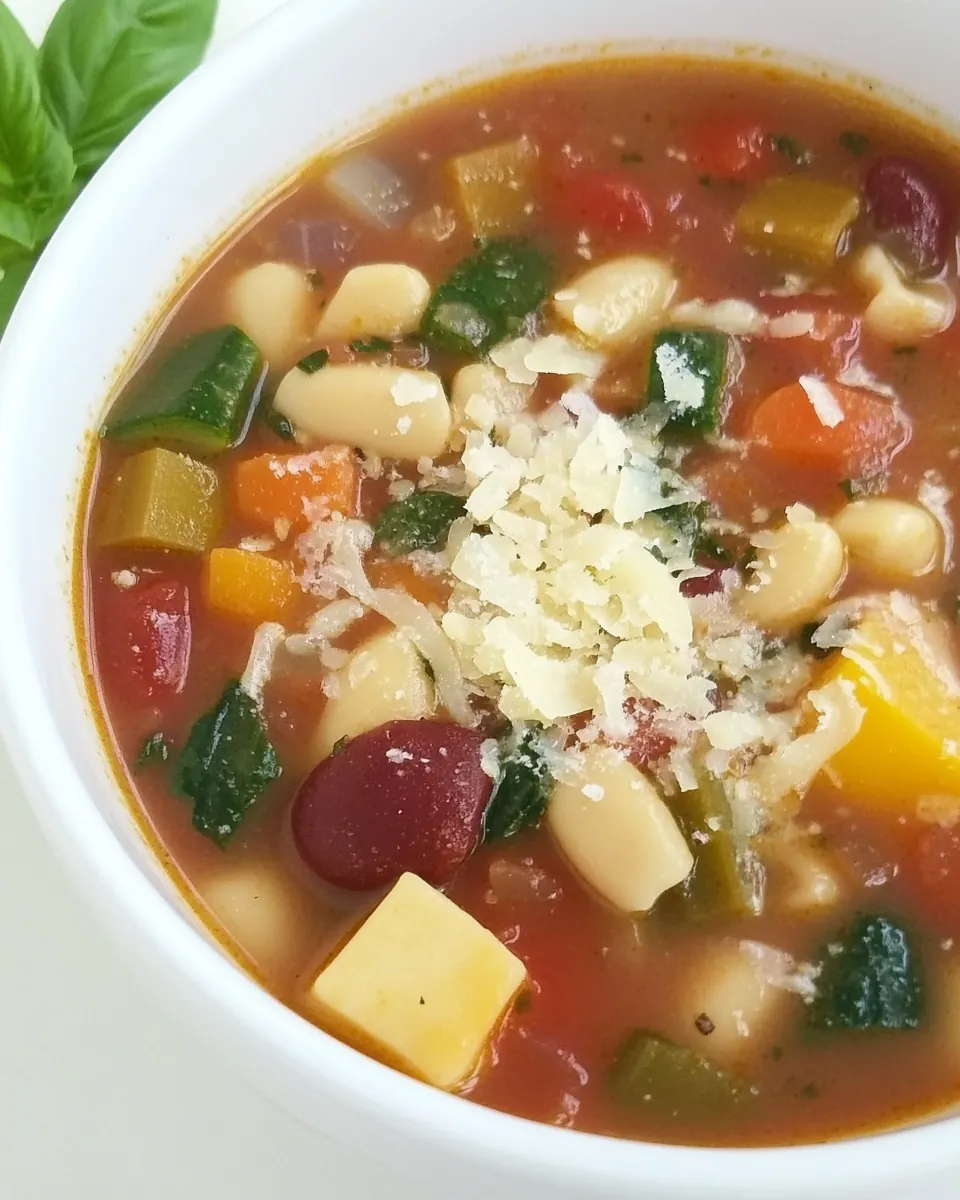
These ingredients are chosen to create a balanced, comforting bowl. The base is a simple soffritto of onion, carrots, and celery, which carries sweetness and aroma. The liquid backbone is vegetable broth and fire roasted tomatoes, while the kidney beans, potatoes, and pasta supply body and texture. Finishing with spinach, parsley, and shaved parmesan cheese gives freshness and a savory lift.
- 2 tablespoons olive oil: Sauté in a skillet until fragrant and shimmering to form the flavor base; provides a rich, fruity fat that carries aromatics and helps soften vegetables while adding a subtle Mediterranean character to the soup.
- 1/2 medium yellow onion (diced; about 1 cup): Dice finely and sweat until translucent to contribute sweetness and savory depth; supplies aromatic compounds that build the soup’s foundational savory profile and meld with the other vegetables.
- 2 medium carrots (peeled and diced; about 1 cup): Peel and dice then simmer with the base to add natural sweetness and texture; offers body, color, and a tender bite that complements the heartier vegetables and pasta.
- 1 stalk celery (diced; about 1/2 cup): Dice and cook until softened to add a crisp, vegetal backbone; brings subtle celery flavor and aromatic nuance that brightens the overall soup profile.
- 2 garlic cloves (peeled and minced; about 1 tablespoon): Mince and briefly cook to release pungent, savory oils; imparts a warm, aromatic bite that enhances complexity and pairs especially well with tomatoes and herbs.
- 4 cups low-sodium vegetable broth: Add to the pot as the primary liquid medium to simmer and combine flavors; provides a seasoned, low-sodium base that allows control over overall saltiness while keeping the soup light.
- 15 ounces fire-roasted diced tomatoes (1 can): Pour in with its juices to contribute acidity, sweetness, and tomato depth; adds concentrated roasted-tomato flavor and brightens the broth while contributing body and texture.
- 15 ounces cooked kidney beans (1 can; drained and rinsed): Drain and rinse then stir into the soup for protein and creaminess; supplies plant-based protein, fiber, and a hearty texture that makes the minestrone more satisfying.
- 2 Yukon gold potatoes (diced; about 2 cups []) (optional): Peel and dice if using, then simmer until tender to add starch and comfort; provides a creamy interior and helps thicken the broth while offering optional heartiness.
- 1/4 teaspoon freshly ground black pepper (plus more to taste): Grind freshly over the soup to introduce warm, sharp spice; adds a subtle heat and aromatic lift that balances sweetness and acidity in the broth.
- 1/2 teaspoon kosher salt (plus more to taste): Measure and adjust to taste to season the soup during cooking and at finish; brings necessary seasoning to enhance all flavors while allowing control over sodium level.
- 1 parmesan rind (about the size of a domino): Simmer with the broth to impart deep, savory umami and richness; releases concentrated cheese flavors that enrich the broth without overpowering the vegetable elements.
- 1 small zucchini (diced; about 1 cup): Dice and add near the end of cooking to maintain a tender texture; contributes tender, mildly sweet flesh and a hint of summer squash flavor that complements other vegetables.
- 1 cup pasta (I prefer small-to-medium tubular pastas like ditallini, macaroni, penne, torchio, casarecce, etc.): Cook until al dente in the broth or separately and add to the soup to provide body; offers starchy bite and satisfying chew that helps make the soup a complete, hearty meal.
- 1 ounce baby spinach (lightly chopped; about 1 cup packed): Lightly chop and stir in briefly at the end to wilt into the hot broth; provides bright, delicate greens and a nutritional boost while adding a fresh, slightly earthy note.
- 1/4 cup flat-leaf Italian parsley (chopped): Chop and sprinkle into the soup to add bright herbal freshness; introduces clean, slightly peppery undertones that lift and balance the richer, savory components.
- Freshly shredded parmesan cheese (for topping): Shred and sprinkle on top as a finishing garnish for salty, nutty richness; provides an umami-packed, melting topping that enhances mouthfeel and offers a final savory flourish.
Directions for Vegetarian Minestrone Soup

I like to walk you through this recipe casually, like we are cooking together. The steps below are straightforward, but each one benefits from attention to timing and sensory cues, so read them slowly and enjoy the process.
- Add olive oil to a large pot over medium-low heat. When hot, add the onions, carrots, and celery. Cook, stirring occasionally, until tender, 7-8 minutes. Add the garlic and cook, stirring frequently, for another minute, until fragrant.: Warm oil will shimmer slightly and smell fruity when ready, creating an ideal surface for softening the aromatics. You should hear a gentle ripple as the oil heats, not a loud crackle which means it is too hot. This moderate heat lets the onion , carrots , and celery release sweet, mellow flavors without browning. If your oil smokes, lower the heat immediately to avoid imparting a bitter note.
- Stir in the broth, tomatoes, kidney beans, potatoes (if using), salt, and pepper. Drop in the parmesan rind. Increase heat to high and bring just to a boil. Reduce heat to low until the soup is at a simmer. Let simmer for about 20 minutes, until the potato (if using) is tender.: You want a soft sizzling as the vegetables hit the pot, and over several minutes they will lose rigidity and begin to smell sweet and savory. Stir occasionally so each piece cooks evenly and develop translucent edges on the onion . The sound changes from a hard sizzle to a more subdued simmer; that is your cue that they are softening. A common error is rushing this step by turning the heat up, which leads to unevenly cooked vegetables and a flatter broth.
- Stir in the zucchini and pasta. Cook for another 8-10 minutes, just until the pasta is barely tender.: As they soften, notice the aroma become richer and the pot take on a gentle steam. Tender means you can easily pierce a carrot with a fork, and the onion will be translucent. This slow softening builds the base flavor for the entire soup, so do not skip it. If your vegetables brown heavily, reduce heat and stir more frequently to preserve sweetness without charring.
- Remove from heat. Stir in the spinach and parsley until wilted. Taste and add salt and pepper if desired.: You will smell the garlic almost immediately, bright and aromatic; it should be brief so the garlic flavors infuse without turning bitter. Stir often and watch closely. If the garlic begins to brown, remove the pot from heat for a few seconds, because burnt garlic will add an unpleasant astringency.
- Ladle into bowls and pass with plenty of parmesan and crusty bread.: When you combine these, the pot will go from concentrated aromatics to a bubbling, savory pool. The vegetable broth dilutes and carries the flavors, while the fire–roasted diced tomatoes add acidity and a hint of smoke. The kidney beans and diced potatoes begin to contribute body, and you should hear a low simmer as the liquid warms. Ensure the salt is modest at this point so you can adjust later after tasting.
- Drop in the parmesan rind: Adding the parmesan rind deepens the broth with umami, and over the next minutes you will notice the broth gaining a richer mouthfeel. The rind slowly releases savory components that round the flavors, which is why I always include it when available. Forgetting the rind leaves the soup less complex, so include it for the best result.
- Increase heat to high and bring just to a boil: A brief rise to a boil activates the cooking of the potatoes and helps meld flavors, but avoid a vigorous roar which can break apart delicate ingredients. Watch for large bubbles breaking the surface, then lower immediately. A rolling boil can make the broth cloudy and overcook the pasta later.
- Reduce heat to low until the soup is at a simmer: The gentle simmer encourages flavors to marry and keeps the broth clear and balanced. You should see small bubbles occasionally breaking the surface, and steam that carries the aroma of tomato and herb. Simmering too hard will over-reduce the liquid, while too low may slow cooking; adjust to maintain that gentle activity.
- Let simmer for about 20 minutes, until the potato if using is tender: During this period, sniff the rising aromas and stir occasionally to prevent anything sticking. Test a potato piece for doneness by piercing with a fork; it should be tender but not falling apart. Overcooking can make the potatoes dissolve and thicken the soup excessively, so check early if your dice are small.
- Stir in the zucchini and pasta: When you add the zucchini and pasta , the pot will take on a livelier sizzle and the tomato scent will mingle with the fresh squash. The pasta will absorb liquid as it cooks, so choose timing carefully to achieve an al dente bite. Adding too much pasta or letting it cook too long can leave the soup stodgy, so measure portions and monitor texture as it cooks.
- Cook for another 8 to 10 minutes, just until the pasta is barely tender: Listen for a softer simmer and watch the pasta change from opaque to slightly plumped, indicating near doneness. Taste a piece to ensure it is tender with slight resistance, because it will continue to soften once off heat. Overcooking here is the most frequent mistake, resulting in a mushy mouthfeel; aim for just tender.
- Remove from heat: Taking the pot off the burner halts cooking and preserves the textures you have achieved. The steam will still be warm, and residual heat will finish light wilting of the greens. Leaving it on heat risks over-softening delicate ingredients, so remove promptly when you are ready for the next additions.
- Stir in the spinach and parsley until wilted: The spinach and parsley should fold into the hot broth and go glossy and bright green, adding fresh herbal lift. Stir gently to distribute without tearing the leaves. Adding them earlier would make them limp and dull, so this finishing step keeps their flavor and color vibrant.
- Taste and add salt and pepper if desired: Now is when the soup truly comes together on the palate. Taste a spoonful and adjust seasoning so the acidity, salt, and pepper feel balanced. Small changes can make a big difference; add salt in small increments and re-taste. Over-salting is hard to correct, so proceed cautiously.
- Ladle into bowls and pass with plenty of parmesan and crusty bread: Serve hot, sprinkling freshly shredded parmesan cheese so it melts luxuriously on each bowl. Pairing with crusty bread gives contrast in texture and helps soak up the broth. Serving too cold will mute flavors, so ensure bowls are warm for the best experience.
How to Switch It Up
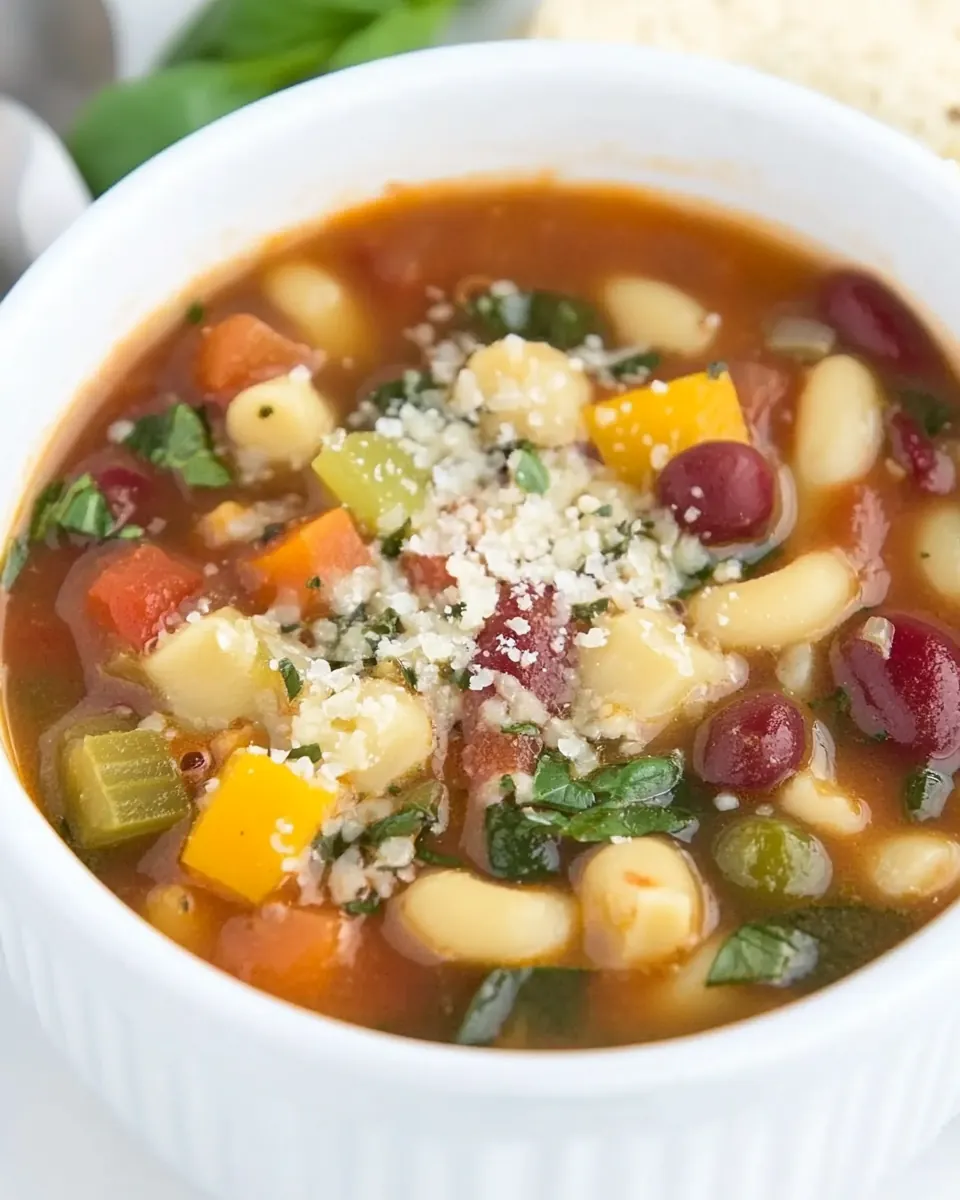
I like to offer variations so this soup can adapt to your pantry and preferences. Below are practical, flavorful ways to change textures, accommodate diets, or dress the bowl differently.
- Vegan option Remove the parmesan rind and skip the parmesan cheese topping to keep the soup fully plant based while preserving heartiness.
- Gluten free option Swap the pasta for cooked rice or a certified gluten free pasta to maintain the comforting, starchy element without gluten.
- Pasta timing tweak Cook the pasta separately to prevent it from absorbing too much broth if you plan to store leftovers, then add to bowls when serving.
- Bean swap Use cannellini or navy beans in place of kidney beans for a creamier mouthfeel and a milder flavor profile while keeping protein content high.
- Herb boost Stir in extra chopped parsley or add a small handful of basil at the end for a brighter herbal finish, adjusting salt to taste.
Serving Options for Vegetarian Minestrone Soup
This soup is versatile on the table, whether you are serving a casual family meal or a more deliberate dinner. Below are thoughtful serving suggestions, pairings, and storage notes to help you get the most out of every pot.
- Family dinner Serve bowls steaming with a platter of freshly shredded parmesan cheese and crusty bread so each person can top their soup to preference.
- Weeknight lunch Portion into individual containers for easy reheating at work or home; reheat gently and add extra broth if the pasta has absorbed too much liquid.
- Make ahead If preparing in advance, slightly undercook the pasta or omit it and add cooked pasta when reheating to maintain ideal texture.
- Occasions This fits well for casual gatherings, potlucks, or cozy holiday menus where a vegetarian option is appreciated, and its crowd friendliness makes serving simple.
- Storage tips Refrigerate in airtight containers for up to four days. For longer storage, freeze without the pasta, then add fresh cooked pasta when thawing and reheating.
- Seasonal pairings In winter, pair with roasted root vegetables and robust bread; in spring, serve with a light green salad to balance the heartiness.
FAQ
Conclusion
This Vegetarian Minestrone Soup is special because it balances hearty comfort with bright, fresh flavors, making each bowl feel both nourishing and lively. I encourage you to give it a try on a chilly evening or when you need a comforting, crowd friendly meal that scales easily. Enjoy the ritual of stirring, tasting, and finishing with fresh parmesan and parsley, and let the pot of soup become one of your go to meals for busy weeks and relaxed weekends alike. Cooking it a few times will help you make the small adjustments that fit your pantry and preferences, turning this recipe into a reliable favorite.

Vegetarian Minestrone Soup
Equipment
- 3.5 quart or larger stock pot
Ingredients
- 2 tablespoons olive oil Sauté in a skillet until fragrant and shimmering to form the flavor base; provides a rich, fruity fat that carries aromatics and helps soften vegetables while adding a subtle Mediterranean character to the soup.
- 1/2 medium yellow onion (diced; about 1 cup) Dice finely and sweat until translucent to contribute sweetness and savory depth; supplies aromatic compounds that build the soup’s foundational savory profile and meld with the other vegetables.
- 2 medium carrots (peeled and diced; about 1 cup) Peel and dice then simmer with the base to add natural sweetness and texture; offers body, color, and a tender bite that complements the heartier vegetables and pasta.
- 1 stalk celery (diced; about 1/2 cup) Dice and cook until softened to add a crisp, vegetal backbone; brings subtle celery flavor and aromatic nuance that brightens the overall soup profile.
- 2 garlic cloves (peeled and minced; about 1 tablespoon) Mince and briefly cook to release pungent, savory oils; imparts a warm, aromatic bite that enhances complexity and pairs especially well with tomatoes and herbs.
- 4 cups low-sodium vegetable broth Add to the pot as the primary liquid medium to simmer and combine flavors; provides a seasoned, low-sodium base that allows control over overall saltiness while keeping the soup light.
- 15 ounces fire-roasted diced tomatoes (1 can) Pour in with its juices to contribute acidity, sweetness, and tomato depth; adds concentrated roasted-tomato flavor and brightens the broth while contributing body and texture.
- 15 ounces cooked kidney beans (1 can; drained and rinsed) Drain and rinse then stir into the soup for protein and creaminess; supplies plant-based protein, fiber, and a hearty texture that makes the minestrone more satisfying.
- 2 Yukon gold potatoes (diced; about 2 cups [optional]) Peel and dice if using, then simmer until tender to add starch and comfort; provides a creamy interior and helps thicken the broth while offering optional heartiness.
- 1/4 teaspoon freshly ground black pepper (plus more to taste) Grind freshly over the soup to introduce warm, sharp spice; adds a subtle heat and aromatic lift that balances sweetness and acidity in the broth.
- 1/2 teaspoon kosher salt (plus more to taste) Measure and adjust to taste to season the soup during cooking and at finish; brings necessary seasoning to enhance all flavors while allowing control over sodium level.
- 1 parmesan rind (about the size of a domino) Simmer with the broth to impart deep, savory umami and richness; releases concentrated cheese flavors that enrich the broth without overpowering the vegetable elements.
- 1 small zucchini (diced; about 1 cup) Dice and add near the end of cooking to maintain a tender texture; contributes tender, mildly sweet flesh and a hint of summer squash flavor that complements other vegetables.
- 1 cup pasta (I prefer small-to-medium tubular pastas like ditallini, macaroni, penne, torchio, casarecce, etc.) Cook until al dente in the broth or separately and add to the soup to provide body; offers starchy bite and satisfying chew that helps make the soup a complete, hearty meal.
- 1 ounce baby spinach (lightly chopped; about 1 cup packed) Lightly chop and stir in briefly at the end to wilt into the hot broth; provides bright, delicate greens and a nutritional boost while adding a fresh, slightly earthy note.
- 1/4 cup flat-leaf Italian parsley (chopped) Chop and sprinkle into the soup to add bright herbal freshness; introduces clean, slightly peppery undertones that lift and balance the richer, savory components.
- Freshly shredded parmesan cheese (for topping) Shred and sprinkle on top as a finishing garnish for salty, nutty richness; provides an umami-packed, melting topping that enhances mouthfeel and offers a final savory flourish.
Instructions
- Add olive oil to a large pot over medium-low heat. When hot, add the onions, carrots, and celery. Cook, stirring occasionally, until tender, 7-8 minutes. Add the garlic and cook, stirring frequently, for another minute, until fragrant.: Warm oil will shimmer slightly and smell fruity when ready, creating an ideal surface for softening the aromatics. You should hear a gentle ripple as the oil heats, not a loud crackle which means it is too hot. This moderate heat lets the onion , carrots , and celery release sweet, mellow flavors without browning. If your oil smokes, lower the heat immediately to avoid imparting a bitter note.
- Stir in the broth, tomatoes, kidney beans, potatoes (if using), salt, and pepper. Drop in the parmesan rind. Increase heat to high and bring just to a boil. Reduce heat to low until the soup is at a simmer. Let simmer for about 20 minutes, until the potato (if using) is tender.: You want a soft sizzling as the vegetables hit the pot, and over several minutes they will lose rigidity and begin to smell sweet and savory. Stir occasionally so each piece cooks evenly and develop translucent edges on the onion . The sound changes from a hard sizzle to a more subdued simmer; that is your cue that they are softening. A common error is rushing this step by turning the heat up, which leads to unevenly cooked vegetables and a flatter broth.
- Stir in the zucchini and pasta. Cook for another 8-10 minutes, just until the pasta is barely tender.: As they soften, notice the aroma become richer and the pot take on a gentle steam. Tender means you can easily pierce a carrot with a fork, and the onion will be translucent. This slow softening builds the base flavor for the entire soup, so do not skip it. If your vegetables brown heavily, reduce heat and stir more frequently to preserve sweetness without charring.
- Remove from heat. Stir in the spinach and parsley until wilted. Taste and add salt and pepper if desired.: You will smell the garlic almost immediately, bright and aromatic; it should be brief so the garlic flavors infuse without turning bitter. Stir often and watch closely. If the garlic begins to brown, remove the pot from heat for a few seconds, because burnt garlic will add an unpleasant astringency.
- Ladle into bowls and pass with plenty of parmesan and crusty bread.: When you combine these, the pot will go from concentrated aromatics to a bubbling, savory pool. The vegetable broth dilutes and carries the flavors, while the fire-roasted diced tomatoes add acidity and a hint of smoke. The kidney beans and diced potatoes begin to contribute body, and you should hear a low simmer as the liquid warms. Ensure the salt is modest at this point so you can adjust later after tasting.
- Drop in the parmesan rind: Adding the parmesan rind deepens the broth with umami, and over the next minutes you will notice the broth gaining a richer mouthfeel. The rind slowly releases savory components that round the flavors, which is why I always include it when available. Forgetting the rind leaves the soup less complex, so include it for the best result.
- Increase heat to high and bring just to a boil: A brief rise to a boil activates the cooking of the potatoes and helps meld flavors, but avoid a vigorous roar which can break apart delicate ingredients. Watch for large bubbles breaking the surface, then lower immediately. A rolling boil can make the broth cloudy and overcook the pasta later.
- Reduce heat to low until the soup is at a simmer: The gentle simmer encourages flavors to marry and keeps the broth clear and balanced. You should see small bubbles occasionally breaking the surface, and steam that carries the aroma of tomato and herb. Simmering too hard will over-reduce the liquid, while too low may slow cooking; adjust to maintain that gentle activity.
- Let simmer for about 20 minutes, until the potato if using is tender: During this period, sniff the rising aromas and stir occasionally to prevent anything sticking. Test a potato piece for doneness by piercing with a fork; it should be tender but not falling apart. Overcooking can make the potatoes dissolve and thicken the soup excessively, so check early if your dice are small.
- Stir in the zucchini and pasta: When you add the zucchini and pasta , the pot will take on a livelier sizzle and the tomato scent will mingle with the fresh squash. The pasta will absorb liquid as it cooks, so choose timing carefully to achieve an al dente bite. Adding too much pasta or letting it cook too long can leave the soup stodgy, so measure portions and monitor texture as it cooks.
- Cook for another 8 to 10 minutes, just until the pasta is barely tender: Listen for a softer simmer and watch the pasta change from opaque to slightly plumped, indicating near doneness. Taste a piece to ensure it is tender with slight resistance, because it will continue to soften once off heat. Overcooking here is the most frequent mistake, resulting in a mushy mouthfeel; aim for just tender.
- Remove from heat: Taking the pot off the burner halts cooking and preserves the textures you have achieved. The steam will still be warm, and residual heat will finish light wilting of the greens. Leaving it on heat risks over-softening delicate ingredients, so remove promptly when you are ready for the next additions.
- Stir in the spinach and parsley until wilted: The spinach and parsley should fold into the hot broth and go glossy and bright green, adding fresh herbal lift. Stir gently to distribute without tearing the leaves. Adding them earlier would make them limp and dull, so this finishing step keeps their flavor and color vibrant.
- Taste and add salt and pepper if desired: Now is when the soup truly comes together on the palate. Taste a spoonful and adjust seasoning so the acidity, salt, and pepper feel balanced. Small changes can make a big difference; add salt in small increments and re-taste. Over-salting is hard to correct, so proceed cautiously.
- Ladle into bowls and pass with plenty of parmesan and crusty bread: Serve hot, sprinkling freshly shredded parmesan cheese so it melts luxuriously on each bowl. Pairing with crusty bread gives contrast in texture and helps soak up the broth. Serving too cold will mute flavors, so ensure bowls are warm for the best experience.
Notes
- Vegan option Remove the parmesan rind and skip the parmesan cheese topping to keep the soup fully plant based while preserving heartiness.
- Gluten free option Swap the pasta for cooked rice or a certified gluten free pasta to maintain the comforting, starchy element without gluten.
- Pasta timing tweak Cook the pasta separately to prevent it from absorbing too much broth if you plan to store leftovers, then add to bowls when serving.
- Bean swap Use cannellini or navy beans in place of kidney beans for a creamier mouthfeel and a milder flavor profile while keeping protein content high.
- Herb boost Stir in extra chopped parsley or add a small handful of basil at the end for a brighter herbal finish, adjusting salt to taste.
