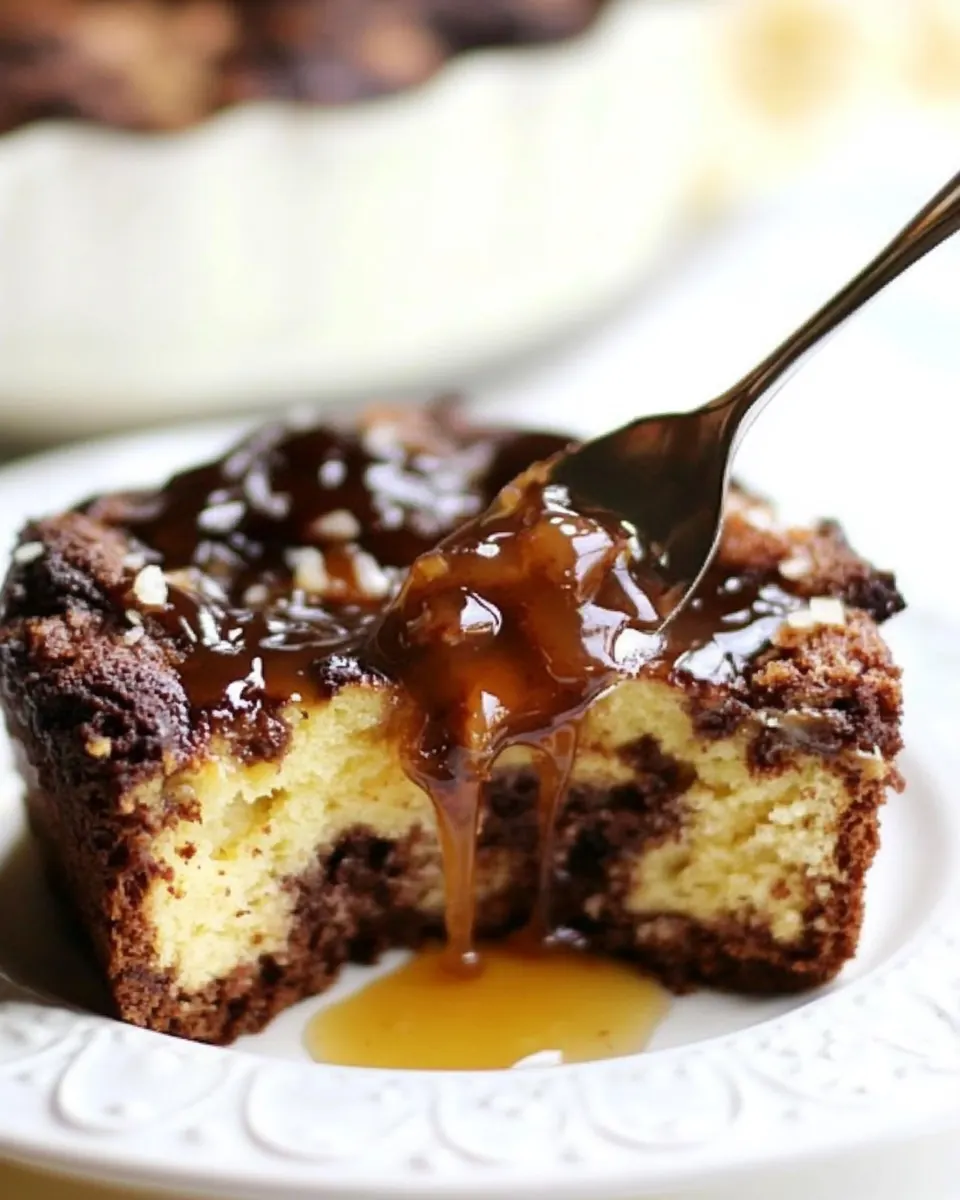
Chocolate Bread Pudding with Salted Caramel Sauce
Chocolate Bread Pudding with Salted Caramel Sauce is one of those desserts I turn to when I want something comforting, dramatic, and utterly forgiving. The first time I made it I was juggling a dinner party, a distracted oven, and a pan of bubbling caramel that smelled like buttered sugar heaven. I remember carrying the warm pudding from the oven, the crust a sunlit brown and the caramel steaming, and feeling quietly proud that something this rich came from simple pantry staples.
I like to tell the story of an after-dinner moment when everyone refuses to leave the table, carving out excuses to linger over seconds. That sticky, glossy sauce makes guests pause, forks hovering as they scoop a warm, chocolate studded bite. I learned to trust slightly stale, sturdy bread, and to press the custard until the slices soak up the mixture without collapsing. Over the years I have adjusted little things, like folding in mini chocolate chips for surprise pockets of melted chocolate and using a water bath for even baking so the center sets without drying out.
Recipe Snapshot
1 hr 25 mins
45 mins
40 mins
Medium
350 kcal
American
Gluten-Free, Low FODMAP
Desserts
2 quart rectangular baking dish, Large bowl, Whisk, Large pan for water bath, 2 quart saucepan, Wire rack
Why This Chocolate Bread Pudding with Salted Caramel Sauce Works
Comfort food with a grown up twist
I love how Chocolate Bread Pudding with Salted Caramel Sauce takes humble ingredients and turns them into something that feels celebratory. The custard soaks into the bread and becomes creamy, while the chocolate adds playful pockets of richness and the salted caramel balances sweetness with a savory nudge.
Simple pantry magic
We often have most of the items on hand, so this is my go to when I want an impressive dessert without a grocery run. You can easily scale servings, and the technique rewards a bit of patience more than fancy tools, which I appreciate on busy evenings.
Textural contrast
What I adore is the contrast, the top browning to a pleasing golden crust while the interior stays glossy and spoonable. The mini chocolate chips melt into soft pockets, and the caramel adds a silky finish that makes each bite feel complete.
Reliable for entertaining
Because the pudding can be assembled ahead and baked when you are ready, I use it for dinner parties and holiday gatherings. It holds up well under a tented foil cover, and the sauce can be prepared while guests are sipping coffee, which keeps the flow relaxed.
Technique that improves results
Using a water bath and letting the custard rest before baking really pays off. I learned this from trial and error, and now I rarely get a cracked or rubbery center. The small steps yield a dessert that consistently wows without drama.
Ingredients You’ll Need for Chocolate Bread Pudding with Salted Caramel Sauce
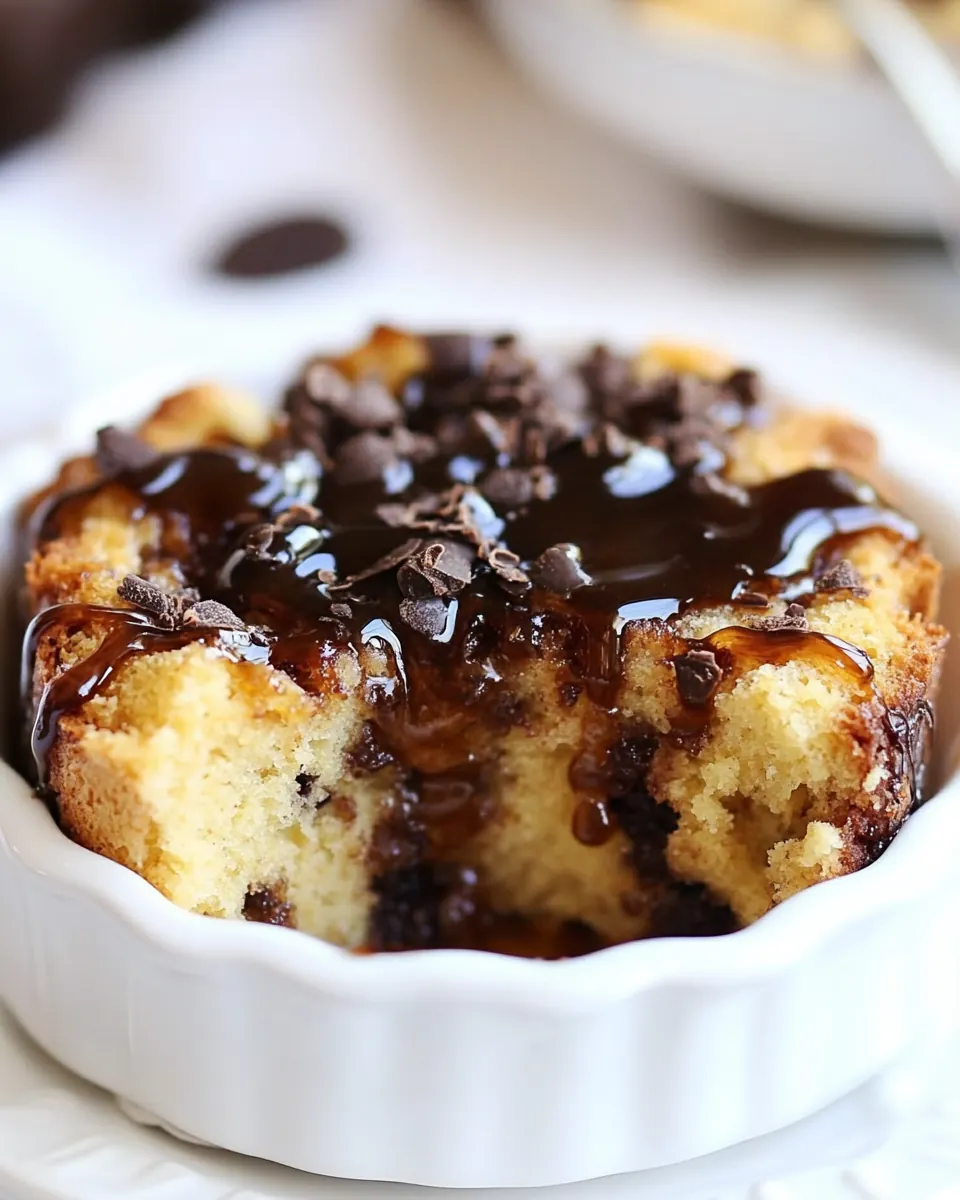
These ingredients are a study in balance. The custard base of eggs and whipping cream creates a rich, silky texture, while the sugars provide sweetness and caramelization. Sturdy bread soaks and holds shape, and the mini chocolate chips bring pockets of melted chocolate that contrast with the warm, salted caramel. Each item plays a role in flavor, structure, or finish.
- 5 eggs: Whisk together to provide structure and richness, helping the pudding to set while adding a custardy texture when baked. Incorporate thoroughly with sugars and flavorings so the eggs bind the bread and create a silky mouthfeel.
- 2 cups whipping cream: Pour in as a creamy liquid component that enriches the custard and increases fat content for a luscious, smooth pudding. Warm slightly if needed to help dissolve sugars and meld with the eggs for even cooking.
- 1/2 cup granulated sugar: Sweeten the custard and help tenderize the final texture by dissolving into the egg-cream mixture; also aids in caramelization on the surface. Sprinkle evenly and taste for balance before baking.
- 1/2 cup brown sugar 2 tbsp – divided: Add depth and moisture to the custard while contributing a subtle toffee flavor; use the divided portion as specified to sweeten both the pudding and the caramel sauce. Measure carefully to maintain the desired sweetness and texture across components.
- 1/2 tsp ground cinnamon: Provide warm, aromatic undertones that complement chocolate and caramel, enhancing overall flavor without overpowering. Stir into the custard mixture for a subtle, spiced background note.
- 1/4 tsp ground nutmeg: Lend a nutty, warm accent that pairs well with cinnamon and chocolate, rounding out the spice profile. Grate or measure precisely to avoid overwhelming the delicate custard balance.
- 1 tsp vanilla: Impart a fragrant, sweet aroma that elevates the custard and ties the flavors together; add with the eggs and cream for even distribution. Use pure extract for the cleanest flavor contribution.
- 8 slices firm white bread about 10 ounces (crusts left on): Absorb the custard mixture and form the body of the pudding, providing chewiness and structure as it soaks up liquids. Tear or cube evenly so each piece soaks consistently for uniform texture throughout.
- 1/2 cup unsalted butter at room temperature: Incorporate as a rich fat to add moisture, tenderness, and flavor to the bread pudding; room–temperature texture ensures it blends smoothly into the custard. Dot or mix into the soaked bread for pockets of buttery richness.
- 1/2 cup mini chocolate chips: Fold in as bursts of chocolate that melt slightly during baking, creating pockets of sweetness and texture contrast. Distribute evenly so each serving contains an enjoyable amount of chocolate.
- 1/4 cup unsalted butter: Melt down to create the base of the salted caramel sauce, where it provides sheen, silkiness, and richness. Combine with sugar and cream to form a cohesive sauce that complements the pudding.
- 1/2 cup granulated sugar: Caramelize with butter to form the sweet component of the sauce and help achieve the classic caramel flavor when cooked with sugar. Stir continuously as sugar melts to prevent burning and ensure a smooth consistency.
- 1/2 tsp sea salt: Season the caramel with a mineral touch to balance sweetness and enhance complexity; sprinkle in gradually and taste to reach desired saltiness. Dissolve fully to avoid graininess and ensure an even finish.
- 1 tsp vanilla extract: Add a fragrant boost and finishing flavor to the sauce, rounding out the caramel with a pleasant vanilla note. Stir in after caramel formation to preserve its aroma and avoid overcooking the extract.
- 1 1/4 cups heavy whipping cream: Finish the caramel by whisking in heavy cream to create a velvety, pourable sauce that contrasts with the baked bread texture. Warm gently and combine thoroughly to prevent splitting and achieve a glossy consistency.
Directions for Chocolate Bread Pudding with Salted Caramel Sauce
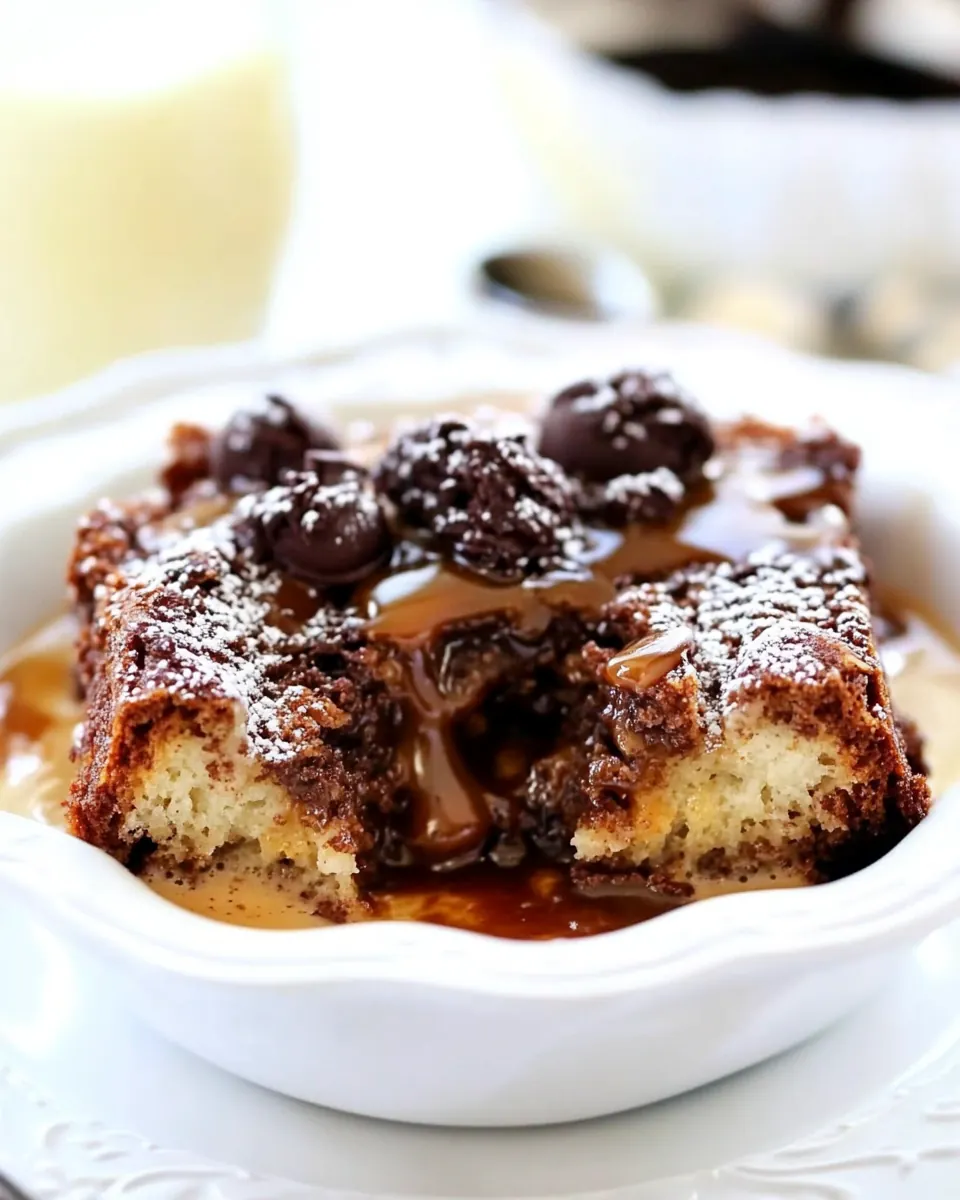
I find the directions for this pudding comforting because they are methodical and forgiving. Assemble with care, let the custard soak, and use a water bath to ensure even, custardy baking. While the pudding bakes, make the caramel so it is warm and pourable for serving.
- Butter a 2-quart rectangular baking dish. Sprinkle 2 tablespoons of brown sugar on top of the butter. Set aside.: The aroma of warm butter on the dish will remind you of toasted crusts, and this initial step prevents sticking while promoting a golden edge. Butter also serves as a flavor carrier so the outer bread crisps slightly, creating contrast with the creamy center. If you miss an even butter coating the pudding may stick in spots, so take a moment to spread the butter evenly with a pastry brush or the back of a spoon.
- Cut the slices of bread in half and butter one side of each slice. Sprinkle on chocolate chips. Place in the prepared baking dish.: As you sprinkle the brown sugar it will begin to melt into the warm butter, creating a caramelized base that browns during baking and adds a slight crunch. You will notice the sugar darkens as it warms, which signals it is set to caramelize under the pudding. A common misstep is adding too much sugar here, which can overpower the custard with a brittle sweetness, so measure carefully.
- Whisk together the eggs, cream, sugars, cinnamon, nutmeg, and vanilla in a large bowl until thoroughly combined.: Letting the prepared dish rest gives you time to finish assembly and keeps the butter and sugar from cooling and clumping, which helps distribute the caramelized layer evenly when the pudding bakes. You can hear a faint tackiness if you press gently, which means the sugar is ready to form that caramel edge. Avoid refrigerating the buttered dish, as chilling can cause the layer to harden and crack under heat.
- Pour the custard over the bread. Press down on the bread so it is covered by the liquid. Cover and let it sit in the refrigerator for 30 minutes.: When you cut and butter each slice you create a glossy surface that toasts beautifully. The buttered side will brown and crisp against the dish while the inner crumb soaks custard. Press a knife across the bread to get even halves, and use softened butter to spread quickly so the slices do not tear. If the bread is very fresh and soft, toast the slices briefly to firm them up, or they may collapse when soaked.
- Preheat the oven to 375 degrees F. Place the baking dish in a large pan. Add enough hot water to come halfway up the sides of the dish.: As you scatter the mini chocolate chips they sink slightly into the buttered side and later melt to form molten pools. This creates pockets of concentrated chocolate that punctuate each bite. Distribute them evenly for consistent chocolate presence across servings. A frequent issue is clumping chips in the center, so spread them across each slice instead of dumping them in one spot.
- Bake for 40-45 minutes or until the pudding is set and the top is golden brown. Remove the baking dish from the water bath and let it cool slightly on a wire rack.: Layer the prepared slices with the buttered, chip side up so the chips remain just beneath the surface and the top can brown. You will see the bread nestle together, creating a mosaic of crust and soft crumb. Pack them in snugly but avoid compressing so tightly that custard cannot circulate. Overcrowding can lead to uneven soaking and a gummy interior.
- While the pudding is baking prepare the salted caramel sauce.: As you whisk, the mixture should shine and become slightly frothy, with sugar dissolving into the liquid and spices infusing warmth. This custard base is responsible for the pudding's silkiness, so make sure the sugars dissolve fully by whisking until smooth. A common error is adding cold cream straight from the fridge which can cause streaks; bring components to similar temperatures for an even mix.
- Melt butter in a 2 quart saucepan. Whisk in sugar, salt, vanilla extract, and heavy whipping cream.: When the custard hits the assembly you will see the liquid soak into the loaf, darkening the crumb. Pour slowly so the custard distributes rather than floods one corner, and press gently on the bread to help it absorb. The visual cue to watch for is uniform glossy saturation without puddles; if there are puddles, press more firmly or let it rest longer. Pouring too forcefully can displace the chips and buttered sides.
- Bring just to a boil, stirring frequently. Reduce the heat to low and simmer for 15 minutes or until sauce has thickened. Let cool slightly. Serve with warm bread pudding.: Gently pressing ensures each slice is submerged and will set into a cohesive pudding. You want the bread to be saturated but not falling apart, it should give slightly under pressure and retain shape. The trick is even pressure, not smashing, which can create a dense, compact result. Avoid aggressive pressing which compacts the crumb and inhibits a tender texture.
- Cover and let it sit in the refrigerator for 30 minutes: Chilling gives the custard time to penetrate, and you will notice the bread darkens as it absorbs liquid. This rest period improves texture by allowing the eggs to hydrate the crumb steadily, yielding a uniform custard. Rushing this step often leads to dry pockets or an uneven set, so try to wait the full time for the best outcome.
- Preheat the oven to 375 degrees F: Bringing the oven to a precise heat ensures the pudding begins to set promptly, creating a golden top while the interior cooks gently. You'll see the oven stabilize at temperature before you bake, which is important for timing. Avoid putting the dish in a cold oven, which can produce a soggy, undercooked center and an overbrowned edge.
- Place the baking dish in a large pan: Nestling the dish in a larger pan prepares for a water bath, which moderates the heat and produces an even, custardy texture. The larger pan acts as a buffer, preventing the edges from overcooking while the middle gently firms up. Skipping this step risks a curdled or rubbery center due to direct heat exposure, especially in shallow dishes.
- Add enough hot water to come halfway up the sides of the dish: Pouring hot water into the pan creates a water bath that steams the pudding and stabilizes temperature, giving a silky interior and a moist top. The sight of water lapping halfway up the dish is reassuring before you slide everything into the oven. Be cautious when adding water to avoid splashing into the pudding, which can create soggy spots on the surface.
- Bake for 40 to 45 minutes or until the pudding is set and the top is golden brown: As it bakes you will smell buttery caramel notes and the top will take on a rich, golden color. A gentle jiggle in the center indicates it is set but still tender, and the edges should appear slightly puffed. Overbaking is the usual pitfall here, producing a dry, curdled custard, so check at the lower end of the time range and trust visual cues rather than the clock alone.
- Remove the baking dish from the water bath and let it cool slightly on a wire rack: Cooling briefly allows the custard to stabilize so it slices and scoops cleanly, and you will notice steam easing off and the internal texture firming a touch. This short rest also makes serving safer as the caramel is very hot. Cutting too soon can cause the pudding to collapse, while waiting too long may make it lose the desirable warm silkiness.
- While the pudding is baking prepare the salted caramel sauce: The caramel will thicken as it cools, and preparing it during baking means it is warm and pourable when the pudding emerges. You will see the butter foam and the sugar dissolve, releasing a toffee scent that signals progress. Rushing the sauce or using low heat can prevent proper thickening, leaving a thin, glaze like finish instead of a luxurious sauce.
- Melt butter in a 2 quart saucepan: As the butter melts it will foam and then clarify slightly, creating a glossy base for the sugar. This step ensures even distribution of fat so the caramel remains smooth and shiny. Burnt butter will impart a bitter flavor, so keep the heat moderate and watch the pan closely.
- Whisk in sugar salt vanilla extract and heavy whipping cream: When you whisk these in you are building the sauce's body, and the mixture should come together into a smooth, unified liquid. The aroma shifts from butter to warm caramel, and the cream creates a rich mouthfeel that coats the spoon. Add the cream carefully to avoid splattering, and stir constantly to prevent scorching.
- Bring just to a boil stirring frequently: A brief boil helps the sugars meld and the sauce to thicken, releasing a golden, toffee like smell. Stirring prevents hotspots and keeps the sauce smooth. Letting it boil too hard can cause separation, so keep it gentle and attentive.
- Reduce the heat to low and simmer for 15 minutes or until sauce has thickened: A slow simmer concentrates the sauce and yields a glossy, velvety texture that will coat the pudding. You will see the sauce cling to the back of a spoon and slow to run when it is ready. Over simmering will make the sauce too thick once cooled, so remove it from heat when it still pours slowly but evenly.
- Let cool slightly: Cooling a bit makes the sauce safer to handle and allows flavors to settle, giving a balanced salt and sugar profile. A lukewarm temperature ensures it will gently pool over the warm pudding without running away. If you cool it too much it will stiffen and be hard to pour evenly over servings.
- Serve with warm bread pudding: Spoon warm salted caramel sauce over slices and watch guests pause at the first glossy drizzle, then savor the union of creamy custard and salty sweet sauce. The contrast of temperature and texture creates a memorable bite. Avoid refrigerating assembled portions if you want that warm, saucy presentation, instead store sauce separately and rewarm before serving.
Substitutions and Tips
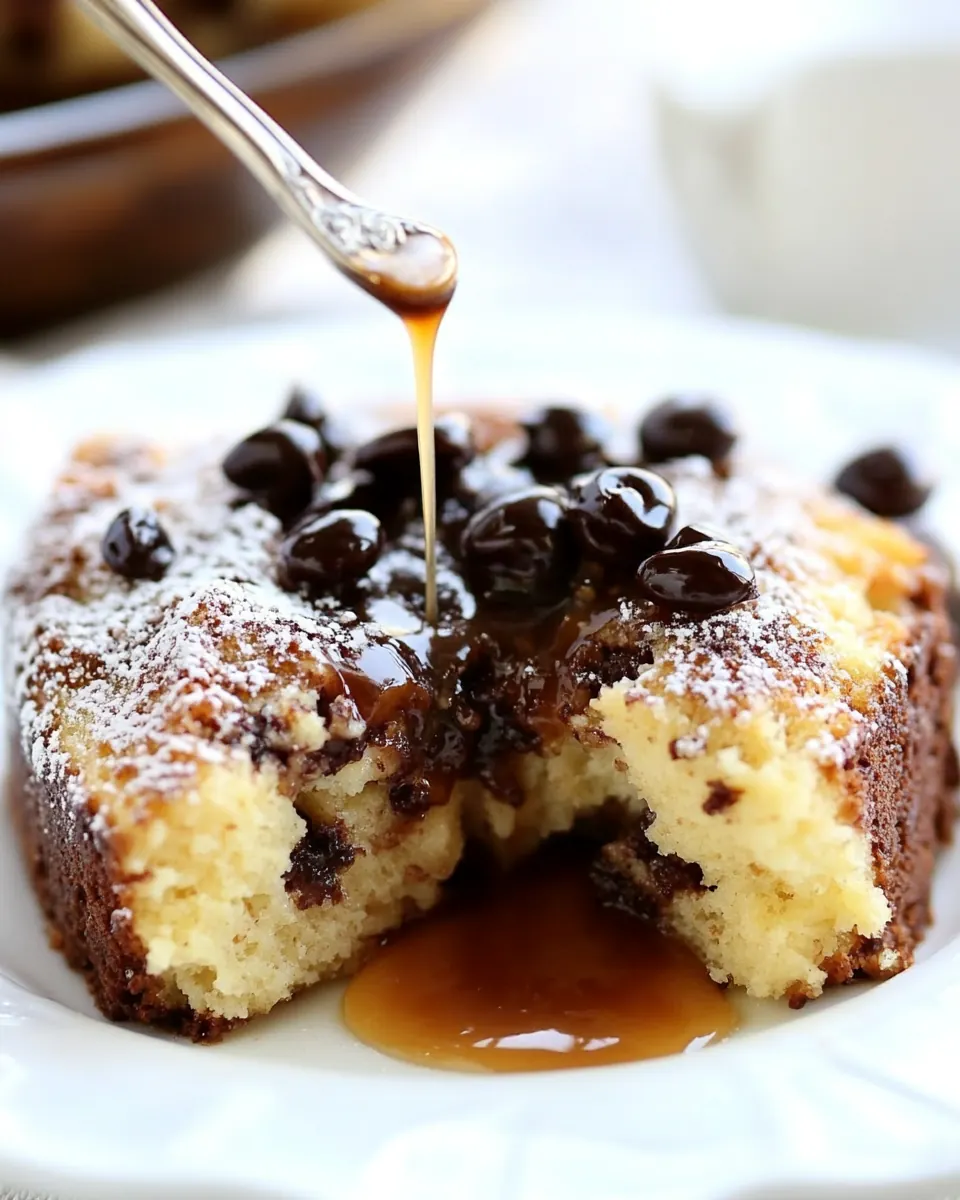
I keep a set of practical tips here so you can adapt the recipe to your pantry while keeping the essential technique intact. These notes expand on timing, ingredient handling, and serving so the results are consistently excellent.
- Room temperature ingredients: Bring eggs and butter to room temperature to ensure the custard emulsifies smoothly and the butter spreads evenly on the bread.
- Stale bread works best: Slightly stale or day old bread soaks without falling apart, producing a better texture than very fresh loaves.
- Even chocolate distribution: Use mini chocolate chips for even pockets of melted chocolate, they melt quickly and disperse throughout the pudding.
- Control the caramel thickness: Simmer the sauce until it coats the back of a spoon; it will continue to thicken as it cools so remove it just before you reach your ideal viscosity.
- Storage: Keep leftover sauce in the refrigerator and rewarm gently over low heat or in short bursts in the microwave before serving to restore pourability.
- Serving temperature: Serve the pudding warm and the caramel warm so the sauce flows and melds into the custard, creating the ideal contrast of temperatures and textures.
- Prevent sticking: Generously butter the baking dish and sprinkle the reserved brown sugar to form a caramelized base that helps release slices cleanly when serving.
Pairing Suggestions for Chocolate Bread Pudding with Salted Caramel Sauce
This pudding shines when presented with thoughtful accompaniments that enhance its creamy texture and rich flavors. Consider light, bright sides to offset the sweetness, and choose serving contexts that let the dessert sit center stage.
- Serve with strong coffee: A mug of freshly brewed coffee provides a bitter counterpoint to the sweet pudding and salt forward caramel, making it perfect for brunch or after dinner.
- Offer fresh berries: A small bowl of tart berries cleanses the palate and brightens each mouthful, ideal for spring or summer gatherings.
- Make it for holiday dessert: This is a warm, crowd pleasing option for winter holiday tables, fitting nicely on festive menus where people linger post meal.
- Store and reheat: Refrigerate leftover pudding and sauce separately for up to three days, and rewarm gently in a low oven to restore the creamy texture before serving.
- Serve it plated or family style: For intimate dinners, plate individual portions with a drizzle of warm caramel, or bring the baking dish to the table for a rustic, communal presentation.
- Occasion versatility: Works for casual weeknight dessert, a brunch sweet, or a special occasion finale when you want comfort without fuss.
- Seasonal notes: In winter this dessert feels cozy and indulgent, while in milder months pair it with lighter fruit to keep the plate balanced.
FAQ
Conclusion
This Chocolate Bread Pudding with Salted Caramel Sauce is special because it transforms pantry basics into a luxurious, spoonable dessert that balances creamy custard, pockets of melted chocolate, and a glossy salted caramel finish. Give it a try the next time you want a dessert that feels indulgent but is simple to make, and enjoy how the textures and flavors come together to impress without fuss. I hope it becomes a go to for your gatherings, bringing warmth and a sweet, salted note to the table that guests will remember.
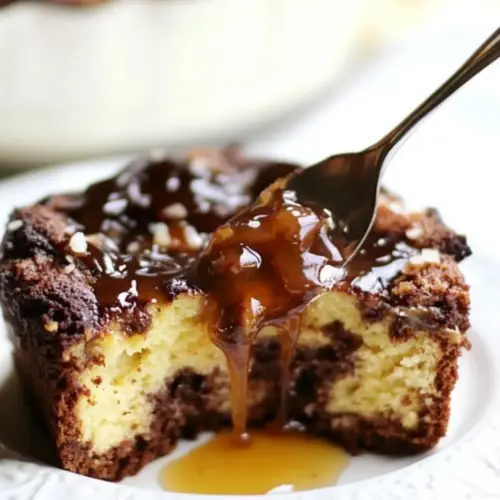
Chocolate Bread Pudding with Salted Caramel Sauce
Equipment
- 2 quart rectangular baking dish
- Large Bowl
- Whisk
- Large pan for water bath
- 2 quart saucepan
- Wire Rack
Ingredients
- 5 eggs Whisk together to provide structure and richness, helping the pudding to set while adding a custardy texture when baked. Incorporate thoroughly with sugars and flavorings so the eggs bind the bread and create a silky mouthfeel.
- 2 cups whipping cream Pour in as a creamy liquid component that enriches the custard and increases fat content for a luscious, smooth pudding. Warm slightly if needed to help dissolve sugars and meld with the eggs for even cooking.
- 1/2 cup granulated sugar Sweeten the custard and help tenderize the final texture by dissolving into the egg-cream mixture; also aids in caramelization on the surface. Sprinkle evenly and taste for balance before baking.
- 1/2 cup brown sugar 2 tbsp - divided Add depth and moisture to the custard while contributing a subtle toffee flavor; use the divided portion as specified to sweeten both the pudding and the caramel sauce. Measure carefully to maintain the desired sweetness and texture across components.
- 1/2 tsp ground cinnamon Provide warm, aromatic undertones that complement chocolate and caramel, enhancing overall flavor without overpowering. Stir into the custard mixture for a subtle, spiced background note.
- 1/4 tsp ground nutmeg Lend a nutty, warm accent that pairs well with cinnamon and chocolate, rounding out the spice profile. Grate or measure precisely to avoid overwhelming the delicate custard balance.
- 1 tsp vanilla Impart a fragrant, sweet aroma that elevates the custard and ties the flavors together; add with the eggs and cream for even distribution. Use pure extract for the cleanest flavor contribution.
- 8 slices firm white bread about 10 ounces (crusts left on) Absorb the custard mixture and form the body of the pudding, providing chewiness and structure as it soaks up liquids. Tear or cube evenly so each piece soaks consistently for uniform texture throughout.
- 1/2 cup unsalted butter at room temperature Incorporate as a rich fat to add moisture, tenderness, and flavor to the bread pudding; room-temperature texture ensures it blends smoothly into the custard. Dot or mix into the soaked bread for pockets of buttery richness.
- 1/2 cup mini chocolate chips Fold in as bursts of chocolate that melt slightly during baking, creating pockets of sweetness and texture contrast. Distribute evenly so each serving contains an enjoyable amount of chocolate.
- 1/4 cup unsalted butter Melt down to create the base of the salted caramel sauce, where it provides sheen, silkiness, and richness. Combine with sugar and cream to form a cohesive sauce that complements the pudding.
- 1/2 cup granulated sugar Caramelize with butter to form the sweet component of the sauce and help achieve the classic caramel flavor when cooked with sugar. Stir continuously as sugar melts to prevent burning and ensure a smooth consistency.
- 1/2 tsp sea salt Season the caramel with a mineral touch to balance sweetness and enhance complexity; sprinkle in gradually and taste to reach desired saltiness. Dissolve fully to avoid graininess and ensure an even finish.
- 1 tsp vanilla extract Add a fragrant boost and finishing flavor to the sauce, rounding out the caramel with a pleasant vanilla note. Stir in after caramel formation to preserve its aroma and avoid overcooking the extract.
- 1 1/4 cups heavy whipping cream Finish the caramel by whisking in heavy cream to create a velvety, pourable sauce that contrasts with the baked bread texture. Warm gently and combine thoroughly to prevent splitting and achieve a glossy consistency.
Instructions
- Butter a 2-quart rectangular baking dish. Sprinkle 2 tablespoons of brown sugar on top of the butter. Set aside.: The aroma of warm butter on the dish will remind you of toasted crusts, and this initial step prevents sticking while promoting a golden edge. Butter also serves as a flavor carrier so the outer bread crisps slightly, creating contrast with the creamy center. If you miss an even butter coating the pudding may stick in spots, so take a moment to spread the butter evenly with a pastry brush or the back of a spoon.
- Cut the slices of bread in half and butter one side of each slice. Sprinkle on chocolate chips. Place in the prepared baking dish.: As you sprinkle the brown sugar it will begin to melt into the warm butter, creating a caramelized base that browns during baking and adds a slight crunch. You will notice the sugar darkens as it warms, which signals it is set to caramelize under the pudding. A common misstep is adding too much sugar here, which can overpower the custard with a brittle sweetness, so measure carefully.
- Whisk together the eggs, cream, sugars, cinnamon, nutmeg, and vanilla in a large bowl until thoroughly combined.: Letting the prepared dish rest gives you time to finish assembly and keeps the butter and sugar from cooling and clumping, which helps distribute the caramelized layer evenly when the pudding bakes. You can hear a faint tackiness if you press gently, which means the sugar is ready to form that caramel edge. Avoid refrigerating the buttered dish, as chilling can cause the layer to harden and crack under heat.
- Pour the custard over the bread. Press down on the bread so it is covered by the liquid. Cover and let it sit in the refrigerator for 30 minutes.: When you cut and butter each slice you create a glossy surface that toasts beautifully. The buttered side will brown and crisp against the dish while the inner crumb soaks custard. Press a knife across the bread to get even halves, and use softened butter to spread quickly so the slices do not tear. If the bread is very fresh and soft, toast the slices briefly to firm them up, or they may collapse when soaked.
- Preheat the oven to 375 degrees F. Place the baking dish in a large pan. Add enough hot water to come halfway up the sides of the dish.: As you scatter the mini chocolate chips they sink slightly into the buttered side and later melt to form molten pools. This creates pockets of concentrated chocolate that punctuate each bite. Distribute them evenly for consistent chocolate presence across servings. A frequent issue is clumping chips in the center, so spread them across each slice instead of dumping them in one spot.
- Bake for 40-45 minutes or until the pudding is set and the top is golden brown. Remove the baking dish from the water bath and let it cool slightly on a wire rack.: Layer the prepared slices with the buttered, chip side up so the chips remain just beneath the surface and the top can brown. You will see the bread nestle together, creating a mosaic of crust and soft crumb. Pack them in snugly but avoid compressing so tightly that custard cannot circulate. Overcrowding can lead to uneven soaking and a gummy interior.
- While the pudding is baking prepare the salted caramel sauce.: As you whisk, the mixture should shine and become slightly frothy, with sugar dissolving into the liquid and spices infusing warmth. This custard base is responsible for the pudding's silkiness, so make sure the sugars dissolve fully by whisking until smooth. A common error is adding cold cream straight from the fridge which can cause streaks; bring components to similar temperatures for an even mix.
- Melt butter in a 2 quart saucepan. Whisk in sugar, salt, vanilla extract, and heavy whipping cream.: When the custard hits the assembly you will see the liquid soak into the loaf, darkening the crumb. Pour slowly so the custard distributes rather than floods one corner, and press gently on the bread to help it absorb. The visual cue to watch for is uniform glossy saturation without puddles; if there are puddles, press more firmly or let it rest longer. Pouring too forcefully can displace the chips and buttered sides.
- Bring just to a boil, stirring frequently. Reduce the heat to low and simmer for 15 minutes or until sauce has thickened. Let cool slightly. Serve with warm bread pudding.: Gently pressing ensures each slice is submerged and will set into a cohesive pudding. You want the bread to be saturated but not falling apart, it should give slightly under pressure and retain shape. The trick is even pressure, not smashing, which can create a dense, compact result. Avoid aggressive pressing which compacts the crumb and inhibits a tender texture.
- Cover and let it sit in the refrigerator for 30 minutes: Chilling gives the custard time to penetrate, and you will notice the bread darkens as it absorbs liquid. This rest period improves texture by allowing the eggs to hydrate the crumb steadily, yielding a uniform custard. Rushing this step often leads to dry pockets or an uneven set, so try to wait the full time for the best outcome.
- Preheat the oven to 375 degrees F: Bringing the oven to a precise heat ensures the pudding begins to set promptly, creating a golden top while the interior cooks gently. You'll see the oven stabilize at temperature before you bake, which is important for timing. Avoid putting the dish in a cold oven, which can produce a soggy, undercooked center and an overbrowned edge.
- Place the baking dish in a large pan: Nestling the dish in a larger pan prepares for a water bath, which moderates the heat and produces an even, custardy texture. The larger pan acts as a buffer, preventing the edges from overcooking while the middle gently firms up. Skipping this step risks a curdled or rubbery center due to direct heat exposure, especially in shallow dishes.
- Add enough hot water to come halfway up the sides of the dish: Pouring hot water into the pan creates a water bath that steams the pudding and stabilizes temperature, giving a silky interior and a moist top. The sight of water lapping halfway up the dish is reassuring before you slide everything into the oven. Be cautious when adding water to avoid splashing into the pudding, which can create soggy spots on the surface.
- Bake for 40 to 45 minutes or until the pudding is set and the top is golden brown: As it bakes you will smell buttery caramel notes and the top will take on a rich, golden color. A gentle jiggle in the center indicates it is set but still tender, and the edges should appear slightly puffed. Overbaking is the usual pitfall here, producing a dry, curdled custard, so check at the lower end of the time range and trust visual cues rather than the clock alone.
- Remove the baking dish from the water bath and let it cool slightly on a wire rack: Cooling briefly allows the custard to stabilize so it slices and scoops cleanly, and you will notice steam easing off and the internal texture firming a touch. This short rest also makes serving safer as the caramel is very hot. Cutting too soon can cause the pudding to collapse, while waiting too long may make it lose the desirable warm silkiness.
- While the pudding is baking prepare the salted caramel sauce: The caramel will thicken as it cools, and preparing it during baking means it is warm and pourable when the pudding emerges. You will see the butter foam and the sugar dissolve, releasing a toffee scent that signals progress. Rushing the sauce or using low heat can prevent proper thickening, leaving a thin, glaze like finish instead of a luxurious sauce.
- Melt butter in a 2 quart saucepan: As the butter melts it will foam and then clarify slightly, creating a glossy base for the sugar. This step ensures even distribution of fat so the caramel remains smooth and shiny. Burnt butter will impart a bitter flavor, so keep the heat moderate and watch the pan closely.
- Whisk in sugar salt vanilla extract and heavy whipping cream: When you whisk these in you are building the sauce's body, and the mixture should come together into a smooth, unified liquid. The aroma shifts from butter to warm caramel, and the cream creates a rich mouthfeel that coats the spoon. Add the cream carefully to avoid splattering, and stir constantly to prevent scorching.
- Bring just to a boil stirring frequently: A brief boil helps the sugars meld and the sauce to thicken, releasing a golden, toffee like smell. Stirring prevents hotspots and keeps the sauce smooth. Letting it boil too hard can cause separation, so keep it gentle and attentive.
- Reduce the heat to low and simmer for 15 minutes or until sauce has thickened: A slow simmer concentrates the sauce and yields a glossy, velvety texture that will coat the pudding. You will see the sauce cling to the back of a spoon and slow to run when it is ready. Over simmering will make the sauce too thick once cooled, so remove it from heat when it still pours slowly but evenly.
- Let cool slightly: Cooling a bit makes the sauce safer to handle and allows flavors to settle, giving a balanced salt and sugar profile. A lukewarm temperature ensures it will gently pool over the warm pudding without running away. If you cool it too much it will stiffen and be hard to pour evenly over servings.
- Serve with warm bread pudding: Spoon warm salted caramel sauce over slices and watch guests pause at the first glossy drizzle, then savor the union of creamy custard and salty sweet sauce. The contrast of temperature and texture creates a memorable bite. Avoid refrigerating assembled portions if you want that warm, saucy presentation, instead store sauce separately and rewarm before serving.
Notes
- Room temperature ingredients: Bring eggs and butter to room temperature to ensure the custard emulsifies smoothly and the butter spreads evenly on the bread.
- Stale bread works best: Slightly stale or day old bread soaks without falling apart, producing a better texture than very fresh loaves.
- Even chocolate distribution: Use mini chocolate chips for even pockets of melted chocolate, they melt quickly and disperse throughout the pudding.
- Control the caramel thickness: Simmer the sauce until it coats the back of a spoon; it will continue to thicken as it cools so remove it just before you reach your ideal viscosity.
- Storage: Keep leftover sauce in the refrigerator and rewarm gently over low heat or in short bursts in the microwave before serving to restore pourability.
- Serving temperature: Serve the pudding warm and the caramel warm so the sauce flows and melds into the custard, creating the ideal contrast of temperatures and textures.
- Prevent sticking: Generously butter the baking dish and sprinkle the reserved brown sugar to form a caramelized base that helps release slices cleanly when serving.
