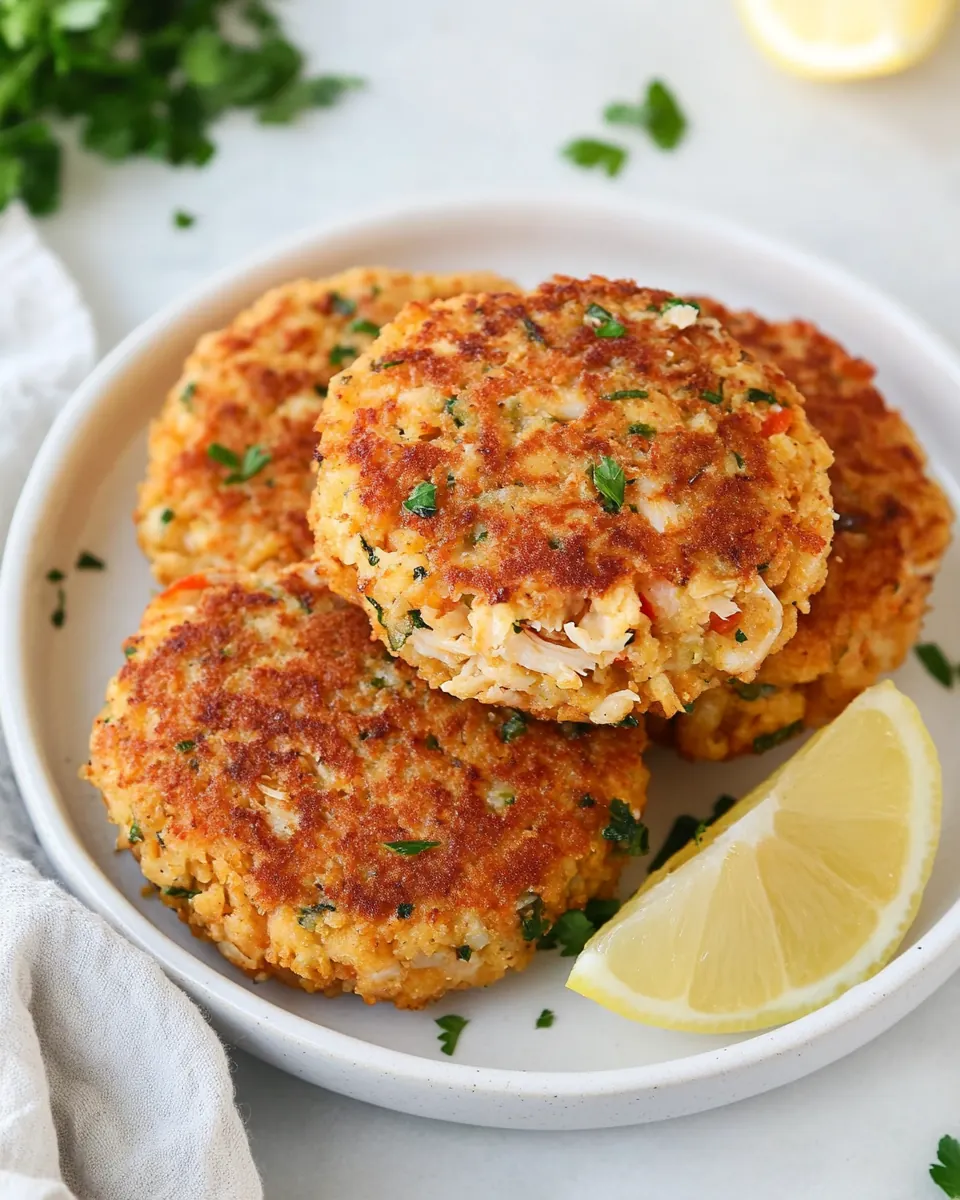
Gluten Free Crab Cakes
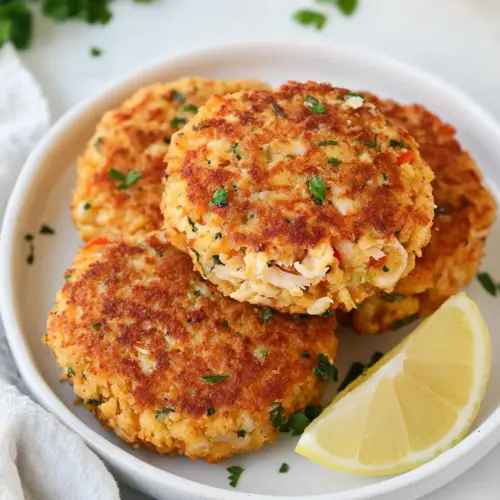
Gluten Free Crab Cakes are one of those recipes I reach for when I want something special without fuss, a dish that feels celebratory yet comes together quickly after a busy day. My earliest memory of these started on a summer evening at a neighbor’s backyard table, where we passed plates around and argued, pleasantly, about whether the cakes were best crisp or tender. I loved the way the exterior snapped under a fork while the interior stayed flaky, the faint briny sweetness of the crab hitting bright notes from a squeeze of lemon.
Over the years I refined the balance so the mixture holds together without becoming heavy, and this version keeps things light while still delivering a satisfying bite. I often make them for casual gatherings, where they vanish faster than anything else on the spread, and sometimes I plate them beside a simple salad for an easy weeknight treat. When I test variations I pay close attention to texture, because that delicate contrast between a golden crust and soft interior is everything.
Recipe Snapshot
35 mins
15 mins
20 mins
Easy
250 kcal
American
Gluten-Free, Paleo
Appetizers
Large skillet, Mixing bowls, Whisk, Measuring cups
What You’ll Enjoy About This Gluten Free Crab Cakes
They are naturally elegant
I love that Gluten Free Crab Cakes feel restaurant worthy without requiring a long ingredient list. The focus is on the sweet, delicate texture of the crabmeat, and the other components simply elevate it. When I serve them, guests immediately assume more effort went into the dish than actually did.
Textural contrast matters
The magic of these cakes is the combination of a crisp exterior with a tender interior, and the recipe is tuned to preserve that. Using a measured amount of binder keeps the patties together without making them gummy, which is why I appreciate the light touch of the wet mixture. Every time I flip a cake and see a golden, crackling edge, I smile knowing the mouthfeel will be spot on.
Flexible and forgiving
I often tweak small details depending on what I have on hand. The instructions allow for gentle substitutions for cooking oil, and the method tolerates variations in pan size and heat. That flexibility means fewer trips to the store and more confidence when I cook for friends who have dietary needs.
Perfect for sharing
These cakes scale beautifully, so they work for intimate dinners or a casual summer party. I appreciate recipes that can be doubled without losing quality, and these hold up whether you make a single skillet or several batches. They also pair well with a range of sauces, so everyone can customize their plate.
Simple ingredients, impressive flavor
With a short list of pantry-friendly components, the flavor remains focused and bright. The careful seasoning highlights the natural sweetness of the crabmeat, while the parsley and a touch of mustard add lift. I find that restrained seasoning lets the star ingredient shine, and that approach is why I keep coming back to this recipe.
Ingredients Required for Gluten Free Crab Cakes
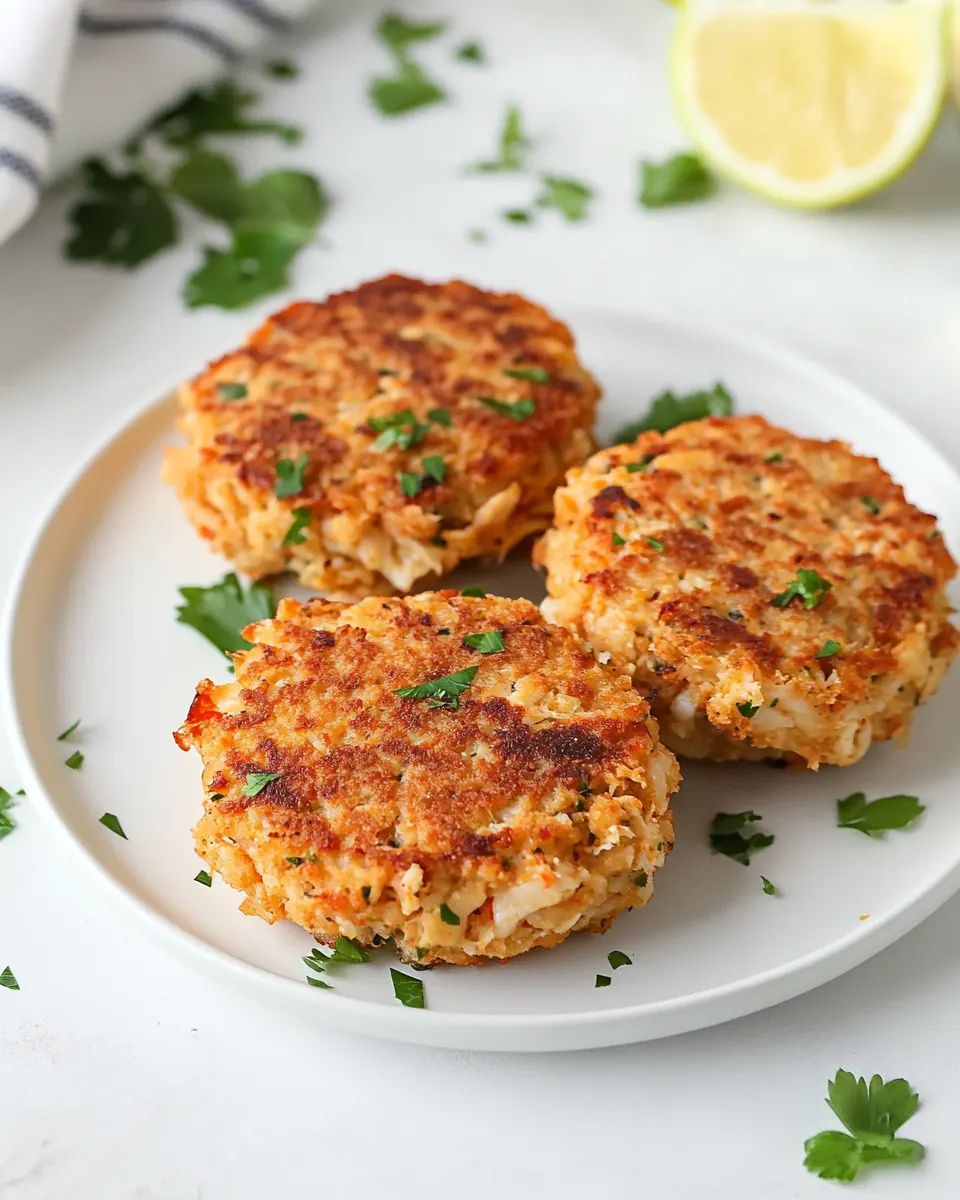
These ingredients are chosen to let the primary player, sweet lump crabmeat, stand front and center while providing enough binder and crisping power to create the ideal texture. The philosophy here is restraint, use small amounts of flavorful agents to lift the seafood without masking it. Key players are the binders and crumbs, which give structure, and the oils, which deliver that irresistible golden crust.
- 1/4 cup avocado oil mayonnaise: Adds creaminess and a subtle tang to bind the crab mixture while keeping the cakes moist during cooking; helps replicate traditional flavor in a gluten–free preparation and contributes rich mouthfeel.
- 1 tbsp avocado oil or oil of choice: Provides a neutral frying fat or flavor booster with a high smoke point for sautéing the cakes; helps achieve a crisp exterior without overpowering the crab’s delicate taste.
- 1 large egg whisked: Binds the mixture together and adds structure so the crab cakes hold their shape when formed and cooked; contributes a bit of richness and helps emulsify the mayo and other wet ingredients.
- 1 tbsp Dijon mustard: Adds sharp, piquant flavor that balances the mayonnaise and crab, offering bright acidity that enhances overall taste; helps cut richness and adds complexity to the sauce matrix.
- 2 tsp Worcestershire sauce: Contributes deep, umami-rich savory notes and a mild tang that enhances the crab’s natural sweetness; rounds out other seasonings for a more layered profile.
- 1/2 tsp hot sauce or sriracha to taste: Provides a spicy kick and depth of flavor to taste, allowing control over heat level; brightens the overall flavor profile without changing texture.
- 1/2 tsp sea salt to taste: Seasoning the mixture for balanced savoriness and to bring out the crab’s natural flavors; helps control the final flavor intensity based on personal preference.
- 1/4 tsp black pepper to taste: Adds mild heat and aromatic pungency for subtle background spice; helps balance the seasoning without overwhelming delicate crabmeat.
- 1 pound jumbo lump crabmeat picked over for shells: Provides the primary seafood component with sweet, delicate flavor and flaky texture; picked over for shells to ensure a clean, pleasant bite and prevent unpleasant crunch.
- 3/4 cup gluten-free bread crumbs: Offers bulk and texture to form the crab cakes while remaining suitable for those avoiding gluten; contributes light crispness to the exterior when fried or baked.
- 2 tbsp fresh parsley finely chopped: Delivers fresh herbaceous brightness and mild peppery notes that lift the rich crab and mayo mixture; finely chopped to distribute flavor evenly throughout the cakes.
- Avocado oil for frying or high-temperature cooking oil of choice: Used as the cooking medium for frying to achieve a golden, crispy crust at high temperature; chosen for its high smoke point and neutral taste to preserve crab flavor.
- Lemon wedges: Provides an acidic finishing touch when squeezed over cooked crab cakes to balance richness and add a fresh, zesty pop; served wedges allow diners to control acidity.
- Tartar sauce: Offers a creamy, tangy condiment that complements the crab cakes with added richness and acidity; provides familiar pairing and enhances moistness when served.
- Cocktail Sauce: Supplies a zesty, tomato-forward condiment option with spicy or tangy notes to accompany the crab cakes; adds a different flavor contrast for variety at the table.
Recipe Directions for Gluten Free Crab Cakes
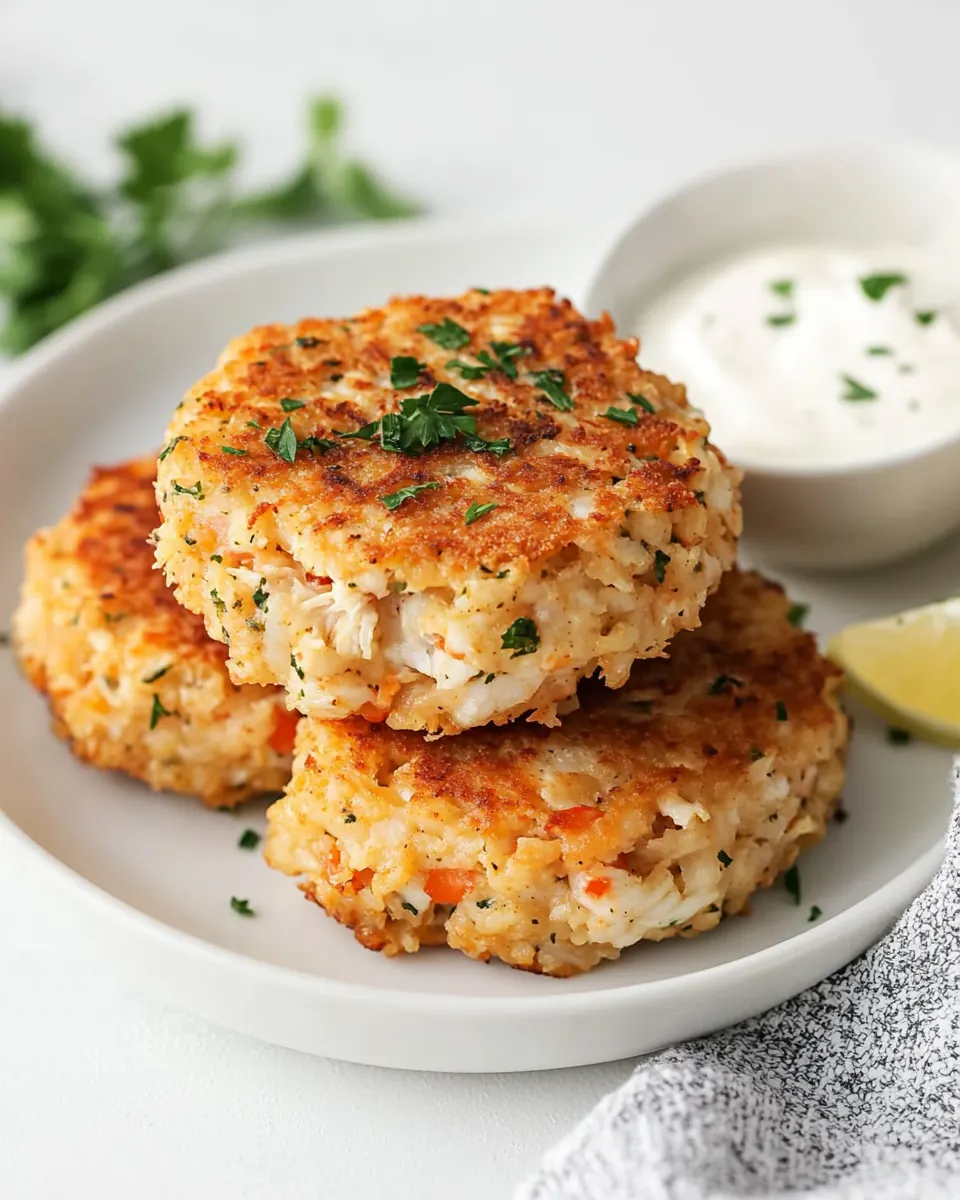
These directions walk you through mixing, forming, and frying to deliver consistently crisp and tender patties. I wrote them so you can focus on sensory cues rather than strict timing, which helps when equipment sizes vary. Follow the order closely and take note of the visual and aromatic signals described.
- In a small bowl, whisk together the mayonnaise, egg, dijon mustard, Worcestershire sauce, hot sauce, sea salt and pepper until the wet ingredients are well-combined.: The bowl should smell savory with a mild tang from the mayonnaise and Dijon mustard , and the texture will be smooth and pale, slightly glossy from the emulsified oil. Visually look for a homogenous pale yellow mixture with no streaks of egg white. This step matters because a fully combined wet mixture will bind to the crabmeat evenly, preventing dry pockets or overly moist spots; otherwise the patties might fall apart during cooking. A common mistake is rushing this step, which can leave the emulsion separated and the cakes inconsistent, so whisk until smooth and taste for balance before combining with the dry ingredients.
- In a large mixing bowl, stir together the crab meat, panko breadcrumbs and parsley until combined. Stir in the mayonnaise-egg mixture until everything is well combined. Note: you can also combine all of the ingredients in a food processor if you'd like.: you can also combine all of the ingredients in a food processor if you'd like : When you fold the components, you should see flaked, glistening pieces of crabmeat coated lightly by the wet mix, with flecks of green from the parsley and small crumb particles clinging to the surface. The scent will be briny and fresh, not overly fishy, with a hint of mustard and Worcestershire in the background. This gentle folding preserves the texture of the lumps while allowing the crumbs to absorb moisture, which is essential for structural integrity; rough handling can pulverize the crab and lead to a pasty texture. A typical error here is over mixing, so stir just until cohesive and stop to preserve the chunkiness that makes each bite interesting.
- Form 8 patties out of the crab mixture.: As you shape each patty, feel for slight resistance that indicates the mixture will hold together without being compacted. The surface should be slightly tacky but not wet, and the cakes should hold their shape when pressed gently on the countertop. This step is crucial because proper shaping ensures even cooking and an attractive crust; if you pack them too tightly they lose fluffiness, while too loose and they will break apart in the pan. A common mistake is using wet hands, which makes the mixture stick excessively, so keep a small bowl of water nearby to moisten your palms sparingly if needed.
- Add a generous amount of oil (about 3 tablespoons) to a large skillet and heat over medium heat to medium-high heat. Allow the skillet to heat up for a few minutes until it is sizzling hot but not smoking. Carefully place the crab cakes on the hot skillet and pan fry for 3 to 5 minutes per side, or until crispy. You will likely need to do this in two batches, depending on the size of your skillet.: When the oil is ready it will shimmer and give a faint sizzle when you test with a breadcrumb, and as the cakes cook you will hear a steady, crisping sound that signals moisture escaping and the crust forming. Look for a deep golden brown color at the edges and a slightly domed top as moisture drives off. This technique creates the contrast between a crunchy exterior and a moist interior; if the pan is not hot enough the cakes will soak up oil and become greasy, while a too hot pan will burn the outside before the inside heats through. A frequent oversight is crowding the pan, which drops the oil temperature and prevents proper browning, so give each cake enough room.
- Transfer the crab cakes to a serving plate and serve with sliced lemons, cocktail sauce, and tartar sauce and garnish with chopped fresh parsley or green onions. Serve crab cakes as an appetizer or alongside your main dish for a delicious side dish.: As you plate, the aromas of citrus and warm fried crumbs will complement the gentle seafood fragrance from the cakes. The final presentation should show crisp edges and a clean, golden surface, with a bright wedge of lemon nearby to cut the richness. Serving sauces chilled provides a cool contrast, and a sprinkle of chopped parsley or green onions gives color and a fresh bite. This finishing step matters because temperature and acidity at the table complete the flavor story; a common mistake is serving everything too hot or too cold, so aim for warm cakes and cool condiments to balance the textures and flavors.
Variations to Try
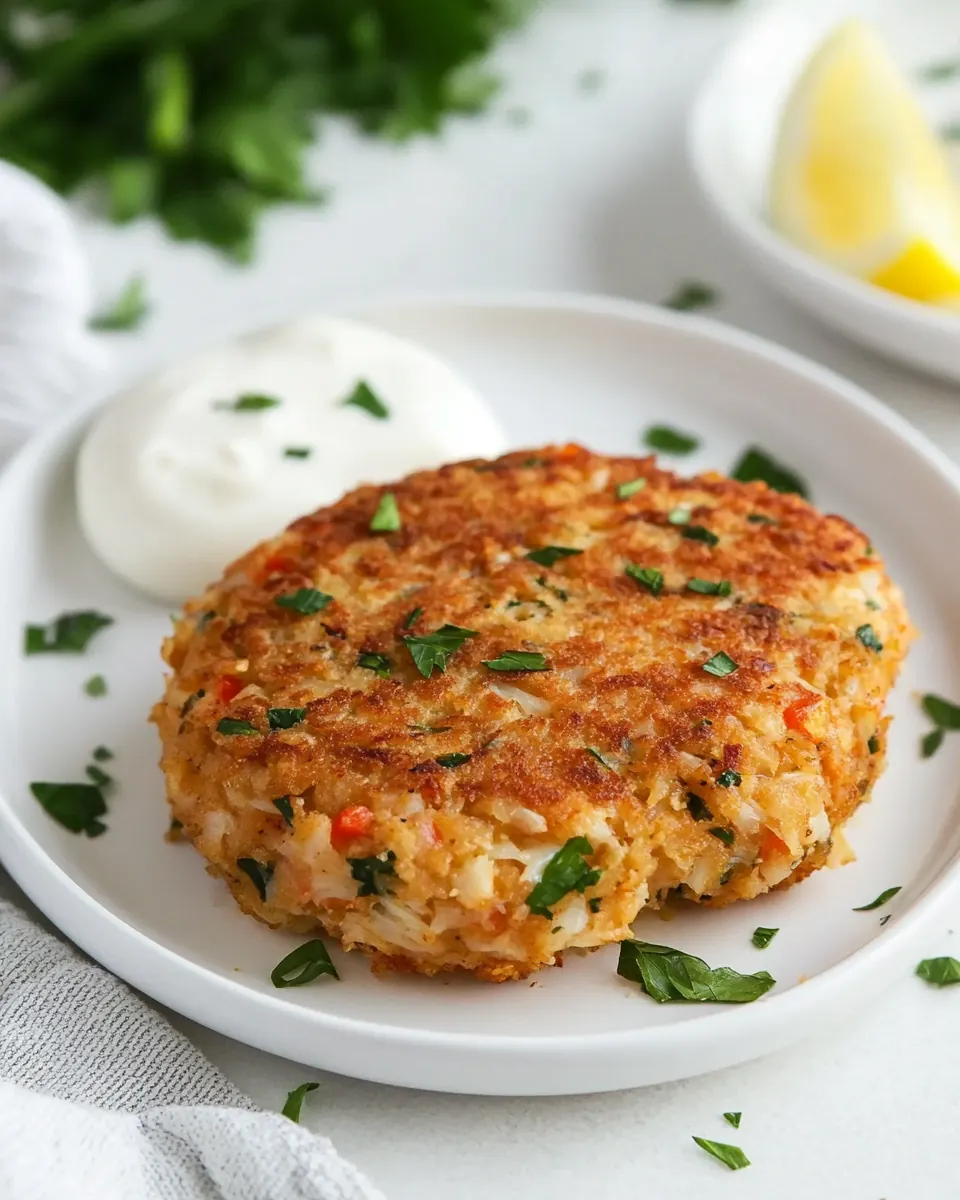
These variations let you change the flavor profile or technique without altering the heart of the recipe. Each idea keeps the structural approach intact while offering a new direction to explore.
- Use regular Panko if you do not require a gluten free option, it will give a light, airy crumb that crisps beautifully and may produce an even airier crust.
- Swap the parsley for finely chopped chives or green onions for a sharper, oniony lift that complements the seafood while staying bright.
- Try baking for a lighter approach, place the patties on a parchment lined sheet, brush lightly with oil, and bake until golden, flipping once for even color.
- Air fryer reheating works well for leftovers, restoring crispness quickly without additional oil, and it helps maintain the internal tenderness.
- Offer dual sauces on the side, such as tartar and cocktail sauce, so guests can sample contrasting accents and find their preferred pairing.
Serving Options for Gluten Free Crab Cakes
These serving ideas will help you present the cakes in ways that suit the occasion, whether casual or slightly more formal. Think about temperature contrasts and complementary textures when you plan the plate.
- As an appetizer: Arrange two to three small cakes per plate with a drizzle of tartar sauce and a lemon wedge for a composed starter that guests can eat with a fork.
- For a main course: Pair with a crisp green salad and a simple vinaigrette to provide a refreshing counterpoint to the fried exterior and to keep the meal light.
- Summer gatherings: Serve on a platter with toothpicks, cocktail sauce, and lemon wedges for easy passing at outdoor parties during warm weather.
- Storage tips: Refrigerate leftovers in an airtight container for up to five days and reheat gently to restore the crust, using a skillet or air fryer for best results.
- Occasion pairing: These cakes work well for brunch, lunch, or dinner, and they fit holiday menus or weekend celebrations where you want an elegant seafood option.
- Presentation idea: Garnish with chopped parsley and place sauces in small ramekins to create a polished table spread that invites guests to customize each bite.
FAQ
Conclusion
What makes these Gluten Free Crab Cakes special is their balance of crisp exterior and tender, flavorful interior, all while keeping the ingredient list short and approachable. Give them a try the next time you want an easy yet elegant dish, whether for a casual weeknight or a small gathering. I hope they become a dependable favorite on your menu, offering that satisfying contrast of texture and bright, seafood forward flavor that keeps guests coming back for more.
Gluten Free Crab Cakes
Equipment
- Large Skillet
- Mixing Bowls
- Whisk
- Measuring Cups
Ingredients
- 1/4 cup avocado oil mayonnaise Adds creaminess and a subtle tang to bind the crab mixture while keeping the cakes moist during cooking; helps replicate traditional flavor in a gluten-free preparation and contributes rich mouthfeel.
- 1 tbsp avocado oil or oil of choice Provides a neutral frying fat or flavor booster with a high smoke point for sautéing the cakes; helps achieve a crisp exterior without overpowering the crab’s delicate taste.
- 1 large egg whisked Binds the mixture together and adds structure so the crab cakes hold their shape when formed and cooked; contributes a bit of richness and helps emulsify the mayo and other wet ingredients.
- 1 tbsp Dijon mustard Adds sharp, piquant flavor that balances the mayonnaise and crab, offering bright acidity that enhances overall taste; helps cut richness and adds complexity to the sauce matrix.
- 2 tsp Worcestershire sauce Contributes deep, umami-rich savory notes and a mild tang that enhances the crab’s natural sweetness; rounds out other seasonings for a more layered profile.
- 1/2 tsp hot sauce or sriracha to taste Provides a spicy kick and depth of flavor to taste, allowing control over heat level; brightens the overall flavor profile without changing texture.
- 1/2 tsp sea salt to taste Seasoning the mixture for balanced savoriness and to bring out the crab’s natural flavors; helps control the final flavor intensity based on personal preference.
- 1/4 tsp black pepper to taste Adds mild heat and aromatic pungency for subtle background spice; helps balance the seasoning without overwhelming delicate crabmeat.
- 1 pound jumbo lump crabmeat picked over for shells Provides the primary seafood component with sweet, delicate flavor and flaky texture; picked over for shells to ensure a clean, pleasant bite and prevent unpleasant crunch.
- 3/4 cup gluten-free bread crumbs Offers bulk and texture to form the crab cakes while remaining suitable for those avoiding gluten; contributes light crispness to the exterior when fried or baked.
- 2 tbsp fresh parsley finely chopped Delivers fresh herbaceous brightness and mild peppery notes that lift the rich crab and mayo mixture; finely chopped to distribute flavor evenly throughout the cakes.
- Avocado oil for frying or high-temperature cooking oil of choice Used as the cooking medium for frying to achieve a golden, crispy crust at high temperature; chosen for its high smoke point and neutral taste to preserve crab flavor.
- Lemon wedges Provides an acidic finishing touch when squeezed over cooked crab cakes to balance richness and add a fresh, zesty pop; served wedges allow diners to control acidity.
- Tartar sauce Offers a creamy, tangy condiment that complements the crab cakes with added richness and acidity; provides familiar pairing and enhances moistness when served.
- Cocktail Sauce Supplies a zesty, tomato-forward condiment option with spicy or tangy notes to accompany the crab cakes; adds a different flavor contrast for variety at the table.
Instructions
- In a small bowl, whisk together the mayonnaise, egg, dijon mustard, Worcestershire sauce, hot sauce, sea salt and pepper until the wet ingredients are well-combined.: The bowl should smell savory with a mild tang from the mayonnaise and Dijon mustard , and the texture will be smooth and pale, slightly glossy from the emulsified oil. Visually look for a homogenous pale yellow mixture with no streaks of egg white. This step matters because a fully combined wet mixture will bind to the crabmeat evenly, preventing dry pockets or overly moist spots; otherwise the patties might fall apart during cooking. A common mistake is rushing this step, which can leave the emulsion separated and the cakes inconsistent, so whisk until smooth and taste for balance before combining with the dry ingredients.
- In a large mixing bowl, stir together the crab meat, panko breadcrumbs and parsley until combined. Stir in the mayonnaise-egg mixture until everything is well combined. Note: you can also combine all of the ingredients in a food processor if you'd like.: you can also combine all of the ingredients in a food processor if you'd like : When you fold the components, you should see flaked, glistening pieces of crabmeat coated lightly by the wet mix, with flecks of green from the parsley and small crumb particles clinging to the surface. The scent will be briny and fresh, not overly fishy, with a hint of mustard and Worcestershire in the background. This gentle folding preserves the texture of the lumps while allowing the crumbs to absorb moisture, which is essential for structural integrity; rough handling can pulverize the crab and lead to a pasty texture. A typical error here is over mixing, so stir just until cohesive and stop to preserve the chunkiness that makes each bite interesting.
- Form 8 patties out of the crab mixture.: As you shape each patty, feel for slight resistance that indicates the mixture will hold together without being compacted. The surface should be slightly tacky but not wet, and the cakes should hold their shape when pressed gently on the countertop. This step is crucial because proper shaping ensures even cooking and an attractive crust; if you pack them too tightly they lose fluffiness, while too loose and they will break apart in the pan. A common mistake is using wet hands, which makes the mixture stick excessively, so keep a small bowl of water nearby to moisten your palms sparingly if needed.
- Add a generous amount of oil (about 3 tablespoons) to a large skillet and heat over medium heat to medium-high heat. Allow the skillet to heat up for a few minutes until it is sizzling hot but not smoking. Carefully place the crab cakes on the hot skillet and pan fry for 3 to 5 minutes per side, or until crispy. You will likely need to do this in two batches, depending on the size of your skillet.: When the oil is ready it will shimmer and give a faint sizzle when you test with a breadcrumb, and as the cakes cook you will hear a steady, crisping sound that signals moisture escaping and the crust forming. Look for a deep golden brown color at the edges and a slightly domed top as moisture drives off. This technique creates the contrast between a crunchy exterior and a moist interior; if the pan is not hot enough the cakes will soak up oil and become greasy, while a too hot pan will burn the outside before the inside heats through. A frequent oversight is crowding the pan, which drops the oil temperature and prevents proper browning, so give each cake enough room.
- Transfer the crab cakes to a serving plate and serve with sliced lemons, cocktail sauce, and tartar sauce and garnish with chopped fresh parsley or green onions. Serve crab cakes as an appetizer or alongside your main dish for a delicious side dish.: As you plate, the aromas of citrus and warm fried crumbs will complement the gentle seafood fragrance from the cakes. The final presentation should show crisp edges and a clean, golden surface, with a bright wedge of lemon nearby to cut the richness. Serving sauces chilled provides a cool contrast, and a sprinkle of chopped parsley or green onions gives color and a fresh bite. This finishing step matters because temperature and acidity at the table complete the flavor story; a common mistake is serving everything too hot or too cold, so aim for warm cakes and cool condiments to balance the textures and flavors.
Notes
- Use regular Panko if you do not require a gluten free option, it will give a light, airy crumb that crisps beautifully and may produce an even airier crust.
- Swap the parsley for finely chopped chives or green onions for a sharper, oniony lift that complements the seafood while staying bright.
- Try baking for a lighter approach, place the patties on a parchment lined sheet, brush lightly with oil, and bake until golden, flipping once for even color.
- Air fryer reheating works well for leftovers, restoring crispness quickly without additional oil, and it helps maintain the internal tenderness.
- Offer dual sauces on the side, such as tartar and cocktail sauce, so guests can sample contrasting accents and find their preferred pairing.
