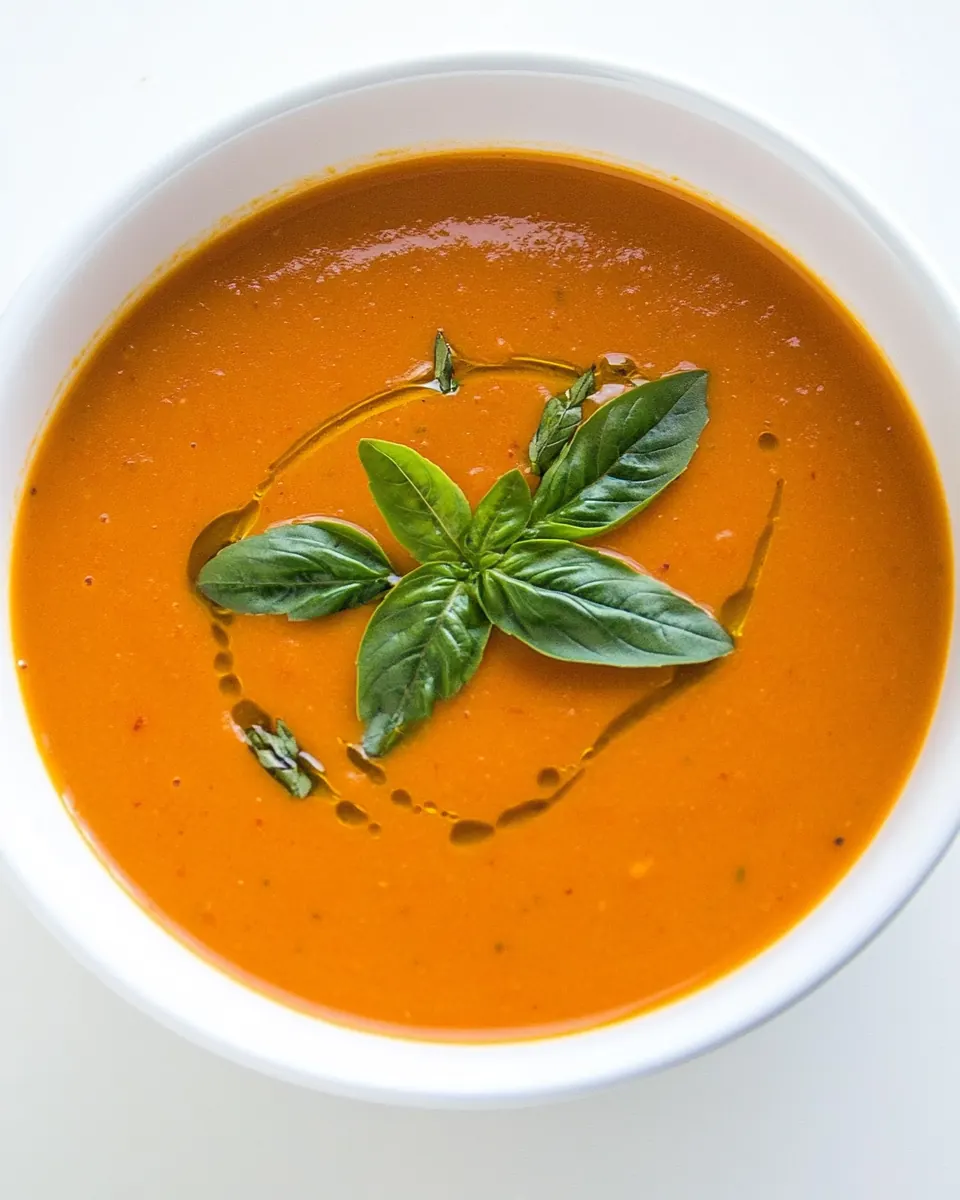
Healthy Tomato Bisque Recipe
Healthy Tomato Bisque Recipe is the bowl I turn to when I need something that feels wholesome, soothing, and a little indulgent without going overboard. The first time I made this soup I was coming off a long day and wanted comfort, but I also wanted a recipe that respected simple ingredients and bright flavors. I remember pulling a can of tomatoes from the pantry, chopping a single onion while the butter gently melted, and sensing that familiar savory sweetness lift from the pot as the garlic hit the warm fat.
Over the years I have tweaked this version until it became the one I instinctively reach for when friends drop by or when the weather leans into crisp evenings. What I love most is how a short list of pantry items plus a fresh handful of basil can create something velvety and layered. When I spoon it into a bowl I often sit by the window, let the steam fog my glasses for a moment, and think about how food connects small routines into rituals.
Recipe Snapshot
30 mins
5 mins
25 mins
Easy
250 kcal
American
Gluten-Free, Low FODMAP
Soups
Large sauce pot, Immersion blender, Fine mesh sieve
The Magic of This Healthy Tomato Bisque Recipe
Comfort without heaviness
I love that Healthy Tomato Bisque Recipe gives you the cozy, creamy texture of a classic bisque, but it does so without feeling overly rich. The combination of simmered tomatoes and a touch of heavy cream creates silkiness, yet the recipe leans on beans and stock for body, so you get warmth and satisfaction without being weighed down.
Fast and approachable
We can have this on the table in under an hour, which is a huge selling point for weeknights. The steps are straightforward, and the technique focuses on coaxing flavor slowly from simple aromatics like onion and garlic. Because the method is forgiving, it’s great for cooks who want results without stress.
Pantry friendly, with fresh lift
I often keep the canned tomatoes and beans on hand, so this comes together even when my fridge is sparse. Adding a handful of fresh basil at the end brightens the whole pot, giving an herbal lift that balances the tomato‘s acidity. You get pantry convenience plus a fresh finish.
Nutritious and filling
This version sneaks in protein and fiber with the cannellini beans, so it can serve as a light main or a generous starter. The beans add a creamy mouthfeel when blended, reducing the need for too much cream, which I appreciate when I aim for something a little healthier but still luxurious.
Textural options for every mood
I adore that you can control texture easily. Blend until satin smooth for an elegant bowl, or leave it slightly chunky for rustic appeal. Sieving produces an ultra velvety finish if you are entertaining. Each variation delivers a slightly different sensory experience, so you can tailor the soup to the moment.
What’s In This Healthy Tomato Bisque Recipe
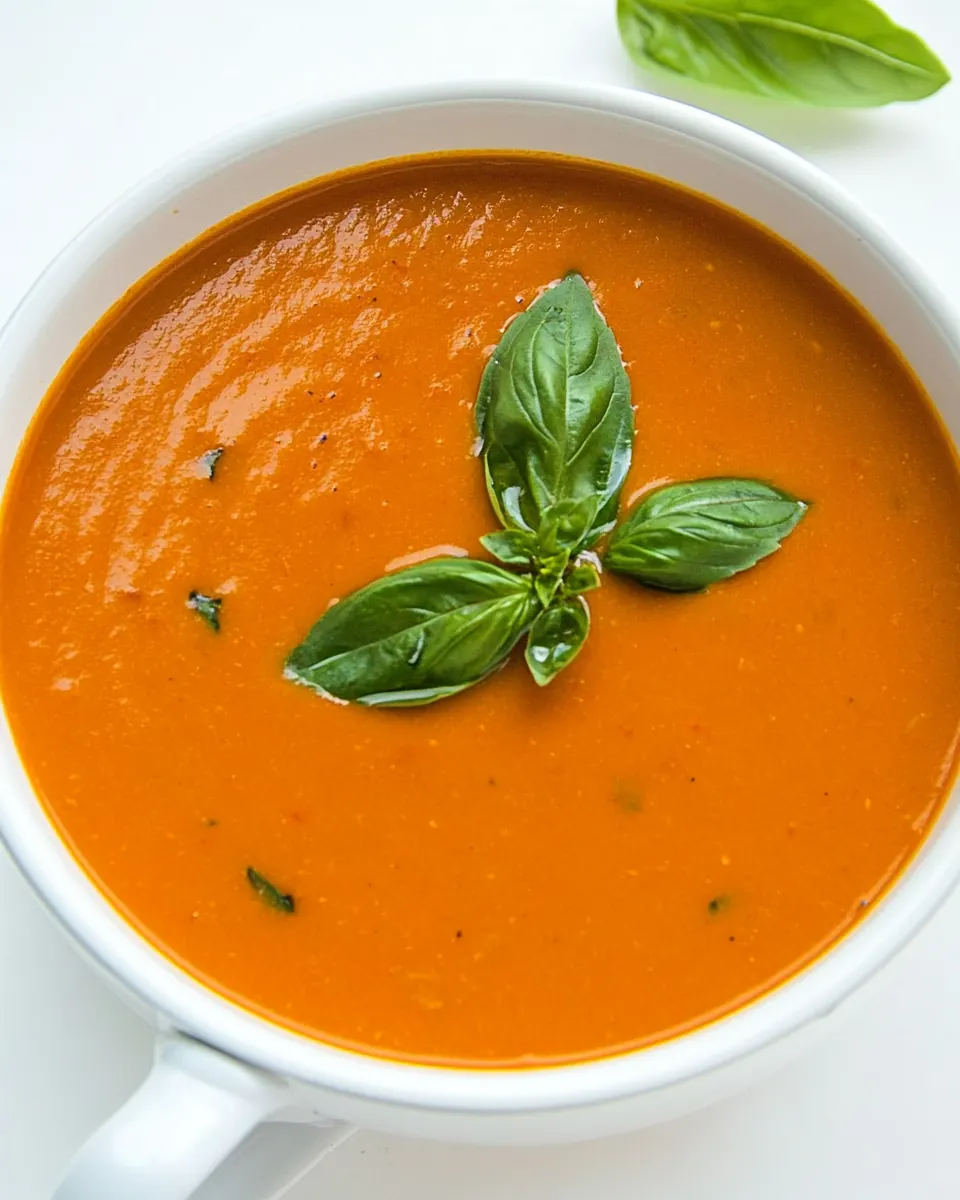
These ingredients feel curated to deliver bright tomato flavor, aromatic depth, and a comforting creaminess. The key players are the tomatoes for body and acid, the onion and garlic for a savory backbone, the cannellini beans for added creaminess and protein, and the basil for a fresh finish. Together they produce a bisque that is both satisfying and balanced.
- 2 tablespoons butter: Melted in the pan to provide a rich, silky base and help sauté aromatics; contributes a subtle buttery flavor that rounds out acidity. Helps carry fat-soluble flavors and adds mouthfeel to the finished bisque.
- 1 large onion, chopped: Sweated until translucent to release sweet, savory notes and form the aromatic backbone of the soup. Adds natural sweetness and texture while building depth during the caramelization process.
- 5 cloves garlic, peeled and minced: Minced finely and softened to impart sharp, pungent warmth and aromatic complexity; cooks quickly and balances tomato acidity. Enhances savory layers and supports the overall umami profile when lightly browned.
- 28 ounces diced or crushed tomatoes (1 can): Puréed or stirred in to deliver bright tomato flavor, body, and acidity; forms the main tomato component of the bisque. Provides both liquid and concentrated tomato character that defines the soup's base.
- 1 tablespoon tomato paste: Concentrated and toasted briefly to boost tomato intensity and deepen umami; acts as a flavor amplifier without adding excess liquid. Adds a concentrated savory tang that enhances the tomato base.
- 1 bunch fresh basil leaves: Torn or chopped and added for fresh herbaceousness and aromatic lift; infuses the soup with a sweet, peppery basil character. Can be added early for infused flavor or reserved for garnish to preserve brightness.
- 32 ounces chicken stock, or vegetable stock: Poured in as the primary cooking liquid to build soup volume and savory depth; can be substituted with vegetable stock for a vegetarian version. Supplies salt and background savory notes that meld with tomatoes and beans.
- 15 ounces cannellini beans, drained (1 can): Rinsed and stirred in to add creaminess, protein, and body while thickening the bisque naturally. Contributes a mild, nutty flavor and smooth texture that complements tomatoes without overpowering.
- 1/4 teaspoon crushed red pepper: Sprinkled sparingly to introduce a gentle heat and piquancy that lifts flavors without dominating. Provides a subtle warming contrast to the sweetness of tomatoes and cream.
- 1/4 cup heavy cream: Swirled in at the end to add richness, silkiness, and a mellow dairy note that softens acidity. Balances the soup's texture and creates a luxurious mouthfeel in small amounts.
- Salt and pepper: Added to taste to season and balance flavors, enhancing sweetness, acidity, and overall depth; cracked pepper contributes mild heat and aromatics. Used judiciously to finish and tailor the soup to preference.
Making Healthy Tomato Bisque Recipe
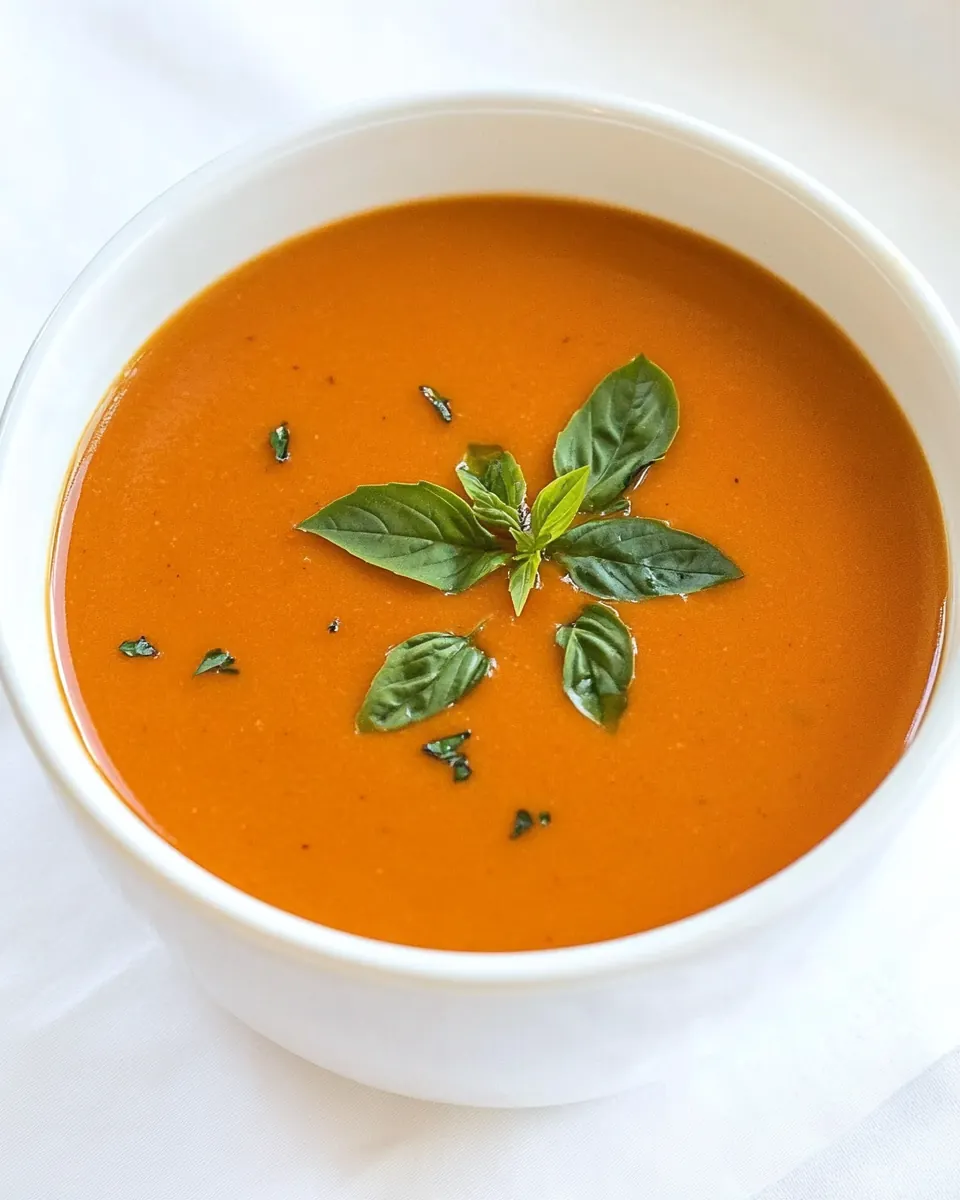
This recipe is straightforward and forgiving, which is why I keep returning to it. I like to work in a single large pot, paying attention to visual and aromatic cues as the soup develops. Below I expand each direction into careful, sensory-rich guidance so you can arrive at a reliably delicious bowl.
- Place the butter, onions and garlic in a large sauce pot over medium-low heat. Saute for 5-8 minutes to soften. Stir occasionally.: In this early stage you will notice the butter melt and begin to foam, releasing a warm dairy scent. As the chopped onion softens it emits a sweet, almost floral aroma, and the minced garlic infuses gently without becoming aggressive. Why this matters, I tell myself, is that gentle heat draws out sweetness and savory depth without creating bitter, caramelized notes. The sound is a soft sizzle rather than a roar, and the onion should become translucent within a few minutes. A common mistake is turning the heat too high, which will brown the onion and yield a different flavor profile than intended. If you see browning, reduce the heat, add a splash of stock, and scrape the pan to incorporate those fond bits into the base.
- Then add the tomatoes, tomato paste, basil leaves, chicken stock, beans, and crushed red pepper. Turn the heat up to medium-high and simmer for 20 minutes, stir occasionally.: During this window, the pot will smell increasingly savory and lightly sweet as the vegetables release moisture. The onion should feel tender when tested with a spoon and begin to lose its raw edge. This step gently builds the flavor foundation for the soup, which is why rushing it sacrifices depth. Pay attention to the texture and aroma rather than the clock; a properly softened onion blends seamlessly into the finished bisque. One common pitfall is overcrowding the pot, which steams rather than sautés, leaving the vegetables pale and underdeveloped. If your pot seems crowded, work in batches or use a wider pan for more even evaporation.
- Turn off the heat. Using an immersion blender, puree the soup until completely smooth. Taste and salt and pepper as needed.: Once the aromatics are ready, adding the canned tomatoes , the concentrated hit from the tomato paste , torn basil , the chosen stock , drained cannellini beans , and the measured crushed red pepper creates a lively, layered pot. You will hear a gentle bubbling as the temperature rises, and the mixture will shift from separate elements into a unified stew. The beans soften and begin to release starch, which helps body the soup as it simmers. Stir to combine and bring the pot to a gentle simmer rather than a boil, so flavors meld without aggressive evaporation. A common error here is boiling too hard, which can break down the tomatoes excessively and make the liquid reduce too much. Keep the heat steady and give the pot occasional stirs to prevent sticking.
- Then add the cream and stir to combine. Serve as is, or pour through a sieve for an even finer creamy texture.: As the pot simmers, the scent of tomato deepens and the basil infuses the broth with herbal brightness. The surface will show small, steady bubbles, and the volume will reduce slightly as water evaporates and flavors concentrate. This simmer is essential to meld acidity and sweetness while softening the beans further. Stirring occasionally prevents any ingredients from clinging to the bottom and ensures even cooking. Watch for signs of over-reduction, such as thickening earlier than expected; if that happens, lower the heat and add a splash of stock. Avoid ignoring the pot, because vigorous boiling will change the texture and can cause the basil to lose its fresh character.
- Turn off the heat: At this point the aromas should be rich and rounded, and the pot will be steaming but no longer actively bubbling. Turning off the heat gives the ingredients a moment to rest, letting temperature equalize and allowing volatile aromatics to settle. This pause makes blending safer and more controlled. A typical mistake is blending while the liquid is seething, which can cause splatters and scalding. Let the pot cool slightly if it is very hot, then proceed to blending with care.
- Using an immersion blender, puree the soup until completely smooth: When you blend, the kitchen fills with the deep, warm perfume of tomato and herb, and the texture transforms from chunky to satiny. The beans will have broken down and contributed to a luxurious mouthfeel. Pureeing fully ensures a silky bisque and helps the cream integrate later on. Keep the blender tip submerged to prevent splashing, and move slowly for an even result. A frequent misstep is leaving small unblended pieces, which creates an inconsistent texture. If you prefer absolute silkiness, pass the blended soup through a sieve afterward.
- Taste and salt and pepper as needed: After blending, your palate will be the best guide. The soup may need a lift of salt to highlight tomato sweetness or a pinch of pepper to sharpen the finish. Season in small increments, tasting between additions, because you can always add more but cannot easily remove excess. The right seasoning turns a good soup into a memorable one, and tasting at this stage is non negotiable. A common error is oversalting early, so always wait until ingredients are fully combined before final adjustments.
- Then add the cream and stir to combine: Incorporating the heavy cream off the heat creates a glossy, velvety finish and tames sharp acidity. The soup will take on a pale, unified color and a smooth mouthfeel. Stir gently until the cream is fully integrated, and avoid bringing the pot back to a vigorous boil which could cause separation. If your cream starts to separate, lower the temperature and whisk vigorously while adding a small splash of stock to re-emulsify. One mistake is adding cold cream directly into a scorching pot, which can lead to curdling. Let the soup cool a touch or temper the cream by whisking in a small ladle of hot soup first.
- Serve as is, or pour through a sieve for an even finer creamy texture: The final presentation can be rustic or elegant, depending on your mood. Serving straight from the pot offers a comforting, homey bowl with body and character, while passing the soup through a fine mesh sieve yields an ultra smooth, refined bisque that feels restaurant worthy. When sieving, use the back of a ladle to press the soup through, revealing a glossy, uniform texture. A common oversight is skimping on seasoning after sieving, because the straining can mute flavors slightly. Taste again and adjust with salt and pepper before plating.
Variations to Try
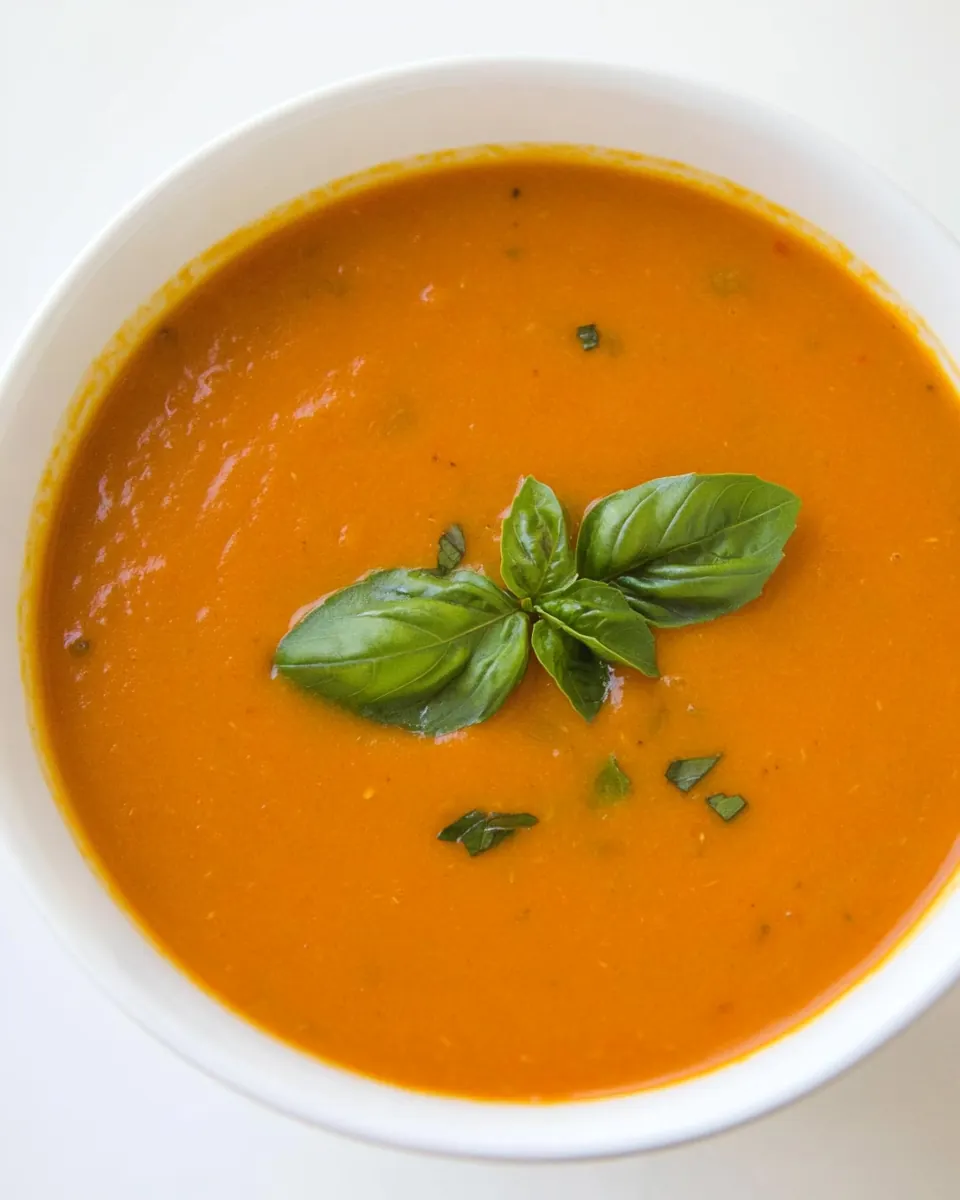
This section offers ways to adapt the recipe while keeping the core identity intact. Below are focused, practical variations you can try based on what you have or the mood you are cooking for. Each tip begins with a bold phrase to make it easy to scan.
- Bean free version: Omit the cannellini beans and increase the stock slightly, then finish with a touch more cream for body.
- Herb-forward finish: Stir in extra torn basil just before serving, or float a few whole leaves on top for aroma and visual appeal.
- Spicier bisque: Increase the crushed red pepper slightly or add a pinch of smoked paprika for a warm depth of heat.
- Smoother texture: After blending, press the soup through a fine mesh sieve to remove any remaining solids for an ultra silky bowl.
- Make it vegetarian: Use vegetable stock instead of chicken to keep the flavor rich while honoring a meat free diet.
- Advance prep: Prepare the base up to the simmer stage and refrigerate overnight, then blend and finish with cream when ready to serve for a faster dinner assembly.
Serving Suggestions
This section outlines how to present the soup, pairings, and storage ideas so your finished bowl feels thoughtful. The list below gives practical serving formats for different occasions and preferences.
- Weeknight soup bowl: Ladle warm Healthy Tomato Bisque Recipe into simple bowls, drizzle a little extra cream on top, and scatter torn basil for a quick family meal.
- Lunch with a sandwich: Serve alongside a grilled cheese or crusty bread for dipping, making the meal satisfying and accessible for casual midday dining.
- Entertaining starter: For guests, strain the bisque for a refined texture and serve in small cups with a basil leaf garnish to create an elegant first course.
- Seasonal pairing: This bisque shines in fall when you crave warmth, pairing nicely with roasted vegetable sides or a leafy green salad.
- Storage tip: Cool the soup before transferring to airtight containers; refrigerate up to four days or freeze up to three months, leaving headspace when freezing to allow for expansion.
- Reheating: Warm gently on the stovetop over medium heat, stirring occasionally, and avoid boiling to keep the cream from separating.
FAQ
Conclusion
This Healthy Tomato Bisque Recipe stands out because it captures deep tomato flavor, fresh basil brightness, and a velvety texture using simple, accessible ingredients. Give it a try the next time you want a warming bowl that feels both nourishing and a touch special. I hope this recipe becomes one of your go to comforts, whether you serve it for a quiet weeknight or as an elegant starter for guests.
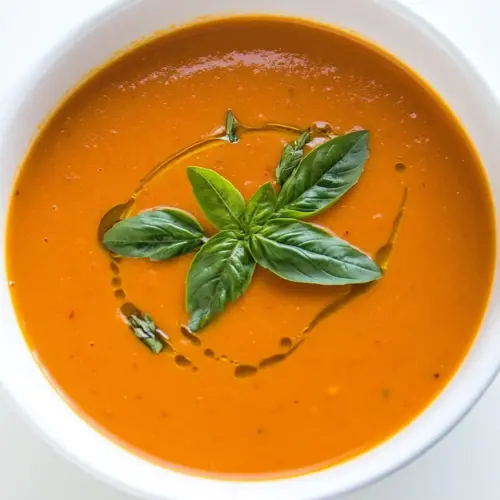
Healthy Tomato Bisque Recipe
Equipment
- Large sauce pot
- Immersion Blender
- Fine mesh sieve
Ingredients
- 2 tablespoons butter Melted in the pan to provide a rich, silky base and help sauté aromatics; contributes a subtle buttery flavor that rounds out acidity. Helps carry fat-soluble flavors and adds mouthfeel to the finished bisque.
- 1 large onion, chopped Sweated until translucent to release sweet, savory notes and form the aromatic backbone of the soup. Adds natural sweetness and texture while building depth during the caramelization process.
- 5 cloves garlic, peeled and minced Minced finely and softened to impart sharp, pungent warmth and aromatic complexity; cooks quickly and balances tomato acidity. Enhances savory layers and supports the overall umami profile when lightly browned.
- 28 ounces diced or crushed tomatoes (1 can) Puréed or stirred in to deliver bright tomato flavor, body, and acidity; forms the main tomato component of the bisque. Provides both liquid and concentrated tomato character that defines the soup's base.
- 1 tablespoon tomato paste Concentrated and toasted briefly to boost tomato intensity and deepen umami; acts as a flavor amplifier without adding excess liquid. Adds a concentrated savory tang that enhances the tomato base.
- 1 bunch fresh basil leaves Torn or chopped and added for fresh herbaceousness and aromatic lift; infuses the soup with a sweet, peppery basil character. Can be added early for infused flavor or reserved for garnish to preserve brightness.
- 32 ounces chicken stock, or vegetable stock Poured in as the primary cooking liquid to build soup volume and savory depth; can be substituted with vegetable stock for a vegetarian version. Supplies salt and background savory notes that meld with tomatoes and beans.
- 15 ounces cannellini beans, drained (1 can) Rinsed and stirred in to add creaminess, protein, and body while thickening the bisque naturally. Contributes a mild, nutty flavor and smooth texture that complements tomatoes without overpowering.
- 1/4 teaspoon crushed red pepper Sprinkled sparingly to introduce a gentle heat and piquancy that lifts flavors without dominating. Provides a subtle warming contrast to the sweetness of tomatoes and cream.
- 1/4 cup heavy cream Swirled in at the end to add richness, silkiness, and a mellow dairy note that softens acidity. Balances the soup's texture and creates a luxurious mouthfeel in small amounts.
- Salt and pepper Added to taste to season and balance flavors, enhancing sweetness, acidity, and overall depth; cracked pepper contributes mild heat and aromatics. Used judiciously to finish and tailor the soup to preference.
Instructions
- Place the butter, onions and garlic in a large sauce pot over medium-low heat. Saute for 5-8 minutes to soften. Stir occasionally.: In this early stage you will notice the butter melt and begin to foam, releasing a warm dairy scent. As the chopped onion softens it emits a sweet, almost floral aroma, and the minced garlic infuses gently without becoming aggressive. Why this matters, I tell myself, is that gentle heat draws out sweetness and savory depth without creating bitter, caramelized notes. The sound is a soft sizzle rather than a roar, and the onion should become translucent within a few minutes. A common mistake is turning the heat too high, which will brown the onion and yield a different flavor profile than intended. If you see browning, reduce the heat, add a splash of stock, and scrape the pan to incorporate those fond bits into the base.
- Then add the tomatoes, tomato paste, basil leaves, chicken stock, beans, and crushed red pepper. Turn the heat up to medium-high and simmer for 20 minutes, stir occasionally.: During this window, the pot will smell increasingly savory and lightly sweet as the vegetables release moisture. The onion should feel tender when tested with a spoon and begin to lose its raw edge. This step gently builds the flavor foundation for the soup, which is why rushing it sacrifices depth. Pay attention to the texture and aroma rather than the clock; a properly softened onion blends seamlessly into the finished bisque. One common pitfall is overcrowding the pot, which steams rather than sautés, leaving the vegetables pale and underdeveloped. If your pot seems crowded, work in batches or use a wider pan for more even evaporation.
- Turn off the heat. Using an immersion blender, puree the soup until completely smooth. Taste and salt and pepper as needed.: Once the aromatics are ready, adding the canned tomatoes , the concentrated hit from the tomato paste , torn basil , the chosen stock , drained cannellini beans , and the measured crushed red pepper creates a lively, layered pot. You will hear a gentle bubbling as the temperature rises, and the mixture will shift from separate elements into a unified stew. The beans soften and begin to release starch, which helps body the soup as it simmers. Stir to combine and bring the pot to a gentle simmer rather than a boil, so flavors meld without aggressive evaporation. A common error here is boiling too hard, which can break down the tomatoes excessively and make the liquid reduce too much. Keep the heat steady and give the pot occasional stirs to prevent sticking.
- Then add the cream and stir to combine. Serve as is, or pour through a sieve for an even finer creamy texture.: As the pot simmers, the scent of tomato deepens and the basil infuses the broth with herbal brightness. The surface will show small, steady bubbles, and the volume will reduce slightly as water evaporates and flavors concentrate. This simmer is essential to meld acidity and sweetness while softening the beans further. Stirring occasionally prevents any ingredients from clinging to the bottom and ensures even cooking. Watch for signs of over-reduction, such as thickening earlier than expected; if that happens, lower the heat and add a splash of stock. Avoid ignoring the pot, because vigorous boiling will change the texture and can cause the basil to lose its fresh character.
- Turn off the heat: At this point the aromas should be rich and rounded, and the pot will be steaming but no longer actively bubbling. Turning off the heat gives the ingredients a moment to rest, letting temperature equalize and allowing volatile aromatics to settle. This pause makes blending safer and more controlled. A typical mistake is blending while the liquid is seething, which can cause splatters and scalding. Let the pot cool slightly if it is very hot, then proceed to blending with care.
- Using an immersion blender, puree the soup until completely smooth: When you blend, the kitchen fills with the deep, warm perfume of tomato and herb, and the texture transforms from chunky to satiny. The beans will have broken down and contributed to a luxurious mouthfeel. Pureeing fully ensures a silky bisque and helps the cream integrate later on. Keep the blender tip submerged to prevent splashing, and move slowly for an even result. A frequent misstep is leaving small unblended pieces, which creates an inconsistent texture. If you prefer absolute silkiness, pass the blended soup through a sieve afterward.
- Taste and salt and pepper as needed: After blending, your palate will be the best guide. The soup may need a lift of salt to highlight tomato sweetness or a pinch of pepper to sharpen the finish. Season in small increments, tasting between additions, because you can always add more but cannot easily remove excess. The right seasoning turns a good soup into a memorable one, and tasting at this stage is non negotiable. A common error is oversalting early, so always wait until ingredients are fully combined before final adjustments.
- Then add the cream and stir to combine: Incorporating the heavy cream off the heat creates a glossy, velvety finish and tames sharp acidity. The soup will take on a pale, unified color and a smooth mouthfeel. Stir gently until the cream is fully integrated, and avoid bringing the pot back to a vigorous boil which could cause separation. If your cream starts to separate, lower the temperature and whisk vigorously while adding a small splash of stock to re-emulsify. One mistake is adding cold cream directly into a scorching pot, which can lead to curdling. Let the soup cool a touch or temper the cream by whisking in a small ladle of hot soup first.
- Serve as is, or pour through a sieve for an even finer creamy texture: The final presentation can be rustic or elegant, depending on your mood. Serving straight from the pot offers a comforting, homey bowl with body and character, while passing the soup through a fine mesh sieve yields an ultra smooth, refined bisque that feels restaurant worthy. When sieving, use the back of a ladle to press the soup through, revealing a glossy, uniform texture. A common oversight is skimping on seasoning after sieving, because the straining can mute flavors slightly. Taste again and adjust with salt and pepper before plating.
Notes
- Bean free version: Omit the cannellini beans and increase the stock slightly, then finish with a touch more cream for body.
- Herb-forward finish: Stir in extra torn basil just before serving, or float a few whole leaves on top for aroma and visual appeal.
- Spicier bisque: Increase the crushed red pepper slightly or add a pinch of smoked paprika for a warm depth of heat.
- Smoother texture: After blending, press the soup through a fine mesh sieve to remove any remaining solids for an ultra silky bowl.
- Make it vegetarian: Use vegetable stock instead of chicken to keep the flavor rich while honoring a meat free diet.
- Advance prep: Prepare the base up to the simmer stage and refrigerate overnight, then blend and finish with cream when ready to serve for a faster dinner assembly.
