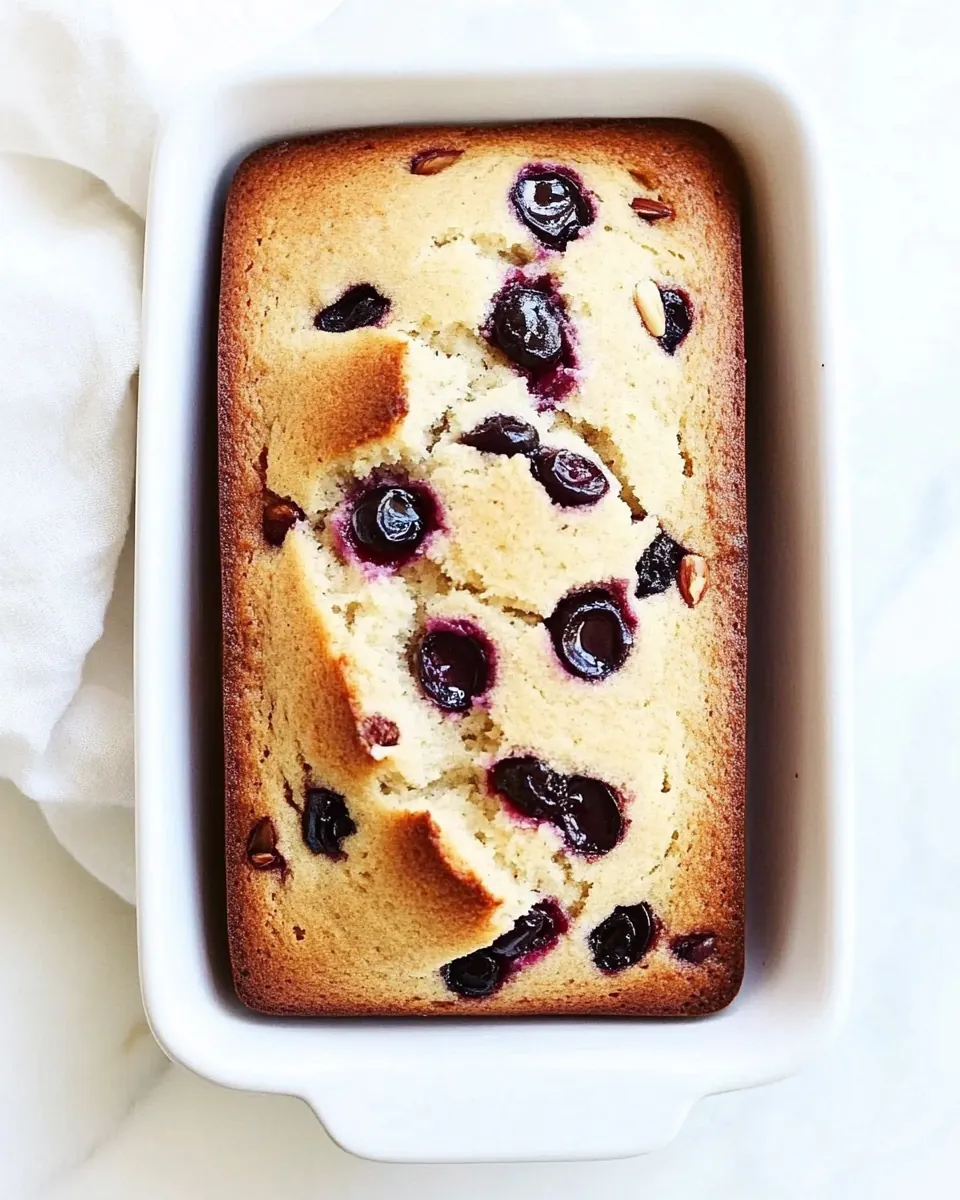
Cherry and Almond Quick Bread
Cherry and Almond Quick Bread is the loaf I reach for when I want something comforting with a bright twist. The first time I baked it I remember the kitchen filling with a warm, nutty perfume, the counter scattered with ruby halves, and the soft crack of a knife through a golden crust as friends gathered to taste. I loved how the cherries kept little bursts of juice and the almond paste lent an almost frangipane richness without any fuss.
I can still see the bowl where I beat room temperature butter and almond paste together, the texture going from lumpy to silky, and how the batter smelled of toasted nuts when the eggs went in. That first loaf disappeared by evening, and ever since I make it for slow weekend breakfasts, last minute brunches, and when I need a gentle dessert after a long day. It’s one of those recipes that feels special without demanding attention, and it travels well if you need to bring something to a friend’s house.
Recipe Snapshot
1 hr 15 mins
15 mins
60 mins
Medium
260 kcal
American
Gluten-Free, Low FODMAP
Breakfast
Mixing bowl, Mixer or whisk, Bread pan, Spatula, Cooling rack
What We Adore About This Cherry and Almond Quick Bread
Simple but impressive
I’ve always loved recipes that look like you worked hard but actually come together in less time than you expect. This Cherry and Almond Quick Bread gives you that payoff. With a few pantry staples like all purpose flour and sugar, plus a touch of almond paste, the loaf looks elegant and tastes layered.
Textural contrast
The contrast between tender crumb and the slightly chewy pockets of cherries makes every slice interesting. I find the pockets of fruit keep the loaf from feeling dense, and the buttery crumb stays soft, which keeps people coming back for another slice.
Time friendly
For busy mornings or sudden guests, this recipe is forgiving. It tolerates small timing shifts and a relaxed mixing technique, so you can prep the batter, pour it in the pan, and work on coffee without anxiety. That flexibility is why I often make it when my schedule is unpredictable.
Versatile serving options
I serve it warm with a smear of soft butter or room temperature with tea. It plays equally well as a breakfast treat, a snack, or a light dessert. The subtle nutty depth from the almond paste keeps it feeling sophisticated without being fussy.
Reliable results
After testing a few variations, this version gives a consistent crumb, predictable bake time, and dependable flavor. If you follow a couple of small cues while baking, like checking for a golden top and a slight pull from the pan edges, you will end up with a loaf that slices cleanly and tastes like you made something thoughtful.
Ingredients for Cherry and Almond Quick Bread
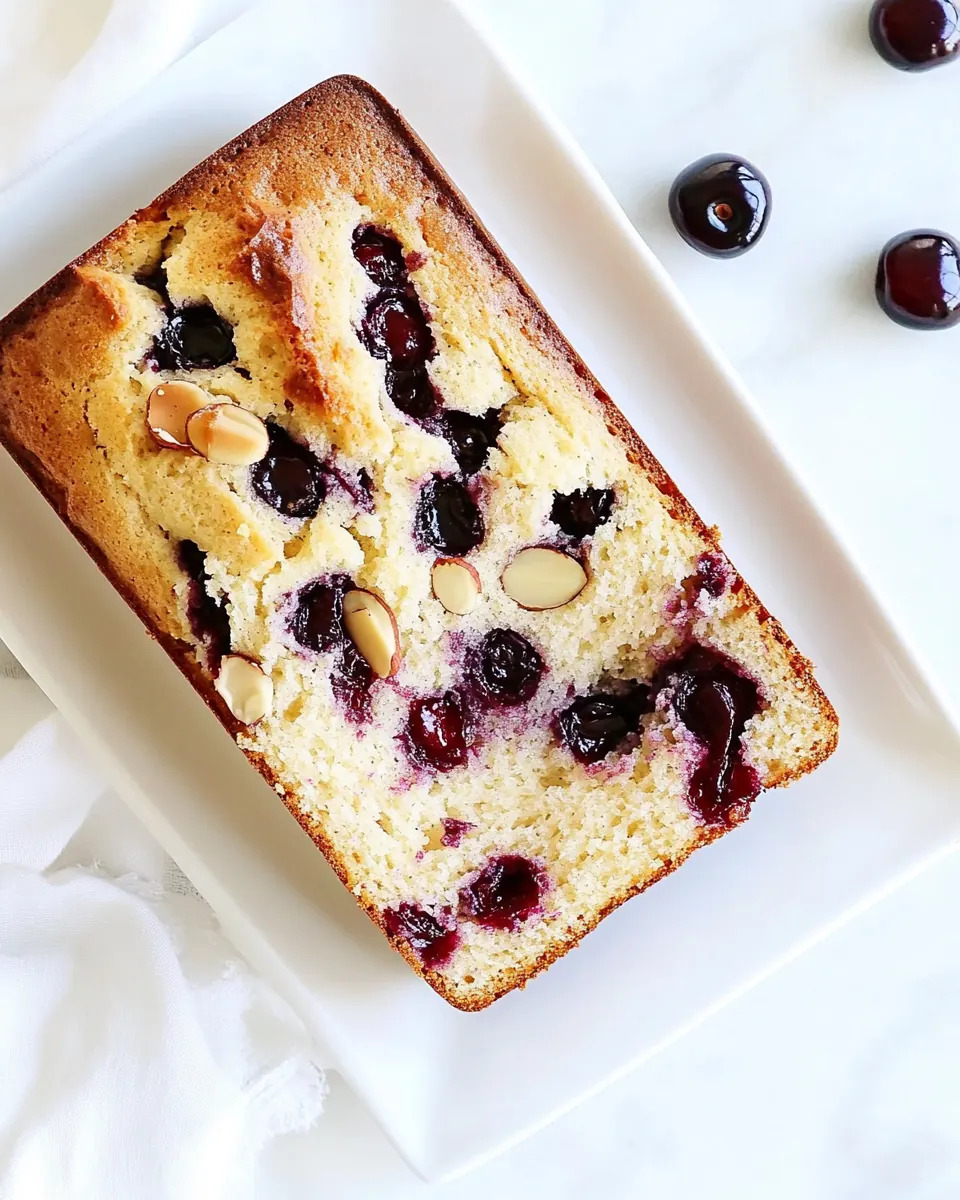
The ingredient lineup for this Cherry and Almond Quick Bread is straightforward and intentionally balanced. The key players are the soft, rich butter and almond paste which build flavor and tenderness, while the all purpose flour and baking powder create lift. The cherries add moisture and bright notes, and a touch of salt and sugar bring everything into harmony.
- 1/4 cup LAND O LAKES® Super Premium European Style unsalted butter, at room temperature: Cream together to incorporate air and provide rich, tender texture while contributing butterfat and flavor; use at room temperature for easier creaming and even distribution throughout the batter.
- 4 ounces almond paste: Mash or grate into small pieces to add concentrated almond flavor and moistness; blend thoroughly with butter and sugar to create a smooth, aromatic base for the quick bread.
- 3/4 cups sugar: Sweeten and tenderize while helping to incorporate air when creamed with butter; adjust to taste but maintain measured amount for proper structure and browning during baking.
- 2 large eggs: Bind and leaven slightly by trapping air, contributing to structure and moisture; beat in individually to ensure even texture and prevent overmixing once added to dry ingredients.
- 2 cups all-purpose flour: Provide bulk, structure, and gluten development when combined with liquids; sift or whisk with leavening to ensure even distribution and avoid dense spots in the loaf.
- 3/4 teaspoon baking powder: Leaven and lift the batter by releasing gases during baking; measure precisely to ensure proper rise without imparting metallic or bitter flavors.
- 1/2 teaspoon salt: Enhance flavor balance and strengthen gluten network slightly while regulating yeast/dough activity in other recipes; measure carefully to avoid excess saltiness and to highlight sweetness.
- 1/2 cup milk: Add moisture and help dissolve dry ingredients while contributing to batter consistency; use room–temperature milk to help ingredients blend smoothly and avoid curdling.
- 1 cup sweet cherries, pitted and sliced or quartered: Introduce fruity brightness, moisture, and pleasant texture contrast; pit and slice or quarter to distribute evenly through the batter and prevent large wet pockets.
How to Cook Cherry and Almond Quick Bread
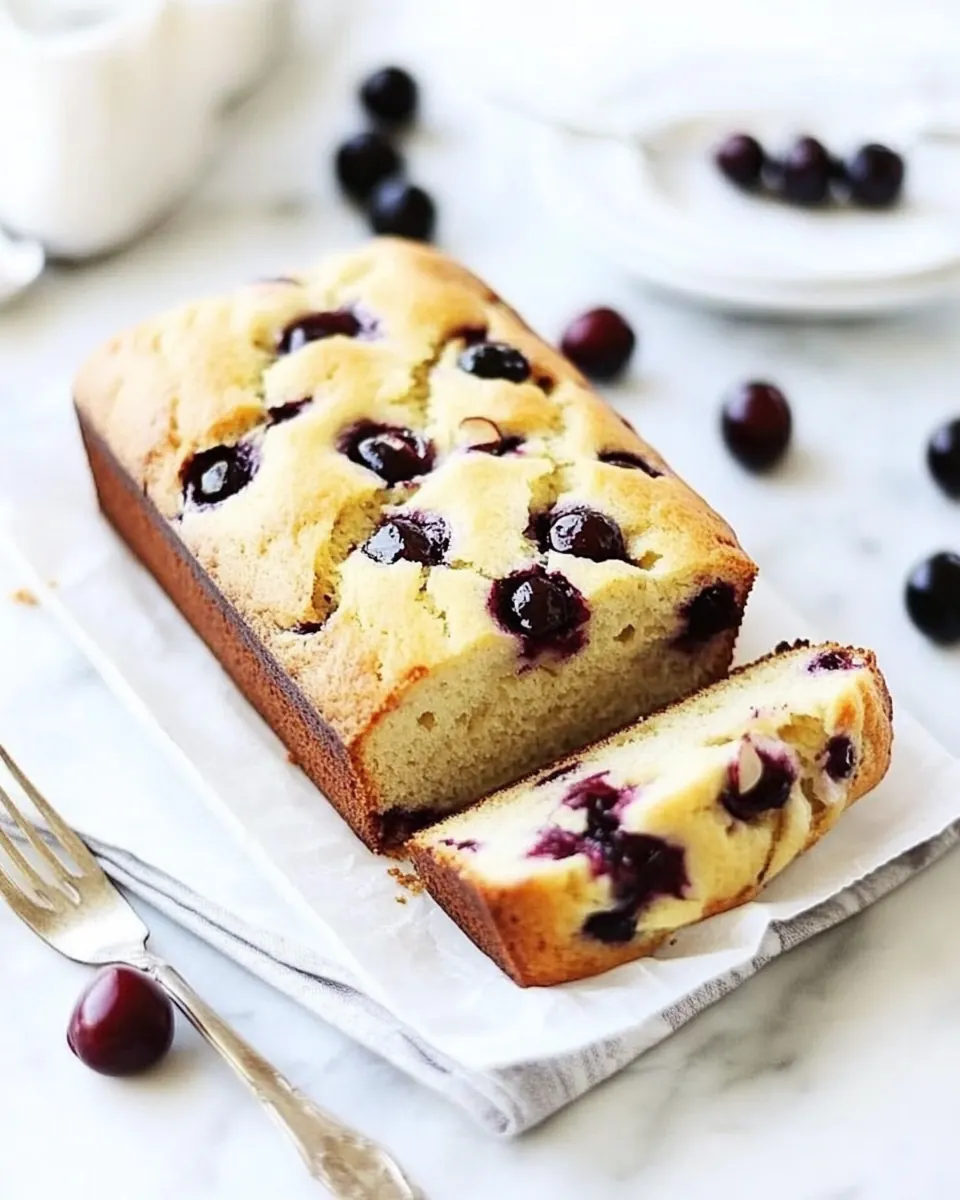
This loaf is friendly and hands on in a comforting way. Below I expand each direction line into detailed, sensory rich steps so you know exactly what to watch for while baking. Expect aromatic nutty notes as the batter comes together and a warm cherry perfume as it bakes.
- Preheat the oven to 350 degrees F. Prepare a bread pan with baking spray.: You should feel the kitchen warming as the oven comes to temperature, and the consistent heat is essential for even rise and browning. Preheating to 350 degrees F ensures the baking powder reacts properly when the batter hits the oven. Spray the pan thoroughly so the hot loaf releases cleanly, especially around the corners where sticking often happens. A common mistake is skipping preheating, which leads to a dense loaf rather than a light, risen one. If you notice your oven runs hot or cool, use an oven thermometer so the 350 degrees F reading is accurate, and adjust timing slightly if needed.
- In a mixing bowl, cream together the softened butter and the almond paste until well blended. Add the sugar and mix well. Add the eggs one at a time and beat until incorporated. Sift together the flour, baking powder and salt and add to the sugar mixture alternating with the milk. Gently fold in the cherries.: As you beat the softened butter and almond paste , listen for the change from a dull thud to a smoother, silkier sound as air incorporates. Visually, the mixture should lighten in color and look glossy as the fats emulsify, which gives the loaf lift and a tender crumb. This step matters because the trapped air expands in the oven, helping structure. If the butter is too cold, it will stay stiff and not blend; if too warm, it will be greasy and collapse the batter. Scrape the bowl to ensure no pockets of almond paste remain, because uneven pockets can create dense spots.
- Pour the batter into the bread pan and bake for 55-60 minutes or until the bread has pulled away from the sides of the pan and the top is golden brown. Let cool in the pan for 5 minutes then transfer to a cooling rack. Serve warm or at room temperature.: When you add the sugar , you will notice the texture becoming slightly grainier before smoothing out; that grainy texture helps aerate the mixture further. The sound of the mixer shifts and the mixture will take on a paler tone as the sugar dissolves into the fats. This step contributes to the tenderness and aids browning during baking. Avoid skimping on mixing here, as undercreamed mixtures can yield a tighter, coarser crumb. If you see undissolved sugar crystals, continue mixing briefly until it's consistent.
- Add the eggs one at a time and beat until incorporated.: Adding each egg slowly helps maintain emulsion, so everything blends into a cohesive batter rather than separating. After each addition, the batter should look smoother and slightly more aerated. This is important because the eggs provide structure and moisture. If you add eggs too quickly or the mixture is too cold, you might see curdling, which makes the batter look split; if this happens, beat in a tablespoon of the sifted flour to stabilize it. A common error is dumping all the eggs at once which can break the emulsion and lead to a heavier final loaf.
- Sift together the flour, baking powder and salt and add to the sugar mixture alternating with the milk.: Sifting the dry ingredients yields a lighter, aerated flour base with the baking powder evenly distributed, which prevents heavy pockets. As you fold in dry and wet alternately, the batter should become cohesive, slightly thick but pourable. The visual cue is a smooth, uniform batter without streaks of dry flour . This technique prevents overmixing which would make the loaf tough by developing gluten. If you see a lumpy batter after mixing, gently fold until smooth, but stop as soon as there are no flour streaks. Overworking here is the most common mistake, so be deliberate and gentle.
- Gently fold in the cherries.: Folding in the cherries should be done with care, using a spatula to incorporate them without crushing. The batter will take on small flecks of pink where the fruit meets the batter, and you will see pockets of glossy cherry flesh. This preserves both texture and visual appeal. Crushing the cherries releases juice that can color and wet the whole batter, so be gentle. A typical pitfall is stirring vigorously and turning the batter uniformly pink and soggy. If your cherries are particularly juicy, pat them dry first to avoid excess moisture that could make the loaf sink.
- Pour the batter into the bread pan and bake for 55 to 60 minutes or until the bread has pulled away from the sides of the pan and the top is golden brown.: As the loaf bakes, you will notice the kitchen filling with an almond and butter scent. Look for the top to achieve a warm golden tone and for the sides to slightly pull away from the pan, which signals doneness. A toothpick inserted in the center should come out with a few moist crumbs but not raw batter. This visual and tactile checking is more reliable than timing alone because ovens vary. One mistake is removing the loaf too early which yields a gummy center. If the top browns too quickly while the center is still raw, tent the loaf loosely with foil and continue baking until set.
- Let cool in the pan for 5 minutes then transfer to a cooling rack. Serve warm or at room temperature.: The warmth coming off the pan will be comforting and the loaf will finish setting as it cools. Five minutes in the pan allows the crumb to firm just enough to release cleanly, and transferring to a rack prevents the bottom from steaming and becoming soggy. Slicing while too hot can smear the crumb, while waiting too long cools the butter and changes the mouthfeel. A common error is letting it sit in the pan until completely cool, which can trap steam and soften the crust. Serve slightly warm for the best sensory experience, where the aroma and textures are most pronounced.
Substitutions and Tips
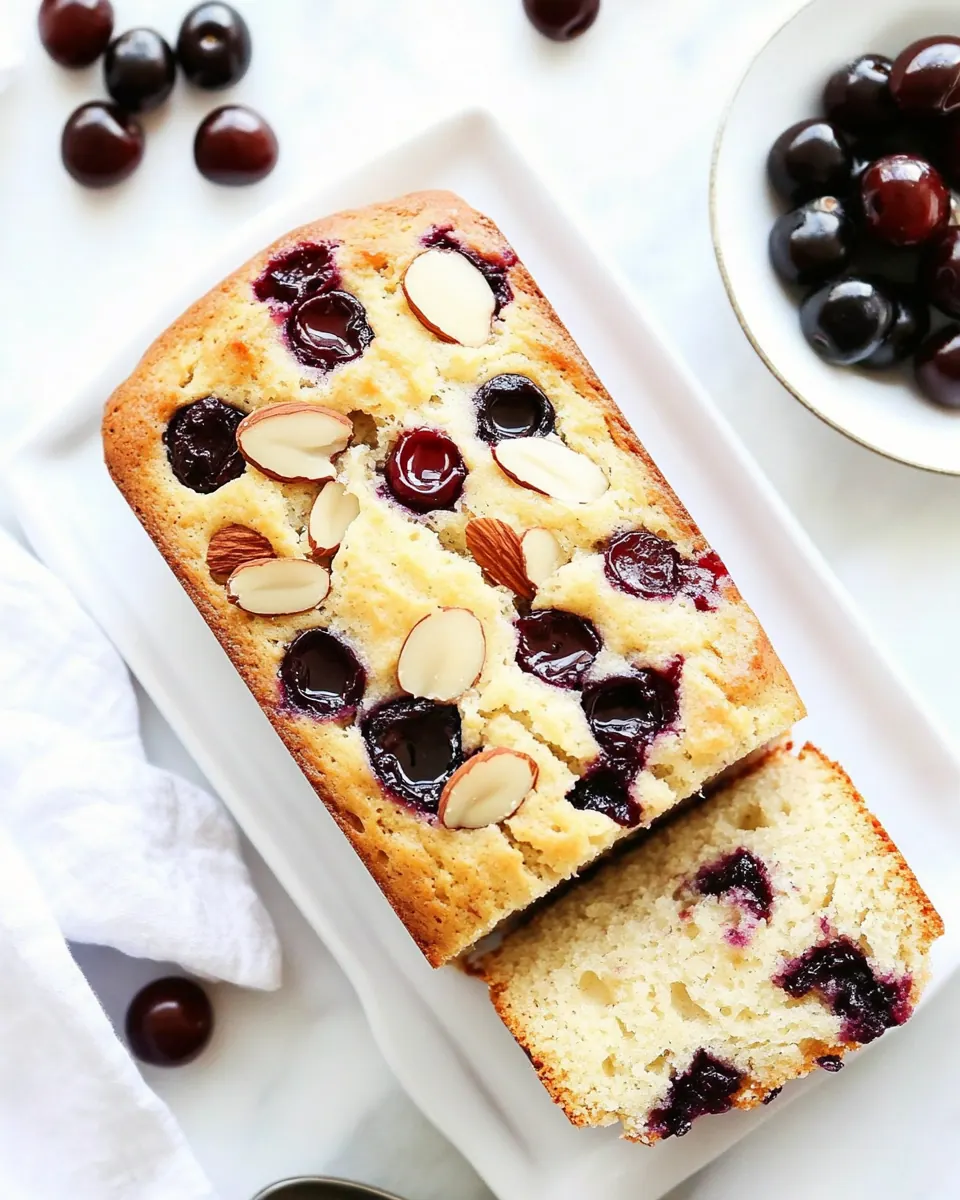
This section dives into practical swaps and tricks I use when pantry items vary. These tips come from trial and error, adapted to keep the loaf consistent and flavorful no matter the circumstances.
- Butter handling: If your butter is too cold, grate it or cut it into small pieces and let it sit briefly so it softens faster without melting.
- Almond paste alternatives: If you do not have almond paste, a homemade mix of finely ground almonds plus a touch of sugar can work, but expect a slightly coarser texture.
- Cherry prep: For frozen cherries, thaw and drain thoroughly, then pat dry to prevent extra moisture in the batter.
- Milk swaps: Use whole milk for richness; lower fat milk is fine but the crumb will be a touch less tender.
- Make ahead: Bake the loaf, wrap it tightly once cooled, and it will hold well at room temperature for two days, or freeze sliced portions for longer storage.
- Browning control: If the top is browning too quickly, loosely tent with foil halfway through the 55 to 60 minutes bake to ensure the center finishes.
What to Pair With Cherry and Almond Quick Bread
This loaf is flexible across occasions, so think about how you want to present it. For breakfast or an afternoon tea, lighter accompaniments work best. For a casual dessert, a small scoop of something creamy complements the nuttiness.
- Morning service: Serve slices warm with a pat of softened butter and a cup of strong coffee for a cozy breakfast.
- Brunch table: Offer the loaf alongside fresh fruit and plain yogurt to balance the sweetness and add bright, fresh textures.
- Casual dessert: Present thin slices with a small scoop of vanilla ice cream or whipped cream for an elegant yet easy sweet course.
- Occasions: This loaf suits relaxed gatherings, summer brunches, and potlucks where a sliceable, shareable baked good is welcome.
- Storage: Keep wrapped at room temperature for up to two days, refrigerate for up to five days, or freeze individual slices for longer keeping.
- Seasonal pairings: In summer, pair with fresh berries or stone fruit; in cooler months, serve with spiced tea to complement the almond notes.
FAQ
Conclusion
This loaf stands out because it balances rich almond flavor with bright cherry pockets in a tender, approachable crumb. I encourage you to give Cherry and Almond Quick Bread a try the next time you want a comforting, shareable bake that feels special without a lot of fuss. Invite a friend, pour some tea, and enjoy the little moments that come with slicing into a warm, fragrant loaf.
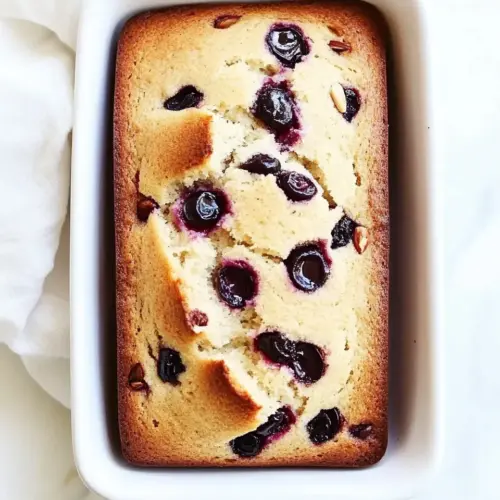
Cherry and Almond Quick Bread
Equipment
- Mixing Bowl
- Mixer or whisk
- Bread pan
- Spatula
- Cooling rack
Ingredients
- 1/4 cup LAND O LAKES® Super Premium European Style unsalted butter, at room temperature Cream together to incorporate air and provide rich, tender texture while contributing butterfat and flavor; use at room temperature for easier creaming and even distribution throughout the batter.
- 4 ounces almond paste Mash or grate into small pieces to add concentrated almond flavor and moistness; blend thoroughly with butter and sugar to create a smooth, aromatic base for the quick bread.
- 3/4 cups sugar Sweeten and tenderize while helping to incorporate air when creamed with butter; adjust to taste but maintain measured amount for proper structure and browning during baking.
- 2 large eggs Bind and leaven slightly by trapping air, contributing to structure and moisture; beat in individually to ensure even texture and prevent overmixing once added to dry ingredients.
- 2 cups all-purpose flour Provide bulk, structure, and gluten development when combined with liquids; sift or whisk with leavening to ensure even distribution and avoid dense spots in the loaf.
- 3/4 teaspoon baking powder Leaven and lift the batter by releasing gases during baking; measure precisely to ensure proper rise without imparting metallic or bitter flavors.
- 1/2 teaspoon salt Enhance flavor balance and strengthen gluten network slightly while regulating yeast/dough activity in other recipes; measure carefully to avoid excess saltiness and to highlight sweetness.
- 1/2 cup milk Add moisture and help dissolve dry ingredients while contributing to batter consistency; use room-temperature milk to help ingredients blend smoothly and avoid curdling.
- 1 cup sweet cherries, pitted and sliced or quartered Introduce fruity brightness, moisture, and pleasant texture contrast; pit and slice or quarter to distribute evenly through the batter and prevent large wet pockets.
Instructions
- Preheat the oven to 350 degrees F. Prepare a bread pan with baking spray.: You should feel the kitchen warming as the oven comes to temperature, and the consistent heat is essential for even rise and browning. Preheating to 350 degrees F ensures the baking powder reacts properly when the batter hits the oven. Spray the pan thoroughly so the hot loaf releases cleanly, especially around the corners where sticking often happens. A common mistake is skipping preheating, which leads to a dense loaf rather than a light, risen one. If you notice your oven runs hot or cool, use an oven thermometer so the 350 degrees F reading is accurate, and adjust timing slightly if needed.
- In a mixing bowl, cream together the softened butter and the almond paste until well blended. Add the sugar and mix well. Add the eggs one at a time and beat until incorporated. Sift together the flour, baking powder and salt and add to the sugar mixture alternating with the milk. Gently fold in the cherries.: As you beat the softened butter and almond paste , listen for the change from a dull thud to a smoother, silkier sound as air incorporates. Visually, the mixture should lighten in color and look glossy as the fats emulsify, which gives the loaf lift and a tender crumb. This step matters because the trapped air expands in the oven, helping structure. If the butter is too cold, it will stay stiff and not blend; if too warm, it will be greasy and collapse the batter. Scrape the bowl to ensure no pockets of almond paste remain, because uneven pockets can create dense spots.
- Pour the batter into the bread pan and bake for 55-60 minutes or until the bread has pulled away from the sides of the pan and the top is golden brown. Let cool in the pan for 5 minutes then transfer to a cooling rack. Serve warm or at room temperature.: When you add the sugar , you will notice the texture becoming slightly grainier before smoothing out; that grainy texture helps aerate the mixture further. The sound of the mixer shifts and the mixture will take on a paler tone as the sugar dissolves into the fats. This step contributes to the tenderness and aids browning during baking. Avoid skimping on mixing here, as undercreamed mixtures can yield a tighter, coarser crumb. If you see undissolved sugar crystals, continue mixing briefly until it's consistent.
- Add the eggs one at a time and beat until incorporated.: Adding each egg slowly helps maintain emulsion, so everything blends into a cohesive batter rather than separating. After each addition, the batter should look smoother and slightly more aerated. This is important because the eggs provide structure and moisture. If you add eggs too quickly or the mixture is too cold, you might see curdling, which makes the batter look split; if this happens, beat in a tablespoon of the sifted flour to stabilize it. A common error is dumping all the eggs at once which can break the emulsion and lead to a heavier final loaf.
- Sift together the flour, baking powder and salt and add to the sugar mixture alternating with the milk.: Sifting the dry ingredients yields a lighter, aerated flour base with the baking powder evenly distributed, which prevents heavy pockets. As you fold in dry and wet alternately, the batter should become cohesive, slightly thick but pourable. The visual cue is a smooth, uniform batter without streaks of dry flour . This technique prevents overmixing which would make the loaf tough by developing gluten. If you see a lumpy batter after mixing, gently fold until smooth, but stop as soon as there are no flour streaks. Overworking here is the most common mistake, so be deliberate and gentle.
- Gently fold in the cherries.: Folding in the cherries should be done with care, using a spatula to incorporate them without crushing. The batter will take on small flecks of pink where the fruit meets the batter, and you will see pockets of glossy cherry flesh. This preserves both texture and visual appeal. Crushing the cherries releases juice that can color and wet the whole batter, so be gentle. A typical pitfall is stirring vigorously and turning the batter uniformly pink and soggy. If your cherries are particularly juicy, pat them dry first to avoid excess moisture that could make the loaf sink.
- Pour the batter into the bread pan and bake for 55 to 60 minutes or until the bread has pulled away from the sides of the pan and the top is golden brown.: As the loaf bakes, you will notice the kitchen filling with an almond and butter scent. Look for the top to achieve a warm golden tone and for the sides to slightly pull away from the pan, which signals doneness. A toothpick inserted in the center should come out with a few moist crumbs but not raw batter. This visual and tactile checking is more reliable than timing alone because ovens vary. One mistake is removing the loaf too early which yields a gummy center. If the top browns too quickly while the center is still raw, tent the loaf loosely with foil and continue baking until set.
- Let cool in the pan for 5 minutes then transfer to a cooling rack. Serve warm or at room temperature.: The warmth coming off the pan will be comforting and the loaf will finish setting as it cools. Five minutes in the pan allows the crumb to firm just enough to release cleanly, and transferring to a rack prevents the bottom from steaming and becoming soggy. Slicing while too hot can smear the crumb, while waiting too long cools the butter and changes the mouthfeel. A common error is letting it sit in the pan until completely cool, which can trap steam and soften the crust. Serve slightly warm for the best sensory experience, where the aroma and textures are most pronounced.
Notes
- Butter handling: If your butter is too cold, grate it or cut it into small pieces and let it sit briefly so it softens faster without melting.
- Almond paste alternatives: If you do not have almond paste, a homemade mix of finely ground almonds plus a touch of sugar can work, but expect a slightly coarser texture.
- Cherry prep: For frozen cherries, thaw and drain thoroughly, then pat dry to prevent extra moisture in the batter.
- Milk swaps: Use whole milk for richness; lower fat milk is fine but the crumb will be a touch less tender.
- Make ahead: Bake the loaf, wrap it tightly once cooled, and it will hold well at room temperature for two days, or freeze sliced portions for longer storage.
- Browning control: If the top is browning too quickly, loosely tent with foil halfway through the 55 to 60 minutes bake to ensure the center finishes.