Chocolate Easter Eggs
Chocolate Easter Eggs are one of those joyful recipes I keep returning to when I want a simple, nostalgic project that delivers big on flavor. The first time I made these I was smoothing a creamy peanut center with my fingers sticky from powdered sugar, and the kitchen filled with the warm scent of melted chocolate, which felt like a small celebration on a quiet afternoon.
I remember making these for a spring gathering years ago, bringing a tray of glossy, chocolate coated eggs that vanished before I finished my second cup of tea. Kids pressed their noses against the platter, while neighbors asked for the recipe, and I loved how this treat bridges generations and palates. Every step feels a little ceremonial, from pressing the peanut filling to chilling it until it snaps cleanly under the cookie cutter.
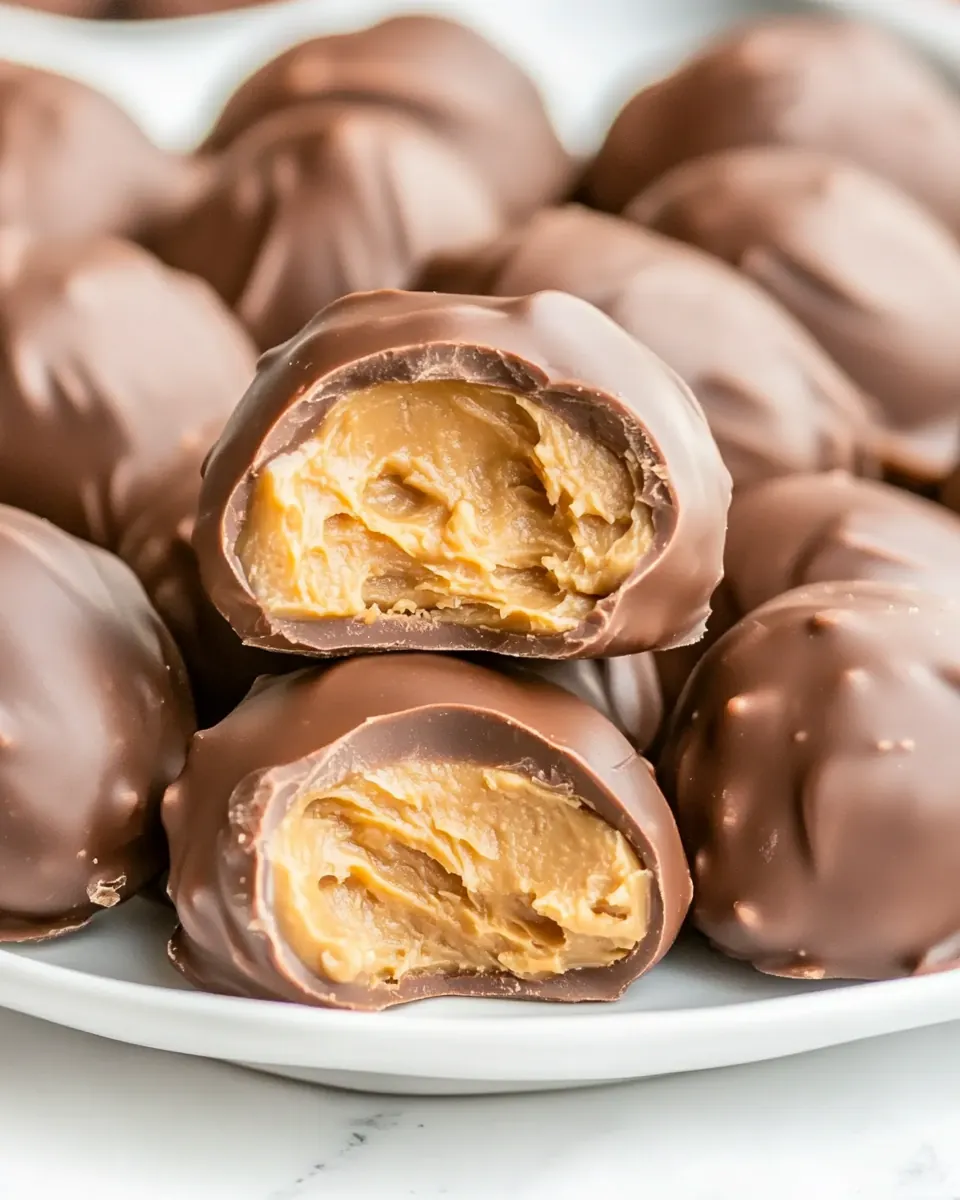
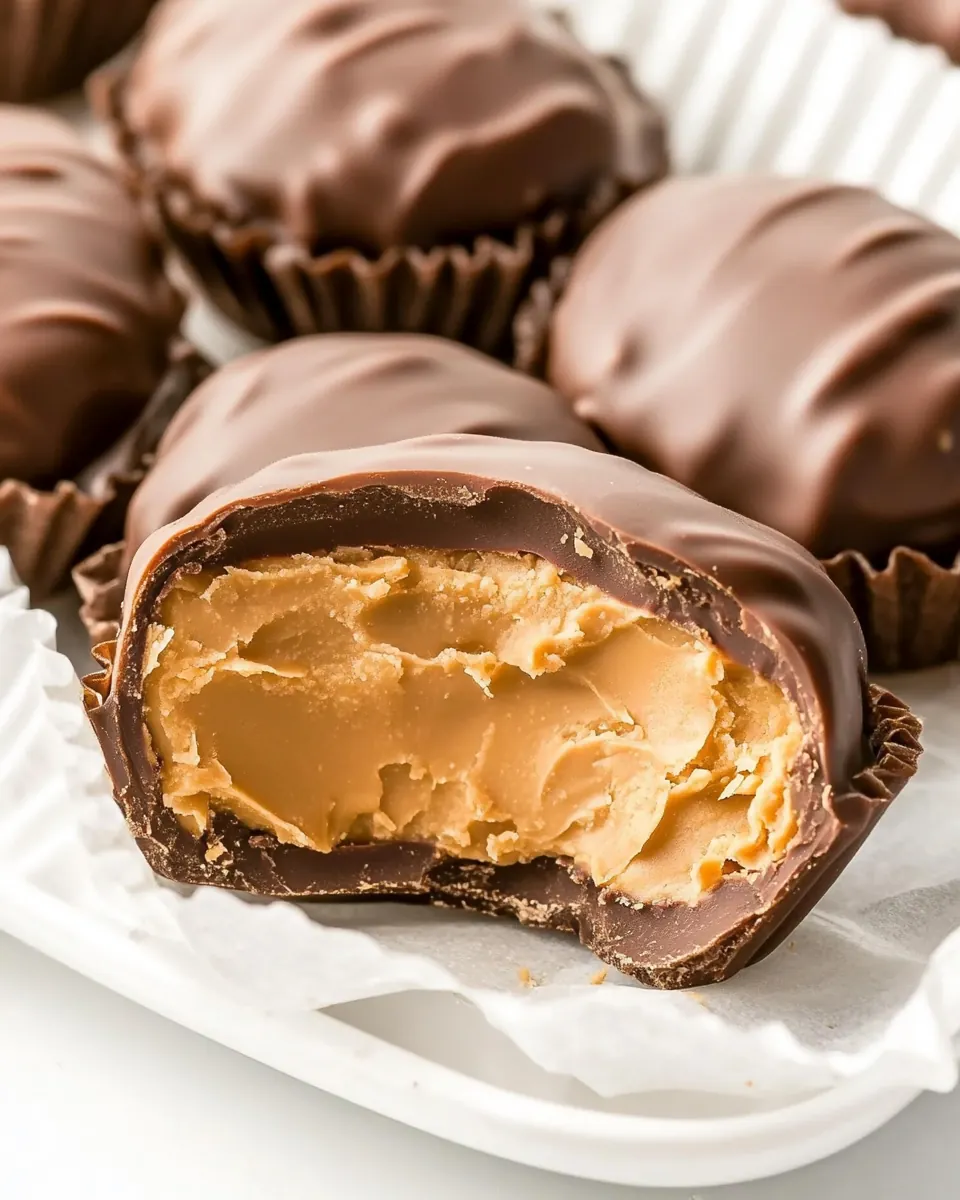
What keeps me coming back to Chocolate Easter Eggs is how hands on the process is, yet how forgiving it can be if you take your time. You can chat with friends while scooping the filling, or set the kiddos loose on decorating once the chocolate is still tacky. The texture contrast between the dense, peanut butter interior and the crisp, chocolate shell is precisely what makes these so memorable.
Over many batches I’ve learned small tricks that make a big difference, like chilling the cutouts just long enough so they hold their shape, and tempering the chocolate gently so the finish is glossy. If you like projects that reward patience with pure indulgence, these are for you. They are perfect for springtime baskets, party platters, or an afternoon treat that feels extra special.
Recipe Snapshot
1 hr 45 mins
45 mins
60 mins
Medium
210 kcal
American
Gluten-Free, Low FODMAP
Desserts
Sheet pan, Parchment paper, Hand mixer, Mixing bowl, Cookie cutter, Heatproof bowl, Microwave, Fork
What’s Great About This Chocolate Easter Eggs
1. Comforting familiar flavors
I love how Chocolate Easter Eggs combine velvety peanut butter with rich melted chocolate. That balance hits nostalgia hard, and the creamy interior against a crisp shell creates a texture duet that keeps people reaching for more. It feels like childhood, updated with grown up technique.
2. Easy to scale and share
We often double or halve this recipe depending on the crowd, and the method scales naturally. Pressing the mixture into a sheet pan is efficient, and cutting shapes becomes a communal activity. If you are hosting, this recipe lets you make a big batch with minimal fuss.
3. Hands on but forgiving
I appreciate that Chocolate Easter Eggs are tactile and fun without being fussy. The freezer steps give you time to breathe, and slight imperfections in coating only add charm. If your peanut cutout softens while dipping, just chill it again, you are not ruined.
4. Great for decorating and gifting
These eggs are a blank canvas for sprinkles, drizzles, or color variations. I like gifting them in little boxes, and they travel well if wrapped gently. The chocolate shell protects the filling, so presentation holds up during transport.
5. Quick payoff
Even though the recipe involves chilling, active hands on time is straightforward and satisfying. In a few focused sessions you transform simple pantry staples into something that looks and tastes special. That quick gratification makes me reach for this when I want to impress without stress.
Recipe Ingredients for Chocolate Easter Eggs
These ingredients are intentionally simple and pantry friendly. The cast is small but each player matters: the salted butter lends richness and helps bind the peanut filling, creamy peanut butter provides the star flavor and silky mouthfeel, and powdered sugar firms the center so it can be cut into shapes. The two types of chocolate chips create a balanced coating flavor, while a bit of shortening ensures a smooth, glossy finish.
- 1/2 cups salted butter (melted and cooled): Melted and cooled to provide a rich, smooth fat that adds moisture and helps bind the filling, contributing to a tender texture. Adds a subtle salty contrast that balances the sweetness of the other components and enhances overall flavor.
- 2 cups creamy peanut butter: Creamy to create a smooth, cohesive filling with a rich, nutty flavor that forms the core of each egg. Supplies structure and mouthfeel, allowing the powdered sugar to be incorporated into a pliable dough for shaping.
- 1/4 cup granulated sugar: Granulated to introduce a touch of granular sweetness and slight crunch while helping temper the intense richness of the peanut butter. Enhances overall sweetness balance and assists in achieving the desired consistency when mixed with butter and peanut butter.
- 1 tablespoon vanilla extract: Vanilla to contribute warm, aromatic complexity that elevates the dessert’s overall flavor profile. Amplifies the perception of sweetness and rounds out both the peanut butter filling and the chocolate coating.
- 4 cups powdered sugar: Powdered to absorb moisture and thicken the peanut butter mixture into a moldable, dough-like consistency ideal for forming eggs. Sweetens the filling smoothly without grittiness, ensuring a creamy interior contrast to the chocolate shell.
- 1 1/2 cups semi-sweet chocolate chips: Semi–sweet to provide a slightly bitter chocolate layer that contrasts the sweet, nutty filling and creates depth of flavor. Melts into a glossy coating that sets firm around the peanut butter centers, offering structural integrity and classic chocolate taste.
- 1 1/2 cups milk chocolate chips: Milk to offer a sweeter, creamier chocolate option that can be used alone or blended with semi–sweet to adjust sweetness and texture of the shell. Adds a milder cocoa flavor and softer snap when set, complementing the salty-sweet filling.
- 2 tablespoons shortening: Shortening to stabilize melted chocolate, creating a smoother, glossier coating with improved workability and a thinner, shinier finish. Helps prevent bloom and ensures the chocolate sets with a pleasant texture suitable for dipping or molding.
Cooking Instructions for Chocolate Easter Eggs
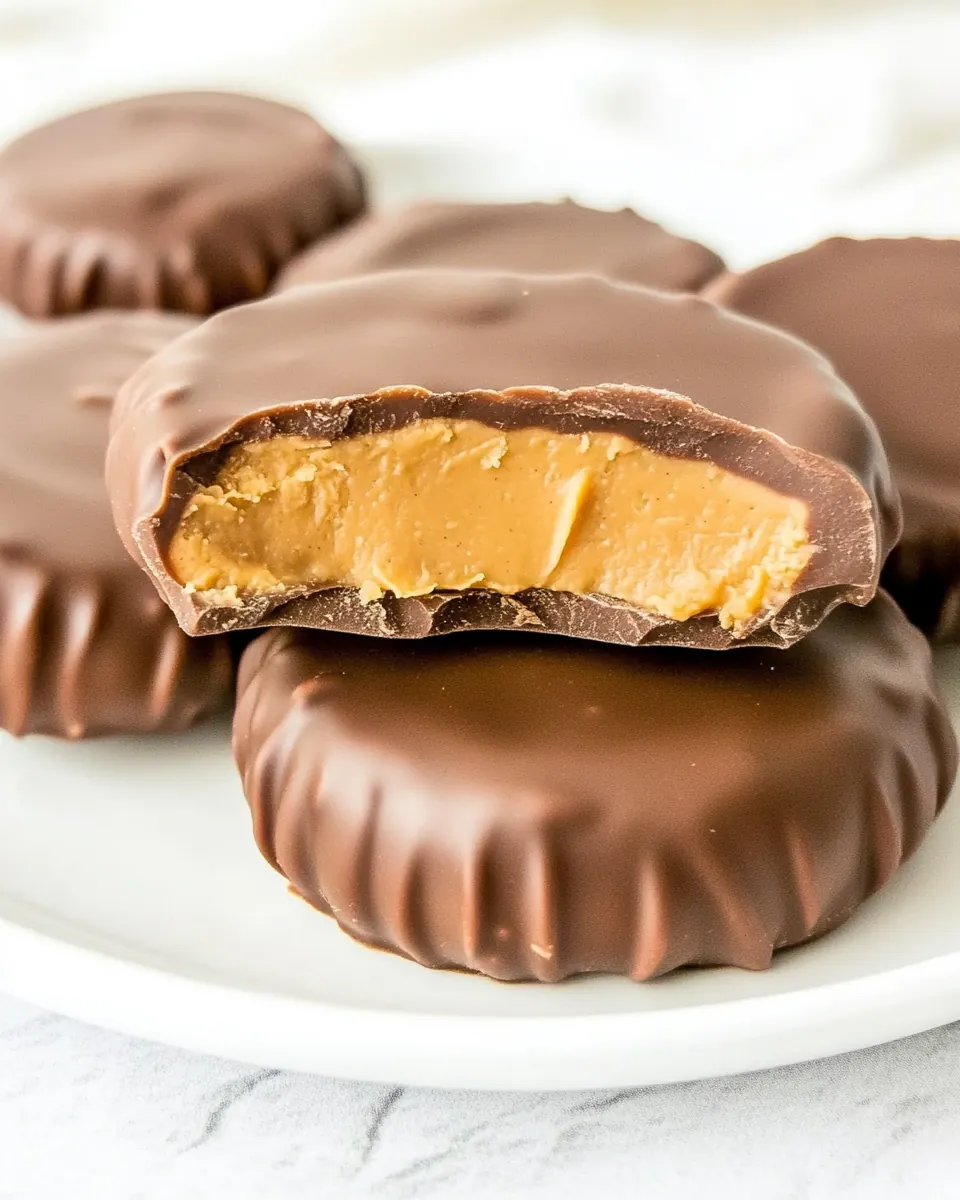
This recipe walks you through making the peanut butter layer, chilling and cutting shapes, and coating those shapes in smooth chocolate. The steps are straightforward, but the real craft is in the texture and timing, so read each step and trust sensory cues like firmness and sheen.
- Line a jelly roll or half sheet pan with parchment paper and set aside.: The sudden clean sound when parchment smooths across a pan previews how organized the process will feel, and using parchment prevents sticking so the chilled peanut layer lifts intact. You'll want to press firmly as you smooth the sheet, ensuring no air gaps, otherwise the filling may compress unevenly. A common mistake is skipping parchment, which makes removal frustrating and can break your cutouts.
- Using a hand mixer, beat together melted butter, peanut butter, granulated sugar, and vanilla extract until smooth and creamy. Beat in powdered sugar.: As the beaters spin you will hear a steady whir and see the mixture go from slightly separated to glossy and unified, which tells you the fats and sugars are emulsifying. The melted butter and peanut butter should combine into a silky base that holds soft peaks if you lift the beaters slightly. If the mix looks grainy, scrape the bowl and beat again; graininess often means the butter was not fully incorporated or the sugars were clumped.
- Press peanut butter mixture into sheet pan – spreading to about 1/2” thickness.: When you add the powdered sugar the texture will instantly thicken, and you'll notice a soft, dough like consistency that holds shape when pressed. Work at a low speed at first to avoid a cloud of sugar, then increase until the mixture is smooth. If your powdered sugar is lumpy, sift it first to avoid pockets of dry sugar in the filling.
- Place sheet pan in the freezer for 15 minutes.: Pressing the mixture creates a uniform layer that will slice cleanly, and you'll feel the mixture firm under your palms as the powdered sugar binds with the fats. Aim for consistent thickness so every egg is the same size, and use a spatula to smooth the surface until it is even and slightly glossy. Pressing too thin will make fragile cutouts, while too thick leads to oversized pieces that are harder to coat.
- Lift the parchment paper to remove the chilled peanut butter layer from the pan. Place a new sheet of parchment paper on the pan.: The freezer's cold hush will firm the filling, and after sitting you'll notice the surface lose its tackiness and the edges feel solid to the touch. This chill time sets the structure so the cookie cutter slices smoothly. Avoid leaving it longer than necessary, which can make the layer brittle and more likely to crack when cutting.
- Use a cookie cutter to cut out 1/2” thick Easter egg shapes from the chilled peanut butter layer.: The layer should come away cleanly with a soft snap as you lift, and replacing the parchment ensures you have a pristine surface for arranging cutouts. This step prevents condensation from the pan from marring the underside of the pieces. If the layer sticks, run a thin spatula along the edge and chill a few more minutes.
- Place cutouts on parchment lined sheet pan. Freeze for 30 minutes.: Press the cutter straight down to hear a muted thud, then wiggle slightly to release a neat shape; that crisp edge is your visual cue that the thickness was right. Cut confidently to avoid ragged edges, and gather the negative space to repress and cut again. Don’t twist the cutter, which can tear the shapes.
- Scoop up remnant peanut butter mixture, repress to 1/2” thickness, and cut out additional shapes.: The cold will firm each egg further so they hold up during dipping, and after freezing they will have a satisfying solidity when picked up, not a yielding softness. The temperature contrast between egg and melted chocolate helps the coating set quickly. Failing to chill sufficiently will cause the peanut butter to soften while dipping and deform the shape.
- After cutouts have chilled for 25 minutes, prepare the chocolate coating.: Use the leftover mixture efficiently by pressing it back to a consistent thickness and repeating the cutter step, which is both economical and satisfying. Work quickly so the scraps stay cold enough to cut cleanly. If remnants are too warm, refrigerate briefly before cutting to avoid ragged pieces.
- Combine semi-sweet and milk chocolate chips in a heatproof bowl. Dollop shortening over the top. Heat and stir in 30-second increments in the microwave until the chocolate is smooth and melted completely.: You will notice a faint snap when you tap a chilled cutout indicating readiness, and preparing the chocolate now uses that firmness to your advantage. Warmth from the coating process will melt the outer surface slightly and create a perfect bond between shell and filling. If you rush and the cutouts are still soft, they can collapse under the weight of the coating.
- Using a fork, lift one peanut butter cutout at a time and coat it completely with the melted chocolate. Tap excess chocolate off of the cutout and place it back onto the cookie sheet.: When the chips begin to melt the aroma of chocolate deepens, and gentle stirring will coax them into a satin, glossy pool. The small additions of shortening thin the chocolate and boost shine, making dipping easier. Microwave in short bursts to avoid overheating, which can make chocolate grainy or seize; stirring thoroughly between intervals is essential.
- Work in batches if the peanut butter cutout becomes soft quickly.: As you lower a cutout into the chocolate you will hear a soft splash, and the coating will flow around the edges before settling into a smooth finish. Tapping the fork removes drips and prevents messy pooling on the pan. If excess chocolate pools underneath, use a clean spatula to tidy the edge before it hardens.
- Allow chocolate to harden.: Dipping several pieces at once can warm them, so rotating between tray and freezer keeps pieces firm and your coating crisp. You will notice when the chocolate clings differently to a warm piece, leaving uneven coverage. If that happens, chill the batch briefly before continuing to maintain consistent texture.
- Serve!: The shell will go from glossy wet to a slight sheen and then to a firm snap as it sets, and that transformation is your cue that the eggs are ready to handle. Let them rest undisturbed so the chocolate cools evenly; moving them too soon can leave fingerprints or blemishes. If condensation forms, transfer to a cooler spot to finish setting slowly and avoid bloom.
- Serve!: When the chocolate is fully set you will hear a clean snap as you bite into an egg, revealing the soft, dense peanut butter core. Arrange on a platter or package for gifts, and enjoy the contrast of textures and balanced sweetness. A hasty serving while the shell is still tacky ruins the presentation, so be patient and wait for full set.
Ways to Customize
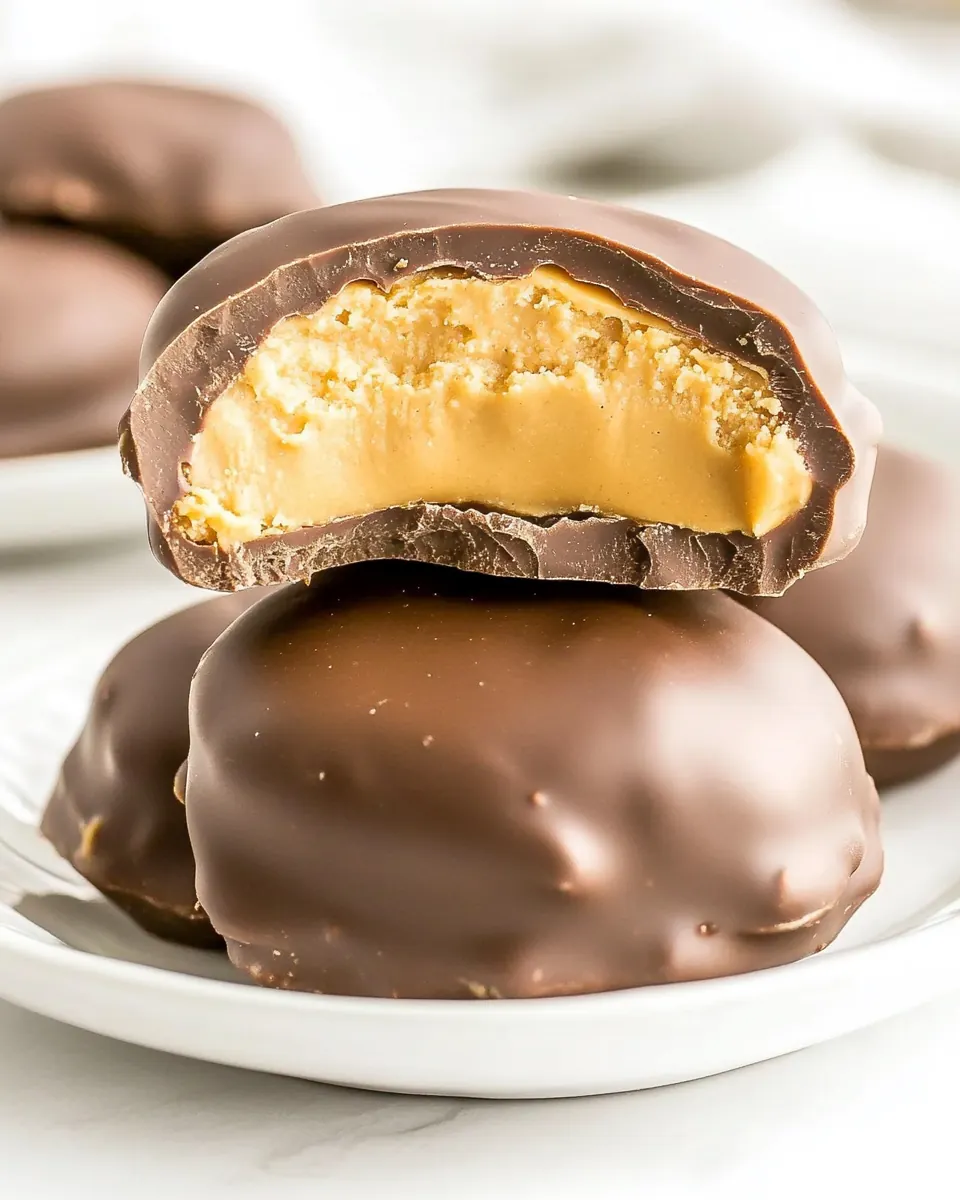
You can easily personalize Chocolate Easter Eggs with texture, flavor accents, or decorative finishes. Small changes make a big visual impact and let you tailor the treat for gifting or themed gatherings.
- Dip your cookie cutter in flour or sugar to avoid it getting sticky and messy, this keeps edges clean and makes repetitive cutting faster.
- Finish with sprinkles while the chocolate is still tacky to ensure they adhere, which gives a festive look perfect for baskets.
- Use different chocolates by swapping proportions of semi sweet and milk chips to shift the sweetness and depth of the shell flavor.
- Stir remaining chips until completely melted when you have just a few left, this helps you use up small amounts without waste.
- Chill in stages if you notice pieces softening during the dipping session, rotating trays through the freezer keeps a steady pace without stress.
- Package individually in small boxes or cello bags for gifting, tying with ribbon to keep them from shifting during transport.
How to Serve Chocolate Easter Eggs
Serving Chocolate Easter Eggs is about presentation and pairing. These eggs work well on dessert platters, in gift boxes, or as a sweet addition to brunch. I like to arrange them with visual contrast and practical notes so guests know what they are tasting.
- On a dessert platter arrange eggs with spacing so the glossy shells catch the light, creating an inviting centerpiece for parties or family gatherings.
- In gift boxes place parchment between layers to prevent sticking, and include a small label describing the flavors for a personal touch that recipients appreciate.
- For brunch add these to a sweet station alongside simple fruit or bite size pastries, offering a rich, indulgent option that contrasts with lighter items.
- Storage tip keep eggs in an airtight container in a cool place or the refrigerator to maintain the crisp shell, and bring to room temperature before serving for best flavor.
- Occasions they are ideal for spring gatherings, Easter baskets, bake sales, and as homemade gifts during the season when themed treats are cherished.
- Transporting box them snugly with padding to avoid rubbing, and avoid high heat which will melt the chocolate coating.
FAQ
Conclusion
These Chocolate Easter Eggs stand out because they turn simple pantry staples into a polished, shareable treat that feels celebratory yet approachable. You get the satisfaction of a hands on project plus the reliable payoff of a creamy center wrapped in glossy chocolate, a combination that never fails to please. Try making a batch this weekend, and share them with neighbors or tuck a few into spring gift boxes; the process is as rewarding as the result, and it makes a lovely seasonal tradition.
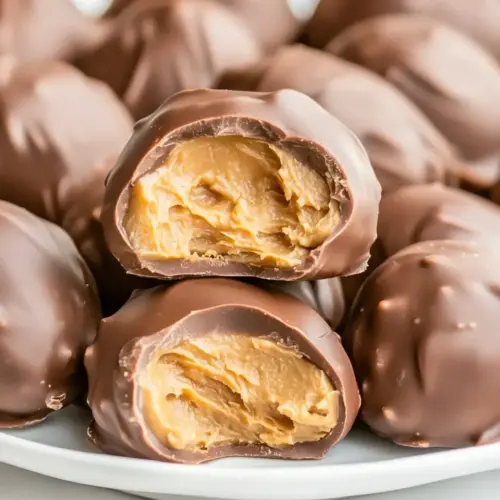
Chocolate Easter Eggs
Equipment
- Sheet Pan
- Parchment Paper
- Hand Mixer
- Mixing Bowl
- Cookie Cutter
- Heatproof Bowl
- Microwave
- Fork
Ingredients
- 1/2 cups salted butter (melted and cooled) Melted and cooled to provide a rich, smooth fat that adds moisture and helps bind the filling, contributing to a tender texture. Adds a subtle salty contrast that balances the sweetness of the other components and enhances overall flavor.
- 2 cups creamy peanut butter Creamy to create a smooth, cohesive filling with a rich, nutty flavor that forms the core of each egg. Supplies structure and mouthfeel, allowing the powdered sugar to be incorporated into a pliable dough for shaping.
- 1/4 cup granulated sugar Granulated to introduce a touch of granular sweetness and slight crunch while helping temper the intense richness of the peanut butter. Enhances overall sweetness balance and assists in achieving the desired consistency when mixed with butter and peanut butter.
- 1 tablespoon vanilla extract Vanilla to contribute warm, aromatic complexity that elevates the dessert’s overall flavor profile. Amplifies the perception of sweetness and rounds out both the peanut butter filling and the chocolate coating.
- 4 cups powdered sugar Powdered to absorb moisture and thicken the peanut butter mixture into a moldable, dough-like consistency ideal for forming eggs. Sweetens the filling smoothly without grittiness, ensuring a creamy interior contrast to the chocolate shell.
- 1 1/2 cups semi-sweet chocolate chips Semi-sweet to provide a slightly bitter chocolate layer that contrasts the sweet, nutty filling and creates depth of flavor. Melts into a glossy coating that sets firm around the peanut butter centers, offering structural integrity and classic chocolate taste.
- 1 1/2 cups milk chocolate chips Milk to offer a sweeter, creamier chocolate option that can be used alone or blended with semi-sweet to adjust sweetness and texture of the shell. Adds a milder cocoa flavor and softer snap when set, complementing the salty-sweet filling.
- 2 tablespoons shortening Shortening to stabilize melted chocolate, creating a smoother, glossier coating with improved workability and a thinner, shinier finish. Helps prevent bloom and ensures the chocolate sets with a pleasant texture suitable for dipping or molding.
Instructions
- Line a jelly roll or half sheet pan with parchment paper and set aside.: The sudden clean sound when parchment smooths across a pan previews how organized the process will feel, and using parchment prevents sticking so the chilled peanut layer lifts intact. You'll want to press firmly as you smooth the sheet, ensuring no air gaps, otherwise the filling may compress unevenly. A common mistake is skipping parchment, which makes removal frustrating and can break your cutouts.
- Using a hand mixer, beat together melted butter, peanut butter, granulated sugar, and vanilla extract until smooth and creamy. Beat in powdered sugar.: As the beaters spin you will hear a steady whir and see the mixture go from slightly separated to glossy and unified, which tells you the fats and sugars are emulsifying. The melted butter and peanut butter should combine into a silky base that holds soft peaks if you lift the beaters slightly. If the mix looks grainy, scrape the bowl and beat again; graininess often means the butter was not fully incorporated or the sugars were clumped.
- Press peanut butter mixture into sheet pan – spreading to about 1/2” thickness.: When you add the powdered sugar the texture will instantly thicken, and you'll notice a soft, dough like consistency that holds shape when pressed. Work at a low speed at first to avoid a cloud of sugar, then increase until the mixture is smooth. If your powdered sugar is lumpy, sift it first to avoid pockets of dry sugar in the filling.
- Place sheet pan in the freezer for 15 minutes.: Pressing the mixture creates a uniform layer that will slice cleanly, and you'll feel the mixture firm under your palms as the powdered sugar binds with the fats. Aim for consistent thickness so every egg is the same size, and use a spatula to smooth the surface until it is even and slightly glossy. Pressing too thin will make fragile cutouts, while too thick leads to oversized pieces that are harder to coat.
- Lift the parchment paper to remove the chilled peanut butter layer from the pan. Place a new sheet of parchment paper on the pan.: The freezer's cold hush will firm the filling, and after sitting you'll notice the surface lose its tackiness and the edges feel solid to the touch. This chill time sets the structure so the cookie cutter slices smoothly. Avoid leaving it longer than necessary, which can make the layer brittle and more likely to crack when cutting.
- Use a cookie cutter to cut out 1/2” thick Easter egg shapes from the chilled peanut butter layer.: The layer should come away cleanly with a soft snap as you lift, and replacing the parchment ensures you have a pristine surface for arranging cutouts. This step prevents condensation from the pan from marring the underside of the pieces. If the layer sticks, run a thin spatula along the edge and chill a few more minutes.
- Place cutouts on parchment lined sheet pan. Freeze for 30 minutes.: Press the cutter straight down to hear a muted thud, then wiggle slightly to release a neat shape; that crisp edge is your visual cue that the thickness was right. Cut confidently to avoid ragged edges, and gather the negative space to repress and cut again. Don’t twist the cutter, which can tear the shapes.
- Scoop up remnant peanut butter mixture, repress to 1/2” thickness, and cut out additional shapes.: The cold will firm each egg further so they hold up during dipping, and after freezing they will have a satisfying solidity when picked up, not a yielding softness. The temperature contrast between egg and melted chocolate helps the coating set quickly. Failing to chill sufficiently will cause the peanut butter to soften while dipping and deform the shape.
- After cutouts have chilled for 25 minutes, prepare the chocolate coating.: Use the leftover mixture efficiently by pressing it back to a consistent thickness and repeating the cutter step, which is both economical and satisfying. Work quickly so the scraps stay cold enough to cut cleanly. If remnants are too warm, refrigerate briefly before cutting to avoid ragged pieces.
- Combine semi-sweet and milk chocolate chips in a heatproof bowl. Dollop shortening over the top. Heat and stir in 30-second increments in the microwave until the chocolate is smooth and melted completely.: You will notice a faint snap when you tap a chilled cutout indicating readiness, and preparing the chocolate now uses that firmness to your advantage. Warmth from the coating process will melt the outer surface slightly and create a perfect bond between shell and filling. If you rush and the cutouts are still soft, they can collapse under the weight of the coating.
- Using a fork, lift one peanut butter cutout at a time and coat it completely with the melted chocolate. Tap excess chocolate off of the cutout and place it back onto the cookie sheet.: When the chips begin to melt the aroma of chocolate deepens, and gentle stirring will coax them into a satin, glossy pool. The small additions of shortening thin the chocolate and boost shine, making dipping easier. Microwave in short bursts to avoid overheating, which can make chocolate grainy or seize; stirring thoroughly between intervals is essential.
- Work in batches if the peanut butter cutout becomes soft quickly.: As you lower a cutout into the chocolate you will hear a soft splash, and the coating will flow around the edges before settling into a smooth finish. Tapping the fork removes drips and prevents messy pooling on the pan. If excess chocolate pools underneath, use a clean spatula to tidy the edge before it hardens.
- Allow chocolate to harden.: Dipping several pieces at once can warm them, so rotating between tray and freezer keeps pieces firm and your coating crisp. You will notice when the chocolate clings differently to a warm piece, leaving uneven coverage. If that happens, chill the batch briefly before continuing to maintain consistent texture.
- Serve!: The shell will go from glossy wet to a slight sheen and then to a firm snap as it sets, and that transformation is your cue that the eggs are ready to handle. Let them rest undisturbed so the chocolate cools evenly; moving them too soon can leave fingerprints or blemishes. If condensation forms, transfer to a cooler spot to finish setting slowly and avoid bloom.
- Serve!: When the chocolate is fully set you will hear a clean snap as you bite into an egg, revealing the soft, dense peanut butter core. Arrange on a platter or package for gifts, and enjoy the contrast of textures and balanced sweetness. A hasty serving while the shell is still tacky ruins the presentation, so be patient and wait for full set.
Notes
- Dip your cookie cutter in flour or sugar to avoid it getting sticky and messy, this keeps edges clean and makes repetitive cutting faster.
- Finish with sprinkles while the chocolate is still tacky to ensure they adhere, which gives a festive look perfect for baskets.
- Use different chocolates by swapping proportions of semi sweet and milk chips to shift the sweetness and depth of the shell flavor.
- Stir remaining chips until completely melted when you have just a few left, this helps you use up small amounts without waste.
- Chill in stages if you notice pieces softening during the dipping session, rotating trays through the freezer keeps a steady pace without stress.
- Package individually in small boxes or cello bags for gifting, tying with ribbon to keep them from shifting during transport.