Candied Yams
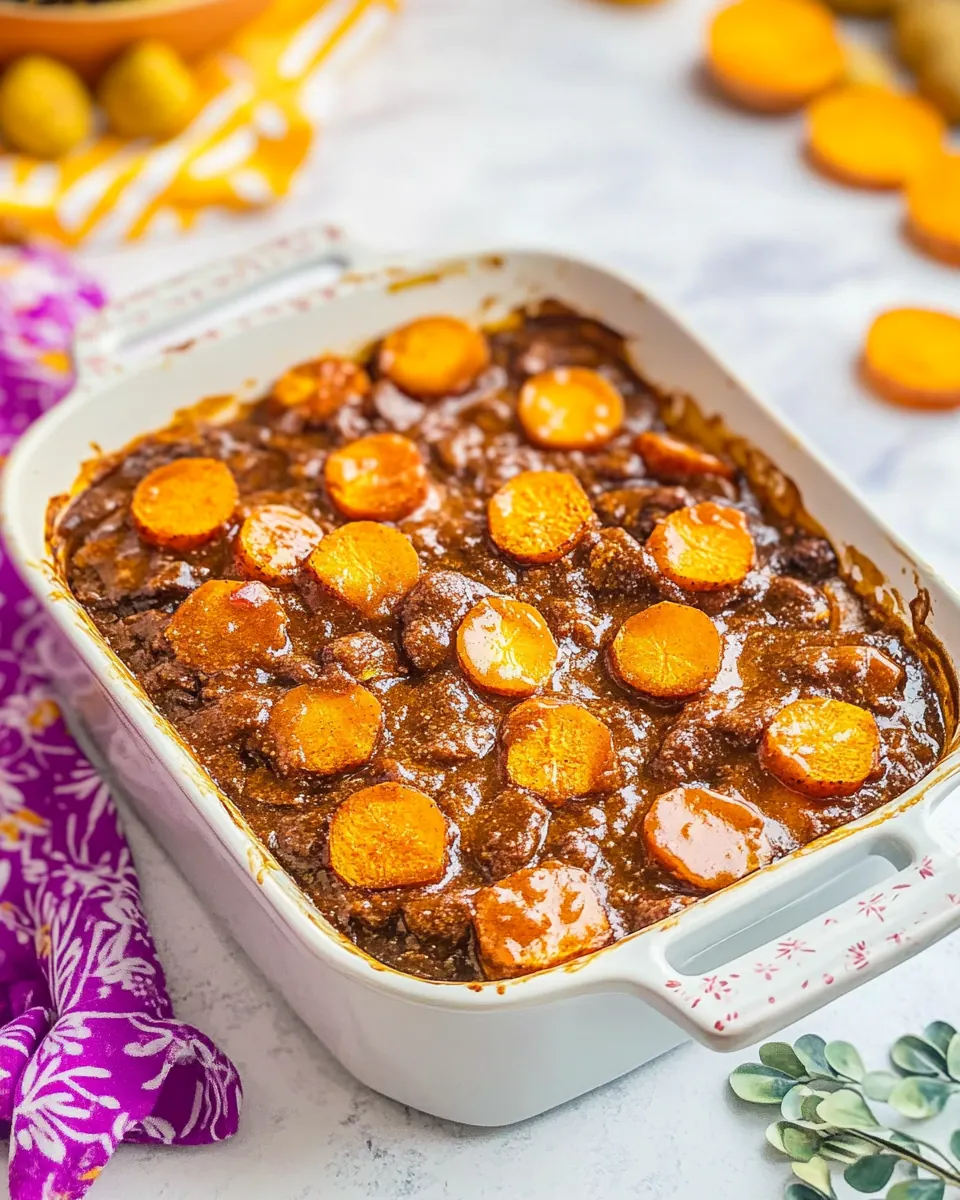
Candied Yams have been my go to side for holiday tables since my first awkward attempt at a family dinner, and they still bring that warm, nostalgic comfort every time.
There is something about the way simple ingredients come together in a skillet that makes me feel like I am holding a small miracle. Growing up I watched my aunt work a worn wooden spoon through bubbling sugar and butter while telling stories, and I learned to pay attention to tiny cues, like when the sugar just begins to gloss the sweet potatoes. Over the years I adjusted the sweetness and spice until the balance felt right to my palate, and now when I make Candied Yams I remember those evenings, the laughter, and the way the kitchen smelled like cinnamon and butter.
On a busy holiday morning I like recipes that deliver maximum comfort with minimal fuss, so this version of Candied Yams is forgiving and straightforward. I often prep the sweet potatoes earlier and keep them ready to finish in a skillet, which saves time without sacrificing texture. When guests arrive, the final simmer and glaze are the moments that earn compliments. I love how the edges of some rounds caramelize, offering a contrast to the soft center.
Recipe Snapshot
25 mins
10 mins
15 mins
Easy
200 kcal
American
Gluten-Free, Low FODMAP
Side Dishes
large wooden cutting board, peeler, large skillet
The Magic of This Candied Yams
It tastes like tradition
I find that Candied Yams capture the essence of a holiday table, they are sweet and warmly spiced, and they bring people together. The mix of brown sugar with cinnamon and nutmeg conjures familiar flavors that many of us grew up with, and that nostalgic quality makes this dish a crowd pleaser.
Simple technique, big payoff
Working in one skillet means fewer dishes, and the method concentrates flavor quickly. I appreciate how simmering the sweet potatoes in a little water and butter allows them to soften evenly, while the finishing cook reduces the sauce to a glossy coating. This approach is practical for busy cooks, and it produces a syrupy glaze that clings to the rounds.
Flexible and forgiving
I often tweak the thickness of the rounds or the simmer time depending on the tuber size, and this recipe tolerates those changes beautifully. If your sweet potatoes are larger or smaller, adjusting the simmer keeps everything tender without falling apart. That flexibility makes it one of those dishes I know I can rely on, whether I am feeding ten family members or just a few guests.
Textural contrast
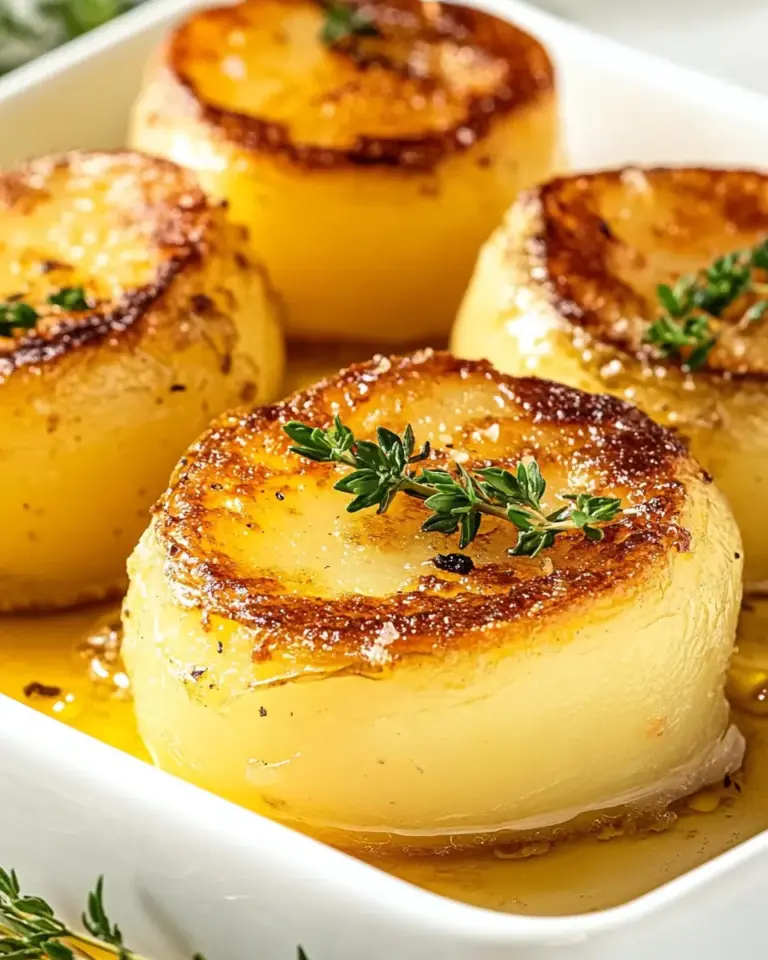
I love the contrast between the soft interior of the sweet potatoes and the slight caramelization on the edges when the sugar begins to bubble and brown. That little bit of chew and gloss adds depth, and the warm spices tie everything together. It is a small detail that elevates a simple dish into something memorable.
Great for make ahead
Because the flavors deepen as the dish rests, Candied Yams are ideal for preparing ahead of time. Reheating gently keeps the texture intact, and a touch of butter freshens the glaze. I often prepare this a day early and finish it just before serving to maintain that just made shine.
Candied Yams Shopping List
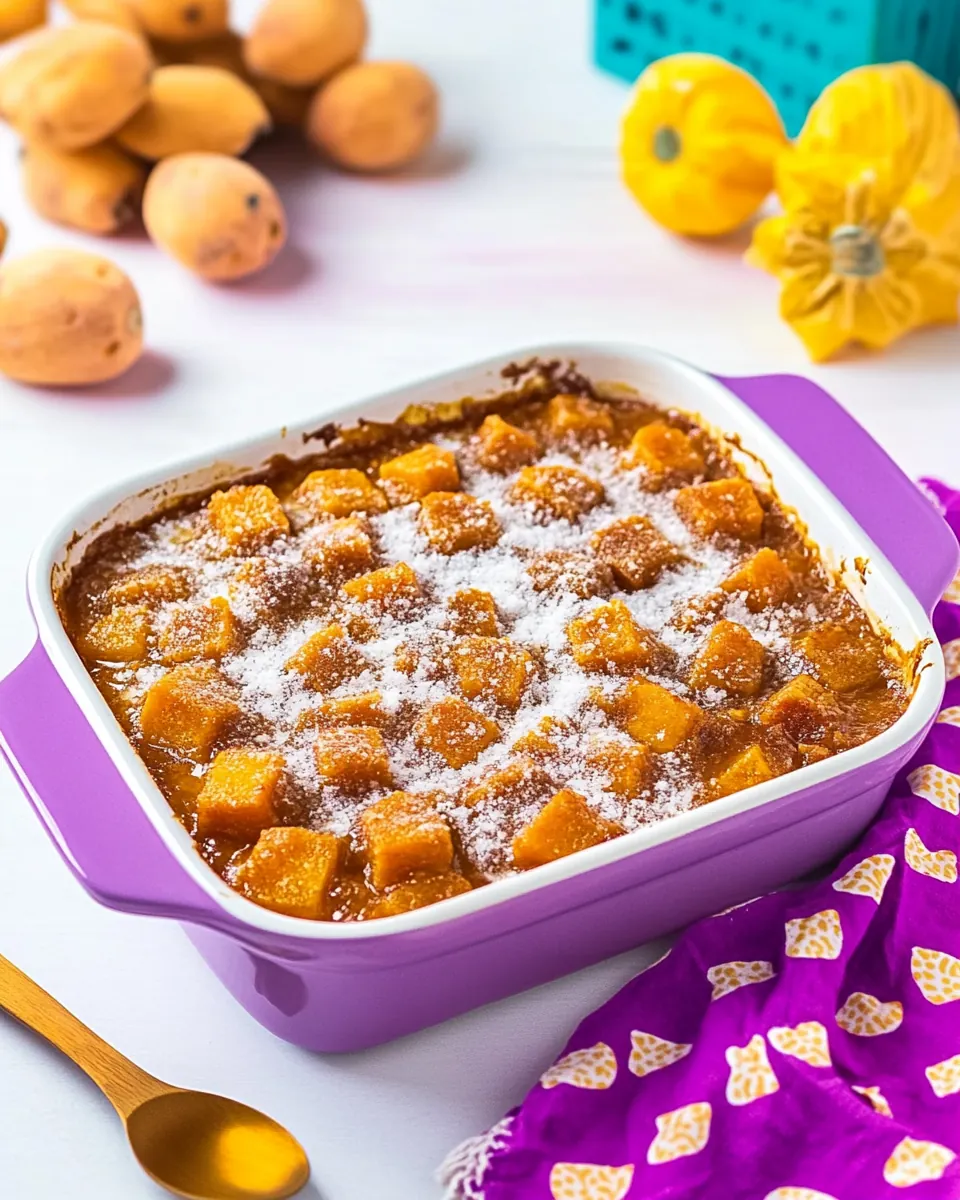
This ingredient list is built around warmth and balance. The sweet potatoes are the star, providing natural sweetness and creaminess. Butter and brown sugar form the glossy glaze, while cinnamon and nutmeg add aromatic spice. A little water helps the potatoes cook evenly, and salt and pepper sharpen the flavors so the sweetness does not become cloying.
- 5 6 sweet potatoes, peeled and cut into rounds (about 3/8 inch thick): Peeled and sliced into rounds to provide a tender, starchy base that caramelizes when baked; rounds about 3/8 inch thick ensure even cooking and a soft, forkable texture. Add natural sweetness and body to the dish while absorbing the buttery sugar glaze for rich flavor development.
- 5 6 tablespoons butter: Melted and dotted over the yams to create a glossy, rich coating that helps the brown sugar dissolve and form a syrup; butter also adds a silky mouthfeel and depth through its milk solids. Use to baste during baking so the rounds develop a golden, slightly crisped edge without drying out.
- 2/3 cup brown sugar: Dissolved into the butter and water to generate a sweet syrup that caramelizes on the potato surfaces; brown sugar contributes molasses notes and a deep caramel flavor. Measure carefully to balance sweetness and allow the spices to sing without overpowering the natural yam taste.
- 1/2 teaspoon cinnamon: Sprinkled evenly to add warm, aromatic complexity and a hint of sweetness that complements the brown sugar; cinnamon enhances the overall cozy profile of the dish. Use a modest amount so the spice accentuates rather than dominates the potatoes.
- 1/2 teaspoon nutmeg: Ground and used sparingly to provide a warm, nutty undertone with slightly sweet, woody notes that deepen the flavor profile; nutmeg pairs well with cinnamon for holiday-style warmth. A small quantity ensures the spice remains subtle and pleasant.
- 1 cup water: Poured in to create steam for even cooking and to help dissolve the sugar–butter mixture into a syrup; water keeps the yams moist and prevents burning during the initial baking stage. Adjust slightly if needed to maintain a glossy sauce but avoid making the dish soupy.
- salt and pepper to taste: Added sparingly to balance and enhance the sweet flavors while bringing out savory notes; season to taste so the overall profile isn't cloying. Pepper introduces a gentle warmth that contrasts the sweetness and rounds out the palate.
Making Candied Yams
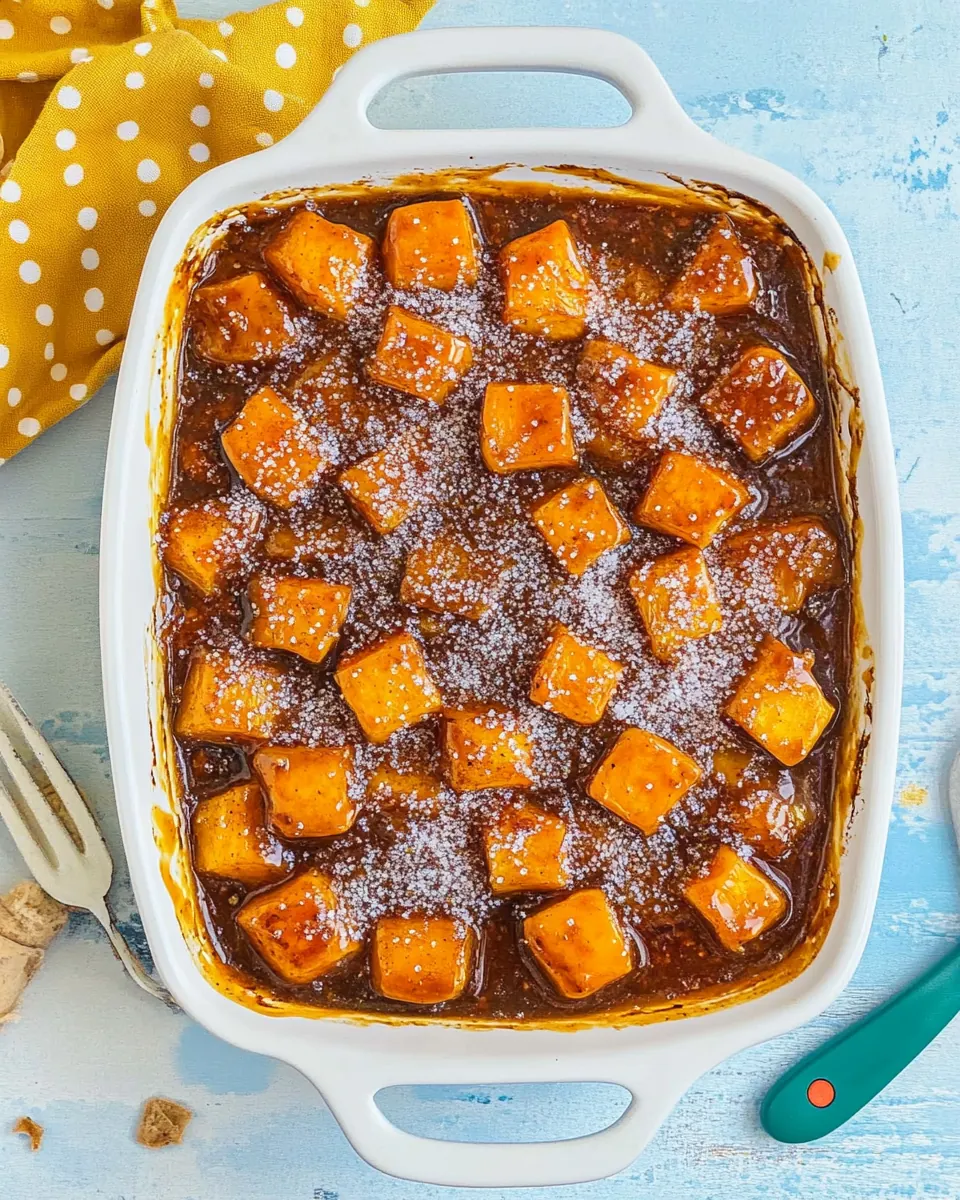
These steps are straightforward and very sensory focused, I recommend reading through once before you start so you know how the dish should look and sound at each stage. The goal is tender, glossy sweet potatoes with a syrupy glaze that clings to each round.
- Add cubed sweet potatoes, butter, brown sugar, cinnamon, nutmeg, and water to a large skillet and bring to a boil.: The moment the mixture first comes to a boil you will hear a soft rolling sound and see the sugar begin to dissolve into the liquid, creating a shiny bath for the sweet potatoes . The aroma of warm cinnamon and nutmeg will rise, signaling the spices are blooming into the sauce. This initial vigorous heat helps dissolve the brown sugar and distribute the butter , creating an even coating opportunity later. A common error here is adding too high heat and allowing the sugar to scorch, so watch closely and aim for a steady boil that is not furious.
- Turn heat down to low, cover, and simmer for 10-15 minutes without stirring.: During this covered simmer you will notice gentle steam and a softening of the sweet potatoes , their edges becoming less rigid while centers start to yield. This quiet stage lets the water and butter penetrate the flesh so the potatoes cook evenly, avoiding broken pieces. You may detect a sweet, steamy fragrance filling the kitchen. Avoid the temptation to lift the lid and stir, as disturbing the pot can cause uneven cooking and long cook times; only check at the earliest time if your rounds are very thin.
- Cook on low for an additional 4-6 minutes, stirring until potatoes are well coated. Add salt and pepper to taste.: In this finishing stage you will hear a gentle bubbling and see the liquid reduce into a thicker glaze that clings to the sweet potatoes . Stirring now helps the syrup coat every piece and encourages a few edges to caramelize, adding texture contrast. The sauce should become glossy and slightly syrupy, and the tubers should be fork tender but intact. A pitfall is stirring too energetically which can break the rounds, so use a gentle folding motion to preserve shape while ensuring even coating. At this point taste and add salt and pepper to balance the sweetness.
Tips and Tricks about Candied Yams
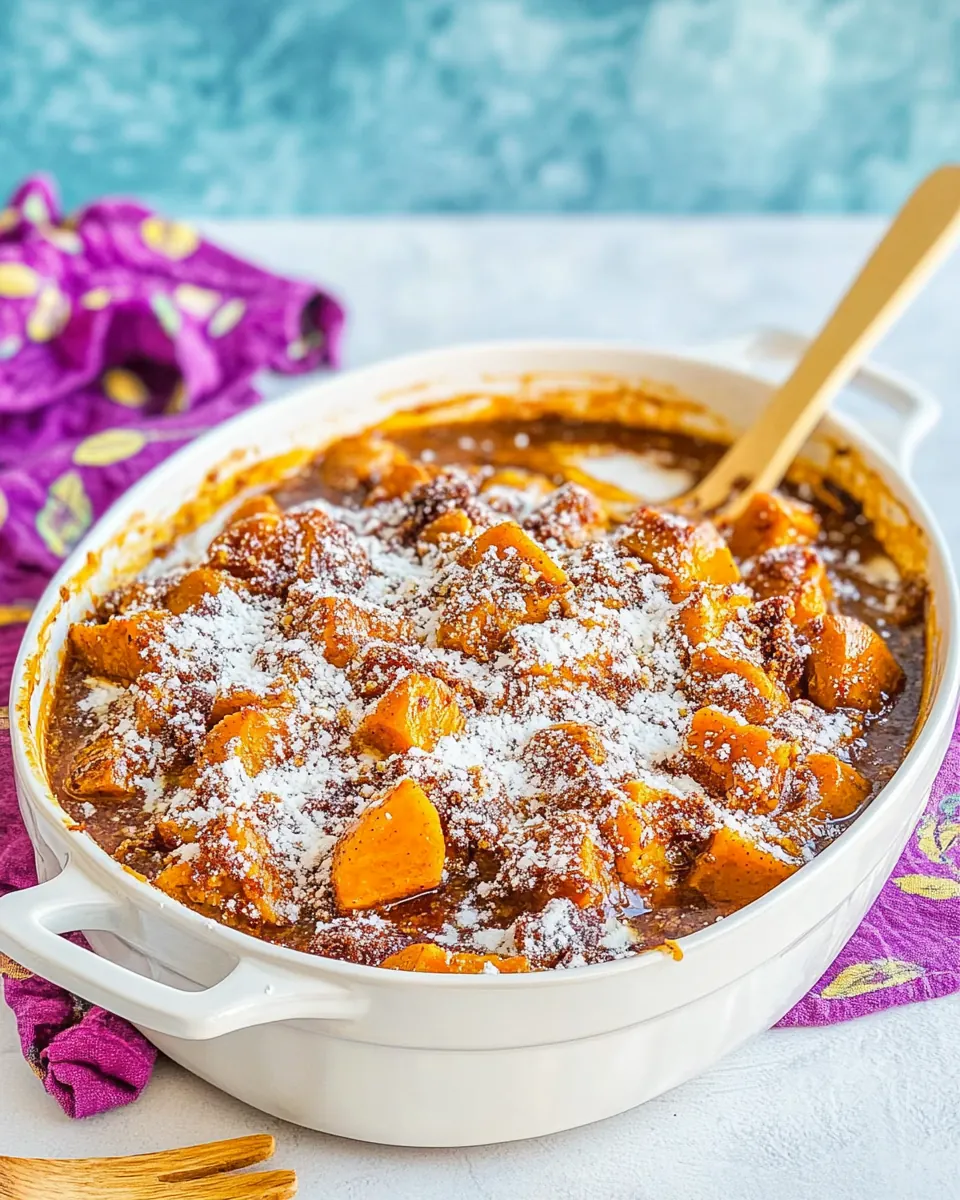
These tips reflect lessons I learned over many holiday tables, they will help you get consistent results every time you make Candied Yams.
- Trim and slice evenly Ensure the sweet potatoes are cut to consistent thickness so they cook uniformly, this prevents a mixture of underdone and falling apart pieces.
- Low and slow reduction Finish the glaze over gentle heat so the brown sugar forms a glossy coating without burning, high heat risks bitterness.
- Measure spices carefully A little cinnamon and nutmeg go a long way, add gradually and taste to avoid overpowering the natural sweetness.
- Finish with seasoning Add salt and pepper at the end to brighten flavors rather than during early cooking when it can concentrate.
- Make ahead and reheat gently Prepare a day in advance, then reheat on low with a splash of water or a dab of butter to restore the glaze and warmth.
Serving This Candied Yams
These serving ideas highlight versatility and seasonal appeal, and they aim to make the dish feel special at the table.
- Family style platter Arrange the sweet potatoes on a warm serving dish, spoon the glossy glaze over the top, and let guests help themselves for a communal feeling perfect for dinner or Thanksgiving.
- Potential sides pairing Pair with savory mains and green vegetables to balance the sweetness, the sugary glaze complements roasted or braised dishes in a hearty meal.
- Occasion fit This dish is ideal for holiday meals like Thanksgiving, or for any cozy family dinner when you want a comforting side that feeds many.
- Storage tips Cool leftovers, then store in an airtight container in the refrigerator for three to four days, the flavors deepen and can be gently reheated.
- Make ahead strategy Cook fully, refrigerate, and reheat on the stovetop with a small amount of water to loosen the glaze before serving to restore texture and shine.
FAQ
Conclusion
These Candied Yams shine because they turn simple pantry ingredients into a warm, comforting side that feels both nostalgic and effortless. Give them a try at your next family meal or holiday gathering, you might find they become the dish people ask for first. The balance of buttery glaze, warm spices, and tender tuber texture makes them a dependable choice when you want something familiar yet special on the table.
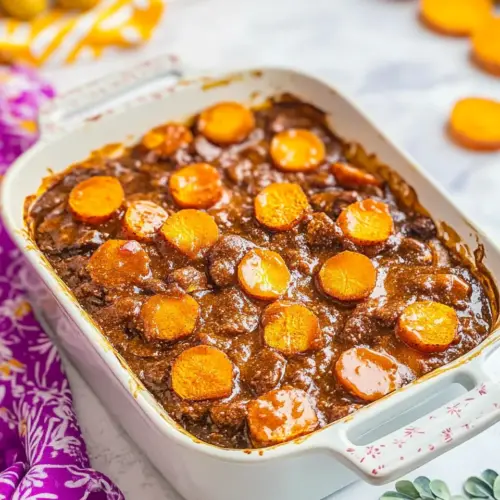
Candied Yams
Equipment
- large wooden cutting board
- Peeler
- Large Skillet
Ingredients
- 5 -6 sweet potatoes, peeled and cut into rounds (about 3/8 inch thick) Peeled and sliced into rounds to provide a tender, starchy base that caramelizes when baked; rounds about 3/8 inch thick ensure even cooking and a soft, forkable texture. Add natural sweetness and body to the dish while absorbing the buttery sugar glaze for rich flavor development.
- 5 -6 tablespoons butter Melted and dotted over the yams to create a glossy, rich coating that helps the brown sugar dissolve and form a syrup; butter also adds a silky mouthfeel and depth through its milk solids. Use to baste during baking so the rounds develop a golden, slightly crisped edge without drying out.
- 2/3 cup brown sugar Dissolved into the butter and water to generate a sweet syrup that caramelizes on the potato surfaces; brown sugar contributes molasses notes and a deep caramel flavor. Measure carefully to balance sweetness and allow the spices to sing without overpowering the natural yam taste.
- 1/2 teaspoon cinnamon Sprinkled evenly to add warm, aromatic complexity and a hint of sweetness that complements the brown sugar; cinnamon enhances the overall cozy profile of the dish. Use a modest amount so the spice accentuates rather than dominates the potatoes.
- 1/2 teaspoon nutmeg Ground and used sparingly to provide a warm, nutty undertone with slightly sweet, woody notes that deepen the flavor profile; nutmeg pairs well with cinnamon for holiday-style warmth. A small quantity ensures the spice remains subtle and pleasant.
- 1 cup water Poured in to create steam for even cooking and to help dissolve the sugar-butter mixture into a syrup; water keeps the yams moist and prevents burning during the initial baking stage. Adjust slightly if needed to maintain a glossy sauce but avoid making the dish soupy.
- salt and pepper to taste Added sparingly to balance and enhance the sweet flavors while bringing out savory notes; season to taste so the overall profile isn't cloying. Pepper introduces a gentle warmth that contrasts the sweetness and rounds out the palate.
Instructions
- Add cubed sweet potatoes, butter, brown sugar, cinnamon, nutmeg, and water to a large skillet and bring to a boil.: The moment the mixture first comes to a boil you will hear a soft rolling sound and see the sugar begin to dissolve into the liquid, creating a shiny bath for the sweet potatoes . The aroma of warm cinnamon and nutmeg will rise, signaling the spices are blooming into the sauce. This initial vigorous heat helps dissolve the brown sugar and distribute the butter , creating an even coating opportunity later. A common error here is adding too high heat and allowing the sugar to scorch, so watch closely and aim for a steady boil that is not furious.
- Turn heat down to low, cover, and simmer for 10-15 minutes without stirring.: During this covered simmer you will notice gentle steam and a softening of the sweet potatoes , their edges becoming less rigid while centers start to yield. This quiet stage lets the water and butter penetrate the flesh so the potatoes cook evenly, avoiding broken pieces. You may detect a sweet, steamy fragrance filling the kitchen. Avoid the temptation to lift the lid and stir, as disturbing the pot can cause uneven cooking and long cook times; only check at the earliest time if your rounds are very thin.
- Cook on low for an additional 4-6 minutes, stirring until potatoes are well coated. Add salt and pepper to taste.: In this finishing stage you will hear a gentle bubbling and see the liquid reduce into a thicker glaze that clings to the sweet potatoes . Stirring now helps the syrup coat every piece and encourages a few edges to caramelize, adding texture contrast. The sauce should become glossy and slightly syrupy, and the tubers should be fork tender but intact. A pitfall is stirring too energetically which can break the rounds, so use a gentle folding motion to preserve shape while ensuring even coating. At this point taste and add salt and pepper to balance the sweetness.
Notes
- Trim and slice evenly Ensure the sweet potatoes are cut to consistent thickness so they cook uniformly, this prevents a mixture of underdone and falling apart pieces.
- Low and slow reduction Finish the glaze over gentle heat so the brown sugar forms a glossy coating without burning, high heat risks bitterness.
- Measure spices carefully A little cinnamon and nutmeg go a long way, add gradually and taste to avoid overpowering the natural sweetness.
- Finish with seasoning Add salt and pepper at the end to brighten flavors rather than during early cooking when it can concentrate.
- Make ahead and reheat gently Prepare a day in advance, then reheat on low with a splash of water or a dab of butter to restore the glaze and warmth.