Escarole Soup
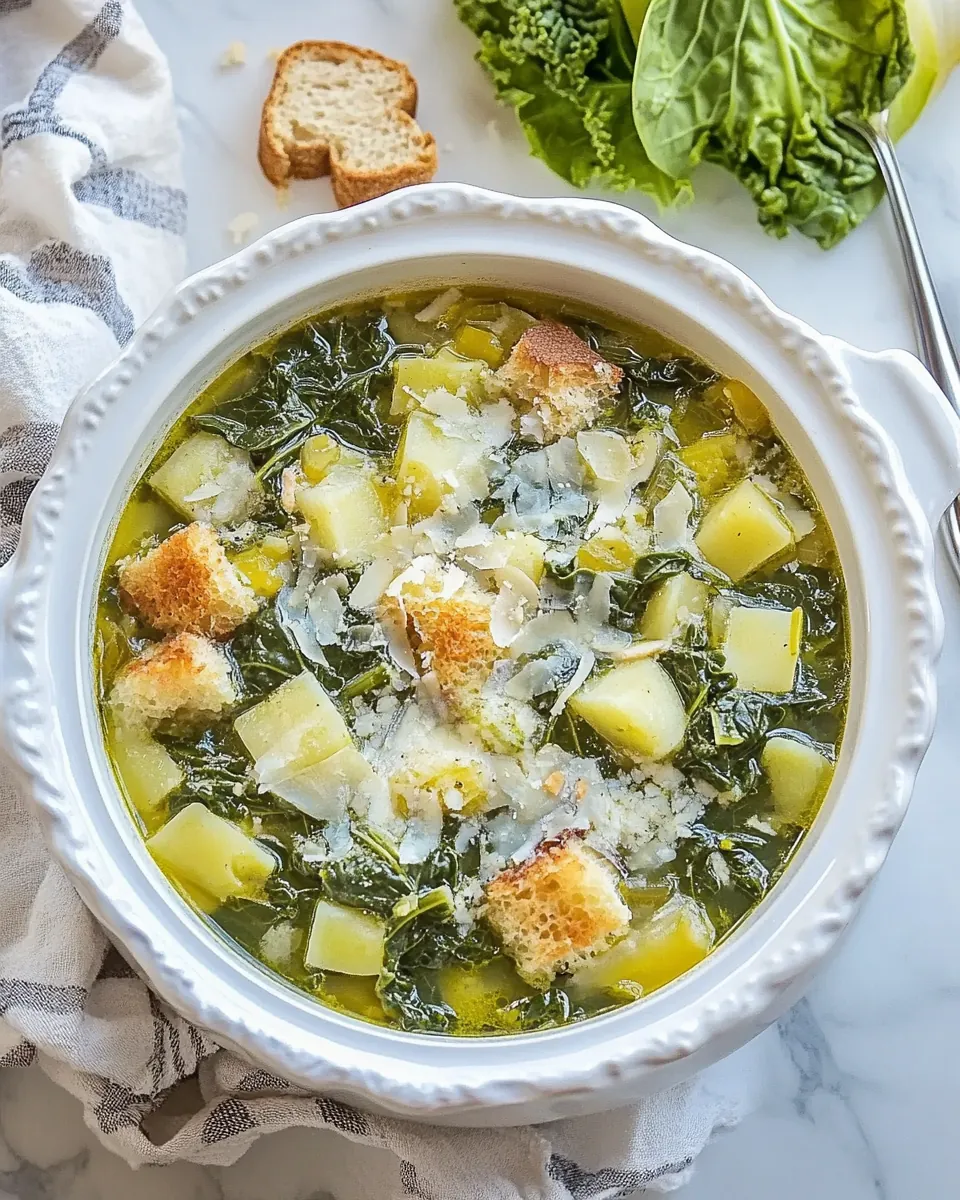
Escarole Soup is a recipe I’ve come back to on chilly evenings when I want something simple, soulful, and unfussy. Growing up my family always reached for leafy greens when we needed comfort, and escarole was the underdog that quietly stole the show. I remember carrying home a bunch from the market, its crinkled leaves smelling faintly of green earth, and knowing the pot on the stove would turn into something warm and bracing.
There is a small ritual that makes this version special to me. I like to toast the Small shells pasta briefly after draining so it holds its shape in the broth and does not go floppy. While I stir, the kitchen fills with the scent of Garlic sizzling in Olive oil, and the escarole wilts down into tender ribbons. It is the kind of bowl that feels like a hug and eats like a light meal, perfect for when you want comfort without heaviness.
Recipe Snapshot
20 mins
5 mins
15 mins
Easy
250 kcal
Italian
Gluten-Free, Vegan
Soups
Stockpot, Cast-iron Dutch Oven (3-quart / 2.8 liter)
The Beauty of This Escarole Soup
Heartwarming simplicity
I adore how Escarole Soup turns a few humble pantry items into something nourishing and soothing. This recipe relies on basic techniques, not elaborate ingredients, which is why I reach for it when time is short but care is required. The result is a bowl that feels thoughtfully prepared even though it comes together quickly.
Bright, layered flavors
I love the way the Lemon juice lifts the savory broth and brightens the Cannellini or White beans. That small splash transforms the profile from plain to memorable, giving a light tang that keeps every spoonful interesting. The balance of soft beans, tender greens, and al dente Small shells pasta creates a pleasing textural contrast.
Comfort that is also light
Because the base is Vegetable broth, this recipe feels generous without weighing you down. It is an excellent option for evenings when you want something warm and restorative, yet easy on the stomach. I find it works well for a cozy solo dinner or as a starter before a bigger meal.
Flexible and forgiving
I appreciate recipes that tolerate small variations, and this one does. You can nudge the seasoning with extra Salt and Pepper to taste, or sprinkle a little Vegan Parmesan Cheese optional for a savory finish. It forgives timing and slight measurement drift, which is a big relief on busy nights.
Quick weeknight champion
It takes minimal effort to make a satisfying pot of Escarole Soup. From washing the greens to simmering everything together, the method is straightforward and fast. For me, that means I can serve something warm and homemade without a long prep, and that reliability is worth celebrating.
Everything You Need for Escarole Soup
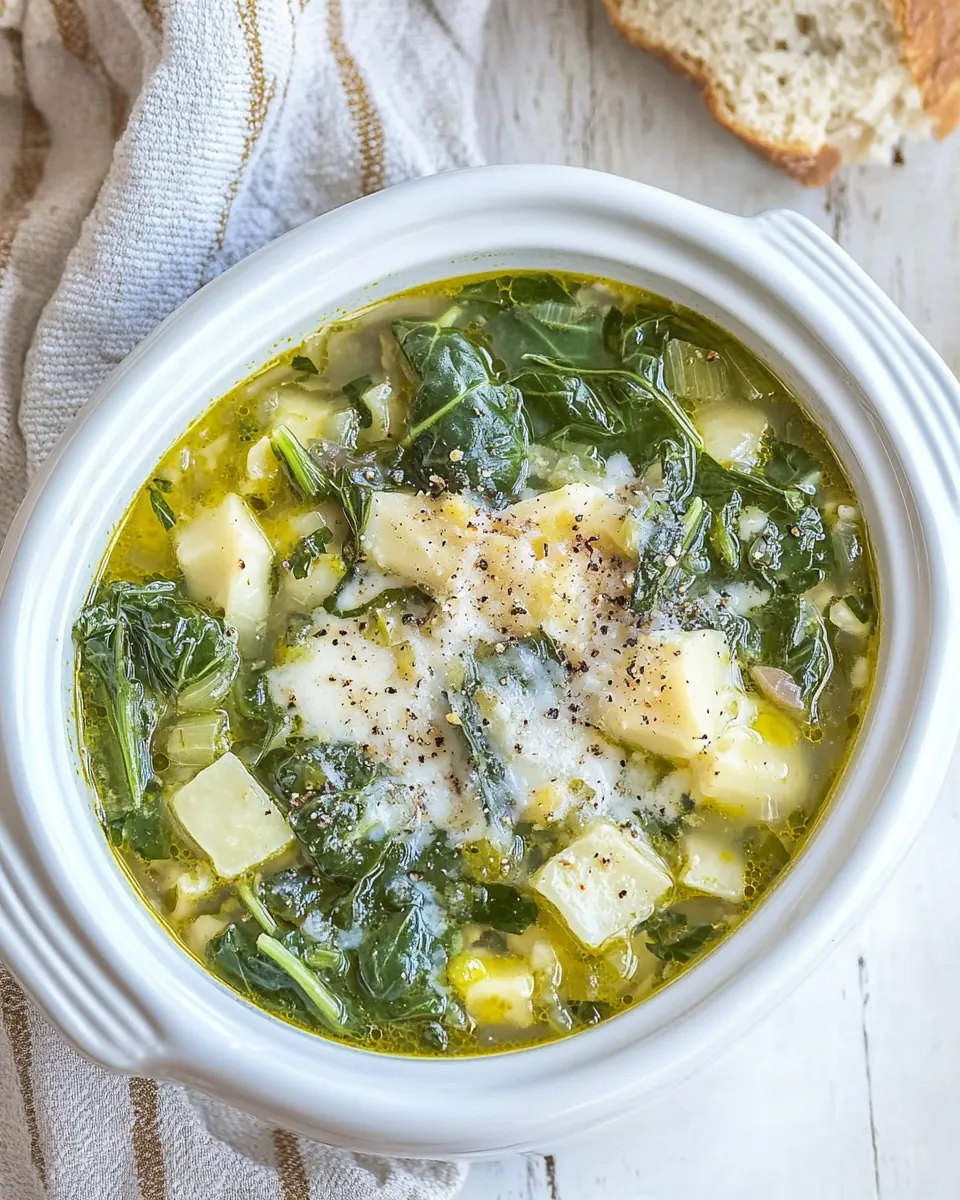
These ingredients read like a pantry pantry-first philosophy, where a few strong players carry the dish. The Vegetable broth is the stage, the Escarole provides leafy texture, and the Cannellini or White beans add creamy heft. The Small shells pasta brings a comforting chew, while Garlic and Olive oil build a savory foundation. A splash of Lemon juice ties everything together with brightness.
- 1 lb Escarole: Wilt and brighten leafy greens to provide a tender, slightly bitter base that adds body and fresh flavor to the soup; chop into bite-sized pieces so they cook evenly and integrate with the broth. Release nutrients and a pleasant texture when simmered briefly, balancing heartier ingredients like beans and pasta.
- 2 tbsp Olive oil: Sauté in a pan to gently cook garlic and aromatics, creating a fragrant medium that helps carry flavors throughout the soup. Contribute healthy fats and a subtle fruitiness while preventing ingredients from sticking to the pot.
- 4 cloves Garlic: Crush or mince to release pungent, savory aroma that deepens the soup’s overall flavor profile; add early to bloom in the oil and avoid raw sharpness. Provide an umami edge that complements the beans and broth.
- 4 cup Vegetable broth: Simmer as the flavorful liquid foundation that cooks and melds all components, imparting savory depth and allowing starches to loosen for a cohesive texture. Adjust warmth and seasoning during cooking to achieve the desired consistency and balance.
- 3.5 oz Small shells pasta: Cook until al dente to offer small, tender bites that absorb broth and add satisfying body to each spoonful; choose small shells to trap beans and greens for balanced bites. Add near the end of cooking to avoid overcooking and preserve texture.
- 12 oz Cannellini or White beans: Rinse and drain to introduce creamy protein and a subtle nutty flavor while enhancing the soup’s heartiness and nutrition; mash a portion for natural thickening if desired. Provide plant-based protein and fiber that make the dish more filling.
- 1 tbsp Lemon juice (freshly squeezed): Squeeze fresh to brighten and lift the soup with vibrant acidity that balances richness and enhances other flavors; stir in at the end to preserve citrus freshness. Use sparingly and taste to reach a lively, balanced finish.
- Salt and Pepper to taste: Season to enhance and balance flavors throughout the cooking process; add incrementally and taste as the soup reduces to avoid over-salting. Use freshly ground pepper for aromatic heat and adjust to personal preference.
- Vegan Parmesan Cheese (optional): Sprinkle optionally to introduce a savory, salty, cheesy note that mimics dairy Parmesan for added umami; grate or sprinkle sparingly over individual bowls. Use as a finishing touch to elevate flavor without overpowering the delicate greens and broth.
The Process for Making Escarole Soup
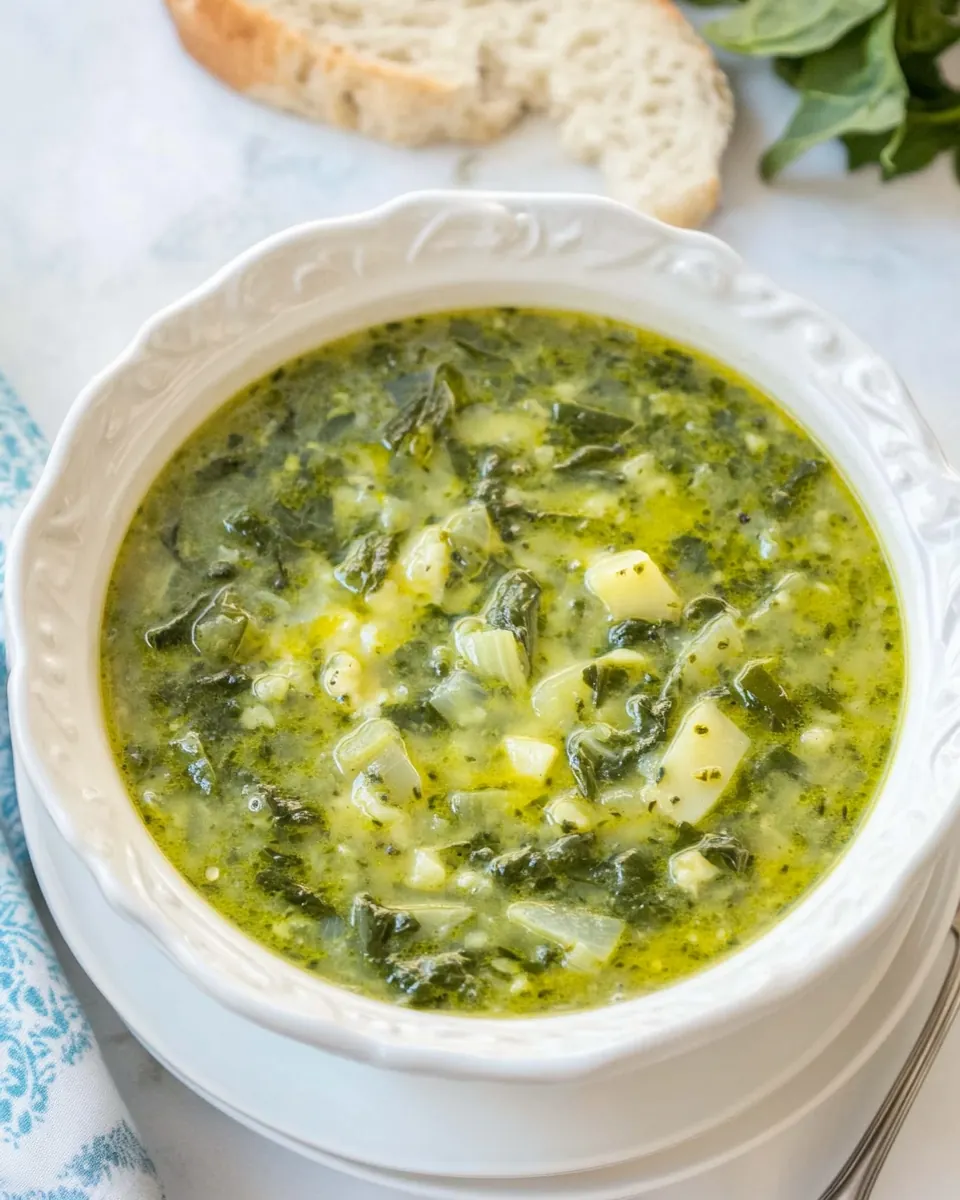
This is a hands on, approachable soup that comes together quickly. Keep your mise en place ready so the transitions from sauté to simmer feel natural. As you follow the steps, pay attention to textures and aromas because they tell you when to move on to the next stage.
- Wash the fresh escarole. Cut it to even squares.: The first sensory cue is the fresh, green scent as you rinse the leaves, and the feel of crisp foliage in your hands. Washing removes grit trapped between the leaves, so I like to separate them and swish under cold running water until the liquid runs clear. Pat or spin dry to avoid adding excess water to the pot, which can dilute the broth. Cutting into even squares creates uniform cooking and prevents some pieces from overcooking while others remain tough. A common mistake is skipping a thorough wash, which leaves sandy grit at the bottom of the bowl, so take that extra minute to be sure your greens are clean.
- Cook pasta as per package instructions.: When boiling the Small shells pasta , you should hear a steady gentle boil and see the water roiling; it helps to salt the water like the sea for flavor. Cook it to al dente, where the center has a slight bite and the surface is tender. Drain the pasta and give it a quick toss with a little oil if you are not adding it immediately, so the shapes do not stick together. The tactile test is key, because overcooked pasta will become mushy in the soup, while undercooked shells will be hard to bite. Avoid leaving the pasta in hot water after draining, which keeps cooking it beyond the packet time.
- Heat a stockpot on medium-low heat and add olive oil. Add chopped garlic and cook for 2-3 minutes. Stir frequently so garlic does not burn.: You will notice the Olive oil shimmer when it is warm but not smoking, and the room will begin to smell warmly of garlic. Gentle heat extracts the essential flavors without charring the garlic. Stirring is important because garlic browns quickly and burned garlic tastes bitter and harsh. The goal is soft, golden pieces that smell sweet and aromatic. A common error is cranking the heat, which shortens the window between fragrant and burnt, so maintain medium-low and stay attentive.
- Add chopped escarole. Season with salt and black pepper. Stir well. Cook for 2-3 minutes until it has welted to half the size.: As the Escarole hits the pot it wilts rapidly and releases a bright green steam, softening into ribbons. You should hear a gentle sizzle and see the leaves shrink and glossy edges form, signaling the release of moisture and flavor. Seasoning at this stage allows the salt to draw out the green flavors and help the leaves soften evenly. Stir consistently so the stems and leaves cook at the same rate. Avoid overcrowding the pan, which causes uneven wilting and may trap water, making the greens stew rather than sauté.
- Now add vegetable broth. Bring it to a boil.: Pour in the Vegetable broth and notice the steam increase and tiny bubbles forming at the edges as it edges toward a boil. Bringing the pot to a boil briefly wakes up the flavors and helps marry the escarole with the broth. Once it bubbles, lower to a gentle simmer so the soup remains lively without aggressive boiling that could break the pasta later. A mistake I often see is adding broth and immediately over boiling, which can roughen delicate textures; control the heat and aim for steady, gentle movement in the pot.
- Add pre-cooked pasta, drained white beans and lemon juice. Stir well. Cook for a couple of minutes.: When you fold in the drained Small shells pasta and Cannellini or White beans , you should see the liquid coat them, and hear a soft plop as they settle into the broth. The beans add creaminess while the pasta soaks up flavor. The final splash of Lemon juice brightens the whole pot without cooking away; the aroma becomes fresh and slightly citrusy. Let everything warm together so the flavors combine, and taste to adjust Salt and Pepper to taste . Overcooking at this step can cause the pasta to disintegrate and the beans to fall apart, so keep it brief and hands on.
Recipe Notes about Escarole Soup
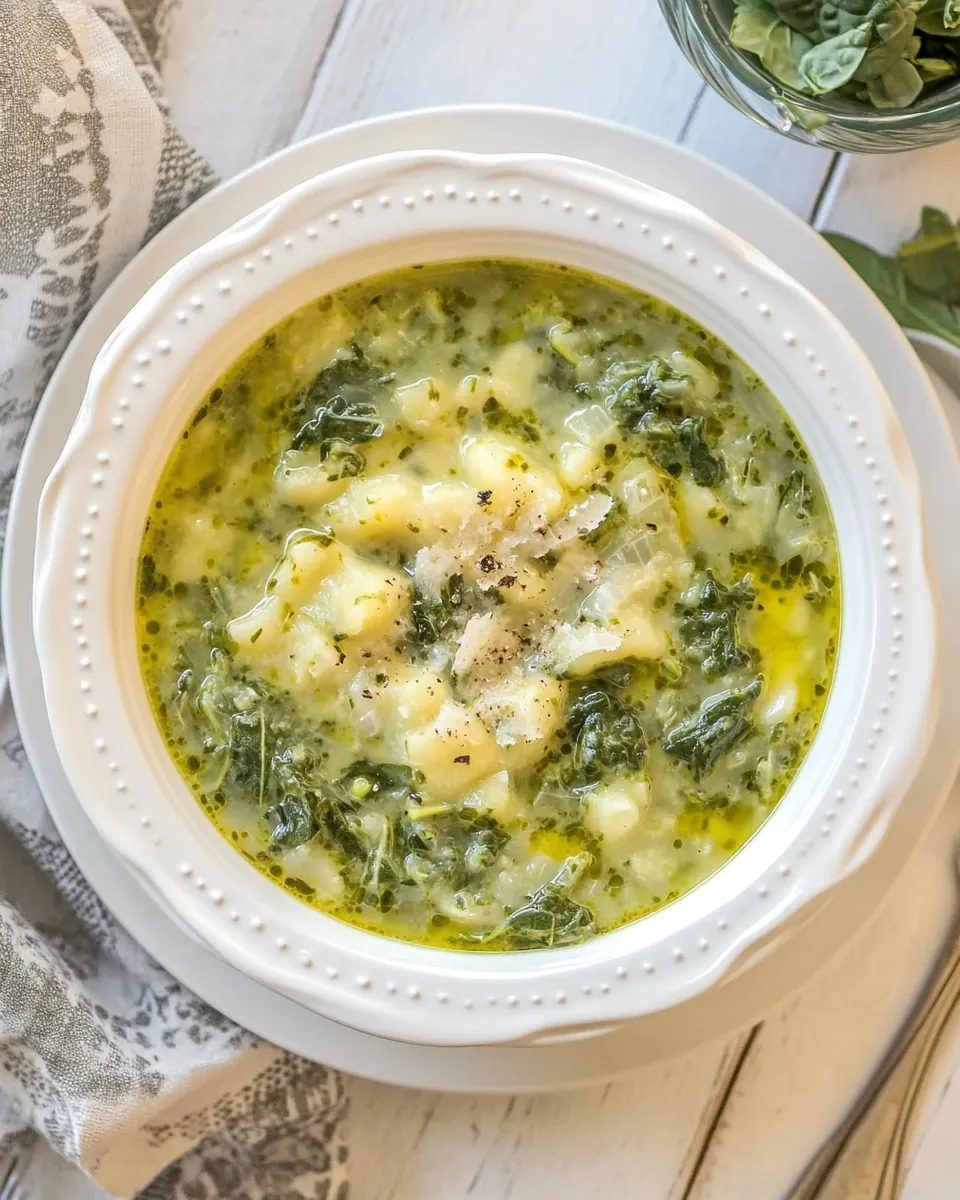
This recipe is forgiving, but there are a few small techniques that elevate it from good to great. Below are focused notes that help with timing, seasoning, and texture. Treat them as easy checkpoints while you cook.
- Choose fresh escarole for the best texture, looking for crisp leaves and avoiding brown spots to ensure the greens wilt beautifully rather than becoming limp.
- Mind the garlic by cooking it on medium-low, stirring often so it becomes golden and aromatic rather than bitter, which would upset the soup’s balance.
- Salt gradually by seasoning during wilting and again after the beans and pasta are added, tasting so you reach a bright, balanced finish instead of oversalting early.
- Use quality broth because the soup’s flavor comes mainly from the liquid, so a well seasoned Vegetable broth yields a richer, more layered bowl.
- Add lemon last to maintain the fresh citrus lift, a little goes a long way and brightens the whole pot without adding acidity while cooking.
Serving Options for Escarole Soup
This soup is versatile for many occasions, from a simple lunch to a comforting dinner. Think of it as a light main or a starter that pairs well with rustic sides, and remember that warm bowls are especially welcome during colder months. Below I outline serving ideas, pairings, and storage tips to help you plan the meal.
- Simple weeknight dinner Serve the soup alone in a deep bowl with a sprinkle of Vegan Parmesan Cheese optional if you want a savory finish, making it a quick, satisfying solo meal.
- Light lunch Pair the bowl with a wedge of whole grain bread for dipping, offering a bit of chew without overwhelming the delicate broth and greens.
- Starter for dinner Present small portions as a first course before a larger main; its lightness preps the palate for richer dishes while keeping the meal balanced.
- Seasonal hosting This is ideal during winter because the warm broth and leafy greens feel restorative, making it a cozy addition to a casual seasonal menu.
- Storage and reheating Cool quickly and store in an airtight container up to three days. Reheat gently on the stove so the Small shells pasta and Cannellini or White beans retain their texture; vigorous boiling can break them down.
- Occasion flexibility Use this soup for quiet nights at home or as part of a modest holiday table, its simplicity allows it to fit many contexts without stealing the show.
FAQ
Conclusion
Escarole Soup stands out for its comforting simplicity and bright, layered flavors. It combines tender greens, creamy beans, and pasta in a light yet satisfying broth that is quick to prepare and easy to love. Try this recipe on a chilly evening when you want something homemade without fuss, and you may find it becomes a reliable favorite. I hope you enjoy the warm, clean flavors and the small rituals that make this bowl feel like home.
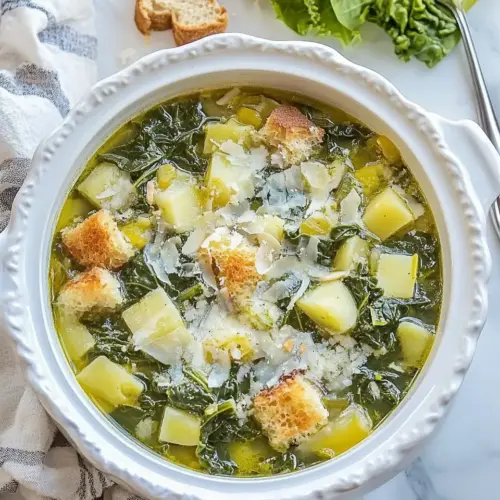
Escarole Soup
Equipment
- Stockpot
- Cast-iron Dutch Oven (3-quart / 2.8 liter)
Ingredients
- 1 lb Escarole Wilt and brighten leafy greens to provide a tender, slightly bitter base that adds body and fresh flavor to the soup; chop into bite-sized pieces so they cook evenly and integrate with the broth. Release nutrients and a pleasant texture when simmered briefly, balancing heartier ingredients like beans and pasta.
- 2 tbsp Olive oil Sauté in a pan to gently cook garlic and aromatics, creating a fragrant medium that helps carry flavors throughout the soup. Contribute healthy fats and a subtle fruitiness while preventing ingredients from sticking to the pot.
- 4 cloves Garlic Crush or mince to release pungent, savory aroma that deepens the soup’s overall flavor profile; add early to bloom in the oil and avoid raw sharpness. Provide an umami edge that complements the beans and broth.
- 4 cup Vegetable broth Simmer as the flavorful liquid foundation that cooks and melds all components, imparting savory depth and allowing starches to loosen for a cohesive texture. Adjust warmth and seasoning during cooking to achieve the desired consistency and balance.
- 3.5 oz Small shells pasta Cook until al dente to offer small, tender bites that absorb broth and add satisfying body to each spoonful; choose small shells to trap beans and greens for balanced bites. Add near the end of cooking to avoid overcooking and preserve texture.
- 12 oz Cannellini or White beans Rinse and drain to introduce creamy protein and a subtle nutty flavor while enhancing the soup’s heartiness and nutrition; mash a portion for natural thickening if desired. Provide plant-based protein and fiber that make the dish more filling.
- 1 tbsp Lemon juice (freshly squeezed) Squeeze fresh to brighten and lift the soup with vibrant acidity that balances richness and enhances other flavors; stir in at the end to preserve citrus freshness. Use sparingly and taste to reach a lively, balanced finish.
- Salt and Pepper to taste Season to enhance and balance flavors throughout the cooking process; add incrementally and taste as the soup reduces to avoid over-salting. Use freshly ground pepper for aromatic heat and adjust to personal preference.
- Vegan Parmesan Cheese optional Sprinkle optionally to introduce a savory, salty, cheesy note that mimics dairy Parmesan for added umami; grate or sprinkle sparingly over individual bowls. Use as a finishing touch to elevate flavor without overpowering the delicate greens and broth.
Instructions
- Wash the fresh escarole. Cut it to even squares.: The first sensory cue is the fresh, green scent as you rinse the leaves, and the feel of crisp foliage in your hands. Washing removes grit trapped between the leaves, so I like to separate them and swish under cold running water until the liquid runs clear. Pat or spin dry to avoid adding excess water to the pot, which can dilute the broth. Cutting into even squares creates uniform cooking and prevents some pieces from overcooking while others remain tough. A common mistake is skipping a thorough wash, which leaves sandy grit at the bottom of the bowl, so take that extra minute to be sure your greens are clean.
- Cook pasta as per package instructions.: When boiling the Small shells pasta , you should hear a steady gentle boil and see the water roiling; it helps to salt the water like the sea for flavor. Cook it to al dente, where the center has a slight bite and the surface is tender. Drain the pasta and give it a quick toss with a little oil if you are not adding it immediately, so the shapes do not stick together. The tactile test is key, because overcooked pasta will become mushy in the soup, while undercooked shells will be hard to bite. Avoid leaving the pasta in hot water after draining, which keeps cooking it beyond the packet time.
- Heat a stockpot on medium-low heat and add olive oil. Add chopped garlic and cook for 2-3 minutes. Stir frequently so garlic does not burn.: You will notice the Olive oil shimmer when it is warm but not smoking, and the room will begin to smell warmly of garlic. Gentle heat extracts the essential flavors without charring the garlic. Stirring is important because garlic browns quickly and burned garlic tastes bitter and harsh. The goal is soft, golden pieces that smell sweet and aromatic. A common error is cranking the heat, which shortens the window between fragrant and burnt, so maintain medium-low and stay attentive.
- Add chopped escarole. Season with salt and black pepper. Stir well. Cook for 2-3 minutes until it has welted to half the size.: As the Escarole hits the pot it wilts rapidly and releases a bright green steam, softening into ribbons. You should hear a gentle sizzle and see the leaves shrink and glossy edges form, signaling the release of moisture and flavor. Seasoning at this stage allows the salt to draw out the green flavors and help the leaves soften evenly. Stir consistently so the stems and leaves cook at the same rate. Avoid overcrowding the pan, which causes uneven wilting and may trap water, making the greens stew rather than sauté.
- Now add vegetable broth. Bring it to a boil.: Pour in the Vegetable broth and notice the steam increase and tiny bubbles forming at the edges as it edges toward a boil. Bringing the pot to a boil briefly wakes up the flavors and helps marry the escarole with the broth. Once it bubbles, lower to a gentle simmer so the soup remains lively without aggressive boiling that could break the pasta later. A mistake I often see is adding broth and immediately over boiling, which can roughen delicate textures; control the heat and aim for steady, gentle movement in the pot.
- Add pre-cooked pasta, drained white beans and lemon juice. Stir well. Cook for a couple of minutes.: When you fold in the drained Small shells pasta and Cannellini or White beans , you should see the liquid coat them, and hear a soft plop as they settle into the broth. The beans add creaminess while the pasta soaks up flavor. The final splash of Lemon juice brightens the whole pot without cooking away; the aroma becomes fresh and slightly citrusy. Let everything warm together so the flavors combine, and taste to adjust Salt and Pepper to taste . Overcooking at this step can cause the pasta to disintegrate and the beans to fall apart, so keep it brief and hands on.
Notes
- Choose fresh escarole for the best texture, looking for crisp leaves and avoiding brown spots to ensure the greens wilt beautifully rather than becoming limp.
- Mind the garlic by cooking it on medium-low, stirring often so it becomes golden and aromatic rather than bitter, which would upset the soup's balance.
- Salt gradually by seasoning during wilting and again after the beans and pasta are added, tasting so you reach a bright, balanced finish instead of oversalting early.
- Use quality broth because the soup's flavor comes mainly from the liquid, so a well seasoned Vegetable broth yields a richer, more layered bowl.
- Add lemon last to maintain the fresh citrus lift, a little goes a long way and brightens the whole pot without adding acidity while cooking.