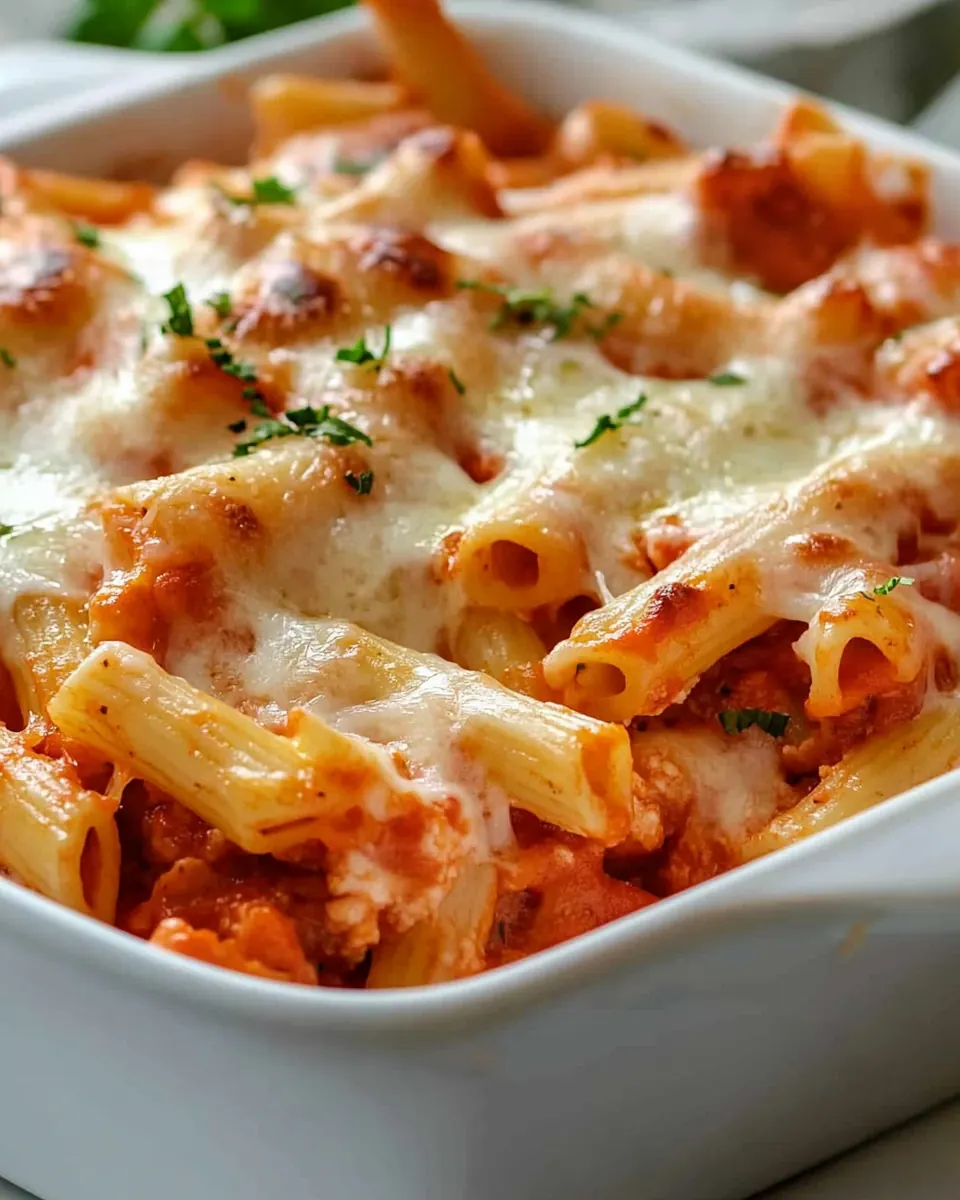
Baked Ziti without Ricotta
Baked Ziti without Ricotta has been one of those dishes I turn to when I want comfort without fuss, a bubbling tray of pasta that fills the house with warm, savory scent and invites everyone to the table. I first learned this version during a chilly evening when I ran out of ricotta but had plenty of cream cheese and mozzarella, and the result felt like a happy accident that became a favorite.
I remember carrying the hot casserole to the counter, the aroma of marinara sauce and melting mozzarella cheese rising in comforting waves. Each bite was creamy yet saucy, with the Parmesan cheese adding a salty lift and the fresh pop of basil cutting through the richness. That meal cemented this version in my rotation, especially for nights when I want something that feeds a crowd and still feels homey.
Over the years I’ve tweaked small things, like shredding my own mozzarella cheese for better melt and folding the sauce into the pasta so every bite is coated. What I love is how forgiving Baked Ziti without Ricotta is, it’s a great canvas for pantry staples and simple swaps, yet it always returns that particular cheesy, saucy comfort that feels like a hug. When friends ask for an easy weeknight winner, this is what I make.
Recipe Snapshot
1 hr 5 mins
15 mins
50 mins
Medium
450 kcal
Italian
Gluten-Free, Low FODMAP
Dinner
Saucepan, Oven, 11×9 casserole dish, Colander
Why This Baked Ziti without Ricotta Is a Winner
Classic comfort without the fuss
I adore how Baked Ziti without Ricotta gives you that rich, baked pasta experience without needing ricotta, so the preparation feels simpler yet still indulgent. The combination of cream cheese and mozzarella cheese creates a creamy backbone that clings to each piece of ziti pasta, so every forkful is satisfying.
Great for feeding a crowd
I’ve found this recipe scales beautifully. A single 11 by 9 casserole can satisfy a family dinner or a small gathering, which is why I keep it in the rotation for casual get togethers. It’s forgiving if you need to double quantities, and leftover slices reheat wonderfully.
Simple, pantry friendly ingredients
One reason I keep returning to this version is its reliance on staples like a jar of marinara sauce and a brick of cream cheese. You don’t need specialty cheeses or hard to find items, so it works when life is busy and I want a satisfying meal fast.
Texture and flavor balance
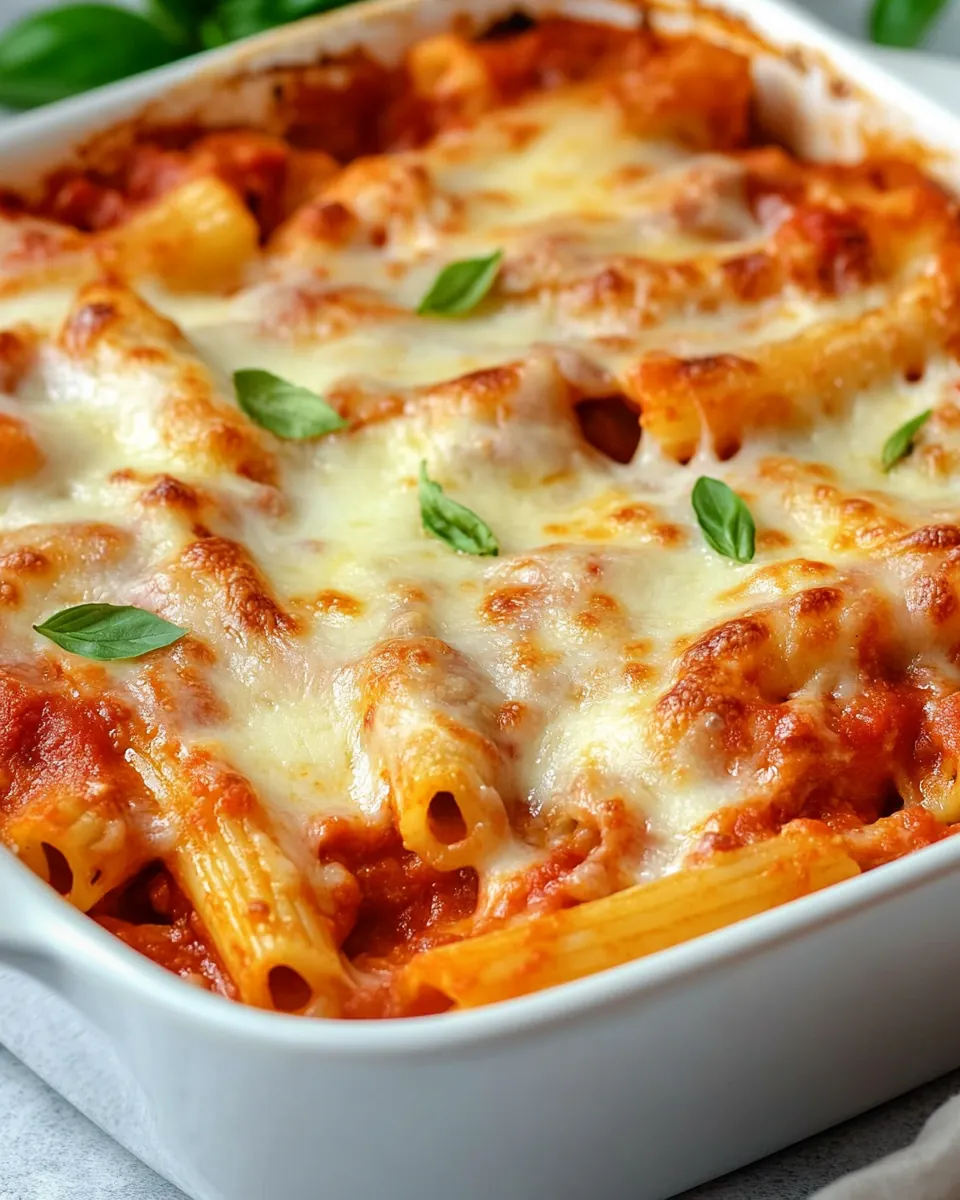
The interplay between gooey mozzarella cheese and the sharper hit of Parmesan cheese gives this dish depth. I love the crunchy, golden top contrasted with the soft, saucy interior. That texture contrast is a big reason I make it often.
Fresh finishing touches
A sprinkle of fresh basil at the end lifts the whole dish, adding a bright, herbal note that stops the casserole from feeling overly heavy. I always enjoy how a small fresh ingredient transforms the entire plate.
Ingredients Required for Baked Ziti without Ricotta
This lineup is built to deliver maximum comfort with minimal fuss. The strategy is simple: sturdy pasta for structure, a rich tomato base for flavor, and melting cheeses for creaminess. The fresh basil brightens the final dish and acts as a finishing contrast.
- 1 pound dry ziti pasta (1 box): Cook thoroughly until al dente to provide the pasta base and structure for the baked casserole, absorbing sauce and flavors without becoming mushy. Drain well to prevent excess water from thinning the sauce and ensure proper texture during baking.
- 32 ounces marinara sauce (1 jar): Pour evenly to coat the pasta and bind the components together, delivering the primary tomato flavor and moisture for the casserole. Simmer briefly if desired to deepen flavor and reduce excess acidity before combining with pasta.
- 8 ounces cream cheese room temperature (1 brick): Soften and blend until smooth to create a creamy, tangy layer that replaces ricotta while adding richness and body to the casserole. Beat at room temperature to prevent lumps and help it incorporate evenly with sauce and cheeses.
- 16 ounces freshly shredded mozzarella cheese divided: Melt and brown on top to provide gooey, stretchy texture and a golden, bubbly finish when baked; reserve part for mixing with the pasta for creaminess. Shred fresh for best melting characteristics and even distribution throughout the dish.
- 1/2 cup freshly grated Parmesan cheese divided: Sprinkle for savory umami and a slightly nutty finish, enhancing overall depth and complementing the cheeses and tomato sauce. Divide to mix some into the filling for flavor and sprinkle more on top for a crisp, flavorful crust.
- 1/4 cup chopped fresh basil divided: Chop finely to add bright, aromatic herb notes that lift the richness of the cheese and tomato sauce; use divided to infuse flavor throughout. Stir some into the pasta mixture and reserve a portion to garnish the finished bake for freshness.
Making Baked Ziti without Ricotta
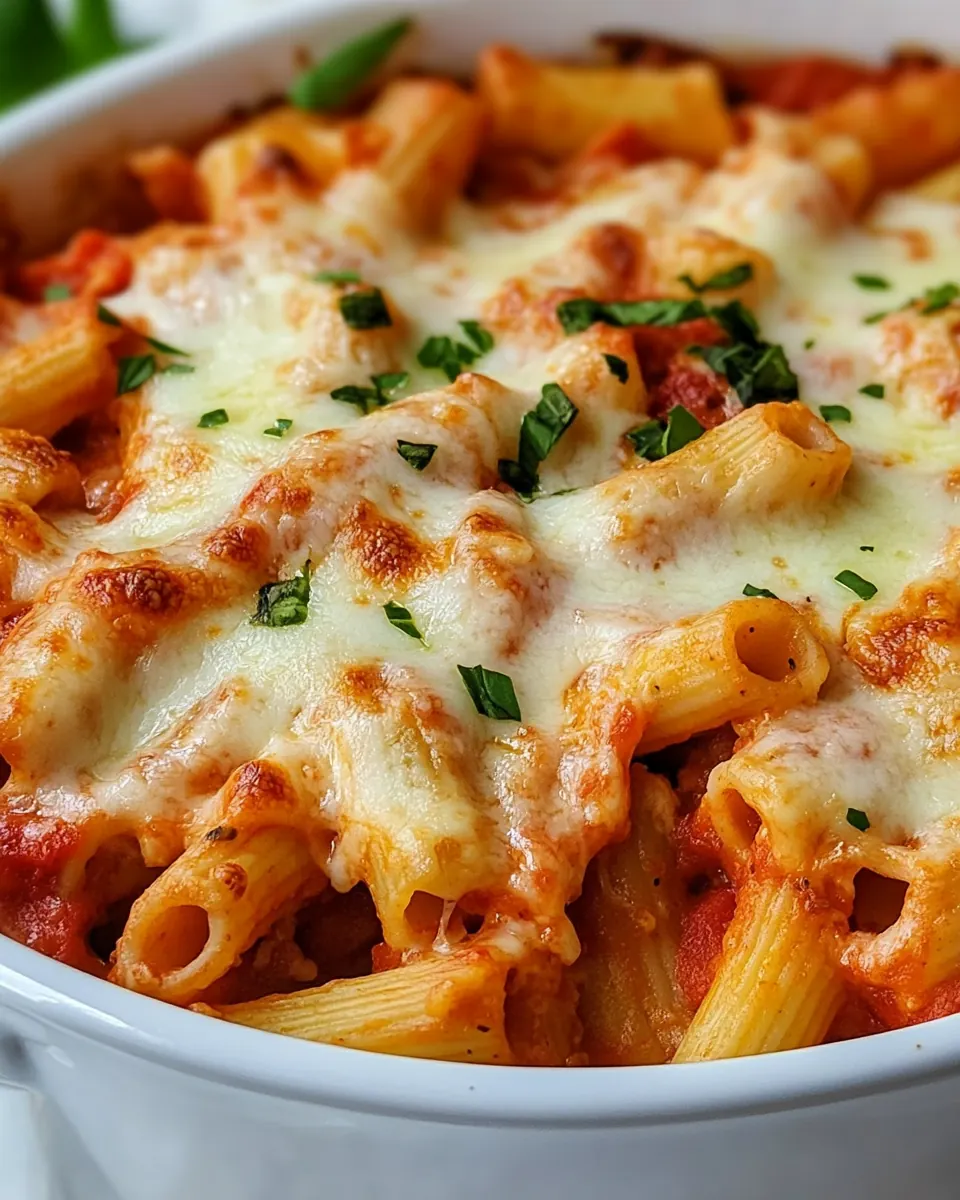
This recipe moves from stovetop to oven, so you’ll build flavor in the sauce and then let the oven finish the texture. I like to prep everything before assembling so the bake goes smoothly and you can focus on that golden top at the end.
- Preheat oven to 375°F and spray an 11×9-inch casserole dish with nonstick cooking spray.: As the oven warms, you'll smell that warm, dry heat that signals the right environment for a crisp, bubbling top. Preheating ensures even baking so the interior reaches temperature at the same pace as the surface browns. Lightly spraying the dish prevents sticking and helps lift servings cleanly, avoid using too much oil which can pool and create grease spots on the top.
- In a large saucepan, boil the pasta according to package instructions (al dente/no salt), and drain.: The water will come to a lively boil, and as the ziti pasta cooks you can hear it shifting in the pot. Cook to al dente so the tubes hold their shape during baking and remain slightly firm to the bite. Rinsing after draining is a common pitfall that washes away starches that help the sauce cling; avoid rinsing unless you need to stop cooking immediately.
- In the same large saucepan set over medium heat, cook the marinara sauce and cream cheese together until the cheese melts. Stir often.: As you stir, the cream cheese will soften and blend into the marinara sauce , releasing steam and a rich, tangy aroma. The mixture should be smooth and slightly glossy, signaling full incorporation. Keep the heat moderate, because too high a temperature can cause the dairy to separate and become grainy, which will affect the sauce texture.
- Add the pasta to the marinara/cheese sauce and mix well.: The ziti pasta will soak up the sauce slightly, and you should see each tube well coated with glossy sauce. Mixing thoroughly ensures even seasoning and prevents dry pockets in the casserole. A mistake here is folding too roughly, which can break the pasta; be gentle but thorough.
- Pour half the marinara/cheese/ziti sauce in the prepared baking dish and sprinkle with half the mozzarella and half the Parmesan cheeses.: As the first layer settles, the cheeses will create a melty contrast when baked, and you may hear a faint sizzle as residual heat meets the cheese. This layering builds pockets of melty cheese and flavor; skipping layers can lead to an uneven bake where some areas lack cheese coverage.
- Sprinkle the cheeses with 2 tablespoons chopped fresh basil.: The fresh basil adds an aromatic lift between layers, releasing a green, herbaceous perfume when warmed. This middle sprinkle keeps the herb flavor consistent through the dish instead of only on the top. Avoid chopping basil too far in advance since it wilts and loses fragrance quickly.
- Layer the remaining marinara/cheese/ziti sauce over the cheese and top with the remaining mozzarella and Parmesan.: The top layer of cheeses is what will form the browned, bubbly surface, so distribute them evenly for consistent browning and melt. You should see an even blanket of cheese that will blister and brown in the oven. Piling cheese into one spot can lead to uneven melting and overly greasy patches.
- Cover and bake at 375°F for 30 minutes.: Covering traps steam and allows the casserole to heat through without drying out, so the interior becomes uniformly hot and the sauce melds with the pasta . You might hear a gentle bubbling under the foil, which indicates internal warming. Leaving it uncovered too early can dry the edges before the center is fully heated.
- Remove the cover and bake an additional 15-20 minutes or until the baked ziti is bubbly and cheese is golden.: When you remove the cover, the surface will go from soft to a crisp, golden finish, and you may notice a toasty, savory aroma as the cheeses brown. This step creates the signature texture contrast, and watch closely so the cheese does not burn; ovens vary, so lean toward the lower time and extend if needed.
- Garnish with the remaining chopped basil.: Fresh basil scattered at the end adds a bright scent and visual pop against the golden top, offering a fresh counterpoint to the rich, baked flavors. Adding it hot releases fragrant oils, enhancing each bite. Be careful to add basil too early and it will wilt into the dish, losing its fresh snap.
Helpful Notes about Baked Ziti without Ricotta
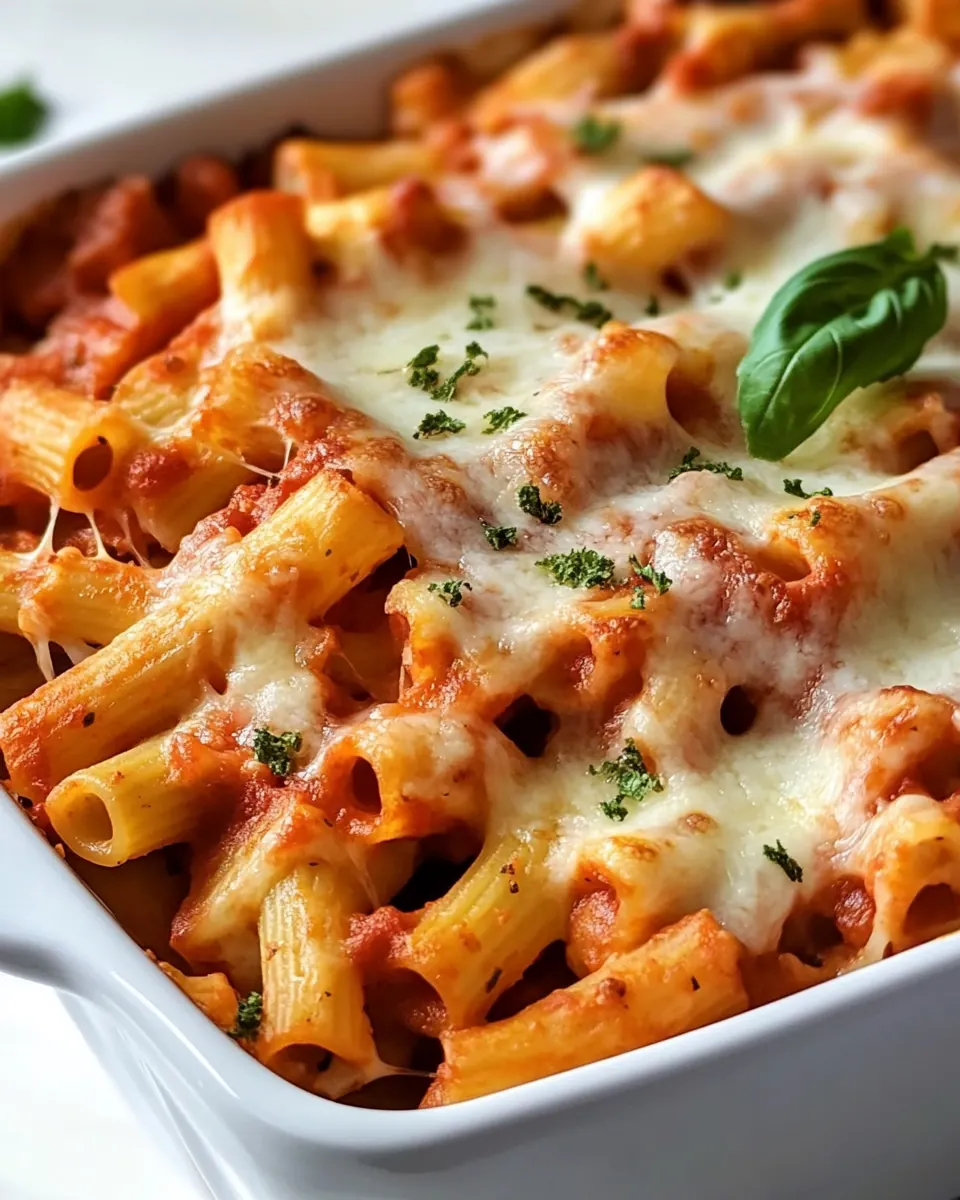
I often jot a few notes to myself before assembling this bake, little reminders that keep the texture and flavor on point. These tips expand on small choices that make a big difference when you want a reliably excellent casserole.
- Room temperature cream cheese helps the sauce emulsify smoothly, so the texture becomes creamy rather than lumpy.
- Al dente pasta ensures the tubes hold shape after baking and results in a pleasing bite rather than a mushy interior.
- Freshly shredded mozzarella melts uniformly and gives that desirable stringy texture compared to pre shredded options.
- Even cheese distribution prevents hot spots and guarantees that every serving has a golden, cheesy top and melty interior.
- Rest before serving so the casserole firms up slightly, making cleaner slices and a better presentation.
Pairing Suggestions for Baked Ziti without Ricotta
This dish is hearty and comforting, so choose sides that complement its richness with fresh textures and contrasting flavors. I like to think about balance when serving, pairing something crisp and something green for a complete plate.
- Simple green salad with a bright vinaigrette to cut the richness, ideal for lunch or a casual dinner.
- Garlic bread or crusty bread for scooping up sauce, especially welcome when serving guests who like to mop the pan.
- Roasted vegetables such as broccoli or Brussels sprouts add a caramelized counterpoint to the creamy cheese.
- Occasion suggestions such as family dinners, potlucks, or a comforting meal during colder months like fall make this dish a winner for many events.
- Storage tips include refrigerating leftovers in an airtight container for up to four days, and reheating gently in the oven so the top re melts without drying out.
- Seasonal pairing with a crisp apple salad or roasted root vegetables complements the hearty character, especially in fall.
FAQ
Conclusion
What makes this recipe special is its capacity to deliver creamy, comforting baked pasta without the need for ricotta, relying instead on pantry friendly ingredients to create a melt in your mouth result. I encourage you to give Baked Ziti without Ricotta a try the next time you want a simple, satisfying meal that feeds a crowd and reheats beautifully. It is the kind of dish that becomes a favorite because it is easy to assemble, reliably delicious, and warms both the stomach and the heart.
Baked Ziti without Ricotta
Equipment
- Saucepan
- Oven
- 11x9 casserole dish
- Colander
Ingredients
- 1 pound dry ziti pasta (1 box) Cook thoroughly until al dente to provide the pasta base and structure for the baked casserole, absorbing sauce and flavors without becoming mushy. Drain well to prevent excess water from thinning the sauce and ensure proper texture during baking.
- 32 ounces marinara sauce (1 jar) Pour evenly to coat the pasta and bind the components together, delivering the primary tomato flavor and moisture for the casserole. Simmer briefly if desired to deepen flavor and reduce excess acidity before combining with pasta.
- 8 ounces cream cheese room temperature (1 brick) Soften and blend until smooth to create a creamy, tangy layer that replaces ricotta while adding richness and body to the casserole. Beat at room temperature to prevent lumps and help it incorporate evenly with sauce and cheeses.
- 16 ounces freshly shredded mozzarella cheese divided Melt and brown on top to provide gooey, stretchy texture and a golden, bubbly finish when baked; reserve part for mixing with the pasta for creaminess. Shred fresh for best melting characteristics and even distribution throughout the dish.
- 1/2 cup freshly grated Parmesan cheese divided Sprinkle for savory umami and a slightly nutty finish, enhancing overall depth and complementing the cheeses and tomato sauce. Divide to mix some into the filling for flavor and sprinkle more on top for a crisp, flavorful crust.
- 1/4 cup chopped fresh basil divided Chop finely to add bright, aromatic herb notes that lift the richness of the cheese and tomato sauce; use divided to infuse flavor throughout. Stir some into the pasta mixture and reserve a portion to garnish the finished bake for freshness.
Instructions
- Preheat oven to 375°F and spray an 11×9-inch casserole dish with nonstick cooking spray.: As the oven warms, you'll smell that warm, dry heat that signals the right environment for a crisp, bubbling top. Preheating ensures even baking so the interior reaches temperature at the same pace as the surface browns. Lightly spraying the dish prevents sticking and helps lift servings cleanly, avoid using too much oil which can pool and create grease spots on the top.
- In a large saucepan, boil the pasta according to package instructions (al dente/no salt), and drain.: The water will come to a lively boil, and as the ziti pasta cooks you can hear it shifting in the pot. Cook to al dente so the tubes hold their shape during baking and remain slightly firm to the bite. Rinsing after draining is a common pitfall that washes away starches that help the sauce cling; avoid rinsing unless you need to stop cooking immediately.
- In the same large saucepan set over medium heat, cook the marinara sauce and cream cheese together until the cheese melts. Stir often.: As you stir, the cream cheese will soften and blend into the marinara sauce , releasing steam and a rich, tangy aroma. The mixture should be smooth and slightly glossy, signaling full incorporation. Keep the heat moderate, because too high a temperature can cause the dairy to separate and become grainy, which will affect the sauce texture.
- Add the pasta to the marinara/cheese sauce and mix well.: The ziti pasta will soak up the sauce slightly, and you should see each tube well coated with glossy sauce. Mixing thoroughly ensures even seasoning and prevents dry pockets in the casserole. A mistake here is folding too roughly, which can break the pasta; be gentle but thorough.
- Pour half the marinara/cheese/ziti sauce in the prepared baking dish and sprinkle with half the mozzarella and half the Parmesan cheeses.: As the first layer settles, the cheeses will create a melty contrast when baked, and you may hear a faint sizzle as residual heat meets the cheese. This layering builds pockets of melty cheese and flavor; skipping layers can lead to an uneven bake where some areas lack cheese coverage.
- Sprinkle the cheeses with 2 tablespoons chopped fresh basil.: The fresh basil adds an aromatic lift between layers, releasing a green, herbaceous perfume when warmed. This middle sprinkle keeps the herb flavor consistent through the dish instead of only on the top. Avoid chopping basil too far in advance since it wilts and loses fragrance quickly.
- Layer the remaining marinara/cheese/ziti sauce over the cheese and top with the remaining mozzarella and Parmesan.: The top layer of cheeses is what will form the browned, bubbly surface, so distribute them evenly for consistent browning and melt. You should see an even blanket of cheese that will blister and brown in the oven. Piling cheese into one spot can lead to uneven melting and overly greasy patches.
- Cover and bake at 375°F for 30 minutes.: Covering traps steam and allows the casserole to heat through without drying out, so the interior becomes uniformly hot and the sauce melds with the pasta . You might hear a gentle bubbling under the foil, which indicates internal warming. Leaving it uncovered too early can dry the edges before the center is fully heated.
- Remove the cover and bake an additional 15-20 minutes or until the baked ziti is bubbly and cheese is golden.: When you remove the cover, the surface will go from soft to a crisp, golden finish, and you may notice a toasty, savory aroma as the cheeses brown. This step creates the signature texture contrast, and watch closely so the cheese does not burn; ovens vary, so lean toward the lower time and extend if needed.
- Garnish with the remaining chopped basil.: Fresh basil scattered at the end adds a bright scent and visual pop against the golden top, offering a fresh counterpoint to the rich, baked flavors. Adding it hot releases fragrant oils, enhancing each bite. Be careful to add basil too early and it will wilt into the dish, losing its fresh snap.
Notes
- Room temperature cream cheese helps the sauce emulsify smoothly, so the texture becomes creamy rather than lumpy.
- Al dente pasta ensures the tubes hold shape after baking and results in a pleasing bite rather than a mushy interior.
- Freshly shredded mozzarella melts uniformly and gives that desirable stringy texture compared to pre shredded options.
- Even cheese distribution prevents hot spots and guarantees that every serving has a golden, cheesy top and melty interior.
- Rest before serving so the casserole firms up slightly, making cleaner slices and a better presentation.