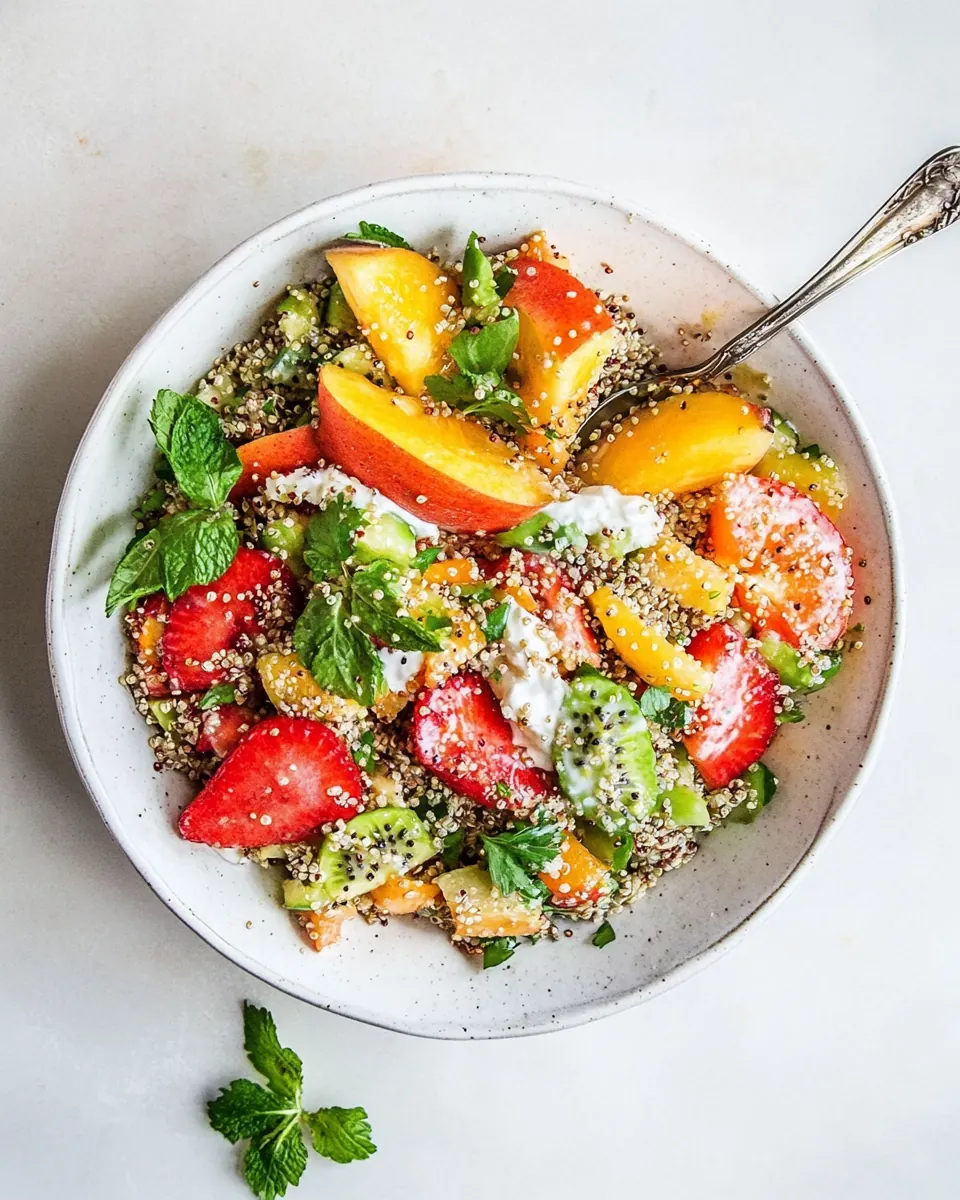
Coconut Milk Quinoa Fruit Salad
Coconut Milk Quinoa Fruit Salad arrived in my life on a scorcher of a summer afternoon, when I wanted something light yet satisfying after a day of gardening. I remember carrying in a basket of warm, sun kissed fruit and thinking about how to make a dish that felt bright and breezy, but also had substance. Quinoa cooked in coconut milk felt like the obvious choice, lending a creamy body that cushions the tartness and sweetness of fresh fruit.
I first made this Coconut Milk Quinoa Fruit Salad for a neighborhood potluck where everyone was bringing heavy dishes. I wanted to offer something that would stand out, not because it was showy, but because it combined texture and tropical flavor without being clingy or cloying. The quinoa soaks up the coconut milk and becomes pillowy, the strawberries and nectarine add silk and snap, and pineapple tidbits give the mix a lively pop. Mint and lime tint the whole thing with fresh brightness.
Over the years I’ve tweaked the balance to keep the salad light, and I always warn guests to chill it just enough so the dressing melds, but not so long that the virgin coconut oil firms back up. Serving it as a side at summer dinners or as a lovely breakfast with yogurt became an instant favorite. Every bite is a contrast of textures, and the aromas of coconut, lime, and warm quinoa linger in the kitchen long after the bowl is empty.
Recipe Snapshot
30 mins
10 mins
20 mins
Easy
220 kcal
American
Gluten-Free, Vegan
Salads
Large pot, Large bowl, Small bowl, Whisk
Why Try This Coconut Milk Quinoa Fruit Salad
Flavor Harmony
I love how Coconut Milk Quinoa Fruit Salad blends creamy and bright flavors. The coconut milk softens the grainy edges of quinoa while the lime juice and honey lift the fruit notes, creating a balanced bite. I tend to taste and adjust the dressing so it sings without overpowering the fruit.
Textural Contrast
One reason I reach for this recipe is the play between pillowy quinoa and juicy fruit. The nectarine and strawberries add silk and snap, while the pineapple gives a tender chew. That contrast makes each forkful interesting, and I often find people asking what gives it that satisfying mouthfeel.
Make Ahead Friendly
I appreciate that this salad can be prepared ahead, which is great for hosting. Chill time lets the flavors meld, though I always remind myself not to overchill, because the virgin coconut oil can firm up. For busy days, I cook the quinoa early and toss everything together just before serving.
Versatile Serving
We use this as a side, a light lunch, or a morning bowl. The recipe is forgiving, and I often change the fruit based on what I have on hand. Because it highlights fresh produce, it shines in summer when berries and stone fruit are at their peak.
Healthy and Satisfying
I keep going back to this salad because it feels nourishing without being heavy. Quinoa brings protein and body, while the fruit and mint keep it refreshingly light. Friends who want something wholesome but tasty always ask me for the recipe.
Key Ingredients for Coconut Milk Quinoa Fruit Salad
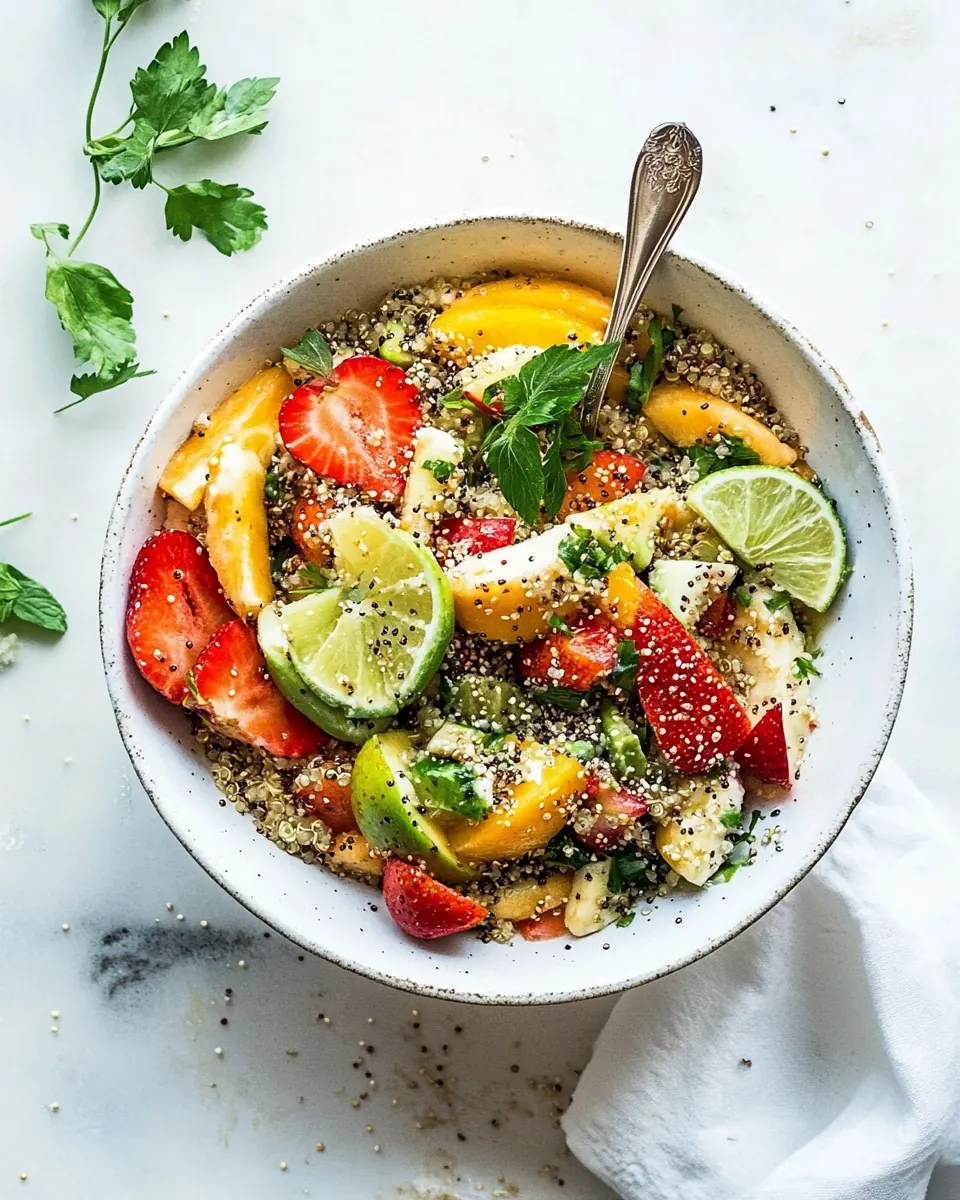
These ingredients work together to create a salad that is creamy yet refreshing. The primary players are the grain like quinoa which provides a slightly nutty base, and the liquid coconut milk which adds a silky, tropical note. Fresh fruit contributes acidity and juiciness, while mint, lime juice, and a touch of honey brighten the whole bowl.
- 1 cup coconut milk: Add creamy liquid to infuse the salad with rich, tropical flavor and help bind quinoa and fruit together for a cohesive texture. Use full-fat or light coconut milk depending on desired creaminess, and chill before combining for best refreshment. Stir gently to prevent separation and enhance the overall mouthfeel of the dish.
- 1/2 cup uncooked quinoa: Cook as the grain base that provides fluffy texture and nutty flavor while absorbing liquids; rinse before cooking to remove bitterness. Use the specified uncooked amount and simmer until tender, then cool completely before mixing to avoid wilting fruit. Fluff with a fork to separate grains for a light, salad-like consistency.
- 1 cup strawberries thinly sliced and halved: Slice to add bright color, juicy sweetness, and slight acidity that balances richer elements; thin, halved slices create delicate bites. Use ripe strawberries for maximum flavor and fold in gently to avoid crushing. Serve soon after adding to maintain their fresh texture.
- 1 cup nectarine (roughly 1 whole) thinly sliced: Slice to contribute tender, fragrant stone-fruit sweetness and slight firmness for contrast with softer berries and quinoa. Choose ripe but firm nectarines and thinly slice to match the salad's bite-size pieces. Combine shortly before serving to preserve their shape and color.
- 1/2 cup pineapple tidbits drained: Drain to introduce tropical sweetness and juicy bursts without excess syrup that could make the salad soggy. Opt for tidbits to disperse pineapple flavor evenly and pat dry if needed before folding in. Their bright acidity helps cut through the creamy coconut milk.
- 3 tablespoons fresh mint chopped: Chop to provide fresh herbal brightness and a cooling counterpoint to sweet fruits and rich coconut elements. Use finely chopped mint to evenly distribute aromatic pieces throughout the salad and garnish for visual appeal. Add a little at a time and taste to avoid overpowering delicate flavors.
- 1 pinch sea salt: Pinch to enhance and amplify the natural flavors across sweet and creamy components while balancing sweetness and acidity. Use a small amount to avoid salinity, tasting as you go to achieve subtle seasoning. Sea salt's mineral notes complement both fruit and coconut.
- 2 tablespoons freshly squeezed lime juice: Squeeze to add lively citrus acidity that brightens the salad and balances sweetness from fruit and honey. Use freshly squeezed lime for vibrant, fresh flavor and stir with other liquids to disperse evenly. Adjust quantity slightly to taste for optimal tartness.
- 1 tablespoon honey or agave: Drizzle to provide gentle sweetness and help bind ingredients, offering a mellow floral or neutral note depending on choice. Use honey for richer complexity or agave for a vegan alternative, mixing it into liquids before combining with quinoa and fruit. Taste and adjust to reach desired sweetness.
- 4 teaspoons virgin coconut oil melted: Melt to add subtle tropical aroma and silky mouthfeel while helping dressings coat quinoa and fruit evenly. Use virgin coconut oil for additional coconut character and combine with lime juice and sweetener to form a cohesive dressing. Warm slightly to liquefy then cool briefly so it blends without solidifying.
How to Assemble Coconut Milk Quinoa Fruit Salad
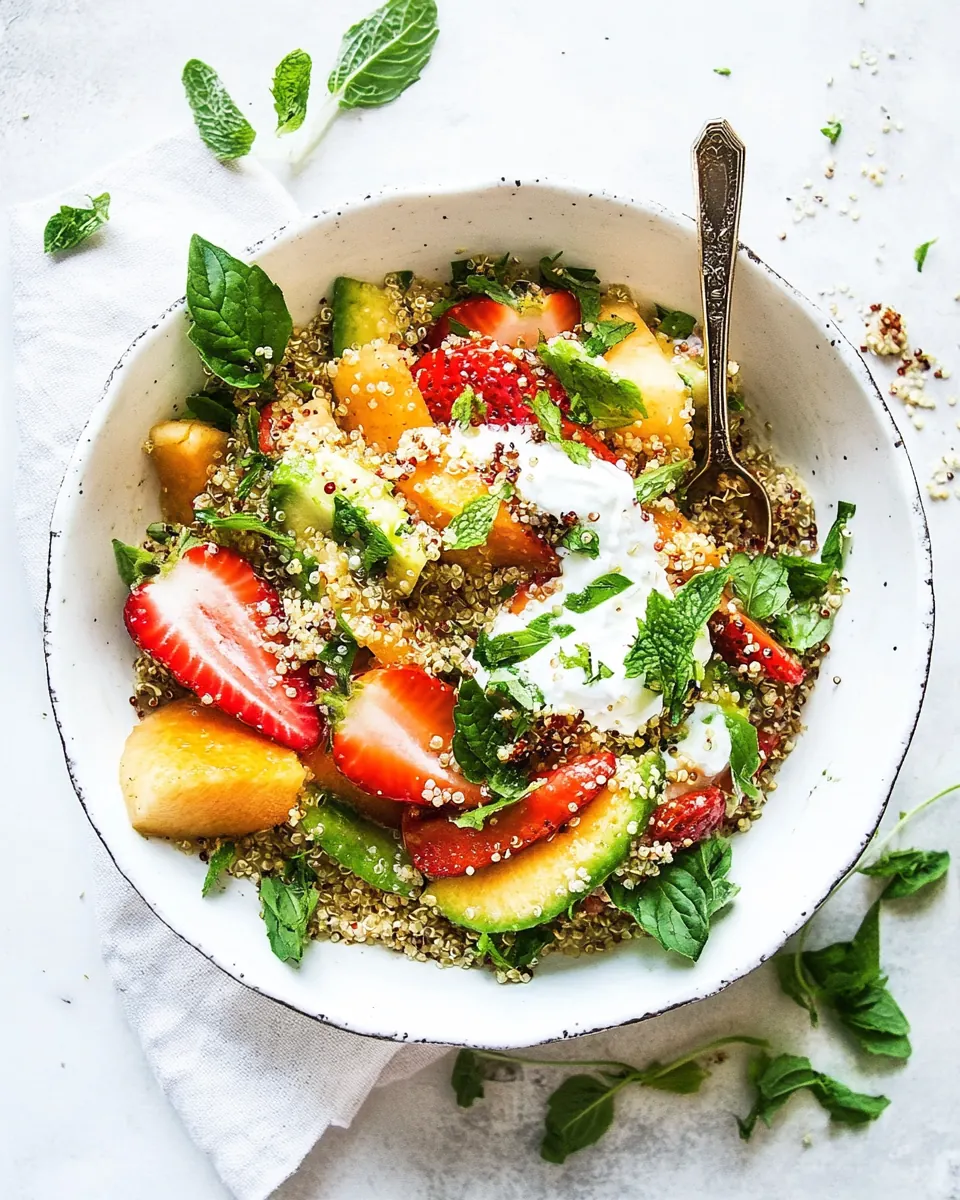
This assembly is straightforward and comforting. I like to follow the steps in order so the quinoa is tender and the dressing binds everything together. Keep a close ear and eye on the quinoa as it simmers, and aim to cool it just enough before adding fruit so textures remain distinct.
- Bring the coconut milk to a boil in a large pot. Stir in the quinoa and boil, stirring constantly for 1 minute. Cover, turn the heat to low, and cook until the liquid is completely absorbed, about 20 minutes.: The kitchen fills with a warm, slightly sweet aroma as the coconut milk nears a boil, like a tropical scent opening up. You will hear faint simmering sounds, and tiny bubbles will form along the edges first, then across the surface. This moment matters because it activates the liquid to properly cook the quinoa , allowing the grains to swell and absorb flavor. A common mistake here is leaving the milk unattended which can cause it to scald on the bottom, so stir occasionally and use medium heat to prevent burning.
- Once the quinoa is cooked, transfer it to a large bowl and refrigerate for 10 minutes to cool slightly.: As you add the quinoa , you will notice the grains glisten and the mixture turn slightly cloudy. Stirring for this minute helps toast the surface of each grain just enough to enhance its nuttiness and ensures even heat distribution. You may smell a toasty scent beginning to develop, which is a good sign the grains are properly coated. Avoid skipping the stirring step, because uneven contact with the hot liquid can lead to clumpy pockets or undercooked kernels.
- Add strawberries, nectarine, pineapple, mint, and a pinch of salt to the quinoa and stir gently until well mixed.: Once covered, the pot will sigh softly as steam circulates, and you will see the grains swell and the surface go from glossy to drier. This gentle simmer creates fluffy, separated quinoa rather than a mushy mass. I find that resisting the urge to lift the lid helps maintain consistent steam heat. A typical pitfall is lifting the lid too often which releases steam and prolongs cooking, leaving the grains firmer than desired.
- In a small bowl, whisk together the lime juice and honey. While constantly whisking, slowly add in the coconut oil and whisk vigorously until combined and the mixture begins to thicken.: Moving the warm quinoa into a bowl releases a fragrant coconut steam that settles as you stir. Cooling it briefly prevents the fresh fruit from wilting or releasing too much juice when combined. This pause also helps the grains firm slightly, making them easier to mix without breaking. Overcooling can cause the virgin coconut oil to thicken later, so keep to the short chill period.
- Pour the dressing over the quinoa and stir until well mixed.: When you fold in the fruit and mint , expect colorful juices to begin to mingle with the warm grain creating a light glaze. The sound is quieter now, more of soft shuffling as fruit beds into the quinoa . The pinch of sea salt discreetly amplifies sweetness and brightens flavors. Be gentle to avoid turning delicate fruit into a puree, and taste as you go so nothing feels underseasoned.
- Refrigerate for 20 minutes to let the flavors come together. Don't let it sit for too long in the refrigerator or the coconut oil will harden.: The first strikes of aroma are tart and floral, a vibrant citrus note that makes your palate perk up. Whisking until the honey dissolves creates a glossy base for the dressing. Slowly adding the virgin coconut oil while whisking emulsifies the mixture, thickening it so it clings better to ingredients. If you pour the oil too quickly the dressing can separate, so add in a steady stream to help it bind.
- While constantly whisking, slowly add in the coconut oil and whisk vigorously until combined and the mixture begins to thicken: As the dressing comes together, its texture changes from runny to slightly velvety, and the fragrance becomes rounded with coconut warmth. Whisking vigorously incorporates air and helps the oil suspend in the citrus syrup. If you skipped vigorous whisking, the dressing might separate, resulting in uneven flavor distribution when poured over the salad.
- Pour the dressing over the quinoa and stir until well mixed: The dressing will coat the quinoa and fruit with a sheen that glints under the light, and the bowl will release a fresh, zesty perfume. Stirring helps every grain and slice get a touch of flavor, creating a unified profile. Mix gently but thoroughly to avoid bruising fruit, and taste to confirm balance. A common oversight is adding too much dressing at once, making the salad soggy, so pour conservatively and adjust as needed.
- Refrigerate for 20 minutes to let the flavors come together: Chilling allows the dressing to settle into the quinoa and fruit, smoothing edges and melding tastes. You will notice the aroma become more integrated, and the texture slightly firmer. However, do not let it sit too long because the virgin coconut oil may firm up and create waxy pockets in the salad. If that happens, bring the bowl to room temperature briefly before serving to soften the oil.
Variations to Try
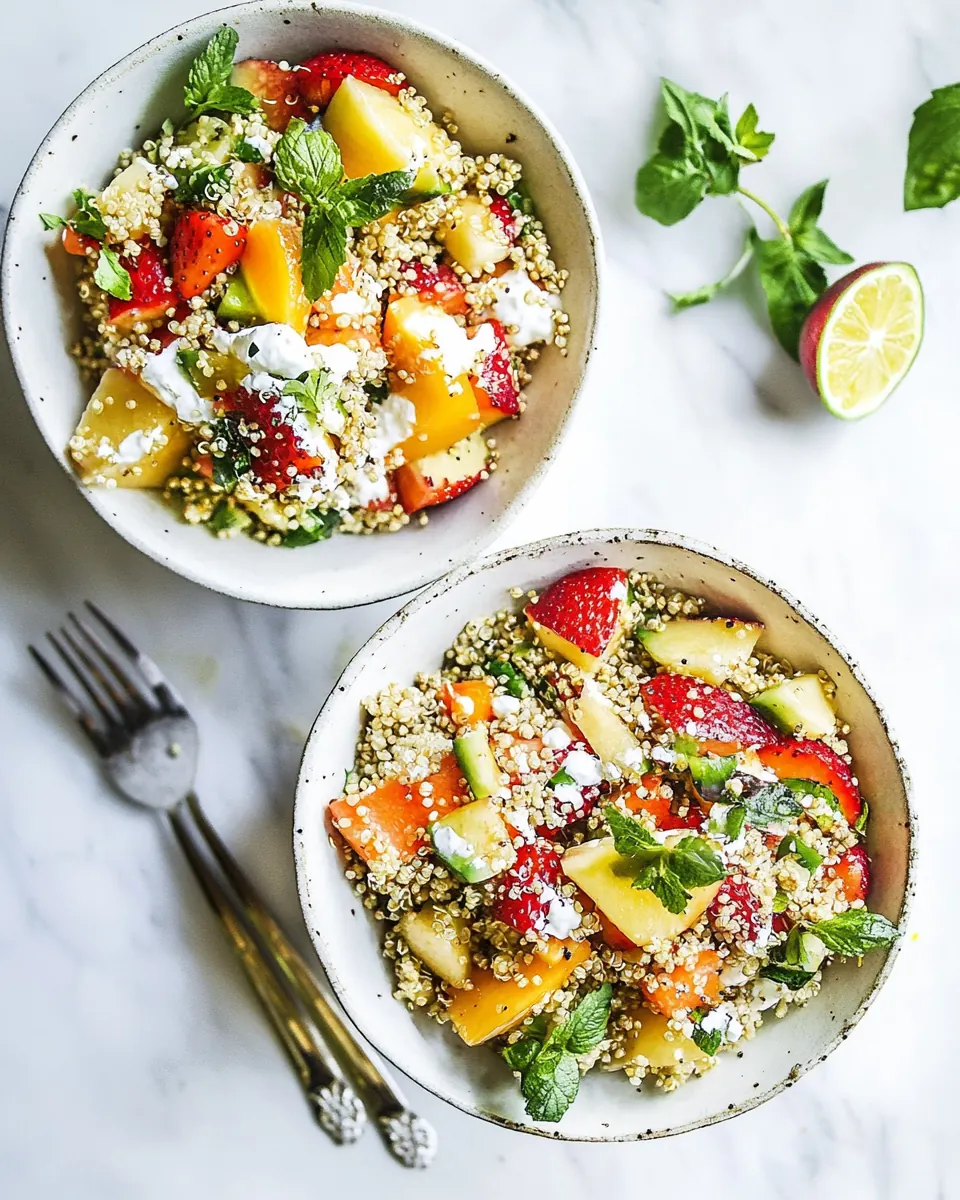
This salad is flexible and welcomes small changes. Below are thoughtful variations and serving suggestions you can explore to keep the recipe fresh across seasons and occasions.
- Swap fruit seasonally—Use the same quantities and technique with different seasonal fruit to highlight local produce and keep the salad interesting throughout the year.
- Adjust the sweetness—If your fruit is especially sweet, reduce the honey slightly to maintain bright acidity from the lime juice.
- Mint emphasis—Increase the mint by a tablespoon or two if you want a more herbal, cooling profile especially on hot days.
- Oil control—If you are serving the salad later in cool conditions, add the melted virgin coconut oil just before serving to avoid resolidification.
- Presentation tip—Serve the salad in a chilled bowl to keep it cool longer at a buffet or outdoor event, which helps preserve texture.
What to Serve Alongside Coconut Milk Quinoa Fruit Salad
This salad pairs beautifully with a range of dishes and occasions. It is light enough for brunch, bright enough for a summer barbecue side, and gentle enough for a Ramadan iftar spread where fresh flavors are appreciated. Below I outline pairing ideas, serving styles, and storage suggestions to make hosting simpler.
- Brunch pairing—Serve alongside creamy yogurt or a cheese board for a balanced brunch offering, letting guests spoon the salad over yogurt for a refreshing bowl.
- Summer barbecue side—Place the salad next to grilled vegetables or skewers as a cooling counterpoint to smoky flavors, helping guests alternate between rich and light bites.
- Picnic friendly—Pack in an insulated container with an ice pack to keep it chilled outdoors; bring dressing separately if you expect long transport to prevent oil setting.
- Ramadan iftar—Offer as a gentle first course to refresh the palate after fasting, pairing it with dates and hydrating drinks to balance the meal.
- Storage tips—Keep refrigerated in an airtight container for up to two days; if the virgin coconut oil firms, let the salad sit at room temperature for a short time before serving and stir gently to restore consistency.
- Seasonal pairings—In peak summer, emphasize berries and stone fruit; in cooler months, choose firmer fruit that keeps shape after chilling.
FAQ
Conclusion
This recipe stands out because it balances creamy, tropical notes with bright, fresh fruit and a tender grain base that keeps every bite interesting. You should try it because it comes together with minimal effort, yet delivers a memorable texture and flavor contrast that works for many occasions. Serve it as a light side at summer gatherings, bring it to a potluck to offer a refreshing alternative, or enjoy it for a simple, nourishing breakfast. The combination of coconut milk, quinoa, and seasonal fruit makes for a versatile dish that feels both comforting and lively, and once you taste how the elements harmonize, it becomes a go to recipe in my rotation.
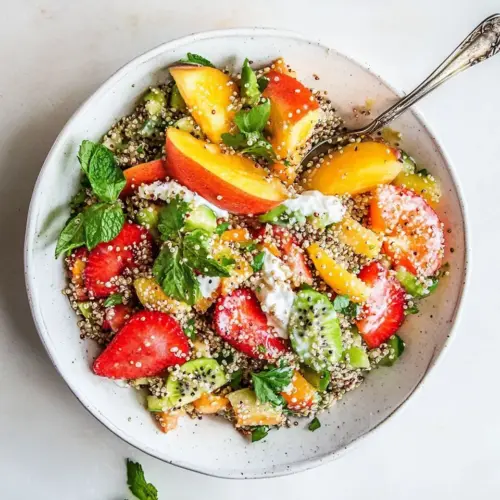
Coconut Milk Quinoa Fruit Salad
Equipment
- Large Pot
- Large Bowl
- Small Bowl
- Whisk
Ingredients
- 1 cup coconut milk Add creamy liquid to infuse the salad with rich, tropical flavor and help bind quinoa and fruit together for a cohesive texture. Use full-fat or light coconut milk depending on desired creaminess, and chill before combining for best refreshment. Stir gently to prevent separation and enhance the overall mouthfeel of the dish.
- 1/2 cup uncooked quinoa Cook as the grain base that provides fluffy texture and nutty flavor while absorbing liquids; rinse before cooking to remove bitterness. Use the specified uncooked amount and simmer until tender, then cool completely before mixing to avoid wilting fruit. Fluff with a fork to separate grains for a light, salad-like consistency.
- 1 cup strawberries thinly sliced and halved Slice to add bright color, juicy sweetness, and slight acidity that balances richer elements; thin, halved slices create delicate bites. Use ripe strawberries for maximum flavor and fold in gently to avoid crushing. Serve soon after adding to maintain their fresh texture.
- 1 cup nectarine (roughly 1 whole) thinly sliced Slice to contribute tender, fragrant stone-fruit sweetness and slight firmness for contrast with softer berries and quinoa. Choose ripe but firm nectarines and thinly slice to match the salad's bite-size pieces. Combine shortly before serving to preserve their shape and color.
- 1/2 cup pineapple tidbits drained Drain to introduce tropical sweetness and juicy bursts without excess syrup that could make the salad soggy. Opt for tidbits to disperse pineapple flavor evenly and pat dry if needed before folding in. Their bright acidity helps cut through the creamy coconut milk.
- 3 tablespoons fresh mint chopped Chop to provide fresh herbal brightness and a cooling counterpoint to sweet fruits and rich coconut elements. Use finely chopped mint to evenly distribute aromatic pieces throughout the salad and garnish for visual appeal. Add a little at a time and taste to avoid overpowering delicate flavors.
- 1 pinch sea salt Pinch to enhance and amplify the natural flavors across sweet and creamy components while balancing sweetness and acidity. Use a small amount to avoid salinity, tasting as you go to achieve subtle seasoning. Sea salt's mineral notes complement both fruit and coconut.
- 2 tablespoons freshly squeezed lime juice Squeeze to add lively citrus acidity that brightens the salad and balances sweetness from fruit and honey. Use freshly squeezed lime for vibrant, fresh flavor and stir with other liquids to disperse evenly. Adjust quantity slightly to taste for optimal tartness.
- 1 tablespoon honey or agave Drizzle to provide gentle sweetness and help bind ingredients, offering a mellow floral or neutral note depending on choice. Use honey for richer complexity or agave for a vegan alternative, mixing it into liquids before combining with quinoa and fruit. Taste and adjust to reach desired sweetness.
- 4 teaspoons virgin coconut oil melted Melt to add subtle tropical aroma and silky mouthfeel while helping dressings coat quinoa and fruit evenly. Use virgin coconut oil for additional coconut character and combine with lime juice and sweetener to form a cohesive dressing. Warm slightly to liquefy then cool briefly so it blends without solidifying.
Instructions
- Bring the coconut milk to a boil in a large pot. Stir in the quinoa and boil, stirring constantly for 1 minute. Cover, turn the heat to low, and cook until the liquid is completely absorbed, about 20 minutes.: The kitchen fills with a warm, slightly sweet aroma as the coconut milk nears a boil, like a tropical scent opening up. You will hear faint simmering sounds, and tiny bubbles will form along the edges first, then across the surface. This moment matters because it activates the liquid to properly cook the quinoa , allowing the grains to swell and absorb flavor. A common mistake here is leaving the milk unattended which can cause it to scald on the bottom, so stir occasionally and use medium heat to prevent burning.
- Once the quinoa is cooked, transfer it to a large bowl and refrigerate for 10 minutes to cool slightly.: As you add the quinoa , you will notice the grains glisten and the mixture turn slightly cloudy. Stirring for this minute helps toast the surface of each grain just enough to enhance its nuttiness and ensures even heat distribution. You may smell a toasty scent beginning to develop, which is a good sign the grains are properly coated. Avoid skipping the stirring step, because uneven contact with the hot liquid can lead to clumpy pockets or undercooked kernels.
- Add strawberries, nectarine, pineapple, mint, and a pinch of salt to the quinoa and stir gently until well mixed.: Once covered, the pot will sigh softly as steam circulates, and you will see the grains swell and the surface go from glossy to drier. This gentle simmer creates fluffy, separated quinoa rather than a mushy mass. I find that resisting the urge to lift the lid helps maintain consistent steam heat. A typical pitfall is lifting the lid too often which releases steam and prolongs cooking, leaving the grains firmer than desired.
- In a small bowl, whisk together the lime juice and honey. While constantly whisking, slowly add in the coconut oil and whisk vigorously until combined and the mixture begins to thicken.: Moving the warm quinoa into a bowl releases a fragrant coconut steam that settles as you stir. Cooling it briefly prevents the fresh fruit from wilting or releasing too much juice when combined. This pause also helps the grains firm slightly, making them easier to mix without breaking. Overcooling can cause the virgin coconut oil to thicken later, so keep to the short chill period.
- Pour the dressing over the quinoa and stir until well mixed.: When you fold in the fruit and mint , expect colorful juices to begin to mingle with the warm grain creating a light glaze. The sound is quieter now, more of soft shuffling as fruit beds into the quinoa . The pinch of sea salt discreetly amplifies sweetness and brightens flavors. Be gentle to avoid turning delicate fruit into a puree, and taste as you go so nothing feels underseasoned.
- Refrigerate for 20 minutes to let the flavors come together. Don't let it sit for too long in the refrigerator or the coconut oil will harden.: The first strikes of aroma are tart and floral, a vibrant citrus note that makes your palate perk up. Whisking until the honey dissolves creates a glossy base for the dressing. Slowly adding the virgin coconut oil while whisking emulsifies the mixture, thickening it so it clings better to ingredients. If you pour the oil too quickly the dressing can separate, so add in a steady stream to help it bind.
- While constantly whisking, slowly add in the coconut oil and whisk vigorously until combined and the mixture begins to thicken: As the dressing comes together, its texture changes from runny to slightly velvety, and the fragrance becomes rounded with coconut warmth. Whisking vigorously incorporates air and helps the oil suspend in the citrus syrup. If you skipped vigorous whisking, the dressing might separate, resulting in uneven flavor distribution when poured over the salad.
- Pour the dressing over the quinoa and stir until well mixed: The dressing will coat the quinoa and fruit with a sheen that glints under the light, and the bowl will release a fresh, zesty perfume. Stirring helps every grain and slice get a touch of flavor, creating a unified profile. Mix gently but thoroughly to avoid bruising fruit, and taste to confirm balance. A common oversight is adding too much dressing at once, making the salad soggy, so pour conservatively and adjust as needed.
- Refrigerate for 20 minutes to let the flavors come together: Chilling allows the dressing to settle into the quinoa and fruit, smoothing edges and melding tastes. You will notice the aroma become more integrated, and the texture slightly firmer. However, do not let it sit too long because the virgin coconut oil may firm up and create waxy pockets in the salad. If that happens, bring the bowl to room temperature briefly before serving to soften the oil.
Notes
- Swap fruit seasonally—Use the same quantities and technique with different seasonal fruit to highlight local produce and keep the salad interesting throughout the year.
- Adjust the sweetness—If your fruit is especially sweet, reduce the honey slightly to maintain bright acidity from the lime juice.
- Mint emphasis—Increase the mint by a tablespoon or two if you want a more herbal, cooling profile especially on hot days.
- Oil control—If you are serving the salad later in cool conditions, add the melted virgin coconut oil just before serving to avoid resolidification.
- Presentation tip—Serve the salad in a chilled bowl to keep it cool longer at a buffet or outdoor event, which helps preserve texture.