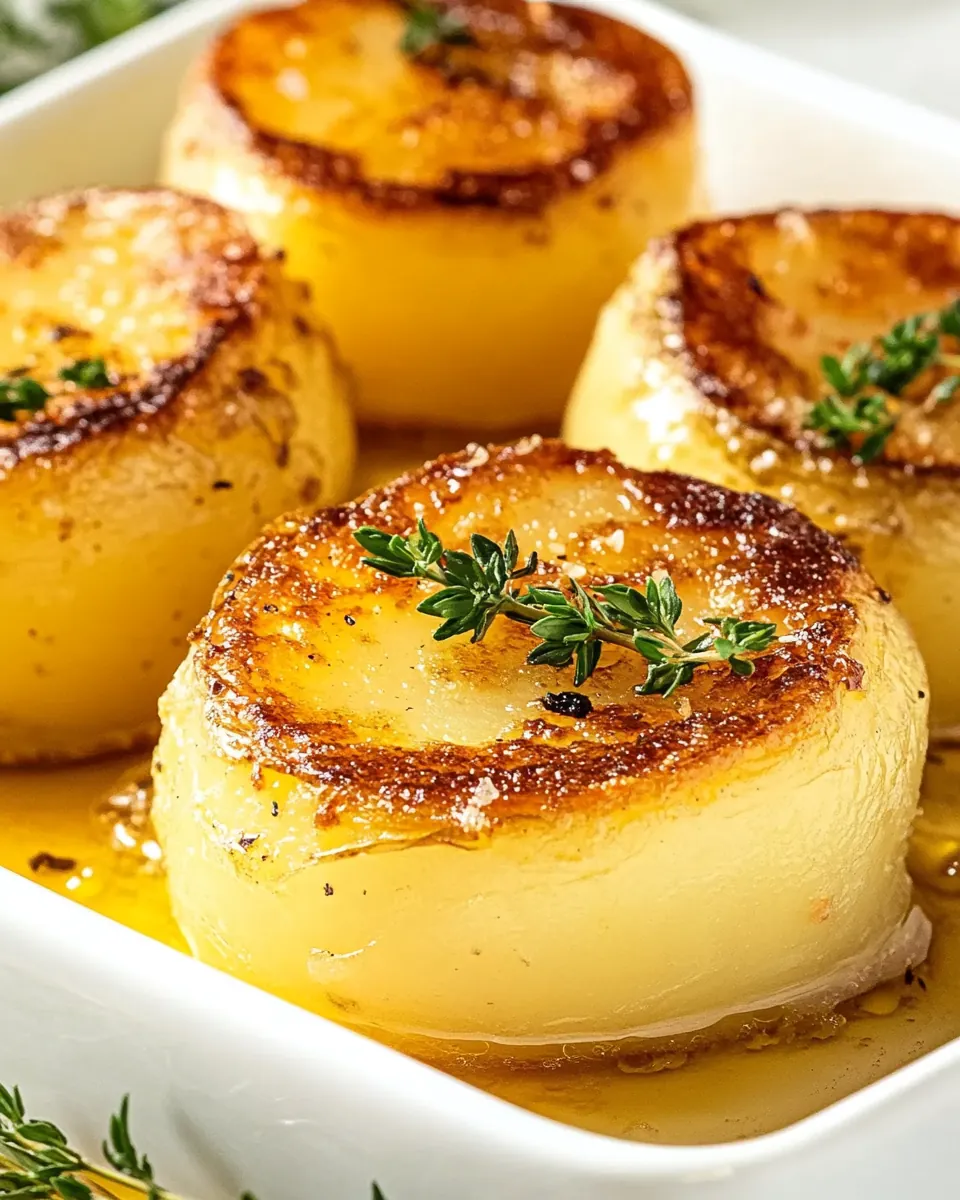
Fondant Potatoes
Fondant Potatoes are one of those recipes I turn to when I want something that looks elegant but tastes like childhood comfort, all at once.
I first fell for Fondant Potatoes on a snowy evening when I wanted something that would fill the house with cozy aromas while still feeling a little special. I remember cutting the potatoes, searing them until they sang with a golden crust, and then slipping the skillet into the oven so the butter and herbs could do their slow, fragrant work. The kitchen filled with a warm, herbaceous scent that made everyone wander in to ask what smelled so good. Each bite had that contrast I love, a crisp exterior yielding to a pillowy, buttery interior.
Over time I tweaked the method to make it reliably foolproof, so even if you are juggling a busy weeknight or hosting friends, you can get consistent, restaurant style results. I like to keep the seasoning simple so the rich potato flavor shines, and I pay attention to the pan temperature so the crust forms quickly without overcooking the center. When I serve these, I let the butter pan sauce spoon over each potato, and everyone leans in a little closer to the plate, which always makes me smile.
Recipe Snapshot
55 mins
15 mins
40 mins
Medium
200 kcal
American
Gluten-Free, Low FODMAP
Side Dishes
Heavy bottomed skillet, Oven
The Best Thing About This Fondant Potatoes
Why the texture is everything
I love that Fondant Potatoes deliver a textural story with every bite. The contrast between the crisp, golden exterior and the tender, almost creamy interior is the whole point. When I sear the flat potato faces until they develop a deep golden crust, I know the interior will steam gently in the broth and butter, producing that melt in your mouth center. That contrast makes this dish feel indulgent yet simple.
Simple ingredients, elevated results
One reason I keep coming back to Fondant Potatoes is how few ingredients you need for impressive flavor. With just potatoes, butter, herbs, and a splash of vegetable broth, you get layers of savory, herbaceous, and buttery notes. I appreciate recipes that let each ingredient sing, and this one does exactly that. The small list of components also means it’s easy to make on short notice.
Versatile for gatherings
I often make Fondant Potatoes for holiday dinners and casual weeknight meals because they fit both occasions. They look plated for a special dinner, and they pair effortlessly with roasted vegetables or a main protein. When friends come over, I usually double the batch, and they never last long. The method scales well, so you can make enough for a crowd without worrying about the result changing.
Hands on but forgiving
Some recipes demand constant attention, but Fondant Potatoes let you be present without hovering. The searing step gives you control over the crust, and the oven finish is forgiving as long as you check for tenderness. I like recipes that teach technique but do not punish slight timing differences, and this is one of them. Even if your oven runs a touch hot, the potatoes still develop that creamy center with only minor adjustments.
Comfort food with a chef twist
Finally, I adore how Fondant Potatoes manage to be both homey and refined. There is a sense of craftsmanship in the sear and roast process, which makes serving them feel like a small celebration. At the same time, they deliver pure comfort, which is why I reach for them again and again.
Key Ingredients for Fondant Potatoes
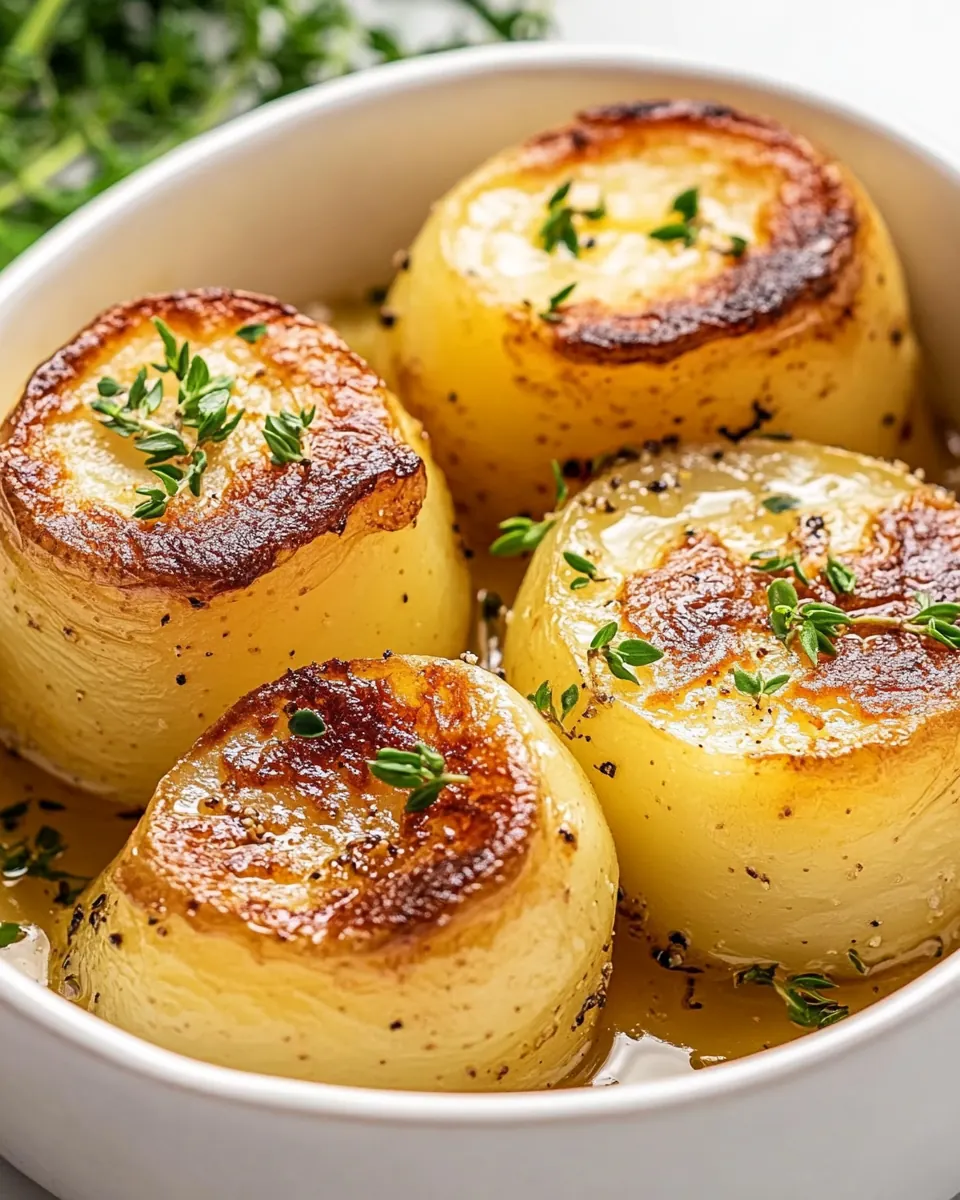
The philosophy behind these ingredients is all about layering texture and simple, classic flavors. Each element plays a clear role: the potatoes provide the creamy center and starchy body, the avocado oil gives a high smoke point for a clean sear, and the butter and herbs build a fragrant, savory finishing sauce. The vegetable broth gently steams and infuses the potatoes so they become tender without diluting the buttery flavor. Together, these components create a dish that feels indulgent yet straightforward.
- 8 10 small/medium Yukon Gold potatoes peeled: Peel and halve or leave whole depending on size to provide a buttery, creamy base that crisps on the outside while staying tender inside; Yukon Golds hold shape well during searing and roasting. Use small to medium potatoes for even cooking and consistent texture in each serving.
- 1/2 teaspoon ea salt: Season evenly early to enhance the potatoes' natural flavor and help draw out moisture for better browning; salt also balances the richness from butter and oil. Sprinkle during cooking and adjust to taste at the end for optimal seasoning.
- 1/4 teaspoon freshly cracked black pepper: Crack freshly for a bright, sharp bite that lifts the richness of the butter and broth; its slight heat complements the herbs without overpowering. Add sparingly during cooking and finish tasting to maintain a balanced pepper presence.
- 2 tablespoons avocado oil: Heat to promote a high-smoke-point sear that creates a deeply caramelized crust while allowing butter to brown without burning; avocado oil's neutral flavor won't compete with herbs. Use enough to coat the pan surface for even contact and color.
- 3 tablespoons unsalted butter (3/8 stick): Melt to enrich the cooking fat, encourage browning, and infuse the potatoes with a silky, savory mouthfeel; unsalted butter lets you control overall saltiness. Add mid-sear so the butter can baste the potatoes and contribute nutty browned notes.
- 3 cloves garlic: Bruise or smash slightly to release aromatic oils and introduce a mellow garlicky background that permeates the cooking liquid and crust; whole cloves infuse without overpowering. Tuck among potatoes while roasting so the flavor mellows and becomes subtly sweet.
- 2 sprigs fresh thyme: Strip leaves and scatter to impart a delicate, floral herbaceousness that brightens the rich components; thyme withstands long cooking and releases savory, slightly minty notes. Use sprigs so leaves can be removed easily before serving if desired.
- 1 sprig fresh rosemary: Chop or leave whole to contribute a piney, resinous aroma that adds depth and a savory edge to the browned butter and broth; rosemary pairs well with potatoes and holds up to oven heat. Insert a whole sprig during braising for infusing flavor and remove before plating.
- 1 cup vegetable broth: Pour to provide simmering liquid for gentle braising, deglaze the pan, and create a flavorful steam that finishes cooking the interiors; vegetable broth adds savory umami without meat stock. Use enough to come partway up the potatoes so they roast and braise simultaneously.
- Flaky sea salt for serving: Sprinkle at the end to add a crisp, mineral finish and contrast to the creamy interior; flaky sea salt delivers bursts of saltiness and texture. Apply just before serving to preserve its delicate crunch and visual appeal.
How to Prepare Fondant Potatoes
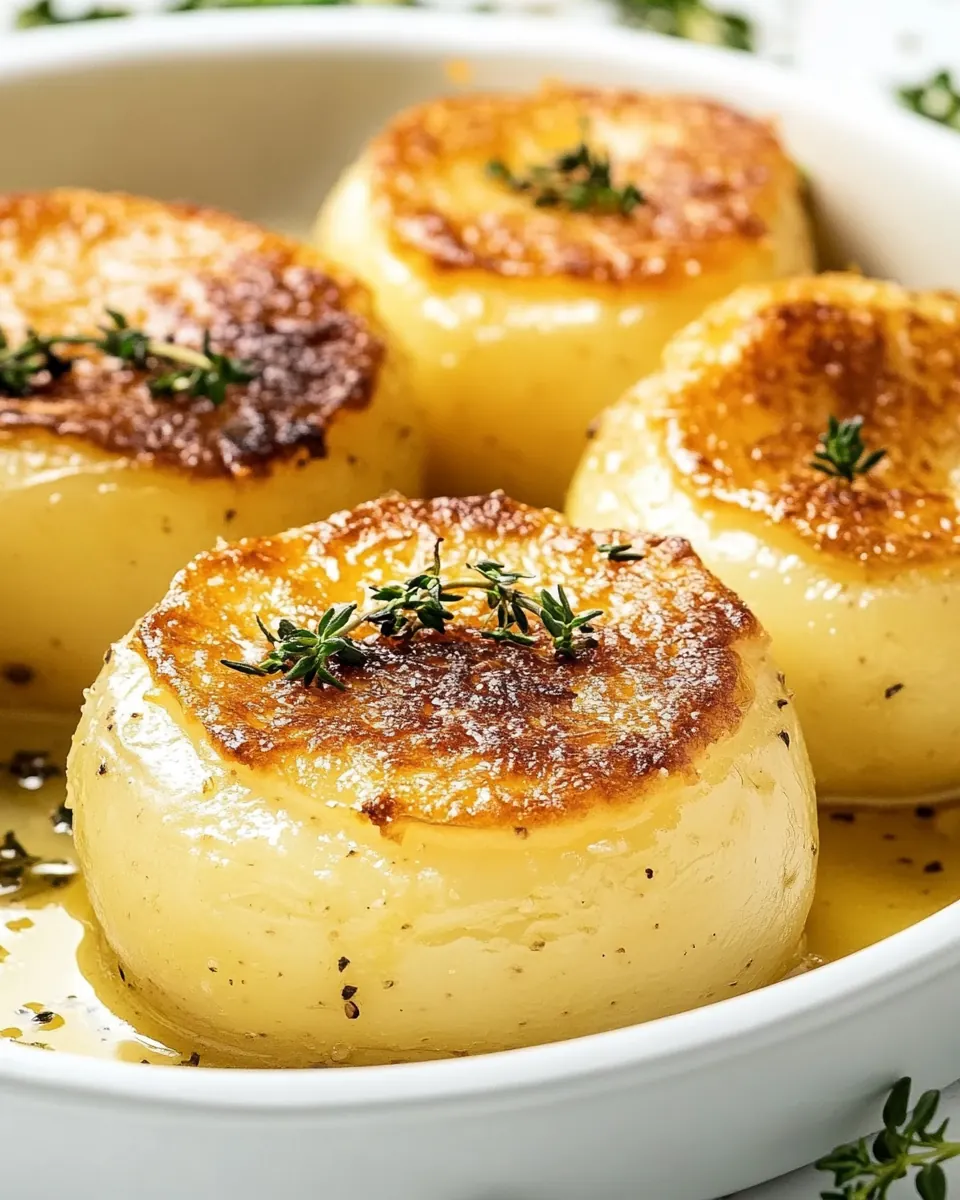
This method is straightforward but rewarding. You will sear the potatoes to build a golden crust, add aromatics and broth, then finish them in the oven until tender. Follow the sensory cues I describe so you know when each step is right, and watch the pan sauce at the end to spoon over the potatoes for maximum flavor.
- Preheat oven to 450°F.: The kitchen should feel warm from the oven and you may notice a slight rise in ambient heat which helps hold the skillet hot when you transfer it. Setting a high oven temperature ensures the braising finishes quickly and helps the butter sauce reduce without overcooking the potatoes. A common mistake is not allowing the oven to fully reach temperature, which can extend baking time and soften the crust. Make sure the oven reads at 450°F before you put the pan in.
- Cut both ends off each of the peeled potatoes so that they sit flat, they should be about 2 inches tall. Pat dry with a paper towel and season each side with salt and pepper.: When you cut the ends, you expose a clean flat surface that will make full contact with the pan, producing more even browning. Patting the potatoes dry is crucial because moisture prevents the development of a crisp crust, and the surface should feel dry to the touch. You will smell the raw potato starch as you work and see dry, matte surfaces once patted. Avoid leaving them wet on the surface or the sear will steam instead of crisping.
- Place the avocado oil in a large heavy-bottomed skillet over medium-high heat. Once the oil is shimmering, add the potatoes flat side down. Cook until a golden crust has formed, about 5 minutes.: You'll know the pan is ready when the avocado oil shimmers and moves fluidly across the skillet. As the potatoes sear, listen for a steady, low sizzle, and watch the edges begin to brown and take on a deep golden color. That crust provides texture and flavor; resist turning them too early or the crust will not develop. If the potatoes stick badly, the pan was not hot enough or they were not dry.
- Flip the potatoes, and continue to cook for another 3-4 minutes until a crust has formed on the other side. Drain the oil from the skillet.: After flipping, you'll again hear the sizzle and see the crust deepen. The aroma will become butterier and nuttier as the surface caramelizes. Draining the oil prevents the pan from becoming greasy when you add the butter and broth; too much oil can make the sauce slick rather than silky. A pitfall here is overcrowding the pan, which lowers the surface temperature and prevents browning, so give each potato space.
- Add the butter, garlic cloves, thyme, and rosemary to the skillet. Pour in the vegetable stock, and transfer the skillet to the oven.: When you add the butter and herbs, you should hear a gentle hiss as the butter melts and releases an herbaceous aroma. The garlic will begin to perfume the fat, creating a fragrant base for the braising liquid. Pouring in the vegetable broth introduces steam, which will finish cooking the potatoes from the inside. The oven will take over, and you may notice the pan bubbling softly as the sauce reduces. Avoid using a skillet that is not oven safe, or you could damage the pan or cause a safety issue.
- Bake for 25-30 minutes or until the potatoes are tender when pierced with a fork.: During baking, the aroma in your kitchen will shift to a warm, herby butter scent as the broth reduces and the potatoes steam. Test doneness by inserting a fork into the center; it should meet little resistance and feel almost creamy. If the fork meets resistance, bake a few minutes longer, checking every five minutes. A common error is relying on time alone rather than checking tenderness, since potato sizes vary and ovens differ slightly.
- To serve, top with flaky sea salt and spoon the remaining butter sauce in the pan over the potatoes.: Right before serving, the pan will be glossy with a concentrated butter and herb sauce. Spoon this sauce over the potatoes so each bite gets a hit of salty, buttery flavor and a hint of herb. The finishing touch of flaky sea salt gives a satisfying crunch against the soft interior. Be careful not to over salt at this stage; taste a small piece first if you are unsure about the seasoning.
Change It Up
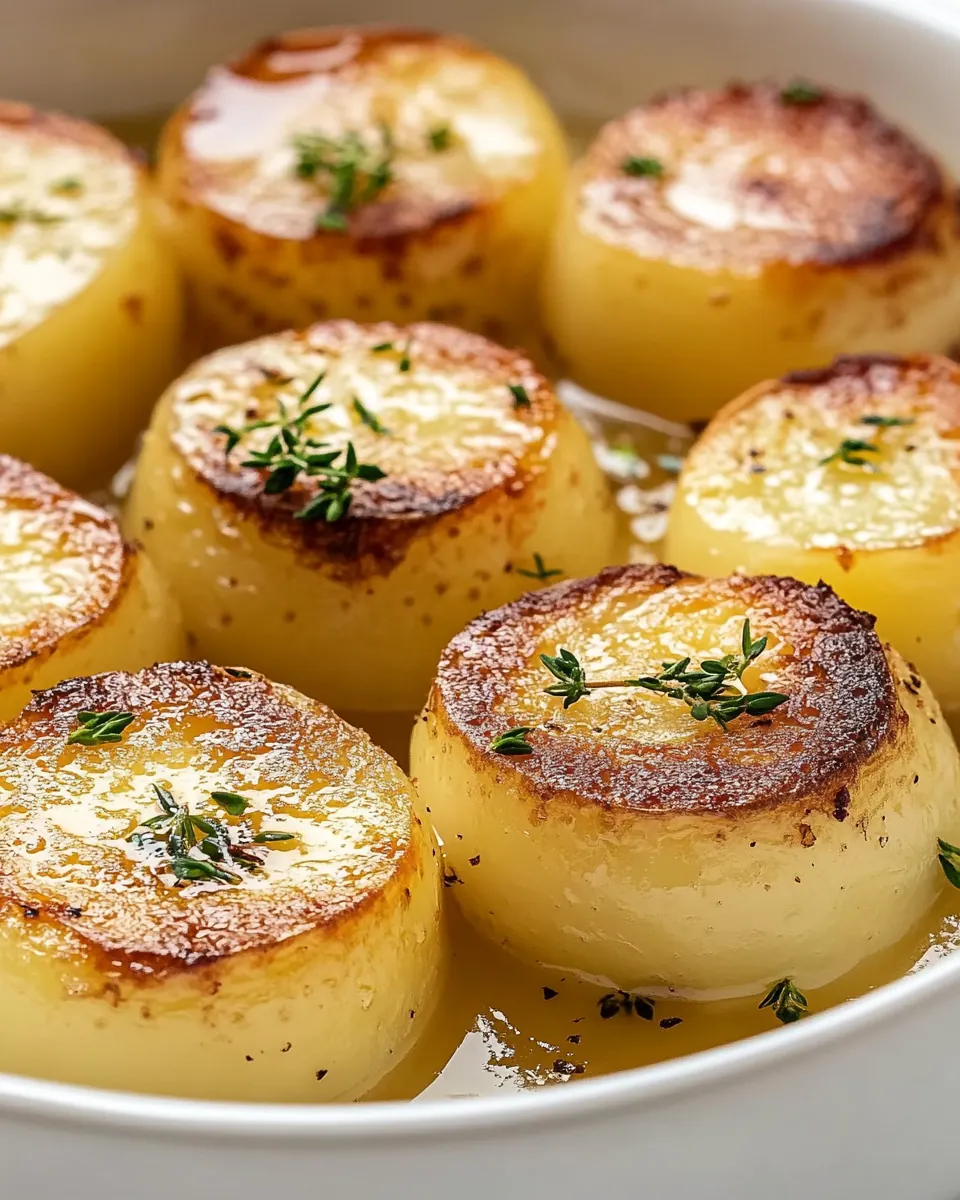
If you want to vary the approach to Fondant Potatoes, these tips will help you adapt the method while keeping the core technique intact. I include ways to change textures, scale the recipe, and store leftovers so you can get the most from each batch.
- Swap the oil for a neutral high smoke point oil: If you do not have avocado oil, a neutral high smoke point oil works similarly for searing, just make sure it shimmers before adding the potatoes so they brown properly.
- Double the herbs for a stronger aroma: Increase the rosemary and thyme slightly if you want a more pronounced herb note, but keep one sprig of rosemary to avoid overpowering the delicate potato flavor.
- Make ahead the day before: After baking, let the potatoes cool, refrigerate in an airtight container, then gently reheat in an oven set to a moderate temperature to refresh the crust and warm the center.
- Use low sodium broth: If you worry about salt, choose a low sodium vegetable broth to control seasoning and avoid over salting at the end.
- Serve extra sauce on the side: Spoon the remaining pan sauce into a small dish so guests can add more if they want a richer bite, it keeps the potatoes from becoming soggy on the plate.
Side Dish Ideas for Fondant Potatoes
Fondant Potatoes pair beautifully with a variety of mains and occasions, from weeknight dinners to festive holiday tables. Below are ideas for sides, serving styles, and storage tips that help you incorporate this recipe into many meals.
- Classic roast dinner pairing: Serve alongside a roasted vegetable medley and a lean protein for a balanced plate that feels both comforting and polished.
- Casual weeknight meal: Plate with a simple green salad dressed lightly so the buttery potatoes remain the star of the meal, making it an easy weeknight dinner option.
- Holiday or special occasion: Arrange on a platter with a sprig of fresh herbs for a centerpiece style side that complements celebratory mains and adds a touch of elegance to the table.
- Storage tips: Store leftover Fondant Potatoes in an airtight container in the refrigerator for up to five days; reheat in a moderate oven to refresh the crust rather than microwaving which can make them soggy.
- Seasonal pairings: In winter, pair with roasted root vegetables and braised greens; in spring, serve with bright, crisp salads to balance the richness.
FAQ
Conclusion
Fondant Potatoes are special because they pair a crisp, golden exterior with a melting, buttery interior, creating a simple but elegant side. Give them a try when you want something comforting that feels elevated, and follow the sear then braise method for consistent results. They are forgiving, adaptable, and a small amount of technique yields big flavor, so I hope you make a pan soon and enjoy every buttery, herb scented bite.
Fondant Potatoes
Equipment
- Heavy bottomed skillet
- Oven
Ingredients
- 8 -10 small/medium Yukon Gold potatoes peeled Peel and halve or leave whole depending on size to provide a buttery, creamy base that crisps on the outside while staying tender inside; Yukon Golds hold shape well during searing and roasting. Use small to medium potatoes for even cooking and consistent texture in each serving.
- 1/2 teaspoon ea salt Season evenly early to enhance the potatoes' natural flavor and help draw out moisture for better browning; salt also balances the richness from butter and oil. Sprinkle during cooking and adjust to taste at the end for optimal seasoning.
- 1/4 teaspoon freshly cracked black pepper Crack freshly for a bright, sharp bite that lifts the richness of the butter and broth; its slight heat complements the herbs without overpowering. Add sparingly during cooking and finish tasting to maintain a balanced pepper presence.
- 2 tablespoons avocado oil Heat to promote a high-smoke-point sear that creates a deeply caramelized crust while allowing butter to brown without burning; avocado oil's neutral flavor won't compete with herbs. Use enough to coat the pan surface for even contact and color.
- 3 tablespoons unsalted butter (3/8 stick) Melt to enrich the cooking fat, encourage browning, and infuse the potatoes with a silky, savory mouthfeel; unsalted butter lets you control overall saltiness. Add mid-sear so the butter can baste the potatoes and contribute nutty browned notes.
- 3 cloves garlic Bruise or smash slightly to release aromatic oils and introduce a mellow garlicky background that permeates the cooking liquid and crust; whole cloves infuse without overpowering. Tuck among potatoes while roasting so the flavor mellows and becomes subtly sweet.
- 2 sprigs fresh thyme Strip leaves and scatter to impart a delicate, floral herbaceousness that brightens the rich components; thyme withstands long cooking and releases savory, slightly minty notes. Use sprigs so leaves can be removed easily before serving if desired.
- 1 sprig fresh rosemary Chop or leave whole to contribute a piney, resinous aroma that adds depth and a savory edge to the browned butter and broth; rosemary pairs well with potatoes and holds up to oven heat. Insert a whole sprig during braising for infusing flavor and remove before plating.
- 1 cup vegetable broth Pour to provide simmering liquid for gentle braising, deglaze the pan, and create a flavorful steam that finishes cooking the interiors; vegetable broth adds savory umami without meat stock. Use enough to come partway up the potatoes so they roast and braise simultaneously.
- Flaky sea salt for serving Sprinkle at the end to add a crisp, mineral finish and contrast to the creamy interior; flaky sea salt delivers bursts of saltiness and texture. Apply just before serving to preserve its delicate crunch and visual appeal.
Instructions
- Preheat oven to 450°F.: The kitchen should feel warm from the oven and you may notice a slight rise in ambient heat which helps hold the skillet hot when you transfer it. Setting a high oven temperature ensures the braising finishes quickly and helps the butter sauce reduce without overcooking the potatoes. A common mistake is not allowing the oven to fully reach temperature, which can extend baking time and soften the crust. Make sure the oven reads at 450°F before you put the pan in.
- Cut both ends off each of the peeled potatoes so that they sit flat, they should be about 2 inches tall. Pat dry with a paper towel and season each side with salt and pepper.: When you cut the ends, you expose a clean flat surface that will make full contact with the pan, producing more even browning. Patting the potatoes dry is crucial because moisture prevents the development of a crisp crust, and the surface should feel dry to the touch. You will smell the raw potato starch as you work and see dry, matte surfaces once patted. Avoid leaving them wet on the surface or the sear will steam instead of crisping.
- Place the avocado oil in a large heavy-bottomed skillet over medium-high heat. Once the oil is shimmering, add the potatoes flat side down. Cook until a golden crust has formed, about 5 minutes.: You'll know the pan is ready when the avocado oil shimmers and moves fluidly across the skillet. As the potatoes sear, listen for a steady, low sizzle, and watch the edges begin to brown and take on a deep golden color. That crust provides texture and flavor; resist turning them too early or the crust will not develop. If the potatoes stick badly, the pan was not hot enough or they were not dry.
- Flip the potatoes, and continue to cook for another 3-4 minutes until a crust has formed on the other side. Drain the oil from the skillet.: After flipping, you'll again hear the sizzle and see the crust deepen. The aroma will become butterier and nuttier as the surface caramelizes. Draining the oil prevents the pan from becoming greasy when you add the butter and broth; too much oil can make the sauce slick rather than silky. A pitfall here is overcrowding the pan, which lowers the surface temperature and prevents browning, so give each potato space.
- Add the butter, garlic cloves, thyme, and rosemary to the skillet. Pour in the vegetable stock, and transfer the skillet to the oven.: When you add the butter and herbs, you should hear a gentle hiss as the butter melts and releases an herbaceous aroma. The garlic will begin to perfume the fat, creating a fragrant base for the braising liquid. Pouring in the vegetable broth introduces steam, which will finish cooking the potatoes from the inside. The oven will take over, and you may notice the pan bubbling softly as the sauce reduces. Avoid using a skillet that is not oven safe, or you could damage the pan or cause a safety issue.
- Bake for 25-30 minutes or until the potatoes are tender when pierced with a fork.: During baking, the aroma in your kitchen will shift to a warm, herby butter scent as the broth reduces and the potatoes steam. Test doneness by inserting a fork into the center; it should meet little resistance and feel almost creamy. If the fork meets resistance, bake a few minutes longer, checking every five minutes. A common error is relying on time alone rather than checking tenderness, since potato sizes vary and ovens differ slightly.
- To serve, top with flaky sea salt and spoon the remaining butter sauce in the pan over the potatoes.: Right before serving, the pan will be glossy with a concentrated butter and herb sauce. Spoon this sauce over the potatoes so each bite gets a hit of salty, buttery flavor and a hint of herb. The finishing touch of flaky sea salt gives a satisfying crunch against the soft interior. Be careful not to over salt at this stage; taste a small piece first if you are unsure about the seasoning.
Notes
- Swap the oil for a neutral high smoke point oil: If you do not have avocado oil, a neutral high smoke point oil works similarly for searing, just make sure it shimmers before adding the potatoes so they brown properly.
- Double the herbs for a stronger aroma: Increase the rosemary and thyme slightly if you want a more pronounced herb note, but keep one sprig of rosemary to avoid overpowering the delicate potato flavor.
- Make ahead the day before: After baking, let the potatoes cool, refrigerate in an airtight container, then gently reheat in an oven set to a moderate temperature to refresh the crust and warm the center.
- Use low sodium broth: If you worry about salt, choose a low sodium vegetable broth to control seasoning and avoid over salting at the end.
- Serve extra sauce on the side: Spoon the remaining pan sauce into a small dish so guests can add more if they want a richer bite, it keeps the potatoes from becoming soggy on the plate.