English Toffee Sauce
English Toffee Sauce started showing up in my kitchen the first autumn I wanted to make everything feel a little cozier, and it quickly became my go to for finishing warm desserts.
I remember the first time I stirred together heavy cream, dark brown sugar, and unsalted butter while the house smelled like fallen leaves and baked apples. I was nervous about cooking sugar, but the slow, patient bubbling taught me more than a recipe ever could. From that moment, I found ways to drizzle it over simple ice cream and roasted fruit when friends popped in unexpectedly.
Over the years I’ve learned small rituals that change the texture and flavor of English Toffee Sauce. I now pay attention to the exact moment the sauce turns a dark amber, and I always finish with a whisper of quality pure vanilla extract and a tiny small pinch of salt to balance the sweetness. Those tiny moves make a homemade sauce taste far richer than store bought.
Every batch has a memory, whether it was a last minute topping for a weekday dessert or the thoughtful final touch for a dinner party. When I want a quick way to feel like I invested in something special, I reach for this sauce. It stores well in the fridge, so I often make a double batch and find myself reaching for the jar over the next few weeks, experimenting with warm puddings and sliced fruit as accompaniments.
Recipe Snapshot
15 mins
5 mins
10 mins
Easy
150 kcal
American
Gluten-Free, Low FODMAP
Desserts
Medium saucepan, Wooden spoon, Measuring cups and spoons
What You’ll Enjoy About This English Toffee Sauce
1. Comfortingly rich flavor
I love how English Toffee Sauce brings a deep, buttery richness to simple desserts. The combination of dark brown sugar and unsalted butter creates that toffee backbone, while the heavy cream adds a silky mouthfeel that makes each spoonful feel indulgent. I find this contrast of sweet and creamy especially satisfying on cool evenings.
2. Versatile finishing sauce
This sauce works for so many uses. I drizzle it over ice cream, spoon it across warm fruit, or fold a bit into plain yogurt to make an instant treat. Because it’s not overly complicated, I turn to English Toffee Sauce when I want to elevate something basic without fuss. It’s one of those pantry heroes I rely on.
3. Simple ingredients, big payoff
There is something honest about a recipe that uses pantry staples yet tastes indulgent. With just heavy cream, dark brown sugar, unsalted butter, a small pinch of salt, and quality pure vanilla extract, the results are striking. I love that technique matters more than obscure ingredients, which makes the sauce approachable.
4. Reliable make ahead and storage
I appreciate recipes that let me prep in advance. Once cooled, English Toffee Sauce keeps in the refrigerator and reheats beautifully with a splash of extra heavy cream or unsalted butter if needed. That convenience means I can serve something that tastes freshly made even on busy nights.
5. Sensory satisfaction
There’s a tactile joy in watching the sugar melt and the sauce turn amber, then smelling the warm, caramel notes as I stir in the quality pure vanilla extract. Those sensory cues are part of why I return to this recipe. It engages sight, smell, and taste in a comforting, rewarding way.
Recipe Ingredients for English Toffee Sauce
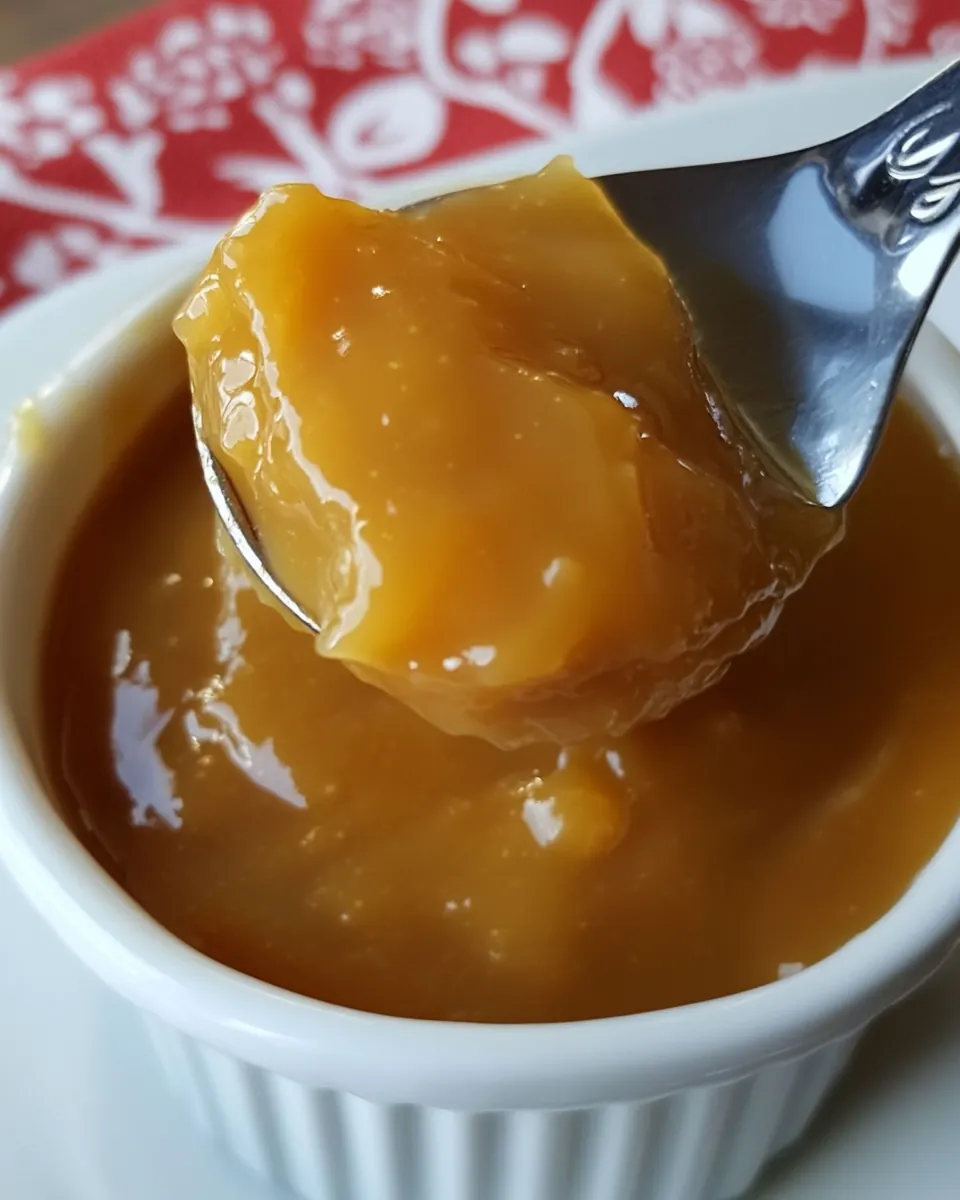
These ingredients are intentionally minimal so each one plays a starring role. The key players are the dark brown sugar which builds that deep caramel flavor, the unsalted butter which brings a creamy, buttery body, and the heavy cream that softens and enriches the sauce. A small pinch of salt brightens and balances the sweetness while quality pure vanilla extract rounds everything with floral warmth.
- 1 cup heavy cream: Adds richness and a silky mouthfeel to the sauce, balancing sweetness while carrying flavors throughout; gently simmer to prevent scorching and maintain smooth texture.
- 1 cup dark brown sugar: Provides deep caramel-like sweetness and moisture, contributing complex molasses notes that form the toffee base when melted and combined with cream and butter.
- 1/2 cup unsalted butter: Contributes creamy fat that emulsifies with sugars and liquid to create a glossy, luscious sauce; stir until fully melted for even consistency.
- small pinch of salt: Enhances overall flavor by cutting sweetness and highlighting caramel notes; use sparingly to avoid altering texture while improving balance.
- 1 teaspoon quality pure vanilla extract: Imparts aromatic warmth and rounds out flavors with vanilla’s floral and sweet notes; stir in off heat to preserve delicate aroma.
Cooking Instructions for English Toffee Sauce
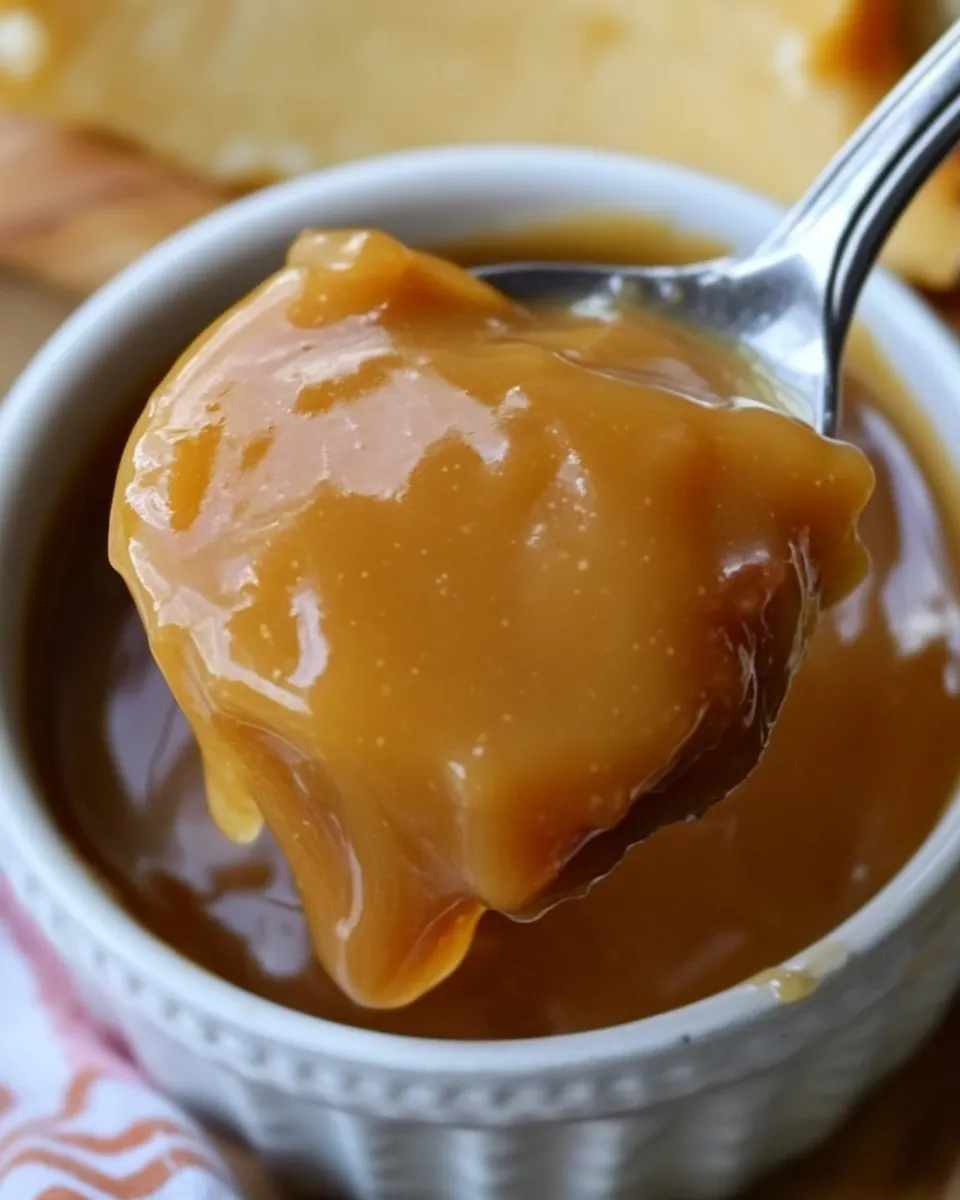
I like to walk through this process slowly, paying attention to color and aroma. The directions below follow the original steps, expanded into detailed, sensory driven guidance so you can confidently make rich, silky toffee sauce at home.
- Place the heavy cream, brown sugar, salt and butter in a medium saucepan over medium heat and let the brown sugar dissolve completely, stirring as little as possible to avoid the sugar granules from splashing up the sides of the pan (this will result in a grainy toffee sauce). Once it's dissolved increase the temperature to medium high. Avoid stirring too much during the initial stages until the sauce begins to turn color. Increase the frequency of stirring as the sauce gets browner to prevent burning. Continue until the sauce is thickened and a dark amber. Remove from heat and stir in the vanilla extract. If the sauce thickens too much or if leftovers are too thick, add a little extra butter and/or heavy cream and reheat. Makes about 1 3/4 cups. Store in the refrigerator where it will keep for up to a month.: Warmth builds gently at this stage, and you will notice the aroma of molasses rising as the dark brown sugar softens into the liquids. The sound is subtle, a quiet simmer as the mixture calms into a glossy pool. I find it helps to tilt the saucepan occasionally to check dissolution rather than aggressive stirring, which can encourage sugar to climb and crystallize on cooler rim areas. The key reason for minimal stirring is to let the heat dissolve sugar evenly without creating sugar crystals that cause graininess. One common mistake is over stirring early, which can splash crystals up the sides and later seed the whole batch with grit. Keep the flame steady at medium and be patient until you see the granules fully melt into a smooth, uniform mixture.
- Once it's dissolved increase the temperature to medium high: You will sense the mixture grow more active, the simmer shifting into an audible, lively bubbling. Visually the color will deepen slightly, and steam will pick up. Turning the heat up concentrates the sugars and encourages Maillard style browning that creates those toffee notes. The why is simple, higher heat accelerates caramelization which transforms sweetness into complex caramel. A typical pitfall here is cranking the heat too high, which causes rapid scorching rather than even color development. Maintain medium high and watch for an even, progressive deepening rather than sudden dark spots.
- Avoid stirring too much during the initial stages until the sauce begins to turn color: During this transition you will watch for the first hints of amber, and you might catch the scent change from sugary to toasted. The surface will shift from glossy pale to warm honey tones. Limiting agitation allows pockets of gentle, even heat to form and keeps the surface smooth. The technique matters because constant vigorous stirring can incorporate air and cool areas unevenly, delaying caramelization. A troubleshooting note, if you agitate too often the sauce can cool unevenly and lengthen cooking time, so resist the urge to constantly stir.
- Increase the frequency of stirring as the sauce gets browner to prevent burning: At this point the aroma becomes nutty and deeply caramelized, and the sauce’s surface may show darker streaks. Regular, gentle stirring evens heat and prevents those streaks from turning into burnt bits. This step protects flavor, because burnt sugar tastes sharp and bitter rather than sweet. Many cooks accidentally reduce stirring as color increases, but that invites hotspots. Keep a steady hand and stir more often now to keep color uniform and savor the developing toffee notes.
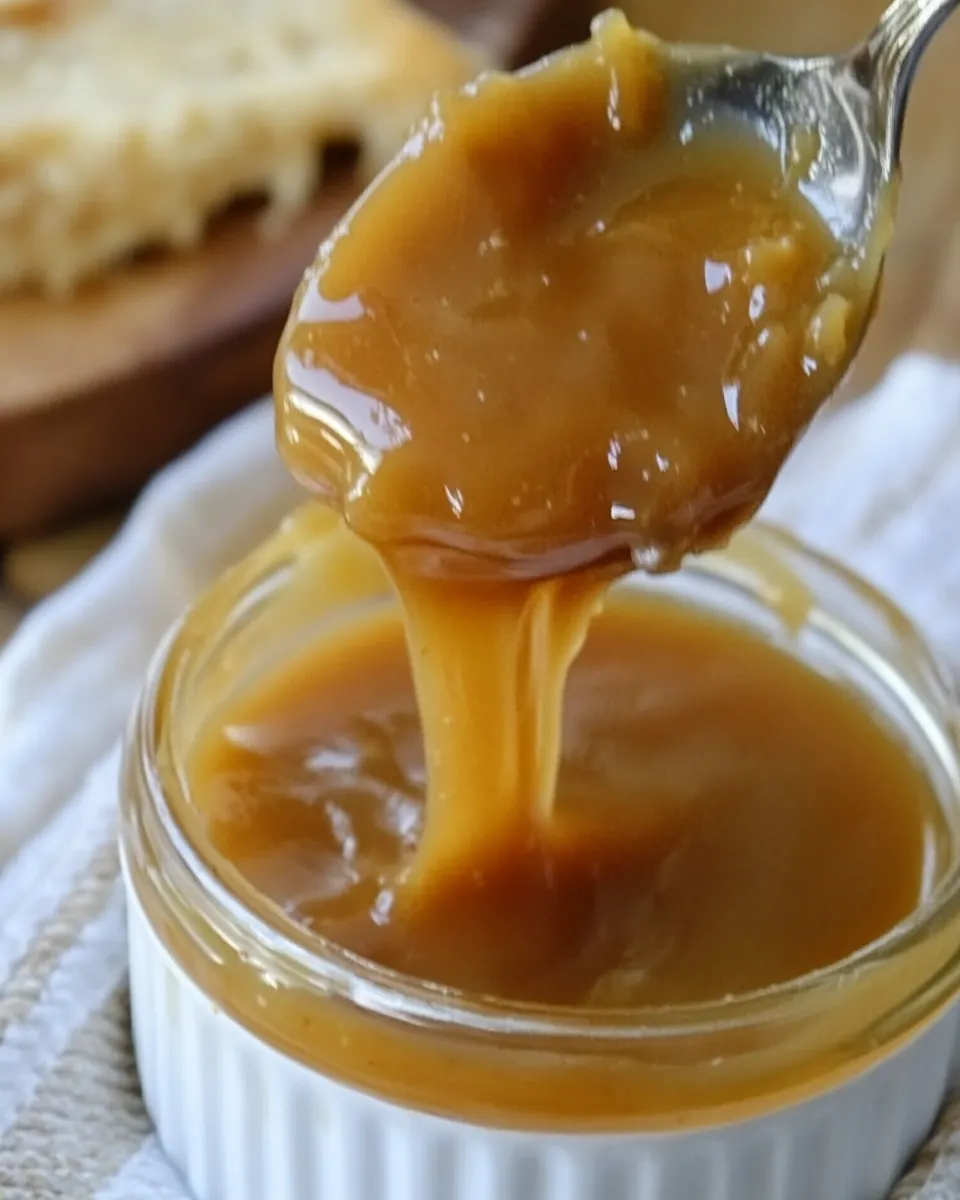
- Continue until the sauce is thickened and a dark amber: The sauce will coat the back of a spoon and move more slowly when tipped, showing that the viscosity is right. Smell and sight are your guides, the scent should be warm, toasty, and inviting rather than acrid. This thickening matters, it concentrates flavor and gives body so the sauce clings to desserts. A frequent error is removing it too early, which leaves a runny, underdeveloped sauce. Trust the color and coating test to determine readiness rather than an exact time.
- Remove from heat and stir in the vanilla extract: Once off the flame, the steam settles and you add the quality pure vanilla extract to preserve its delicate aroma. The temperature drop prevents the alcohol in vanilla from evaporating away, keeping that floral note intact. Stirring now blends the vanilla evenly and smooths the surface into a glossy finish. A mistake people make is adding vanilla too early, which dissipates its fragrance. Add it off heat for maximum aromatic impact.
- If the sauce thickens too much or if leftovers are too thick, add a little extra butter and/or heavy cream and reheat: When you rewarm, you will notice the sauce soften and regain silkiness as the fats meld back into suspension. The sensory cue is a loosening from stiff to pourable, with renewed sheen. This step restores texture and helps adjust viscosity for different uses, like drizzling versus spooning. Overheating when reheating can separate fats, so warm gently and incorporate slowly. Avoid boiling during reheating or the texture can split or become grainy.
- Makes about 1 3/4 cups: You will end up with a substantial jar of sauce that pours luxuriously. The volume gives you enough for multiple desserts across several servings, which is handy for planning. Knowing the yield helps with portioning and storage decisions. A common oversight is assuming it will yield more after cooling, but density increases as it chills so expect close to the stated amount.
- Store in the refrigerator where it will keep for up to a month: Chilled, the sauce firms slightly and develops a deeper mouthfeel. When you want to use it, warm gently to bring back that pourable texture. Proper refrigeration also preserves freshness and prevents spoilage. Be careful to reheat only as much as you need at a time; repeated heating cycles can degrade flavor and texture. One mistake is leaving it at room temperature for long stretches which shortens shelf life, so keep it covered and cool.
Tips and Tricks about English Toffee Sauce
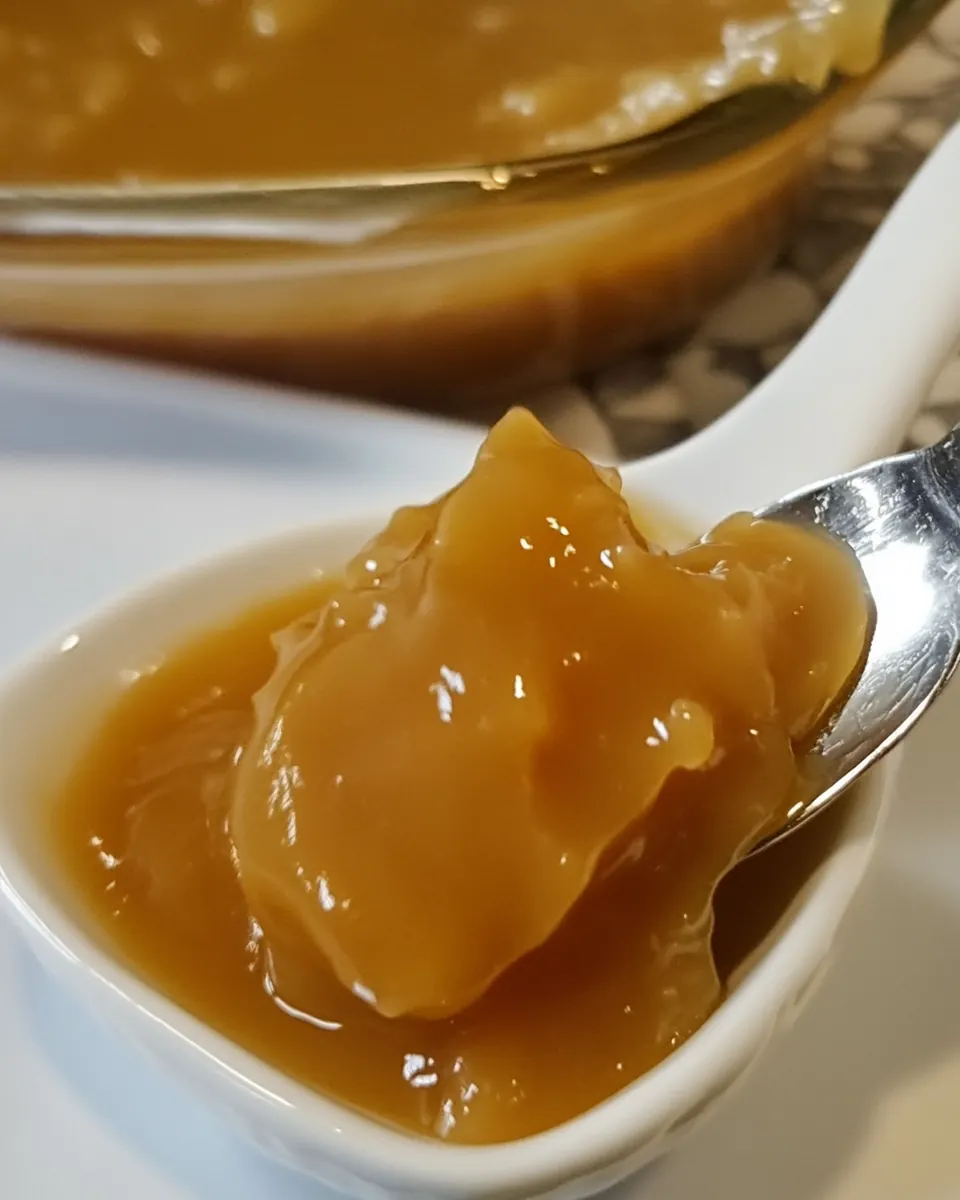
I like to keep a short set of practical tips handy whenever I make this sauce, so I avoid common pitfalls and get consistent results. These notes reflect experience and small tweaks that make a real difference in texture and flavor.
- Choose quality sugar The depth of flavor depends heavily on using dark brown sugar rather than light brown or white sugar, because the molasses content gives the toffee its signature richness.
- Control your heat Start at medium and raise to medium high at the right moment, this prevents the mixture from scorching and promotes even caramelization without burning.
- Use a good saucepan A heavy bottom pan distributes heat evenly and reduces the chance of hot spots that can quickly ruin the sauce.
- Finish off heat Always stir in the quality pure vanilla extract after you remove the pan from heat to preserve aromatic complexity.
- Reheat gently If the sauce firms in the fridge, warm it slowly with a tablespoon of heavy cream to restore silkiness without separating.
Serving Options for English Toffee Sauce
This sauce shines when used thoughtfully, and I enjoy pairing it with a variety of simple desserts. Below are serving ideas, storage notes, and occasions where English Toffee Sauce feels especially appropriate.
- Over ice cream Drizzle warm sauce over vanilla or caramel ice cream for an indulgent dessert; the contrast of cold and warm highlights the sauce’s silky texture.
- With roasted fruit Spoon over roasted apples, pears, or bananas to add depth and a glossy finish for a seasonal dessert.
- As a dip Serve in a small bowl with sliced apples or pears for a simple party appetizer that guests can spoon onto their plates.
- On pancakes or waffles Use as a finishing syrup for weekend brunch, adding a touch of luxury to ordinary batter based plates.
- Storage tips Store in an airtight jar in the refrigerator for up to a month; reheat gently in a saucepan or microwave before serving.
- Occasions Ideal for cozy fall evenings, small dinner parties, or whenever you want a quick, comforting finish to a simple dessert.
FAQ
Conclusion
What makes this recipe special is its simplicity and depth of flavor, turning a few pantry staples into a luxurious finishing sauce. Try making a batch and keep it chilled so you can quickly elevate ice cream, roasted fruit, or pancakes whenever you want. I hope this guide gives you the confidence to watch for those amber moments and enjoy the warm, toffee scented results with family and friends.
English Toffee Sauce
Equipment
- Medium Saucepan
- Wooden Spoon
- Measuring Cups and Spoons
Ingredients
- 1 cup heavy cream Adds richness and a silky mouthfeel to the sauce, balancing sweetness while carrying flavors throughout; gently simmer to prevent scorching and maintain smooth texture.
- 1 cup dark brown sugar Provides deep caramel-like sweetness and moisture, contributing complex molasses notes that form the toffee base when melted and combined with cream and butter.
- 1/2 cup unsalted butter Contributes creamy fat that emulsifies with sugars and liquid to create a glossy, luscious sauce; stir until fully melted for even consistency.
- small pinch of salt Enhances overall flavor by cutting sweetness and highlighting caramel notes; use sparingly to avoid altering texture while improving balance.
- 1 teaspoon quality pure vanilla extract Imparts aromatic warmth and rounds out flavors with vanilla’s floral and sweet notes; stir in off heat to preserve delicate aroma.
Instructions
- Place the heavy cream, brown sugar, salt and butter in a medium saucepan over medium heat and let the brown sugar dissolve completely, stirring as little as possible to avoid the sugar granules from splashing up the sides of the pan (this will result in a grainy toffee sauce). Once it's dissolved increase the temperature to medium high. Avoid stirring too much during the initial stages until the sauce begins to turn color. Increase the frequency of stirring as the sauce gets browner to prevent burning. Continue until the sauce is thickened and a dark amber. Remove from heat and stir in the vanilla extract. If the sauce thickens too much or if leftovers are too thick, add a little extra butter and/or heavy cream and reheat. Makes about 1 3/4 cups. Store in the refrigerator where it will keep for up to a month.: Warmth builds gently at this stage, and you will notice the aroma of molasses rising as the dark brown sugar softens into the liquids. The sound is subtle, a quiet simmer as the mixture calms into a glossy pool. I find it helps to tilt the saucepan occasionally to check dissolution rather than aggressive stirring, which can encourage sugar to climb and crystallize on cooler rim areas. The key reason for minimal stirring is to let the heat dissolve sugar evenly without creating sugar crystals that cause graininess. One common mistake is over stirring early, which can splash crystals up the sides and later seed the whole batch with grit. Keep the flame steady at medium and be patient until you see the granules fully melt into a smooth, uniform mixture.
- Once it's dissolved increase the temperature to medium high: You will sense the mixture grow more active, the simmer shifting into an audible, lively bubbling. Visually the color will deepen slightly, and steam will pick up. Turning the heat up concentrates the sugars and encourages Maillard style browning that creates those toffee notes. The why is simple, higher heat accelerates caramelization which transforms sweetness into complex caramel. A typical pitfall here is cranking the heat too high, which causes rapid scorching rather than even color development. Maintain medium high and watch for an even, progressive deepening rather than sudden dark spots.
- Avoid stirring too much during the initial stages until the sauce begins to turn color: During this transition you will watch for the first hints of amber, and you might catch the scent change from sugary to toasted. The surface will shift from glossy pale to warm honey tones. Limiting agitation allows pockets of gentle, even heat to form and keeps the surface smooth. The technique matters because constant vigorous stirring can incorporate air and cool areas unevenly, delaying caramelization. A troubleshooting note, if you agitate too often the sauce can cool unevenly and lengthen cooking time, so resist the urge to constantly stir.
- Increase the frequency of stirring as the sauce gets browner to prevent burning: At this point the aroma becomes nutty and deeply caramelized, and the sauce’s surface may show darker streaks. Regular, gentle stirring evens heat and prevents those streaks from turning into burnt bits. This step protects flavor, because burnt sugar tastes sharp and bitter rather than sweet. Many cooks accidentally reduce stirring as color increases, but that invites hotspots. Keep a steady hand and stir more often now to keep color uniform and savor the developing toffee notes.
- Continue until the sauce is thickened and a dark amber: The sauce will coat the back of a spoon and move more slowly when tipped, showing that the viscosity is right. Smell and sight are your guides, the scent should be warm, toasty, and inviting rather than acrid. This thickening matters, it concentrates flavor and gives body so the sauce clings to desserts. A frequent error is removing it too early, which leaves a runny, underdeveloped sauce. Trust the color and coating test to determine readiness rather than an exact time.
- Remove from heat and stir in the vanilla extract: Once off the flame, the steam settles and you add the quality pure vanilla extract to preserve its delicate aroma. The temperature drop prevents the alcohol in vanilla from evaporating away, keeping that floral note intact. Stirring now blends the vanilla evenly and smooths the surface into a glossy finish. A mistake people make is adding vanilla too early, which dissipates its fragrance. Add it off heat for maximum aromatic impact.
- If the sauce thickens too much or if leftovers are too thick, add a little extra butter and/or heavy cream and reheat: When you rewarm, you will notice the sauce soften and regain silkiness as the fats meld back into suspension. The sensory cue is a loosening from stiff to pourable, with renewed sheen. This step restores texture and helps adjust viscosity for different uses, like drizzling versus spooning. Overheating when reheating can separate fats, so warm gently and incorporate slowly. Avoid boiling during reheating or the texture can split or become grainy.
- Makes about 1 3/4 cups: You will end up with a substantial jar of sauce that pours luxuriously. The volume gives you enough for multiple desserts across several servings, which is handy for planning. Knowing the yield helps with portioning and storage decisions. A common oversight is assuming it will yield more after cooling, but density increases as it chills so expect close to the stated amount.
- Store in the refrigerator where it will keep for up to a month: Chilled, the sauce firms slightly and develops a deeper mouthfeel. When you want to use it, warm gently to bring back that pourable texture. Proper refrigeration also preserves freshness and prevents spoilage. Be careful to reheat only as much as you need at a time; repeated heating cycles can degrade flavor and texture. One mistake is leaving it at room temperature for long stretches which shortens shelf life, so keep it covered and cool.
Notes
- Choose quality sugar The depth of flavor depends heavily on using dark brown sugar rather than light brown or white sugar, because the molasses content gives the toffee its signature richness.
- Control your heat Start at medium and raise to medium high at the right moment, this prevents the mixture from scorching and promotes even caramelization without burning.
- Use a good saucepan A heavy bottom pan distributes heat evenly and reduces the chance of hot spots that can quickly ruin the sauce.
- Finish off heat Always stir in the quality pure vanilla extract after you remove the pan from heat to preserve aromatic complexity.
- Reheat gently If the sauce firms in the fridge, warm it slowly with a tablespoon of heavy cream to restore silkiness without separating.