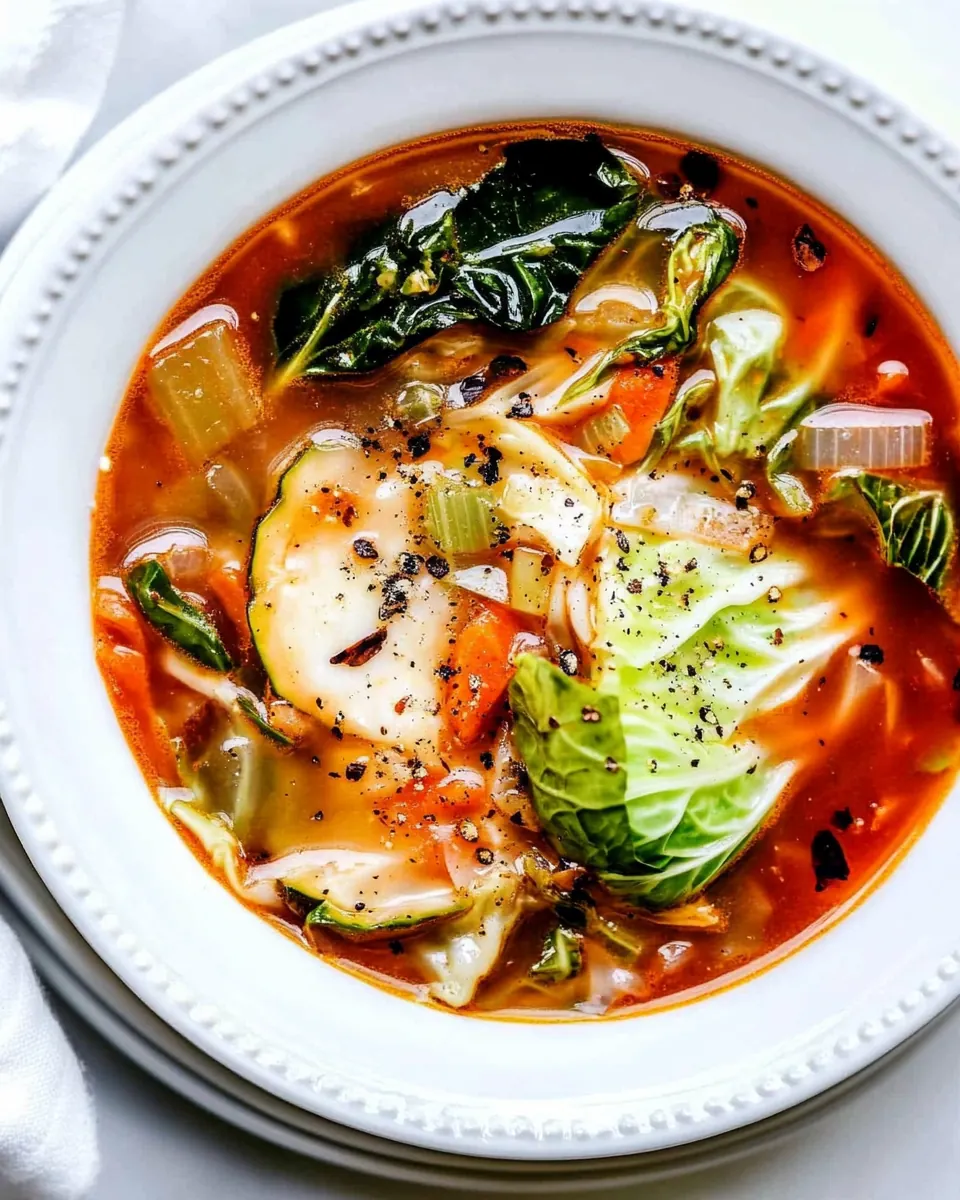
Cabbage Soup
Cabbage Soup is one of those bowls I turn to when I want something honest, warming, and unfussy. The first time I made this version it was a blustery evening in winter, and I had a few humble vegetables left in the crisper. I chopped, stirred, and watched flavors come together, and by the time the house filled with a bright tomato aroma I knew this simple soup would become a staple.
There is an easy rhythm to making Cabbage Soup, and I always find the process calming. I usually start by sautéing onion and garlic until they smell sweet and soft, then add mushrooms for an earthy note. The pot transforms as I add tomato juice and broth, and the simmer brings out the best in humble pantry staples like chickpeas and shredded cabbage. Every spoonful feels like a small, restorative ritual.
Over the years I have adapted this recipe for busy weeknights and cozy family dinners. I love how flexible it is: you can use pantry beans, whatever broth you have, and vegetables that need to be used up. What keeps me coming back is the balance between bright tomato, savory broth, and the gentle bite of cabbage and zucchini. It’s filling without being heavy, and it pairs beautifully with crusty bread or a simple grain salad.
Recipe Snapshot
55 mins
10 mins
45 mins
Medium
150 kcal
American
Vegan, Gluten-Free
Soups
Stock pot, Wooden spoon
What’s Great About This Cabbage Soup
Comfort in a Bowl
I always reach for Cabbage Soup when I want comfort that does not weigh me down. The combination of tomato juice and broth creates a warm, savory base that soothes the senses. When the soup simmers the kitchen fills with an inviting scent that signals dinner is nearly ready.
Pantry Friendly and Frugal
I love that this recipe leans on pantry heroes like canned chickpeas and staple vegetables. You can make a generous pot without expensive ingredients, and it stretches well for leftovers. That practical side makes it my go to for busy weeks, because it feels luxurious without the cost.
Bright and Healthy
The way shredded cabbage softens but keeps a little texture adds a satisfying mouthfeel, while zucchini and carrot contribute freshness and color. This bowl delivers vegetables, fiber, and plant protein, so it stands in for a balanced weeknight meal when paired with a simple side.
Flexible and Forgiving
I appreciate recipes that forgive substitutions, and Cabbage Soup does just that. Use vegetable broth or chicken broth depending on what you prefer, swap beans, or change the vegetables. I often tweak seasoning to suit the mood, and the soup still shines.
Family Friendly
My family usually asks for seconds because the flavors are familiar yet bright. The texture is gentle enough for picky eaters, and the aroma often pulls everyone to the table. For weeknight dinners it feels like a small celebration of simple ingredients.
What to Gather for Cabbage Soup
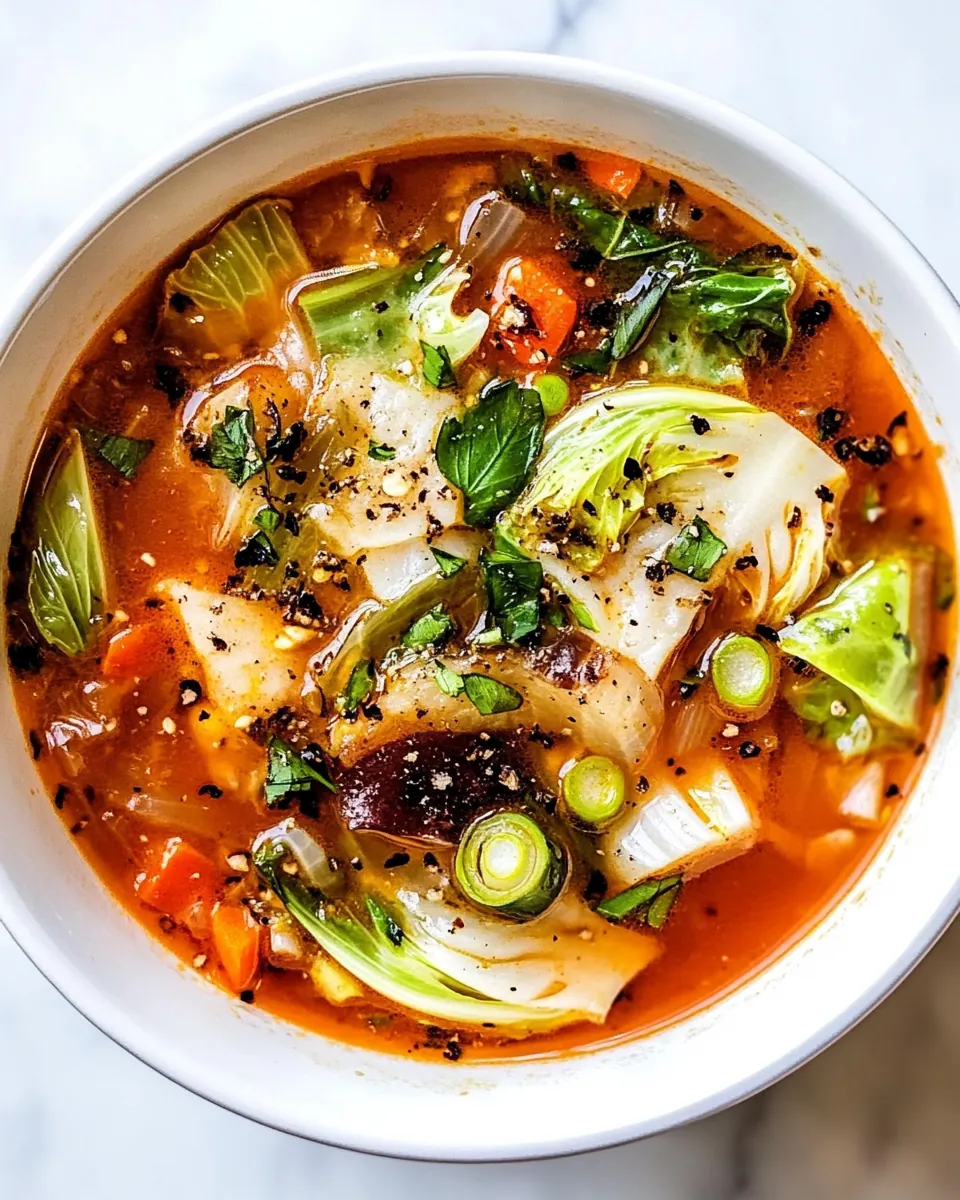
These ingredients are chosen for balance and accessibility. The base of tomato juice and broth provides savory depth, while vegetables like cabbage, zucchini, and carrot add texture and freshness. Beans bring protein and body, and simple seasonings lift the whole pot. Together they create a nourishing, layered soup that is greater than the sum of its parts.
- 1 cup yellow onion: Sauté gently to develop sweetness and provide a savory aromatic base that enhances the soup’s overall flavor and mouthfeel.
- 2 cloves garlic, pressed or grated: Infuse intensely when pressed or grated to release sharp, pungent aromas that brighten and deepen the savory profile of the broth.
- 1 cup mushrooms, sliced: Brown lightly to add earthy, umami-rich notes and a meaty texture contrast that complements the lighter vegetables in the soup.
- 1 teaspoon kosher salt: Season evenly to control and balance flavors throughout the pot, helping to bring out natural sweetness in vegetables while enhancing other seasonings.
- 1 teaspoon freshly ground black pepper: Season freshly to add a sharp, aromatic bite and a background heat that sharpens the overall taste without overwhelming delicate ingredients.
- 4 cups tomato juice: Pour in as a bright, tangy liquid base that contributes acidity, sweetness, and a tomato-forward character to bind other flavors together.
- 4 cups chicken or vegetable broth: Add as a savory liquid backbone that supplies depth, body, and gelatinous mouthfeel while supporting the soup’s seasoning and vegetables.
- 15 ounce can chickpeas or cannellini beans, homemade, or canned that are drained and rinsed: Rinse and add for protein, fiber, and a creamy texture that boosts heartiness and makes the soup more filling and nutritious.
- 1 teaspoon Italian seasoning: Sprinkle evenly to introduce a herbaceous, Mediterranean blend that layers savory, aromatic notes and rounds out the flavor profile.
- 2 small zucchini, quartered lengthwise and sliced 1/4 inch thick: Slice and add to introduce a tender, slightly crisp texture with mild vegetal sweetness and a fresh contrast to cooked cabbage.
- 1 cup shredded cabbage: Shredded and incorporated to contribute mild, slightly sweet crunch that reduces in size and softens while soaking up soup flavors.
- 1 large carrot, peeled and sliced into 1/4 inch pieces: Peel and slice to bring earthy sweetness, color, and a firm bite that softens with cooking and adds natural starch for body.
The Method for Cabbage Soup
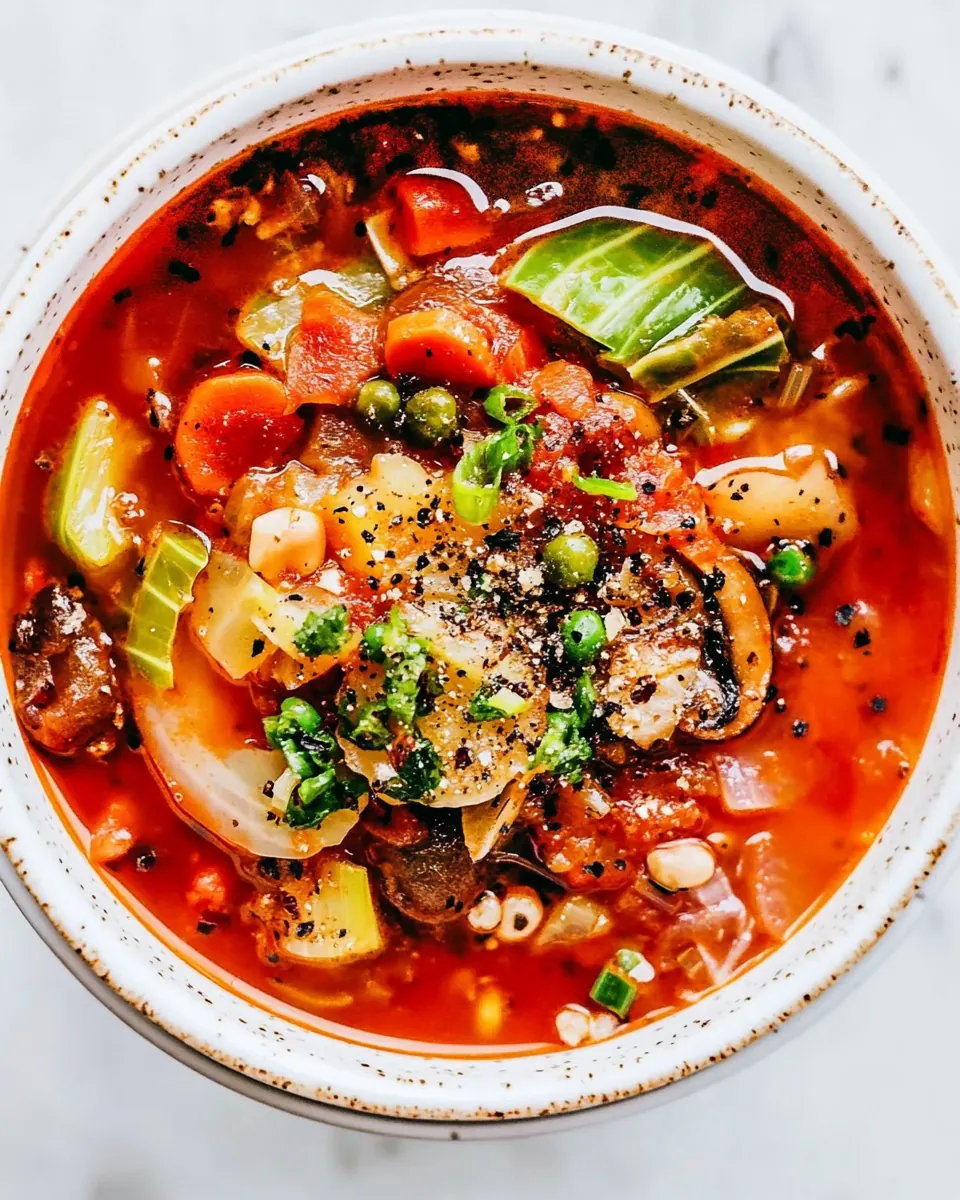
Working through this soup is a relaxed, sensory process. Take your time with the initial sauté so the aromatics develop, then let the simmering stage gently coax flavors together. The following steps expand on each action with sensory details, reasons behind techniques, and troubleshooting notes so you can trust the results.
- Spray a stock pot or large Dutch oven with non-stick cooking spray and heat over medium. Add the chopped onion and garlic. Cook for 3-4 minutes, stirring often. Stir in the mushrooms, season with the kosher salt, and continue cooking for 3-4 more minutes.: The pan should feel warm and release a faint sizzle when a drop of water pops, signaling the correct temperature. You want an even, moderate heat so the onion softens without burning, which encourages gentle caramelization and sweetness. If the pot is too cool the onion will sweat and become bland, and if it is too hot it will brown too quickly and risk bitter edges. A common mistake is cranking the heat to rush things, which sacrifices nuanced flavor. Keep the pot at medium, and you will notice a subtle shimmer across the surface when it is ready.
- Add the tomato juice and chicken (or vegetable) broth. Add the beans with the Italian seasoning and black pepper, and stir in the zucchini, cabbage, and carrot. Bring to a boil then reduce to a simmer and cook for 30-45 minutes. Taste and add more salt and pepper if needed.: As you add the chopped onion it should make a soft sizzling sound and start to turn translucent within a few minutes, releasing a sweet, savory fragrance. Introduce the pressed garlic after the onion softens so it flavors the oil without burning, which would impart a harsh bitterness. Stir frequently to ensure even cooking and to lift any fond from the bottom that contains concentrated flavor. Over stirring prevents browning, and under stirring can lead to unevenly cooked pieces, so strike a balance.
- Cook for 3 to 4 minutes, stirring often: During these minutes the onion will turn glossy and begin to soften, and the aroma will shift from sharp to gently sweet. Use this time to scrape the pot with a wooden spoon and notice any color developing at the base, which adds depth to the final broth. If the onion takes longer to soften it likely means the pan temperature is low, so increase slightly. Conversely, if the edges brown too quickly, lower the heat and stir more often to prevent burning.
- Stir in the mushrooms, season with the kosher salt, and continue cooking for 3 to 4 more minutes: When you add sliced mushrooms , they will first release water and then begin to concentrate and brown, giving an earthy aroma that complements the base. The initial moisture is normal, and as it evaporates the mushrooms will darken and their savory flavor will intensify. Adding kosher salt early helps draw out that moisture and deepen the savory profile. Avoid crowding the pan which causes steaming rather than browning; if the mushrooms steam, increase heat briefly to encourage evaporation and color development.
- Add the tomato juice and chicken or vegetable broth: Pouring in the tomato juice and chosen broth transforms the pot audibly as the liquid hits heat, and a warm, tomato forward aroma will unfold. This stage builds the soup’s core, carrying the flavors of sautéed aromatics and mushrooms throughout. Stir gently to incorporate any browned bits from the bottom, which dissolve into the liquid and enhance richness. If the broth tastes flat, a brief simmer will concentrate flavors; if it’s too sharp, a pinch more salt can balance acidity.
- Add the beans with the Italian seasoning and black pepper, and stir in the zucchini, cabbage, and carrot: Adding the rinsed chickpeas or cannellini beans introduces creamy texture and subtle nutty notes, while the Italian seasoning and black pepper infuse herbal and peppery layers. As you stir in the sliced zucchini , shredded cabbage , and sliced carrot , you will see the pot brighten with color and varied textures. The beans absorb some broth and help thicken the soup slightly. Be careful not to add tender vegetables too early, which can lead to overcooked, mushy pieces; add them now so they retain shape after simmering.
- Bring to a boil then reduce to a simmer and cook for 30 to 45 minutes: When the pot comes to a boil you will see vigorous bubbling and steam, and the aroma will intensify. Lowering to a gentle simmer allows flavors to marry slowly, deepening the broth and softening vegetables without breaking them down entirely. During the simmer you may notice the surface occasionally ripple and small bubbles rise, which is the ideal sign of steady, even cooking. Stir every so often to prevent sticking, and skim any foam if it appears. A common error is keeping the heat too high, which reduces liquid too quickly and can make vegetables fall apart.
- Taste and add more salt and pepper if needed: As the soup finishes simmering take a spoonful and evaluate balance, focusing on salt, acidity, and seasoning. The depth developed during simmering will change how much seasoning is needed. Add small increments of kosher salt and freshly ground black pepper , tasting after each adjustment. Over salting is easy to do, so proceed cautiously; if the soup ends up too salty, a squeeze of lemon or an extra cup of unsalted broth can help rescue it.
Pro Tips and Tweaks

I like to share practical tweaks that make this recipe sing. Small adjustments to seasoning, timing, and ingredient prep will elevate the final bowl. These tips reflect what I actually do, not theoretical changes, so you can trust them when you cook.
- Start with quality broth: Choosing a clear, flavorful chicken broth or vegetable broth makes a huge difference because it is the base of the soup, so prioritize taste over brand. If your broth is bland, the whole pot will be flat, and if it is too salty you lose control of seasoning.
- Sear mushrooms first: Browning mushrooms until they are golden intensifies their umami, creating a deeper savory backbone. If they are just steamed, you miss that caramelized flavor, which is easy to achieve with a hot pan and a little patience.
- Control salt early: Use kosher salt sparingly at the beginning, and always taste near the end before adding more, because the concentration changes as the soup reduces. Layering salt works, but final adjustments are key to balance.
- Rinse canned beans: Rinsing chickpeas removes excess sodium and preserves a cleaner flavor, which keeps the broth bright. Unrinsed beans can carry a dull canning flavor that muddies the final profile.
- Keep vegetable sizes consistent: Cutting the zucchini and carrot into uniform pieces ensures even cooking and a pleasing mouthfeel. Mismatched pieces mean some will be underdone while others turn to mush.
What to Serve Alongside Cabbage Soup
This soup pairs well with many simple sides and occasions. Think weeknight dinners when you want something cozy, or a light lunch served with bread. Below are ideas for serving, storage, and seasonal pairings to make the meal complete.
- Crusty bread for dipping: A loaf of warm bread works beautifully for sopping up the broth, adding a comforting textural contrast to the tender vegetables.
- Simple green salad: A fresh salad with a bright vinaigrette complements the warm, savory soup and adds crispness to the plate.
- Grain side like rice or farro: Serving the soup over a small scoop of cooked grain creates a heartier bowl, suitable for a more filling dinner.
- Occasions: This is excellent for winter lunches and easy family dinners, offering warmth and comfort without fuss; it also fits well into quiet Ramadan if you are breaking a fast with something gentle and nourishing.
- Storage tips: Cool the soup to room temperature before refrigerating in an airtight container for up to four days; reheat gently on the stovetop to preserve texture.
- Seasonal pairings: In winter I pair it with roasted root vegetables, while in spring I serve it alongside light, citrusy sides to brighten the table.
FAQ
Conclusion
Cabbage Soup stands out because it turns everyday pantry vegetables and beans into a satisfying, flavorful bowl that feels nourishing and bright. Try it when you want a low fuss, high comfort meal that still tastes layered and thoughtful. I hope this version invites you to enjoy a warm pot, experiment with small tweaks, and return to it again when you need food that is both simple and deeply satisfying.

Cabbage Soup
Equipment
- Stock Pot
- Wooden Spoon
Ingredients
- 1 cup yellow onion Sauté gently to develop sweetness and provide a savory aromatic base that enhances the soup’s overall flavor and mouthfeel.
- 2 cloves garlic, pressed or grated Infuse intensely when pressed or grated to release sharp, pungent aromas that brighten and deepen the savory profile of the broth.
- 1 cup mushrooms, sliced Brown lightly to add earthy, umami-rich notes and a meaty texture contrast that complements the lighter vegetables in the soup.
- 1 teaspoon kosher salt Season evenly to control and balance flavors throughout the pot, helping to bring out natural sweetness in vegetables while enhancing other seasonings.
- 1 teaspoon freshly ground black pepper Season freshly to add a sharp, aromatic bite and a background heat that sharpens the overall taste without overwhelming delicate ingredients.
- 4 cups tomato juice Pour in as a bright, tangy liquid base that contributes acidity, sweetness, and a tomato-forward character to bind other flavors together.
- 4 cups chicken or vegetable broth Add as a savory liquid backbone that supplies depth, body, and gelatinous mouthfeel while supporting the soup’s seasoning and vegetables.
- 15 ounce can chickpeas or cannellini beans, homemade, or canned that are drained and rinsed Rinse and add for protein, fiber, and a creamy texture that boosts heartiness and makes the soup more filling and nutritious.
- 1 teaspoon Italian seasoning Sprinkle evenly to introduce a herbaceous, Mediterranean blend that layers savory, aromatic notes and rounds out the flavor profile.
- 2 small zucchini, quartered lengthwise and sliced 1/4 inch thick Slice and add to introduce a tender, slightly crisp texture with mild vegetal sweetness and a fresh contrast to cooked cabbage.
- 1 cup shredded cabbage Shredded and incorporated to contribute mild, slightly sweet crunch that reduces in size and softens while soaking up soup flavors.
- 1 large carrot, peeled and sliced into 1/4 inch pieces Peel and slice to bring earthy sweetness, color, and a firm bite that softens with cooking and adds natural starch for body.
Instructions
- Spray a stock pot or large Dutch oven with non-stick cooking spray and heat over medium. Add the chopped onion and garlic. Cook for 3-4 minutes, stirring often. Stir in the mushrooms, season with the kosher salt, and continue cooking for 3-4 more minutes.: The pan should feel warm and release a faint sizzle when a drop of water pops, signaling the correct temperature. You want an even, moderate heat so the onion softens without burning, which encourages gentle caramelization and sweetness. If the pot is too cool the onion will sweat and become bland, and if it is too hot it will brown too quickly and risk bitter edges. A common mistake is cranking the heat to rush things, which sacrifices nuanced flavor. Keep the pot at medium, and you will notice a subtle shimmer across the surface when it is ready.
- Add the tomato juice and chicken (or vegetable) broth. Add the beans with the Italian seasoning and black pepper, and stir in the zucchini, cabbage, and carrot. Bring to a boil then reduce to a simmer and cook for 30-45 minutes. Taste and add more salt and pepper if needed.: As you add the chopped onion it should make a soft sizzling sound and start to turn translucent within a few minutes, releasing a sweet, savory fragrance. Introduce the pressed garlic after the onion softens so it flavors the oil without burning, which would impart a harsh bitterness. Stir frequently to ensure even cooking and to lift any fond from the bottom that contains concentrated flavor. Over stirring prevents browning, and under stirring can lead to unevenly cooked pieces, so strike a balance.
- Cook for 3 to 4 minutes, stirring often: During these minutes the onion will turn glossy and begin to soften, and the aroma will shift from sharp to gently sweet. Use this time to scrape the pot with a wooden spoon and notice any color developing at the base, which adds depth to the final broth. If the onion takes longer to soften it likely means the pan temperature is low, so increase slightly. Conversely, if the edges brown too quickly, lower the heat and stir more often to prevent burning.
- Stir in the mushrooms, season with the kosher salt, and continue cooking for 3 to 4 more minutes: When you add sliced mushrooms , they will first release water and then begin to concentrate and brown, giving an earthy aroma that complements the base. The initial moisture is normal, and as it evaporates the mushrooms will darken and their savory flavor will intensify. Adding kosher salt early helps draw out that moisture and deepen the savory profile. Avoid crowding the pan which causes steaming rather than browning; if the mushrooms steam, increase heat briefly to encourage evaporation and color development.
- Add the tomato juice and chicken or vegetable broth: Pouring in the tomato juice and chosen broth transforms the pot audibly as the liquid hits heat, and a warm, tomato forward aroma will unfold. This stage builds the soup’s core, carrying the flavors of sautéed aromatics and mushrooms throughout. Stir gently to incorporate any browned bits from the bottom, which dissolve into the liquid and enhance richness. If the broth tastes flat, a brief simmer will concentrate flavors; if it’s too sharp, a pinch more salt can balance acidity.
- Add the beans with the Italian seasoning and black pepper, and stir in the zucchini, cabbage, and carrot: Adding the rinsed chickpeas or cannellini beans introduces creamy texture and subtle nutty notes, while the Italian seasoning and black pepper infuse herbal and peppery layers. As you stir in the sliced zucchini , shredded cabbage , and sliced carrot , you will see the pot brighten with color and varied textures. The beans absorb some broth and help thicken the soup slightly. Be careful not to add tender vegetables too early, which can lead to overcooked, mushy pieces; add them now so they retain shape after simmering.
- Bring to a boil then reduce to a simmer and cook for 30 to 45 minutes: When the pot comes to a boil you will see vigorous bubbling and steam, and the aroma will intensify. Lowering to a gentle simmer allows flavors to marry slowly, deepening the broth and softening vegetables without breaking them down entirely. During the simmer you may notice the surface occasionally ripple and small bubbles rise, which is the ideal sign of steady, even cooking. Stir every so often to prevent sticking, and skim any foam if it appears. A common error is keeping the heat too high, which reduces liquid too quickly and can make vegetables fall apart.
- Taste and add more salt and pepper if needed: As the soup finishes simmering take a spoonful and evaluate balance, focusing on salt, acidity, and seasoning. The depth developed during simmering will change how much seasoning is needed. Add small increments of kosher salt and freshly ground black pepper , tasting after each adjustment. Over salting is easy to do, so proceed cautiously; if the soup ends up too salty, a squeeze of lemon or an extra cup of unsalted broth can help rescue it.
Notes
- Start with quality broth: Choosing a clear, flavorful chicken broth or vegetable broth makes a huge difference because it is the base of the soup, so prioritize taste over brand. If your broth is bland, the whole pot will be flat, and if it is too salty you lose control of seasoning.
- Sear mushrooms first: Browning mushrooms until they are golden intensifies their umami, creating a deeper savory backbone. If they are just steamed, you miss that caramelized flavor, which is easy to achieve with a hot pan and a little patience.
- Control salt early: Use kosher salt sparingly at the beginning, and always taste near the end before adding more, because the concentration changes as the soup reduces. Layering salt works, but final adjustments are key to balance.
- Rinse canned beans: Rinsing chickpeas removes excess sodium and preserves a cleaner flavor, which keeps the broth bright. Unrinsed beans can carry a dull canning flavor that muddies the final profile.
- Keep vegetable sizes consistent: Cutting the zucchini and carrot into uniform pieces ensures even cooking and a pleasing mouthfeel. Mismatched pieces mean some will be underdone while others turn to mush.