Strawberry Rolls
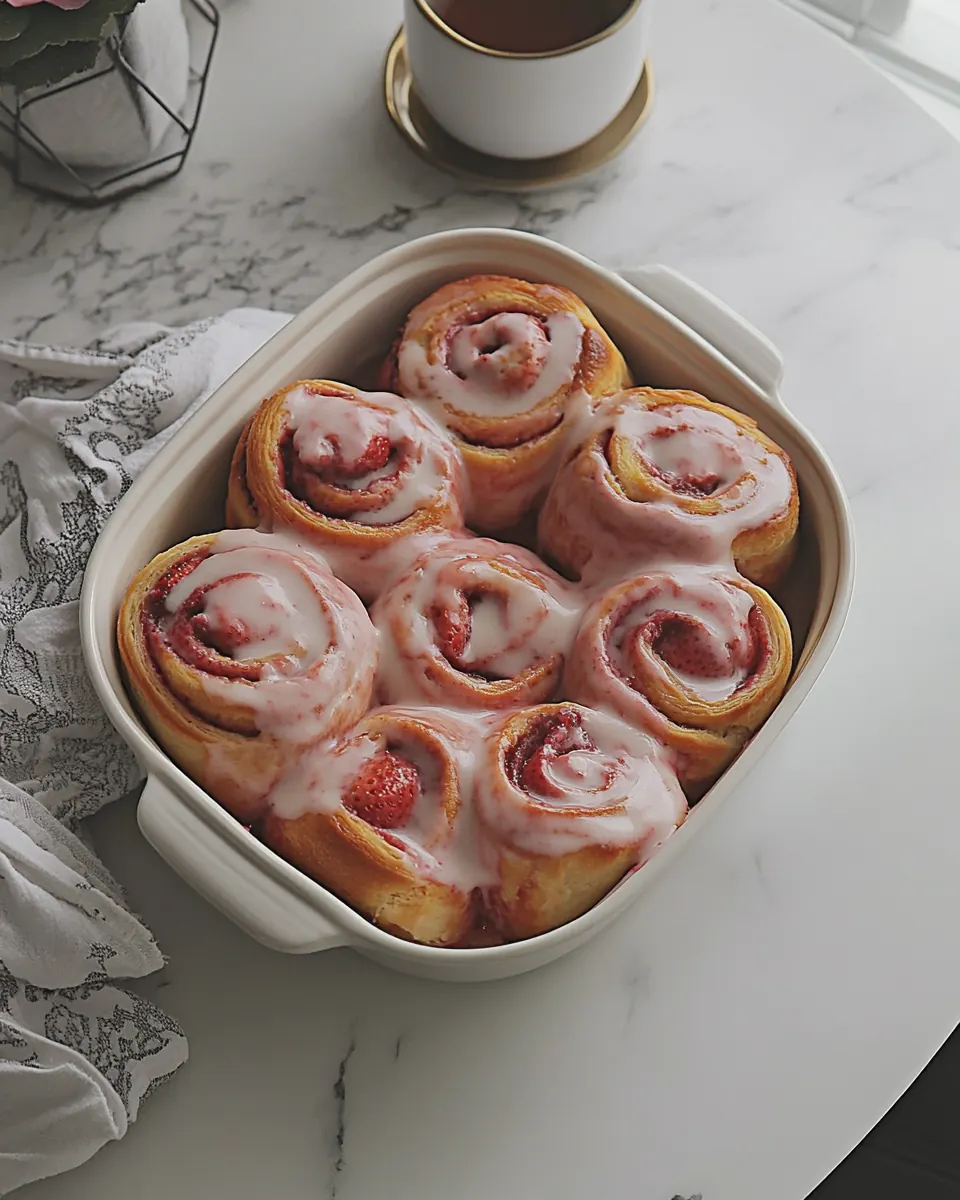
Strawberry Rolls are one of those treats I reach for when I want something a little nostalgic and a little playful at the same time. The first time I made them I remember the kitchen filling with a sweet, tangy strawberry aroma while the dough turned glossy and pillowy under my hands. That memory stuck with me, and now whenever I want to slow down and celebrate a simple morning or a casual gathering, these rolls are my go to choice.
My approach to Strawberry Rolls grew from experimenting with textures, and learning how small technique shifts change everything. I love how the freeze dried strawberries give an intense berry punch without adding extra liquid, and how a buttery chocolate layer balances the fruit brightness. Over time I refined the process so the dough is soft but sturdy enough to hold a neat spiral, resulting in a roll that is tender inside and lightly golden on the outside. I enjoy serving them straight from the pan while the frosting still glistens on top.
Making these has become a weekend ritual for me. I often put on a playlist, measure carefully, and savor the moment when the dough blooms during its first rise. There is something deeply satisfying about rolling the dough into a log and cutting the pieces to reveal the swirl, each one promising a perfect bite. Whether you are baking for close friends or wanting a special breakfast, Strawberry Rolls bring a warm, homemade charm that keeps people coming back for seconds.
Recipe Snapshot
45 mins
25 mins
20 mins
Medium
320 kcal
American
Gluten-Free, Low FODMAP
Desserts
Stand mixer, Dough hook, High powered blender, 9 x 13 inch baking pan, Serrated knife
Why This Strawberry Rolls Shines
Big strawberry flavor without extra moisture
I love that Strawberry Rolls use freeze dried strawberries to pack concentrated berry flavor. This method avoids making the dough soggy, and it gives a vibrant pink sweetness that sings through the chocolate and cream cheese frosting. I find the texture and intensity superior to fresh strawberries for this application.
A versatile, crowd friendly bake
These rolls are such a crowd pleaser. I have taken them to brunches and they disappear fast. The recipe scales well, and because each roll is individually portioned, it is easy to share and serve. For gatherings, you can make them the night before and finish the rise the next morning, which keeps the flavor fresh and the timing flexible.
Balanced layers for pleasing contrasts
The combination of a soft enriched dough, a silky butter and cocoa powder filling, and a tangy cream cheese frosting creates playful contrasts. I love how a tender crumb meets a slightly chocolaty center and a bright strawberry sugar crunch. That interplay is why these rolls feel special rather than just sweet.
Beginner friendly with pro results
Even if you are new to enriched doughs, these rolls are approachable. The steps are straightforward, and small tricks like keeping the butter cubed and adding it gradually help your mixer or hands manage the dough. I learned that small, consistent actions earn big returns in texture, and this recipe rewards a little patience.
Make ahead friendly
I often prepare the dough or filling ahead of time. The dough can proof slowly in the fridge, and the strawberry sugar and frosting hold well for a day. This flexibility means you get fresh baked results without racing through the entire process in one stretch, which is perfect for busy mornings or planned gatherings.
Ingredients to Make Strawberry Rolls
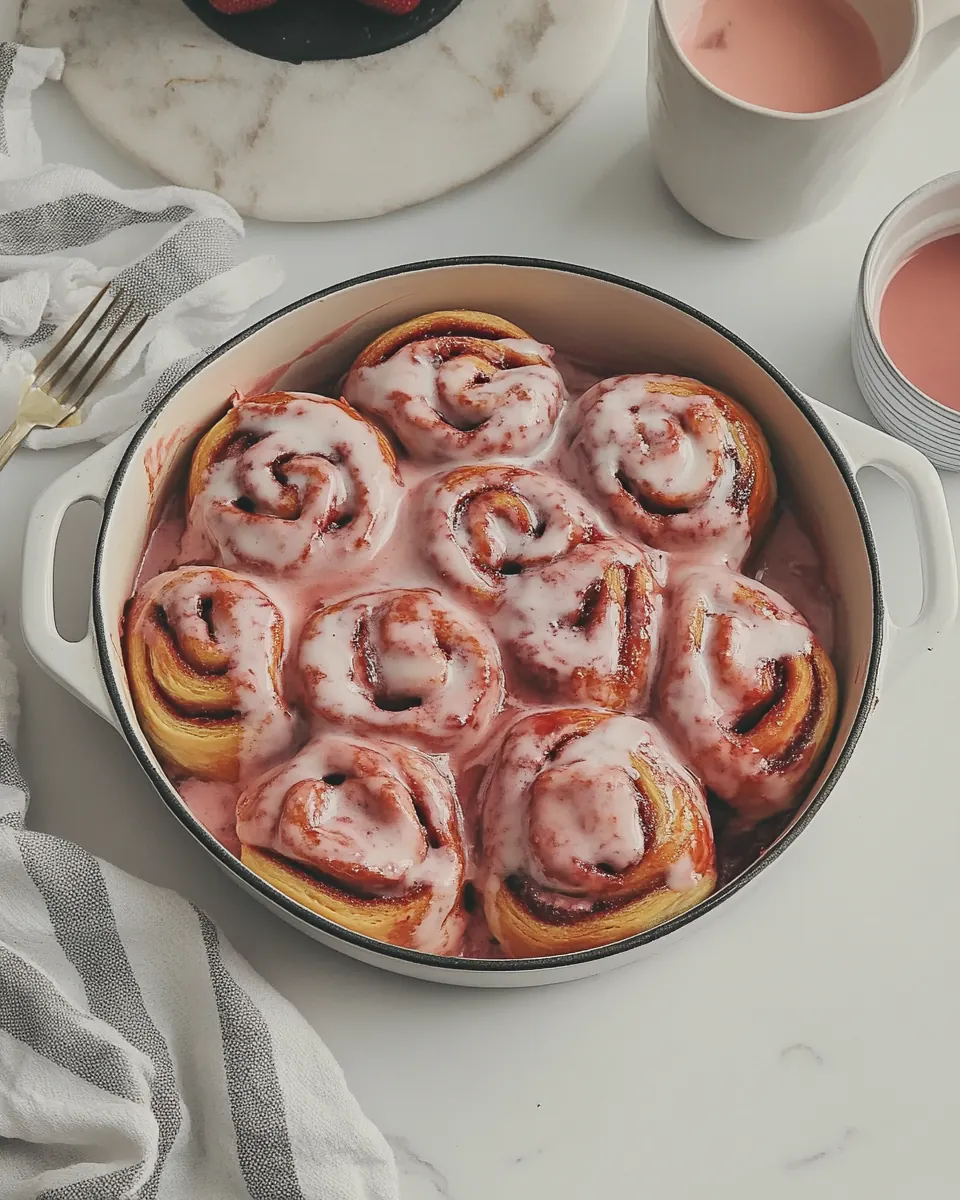
These ingredients are chosen to create a tender, enriched dough with a bright strawberry punch and a creamy, tangy finish. The key players are the milk and yeast which start the fermentation and structure building, the cubed butter that laminates into the dough for richness, the freeze dried strawberries for concentrated fruit flavor, and the cream cheese in the frosting to add silky tang. Together they build layers of texture and taste that make each roll memorable.
- 1/3 cup lukewarm milk (79 ml): Warm gently to about 100–110°F (38–43°C) to activate yeast and create a comfortable environment for proofing; lukewarm milk adds moisture and tenderness to the dough while dissolving sugars and fats. Use the stated metric measure for consistent dough hydration and to help achieve a soft crumb in the final rolls.
- 1 packet active dry yeast (7 g/2 1/2 teaspoons): Proof to generate carbon dioxide that leavens the dough; active dry yeast metabolizes sugars and produces rise, contributing flavor development during fermentation. Sprinkle or dissolve into warm liquid as directed to ensure even activation and robust rise for light, airy rolls.
- 3 large eggs: Beat into the dough to provide structure, richness, and emulsification; eggs contribute proteins that stabilize and strengthen gluten while adding moisture, color, and flavor. Incorporate at room temperature for better mixing and improved dough consistency.
- 3 cups all-purpose flour (375 g): Sift or measure accurately to supply the bulk and structure of the rolls; all-purpose flour contains enough protein to form gluten, which traps gas and creates texture. Weighing yields consistent results and helps balance hydration for a tender yet sturdy crumb.
- 1 teaspoon kosher salt: Season the dough to enhance flavor and balance sweetness; kosher salt also tightens gluten strands and controls yeast fermentation for improved dough handling. Measure precisely to avoid overly salty or bland results and to support overall flavor complexity.
- 1/2 cup unsalted butter (113 g): Soften and incorporate for richness, tenderness, and flavor; unsalted butter contributes fat that shortens gluten strands and yields a tender, flaky crumb. Use the specified weight for consistent fat content and to ensure the dough achieves the intended mouthfeel.
- 3/4 cup freeze dried strawberries: Rehydrate or pulse into a fine powder to add concentrated strawberry flavor and color without extra moisture; freeze–dried strawberries provide bright fruit intensity in fillings or coatings. Reserve as directed to create a flavored sugar or reconstitute for texture contrast in the filling.
- 3/4 cup granulated sugar (150 g): Dissolve or combine with powdered fruit to form flavored sugar; granulated sugar supplies sweetness and fuels yeast during proofing while contributing to crust browning through caramelization. Use the precise weight to balance sweetness and fermentation activity.
- 1/4 cup unsalted butter (57 g): Melt or soften to create a spreadable filling; this butter combines with cocoa and strawberry sugar to form a rich, flavorful layer that aids in rolling and creates moist, decadent swirls. Measure accurately to maintain filling consistency and prevent soggy dough.
- 1/4 cup cocoa powder (25 g): Sift and mix with butter and sugar to provide chocolate depth and a slightly bitter counterpoint to the strawberries; cocoa powder intensifies flavor and darkens the filling for visual contrast. Use the specified amount to balance sweetness and preserve the roll's texture.
- 2 teaspoons vanilla extract: Infuse flavor into dough or filling for aromatic vanilla notes that round out sweet and fruity components; vanilla extract enhances perceived sweetness and complexity. Add as directed to complement both strawberry and chocolate elements without overpowering them.
- Pinch of kosher salt: Enhance or adjust the filling's seasoning with a small amount of salt to amplify sweetness and balance flavors; a pinch of kosher salt sharpens fruit and chocolate notes. Use sparingly to avoid altering dough fermentation while improving overall taste contrast.
- 4 ounces cream cheese, at room temperature: Soften to room temperature and blend with butter and sugar for a tangy, creamy filling or frosting; cream cheese adds acidity and smoothness that contrasts the sweet elements. Incorporate carefully to maintain a spreadable texture that sets nicely when chilled.
- 1/4 cup unsalted butter (57 g) at room temperature: Soften at room temperature to create a silky, spreadable component for frosting or filling; unsalted butter increases richness and stabilizes the cream cheese mixture. Use the stated weight to achieve proper fat balance and prevent a greasy or runny finish.
- 3/4 cup reserved strawberry sugar (recipe above): Reserve from earlier preparation to layer into the filling or fold into frostings for concentrated strawberry flavor; the reserved strawberry sugar carries intense fruit aroma and helps bind fillings. Sprinkle or fold in to distribute fruit notes evenly without adding moisture.
- 1 tablespoon heavy cream: Whisk into frosting or filling to loosen consistency and add a touch of richness; heavy cream provides a smoother, creamier texture and helps create a spreadable finish for glazes. Use sparingly to achieve the desired consistency without thinning the mixture too much.
- 1 teaspoon vanilla extract: Add aromatic depth and enhance perceived sweetness in fillings or glazes; vanilla extract rounds flavors and complements both cream cheese and strawberry components. Measure precisely to prevent overwhelming delicate fruity notes while providing a warm undertone.
- Pinch of kosher salt: Brighten and balance sweet components with a tiny amount of salt to intensify overall flavor; a pinch of kosher salt at the end of a recipe harmonizes sweetness and lifts other ingredients. Apply carefully to avoid detectable saltiness while improving complexity.
Making This Strawberry Rolls
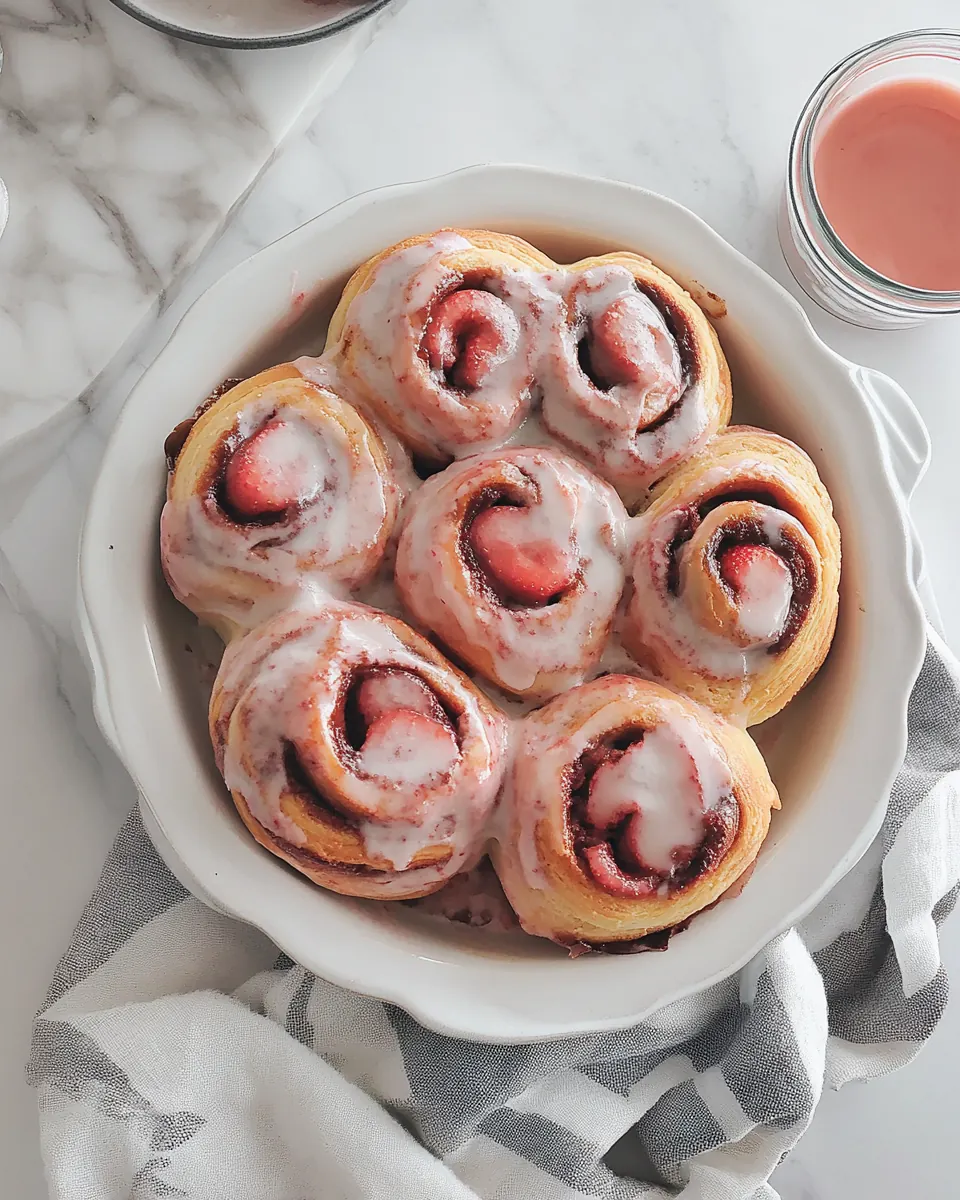
These directions are straightforward if you approach them with intent and patience. I like to organize my mise en place first, then follow the sequence so each rise and blending stage can be enjoyed rather than rushed. Below I expand each original direction into detailed, sensory rich guidance so you know what to expect at every turn.
- To the bowl of a stand-up mixer (alternatively, you can do this in a large bowl by hand), mix together the milk and active dry yeast. Allow to activate and get all foamy, about 8 minutes.: As the warm milk meets the yeast you will see tiny bubbles begin to appear on the surface, and within minutes a foamy, slightly yeasty aroma will rise, signaling active fermentation. This smell is delicate and slightly sweet, not unpleasant, and it tells you the yeast is alive and energetic. I always test the temperature of the milk with my wrist before adding yeast because water that is too hot will kill the organisms and leave no foam. A common mistake here is impatience, skipping the rest, and adding cold ingredients which slows activation; wait the full activation time for consistent rise.
- Crack in the eggs and mix using a dough hook. If the egg yolks don’t break up, feel free to grab a fork and mix it all up until combined. Pour in the flour and salt. Mix together until mostly combined and then add in the cubed butter, one cube at a time until it comes together. Knead for about 5 minutes by hand or in the machine. The dough will be slightly sticky—that’s ok! Grease a bowl with oil or cooking spray and transfer the dough to the bowl, spraying or coating the top.: As you incorporate the eggs , the mixture will thicken and take on a slightly glossy sheen, and the beat of the dough hook will pull the dough together into a cohesive mass. The eggs add silkiness and aid in browning during baking, giving the rolls a warm golden hue. If the yolks remain whole, break them with a fork before mixing so you don’t end up with streaks. A common error is adding butter that is too soft too early, which can make the dough greasy rather than elastic.
- Cover with a lid or clean kitchen towel and allow to rise for 30 minutes. It should be soft and supple; it’ll have risen by 50%.: When the flour is added, the dough will go from wet to shaggy, and you can hear it change pitch as it pulls away from the bowl sides. The salt tightens the gluten and sharpens flavor, so add it with the flour for even distribution. Knead for about 5 minutes by hand or in the machine until the dough becomes slightly tacky and smooth; the surface will feel supple but not sticky. Over kneading will make the dough too tight and result in dense rolls, so stop when the dough springs back gently to the touch.
- You’ll need a high-powered blender for this. Think a BlendTec, Ninja or Vitamix. Add the freeze-dried strawberries and sugar to the blender. Blend on high for about 1 minute. It should end up looking like pink-colored powdered sugar. Let it settle before removing the top of the blender because it will create a 'smoke'. We’ll be using this for the filling and the frosting. Remove 3/4 cup of strawberry sugar and set aside. We'll be using this amount of 3/4 of a cup for the frosting.: As each cube melts into the dough you will notice a glossy, elastic texture forming and a rich, buttery scent. The gradual addition prevents the butter from breaking the dough, ensuring even incorporation. If the dough looks greasy, chill it briefly, then continue; that prevents separation. A typical pitfall is adding all the butter at once which can overwhelm the structure and lead to a greasy texture rather than a layered, tender crumb.
- To the bowl of a stand-up mixer (with the paddle attachment) or using a medium bowl and a fork, add the butter, cocoa powder, vanilla extract and salt. Mix until it forms a paste that’s completely combined.: During this kneading the dough develops elasticity and a springy feel; you can hear a soft smack as the dough relaxes on the counter. It should be slightly tacky, not sticky, and when you stretch a small piece it forms a faint window without tearing immediately. This is the sign of good gluten development. If your dough tears readily, it needs a few more gentle folds. Avoid over kneading which will make the final rolls tight rather than airy.
- Lightly flour your work surface and remove the dough from the bowl and place the dough into the center. Lightly flour your rolling pin and roll the dough into a 1/8-inch thick rectangle that measures 15' x 18'. If it’s not a perfect rectangle, that’s totally ok.: Once placed in a greased bowl the dough should sit with a lightly shiny surface; coating the top prevents a crust from forming. Cover with a towel and allow it to rise to about 50 percent larger, a soft, pillowy feel that gives under a fingertip. The smell becomes pleasantly yeasty and buttery. Rushing the rise or placing the dough in a drafty spot can slow or unevenly affect the proof.
- Add the filling to the rectangle of dough, spreading it out into an even very thin layer, stopping from about 1/2-inch from the edges. Sprinkle the remaining/reserved strawberry sugar on top of the smoothed out chocolate.: During this rest the dough becomes noticeably airier and develops flavor from fermentation; the surface will show tiny bubbles and a gentle doming. I like to set mine in a warm corner away from drafts to ensure consistency. If your kitchen is cold, extend the rise slightly until you see the 50 percent increase, rather than sticking rigidly to the clock.
- Roll the dough farthest from you, going toward you.: Adding the freeze dried strawberries and sugar to a high speed blender transforms them into a vivid pink powdered sugar within about a minute. When you remove the lid after blending, be prepared for a light dust plume that smells intensely of strawberry, and let it settle before opening fully. This preserved fruit powder is crucial because it gives concentrated fruit character without adding moisture. A common mistake is using a low power blender which leaves gritty pieces rather than a fine powder.
- Using a serrated knife OR a piece of unflavored floss, trim off the ends. And then cut the log of dough into 12 equal pieces. Mine measured about to be 1 1/2-inches long. Transfer to a greased 9 x 13-inch baking pan or baking sheet. You can also use multiple baking dishes. Whichever works best for you.: The reserved strawberry sugar will be used to sweeten the frosting, providing a bright fruitiness that is both aromatic and flavorful. Measuring carefully ensures consistent sweetness for both filling and frosting. If you skip reserving the sugar you might run short for the frosting and lose that vivid strawberry presence.
- Cover with a kitchen towel and allow to rise for an additional 45 minutes.: Mixing these into a paste creates a silky, slightly glossy filling with a rich chocolate aroma cut by vanilla. The texture should be spreadable and smooth, not crumbly. Properly combining produces a filling that glides across the rolled dough rather than tearing it. A typical mistake is not fully creaming the mixture which results in uneven pockets of dry cocoa powder .
- Preheat the oven to 350 degrees F. Bake for 18 to 20 minutes, until puffy and lightly golden brown.: As you roll the dough out you will feel it relax and become more pliable; a light dusting of flour prevents sticking without drying the surface. The rectangle may not be perfect, but you want a roughly even thickness so rolls bake uniformly. If the dough resists rolling, let it rest for a few minutes to relax the gluten. Overflouring the surface can make the dough dry.
- To the bowl of a stand-up mixer (or a large bowl) with the paddle attachment, beat together the cream cheese and the butter until smooth. Next, add the reserved 3/4 cup strawberry sugar, vanilla, pinch of kosher salt and heavy cream. Beat for a full 2 minutes until light and fluffy.: Rolling to the correct thinness creates many fine layers and makes each roll tender. You should see faint layering and feel a consistent thickness under your rolling pin. If the dough tears or retracts, it needs a short rest to relax. Work with gentle pressure to avoid compressing the bubbly structure formed during proofing.
- When the rolls come out of the oven, pour half or all of the icing over the rolls and smother them with the icing.: Spread the chocolate butter mixture in a thin, even film so it melds into the dough as it bakes, creating a cohesive swirl. Leave the margin so the log seals cleanly when rolled. Then sprinkle the remaining reserved strawberry sugar over the smoothed chocolate, which will provide bursts of fruit and a slight crystalline texture. Overfilling or applying a thick layer will make rolling messy and may cause uneven baking.
- Roll the dough farthest from you, going toward you: As you roll slowly and firmly, you will feel the dough compress into a tight spiral and hear a soft rustle from the layers sliding past one another. A steady, even roll ensures uniform spiral sizes; if you roll too fast you can trap air pockets. Use a bench scraper to help guide the edge if it slips.
- Using a serrated knife OR a piece of unflavored floss, trim off the ends: Trimming creates neat rolls and removes any over compressed ends that might bake denser. Slicing with a serrated knife gives a clean cut, while floss allows a gentle sawing action that preserves the spiral. If your cuts are uneven, the smaller pieces will bake faster, so aim for uniform pieces to ensure even baking.
- Cut the log of dough into 12 equal pieces: Aim for each piece to measure about 1 1/2 inches so they bake uniformly and yield a consistent portion. Transfer each cut roll into a greased 9 x 13 inch baking pan or spread across pans as needed. The rolls should sit slightly apart to allow expansion. Crowding the pan will inhibit even browning and proper rise.
- Cover with a kitchen towel and allow to rise for an additional 45 minutes: During this second proof the rolls become noticeably puffed and jiggly, with a delicate dome forming. The aroma becomes richer and the dough feels pillowy. This step is critical for lightness; under proofed rolls will be dense, while over proofed rolls can collapse. Check for a gentle spring back when lightly pressed.
- Preheat the oven to 350 degrees F: Preheating ensures the oven is at the right temperature so that the rolls set and rise properly, producing a light interior and lightly golden exterior. You will see steam escape and a sweet scent as the rolls bake; the tops will slowly take on a golden color. Baking at lower temperatures can make them dense, while too hot will darken the exterior before the center cooks.
- Bake for 18 to 20 minutes, until puffy and lightly golden brown: While baking the aroma becomes richly buttery and slightly caramelized, and the tops should be a soft golden brown with the centers set but still tender. A light tap on a roll should sound slightly hollow and the internal crumb will feel springy. Overbaking dries them out, while underbaking leaves a gummy center; aim for the visual cues for best results.
- To the bowl of a stand-up mixer (or a large bowl) with the paddle attachment, beat together the cream cheese and the butter until smooth: The cream cheese and room temperature butter will transform into a silky, pale base with a tangy aroma. Add the reserved 3/4 cup strawberry sugar, vanilla extract , a pinch of kosher salt and the heavy cream , then beat for two minutes until light and airy. The frosting should look whipped and billowy, and it should smell bright with strawberry. If the cream cheese is cold you may get lumps; be patient and bring it to room temperature for a smooth emulsion.
- When the rolls come out of the oven, pour half or all of the icing over the rolls and smother them with the icing: As the warm rolls meet the chilled frosting you will see it soften and drape over each swirl, creating glossy ridges and pooling in the crevices. The contrast between warm bread and cool, tangy frosting is delightful, releasing steam perfumed with strawberry and butter. If you wait too long to frost, the icing will sit rather than melt in and create that signature glossy finish; if you frost too early, the frosting will melt away completely.
Customization Ideas
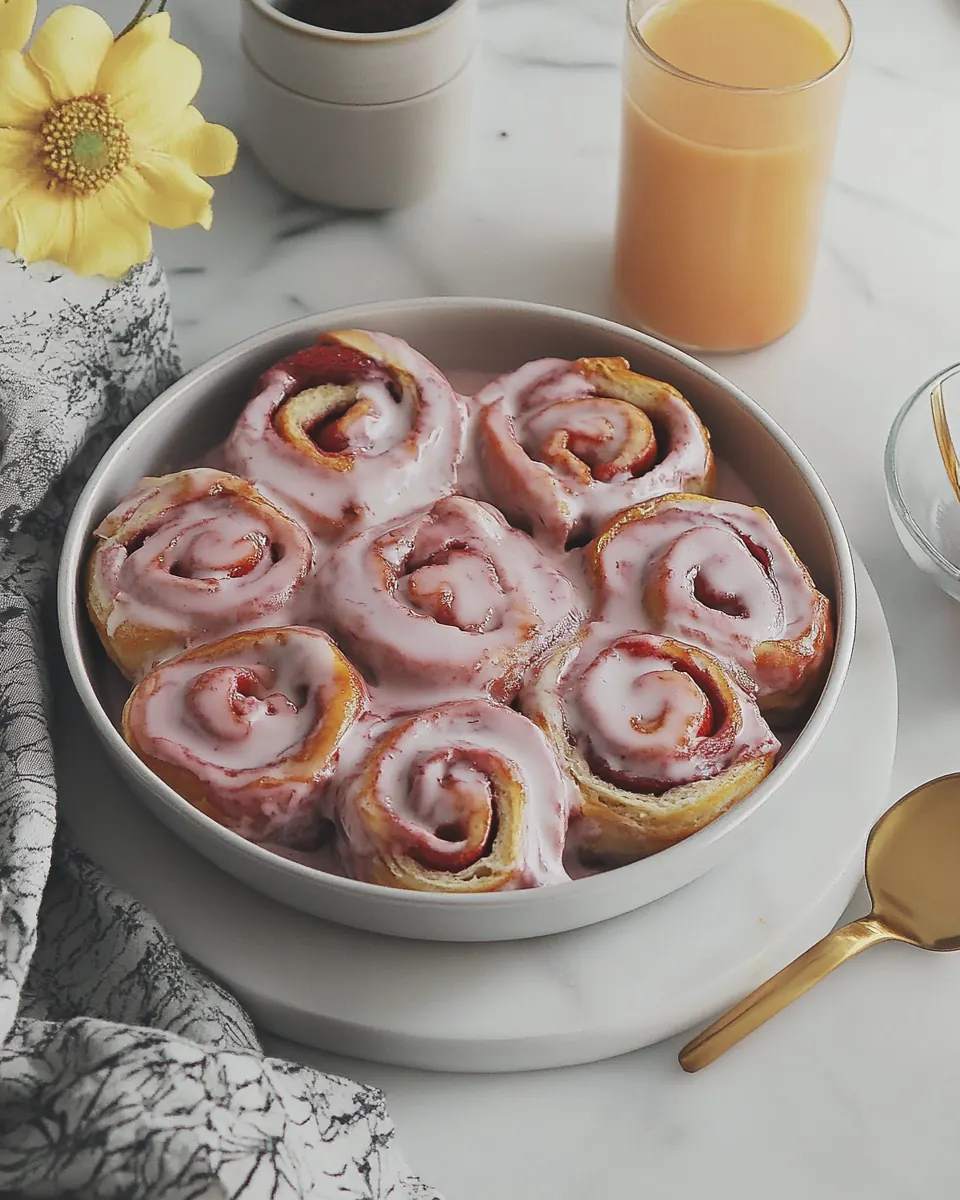
These customization ideas let you tailor Strawberry Rolls to different tastes and occasions. Small swaps in texture or timing can change the final profile without changing the core technique. Below are practical, tested suggestions to adapt the recipe while preserving its essence.
- Swap sweet intensity: If you prefer a slightly less sweet roll, reduce the granulated sugar in the filling by up to 25 percent, but keep the reserved strawberry sugar amount for the frosting to preserve the fruity character.
- Make them ahead: Prepare the dough the night before and proof it slowly in the refrigerator. In the morning, shape, cut, and allow the second rise at room temperature for a fresh bake without rushing.
- Boost strawberry aroma: Increase the amount of freeze dried strawberries by a small margin if you want an extra bright berry note in both the filling and frosting, but be mindful that too much powder can make the texture drier.
- Adjust frosting thickness: Add a touch more heavy cream if the frosting is too stiff, or chill briefly if it is too loose; the goal is a spreadable, slightly pourable consistency that glazes the rolls.
- Improve handling: Chill the rolled log briefly before slicing to make cleaner cuts, especially if your butter filling is very soft or your kitchen is warm.
How to Enjoy Strawberry Rolls
These serving ideas help you present Strawberry Rolls beautifully and make them fit many occasions. They are perfect for relaxed mornings, special brunches, or as a sweet treat at any gathering. Below are practical serving suggestions and storage tips to keep them tasting fresh.
- Breakfast or brunch center: Serve warm on a platter with an extra bowl of frosting on the side for guests to spoon over their portions. These rolls pair well with tea or coffee and work as the star of a leisurely morning meal.
- Casual gatherings: Arrange rolls on a large board and let guests pick their favorite. The individual portions make them ideal for potlucks and office parties where people want grab and go servings.
- Special occasions: For holidays or celebratory breakfasts, present them in a single layer on a decorative tray and garnish with a sprinkle of reserved strawberry sugar for color and sparkle.
- Storage: Store leftover rolls in an airtight container at room temperature for up to two days, or refrigerate for up to five days. Rewarm gently in a low oven to restore softness before serving.
- Freezing: You can freeze unbaked shaped rolls in the pan for up to one month. Thaw overnight in the fridge and allow a second rise at room temperature before baking to maintain texture and flavor.
FAQ
Conclusion
What makes these rolls special is the bright strawberry character combined with a tender, buttery enriched dough and a tangy cream cheese frosting. You get a bakery style treat with a concentrated fruit flavor from freeze dried strawberries that keeps the dough perfectly textured. Try this recipe when you want a memorable breakfast or a sweet showpiece for a small gathering. The process is rewarding, and the results are reliably delicious, so give them a go and enjoy the warm, fragrant reward.
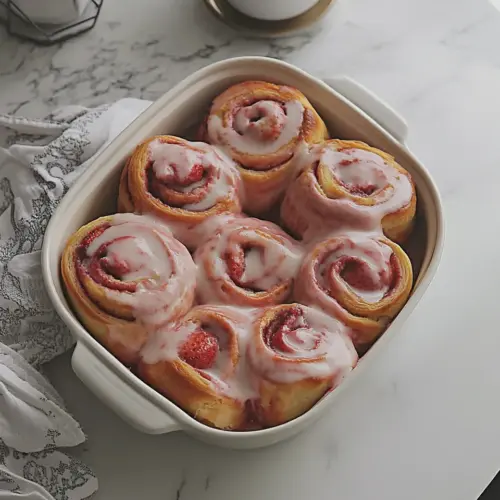
Strawberry Rolls
Equipment
- Stand mixer
- Dough Hook
- High-Powered Blender
- 9 x 13-inch baking pan
- Serrated Knife
Ingredients
- 1/3 cup lukewarm milk (79 ml) Warm gently to about 100–110°F (38–43°C) to activate yeast and create a comfortable environment for proofing; lukewarm milk adds moisture and tenderness to the dough while dissolving sugars and fats. Use the stated metric measure for consistent dough hydration and to help achieve a soft crumb in the final rolls.
- 1 packet active dry yeast (7 g/2 1/2 teaspoons) Proof to generate carbon dioxide that leavens the dough; active dry yeast metabolizes sugars and produces rise, contributing flavor development during fermentation. Sprinkle or dissolve into warm liquid as directed to ensure even activation and robust rise for light, airy rolls.
- 3 large eggs Beat into the dough to provide structure, richness, and emulsification; eggs contribute proteins that stabilize and strengthen gluten while adding moisture, color, and flavor. Incorporate at room temperature for better mixing and improved dough consistency.
- 3 cups all-purpose flour (375 g) Sift or measure accurately to supply the bulk and structure of the rolls; all-purpose flour contains enough protein to form gluten, which traps gas and creates texture. Weighing yields consistent results and helps balance hydration for a tender yet sturdy crumb.
- 1 teaspoon kosher salt Season the dough to enhance flavor and balance sweetness; kosher salt also tightens gluten strands and controls yeast fermentation for improved dough handling. Measure precisely to avoid overly salty or bland results and to support overall flavor complexity.
- 1/2 cup unsalted butter (113 g) Soften and incorporate for richness, tenderness, and flavor; unsalted butter contributes fat that shortens gluten strands and yields a tender, flaky crumb. Use the specified weight for consistent fat content and to ensure the dough achieves the intended mouthfeel.
- 3/4 cup freeze dried strawberries Rehydrate or pulse into a fine powder to add concentrated strawberry flavor and color without extra moisture; freeze-dried strawberries provide bright fruit intensity in fillings or coatings. Reserve as directed to create a flavored sugar or reconstitute for texture contrast in the filling.
- 3/4 cup granulated sugar (150 g) Dissolve or combine with powdered fruit to form flavored sugar; granulated sugar supplies sweetness and fuels yeast during proofing while contributing to crust browning through caramelization. Use the precise weight to balance sweetness and fermentation activity.
- 1/4 cup unsalted butter (57 g) Melt or soften to create a spreadable filling; this butter combines with cocoa and strawberry sugar to form a rich, flavorful layer that aids in rolling and creates moist, decadent swirls. Measure accurately to maintain filling consistency and prevent soggy dough.
- 1/4 cup cocoa powder (25 g) Sift and mix with butter and sugar to provide chocolate depth and a slightly bitter counterpoint to the strawberries; cocoa powder intensifies flavor and darkens the filling for visual contrast. Use the specified amount to balance sweetness and preserve the roll's texture.
- 2 teaspoons vanilla extract Infuse flavor into dough or filling for aromatic vanilla notes that round out sweet and fruity components; vanilla extract enhances perceived sweetness and complexity. Add as directed to complement both strawberry and chocolate elements without overpowering them.
- Pinch of kosher salt Enhance or adjust the filling's seasoning with a small amount of salt to amplify sweetness and balance flavors; a pinch of kosher salt sharpens fruit and chocolate notes. Use sparingly to avoid altering dough fermentation while improving overall taste contrast.
- 4 ounces cream cheese, at room temperature Soften to room temperature and blend with butter and sugar for a tangy, creamy filling or frosting; cream cheese adds acidity and smoothness that contrasts the sweet elements. Incorporate carefully to maintain a spreadable texture that sets nicely when chilled.
- 1/4 cup unsalted butter (57 g) at room temperature Soften at room temperature to create a silky, spreadable component for frosting or filling; unsalted butter increases richness and stabilizes the cream cheese mixture. Use the stated weight to achieve proper fat balance and prevent a greasy or runny finish.
- 3/4 cup reserved strawberry sugar (recipe above) Reserve from earlier preparation to layer into the filling or fold into frostings for concentrated strawberry flavor; the reserved strawberry sugar carries intense fruit aroma and helps bind fillings. Sprinkle or fold in to distribute fruit notes evenly without adding moisture.
- 1 tablespoon heavy cream Whisk into frosting or filling to loosen consistency and add a touch of richness; heavy cream provides a smoother, creamier texture and helps create a spreadable finish for glazes. Use sparingly to achieve the desired consistency without thinning the mixture too much.
- 1 teaspoon vanilla extract Add aromatic depth and enhance perceived sweetness in fillings or glazes; vanilla extract rounds flavors and complements both cream cheese and strawberry components. Measure precisely to prevent overwhelming delicate fruity notes while providing a warm undertone.
- Pinch of kosher salt Brighten and balance sweet components with a tiny amount of salt to intensify overall flavor; a pinch of kosher salt at the end of a recipe harmonizes sweetness and lifts other ingredients. Apply carefully to avoid detectable saltiness while improving complexity.
Instructions
- To the bowl of a stand-up mixer (alternatively, you can do this in a large bowl by hand), mix together the milk and active dry yeast. Allow to activate and get all foamy, about 8 minutes.: As the warm milk meets the yeast you will see tiny bubbles begin to appear on the surface, and within minutes a foamy, slightly yeasty aroma will rise, signaling active fermentation. This smell is delicate and slightly sweet, not unpleasant, and it tells you the yeast is alive and energetic. I always test the temperature of the milk with my wrist before adding yeast because water that is too hot will kill the organisms and leave no foam. A common mistake here is impatience, skipping the rest, and adding cold ingredients which slows activation; wait the full activation time for consistent rise.
- Crack in the eggs and mix using a dough hook. If the egg yolks don’t break up, feel free to grab a fork and mix it all up until combined. Pour in the flour and salt. Mix together until mostly combined and then add in the cubed butter, one cube at a time until it comes together. Knead for about 5 minutes by hand or in the machine. The dough will be slightly sticky—that’s ok! Grease a bowl with oil or cooking spray and transfer the dough to the bowl, spraying or coating the top.: As you incorporate the eggs , the mixture will thicken and take on a slightly glossy sheen, and the beat of the dough hook will pull the dough together into a cohesive mass. The eggs add silkiness and aid in browning during baking, giving the rolls a warm golden hue. If the yolks remain whole, break them with a fork before mixing so you don’t end up with streaks. A common error is adding butter that is too soft too early, which can make the dough greasy rather than elastic.
- Cover with a lid or clean kitchen towel and allow to rise for 30 minutes. It should be soft and supple; it’ll have risen by 50%.: When the flour is added, the dough will go from wet to shaggy, and you can hear it change pitch as it pulls away from the bowl sides. The salt tightens the gluten and sharpens flavor, so add it with the flour for even distribution. Knead for about 5 minutes by hand or in the machine until the dough becomes slightly tacky and smooth; the surface will feel supple but not sticky. Over kneading will make the dough too tight and result in dense rolls, so stop when the dough springs back gently to the touch.
- You’ll need a high-powered blender for this. Think a BlendTec, Ninja or Vitamix. Add the freeze-dried strawberries and sugar to the blender. Blend on high for about 1 minute. It should end up looking like pink-colored powdered sugar. Let it settle before removing the top of the blender because it will create a 'smoke'. We’ll be using this for the filling and the frosting. Remove 3/4 cup of strawberry sugar and set aside. We'll be using this amount of 3/4 of a cup for the frosting.: As each cube melts into the dough you will notice a glossy, elastic texture forming and a rich, buttery scent. The gradual addition prevents the butter from breaking the dough, ensuring even incorporation. If the dough looks greasy, chill it briefly, then continue; that prevents separation. A typical pitfall is adding all the butter at once which can overwhelm the structure and lead to a greasy texture rather than a layered, tender crumb.
- To the bowl of a stand-up mixer (with the paddle attachment) or using a medium bowl and a fork, add the butter, cocoa powder, vanilla extract and salt. Mix until it forms a paste that’s completely combined.: During this kneading the dough develops elasticity and a springy feel; you can hear a soft smack as the dough relaxes on the counter. It should be slightly tacky, not sticky, and when you stretch a small piece it forms a faint window without tearing immediately. This is the sign of good gluten development. If your dough tears readily, it needs a few more gentle folds. Avoid over kneading which will make the final rolls tight rather than airy.
- Lightly flour your work surface and remove the dough from the bowl and place the dough into the center. Lightly flour your rolling pin and roll the dough into a 1/8-inch thick rectangle that measures 15' x 18'. If it’s not a perfect rectangle, that’s totally ok.: Once placed in a greased bowl the dough should sit with a lightly shiny surface; coating the top prevents a crust from forming. Cover with a towel and allow it to rise to about 50 percent larger, a soft, pillowy feel that gives under a fingertip. The smell becomes pleasantly yeasty and buttery. Rushing the rise or placing the dough in a drafty spot can slow or unevenly affect the proof.
- Add the filling to the rectangle of dough, spreading it out into an even very thin layer, stopping from about 1/2-inch from the edges. Sprinkle the remaining/reserved strawberry sugar on top of the smoothed out chocolate.: During this rest the dough becomes noticeably airier and develops flavor from fermentation; the surface will show tiny bubbles and a gentle doming. I like to set mine in a warm corner away from drafts to ensure consistency. If your kitchen is cold, extend the rise slightly until you see the 50 percent increase, rather than sticking rigidly to the clock.
- Roll the dough farthest from you, going toward you.: Adding the freeze dried strawberries and sugar to a high speed blender transforms them into a vivid pink powdered sugar within about a minute. When you remove the lid after blending, be prepared for a light dust plume that smells intensely of strawberry, and let it settle before opening fully. This preserved fruit powder is crucial because it gives concentrated fruit character without adding moisture. A common mistake is using a low power blender which leaves gritty pieces rather than a fine powder.
- Using a serrated knife OR a piece of unflavored floss, trim off the ends. And then cut the log of dough into 12 equal pieces. Mine measured about to be 1 1/2-inches long. Transfer to a greased 9 x 13-inch baking pan or baking sheet. You can also use multiple baking dishes. Whichever works best for you.: The reserved strawberry sugar will be used to sweeten the frosting, providing a bright fruitiness that is both aromatic and flavorful. Measuring carefully ensures consistent sweetness for both filling and frosting. If you skip reserving the sugar you might run short for the frosting and lose that vivid strawberry presence.
- Cover with a kitchen towel and allow to rise for an additional 45 minutes.: Mixing these into a paste creates a silky, slightly glossy filling with a rich chocolate aroma cut by vanilla. The texture should be spreadable and smooth, not crumbly. Properly combining produces a filling that glides across the rolled dough rather than tearing it. A typical mistake is not fully creaming the mixture which results in uneven pockets of dry cocoa powder .
- Preheat the oven to 350 degrees F. Bake for 18 to 20 minutes, until puffy and lightly golden brown.: As you roll the dough out you will feel it relax and become more pliable; a light dusting of flour prevents sticking without drying the surface. The rectangle may not be perfect, but you want a roughly even thickness so rolls bake uniformly. If the dough resists rolling, let it rest for a few minutes to relax the gluten. Overflouring the surface can make the dough dry.
- To the bowl of a stand-up mixer (or a large bowl) with the paddle attachment, beat together the cream cheese and the butter until smooth. Next, add the reserved 3/4 cup strawberry sugar, vanilla, pinch of kosher salt and heavy cream. Beat for a full 2 minutes until light and fluffy.: Rolling to the correct thinness creates many fine layers and makes each roll tender. You should see faint layering and feel a consistent thickness under your rolling pin. If the dough tears or retracts, it needs a short rest to relax. Work with gentle pressure to avoid compressing the bubbly structure formed during proofing.
- When the rolls come out of the oven, pour half or all of the icing over the rolls and smother them with the icing.: Spread the chocolate butter mixture in a thin, even film so it melds into the dough as it bakes, creating a cohesive swirl. Leave the margin so the log seals cleanly when rolled. Then sprinkle the remaining reserved strawberry sugar over the smoothed chocolate, which will provide bursts of fruit and a slight crystalline texture. Overfilling or applying a thick layer will make rolling messy and may cause uneven baking.
- Roll the dough farthest from you, going toward you: As you roll slowly and firmly, you will feel the dough compress into a tight spiral and hear a soft rustle from the layers sliding past one another. A steady, even roll ensures uniform spiral sizes; if you roll too fast you can trap air pockets. Use a bench scraper to help guide the edge if it slips.
- Using a serrated knife OR a piece of unflavored floss, trim off the ends: Trimming creates neat rolls and removes any over compressed ends that might bake denser. Slicing with a serrated knife gives a clean cut, while floss allows a gentle sawing action that preserves the spiral. If your cuts are uneven, the smaller pieces will bake faster, so aim for uniform pieces to ensure even baking.
- Cut the log of dough into 12 equal pieces: Aim for each piece to measure about 1 1/2 inches so they bake uniformly and yield a consistent portion. Transfer each cut roll into a greased 9 x 13 inch baking pan or spread across pans as needed. The rolls should sit slightly apart to allow expansion. Crowding the pan will inhibit even browning and proper rise.
- Cover with a kitchen towel and allow to rise for an additional 45 minutes: During this second proof the rolls become noticeably puffed and jiggly, with a delicate dome forming. The aroma becomes richer and the dough feels pillowy. This step is critical for lightness; under proofed rolls will be dense, while over proofed rolls can collapse. Check for a gentle spring back when lightly pressed.
- Preheat the oven to 350 degrees F: Preheating ensures the oven is at the right temperature so that the rolls set and rise properly, producing a light interior and lightly golden exterior. You will see steam escape and a sweet scent as the rolls bake; the tops will slowly take on a golden color. Baking at lower temperatures can make them dense, while too hot will darken the exterior before the center cooks.
- Bake for 18 to 20 minutes, until puffy and lightly golden brown: While baking the aroma becomes richly buttery and slightly caramelized, and the tops should be a soft golden brown with the centers set but still tender. A light tap on a roll should sound slightly hollow and the internal crumb will feel springy. Overbaking dries them out, while underbaking leaves a gummy center; aim for the visual cues for best results.
- To the bowl of a stand-up mixer (or a large bowl) with the paddle attachment, beat together the cream cheese and the butter until smooth: The cream cheese and room temperature butter will transform into a silky, pale base with a tangy aroma. Add the reserved 3/4 cup strawberry sugar, vanilla extract , a pinch of kosher salt and the heavy cream , then beat for two minutes until light and airy. The frosting should look whipped and billowy, and it should smell bright with strawberry. If the cream cheese is cold you may get lumps; be patient and bring it to room temperature for a smooth emulsion.
- When the rolls come out of the oven, pour half or all of the icing over the rolls and smother them with the icing: As the warm rolls meet the chilled frosting you will see it soften and drape over each swirl, creating glossy ridges and pooling in the crevices. The contrast between warm bread and cool, tangy frosting is delightful, releasing steam perfumed with strawberry and butter. If you wait too long to frost, the icing will sit rather than melt in and create that signature glossy finish; if you frost too early, the frosting will melt away completely.
Notes
- Swap sweet intensity: If you prefer a slightly less sweet roll, reduce the granulated sugar in the filling by up to 25 percent, but keep the reserved strawberry sugar amount for the frosting to preserve the fruity character.
- Make them ahead: Prepare the dough the night before and proof it slowly in the refrigerator. In the morning, shape, cut, and allow the second rise at room temperature for a fresh bake without rushing.
- Boost strawberry aroma: Increase the amount of freeze dried strawberries by a small margin if you want an extra bright berry note in both the filling and frosting, but be mindful that too much powder can make the texture drier.
- Adjust frosting thickness: Add a touch more heavy cream if the frosting is too stiff, or chill briefly if it is too loose; the goal is a spreadable, slightly pourable consistency that glazes the rolls.
- Improve handling: Chill the rolled log briefly before slicing to make cleaner cuts, especially if your butter filling is very soft or your kitchen is warm.