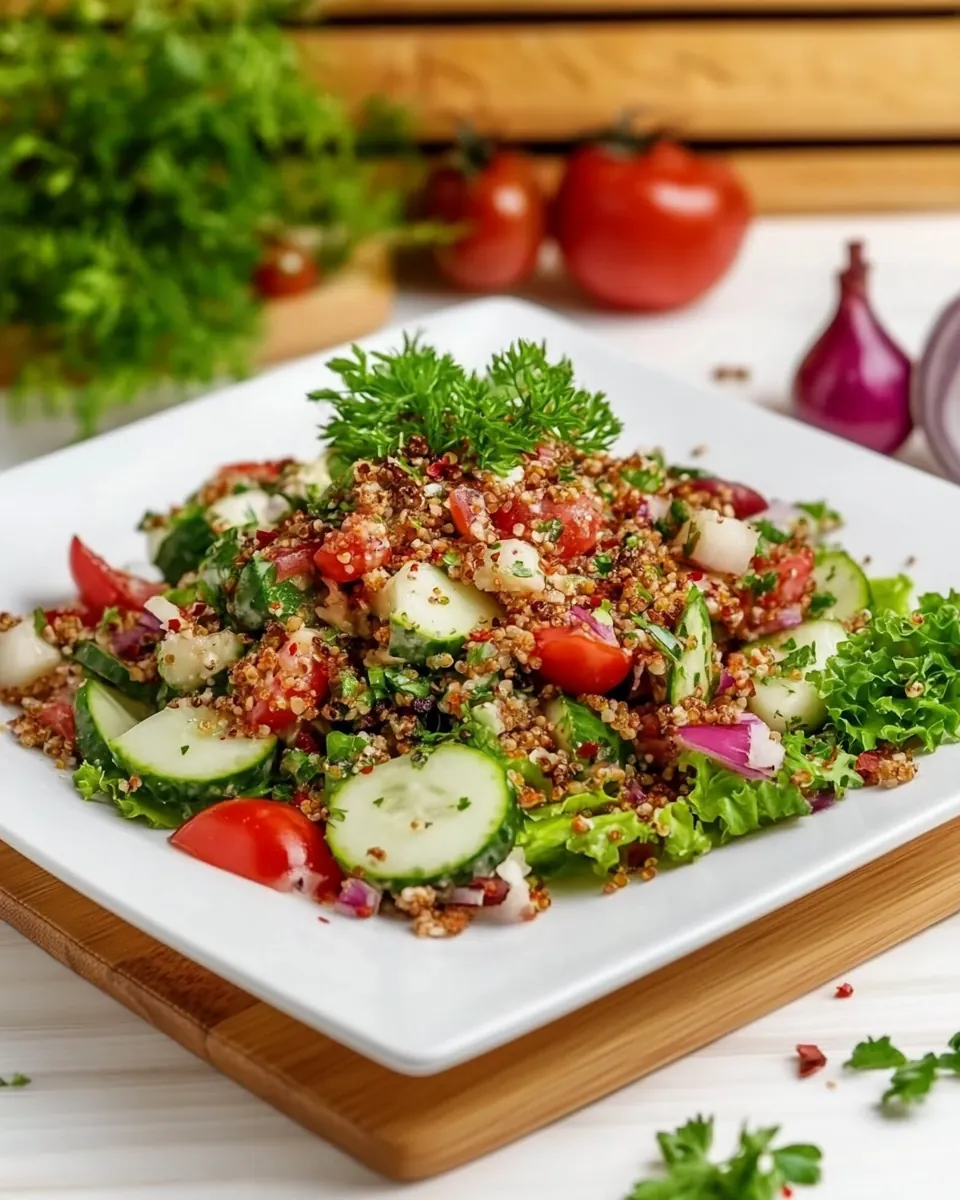
Gavurdagi Salad
Gavurdagi Salad is one of those recipes that made me fall for simple, vibrant flavors the first time I tasted it at a friend’s summer table.
I remember the crunch of chopped cucumber and the gentle bite of red onion, the tart brightness of pomegranate molasses cutting through the richness of coarsely chopped walnuts. That first bowl felt like a celebration of texture and balance, a tidy combination that reads as both rustic and refined. Over the years, I kept coming back to this salad when I wanted something that feels thoughtful but does not demand a lot of time or fuss.
When I make Gavurdagi Salad now, I like to think about contrasts; crisp versus soft, nutty versus tangy, and how a small pinch of spice can lift everything. Guests always ask for the recipe because it serves as a bright foil to heavier mains, yet it stands strong on its own. I love the way the aromatics and dressings mingle after a short rest, so I often make it a little ahead and let the flavors knit together.
Recipe Snapshot
10 mins
10 mins
Easy
200 kcal
Mediterranean
Vegan, Gluten-Free
Salads
Large bowl, Knife, Cutting board, Spoon
The Charm of This Gavurdagi Salad
Bright, Balanced Flavor
I adore how Gavurdagi Salad layers tastes without overwhelming the palate. The interplay of tart pomegranate molasses and slightly bitter walnuts gives every bite lift and depth, so it never feels one note.
Speed and Simplicity
I reach for this salad when time is short, because the prep is straightforward and the payoff is immediate. A few minutes of chopping and gentle tossing produces a dish that feels thoughtfully composed.
Textural Contrast
The crunchy bite of cucumber and walnuts against the softer, juice filled tomatoes creates satisfying variety in every forkful. That contrast keeps the salad engaging from the first mouthful to the last.
Flexible for Occasions
I’ve served this at casual lunches and at more dressed up dinners, and it always fits. It pairs well with grilled mains or as a bright side on a mezze spread, so it’s a reliable choice when planning a menu.
Healthy and Satisfying
With wholesome components like fresh tomatoes, crunchy walnuts, and heart healthy olive oil, this salad gives you satisfying texture and nutrition without feeling heavy. I appreciate recipes that nourish and also make guests smile.
Essential Ingredients for Gavurdagi Salad
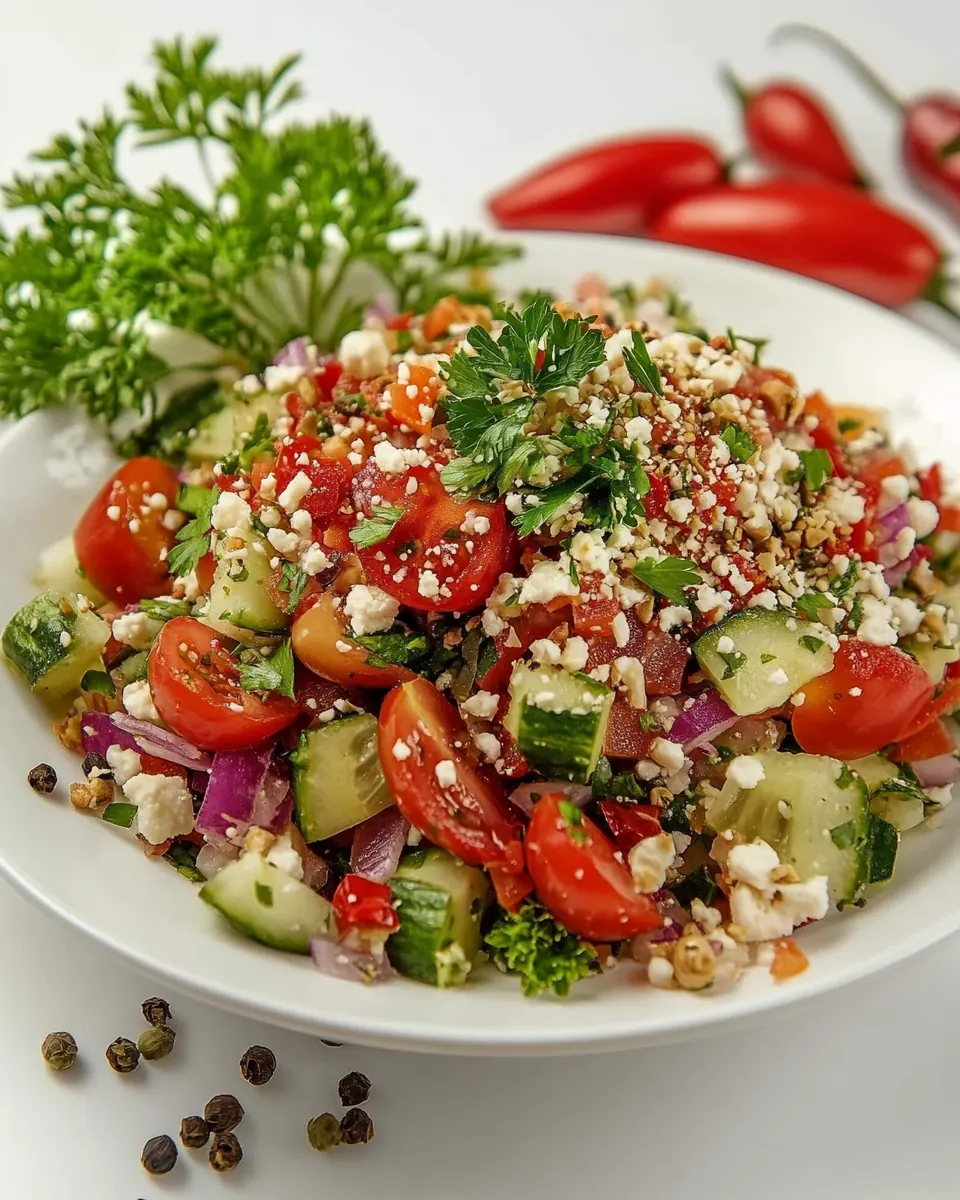
These ingredients form a straightforward philosophy: fresh produce provides brightness, nuts add richness and crunch, and a few pantry items tie it all together. The key players are the ripe tomatoes that bring juiciness, the walnuts that supply texture and earthiness, and the tangy pomegranate molasses that lifts the whole salad. Each item supports the others, creating a balanced, layered bite.
- 2 large tomatoes: Provide juicy acidity and body to the salad, balancing richer flavors while offering texture when chopped; choose ripe but firm tomatoes for best results. Enhance overall freshness and create a bright base that complements the dressing and crunchy elements.
- 1/2 large red onion: Add sharp pungency and mild sweetness when thinly sliced, cutting through fatty or sweet components in the dressing and nuts. Soak briefly in cold water if desired to mellow intensity and maintain crisp bite in each forkful.
- 1 green pepper: Contribute mild heat and vegetal crunch when sliced, offering a slightly bitter, fresh counterpoint to sweet and sour notes. Adjust amount according to spice preference to preserve harmony among other vegetables and dressing.
- 1 medium cucumber: Bring crisp, watery freshness and a cool contrast to tomatoes and peppers; peel or leave skin on depending on texture preference. Slice or dice uniformly to ensure even distribution and pleasant mouthfeel throughout the salad.
- 50 walnuts: Introduce rich, buttery texture and earthy nuttiness when roughly chopped or crushed, helping to provide crunch and substance. Toast lightly for deeper flavor or use raw for softer, oilier notes that meld with the dressing.
- 4 springs of parsley: Supply bright herbaceousness and a peppery lift when finely chopped, accentuating the salad's freshness and adding aromatic depth. Use leaves and tender stems for maximum flavor and scatter evenly to avoid overpowering single bites.
- 3 tbsp olive oil: Provide smooth, fruity fat that binds the dressing and carries flavors across the salad; drizzle evenly to coat ingredients without overwhelming them. Use extra virgin olive oil for pronounced fruitiness and silky mouthfeel.
- 2 tbsp pomegranate molasses: Offer concentrated sweet-tart depth that gives the dressing a characteristic tang and glossy finish; stir into oil to create an emulsion. Adjust quantity to balance acidity and sweetness against sumac and other seasonings.
- 1/2 tsp sumac: Deliver lemony, tangy notes that brighten the dressing and complement the acidity of tomatoes and pomegranate molasses. Sprinkle evenly to add subtle fruitiness and mild astringency without dominating other flavors.
- 1/4 tsp dried mint: Add a cool, minty undertone and aromatic lift when sprinkled sparingly, enhancing the salad's Mediterranean profile. Use dried mint to provide subtle savory-sweet complexity without altering texture significantly.
Recipe Directions for Gavurdagi Salad
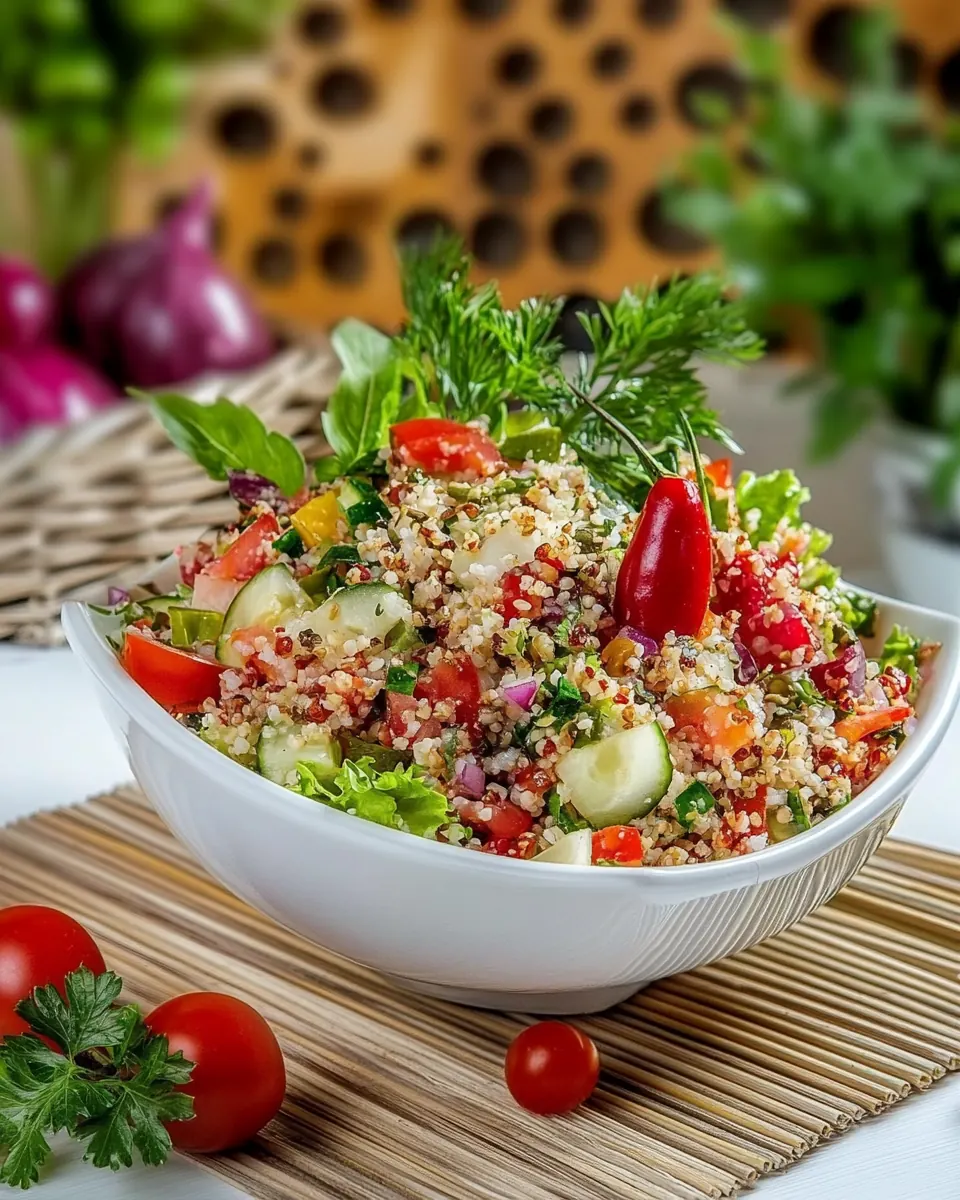
This salad comes together quickly, and the directions below are designed to guide you through precise chopping, mixing, and finishing so the flavors and textures shine. Read each step fully before you begin to ensure your ingredients are prepped and ready.
- Finely dice the tomatoes, red onion, green pepper, and cucumber, finely chop the parsley, and coarsely chop the walnuts.: The room will fill with fresh vegetal aromas as you work, and the sound of your knife will become a steady rhythm. Aim for uniform pieces so each forkful has balanced texture and flavor, and you will notice the tomatoes releasing a little juice that will mingle with the dressing later. This careful size matching matters because uneven pieces can create pockets of too much moisture or too much crunch, throwing off the mouthfeel. One common mistake is rushing the chopping, which produces uneven pieces and a less harmonious salad, so take a few extra minutes to be precise. If your tomatoes are very juicy, pat them slightly to avoid a watery mix, and keep the walnuts coarsely chopped to maintain crunchy contrast.
- Transfer all the ingredients to a large bowl and toss them well.: As you combine the chopped tomatoes , diced cucumber , sliced red onion , diced green pepper , chopped parsley , and walnuts , you will hear a light shuffle and see a mosaic of color. Tossing distributes textures, ensuring that the walnuts and herbs mingle with the juicy vegetables rather than clumping. This step matters because it primes the ingredients to absorb the dressing evenly, creating a cohesive salad rather than isolated bites. A frequent oversight is using a bowl that is too small, which makes tossing messy and uneven; always use a bowl with enough room so you can toss without spilling.
- Add olive oil, pomegranate molasses, sumac, dried mint, and salt and mix well.: When you pour the olive oil and pomegranate molasses over the bowl, you will immediately notice the fragrance shift as the fruity and nutty notes become more pronounced. The sumac introduces a citrusy lift while the dried mint adds a subtle cooling counterpoint. Use a sturdy spoon to fold the dressing through the salad so every piece is lightly coated but not drenched, producing a glossy sheen. This technique matters because it allows the acid and oil to cling to the vegetables, bringing forward brightness and richness in equal measure. Avoid adding too much salt at once; taste and adjust because the molasses can concentrate flavors differently depending on its sweetness.
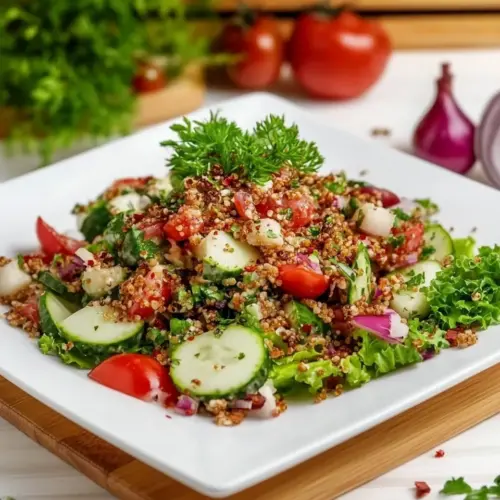
- Transfer to a serving plate and serve with chopped walnuts on top.: As you plate the salad, the colors will pop against a simple white dish, and the aroma of herbs and molasses will be inviting. Garnishing with a few extra coarsely chopped walnuts signals crunch and adds final texture contrast. Plating matters because a pleasing presentation primes the appetite and makes the salad feel special, even if it is made quickly. A common slip is serving it immediately without allowing a brief rest; letting the salad sit for a short moment helps the flavors meld, but do not wait so long that the vegetables lose their crispness.
Tips and Variations
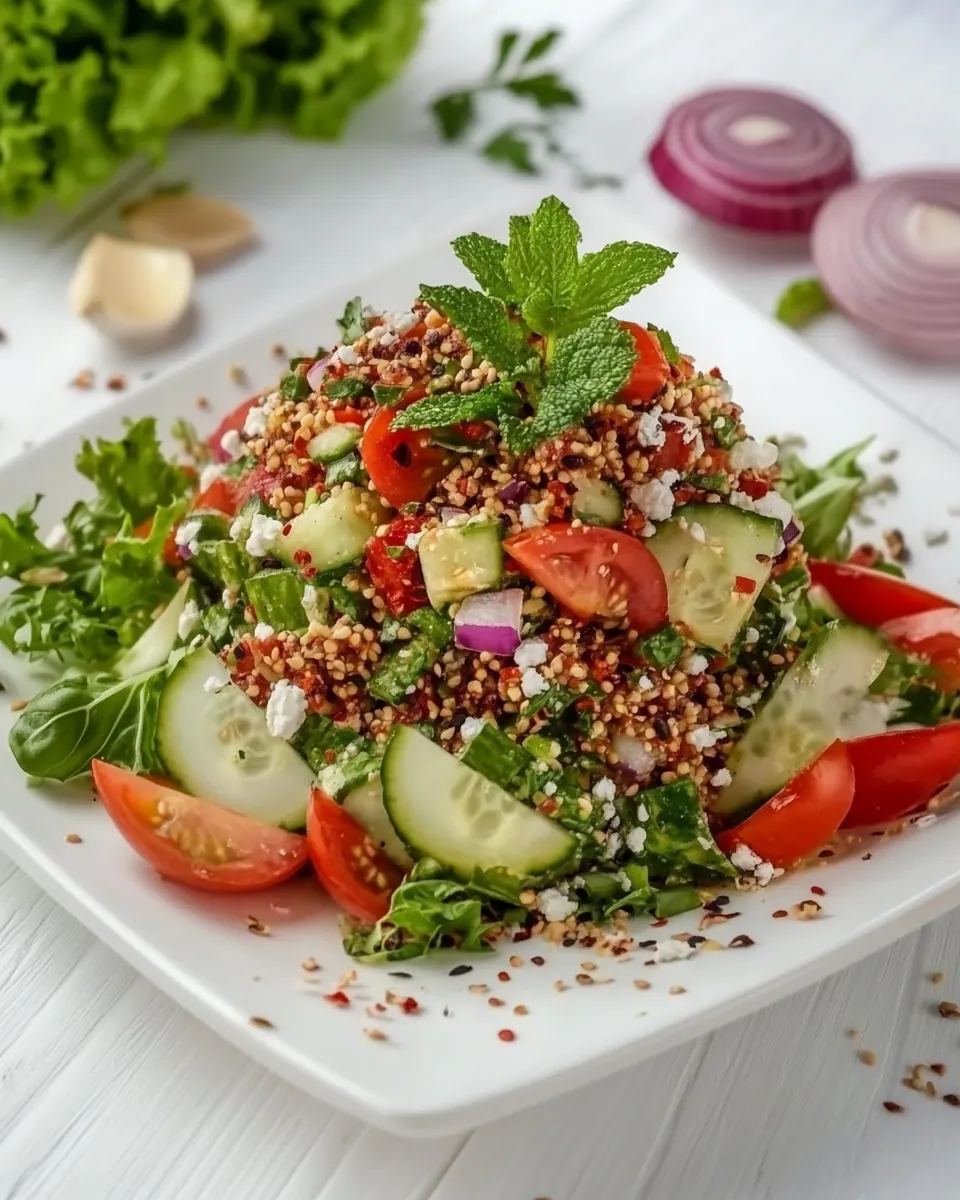
I often tweak small details depending on the season or the meal I am serving. Below are practical tips and ways to vary the salad while preserving its essential character.
- Toast the walnuts for a minute or two in a dry skillet to amplify their aroma and introduce warm, toasty notes that complement the molasses.
- Mellow the onion by rinsing thin slices in cold water for five minutes, then patting dry, which reduces sharpness while retaining crunch.
- Balance the dressing by tasting before adding salt, as the pomegranate molasses can vary in sweetness between brands, altering the seasoning balance.
- Chop for consistency keeping all vegetables similar in size so each bite offers an even mix of textures and flavors instead of separate pockets.
- Serve slightly rested let the salad sit for ten minutes after dressing to allow flavors to knit together, but not so long that the vegetables lose their crispness.
- Use fresh parsley and add it at the end to keep its bright color and herbaceous aroma intact throughout serving.
How to Serve Gavurdagi Salad
This salad is versatile and suitable for many occasions, from casual lunches to special dinners. Below are detailed serving ideas and practical storage advice to help you present it beautifully and keep leftovers fresh.
- As a side for grilled meats the salad cuts through richer mains, bringing brightness and a crunchy counterpoint that complements smoky flavors.
- On a mezze spread include it alongside hummus and flatbread, where its tart and nutty notes add a lively contrast among dips and roasted items.
- For a light lunch pair a generous bowl with crusty bread and a wedge of cheese, turning the salad into a satisfying, balanced midday meal.
- At seasonal gatherings serve it during summer when the produce is at its peak, highlighting the freshness of the cucumbers and tomatoes.
- Presentation tip mound the salad on a shallow platter and sprinkle extra chopped walnuts on top for visual texture and an inviting crunch.
- Storage guidance keep leftovers in an airtight container in the refrigerator for up to two days, but expect some softening of the vegetables; refresh by tossing with a little extra olive oil before serving.
- Occasion suitability this salad works well for lunch, light dinner, or as part of a Ramadan iftar table, where its fresh, satisfying profile complements other dishes.
FAQ
Conclusion
Gavurdagi Salad stands out for its bright contrasts and effortless balance, a dish that marries crunchy nuts, fresh vegetables, and tangy pomegranate notes in each bite. Give it a try the next time you want something that feels both special and simple, whether for a casual lunch or a vibrant accompaniment to a larger meal. I hope this recipe earns a regular spot on your table the way it has on mine, bringing color, texture, and flavor with very little fuss.
Gavurdagi Salad
Equipment
- Large Bowl
- Knife
- Cutting Board
- Spoon
Ingredients
- 2 large tomatoes Provide juicy acidity and body to the salad, balancing richer flavors while offering texture when chopped; choose ripe but firm tomatoes for best results. Enhance overall freshness and create a bright base that complements the dressing and crunchy elements.
- 1/2 large red onion Add sharp pungency and mild sweetness when thinly sliced, cutting through fatty or sweet components in the dressing and nuts. Soak briefly in cold water if desired to mellow intensity and maintain crisp bite in each forkful.
- 1 green pepper Contribute mild heat and vegetal crunch when sliced, offering a slightly bitter, fresh counterpoint to sweet and sour notes. Adjust amount according to spice preference to preserve harmony among other vegetables and dressing.
- 1 medium cucumber Bring crisp, watery freshness and a cool contrast to tomatoes and peppers; peel or leave skin on depending on texture preference. Slice or dice uniformly to ensure even distribution and pleasant mouthfeel throughout the salad.
- 50 walnuts Introduce rich, buttery texture and earthy nuttiness when roughly chopped or crushed, helping to provide crunch and substance. Toast lightly for deeper flavor or use raw for softer, oilier notes that meld with the dressing.
- 4 springs of parsley Supply bright herbaceousness and a peppery lift when finely chopped, accentuating the salad's freshness and adding aromatic depth. Use leaves and tender stems for maximum flavor and scatter evenly to avoid overpowering single bites.
- 3 tbsp olive oil Provide smooth, fruity fat that binds the dressing and carries flavors across the salad; drizzle evenly to coat ingredients without overwhelming them. Use extra virgin olive oil for pronounced fruitiness and silky mouthfeel.
- 2 tbsp pomegranate molasses Offer concentrated sweet-tart depth that gives the dressing a characteristic tang and glossy finish; stir into oil to create an emulsion. Adjust quantity to balance acidity and sweetness against sumac and other seasonings.
- 1/2 tsp sumac Deliver lemony, tangy notes that brighten the dressing and complement the acidity of tomatoes and pomegranate molasses. Sprinkle evenly to add subtle fruitiness and mild astringency without dominating other flavors.
- 1/4 tsp dried mint Add a cool, minty undertone and aromatic lift when sprinkled sparingly, enhancing the salad's Mediterranean profile. Use dried mint to provide subtle savory-sweet complexity without altering texture significantly.
Instructions
- Finely dice the tomatoes, red onion, green pepper, and cucumber, finely chop the parsley, and coarsely chop the walnuts.: The room will fill with fresh vegetal aromas as you work, and the sound of your knife will become a steady rhythm. Aim for uniform pieces so each forkful has balanced texture and flavor, and you will notice the tomatoes releasing a little juice that will mingle with the dressing later. This careful size matching matters because uneven pieces can create pockets of too much moisture or too much crunch, throwing off the mouthfeel. One common mistake is rushing the chopping, which produces uneven pieces and a less harmonious salad, so take a few extra minutes to be precise. If your tomatoes are very juicy, pat them slightly to avoid a watery mix, and keep the walnuts coarsely chopped to maintain crunchy contrast.
- Transfer all the ingredients to a large bowl and toss them well.: As you combine the chopped tomatoes , diced cucumber , sliced red onion , diced green pepper , chopped parsley , and walnuts , you will hear a light shuffle and see a mosaic of color. Tossing distributes textures, ensuring that the walnuts and herbs mingle with the juicy vegetables rather than clumping. This step matters because it primes the ingredients to absorb the dressing evenly, creating a cohesive salad rather than isolated bites. A frequent oversight is using a bowl that is too small, which makes tossing messy and uneven; always use a bowl with enough room so you can toss without spilling.
- Add olive oil, pomegranate molasses, sumac, dried mint, and salt and mix well.: When you pour the olive oil and pomegranate molasses over the bowl, you will immediately notice the fragrance shift as the fruity and nutty notes become more pronounced. The sumac introduces a citrusy lift while the dried mint adds a subtle cooling counterpoint. Use a sturdy spoon to fold the dressing through the salad so every piece is lightly coated but not drenched, producing a glossy sheen. This technique matters because it allows the acid and oil to cling to the vegetables, bringing forward brightness and richness in equal measure. Avoid adding too much salt at once; taste and adjust because the molasses can concentrate flavors differently depending on its sweetness.
- Transfer to a serving plate and serve with chopped walnuts on top.: As you plate the salad, the colors will pop against a simple white dish, and the aroma of herbs and molasses will be inviting. Garnishing with a few extra coarsely chopped walnuts signals crunch and adds final texture contrast. Plating matters because a pleasing presentation primes the appetite and makes the salad feel special, even if it is made quickly. A common slip is serving it immediately without allowing a brief rest; letting the salad sit for a short moment helps the flavors meld, but do not wait so long that the vegetables lose their crispness.
Notes
- Toast the walnuts for a minute or two in a dry skillet to amplify their aroma and introduce warm, toasty notes that complement the molasses.
- Mellow the onion by rinsing thin slices in cold water for five minutes, then patting dry, which reduces sharpness while retaining crunch.
- Balance the dressing by tasting before adding salt, as the pomegranate molasses can vary in sweetness between brands, altering the seasoning balance.
- Chop for consistency keeping all vegetables similar in size so each bite offers an even mix of textures and flavors instead of separate pockets.
- Serve slightly rested let the salad sit for ten minutes after dressing to allow flavors to knit together, but not so long that the vegetables lose their crispness.
- Use fresh parsley and add it at the end to keep its bright color and herbaceous aroma intact throughout serving.
