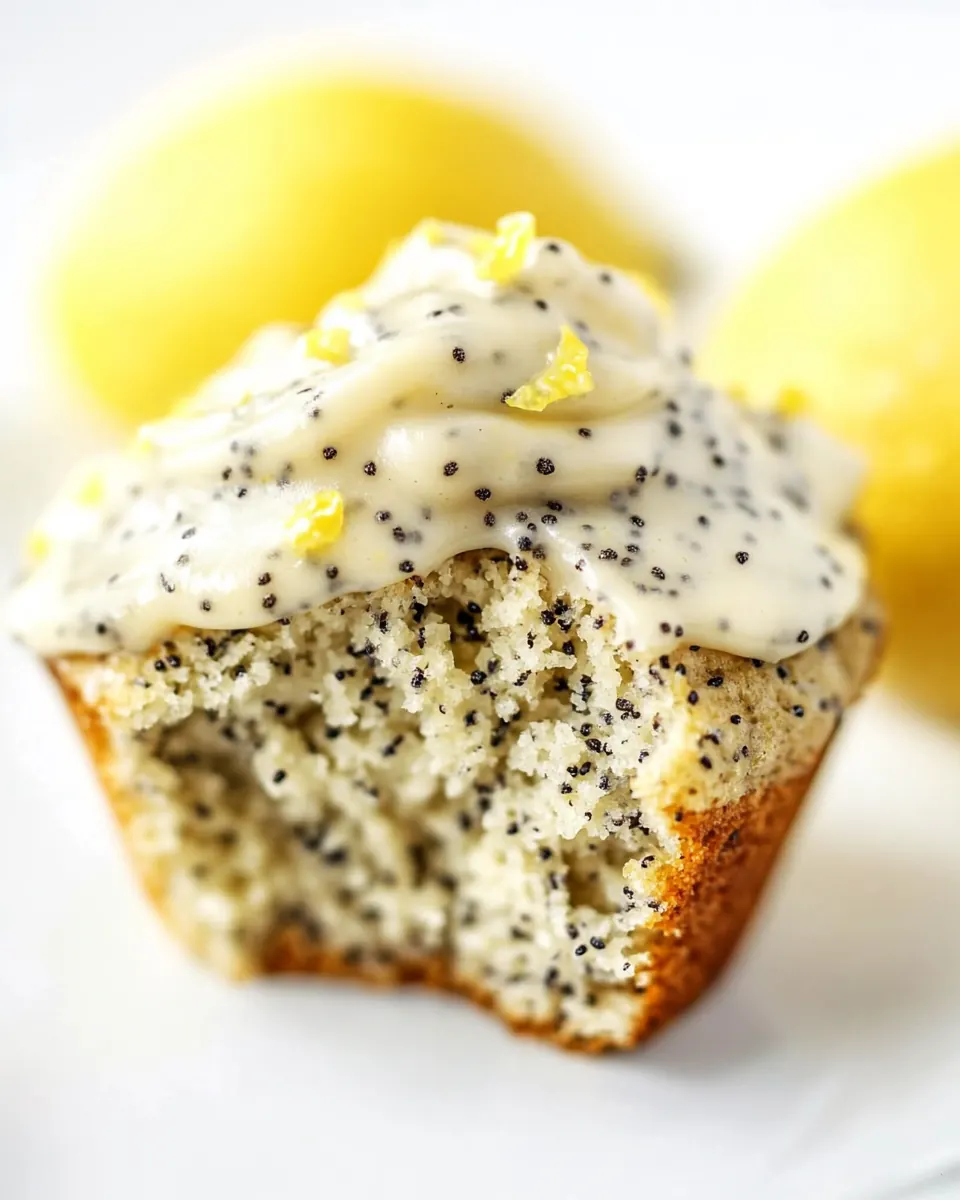
Coconut Flour Lemon Poppy Seed Muffins
Coconut Flour Lemon Poppy Seed Muffins have been one of my go to bakes when I want something bright, tender, and a little bit unexpected.
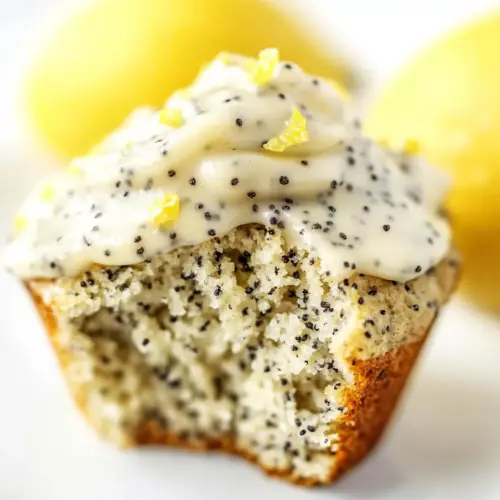
I remember the first time I mixed coconut flour with fresh lemon juice and poppy seeds, curious whether such a light, grain free batter could still produce a moist muffin. I was juggling a busy morning, a sleepy kid asking for breakfast, and a friend on their way over for coffee. I chose this recipe because the flavors wake you up, and because the texture surprises you in the best way. Those tiny black poppy seeds give a delicate crunch against the soft crumb, and the citrus lifts everything so it does not feel heavy.
Over time I adjusted the balance of wet to dry, learned to warm my eggs and maple syrup slightly so the batter comes together smoothly, and discovered a simple creamy glaze using cashew butter that keeps these muffins luscious without weighing them down. When guests arrive unexpectedly, I find these muffins tuck perfectly into a small tray with coffee or tea. They are lovely for a spring brunch, a light dessert, or a portable snack to fuel the afternoon. I love that they are naturally sweetened and still feel special, with a glaze that looks artisanal though it is easy to make.
Recipe Snapshot
40 mins
15 mins
25 mins
Easy
180 kcal
American
Gluten-Free, Vegan
Breakfast
Muffin tin, Mixing bowl, Whisk, Measuring cups, Spatula
Why This Coconut Flour Lemon Poppy Seed Muffins Is So Good
Bright citrus flavor that sings
I adore how the lemon juice and lemon zest in Coconut Flour Lemon Poppy Seed Muffins deliver a lively brightness. The acidity balances the natural sweetness of maple syrup, making each bite refreshing rather than cloying. I often find myself sneaking a taste warm from the oven, delighted by that immediate citrus lift.
Happy texture from clever ingredients
Coconut flour behaves differently than wheat flour, absorbing more liquid and giving a tender, delicate crumb when handled properly. The combination of room temperature eggs and enough liquid ensures the batter is pourable, which yields muffins with a cakey yet moist interior. The small amount of coconut oil adds a silky mouthfeel without heaviness, and the poppy seeds provide contrast so each bite feels multidimensional.
Simple, wholesome sweetness
I love using maple syrup as the main sweetener because it infuses a warm, rounded flavor that pairs beautifully with lemon. The recipe keeps sweetness restrained, so these muffins work for breakfast, an afternoon treat, or as a light dessert after a meal. The icing, based on cashew butter, adds a creamy finish that still feels wholesome.
Versatile and forgiving for home bakers
These muffins are forgiving as long as you respect a few rules, like warming the liquids slightly and measuring coconut flour carefully. I appreciate how adaptable they are for different occasions, whether I need a batch for a picnic, a school snack, or a holiday brunch in spring. They store well in the fridge and travel nicely.
Visually appealing and quick to make
From mixing to oven, this recipe is efficient and satisfying. The poppy seeds create a speckled, bakery look and the creamy glaze gives a polished finish. I find that guests always ask for the recipe after seeing them on a platter.
Ingredient List for Coconut Flour Lemon Poppy Seed Muffins
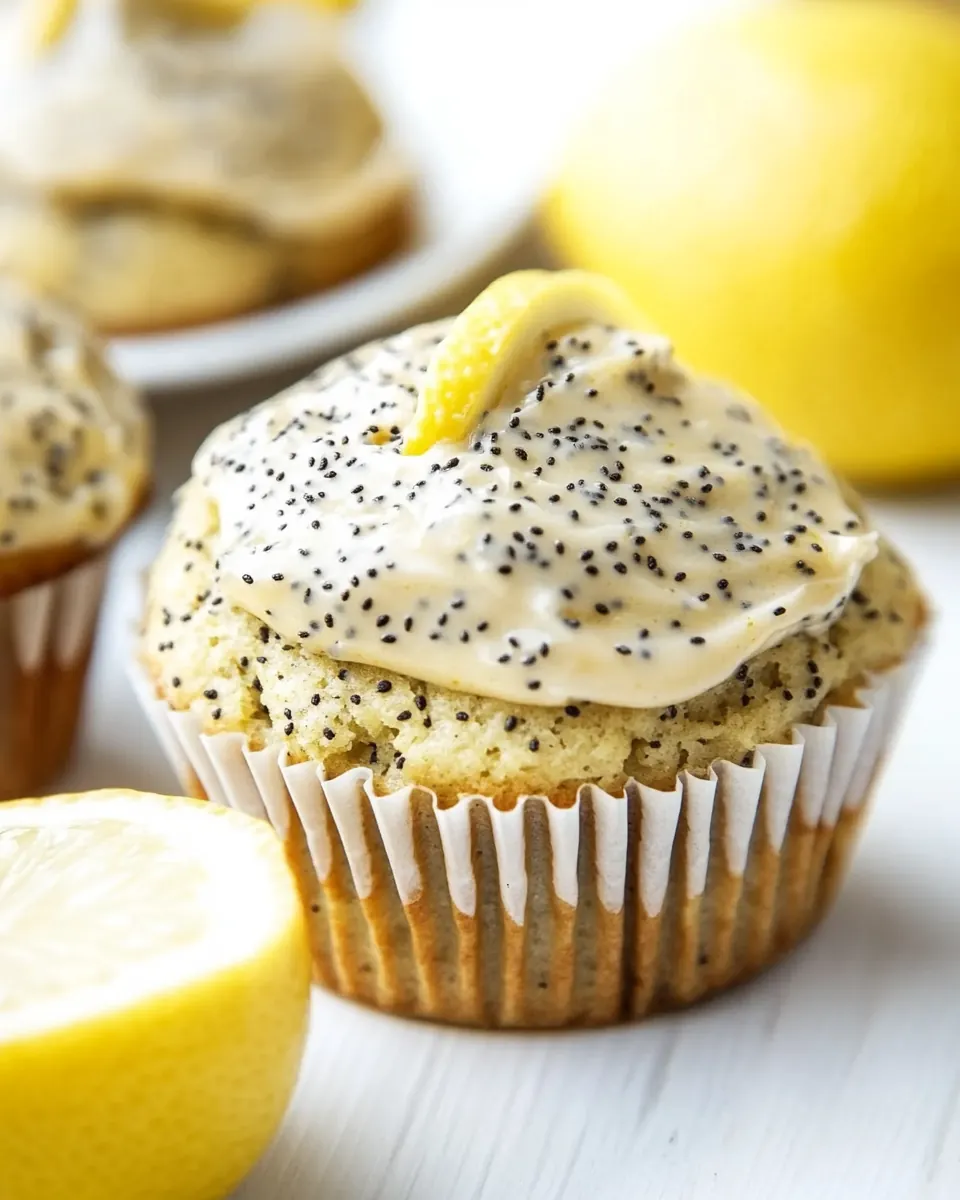
These ingredients are chosen to create a light, lemon forward muffin with a tender texture. The key players are the coconut flour which provides structure without gluten, the duo of maple syrup and cashew butter which supply natural sweetness and creamy body, and the bright lemon components that lift the profile. The eggs and a little coconut oil keep the crumb moist while the poppy seeds add visual interest and a slight crunch.
- 3/4 cup coconut flour (level measurement, not heaping): Provide a fine, absorbent base that soaks up moisture and gives a dense, tender crumb; measure level to avoid overly dry batter and gently sift or tap to remove lumps before mixing.
- 3/4 cup maple syrup, at room temperature: Add natural sweetness and moisture while contributing a subtle caramel-like depth; warm to room temperature so it blends smoothly with oils and eggs for an even batter.
- 1/4 cup melted coconut oil: Introduce rich fat and a light coconut aroma while helping to tenderize the muffins; melt and cool slightly before adding to prevent cooking the eggs and to ensure even incorporation.
- 6 tablespoons freshly squeezed lemon juice: Contribute bright acidity and fresh lemon flavor that balances sweetness and activates baking soda for lift; squeeze fresh lemons and strain seeds for a smooth batter.
- Zest of a whole lemon (about a teaspoon): Provide concentrated citrus oil and intense lemon fragrance that enhances overall flavor; zest whole lemon finely, avoiding the bitter white pith.
- 1/4 teaspoons salt: Enhance overall flavor and balance sweetness by rounding out taste; measure carefully to avoid over-salting which can overpower delicate lemon notes.
- 1 teaspoon baking soda: Act as a leavening agent when combined with acid to create lift and lightness; ensure freshness and disperse evenly into dry ingredients to avoid soapy pockets.
- 6 eggs, at room temperature: Bind ingredients, add structure, and contribute richness for tender crumb and moisture; bring to room temperature for better emulsification and fuller volume when beaten.
- 1 teaspoon vanilla extract: Add warm, sweet aromatics that round flavors and complement lemon; measure precisely to avoid masking the citrus notes and stir in with wet ingredients.
- 2 tablespoons poppy seeds: Provide subtle nutty crunch and visual interest while reinforcing the muffin’s lemon profile; fold in gently near the end of mixing to distribute without overworking.
- 1/4 cup raw cashew butter: Contribute additional richness and creaminess while lending a neutral nutty backbone; smooth into the glaze or filling to improve mouthfeel and help emulsify sweeteners.
- 2 tablespoons pure maple syrup: Increase glaze sweetness and deepen flavor with pure maple complexity; whisk with cashew butter and lemon for a glossy, balanced topping.
- 2 teaspoons fresh lemon juice: Boost lemon brightness in glazes or fillings and reactivate baking soda if needed for slight lift; use freshly squeezed for the cleanest citrus punch.
- 1 to 3 teaspoons water, as needed to thin: Adjust glaze consistency to achieve a pourable or spreadable texture; add water sparingly, one teaspoon at a time, until desired thinness is reached.
Cooking Method for Coconut Flour Lemon Poppy Seed Muffins
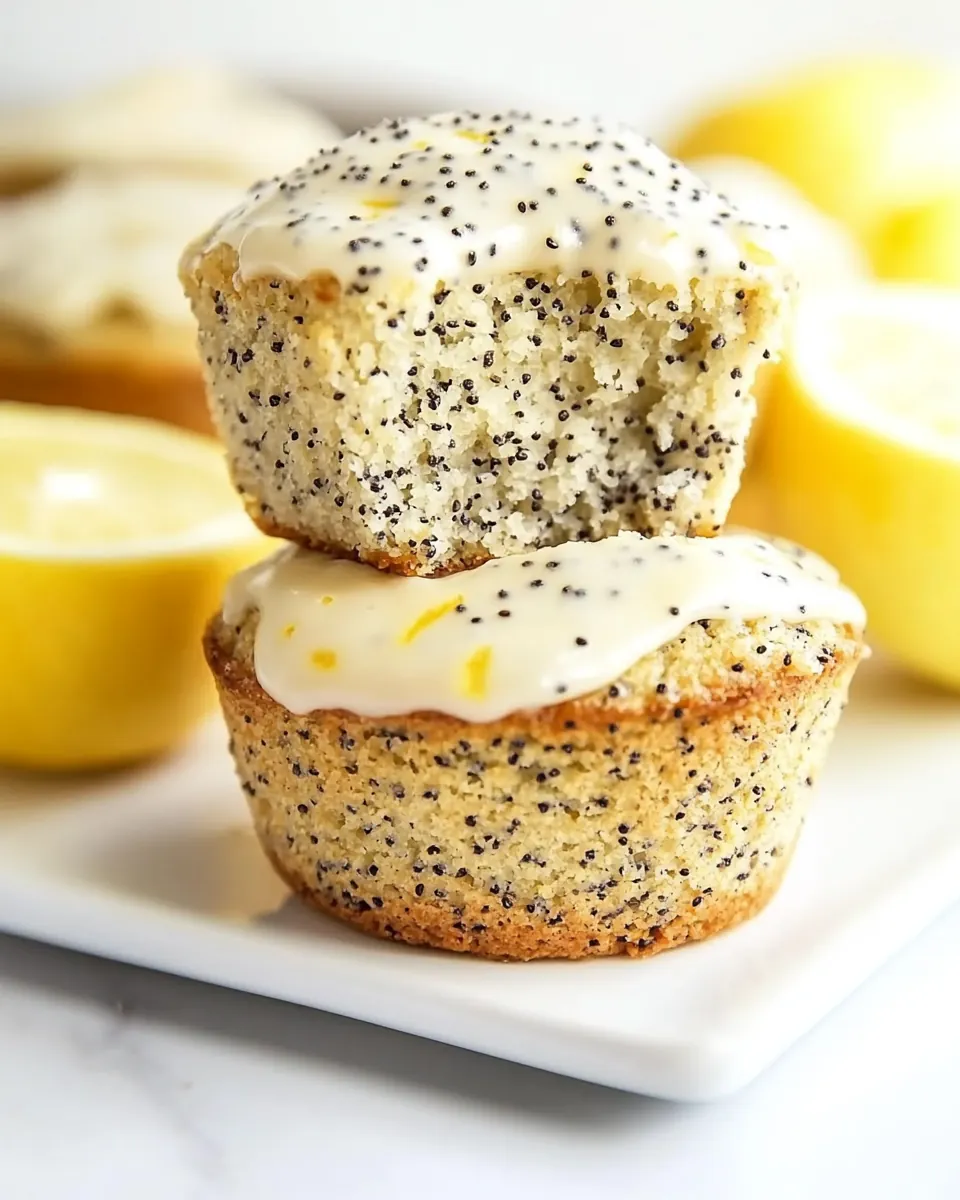
These directions will guide you through each stage with sensory cues and troubleshooting so the muffins come out consistent and delicious. Read each step fully before you begin, and keep your ingredients at hand.
- Preheat the oven to 350ºF and line a standard muffin tin with 12 baking cups. (I use these silicone liners for best stick prevention.): When you preheat the oven to 350 0F , you will notice a warm, dry heat filling the kitchen and the oven light reflecting off the racks. This consistent environment is essential so the muffins rise evenly rather than spreading flat. Lining the tin with 12 baking cups ensures each muffin has even walls that help with lift and ease of removal. A common mistake is placing batter into a not fully heated oven, which can cause the muffins to bake unevenly and develop dense centers. If you are using silicone liners as mentioned, remember they retain more heat slightly, so watch the first batch closely for browning cues.
- Make sure your maple syrup and eggs are at room temperature. You can place the eggs in a bowl of warm tap water for a few minutes to help warm them up quickly. This will ensure that your muffin batter will be runny, like traditional muffin batter, and will easily mix and pour into the muffin cups. (Otherwise the coconut oil may harden and won't mix evenly into the batter.) In a large bowl, combine the coconut flour, maple syrup, coconut oil, lemon juice and zest, salt, baking soda, eggs, and vanilla, and use a whisk to stir the batter until smooth. The whisk should help break up any clumps, making the batter very smooth. Stir in the poppy seeds, then divide the batter evenly among the 12 baking cups.: The batter benefits from room temperature eggs and maple syrup because they blend seamlessly with the melted coconut oil , creating a smooth emulsion. You can warm eggs gently by placing them in warm tap water for a few minutes; you will feel them temper and no longer cold to the touch. If you start with cold ingredients, the oil can seize and create little solid pockets, which leads to streaks in the batter and uneven texture in the muffins. Whisking cold ingredients will also require more vigorous mixing and can overwork the mixture.
- Bake at 350ºF until the centers are firm to the touch and the edges are lightly golden, about 22 to 25 minutes. Cool completely before topping with the icing below.: As you add each component into the bowl, you will notice differences in weight and texture, from the powdery coconut flour to the glossy maple syrup . Use a whisk to stir until the mixture becomes glossy and almost pourable; the whisk helps remove small lumps and aerates the batter slightly. You should see the lemon zest dispersed and the batter smooth without streaks of oil. If clumps remain, switch to a silicone spatula to press them against the side of the bowl. A frequent misstep is underwhisking the coconut flour , leaving dry pockets that swell during baking and create dense spots in the muffins.
- To prepare the Creamy Lemon Icing, stir together the cashew butter, maple syrup, and lemon juice in a small bowl until smooth. Add water 1 teaspoon at a time, as needed to thin the icing to your liking. Drizzle it over the top of each muffin just before serving.: When you fold in the poppy seeds , their tiny black dots will pepper the batter, providing visual contrast and a slight crunch. Use an ice cream scoop or a measuring cup to portion the batter so each cup holds a uniform amount; this helps them bake at the same rate and ensures consistent texture. The batter should be pourable, not stiff; if it seems too thick, check that your liquids were measured correctly. Uneven distribution is a common error resulting in underbaked centers in some muffins while others finish first.
- Leftover muffins can be stored in an airtight container in the fridge for up to a week.: As the muffins bake at 350 0F , you will smell warm citrus and a toasty note from the coconut oil. Watch for a gentle golden hue around the edges and a set top that springs back when touched. The internal structure firms as proteins in the eggs coagulate and the baking soda helps lift the crumb. If you open the oven too often you will lose heat and slow rising, so avoid peeking frequently. Overbaking will dry them out, leading to a crumb that feels powdery rather than tender.
- Cool completely before topping with the icing below: Cooling allows the crumb to finish setting, sealing moisture inside so the muffins do not become soggy when glazed. You will notice steam easing off the tops during cooling, and the texture will transition from warm and delicate to a slightly firmer, sliceable structure. If you attempt to ice while warm, the glaze will melt and run excessively, losing its visual appeal and concentration of flavor. A frequent oversight is rushing this step and ending up with soaked tops instead of a neat glaze.
- To prepare the Creamy Lemon Icing, stir together the cashew butter, maple syrup, and lemon juice in a small bowl until smooth: As you whisk the cashew butter with maple syrup and lemon juice , the mixture will go from thick and matte to glossy and spreadable. The acid of the lemon juice brightens the nutty cashew butter , and the maple syrup brings sheen and sweetness. If the glaze feels too thick for drizzling, add water one teaspoon at a time until it reaches a ribboning consistency. Too much water dilutes the flavor and prevents the icing from setting slightly on the muffin top, so add cautiously.
- Add water 1 teaspoon at a time, as needed to thin the icing to your liking: When you add water, do so sparingly while stirring, watching the viscosity change. The ideal drizzle will flow slowly from a spoon and create a thin ribbon on the muffin that stops short of pooling. If it turns too thin, it will run off and create messy plates, while too thick will be clumpy and hard to spread. A common mistake is adding all the water at once and losing control of the consistency, so temper the glaze gradually.
- Drizzle it over the top of each muffin just before serving: Drizzling the glaze just before serving yields an attractive sheen and a fresh citrus bite. Use a spoon or a small piping bag to control placement, letting the icing fall in thin streams that create a delicate lattice on each muffin. The contrast between the slightly firm muffin top and the soft glaze is part of the pleasure. If you need to store them first, keep the glaze separate and add it when ready to serve to maintain texture.
- Leftover muffins can be stored in an airtight container in the fridge for up to a week: Stored cold, the muffins stay moist and the flavors meld beautifully, though the glaze may firm significantly. Bring them to room temperature before serving to restore tenderness, or warm briefly in a low oven to revive that just baked aroma. Avoid leaving them at room temperature for more than a day, as the fresh citrus and egg based batter keeps best chilled. A mistake I see is stacking iced muffins while still warm which can cause sticking and ruin the glaze finish.
Substitutions and Tips
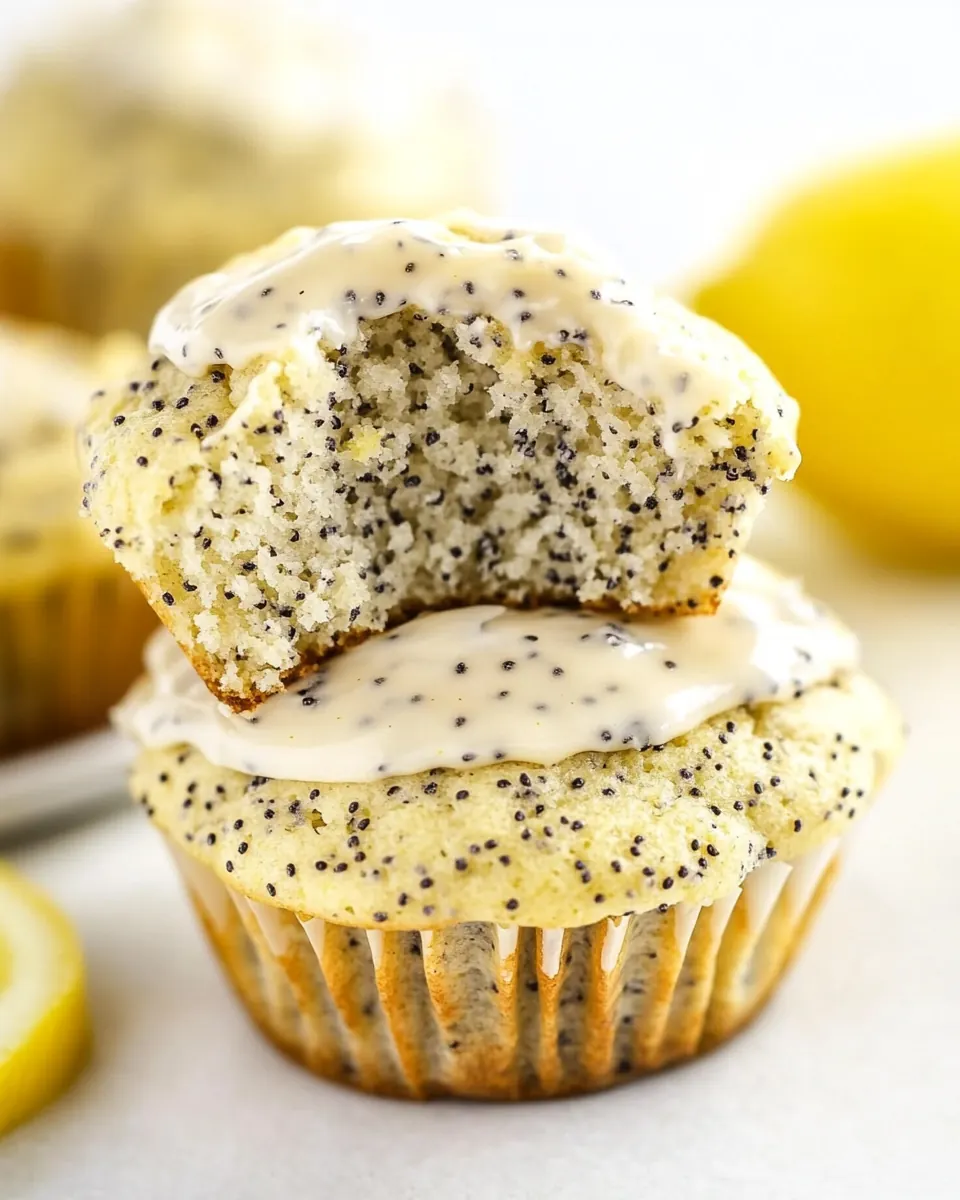
Below are practical tips and small substitutions that I have tested while making Coconut Flour Lemon Poppy Seed Muffins. Each entry starts with a bold phrase for quick scanning, followed by detailed guidance to help you succeed.
- Room temperature strategy: If you forget to bring eggs to room temperature, place them in warm tap water for five to ten minutes. This avoids chilling the melted coconut oil and helps the batter emulsify smoothly. Cold eggs can cause the oil to solidify into tiny pockets, which lead to uneven texture. Warming them briefly is a reliable shortcut without altering the recipe.
- Measuring coconut flour: Spoon coconut flour into the measuring cup and level it off with the back of a knife rather than scooping directly from the bag. This prevents compacting and ensures you are not using too much flour, which would dry out the muffins. Accurate measurement is especially important with coconut flour because it is highly absorbent.
- Adjusting sweetness: The recipe uses maple syrup as the sweetener, but if you prefer it less sweet, reduce the quantities slightly by a tablespoon or two. Because the glaze also contains maple syrup, balance the sweetness between batter and icing so neither element overwhelms the bright lemon flavors. Taste the glaze as you mix to achieve your preferred level.
- Glaze consistency control: Stir the cashew butter, maple syrup, and lemon juice together first, then add water one teaspoon at a time. This prevents the glaze from becoming too thin. Aim for a ribbon like consistency so the drizzle sits on the muffin without pooling excessively. If it becomes too runny, chill briefly to thicken before drizzling.
- Storage tips: Store baked and cooled muffins in an airtight container in the refrigerator for up to a week. If you like them warm, reheat in a low oven at 3000F for five to eight minutes or microwave briefly for a quick revival. Keep the glaze separate if you plan to freeze the muffins to avoid changing its texture.
Perfect Pairings for Coconut Flour Lemon Poppy Seed Muffins
These muffins are wonderfully flexible for different meals and occasions. Below are thoughtful serving ideas that pair well with the bright lemon profile and tender crumb, including storage and occasion suggestions.
- Breakfast spread: Serve the muffins warm alongside cups of coffee or tea for a cheerful morning lineup. The acidity of the lemon balances rich coffee and the small size makes them excellent for buffet style serving.
- Brunch centerpiece: Place a stack of muffins on a platter next to bowls of fresh fruit and yogurt. Their light texture complements a varied brunch table and they act as a pleasant transition between savory dishes and sweeter pastries.
- Spring gathering: These muffins fit perfectly with spring events thanks to their citrus notes. Offer them at showers, garden parties, or seasonal celebrations to echo fresh produce and floral decor.
- Snack or lunchbox: Individually portioned, these muffins travel well and make a satisfying snack packed with protein from the eggs. Pack them with a piece of fruit for a balanced mid day pick me up.
- Storage and reheating: Store in an airtight container in the refrigerator for up to a week, or freeze for longer storage. To serve, bring to room temperature or warm gently to restore that just baked aroma and soften the crumb.
- Seasonal pairings: In spring, pair with fresh berries and a citrus salad to echo the lemon flavors. In cooler months, serve with spiced teas to contrast the bright muffin notes.
FAQ
Conclusion
These Coconut Flour Lemon Poppy Seed Muffins stand out for their bright citrus character, delicate texture, and approachable glaze that elevates each bite. I encourage you to give them a try because they balance wholesome ingredients with bakery style charm, and they are forgiving once you follow the few key technique notes. Whether you bake a batch for a leisurely weekend brunch or a grab and go weekday morning, these muffins bring a lively, sunlit flavor that feels special without being fussy. Share them with friends or tuck them into lunchboxes, and enjoy how the lemon and poppy seeds make ordinary moments feel a little celebratory.
Coconut Flour Lemon Poppy Seed Muffins
Equipment
- Muffin Tin
- Mixing Bowl
- Whisk
- Measuring Cups
- Spatula
Ingredients
- 3/4 cup coconut flour (level measurement, not heaping) Provide a fine, absorbent base that soaks up moisture and gives a dense, tender crumb; measure level to avoid overly dry batter and gently sift or tap to remove lumps before mixing.
- 3/4 cup maple syrup, at room temperature Add natural sweetness and moisture while contributing a subtle caramel-like depth; warm to room temperature so it blends smoothly with oils and eggs for an even batter.
- 1/4 cup melted coconut oil Introduce rich fat and a light coconut aroma while helping to tenderize the muffins; melt and cool slightly before adding to prevent cooking the eggs and to ensure even incorporation.
- 6 tablespoons freshly squeezed lemon juice Contribute bright acidity and fresh lemon flavor that balances sweetness and activates baking soda for lift; squeeze fresh lemons and strain seeds for a smooth batter.
- Zest of a whole lemon (about a teaspoon) Provide concentrated citrus oil and intense lemon fragrance that enhances overall flavor; zest whole lemon finely, avoiding the bitter white pith.
- 1/4 teaspoons salt Enhance overall flavor and balance sweetness by rounding out taste; measure carefully to avoid over-salting which can overpower delicate lemon notes.
- 1 teaspoon baking soda Act as a leavening agent when combined with acid to create lift and lightness; ensure freshness and disperse evenly into dry ingredients to avoid soapy pockets.
- 6 eggs, at room temperature Bind ingredients, add structure, and contribute richness for tender crumb and moisture; bring to room temperature for better emulsification and fuller volume when beaten.
- 1 teaspoon vanilla extract Add warm, sweet aromatics that round flavors and complement lemon; measure precisely to avoid masking the citrus notes and stir in with wet ingredients.
- 2 tablespoons poppy seeds Provide subtle nutty crunch and visual interest while reinforcing the muffin’s lemon profile; fold in gently near the end of mixing to distribute without overworking.
- 1/4 cup raw cashew butter Contribute additional richness and creaminess while lending a neutral nutty backbone; smooth into the glaze or filling to improve mouthfeel and help emulsify sweeteners.
- 2 tablespoons pure maple syrup Increase glaze sweetness and deepen flavor with pure maple complexity; whisk with cashew butter and lemon for a glossy, balanced topping.
- 2 teaspoons fresh lemon juice Boost lemon brightness in glazes or fillings and reactivate baking soda if needed for slight lift; use freshly squeezed for the cleanest citrus punch.
- 1 to 3 teaspoons water, as needed to thin Adjust glaze consistency to achieve a pourable or spreadable texture; add water sparingly, one teaspoon at a time, until desired thinness is reached.
Instructions
- Preheat the oven to 350ºF and line a standard muffin tin with 12 baking cups. (I use these silicone liners for best stick prevention.): When you preheat the oven to 350 0F , you will notice a warm, dry heat filling the kitchen and the oven light reflecting off the racks. This consistent environment is essential so the muffins rise evenly rather than spreading flat. Lining the tin with 12 baking cups ensures each muffin has even walls that help with lift and ease of removal. A common mistake is placing batter into a not fully heated oven, which can cause the muffins to bake unevenly and develop dense centers. If you are using silicone liners as mentioned, remember they retain more heat slightly, so watch the first batch closely for browning cues.
- Make sure your maple syrup and eggs are at room temperature. You can place the eggs in a bowl of warm tap water for a few minutes to help warm them up quickly. This will ensure that your muffin batter will be runny, like traditional muffin batter, and will easily mix and pour into the muffin cups. (Otherwise the coconut oil may harden and won't mix evenly into the batter.) In a large bowl, combine the coconut flour, maple syrup, coconut oil, lemon juice and zest, salt, baking soda, eggs, and vanilla, and use a whisk to stir the batter until smooth. The whisk should help break up any clumps, making the batter very smooth. Stir in the poppy seeds, then divide the batter evenly among the 12 baking cups.: The batter benefits from room temperature eggs and maple syrup because they blend seamlessly with the melted coconut oil , creating a smooth emulsion. You can warm eggs gently by placing them in warm tap water for a few minutes; you will feel them temper and no longer cold to the touch. If you start with cold ingredients, the oil can seize and create little solid pockets, which leads to streaks in the batter and uneven texture in the muffins. Whisking cold ingredients will also require more vigorous mixing and can overwork the mixture.
- Bake at 350ºF until the centers are firm to the touch and the edges are lightly golden, about 22 to 25 minutes. Cool completely before topping with the icing below.: As you add each component into the bowl, you will notice differences in weight and texture, from the powdery coconut flour to the glossy maple syrup . Use a whisk to stir until the mixture becomes glossy and almost pourable; the whisk helps remove small lumps and aerates the batter slightly. You should see the lemon zest dispersed and the batter smooth without streaks of oil. If clumps remain, switch to a silicone spatula to press them against the side of the bowl. A frequent misstep is underwhisking the coconut flour , leaving dry pockets that swell during baking and create dense spots in the muffins.
- To prepare the Creamy Lemon Icing, stir together the cashew butter, maple syrup, and lemon juice in a small bowl until smooth. Add water 1 teaspoon at a time, as needed to thin the icing to your liking. Drizzle it over the top of each muffin just before serving.: When you fold in the poppy seeds , their tiny black dots will pepper the batter, providing visual contrast and a slight crunch. Use an ice cream scoop or a measuring cup to portion the batter so each cup holds a uniform amount; this helps them bake at the same rate and ensures consistent texture. The batter should be pourable, not stiff; if it seems too thick, check that your liquids were measured correctly. Uneven distribution is a common error resulting in underbaked centers in some muffins while others finish first.
- Leftover muffins can be stored in an airtight container in the fridge for up to a week.: As the muffins bake at 350 0F , you will smell warm citrus and a toasty note from the coconut oil. Watch for a gentle golden hue around the edges and a set top that springs back when touched. The internal structure firms as proteins in the eggs coagulate and the baking soda helps lift the crumb. If you open the oven too often you will lose heat and slow rising, so avoid peeking frequently. Overbaking will dry them out, leading to a crumb that feels powdery rather than tender.
- Cool completely before topping with the icing below: Cooling allows the crumb to finish setting, sealing moisture inside so the muffins do not become soggy when glazed. You will notice steam easing off the tops during cooling, and the texture will transition from warm and delicate to a slightly firmer, sliceable structure. If you attempt to ice while warm, the glaze will melt and run excessively, losing its visual appeal and concentration of flavor. A frequent oversight is rushing this step and ending up with soaked tops instead of a neat glaze.
- To prepare the Creamy Lemon Icing, stir together the cashew butter, maple syrup, and lemon juice in a small bowl until smooth: As you whisk the cashew butter with maple syrup and lemon juice , the mixture will go from thick and matte to glossy and spreadable. The acid of the lemon juice brightens the nutty cashew butter , and the maple syrup brings sheen and sweetness. If the glaze feels too thick for drizzling, add water one teaspoon at a time until it reaches a ribboning consistency. Too much water dilutes the flavor and prevents the icing from setting slightly on the muffin top, so add cautiously.
- Add water 1 teaspoon at a time, as needed to thin the icing to your liking: When you add water, do so sparingly while stirring, watching the viscosity change. The ideal drizzle will flow slowly from a spoon and create a thin ribbon on the muffin that stops short of pooling. If it turns too thin, it will run off and create messy plates, while too thick will be clumpy and hard to spread. A common mistake is adding all the water at once and losing control of the consistency, so temper the glaze gradually.
- Drizzle it over the top of each muffin just before serving: Drizzling the glaze just before serving yields an attractive sheen and a fresh citrus bite. Use a spoon or a small piping bag to control placement, letting the icing fall in thin streams that create a delicate lattice on each muffin. The contrast between the slightly firm muffin top and the soft glaze is part of the pleasure. If you need to store them first, keep the glaze separate and add it when ready to serve to maintain texture.
- Leftover muffins can be stored in an airtight container in the fridge for up to a week: Stored cold, the muffins stay moist and the flavors meld beautifully, though the glaze may firm significantly. Bring them to room temperature before serving to restore tenderness, or warm briefly in a low oven to revive that just baked aroma. Avoid leaving them at room temperature for more than a day, as the fresh citrus and egg based batter keeps best chilled. A mistake I see is stacking iced muffins while still warm which can cause sticking and ruin the glaze finish.
Notes
- Room temperature strategy: If you forget to bring eggs to room temperature, place them in warm tap water for five to ten minutes. This avoids chilling the melted coconut oil and helps the batter emulsify smoothly. Cold eggs can cause the oil to solidify into tiny pockets, which lead to uneven texture. Warming them briefly is a reliable shortcut without altering the recipe.
- Measuring coconut flour: Spoon coconut flour into the measuring cup and level it off with the back of a knife rather than scooping directly from the bag. This prevents compacting and ensures you are not using too much flour, which would dry out the muffins. Accurate measurement is especially important with coconut flour because it is highly absorbent.
- Adjusting sweetness: The recipe uses maple syrup as the sweetener, but if you prefer it less sweet, reduce the quantities slightly by a tablespoon or two. Because the glaze also contains maple syrup, balance the sweetness between batter and icing so neither element overwhelms the bright lemon flavors. Taste the glaze as you mix to achieve your preferred level.
- Glaze consistency control: Stir the cashew butter, maple syrup, and lemon juice together first, then add water one teaspoon at a time. This prevents the glaze from becoming too thin. Aim for a ribbon like consistency so the drizzle sits on the muffin without pooling excessively. If it becomes too runny, chill briefly to thicken before drizzling.
- Storage tips: Store baked and cooled muffins in an airtight container in the refrigerator for up to a week. If you like them warm, reheat in a low oven at 3000F for five to eight minutes or microwave briefly for a quick revival. Keep the glaze separate if you plan to freeze the muffins to avoid changing its texture.
