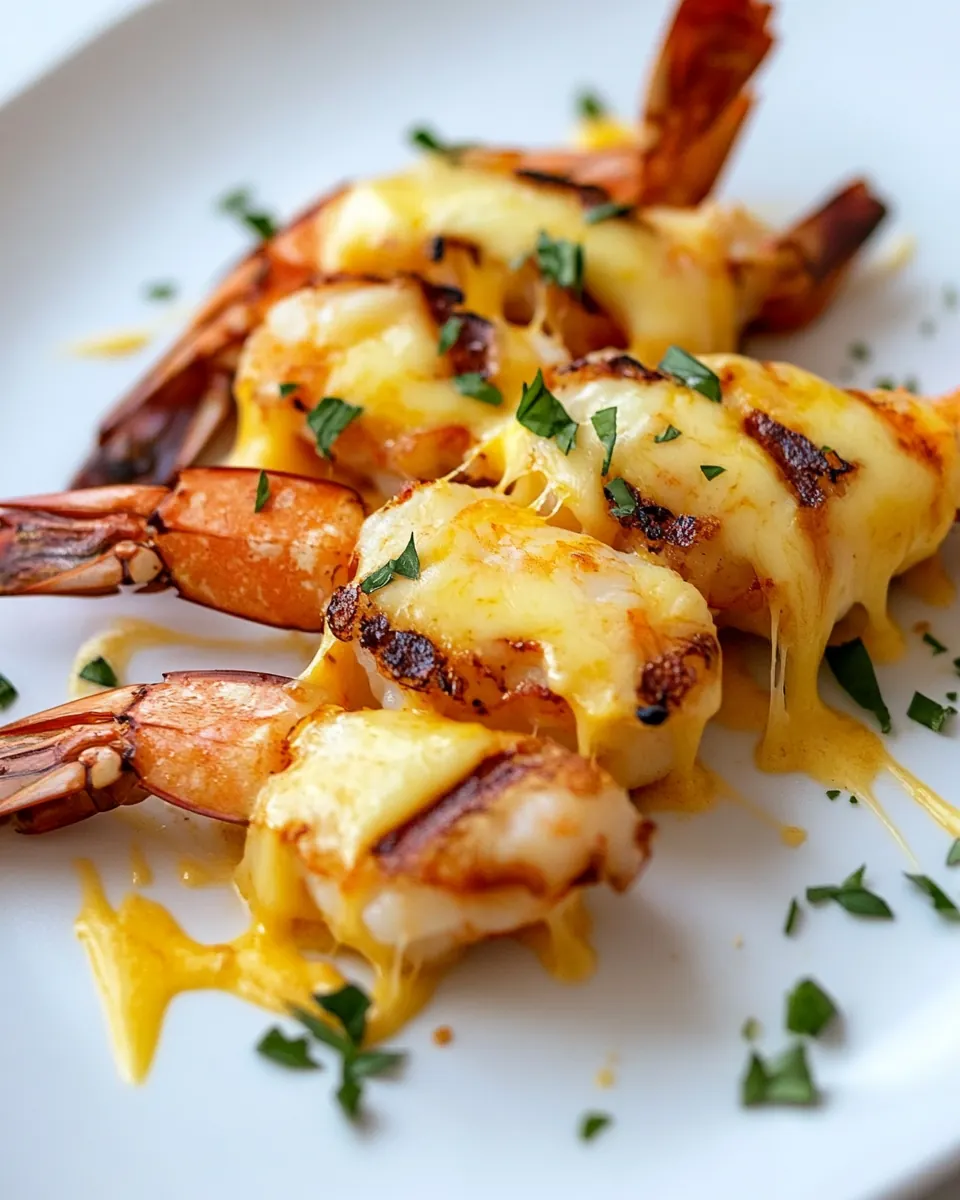
Grilled Cheese Prawn
Grilled Cheese Prawn is one of those recipes I reach for when I want something quick, a little indulgent, and really satisfying without a lot of fuss.
I remember the first time I tossed together this combo after grabbing some beautiful prawns at the market on a humid Saturday morning, the kind of buy that sparks a mini celebration in the kitchen. I wanted something that felt special yet stayed simple, so I mixed a whisper of mayonnaise with an egg yolk, tucked gooey cheese into each prawn, and slid them into a hot oven. The sizzle and the smell of melting cheese made everyone in the house wander toward the kitchen, and the dish disappeared in minutes. That day taught me that a handful of bold moves beats a long ingredient list any time.
Since then, Grilled Cheese Prawn has become my go to when I want dinner that lands somewhere between casual and impressive. I like that it gives you that golden, bubbling cheese moment without a lot of babysitting. I also learned to trust small, intentional techniques, like drying the prawns well so the coating sticks and watching the oven closely so the prawns stay tender. These little rituals make the dish sing and keep it reliably good whether I’m feeding two or surprising friends with a coastal themed starter.
Recipe Snapshot
20 mins
10 mins
10 mins
Easy
350 kcal
American
Keto, Gluten-Free
Appetizers
Oven, Baking pan, Parchment paper, Small bowl, Sharp knife
What Makes This Grilled Cheese Prawn Special
Fast yet impressive
I love how Grilled Cheese Prawn delivers immediate wow factor with very little time investment. I can prep, assemble, and bake in about the same time it takes to set a table, and the results feel restaurant worthy.
Beautiful contrast of textures
The combination of tender prawns and molten cheese creates a lively contrast, crisp edges where the cheese meets the pan and a silky interior. I rely on that textural play to keep every bite interesting.
Simple ingredient list
I appreciate recipes that respect good ingredients. With just a few staples like mayonnaise, an egg yolk, cheese, and parsley, you get layered flavor without clutter. That makes shopping easy and the dish accessible any night of the week.
Flexible cooking method
Whether I use my oven or a hot outdoor grill, the technique adapts. The cheese bubbles the same way, and you can nudge the flavor by the cheese you pick. I often change the cheese based on what I have, and it always reshapes the final character in fun ways.
Great for entertaining
I often serve Grilled Cheese Prawn as an elegant appetizer, because it feels celebratory while staying uncomplicated. It’s the kind of dish that starts conversations before the first bite even lands.
Grilled Cheese Prawn Shopping List
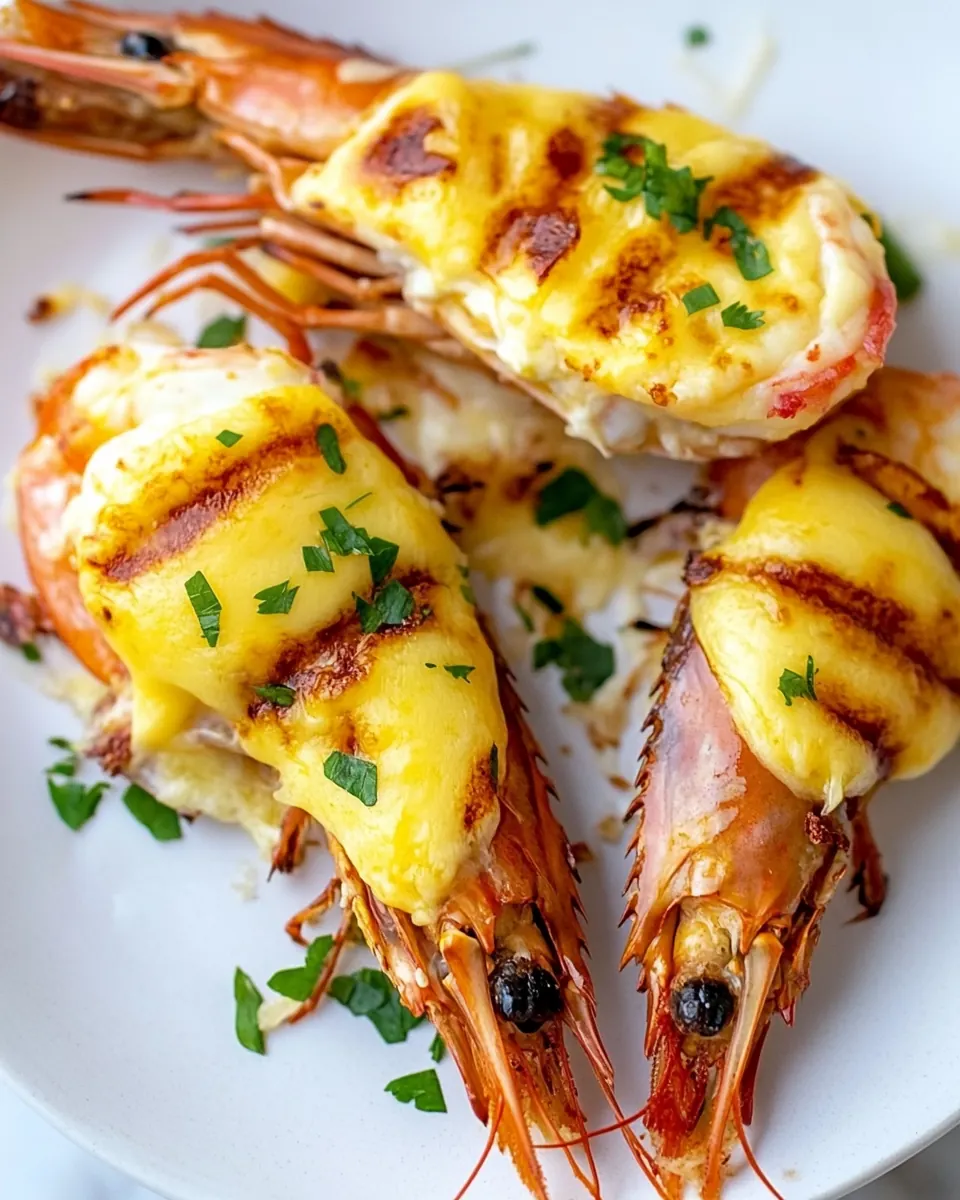
I try to think of ingredients as players in a small team. Each one has a clear job, and together they form a tight, balanced flavor profile. Here the key players are the sea sweet of the prawns, the creamy fat of the mayonnaise and cheese, the binding richness of the egg yolk, and the bright lift from parsley. They work because one provides texture, another moisture, and another bright contrast.
- 2 tablespoons mayonnaise: Adds creaminess and a subtle tang to bind fillings and enhance richness when spread or mixed; helps create a smooth mouthfeel in the sandwich and balances the savory prawns and cheese. Works well when lightly toasted to provide a golden, slightly crisp exterior that contrasts with the tender interior.
- 1 egg yolk: Emulsifies and enriches the filling by providing a silky texture and helping ingredients adhere; incorporates fat for a richer flavor and contributes to a glossy finish when combined with mayonnaise or used to brush bread. Also helps set delicate fillings when gently cooked, improving cohesion without overpowering other flavors.
- 4 large prawns: Provides sweet, briny seafood flavor and a firm, succulent texture that serves as the main protein; cooks quickly and takes on char and smoky notes when grilled, adding depth to the sandwich. Can be deveined and butterflied to ensure even cooking and easy layering with cheese, contributing both flavor and bite.
- 1 cup shredded cheese: Melts to create a gooey, cohesive filling that binds the sandwich components and delivers rich, savory umami; offers stretch and creaminess when heated, providing contrast to the prawn texture. Choose a melting variety for best results and layer evenly to ensure consistent melt and flavor distribution throughout the grilled sandwich.
- 1 tablespoon fresh parsley, chopped: Adds fresh, herbal brightness and a mild peppery note that lightens the richness of mayonnaise, egg yolk, prawns, and cheese; provides visual contrast and bursts of flavor when sprinkled over the filling or mixed into a spread. Chop finely to distribute aroma and flavor evenly, enhancing overall balance without overwhelming other ingredients.
Instructions for Grilled Cheese Prawn
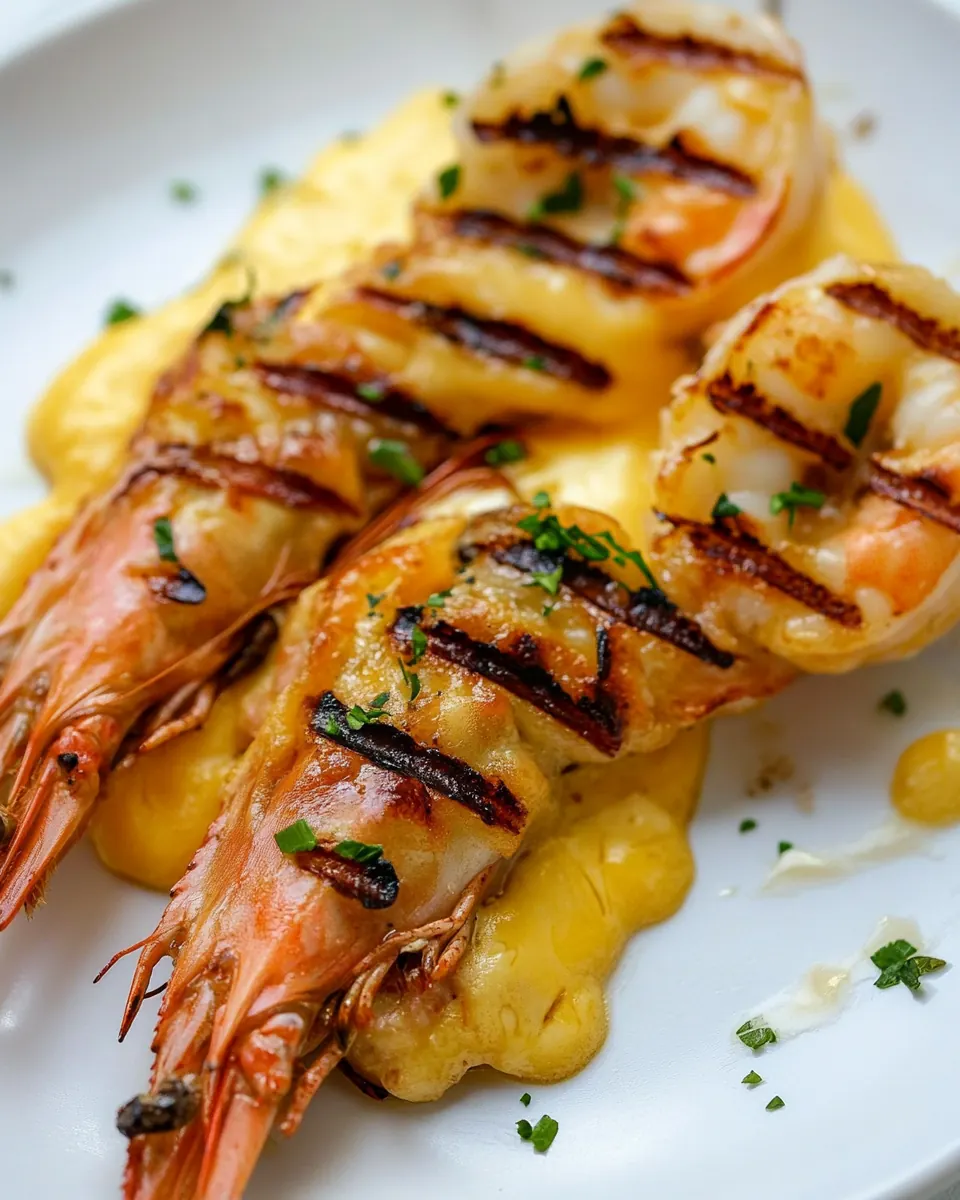
This recipe is straightforward, but the success hinges on a few sensory cues and timing checks. Below I break each direction into detailed, tactile steps so you can feel confident about the outcome.
- Preheat the oven to 400°F (200°C). In a small bowl, combine the mayonnaise and egg yolk, stirring well. Set aside.: The oven should radiate steady, even heat so the cheese melts quickly while the prawns cook through without drying out. You will notice the oven hum and a warm draft near the door as it reaches temperature. Preheating ensures the first minute in the oven is active heat, which helps the exterior color develop and the cheese bubble evenly. A common mistake is skipping the preheat, which leads to longer cooking and a gummy texture instead of a crisped edge. If using an outdoor grill, warm it to a medium high heat so the prawns cook with direct radiant heat while the cheese melts.
- Rinse four large prawns and pat them dry with paper towels. Using a sharp knife, make a shallow cut down the middle of the back of each prawn to create a pocket, being careful not to cut all the way through. Clean and devein the prawns. Transfer them to a baking pan lined with parchment paper.: As you stir, the mixture should become smooth and glossy, with no streaks of yolk or white. The texture should coat a spoon evenly, a good sign that emulsification is working. This binding mixture is light but rich, and it tucks into the prawn pockets to keep everything cohesive. If the mixture looks separated, whisk gently to bring it back together. Avoid overbeating which introduces air and can change how it sets during baking. If the mayo is too cold, it can thicken the mixture, so let it sit a minute at room temperature for a silkier blend.
- Generously coat each prawn with the mayonnaise mixture and stuff them with shredded cheese, gently pressing the cheese into the pockets to fill the space evenly.: Drying is a tactile step you cannot rush, because damp shells or flesh will steam during cooking and prevent browning. As you pat, you will feel the surface shift from slick to matte, a subtle but crucial change. The prawns should not be dripping, and the shells will firm up slightly as moisture is removed. A typical misstep is rinsing and leaving them wet, which leads to cloudy oven steam and variable texture. Also, be sure to use paper towels that are absorbent enough to capture surface moisture in a few presses rather than rubbing aggressively which can tear the flesh.
- Bake the prawns in the preheated oven (or on an outdoor grill) for 8 to 10 minutes, or until the prawns turn pink and the cheese is melted and bubbly.: When you slice along the back, you should hear a faint, clean cut and see the shell open without cutting all the way through. This pocket is the vessel for the filling, so keep the incision shallow and controlled. As you work, the visual cue is a neat slot that holds filling rather than spilling it out. One error I see is cutting too deep which splits the prawn, making it hard to contain the cheese. Work slowly and keep your hand steady to avoid accidental deep cuts.
- Serve immediately, garnished with freshly chopped parsley on top.: Removing the vein improves both presentation and texture, and you may notice a faint grit when you pull it out. The vein can carry an off flavor, so removing it keeps the taste clean and sweet. Rinse the cavity briefly after deveining and pat dry again, because any residual moisture will interfere with the filling adhering. A common oversight is skipping this step, which can give a slightly muddy chew in the finished prawn.
- Transfer them to a baking pan lined with parchment paper: Lining the pan prevents sticking and makes cleanup effortless, and you'll see the prawns sit uniformly on a smooth surface. The parchment also helps distribute heat gently across the underside, promoting even coloring. Space the prawns so they are not crowded, leaving a little room for air to circulate. Crowding causes steaming and prevents crisping, which is a frequent mistake that reduces contrast between browned cheese and tender prawn.
- Generously coat each prawn with the mayonnaise mixture: As you brush or spoon the mixture in, it should cling to the surface and slip into the pocket, glistening slightly. The coating adds fat and flavor, helping the cheese melt into the prawn without leaching out. Aim for even coverage so each bite contains the same balance of creamy filling and sweet meat. Be mindful not to apply so much that it pools at the bottom of the pan, because excess moisture can inhibit browning. If you notice pooling, blot lightly with a corner of parchment.
- Stuff them with shredded cheese, gently pressing the cheese into the pockets to fill the space evenly: The sound is a soft rustle as the shreds settle into the cavity, and you should see the cheese nestle neatly without overflowing excessively. Pressing gently compacts the cheese so it melts into a cohesive mass instead of sliding out. Choosing shreds rather than slices helps the cheese heat and meld uniformly. A common misstep is overfilling which leads to cheese spillover and uneven browning, so aim for a snug but not bursting fill.
- Bake the prawns in the preheated oven for 8 to 10 minutes: As they cook, you will hear a faint sizzle from moisture escaping and see the cheese go from opaque to glossy and then to bubbling and lightly browned in spots. The prawns will turn a pale pink and curl slightly when they are done, signaling that they are cooked through yet still tender. This timing keeps them juicy; overcooking makes them firm and rubbery. The most common error is leaving them too long because the cheese looks perfect while the prawn has already tightened. Watch for the pink hue and test one if unsure, removing them promptly once opaque.
- Serve immediately, garnished with freshly chopped parsley on top: Right after removing from the oven the aroma should be warm and savory, with the herb cutting through the richness. The garnish adds freshness and visual contrast, and serving hot maintains the best texture and meltiness of the cheese. If you wait too long, the cheese will congeal and the prawns will cool, losing some of their appeal. One tip is to plate quickly and garnish just before presenting so the dish arrives at the table at its peak.
Expert Tips about Grilled Cheese Prawn
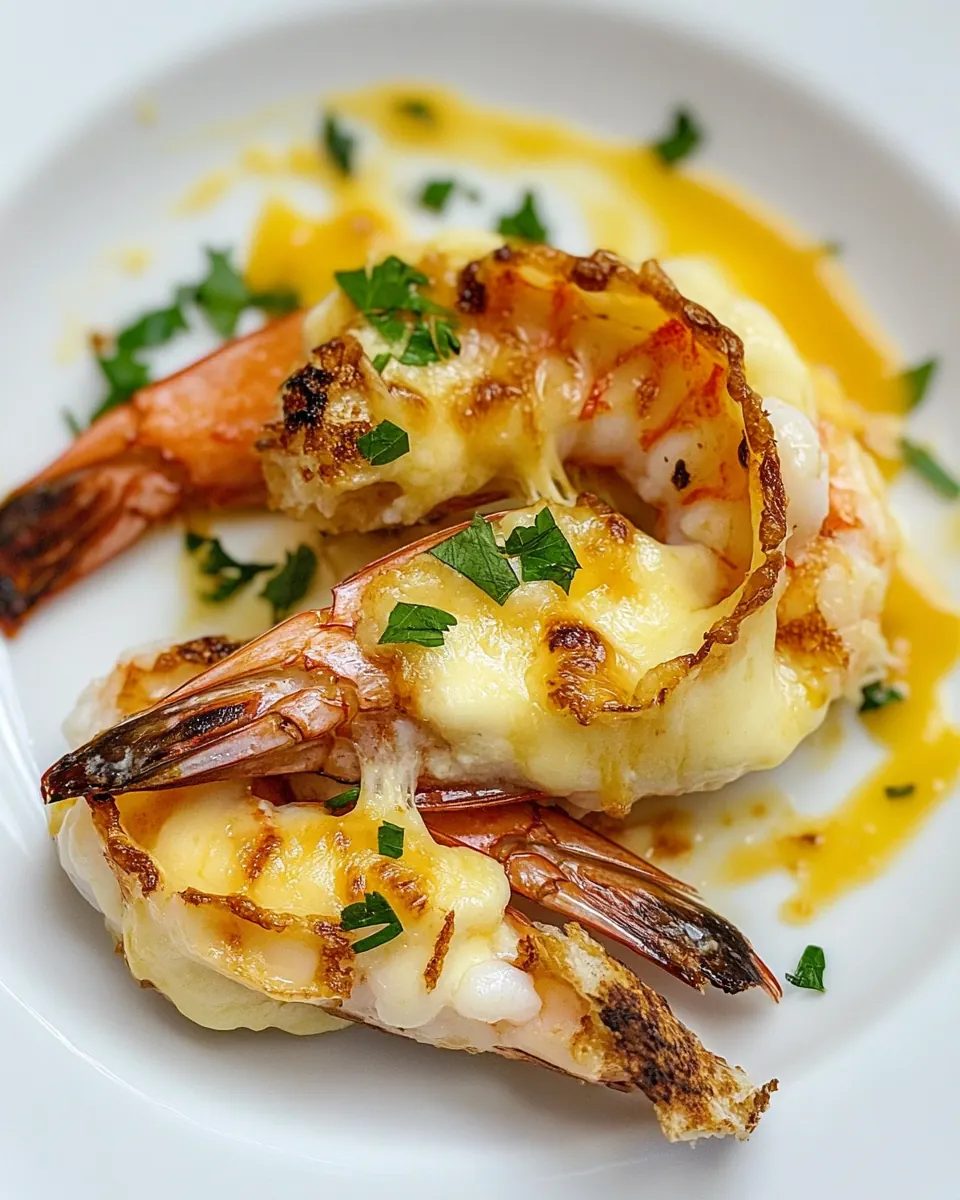
These tips come from repeated runs of the recipe and help protect the texture and flavor. I focus on timing, ingredient temperature, and simple swaps that preserve the dish character.
- Room temperature mayo and egg yolk Help the binding mixture come together smoothly, resulting in an even coating that melds with the cheese when baked.
- Dry the prawns well Moisture causes steaming instead of roasting, which prevents the cheese from browning and can make the prawns rubbery.
- Space prawns apart on the pan Good air flow around each prawn encourages even cooking and attractive browning of the cheese edges.
- Choose a medium melting cheese Cheeses like mozzarella or mild cheddar melt into a creamy mass without overwhelming the delicate prawn flavor.
- Watch closely in the last two minutes The difference between just done and overcooked is small, so check for opaque pink flesh and bubbling cheese.
What to Serve Alongside Grilled Cheese Prawn
I like pairing this dish with simple sides that complement rather than compete. Think light salads, crisp bread, or citrus components to balance the richness. The suggestions below work for casual lunches, intimate dinners, or festive gatherings.
- Light green salad A simple salad with crisp leaves provides a refreshing contrast to the rich cheese and prawns, offering a clean bite between richer mouthfuls.
- Crusty bread or baguette Bread is practical for soaking up any melted cheese and makes the dish feel more substantial for a light meal or lunch.
- Citrus wedges A squeeze of lemon or lime brightens the flavors and cuts through the richness, enhancing the savory notes of the prawns.
- Simple roasted vegetables Lightly roasted vegetables add texture and warmth, pairing well for a dinner setting when you want more substance on the plate.
- Occasions Serve this for a casual date night, a summer barbecue starter, or a cozy dinner at home when you want something quick and memorable.
- Storage tips Leftovers keep for a day refrigerated, but the cheese will firm up. Reheat briefly in a hot oven to return some melt and crisp the edges.
- Seasonal pairings Works well year round, and is particularly nice in spring and summer when fresh herbs and citrus are at their peak.
FAQ
Conclusion
This recipe stands out for its combination of simplicity and seductive texture, pairing sweet prawns with molten cheese for an unforgettable bite. Try it when you want something that feels special but does not demand a long ingredient list or complicated technique. I hope you give Grilled Cheese Prawn a spin, because it consistently delivers a satisfying, speedy plate that impresses guests while letting you keep time in the kitchen minimal. Enjoy the easy assembly and the warm, savory reward at the table.
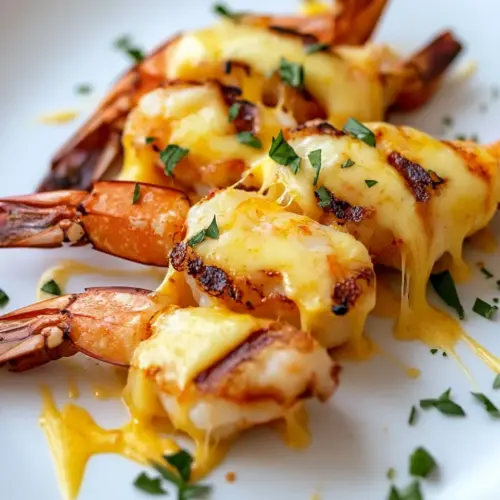
Grilled Cheese Prawn
Equipment
- Oven
- Baking Pan
- Parchment Paper
- Small Bowl
- Sharp Knife
Ingredients
- 2 tablespoons mayonnaise Adds creaminess and a subtle tang to bind fillings and enhance richness when spread or mixed; helps create a smooth mouthfeel in the sandwich and balances the savory prawns and cheese. Works well when lightly toasted to provide a golden, slightly crisp exterior that contrasts with the tender interior.
- 1 egg yolk Emulsifies and enriches the filling by providing a silky texture and helping ingredients adhere; incorporates fat for a richer flavor and contributes to a glossy finish when combined with mayonnaise or used to brush bread. Also helps set delicate fillings when gently cooked, improving cohesion without overpowering other flavors.
- 4 large prawns Provides sweet, briny seafood flavor and a firm, succulent texture that serves as the main protein; cooks quickly and takes on char and smoky notes when grilled, adding depth to the sandwich. Can be deveined and butterflied to ensure even cooking and easy layering with cheese, contributing both flavor and bite.
- 1 cup shredded cheese Melts to create a gooey, cohesive filling that binds the sandwich components and delivers rich, savory umami; offers stretch and creaminess when heated, providing contrast to the prawn texture. Choose a melting variety for best results and layer evenly to ensure consistent melt and flavor distribution throughout the grilled sandwich.
- 1 tablespoon fresh parsley, chopped Adds fresh, herbal brightness and a mild peppery note that lightens the richness of mayonnaise, egg yolk, prawns, and cheese; provides visual contrast and bursts of flavor when sprinkled over the filling or mixed into a spread. Chop finely to distribute aroma and flavor evenly, enhancing overall balance without overwhelming other ingredients.
Instructions
- Preheat the oven to 400°F (200°C). In a small bowl, combine the mayonnaise and egg yolk, stirring well. Set aside.: The oven should radiate steady, even heat so the cheese melts quickly while the prawns cook through without drying out. You will notice the oven hum and a warm draft near the door as it reaches temperature. Preheating ensures the first minute in the oven is active heat, which helps the exterior color develop and the cheese bubble evenly. A common mistake is skipping the preheat, which leads to longer cooking and a gummy texture instead of a crisped edge. If using an outdoor grill, warm it to a medium high heat so the prawns cook with direct radiant heat while the cheese melts.
- Rinse four large prawns and pat them dry with paper towels. Using a sharp knife, make a shallow cut down the middle of the back of each prawn to create a pocket, being careful not to cut all the way through. Clean and devein the prawns. Transfer them to a baking pan lined with parchment paper.: As you stir, the mixture should become smooth and glossy, with no streaks of yolk or white. The texture should coat a spoon evenly, a good sign that emulsification is working. This binding mixture is light but rich, and it tucks into the prawn pockets to keep everything cohesive. If the mixture looks separated, whisk gently to bring it back together. Avoid overbeating which introduces air and can change how it sets during baking. If the mayo is too cold, it can thicken the mixture, so let it sit a minute at room temperature for a silkier blend.
- Generously coat each prawn with the mayonnaise mixture and stuff them with shredded cheese, gently pressing the cheese into the pockets to fill the space evenly.: Drying is a tactile step you cannot rush, because damp shells or flesh will steam during cooking and prevent browning. As you pat, you will feel the surface shift from slick to matte, a subtle but crucial change. The prawns should not be dripping, and the shells will firm up slightly as moisture is removed. A typical misstep is rinsing and leaving them wet, which leads to cloudy oven steam and variable texture. Also, be sure to use paper towels that are absorbent enough to capture surface moisture in a few presses rather than rubbing aggressively which can tear the flesh.
- Bake the prawns in the preheated oven (or on an outdoor grill) for 8 to 10 minutes, or until the prawns turn pink and the cheese is melted and bubbly.: When you slice along the back, you should hear a faint, clean cut and see the shell open without cutting all the way through. This pocket is the vessel for the filling, so keep the incision shallow and controlled. As you work, the visual cue is a neat slot that holds filling rather than spilling it out. One error I see is cutting too deep which splits the prawn, making it hard to contain the cheese. Work slowly and keep your hand steady to avoid accidental deep cuts.
- Serve immediately, garnished with freshly chopped parsley on top.: Removing the vein improves both presentation and texture, and you may notice a faint grit when you pull it out. The vein can carry an off flavor, so removing it keeps the taste clean and sweet. Rinse the cavity briefly after deveining and pat dry again, because any residual moisture will interfere with the filling adhering. A common oversight is skipping this step, which can give a slightly muddy chew in the finished prawn.
- Transfer them to a baking pan lined with parchment paper: Lining the pan prevents sticking and makes cleanup effortless, and you'll see the prawns sit uniformly on a smooth surface. The parchment also helps distribute heat gently across the underside, promoting even coloring. Space the prawns so they are not crowded, leaving a little room for air to circulate. Crowding causes steaming and prevents crisping, which is a frequent mistake that reduces contrast between browned cheese and tender prawn.
- Generously coat each prawn with the mayonnaise mixture: As you brush or spoon the mixture in, it should cling to the surface and slip into the pocket, glistening slightly. The coating adds fat and flavor, helping the cheese melt into the prawn without leaching out. Aim for even coverage so each bite contains the same balance of creamy filling and sweet meat. Be mindful not to apply so much that it pools at the bottom of the pan, because excess moisture can inhibit browning. If you notice pooling, blot lightly with a corner of parchment.
- Stuff them with shredded cheese, gently pressing the cheese into the pockets to fill the space evenly: The sound is a soft rustle as the shreds settle into the cavity, and you should see the cheese nestle neatly without overflowing excessively. Pressing gently compacts the cheese so it melts into a cohesive mass instead of sliding out. Choosing shreds rather than slices helps the cheese heat and meld uniformly. A common misstep is overfilling which leads to cheese spillover and uneven browning, so aim for a snug but not bursting fill.
- Bake the prawns in the preheated oven for 8 to 10 minutes: As they cook, you will hear a faint sizzle from moisture escaping and see the cheese go from opaque to glossy and then to bubbling and lightly browned in spots. The prawns will turn a pale pink and curl slightly when they are done, signaling that they are cooked through yet still tender. This timing keeps them juicy; overcooking makes them firm and rubbery. The most common error is leaving them too long because the cheese looks perfect while the prawn has already tightened. Watch for the pink hue and test one if unsure, removing them promptly once opaque.
- Serve immediately, garnished with freshly chopped parsley on top: Right after removing from the oven the aroma should be warm and savory, with the herb cutting through the richness. The garnish adds freshness and visual contrast, and serving hot maintains the best texture and meltiness of the cheese. If you wait too long, the cheese will congeal and the prawns will cool, losing some of their appeal. One tip is to plate quickly and garnish just before presenting so the dish arrives at the table at its peak.
Notes
- Room temperature mayo and egg yolk Help the binding mixture come together smoothly, resulting in an even coating that melds with the cheese when baked.
- Dry the prawns well Moisture causes steaming instead of roasting, which prevents the cheese from browning and can make the prawns rubbery.
- Space prawns apart on the pan Good air flow around each prawn encourages even cooking and attractive browning of the cheese edges.
- Choose a medium melting cheese Cheeses like mozzarella or mild cheddar melt into a creamy mass without overwhelming the delicate prawn flavor.
- Watch closely in the last two minutes The difference between just done and overcooked is small, so check for opaque pink flesh and bubbling cheese.