Broccoli Pie
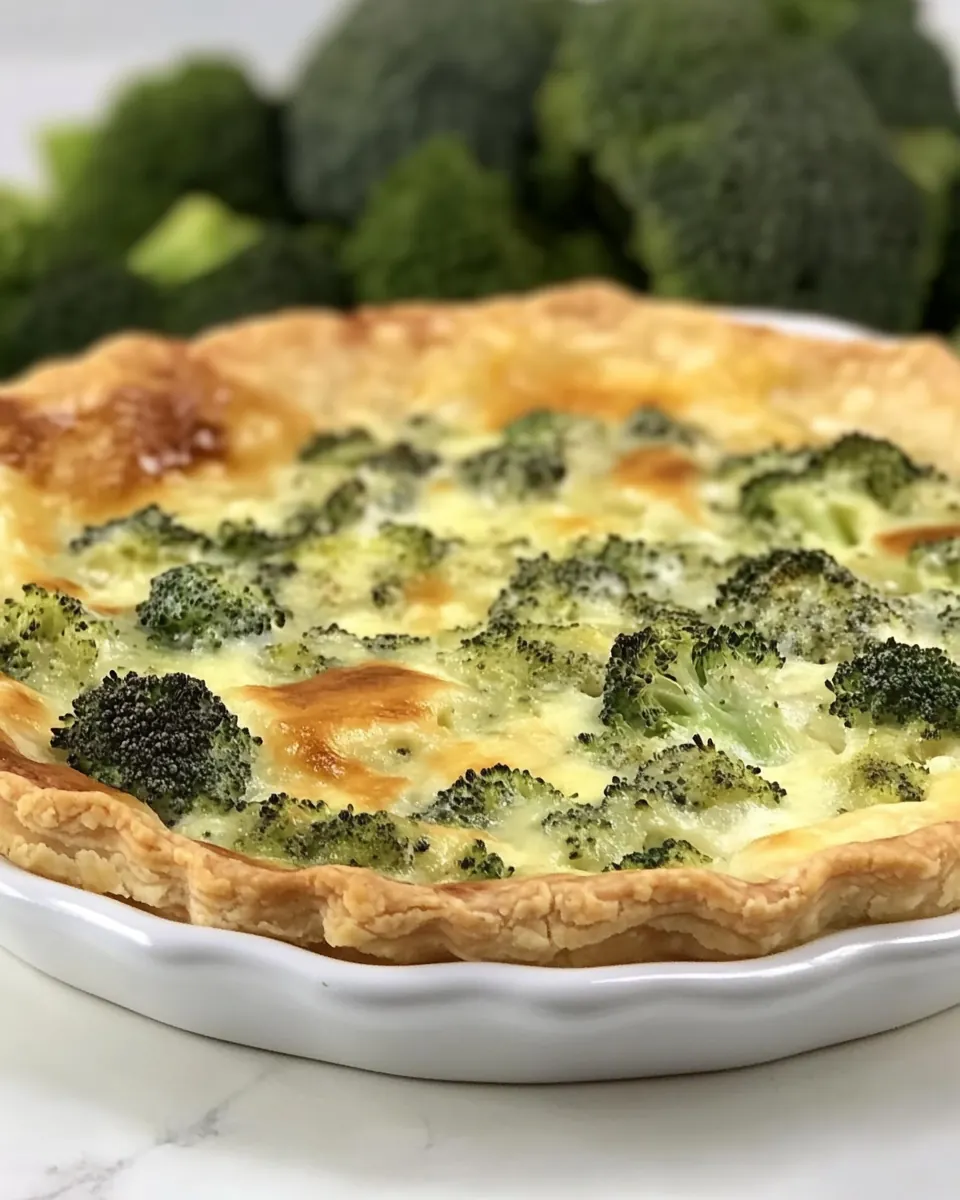
Broccoli Pie has been one of those recipes that follows me from busy weeknights to slow weekend afternoons, a dish I turn to when I want something comforting yet bright. The first time I made it I was juggling groceries and an impatient oven, and the moment I cut into the warm tart and found soft, custardy filling studded with broccoli and melting pockets of graviera cheese, I knew I had a new favorite. It is honest food, the kind that fills a kitchen with a savory aroma without needing fuss.
Over the years I have tweaked the filling balance, learning when to let the crust rest and how long to cool the tart so the slices hold together. Sometimes I fold in a touch more feta cheese for tang, other times I lean on the nuttiness of parmesan cheese. Each version teaches me something about patience, about respecting the simple arithmetic of flour, butter, and time. When friends stop by unannounced, this is the dish I reach for because it looks impressive while still being forgiving.
What I love most is how versatile Broccoli Pie is. It can star at a cozy brunch or be the elegant side at a dinner. The spearmint adds a surprising lift that keeps the richness from feeling heavy, and the mushrooms give a woodland depth. Every bite should show contrast, crisp pastry against soft, seasoned filling, and that is precisely the reward of a well made tart.
Recipe Snapshot
3 hr 15 mins
60 mins
135 mins
Hard
350 kcal
Mediterranean
Gluten-Free, Low FODMAP
Dinner
mixing bowl, tart pan, rolling pin, oven, pot
Why This Broccoli Pie Stands Out
Perfect Texture Contrast
I adore how Broccoli Pie balances a flaky crust with a silky, custard filling. When the crust is properly rested and rolled, it bakes into a light, slightly crisp shell that holds the creamy center without collapsing. That contrast makes each forkful interesting and satisfying, and I always notice my guests pause to appreciate it.
Layered, Savory Flavors
The combination of parmesan cheese, graviera cheese, and feta cheese gives the filling depth, saltiness, and a gentle tang. I like to think of these cheeses as the supporting cast that elevates the vegetal sweetness of the broccoli. A pinch of paprika sweet and the fresh lift of spearmint transform the tart from mundane to memorable.
Make Ahead Friendly
One reason I keep returning to this recipe is that elements can be prepared ahead. The dough chills beautifully, and the filling can be whisked together in advance. This makes Broccoli Pie an excellent choice for entertaining, because you spend less time at the stove when company arrives and more time enjoying the table conversation.
Comfort with Elegance
This dish straddles two worlds, comforting and elegant, which is rare. Serve it on a casual Sunday or as part of a composed lunch and it performs the same magic. I often bring it to potlucks because it travels well and slices present nicely, showing that simple ingredients, handled thoughtfully, can be truly impressive.
Great for Seasonal Cooking
With broccoli at the center, the tart feels seasonal and fresh in spring, yet hearty enough for cooler months. The herbs and mushrooms let you nudge the flavor profile toward whatever produce is at its peak. I enjoy how flexible the recipe is, letting me use what is available while keeping the core identity intact.
What to Buy for Broccoli Pie
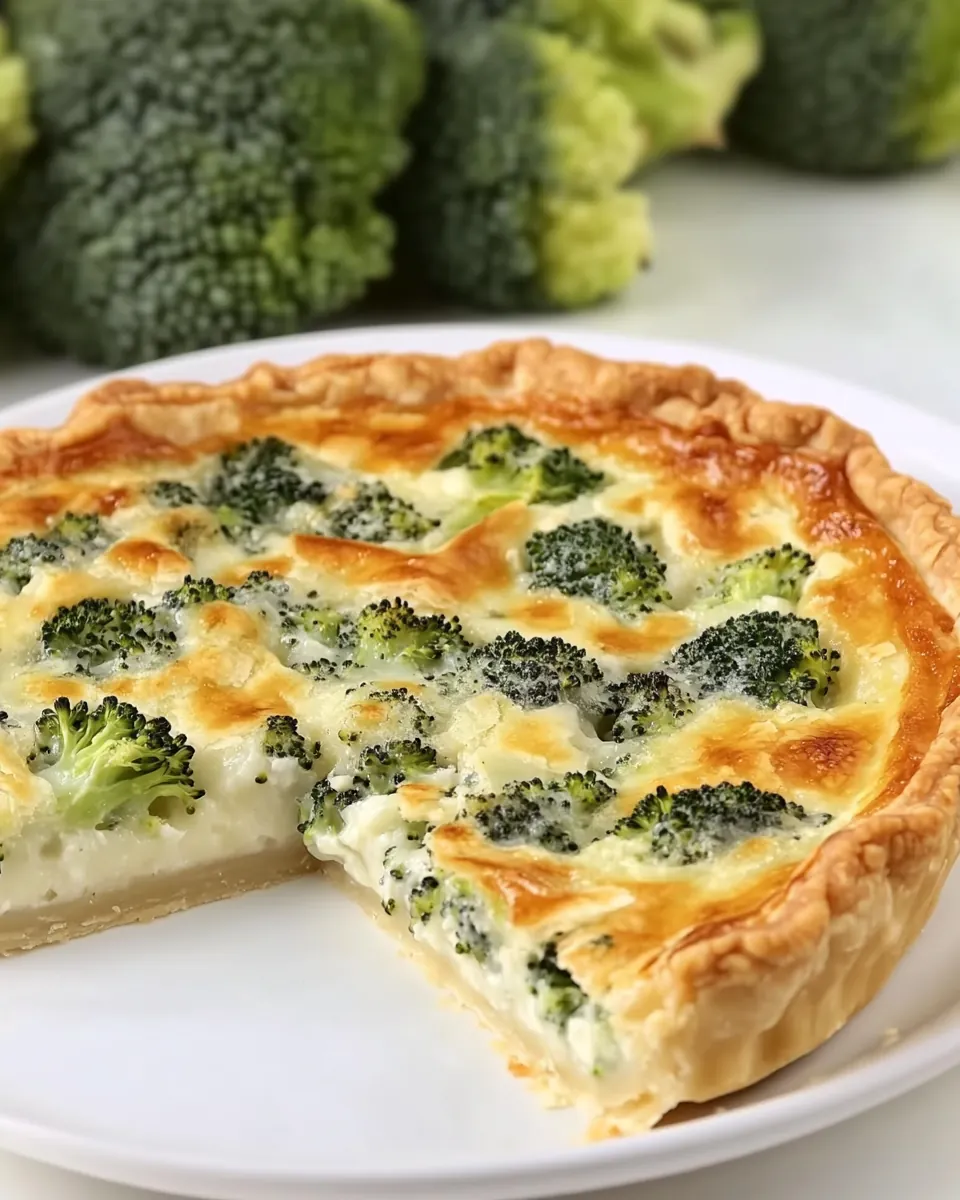
These ingredients come together to create a balanced savory tart. The pastry provides structure, while the dairy and eggs create the custard that binds the vegetables. The cheeses offer salt and complexity, and the herbs lift the richness with freshness. Together, the list emphasizes texture and harmony so every slice is flavorful and well rounded.
- 250 g all-purpose flour: Provide structure and bulk to the pastry and filling; combine with fats and liquids to form a cohesive dough for the pie crust. Sift or whisk to aerate if desired and measure precisely for consistent texture and crumb.
- 1 pinch salt: Enhance and balance flavors in both crust and filling; disperse sparingly to avoid over-salting the dish. Dissolve into dough or sprinkle into custard to subtly highlight other ingredients.
- 100 g butter cold, cut into cubes: contribute flakiness and richness to the pastry when cut into flour; keep cold to prevent gluten overdevelopment and ensure a tender crust. Work quickly to incorporate for pockets of butter that create a flaky texture.
- 60 ml water: Bind the dough together and provide moisture to form a pliable pastry; adjust slightly depending on humidity and flour absorption. Add chilled water gradually to avoid a sticky dough and rest before rolling to relax gluten.
- 2 egg yolks one mixed with a bit of water for egg wash (i.e. spreading over the dough): Act as an emulsifier and provide a glossy egg wash for the pastry surface; reserve one yolk mixed with water to brush over dough for a golden finish. Incorporate whole yolks into custard for richness and to help set the filling.
- 400 g broccoli cut into florets: Offer bulk, texture, and a mild vegetal flavor when cut into florets; blanching or lightly steaming preserves color and tenderness before assembling. Distribute evenly through the filling for consistent bites and adjust cooking to avoid soggy results.
- 15 ml whole milk: Add creaminess and thin the custard slightly while contributing a touch of dairy sweetness; stir into beaten eggs and cream for a silkier texture. Warm slightly before combining to prevent curdling and ensure smooth blending.
- 150 ml whole cream: Provide a rich, luxurious base for the custard with high fat content, adding body and mouthfeel to the pie filling. Combine with milk and eggs to create a stable, creamy set once baked.
- 3 medium eggs: Create structure and help the filling set while contributing richness and lift; whisk thoroughly with dairy to incorporate air and ensure even cooking. Temper eggs if adding hot liquids to prevent scrambling.
- 50 g parmesan cheese grated: Introduce savory, salty, and umami notes with a nutty finish when grated into the filling; blend with other cheeses for depth of flavor. Sprinkle evenly and taste the mixture to balance saltiness before baking.
- 100 g graviera cheese grated (or Swiss, Gruyere Cheese): Contribute a robust, slightly salty and tangy flavor similar to Gruyère or Swiss when grated; melt into the filling for a smooth, cohesive texture. Combine with other cheeses for complexity and enhanced meltability.
- 100 g feta cheese grated: Provide briny, tangy contrast and creamy texture when crumbled or grated into the filling; balance its saltiness with milder dairy. Distribute in small pockets to add bursts of flavor throughout the pie.
- 1/4 bunch spearmint finely chopped: Add a bright, herbaceous lift with fresh, cool notes when finely chopped; mix into the filling for aromatic complexity. Use sparingly to complement the savory elements without overpowering the dish.
- 1 tsp paprika sweet: Provide mild smoky sweetness and color when added to the filling; sprinkle and taste to control intensity. Combine with other spices to enhance overall flavor without masking fresh ingredients.
- 1 tbsp thyme finely chopped: Offer an earthy, aromatic herbaceousness when finely chopped, contributing floral and savory undertones to the filling; mix into the custard for even distribution. Use fresh thyme leaves to preserve delicate flavor during baking.
- 300 g white mushrooms cut into 4 pieces: Bring meaty, umami depth and a tender texture when quartered; sauté briefly in olive oil to concentrate flavor and reduce moisture before adding to the filling. Use mushrooms to add savory complexity and pair well with cheeses.
- salt: Season and enhance overall taste when used to adjust salinity; add gradually and taste as you go to avoid over-salting. Combine with salty cheeses in the recipe to find the right balance.
- pepper: Provide sharp, warming heat when freshly ground to taste; brighten and balance creamy and vegetal components in the filling. Add at the end of seasoning to preserve its aromatic impact.
- extra virgin olive oil: Contribute a fruity, rich base for sautés and dough handling; use to sauté mushrooms and onions or brush lightly on pastry for browning. Choose good-quality extra virgin olive oil for pronounced flavor and aroma.
Instructions for Broccoli Pie
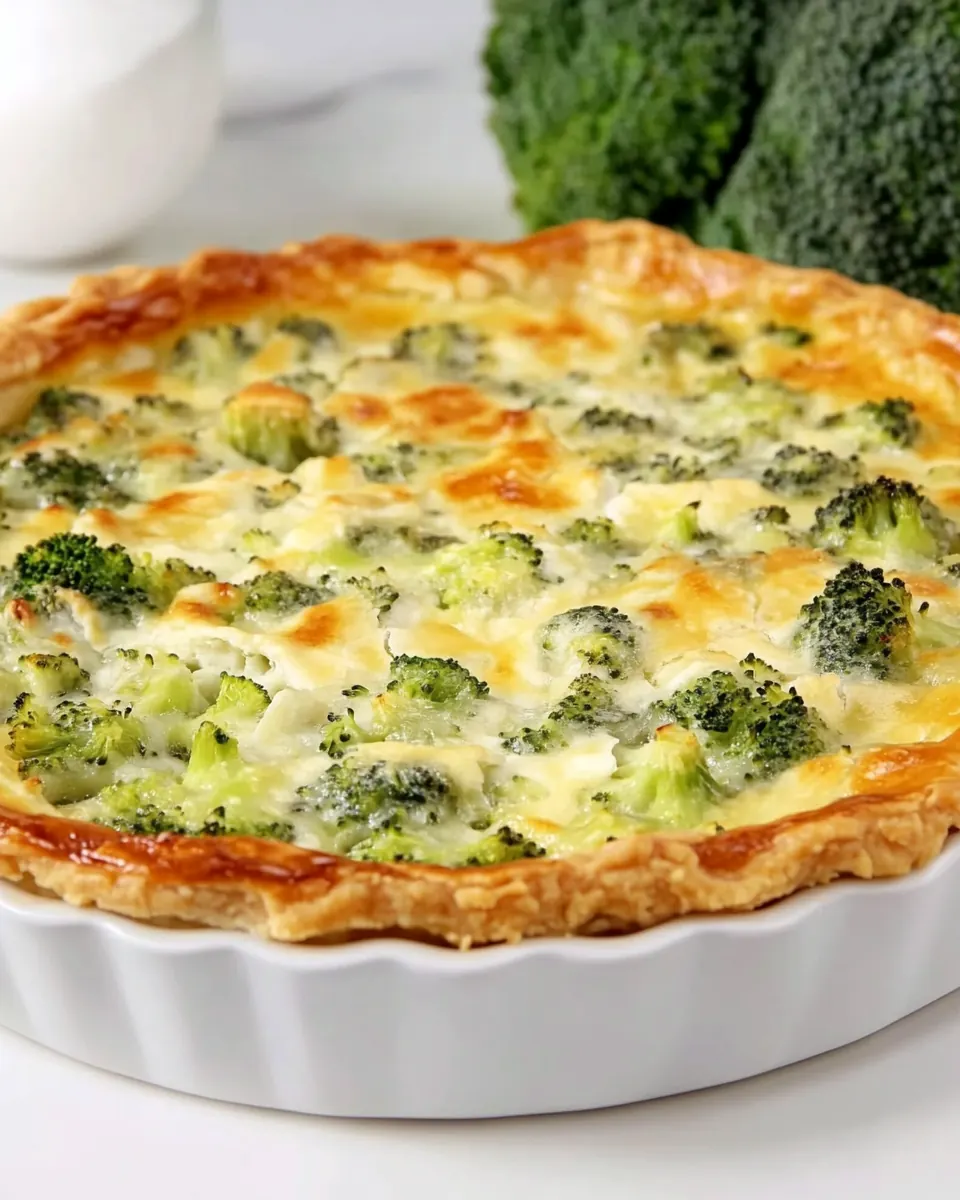
These steps will guide you from making the pastry to baking a golden tart. Work methodically, respect chilling times, and give your senses permission to gauge doneness. Take your time with texture; that is where success lives.
- In a large bowl, add the flour, salt and butter. Wearing disposable gloves, we begin to rub the butter with the flour with our fingers, until the mixture looks like crumbs.: The air is cool when you begin. As you rub the cold butter into the all purpose flour , you should hear a faint whisper as the crumbs form, and the mixture will feel sandy between your fingers. This technique creates little pockets of butter that melt during baking and give the crust layers, so do not overwork the dough or the texture will become dense. A common mistake is warming the butter with your hands, which makes the dough greasy, so work briskly and consider chilling the bowl if your kitchen is warm.
- Add the water, 1 egg yolk and knead until you create a smooth dough.: After adding the cold water and one egg yolk , press the mixture together with fingertips or a bench scraper; the dough should come together without being sticky. You will feel it transform from crumbly to cohesive, and the surface should be smooth. Knead just enough to bind; over kneading tightens gluten and yields a tough crust. If the dough feels sticky, dust lightly with flour rather than adding more water.
- Shape the dough into a disc, wrap it in plastic wrap and put it in the refrigerator for 1 hour.: Chilling firms the butter and relaxes the gluten so the dough rolls easily and bakes flakier. The dough will feel cold and slightly glossy after chilling. Resist the urge to shorten this rest, because a warm dough will shrink when baked. If you skip chilling you risk a crust that warps or contracts in the oven.
- Preheat the oven to 160°C (320°F) in fan mode.: The oven should steadily come to temperature, producing a dry heat that encourages even crust baking. You may notice a subtle hum as the fan circulates air, which helps the pastry brown evenly. If your oven runs hot, use an oven thermometer to avoid an overbrowned base. Preheating fully is essential; placing pastry into an oven that has not stabilized can result in an underbaked interior.
- Place 2 sheets of parchment paper on a workbench and sprinkle with flour. Using a rolling pin, roll out the dough between the parchment paper sheets. If the dough sticks, sprinkle it with a little more flour.: Rolling between parchment makes the process smooth and prevents sticking, and the extra flour on the sheets creates a buffer so the dough moves without tearing. The dough should roll out into an even circle, about the thickness of a coin, and if it clings slightly, a light dusting of flour will free it. Avoid excess flour which will dry the edges; a gentle touch keeps the pastry tender.
- Grease with butter and flour a round tart pan, 26 cm (10 inches) in diameter, with a removable bottom. Spread the dough into the tart pan, pressing it well, so that it sticks to the bottom and sides of the pan.: Greasing ensures the baked tart releases cleanly, and the removable bottom helps when unmolding. Press the dough into the pan, making sure it adheres to the sides without stretching, which would cause shrinkage. Run a rolling pin across the top to remove excess. A common error is pressing too hard and compressing the layers, so aim for even pressure and a snug fit.
- Pierce the bottom of the tart with a fork in many places. Cover the dough with plastic wrap and put some weight (beans, lentils or baking weights) on it, so that the dough does not rise during baking.: Docking the base prevents bubbles from forming, keeping the surface flat for filling. After covering with plastic and adding weights, the crust will bake without puffing, yielding a uniform shell. If you skip docking, you might end up with uneven pockets that make filling difficult and can cause leaks during blind baking.
- Bake for 30 minutes and remove the tart base from the oven and brush it with the yolk spread. Raise the temperature to 180°C (360°F), bake again until golden and set the base aside.: As the crust bakes, you will notice it go from pale to a tender golden hue; the aromas will hint at toasty butter and baked flour. Brushing with the egg yolk wash at this stage seals the surface so it resists sogginess when the custard is added. Overbaking at this step will darken the crust too much, while underbaking leaves it fragile and prone to collapsing when filled.
- Lower the oven temperature to 160°C (320°F) in the fan mode.: Reducing the heat prepares the oven for a gentler bake of the filled tart, promoting even set of the custard without overbrowning. You will switch from high initial heat to a steady, controlled environment where the filling can cook slowly. Skipping this adjustment risks a browned top before the interior is fully set.
- Place a small pot, with enough salted water, over high heat. Once the water starts to boil, add the broccoli and boil for about 10 minutes. Remove with a slotted spoon and move to a bowl with water and ice.: When the water reaches a rolling boil, add the broccoli florets and cook until they are tender yet bright green. The boiling sound intensifies as you add the vegetables, and the blanching time is short so check often. Immediately shock the broccoli in ice water to stop cooking and preserve color. Overcooking here leads to limp, mushy florets that release water into the tart and dilute the flavor.
- In another bowl, add the milk, cream, eggs, parmesan cheese, graviera cheese, feta cheese, spearmint, paprika and thyme. Season with salt and pepper and mix very well with a hand whisk, until the mixture is even.: Whisk until the mixture is smooth and glossy, and you will see the cheeses start to meld into the dairy. The aroma will become a layered savory scent with herbaceous notes, and the mixture should taste slightly seasoned but not overpoweringly salty. If the mixture tastes too bland, a touch more salt will help, but be cautious because the cheeses add salt naturally.
- Spread the broccoli and mushrooms over the base of the tart, place it in the oven and carefully pour the filling mixture.: Arrange the blanched broccoli and cut white mushrooms evenly so each slice gets a balance of vegetables. When you pour the filling over them, watch as it seeps into crevices, surrounding the vegetables without displacing them. Press down lightly if large air pockets appear, but avoid packing them in which can compress the filling unevenly. Uneven distribution causes some slices to be too wet or too sparse.
- Bake the tart for 1-1 1/2 hours, until golden. Set it aside to cool and serve.: The oven will gently hum as the custard sets; you will see the top turn a warm golden brown and the center should be just set with a slight wobble. The aroma at this stage is rich and deeply savory. Let the tart cool so it firms before slicing; cutting too soon will cause the filling to spill. A frequent mistake is removing it while the center is still liquid, so err on the side of a few extra minutes if uncertain.
Expert Tips about Broccoli Pie
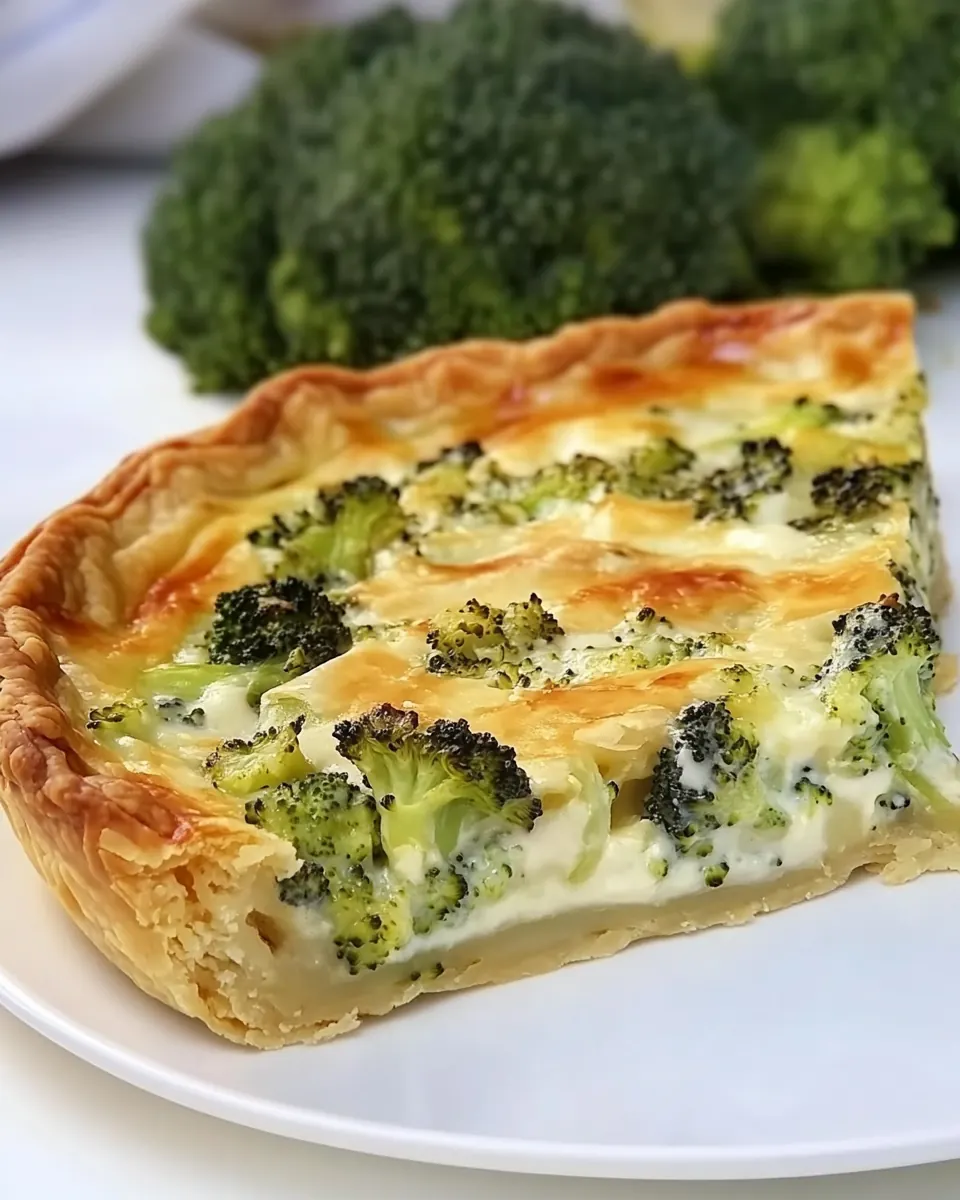
This section collects the practical notes I return to whenever I make the tart. They are the things that help the recipe work every time and keep the process calm and predictable.
- Chill the dough: Always rest the dough for the full hour so the butter firms, and the gluten relaxes, leading to a tender, flaky crust rather than a tight, chewy one.
- Blind bake properly: Use parchment and weights during the first bake, then brush with the yolk wash to seal the crust; this prevents the custard from making the base soggy and ensures a crisp bottom.
- Control moisture: After blanching the broccoli, drain and pat it dry so excess water does not dilute the custard, and sauté the mushrooms briefly in extra virgin olive oil to concentrate their flavor and remove moisture.
- Balance the cheeses: Combining parmesan cheese, graviera cheese, and feta cheese gives depth and texture; taste the raw custard for seasoning before baking, because cheeses add variable salt levels.
- Use gentle oven heat: Baking the filled tart at a moderate temperature allows the custard to set slowly for a smooth texture, while high heat risks an overbrowned top and undercooked center.
Perfect Pairings for Broccoli Pie
Broccoli Pie works beautifully across meals and seasons, and pairing it thoughtfully makes it shine. Below I list serving suggestions and contexts where the tart feels natural and appealing.
- Casual lunch: Serve warm slices with a crisp green salad dressed in lemon and extra virgin olive oil for a light, balanced midday meal that keeps the tart as the centerpiece.
- Brunch spread: Add the tart to a brunch table alongside roasted vegetables and crusty bread, letting guests enjoy savory slices with coffee or tea in a relaxed setting.
- Dinner side: Pair with simply roasted root vegetables or a composed grain salad for a satisfying evening plate, where the tart provides richness and the sides add texture and brightness.
- Entertaining: Make the dough and filling ahead, then bake before guests arrive. Present on a wooden board with small forks for a buffet style that travels well and looks elegant.
- Seasonal variations: In spring highlight fresh herbs like the included spearmint, while in cooler months add heartier roasted mushrooms to deepen the flavor profile.
- Storage tips: Refrigerate leftover slices in an airtight container for up to three days, and reheat gently in a low oven to preserve crispness; freezing is possible for the unbaked shell or fully cooled slices, though textures may change.
FAQ
Conclusion
What makes this recipe special is the marriage of a flaky, well rested crust with a rich, herb studded custard filled with tender vegetables. You get a satisfying mix of textures and layered savory flavors that perform equally well for casual meals or when you want to impress guests. Give it a try this weekend, and experience how a few thoughtful techniques transform simple pantry ingredients into a memorable tart. Share slices with friends, take pride in the golden top, and enjoy the small ritual of baking something that feels both comforting and refined.
Broccoli Pie
Equipment
- Mixing Bowl
- Tart Pan
- Rolling Pin
- Oven
- Pot
Ingredients
- 250 g all-purpose flour Provide structure and bulk to the pastry and filling; combine with fats and liquids to form a cohesive dough for the pie crust. Sift or whisk to aerate if desired and measure precisely for consistent texture and crumb.
- 1 pinch salt Enhance and balance flavors in both crust and filling; disperse sparingly to avoid over-salting the dish. Dissolve into dough or sprinkle into custard to subtly highlight other ingredients.
- 100 g butter cold, cut into cubes contribute flakiness and richness to the pastry when cut into flour; keep cold to prevent gluten overdevelopment and ensure a tender crust. Work quickly to incorporate for pockets of butter that create a flaky texture.
- 60 ml water Bind the dough together and provide moisture to form a pliable pastry; adjust slightly depending on humidity and flour absorption. Add chilled water gradually to avoid a sticky dough and rest before rolling to relax gluten.
- 2 egg yolks one mixed with a bit of water for egg wash (i.e. spreading over the dough) Act as an emulsifier and provide a glossy egg wash for the pastry surface; reserve one yolk mixed with water to brush over dough for a golden finish. Incorporate whole yolks into custard for richness and to help set the filling.
- 400 g broccoli cut into florets Offer bulk, texture, and a mild vegetal flavor when cut into florets; blanching or lightly steaming preserves color and tenderness before assembling. Distribute evenly through the filling for consistent bites and adjust cooking to avoid soggy results.
- 15 ml whole milk Add creaminess and thin the custard slightly while contributing a touch of dairy sweetness; stir into beaten eggs and cream for a silkier texture. Warm slightly before combining to prevent curdling and ensure smooth blending.
- 150 ml whole cream Provide a rich, luxurious base for the custard with high fat content, adding body and mouthfeel to the pie filling. Combine with milk and eggs to create a stable, creamy set once baked.
- 3 medium eggs Create structure and help the filling set while contributing richness and lift; whisk thoroughly with dairy to incorporate air and ensure even cooking. Temper eggs if adding hot liquids to prevent scrambling.
- 50 g parmesan cheese grated Introduce savory, salty, and umami notes with a nutty finish when grated into the filling; blend with other cheeses for depth of flavor. Sprinkle evenly and taste the mixture to balance saltiness before baking.
- 100 g graviera cheese grated (or Swiss, Gruyere Cheese) Contribute a robust, slightly salty and tangy flavor similar to Gruyère or Swiss when grated; melt into the filling for a smooth, cohesive texture. Combine with other cheeses for complexity and enhanced meltability.
- 100 g feta cheese grated Provide briny, tangy contrast and creamy texture when crumbled or grated into the filling; balance its saltiness with milder dairy. Distribute in small pockets to add bursts of flavor throughout the pie.
- 1/4 bunch spearmint finely chopped Add a bright, herbaceous lift with fresh, cool notes when finely chopped; mix into the filling for aromatic complexity. Use sparingly to complement the savory elements without overpowering the dish.
- 1 tsp paprika sweet Provide mild smoky sweetness and color when added to the filling; sprinkle and taste to control intensity. Combine with other spices to enhance overall flavor without masking fresh ingredients.
- 1 tbsp thyme finely chopped Offer an earthy, aromatic herbaceousness when finely chopped, contributing floral and savory undertones to the filling; mix into the custard for even distribution. Use fresh thyme leaves to preserve delicate flavor during baking.
- 300 g white mushrooms cut into 4 pieces Bring meaty, umami depth and a tender texture when quartered; sauté briefly in olive oil to concentrate flavor and reduce moisture before adding to the filling. Use mushrooms to add savory complexity and pair well with cheeses.
- salt Season and enhance overall taste when used to adjust salinity; add gradually and taste as you go to avoid over-salting. Combine with salty cheeses in the recipe to find the right balance.
- pepper Provide sharp, warming heat when freshly ground to taste; brighten and balance creamy and vegetal components in the filling. Add at the end of seasoning to preserve its aromatic impact.
- extra virgin olive oil Contribute a fruity, rich base for sautés and dough handling; use to sauté mushrooms and onions or brush lightly on pastry for browning. Choose good-quality extra virgin olive oil for pronounced flavor and aroma.
Instructions
- In a large bowl, add the flour, salt and butter. Wearing disposable gloves, we begin to rub the butter with the flour with our fingers, until the mixture looks like crumbs.: The air is cool when you begin. As you rub the cold butter into the all purpose flour , you should hear a faint whisper as the crumbs form, and the mixture will feel sandy between your fingers. This technique creates little pockets of butter that melt during baking and give the crust layers, so do not overwork the dough or the texture will become dense. A common mistake is warming the butter with your hands, which makes the dough greasy, so work briskly and consider chilling the bowl if your kitchen is warm.
- Add the water, 1 egg yolk and knead until you create a smooth dough.: After adding the cold water and one egg yolk , press the mixture together with fingertips or a bench scraper; the dough should come together without being sticky. You will feel it transform from crumbly to cohesive, and the surface should be smooth. Knead just enough to bind; over kneading tightens gluten and yields a tough crust. If the dough feels sticky, dust lightly with flour rather than adding more water.
- Shape the dough into a disc, wrap it in plastic wrap and put it in the refrigerator for 1 hour.: Chilling firms the butter and relaxes the gluten so the dough rolls easily and bakes flakier. The dough will feel cold and slightly glossy after chilling. Resist the urge to shorten this rest, because a warm dough will shrink when baked. If you skip chilling you risk a crust that warps or contracts in the oven.
- Preheat the oven to 160°C (320°F) in fan mode.: The oven should steadily come to temperature, producing a dry heat that encourages even crust baking. You may notice a subtle hum as the fan circulates air, which helps the pastry brown evenly. If your oven runs hot, use an oven thermometer to avoid an overbrowned base. Preheating fully is essential; placing pastry into an oven that has not stabilized can result in an underbaked interior.
- Place 2 sheets of parchment paper on a workbench and sprinkle with flour. Using a rolling pin, roll out the dough between the parchment paper sheets. If the dough sticks, sprinkle it with a little more flour.: Rolling between parchment makes the process smooth and prevents sticking, and the extra flour on the sheets creates a buffer so the dough moves without tearing. The dough should roll out into an even circle, about the thickness of a coin, and if it clings slightly, a light dusting of flour will free it. Avoid excess flour which will dry the edges; a gentle touch keeps the pastry tender.
- Grease with butter and flour a round tart pan, 26 cm (10 inches) in diameter, with a removable bottom. Spread the dough into the tart pan, pressing it well, so that it sticks to the bottom and sides of the pan.: Greasing ensures the baked tart releases cleanly, and the removable bottom helps when unmolding. Press the dough into the pan, making sure it adheres to the sides without stretching, which would cause shrinkage. Run a rolling pin across the top to remove excess. A common error is pressing too hard and compressing the layers, so aim for even pressure and a snug fit.
- Pierce the bottom of the tart with a fork in many places. Cover the dough with plastic wrap and put some weight (beans, lentils or baking weights) on it, so that the dough does not rise during baking.: Docking the base prevents bubbles from forming, keeping the surface flat for filling. After covering with plastic and adding weights, the crust will bake without puffing, yielding a uniform shell. If you skip docking, you might end up with uneven pockets that make filling difficult and can cause leaks during blind baking.
- Bake for 30 minutes and remove the tart base from the oven and brush it with the yolk spread. Raise the temperature to 180°C (360°F), bake again until golden and set the base aside.: As the crust bakes, you will notice it go from pale to a tender golden hue; the aromas will hint at toasty butter and baked flour. Brushing with the egg yolk wash at this stage seals the surface so it resists sogginess when the custard is added. Overbaking at this step will darken the crust too much, while underbaking leaves it fragile and prone to collapsing when filled.
- Lower the oven temperature to 160°C (320°F) in the fan mode.: Reducing the heat prepares the oven for a gentler bake of the filled tart, promoting even set of the custard without overbrowning. You will switch from high initial heat to a steady, controlled environment where the filling can cook slowly. Skipping this adjustment risks a browned top before the interior is fully set.
- Place a small pot, with enough salted water, over high heat. Once the water starts to boil, add the broccoli and boil for about 10 minutes. Remove with a slotted spoon and move to a bowl with water and ice.: When the water reaches a rolling boil, add the broccoli florets and cook until they are tender yet bright green. The boiling sound intensifies as you add the vegetables, and the blanching time is short so check often. Immediately shock the broccoli in ice water to stop cooking and preserve color. Overcooking here leads to limp, mushy florets that release water into the tart and dilute the flavor.
- In another bowl, add the milk, cream, eggs, parmesan cheese, graviera cheese, feta cheese, spearmint, paprika and thyme. Season with salt and pepper and mix very well with a hand whisk, until the mixture is even.: Whisk until the mixture is smooth and glossy, and you will see the cheeses start to meld into the dairy. The aroma will become a layered savory scent with herbaceous notes, and the mixture should taste slightly seasoned but not overpoweringly salty. If the mixture tastes too bland, a touch more salt will help, but be cautious because the cheeses add salt naturally.
- Spread the broccoli and mushrooms over the base of the tart, place it in the oven and carefully pour the filling mixture.: Arrange the blanched broccoli and cut white mushrooms evenly so each slice gets a balance of vegetables. When you pour the filling over them, watch as it seeps into crevices, surrounding the vegetables without displacing them. Press down lightly if large air pockets appear, but avoid packing them in which can compress the filling unevenly. Uneven distribution causes some slices to be too wet or too sparse.
- Bake the tart for 1-1 1/2 hours, until golden. Set it aside to cool and serve.: The oven will gently hum as the custard sets; you will see the top turn a warm golden brown and the center should be just set with a slight wobble. The aroma at this stage is rich and deeply savory. Let the tart cool so it firms before slicing; cutting too soon will cause the filling to spill. A frequent mistake is removing it while the center is still liquid, so err on the side of a few extra minutes if uncertain.
Notes
- Chill the dough: Always rest the dough for the full hour so the butter firms, and the gluten relaxes, leading to a tender, flaky crust rather than a tight, chewy one.
- Blind bake properly: Use parchment and weights during the first bake, then brush with the yolk wash to seal the crust; this prevents the custard from making the base soggy and ensures a crisp bottom.
- Control moisture: After blanching the broccoli, drain and pat it dry so excess water does not dilute the custard, and sauté the mushrooms briefly in extra virgin olive oil to concentrate their flavor and remove moisture.
- Balance the cheeses: Combining parmesan cheese, graviera cheese, and feta cheese gives depth and texture; taste the raw custard for seasoning before baking, because cheeses add variable salt levels.
- Use gentle oven heat: Baking the filled tart at a moderate temperature allows the custard to set slowly for a smooth texture, while high heat risks an overbrowned top and undercooked center.