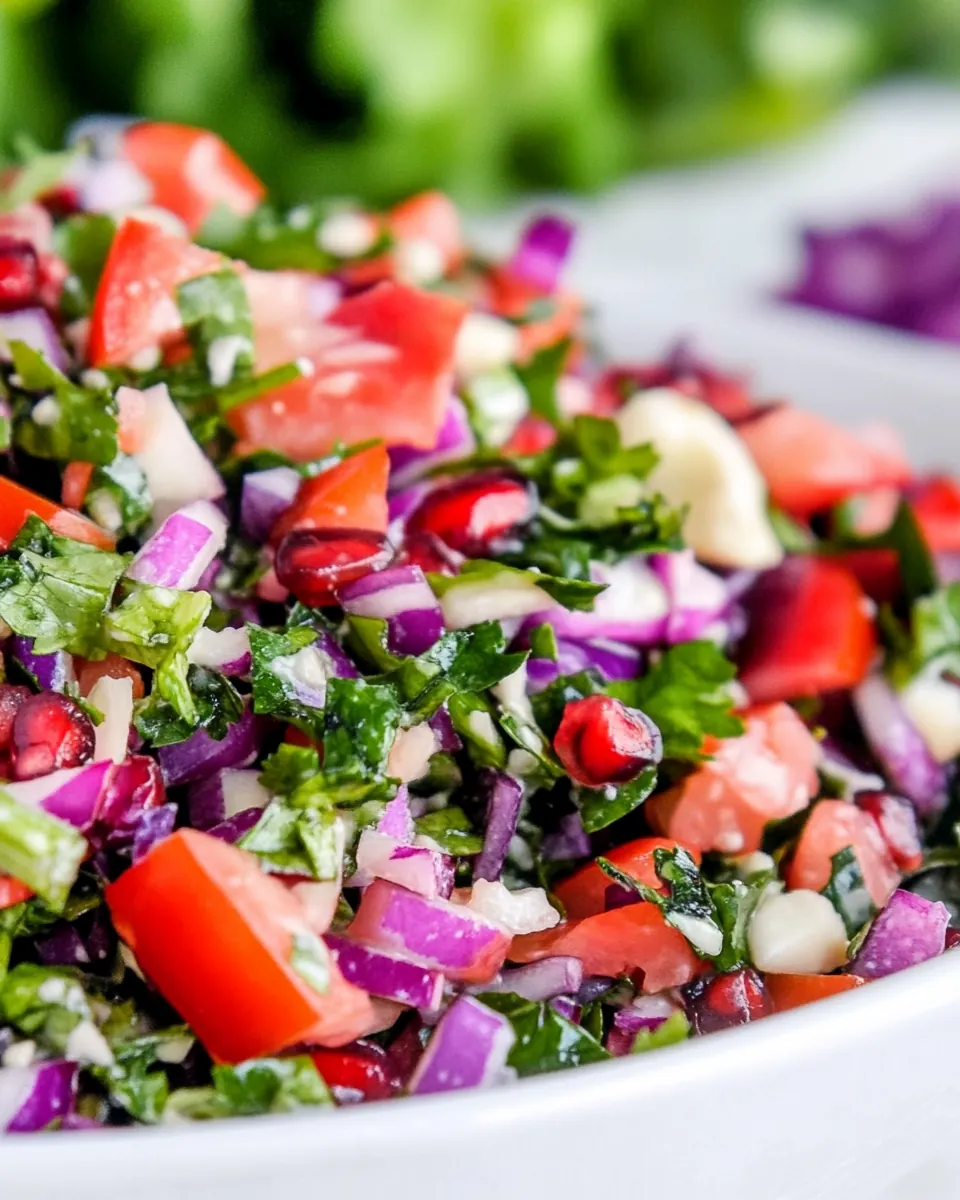
Spring Chopped Salad with Pomegranate Dressing
Spring Chopped Salad with Pomegranate Dressing arrived in my life the first time I hosted a small backyard brunch for friends who all showed up carrying bright bowls of seasonal produce.
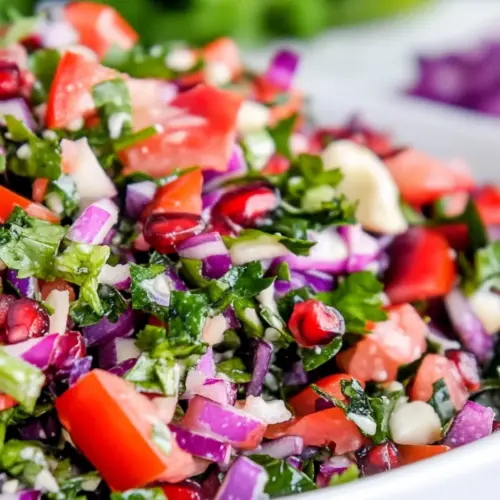
I remember the clatter of plates and the chatter as I chopped red cabbage and red bell pepper on the counter, feeling glad that a recipe could be so colorful yet so simple. The salad felt like a celebration of textures, the crisp snap of red cabbage against juicy tomato, with the herby lift of cilantro and flat leaf parsley. Friends leaned over the bowl and asked for seconds, and the pomegranate dressing kept everyone coming back for more.
That afternoon taught me how a few humble actions transform raw ingredients into something that feels festive. I swapped stories while finishing the dressing, tasting the bright tang from the pomegranate juice and the citrusy zip from the lemon juice, and I knew this would join my regular rotation. I often make a double batch when I expect company because the salad travels well to park picnics and potlucks.
Recipe Snapshot
15 mins
15 mins
Easy
150 kcal
American
Paleo, Gluten-Free
Salads
Large bowl, Whisk, Knife, Cutting board, Measuring spoons
What Sets This Spring Chopped Salad with Pomegranate Dressing Apart
Vivid seasonal flavors
I love how Spring Chopped Salad with Pomegranate Dressing showcases spring produce in its best light. The combination of crunchy red cabbage and tender herbs makes each bite feel fresh, and I always reach for this salad when I want something bright and vegetal on the table.
Textural contrast that sings
There is a satisfying interplay here between crisp vegetables and the gentle crunch of almonds. I like that you get a variety of mouthfeels without any heavy components, which makes the salad feel lively rather than dense.
Easy, flexible dressing
The pomegranate juice dressing is simple yet impactful, balancing sweetness and acidity. I often whisk it in a small jar while chatting with guests, because it comes together in moments and elevates the whole bowl.
Fast to assemble
This salad is a go to when I need something quick that still impresses. With just a few minutes of chopping and a quick whisk, you have a crowd pleasing dish that looks as good as it tastes, and I appreciate recipes that respect my time.
Great for sharing and make ahead
I find that if you keep the almonds separate until serving, the salad holds up well in the fridge. That makes it ideal for lunches during a busy week or for bringing to a gathering where you want something bright and easy.
What You Need for Spring Chopped Salad with Pomegranate Dressing
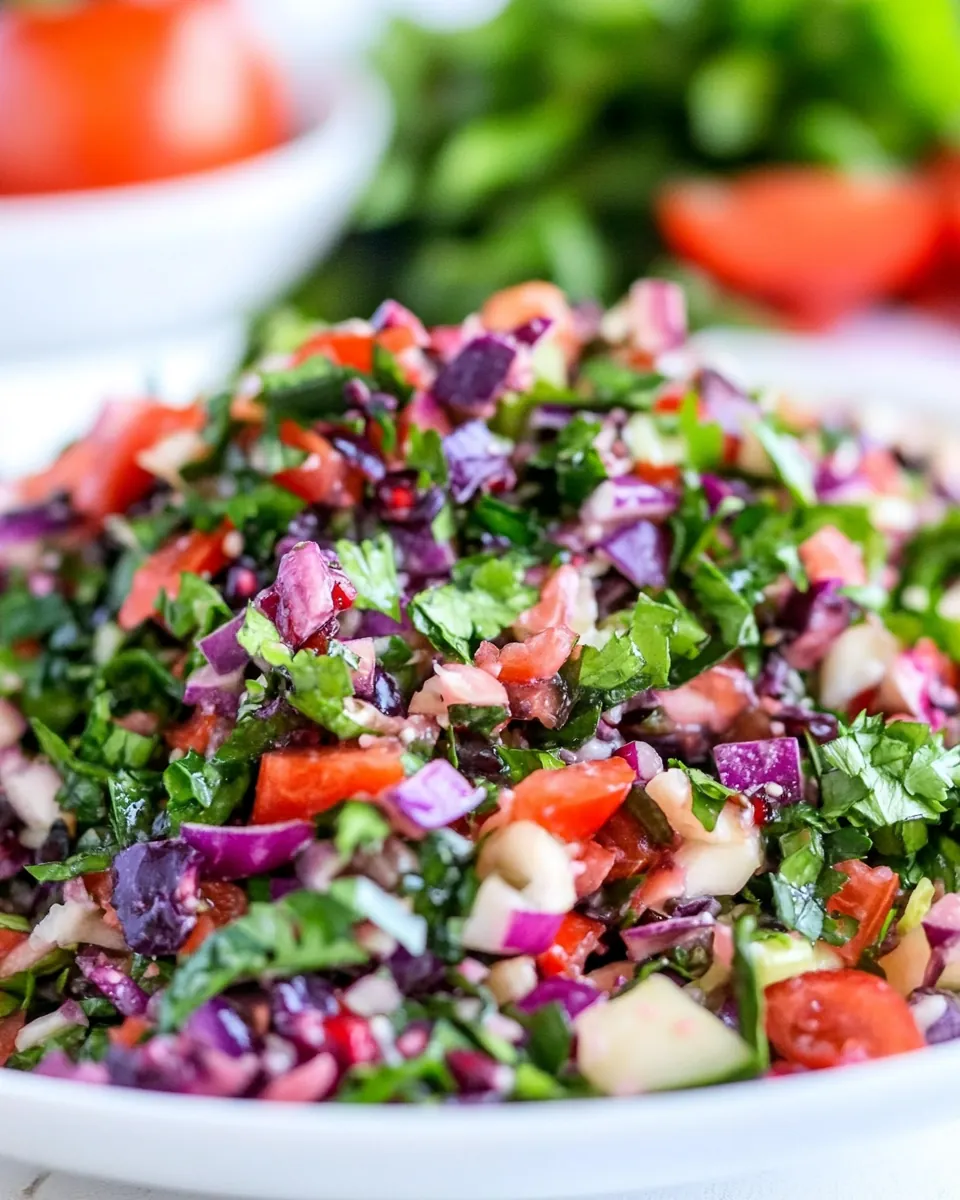
These ingredients are all about balance and brightness. I chose components that give the salad color, crunch, and herbal brightness. The vegetables bring texture, the herbs add aromatic lift, and the simple dressing ties everything together without overpowering the fresh flavors.
- 2 cups shaved red cabbage: Adds a crisp, slightly peppery crunch and vibrant purple color to the salad; finely shaved to provide delicate texture that blends with other chopped ingredients. Helps absorb dressing while contributing visual appeal and a mild earthy flavor that balances sweeter elements.
- 1 red bell pepper, finely minced: Provides sweet, fruity crunch and bright red color when finely minced; distributes evenly through the salad for bursts of flavor in every bite. Enhances aroma and adds a fresh, slightly tangy note that contrasts with leafy herbs.
- 1.5 cups chopped cilantro: Offers a bright, citrusy-herb aroma and fresh green color when chopped; contributes a leafy texture that softens the crunch of cabbage. Packs a punch of flavor that ties together the salad components and enhances overall freshness.
- 1 cup chopped flat leaf parsley: Supplies a robust, slightly bitter herbaceous flavor and sturdy leaf texture when chopped; flat leaf parsley adds depth and supports the cilantro’s brightness. Complements other herbs and vegetables while providing balance between sweet and savory elements.
- 1 cup finely diced tomato: Contributes juicy, slightly acidic sweetness in small diced pieces; helps add moisture and bursts of classic tomato flavor throughout the salad. Works with the dressing to brighten the overall flavor profile and add refreshing juiciness.
- 1/2 cup diced green onions: Adds a mild oniony bite and subtle freshness when diced; provides small pops of sharp flavor without overpowering other herbs. Enhances savory balance and complements both the herbs and the dressing.
- 1/4 cup chopped almonds: Introduces a crunchy, nutty element when chopped; provides textural contrast and a toasty flavor that deepens the salad’s complexity. Also contributes healthy fats and a satisfying mouthfeel among the lighter ingredients.
- 2 tablespoons pomegranate juice: Imparts sweet-tart fruitiness and vibrant color to the dressing when used as juice; helps provide acidity and pomegranate’s distinctive flavor profile. Blends with oil and honey to create a balanced, fruity dressing that brightens the salad.
- 1/2 lemon, juice of: Adds bright acidity and fresh citrus aroma when juiced; helps balance sweetness and oil in the dressing. Enhances overall flavor contrast and brings out the freshness of the herbs and vegetables.
- 2 tablespoons olive oil: Provides rich, fruity mouthfeel and carries aromatics when combined with juices and honey; acts as the base for emulsifying the dressing. Adds healthy monounsaturated fats and a smooth finish to the dressing.
- 1 tablespoon honey: Contributes a touch of sweetness and viscosity to the dressing; helps mellow acidity and tie flavors together. Enhances balance and helps the dressing coat salad ingredients evenly.
- 1 teaspoon salt: Introduces savory seasoning and enhances the overall flavor profile; helps bring out natural flavors of vegetables and herbs in appropriate proportion. Essential for seasoning while allowing other ingredients to remain prominent.
- 1/2 teaspoon pepper: Adds mild heat and background warmth when ground and mixed into the dressing; helps round out seasoning without overwhelming delicate flavors. Provides subtle peppery contrast to the sweetness and acidity in the dressing.
How to Make Spring Chopped Salad with Pomegranate Dressing
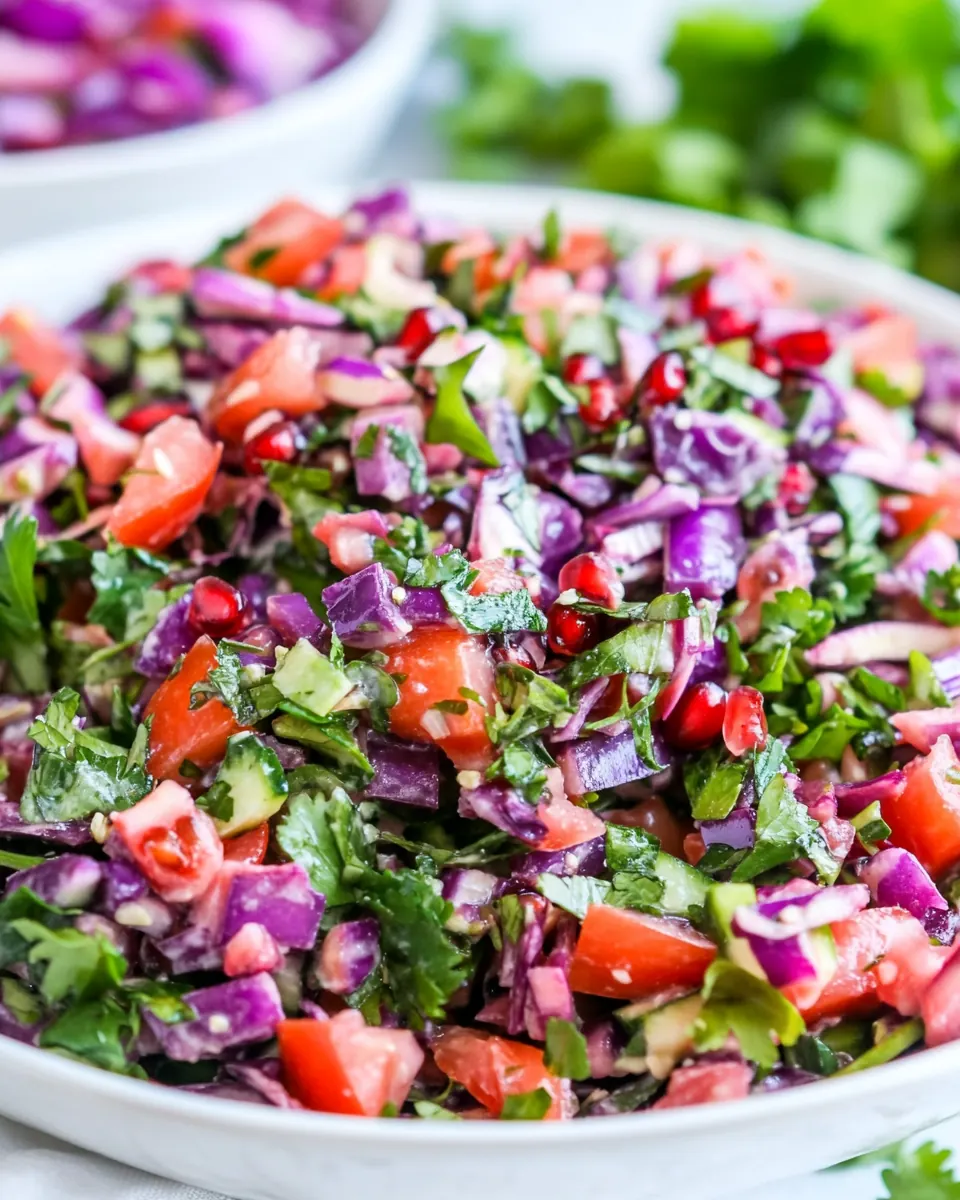
This salad comes together quickly, and I like to work with a clean counter and sharp knife. The steps below expand on the directions, offering sensory cues, why each action matters, and what to watch for so your salad turns out bright and balanced every time.
- Combine all salad ingredients except for almonds in a large bowl.: As you mix the chopped red cabbage , red bell pepper , cilantro , flat leaf parsley , tomato , and green onions in a roomy bowl, you should hear a soft rustle as the vegetables nestle together and see a mosaic of purples, reds, and greens. This step lets the flavors start to mingle gently without crushing delicate herbs or wilting the vegetables. Doing this in a large bowl prevents overcrowding, which can cause uneven dressing distribution later. A common misstep is packing ingredients into too small a bowl, causing bruised herbs and uneven mixing. If you notice any wet spots, blot excess juice with a paper towel so the dressing does not get diluted.
- Whisk together all dressing ingredients until combined.: When you whisk pomegranate juice , lemon juice, olive oil , honey , salt , and pepper , the mixture should emulsify into a glossy, slightly thickened liquid with tiny beads of oil suspended in the fruit juice. Smell the dressing, and you should get a bright citrus note layered over fruity sweetness. Emulsifying helps the dressing cling to each vegetable strand rather than pooling at the bottom of the bowl, which is why vigorous whisking or a brief shake in a jar matters. A frequent error is adding oil too quickly, which prevents emulsion and results in separation; add the oil slowly if whisking by hand. If your dressing splits, whisk in a teaspoon of warm water and it should come back together.
- Toss the salad with the dressing until evenly coated.: As you drizzle the dressing over the vegetables and toss gently, notice how the colors darken slightly and the leaves and shreds glisten. The act of tossing encourages every piece of red cabbage and herb to gain a light coating, ensuring balanced seasoning in every bite. Use a gentle folding motion to avoid bruising herbs, and aim for an even sheen rather than saturation. A typical mistake is over tossing, which can break tomatoes and make the salad watery. If the salad seems too wet after tossing, wait a few minutes so flavors marry, then taste and adjust salt, not acid.
- Sprinkle chopped almonds over the top of the salad and serve.: Finish by scattering the toasted, chopped almonds across the dressed salad just before serving to preserve their crunch and nutty aroma. The contrast between the warm bite of toasted nuts and the cool, crisp vegetables is what gives this salad its delightful texture profile. If you add the almonds too early, they soften and lose impact, so save them for last. A frequent oversight is serving directly from the bowl without tossing gently at the last moment, which can leave pockets of undressed vegetables; give a light final toss after sprinkling the almonds so they settle into the salad surface.
Customization Ideas
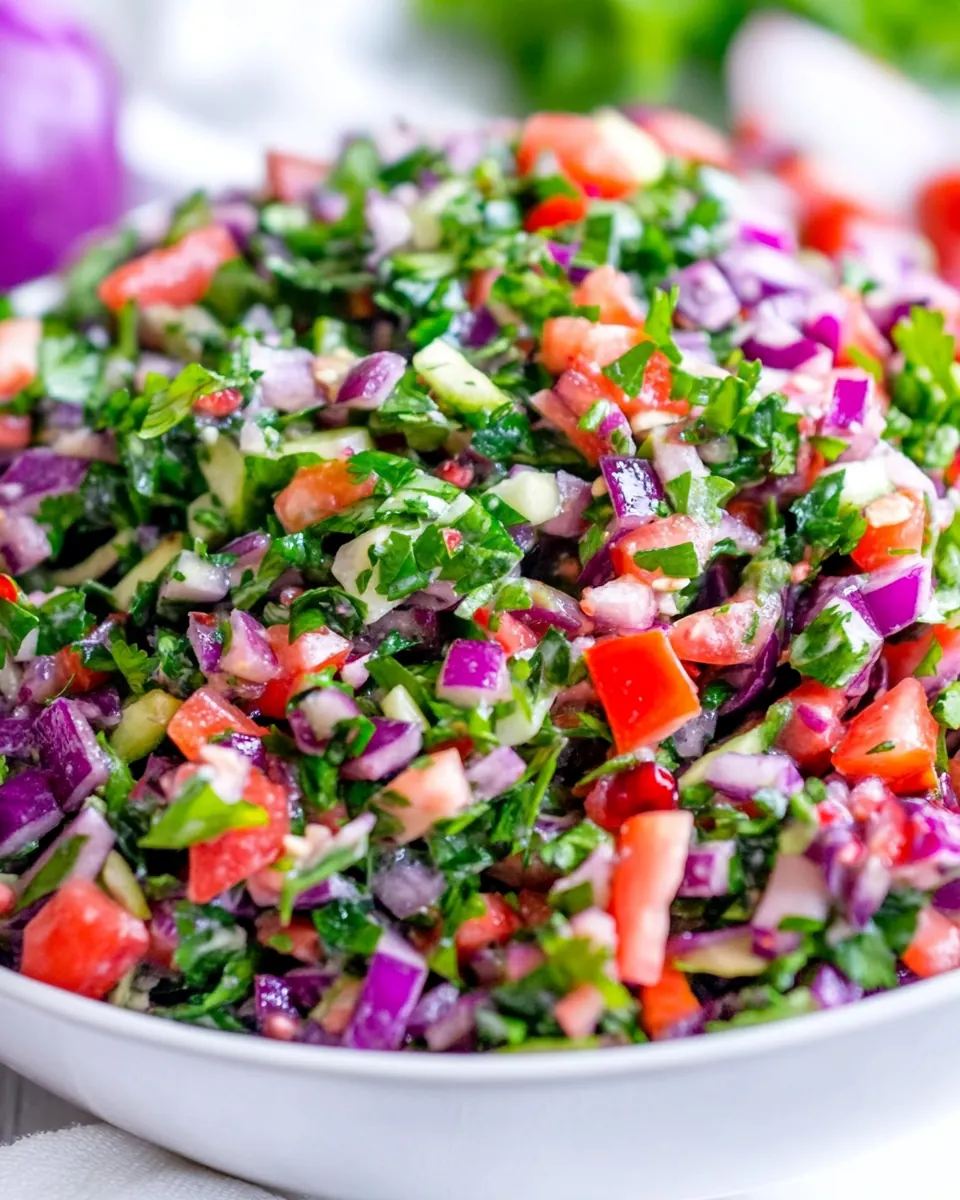
This salad is a great canvas for small swaps and additions that suit your pantry and preferences. Below are several ideas to tailor texture, sweetness, and herbaceousness while keeping the bright profile intact.
- Make it nuttier Add a variety of toasted nuts for depth, but keep them off until serving to retain crunch.
- Increase herb intensity Boost the ratio of cilantro to parsley if you prefer a brighter, citrusy herb note and chop coarsely to keep texture.
- Tweak the sweetness If your pomegranate juice is very tart, add a touch more honey until it balances the acidity to your liking.
- Lemon brightness Use an extra splash of fresh lemon juice for a punchier dressing when tomatoes are less ripe.
- Oil choice Swap to a more delicate olive oil if you want herbs to stand out, or a peppery one for extra bite.
How to Serve Spring Chopped Salad with Pomegranate Dressing
This salad is versatile enough for casual lunches or festive gatherings. Serve it chilled or at cool room temperature, and present the almonds separately if you want guests to add crunch as they like.
- As a side for weeknight meals Pair with grilled vegetables or simple roasted proteins to add freshness and color to the plate.
- For potlucks and picnics Keep the dressing mixed in and nuts separate until ready to serve for best texture.
- At brunch Offer alongside grain bowls or a warm frittata so the salad provides a crisp, acidic counterpoint.
- Storage tips Store the dressed salad in an airtight container for up to three days if you leave out the almonds, and toss again before serving to redistribute the dressing.
- Seasonal pairings This feels most at home in spring and early summer, teamed with light, citrus forward dishes that echo the salad’s brightness.
FAQ
Conclusion
This salad stands out because it pairs crunchy, fresh vegetables with a bright, fruity dressing for a light yet memorable dish. I encourage you to give it a try the next time you want something fast that still feels thoughtful and seasonal. Whether you serve it at a small gathering or keep it for lunches, it’s the kind of recipe that lifts a meal with minimal effort and maximum color and flavor.
Spring Chopped Salad with Pomegranate Dressing
Equipment
- Large Bowl
- Whisk
- Knife
- Cutting Board
- Measuring Spoons
Ingredients
- 2 cups shaved red cabbage Adds a crisp, slightly peppery crunch and vibrant purple color to the salad; finely shaved to provide delicate texture that blends with other chopped ingredients. Helps absorb dressing while contributing visual appeal and a mild earthy flavor that balances sweeter elements.
- 1 red bell pepper, finely minced Provides sweet, fruity crunch and bright red color when finely minced; distributes evenly through the salad for bursts of flavor in every bite. Enhances aroma and adds a fresh, slightly tangy note that contrasts with leafy herbs.
- 1.5 cups chopped cilantro Offers a bright, citrusy-herb aroma and fresh green color when chopped; contributes a leafy texture that softens the crunch of cabbage. Packs a punch of flavor that ties together the salad components and enhances overall freshness.
- 1 cup chopped flat leaf parsley Supplies a robust, slightly bitter herbaceous flavor and sturdy leaf texture when chopped; flat leaf parsley adds depth and supports the cilantro’s brightness. Complements other herbs and vegetables while providing balance between sweet and savory elements.
- 1 cup finely diced tomato Contributes juicy, slightly acidic sweetness in small diced pieces; helps add moisture and bursts of classic tomato flavor throughout the salad. Works with the dressing to brighten the overall flavor profile and add refreshing juiciness.
- 1/2 cup diced green onions Adds a mild oniony bite and subtle freshness when diced; provides small pops of sharp flavor without overpowering other herbs. Enhances savory balance and complements both the herbs and the dressing.
- 1/4 cup chopped almonds Introduces a crunchy, nutty element when chopped; provides textural contrast and a toasty flavor that deepens the salad’s complexity. Also contributes healthy fats and a satisfying mouthfeel among the lighter ingredients.
- 2 tablespoons pomegranate juice Imparts sweet-tart fruitiness and vibrant color to the dressing when used as juice; helps provide acidity and pomegranate’s distinctive flavor profile. Blends with oil and honey to create a balanced, fruity dressing that brightens the salad.
- 1/2 lemon, juice of Adds bright acidity and fresh citrus aroma when juiced; helps balance sweetness and oil in the dressing. Enhances overall flavor contrast and brings out the freshness of the herbs and vegetables.
- 2 tablespoons olive oil Provides rich, fruity mouthfeel and carries aromatics when combined with juices and honey; acts as the base for emulsifying the dressing. Adds healthy monounsaturated fats and a smooth finish to the dressing.
- 1 tablespoon honey Contributes a touch of sweetness and viscosity to the dressing; helps mellow acidity and tie flavors together. Enhances balance and helps the dressing coat salad ingredients evenly.
- 1 teaspoon salt Introduces savory seasoning and enhances the overall flavor profile; helps bring out natural flavors of vegetables and herbs in appropriate proportion. Essential for seasoning while allowing other ingredients to remain prominent.
- 1/2 teaspoon pepper Adds mild heat and background warmth when ground and mixed into the dressing; helps round out seasoning without overwhelming delicate flavors. Provides subtle peppery contrast to the sweetness and acidity in the dressing.
Instructions
- Combine all salad ingredients except for almonds in a large bowl.: As you mix the chopped red cabbage , red bell pepper , cilantro , flat leaf parsley , tomato , and green onions in a roomy bowl, you should hear a soft rustle as the vegetables nestle together and see a mosaic of purples, reds, and greens. This step lets the flavors start to mingle gently without crushing delicate herbs or wilting the vegetables. Doing this in a large bowl prevents overcrowding, which can cause uneven dressing distribution later. A common misstep is packing ingredients into too small a bowl, causing bruised herbs and uneven mixing. If you notice any wet spots, blot excess juice with a paper towel so the dressing does not get diluted.
- Whisk together all dressing ingredients until combined.: When you whisk pomegranate juice , lemon juice, olive oil , honey , salt , and pepper , the mixture should emulsify into a glossy, slightly thickened liquid with tiny beads of oil suspended in the fruit juice. Smell the dressing, and you should get a bright citrus note layered over fruity sweetness. Emulsifying helps the dressing cling to each vegetable strand rather than pooling at the bottom of the bowl, which is why vigorous whisking or a brief shake in a jar matters. A frequent error is adding oil too quickly, which prevents emulsion and results in separation; add the oil slowly if whisking by hand. If your dressing splits, whisk in a teaspoon of warm water and it should come back together.
- Toss the salad with the dressing until evenly coated.: As you drizzle the dressing over the vegetables and toss gently, notice how the colors darken slightly and the leaves and shreds glisten. The act of tossing encourages every piece of red cabbage and herb to gain a light coating, ensuring balanced seasoning in every bite. Use a gentle folding motion to avoid bruising herbs, and aim for an even sheen rather than saturation. A typical mistake is over tossing, which can break tomatoes and make the salad watery. If the salad seems too wet after tossing, wait a few minutes so flavors marry, then taste and adjust salt, not acid.
- Sprinkle chopped almonds over the top of the salad and serve.: Finish by scattering the toasted, chopped almonds across the dressed salad just before serving to preserve their crunch and nutty aroma. The contrast between the warm bite of toasted nuts and the cool, crisp vegetables is what gives this salad its delightful texture profile. If you add the almonds too early, they soften and lose impact, so save them for last. A frequent oversight is serving directly from the bowl without tossing gently at the last moment, which can leave pockets of undressed vegetables; give a light final toss after sprinkling the almonds so they settle into the salad surface.
Notes
- Make it nuttier Add a variety of toasted nuts for depth, but keep them off until serving to retain crunch.
- Increase herb intensity Boost the ratio of cilantro to parsley if you prefer a brighter, citrusy herb note and chop coarsely to keep texture.
- Tweak the sweetness If your pomegranate juice is very tart, add a touch more honey until it balances the acidity to your liking.
- Lemon brightness Use an extra splash of fresh lemon juice for a punchier dressing when tomatoes are less ripe.
- Oil choice Swap to a more delicate olive oil if you want herbs to stand out, or a peppery one for extra bite.
