Blueberry Lemon Yogurt Cake
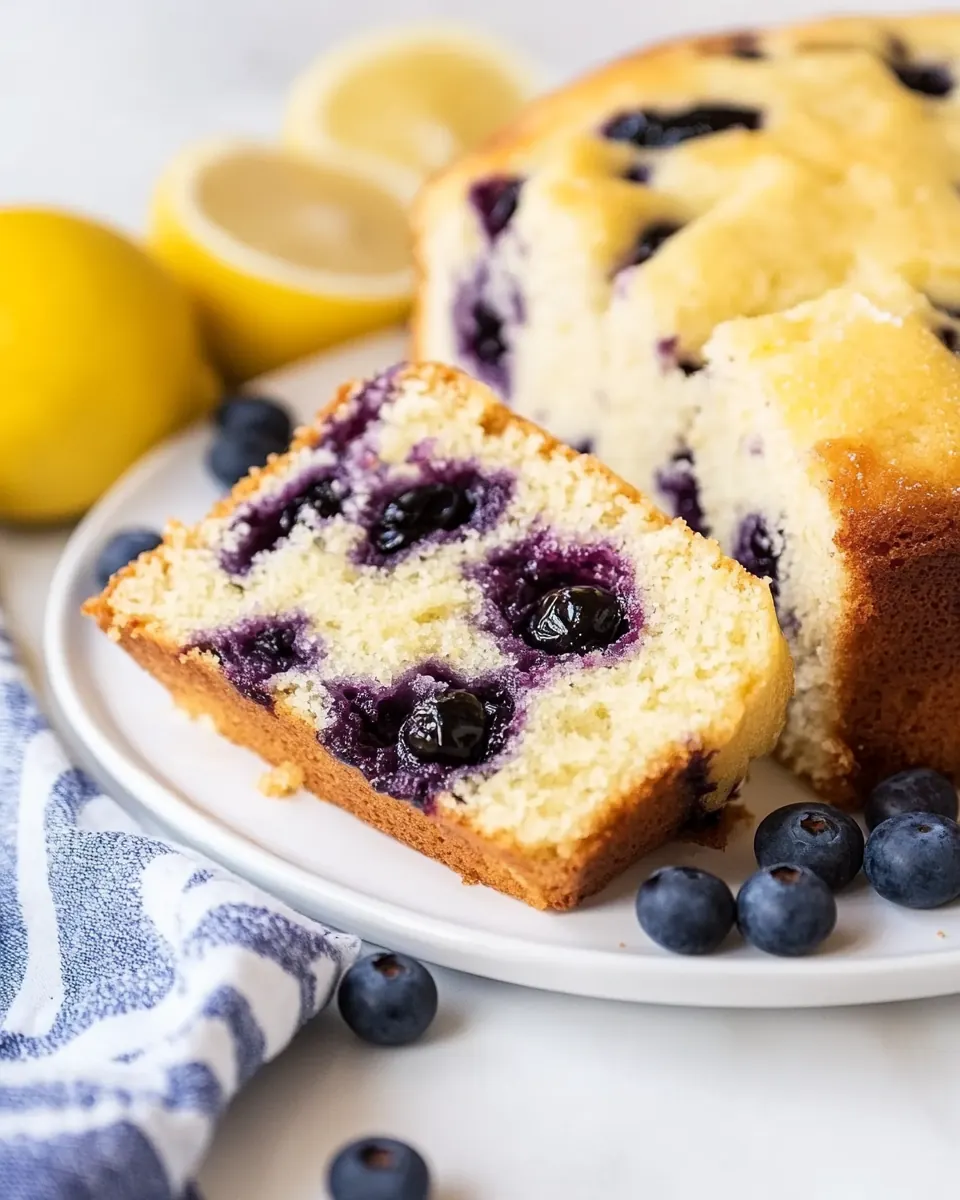
Blueberry Lemon Yogurt Cake is the kind of loaf that greets you with sunshine in the oven and cozy kitchen memories soon after. I first baked this one on a damp spring morning when I wanted something bright yet comfortably familiar, and the zing of lemon paired with the tart creaminess of yogurt felt like a warm, reassuring handshake. The crumb was tender, the crust slightly golden, and the pockets of blueberries burst with juice, turning each slice into a little celebration.
I have a habit of making this when friends drop by unexpectedly, because it slices neatly and keeps well on the counter for a couple of days. Each time I slice into it, the aroma of citrus and baking sugar fills the house, and people always ask for the recipe. I love that it is forgiving enough for a busy weekday baker, yet refined enough for serving at a casual brunch. The texture is moist without being dense, and that light tang from the Greek yogurt makes each bite feel balanced and fresh.
Recipe Snapshot
1 hr 5 mins
5 mins
60 mins
Medium
250 kcal
American
Gluten-Free, Low FODMAP
Desserts
Loaf pan, Parchment paper, Mixing bowls, Whisk, Spatula, Wire rack
What’s Great About This Blueberry Lemon Yogurt Cake
It is simply dependable
I can count on Blueberry Lemon Yogurt Cake to turn out well even when I am short on time, because the batter comes together quickly and the technique is straightforward. The combination of all purpose flour and baking powder gives the loaf a gentle rise and a tender crumb, so slices never feel heavy.
Bright but not sweet
I appreciate how the lemon zest cuts through the sweetness from the granulated sugar. That citrus note keeps the cake lively, so you get sweetness without it being cloying. When I want a refreshing dessert for spring gatherings, this balance is what I reach for.
Texture that sings
The use of Greek yogurt and vegetable oil produces a moist interior that stays tender for days. I like that the oil keeps the crumb supple, and the yogurt adds subtle tang and body. The result is a cake that holds up well sliced thin or thick depending on how hungry my guests are.
Versatile fruit options
Blueberries work whether they are fresh or frozen, and they create pleasing pockets of juiciness. I often choose frozen when fresh ones are out of season, and the cake still looks and tastes wonderful. That flexibility makes it reliable through seasonal shifts.
Easy to adapt and share
This loaf is simple enough to scale and pack for a picnic, yet elegant enough to place on a dessert table. I usually double the batch when I know people will want seconds, and it travels well without losing texture. For me, its greatest strength is being both casual and a little special at the same time.
What Goes Into Blueberry Lemon Yogurt Cake
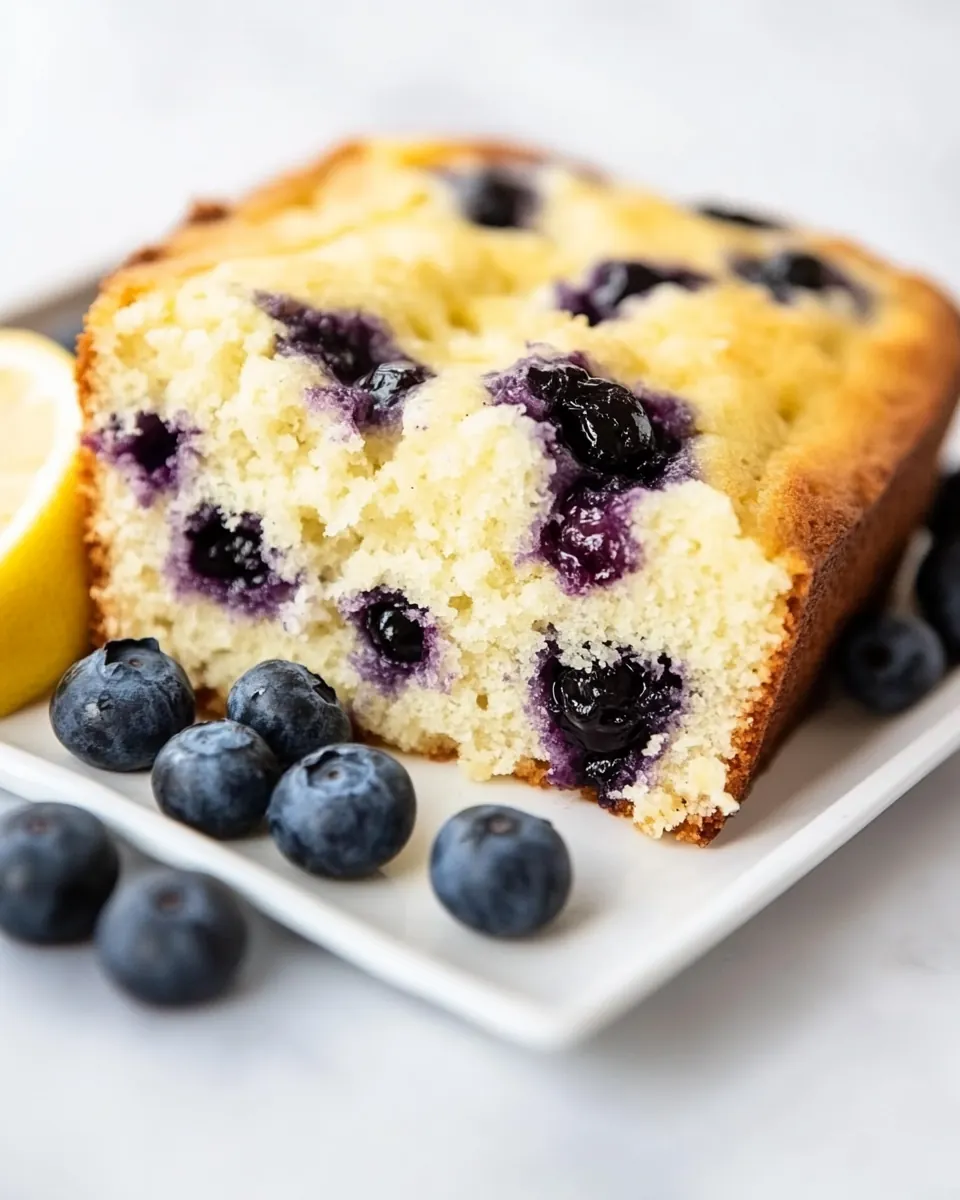
These ingredients work together to create a loaf that is moist, bright, and tender. The dry components provide structure, the Greek yogurt and eggs add richness and lift, and the blueberries deliver bursts of fruitiness. Key players like lemon zest and vanilla extract layer aromatic complexity, while vegetable oil keeps the crumb soft for days.
- 1 1/2 cups all-purpose flour: Provides structure and bulk to the cake batter, helping form the crumb and absorb liquids; sifts or whisks before measuring to avoid lumps and ensure even incorporation; contributes neutral flavor allowing other ingredients to shine.
- 2 teaspoons baking powder (see note 1): Leavens the cake by releasing carbon dioxide when combined with wet ingredients, creating a light, tender crumb; measure accurately and keep fresh for best rise; often combined with dry ingredients to distribute evenly.
- 1/4 teaspoons salt: Enhances flavors and strengthens gluten slightly to balance sweetness, while also controlling yeast activity in other recipes; a small amount keeps the overall taste bright and prevents the cake from tasting flat; dissolve thoroughly into dry mix.
- 1 cup granulated sugar: Sweetens the batter, contributes to tenderness by interfering with gluten formation, and helps with browning and moisture retention; creaming or dissolving it uniformly ensures even texture and consistent sweetness throughout the cake.
- 1 cup plain Greek yogurt: Adds moisture, tang, and rich mouthfeel while contributing to tender crumb and slight acidity that reacts with leavening for lift; Greek yogurt also adds protein for a denser, satisfying texture and helps keep the cake moist over days.
- 4 eggs: Provides structure and richness, incorporating air when beaten to help leaven and bind the batter; room-temperature eggs blend more evenly, improving emulsion and creating a cohesive, tender cake with improved rise and color.
- 2 teaspoons lemon zest: Delivers bright citrus aroma and concentrated lemon flavor, enhancing overall freshness and balancing sweetness; finely grate only the yellow outer peel to avoid bitter pith and scatter evenly through batter for uniform flavor.
- 1/2 teaspoon vanilla extract: Imparts subtle sweet-vanilla aroma that complements lemon and blueberries while rounding out flavors; add at room temperature for best emulsification and distribute through batter during mixing to avoid pockets.
- 1/2 cup vegetable oil: Contributes fat for tenderness, moisture, and richness while helping suspend ingredients like blueberries; use neutral-flavored vegetable oil to let lemon and blueberry flavors remain prominent and to produce a moist, soft crumb.
- 6 ounces fresh blueberries or 1 cup frozen (see note 2): Provides bursts of juicy fruit flavor and natural sweetness, creating texture contrast and visual appeal; gently fold in to avoid crushing, and if using frozen, toss with flour to reduce bleeding and ensure even distribution.
Step by Step Instructions for Blueberry Lemon Yogurt Cake
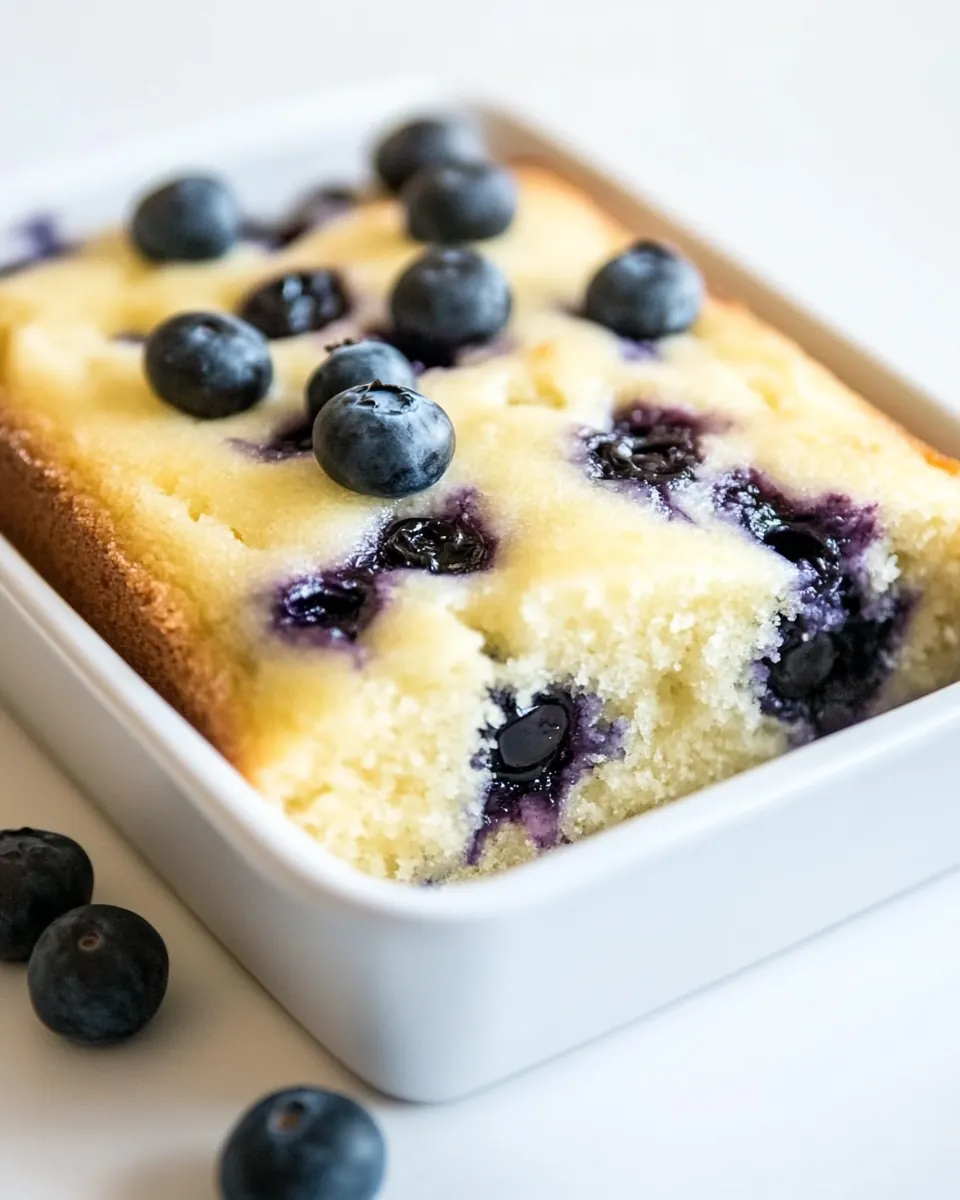
This recipe follows a straightforward loaf method that is forgiving and satisfying. I find the process calming because each step has a clear sensory cue to confirm you are on track. Take your time with the folding and baking phases, and you will be rewarded with an even crumb and beautifully set slices.
- Move an oven rack to the middle position and preheat oven to 350 degrees. Line a loaf pan with parchment paper and coat with nonstick cooking spray.: As the oven warms, you should notice a subtle toasty smell as heating elements cycle on, and this steady heat ensures even rise and browning. Preheating is critical because a cold oven can cause the loaf to bake unevenly, leading to a dense center. A common mistake is not waiting until the oven reaches the full temperature, so I always give it at least 10 minutes after the indicator light turns off to stabilize the heat.
- In a medium bowl, whisk together the flour, baking powder, and salt. Set aside.: The parchment creates a smooth surface for the cake to release from, and the spray ensures the edges slip out cleanly. You should feel the parchment smooth and snug inside the pan, and the light sheen from the spray helps prevent sticking. If the paper is wrinkled, press it firmly into the corners so batter does not pool unevenly. One pitfall is skipping the spray and relying on parchment alone, which can still stick along seams, so I always do both.
- In a large bowl, whisk together sugar, yogurt, eggs, zest, and vanilla. Add the dry ingredients in 3 batches, whisking to incorporate after each addition. Fold in oil and stir carefully until uniformly combined. Fold in the blueberries and stir until just incorporated.: As you whisk, the dry mixture will look uniform and slightly aerated, which helps distribute the leavener and prevents clumping. The dry scent is neutral but clean, and whisking breaks up any lumps for a smooth incorporation later. Avoid overmixing here with wet ingredients, because that can develop too much gluten and make the cake tough; keeping this step separate helps control texture.
- Pour the batter into the prepared pan and bake for 1 hour until a toothpick inserted comes out clean. Remove from the oven and cool in the pan for 10 minutes.: After combining the dry ingredients, leave them off to the side where they remain light and airy, ready for gradual addition. This pause is useful because it prevents the leavening from being activated before it hits the wet components. A common oversight is adding baking powder to wet mixtures early, which can reduce lift during baking.
- Using a sharp knife, slice around the inside of the loaf pan to loosen the cake and flip out onto a wire rack set over a baking sheet. Cool the cake completely.: When you whisk these wet ingredients, you will notice the mixture becoming glossy and slightly thickened, with fragrant citrus and vanilla aromatics rising from the bowl. The eggs emulsify with the yogurt and sugar to create a smooth base that holds air. If the mixture looks curdled, continue whisking gently, as proper emulsification will come together; avoid aggressive whipping which can incorporate too much air and cause collapse.
- Add the dry ingredients in 3 batches, whisking to incorporate after each addition: Adding the dry mix in portions prevents overworking the batter and ensures an even distribution of flour, so you end up with a consistent texture. After each addition, stir until you no longer see dry streaks, the batter should be smooth and slightly thick. A frequent mistake is dumping all the flour at once, which can lead to lumps and uneven mixing, so patience here pays off.
- Fold in oil and stir carefully until uniformly combined: As the oil blends in, the batter will look silky and become slightly looser, with a sheen from the fat. This is where the crumb begins to promise tenderness, since the oil will coat flour particles and limit gluten formation. Stir gently to integrate without overmixing; if you see too much batter movement, stop and let the remaining dry pockets hydrate rather than beating them out.
- Fold in the blueberries and stir until just incorporated: When you fold in the blueberries , do so with a gentle hand to preserve their shape and avoid turning the batter purple. Fresh berries will bob gently in the mix while frozen berries may create a faint pale mottling if overworked. Overmixing here will burst the berries and color the batter, so fold with a spatula in wide strokes until you see even distribution and no large clumps of berries.
- Pour the batter into the prepared pan: As you transfer the batter, it should flow slowly and settle into the corners, with a glossy top and small visible bits of blueberry . Tap the pan lightly on the counter to release any trapped air, and the surface will level. Avoid overfilling the pan, because a crowded pan can spill or bake unevenly; if your loaf pan is smaller, reduce batter rather than risk overflow.
- Bake for 1 hour until a toothpick inserted comes out clean: During baking, you will smell a warm aroma of sugar and citrus, and the top will turn a pleasing golden brown. Listening closely, you might hear faint, steady sounds of the oven cycling as the loaf sets. Test for doneness by inserting a toothpick into the center; if it comes out with a few moist crumbs it is ready, but wet batter indicates more time is needed. Opening the oven frequently to check is a common mistake because it causes temperature fluctuations; try to wait until near the suggested time.
- Remove from the oven and cool in the pan for 10 minutes: As it rests, the structure firms and the interior finishes setting, which reduces the risk of sinking when removed. You will notice the cake pull away slightly from the pan edges, another sign it is ready to be unmolded. Skipping this brief rest can result in the loaf tearing when you try to remove it, so be patient for the best appearance.
- Using a sharp knife, slice around the inside of the loaf pan to loosen the cake and flip out onto a wire rack set over a baking sheet: The knife glide should feel smooth as you separate the cake from the pan walls, and flipping onto a rack lets air circulate to cool the bottom and prevent sogginess. The cake will continue to release steam onto the baking sheet below, which protects your countertop. A sharp knife is vital because a dull blade can compress the crumb during release, so sharpen or use a thin offset spatula if needed.
- Cool the cake completely: Once on the rack, allow the loaf to reach room temperature before slicing, so the crumb firms and slices cut cleanly without tearing. The aroma will mellow and the interior texture will stabilize, giving the best eating experience. Cutting too early is a common regret because the cake may crumble or compress, so give it time for a perfect slice.
Making Adjustments
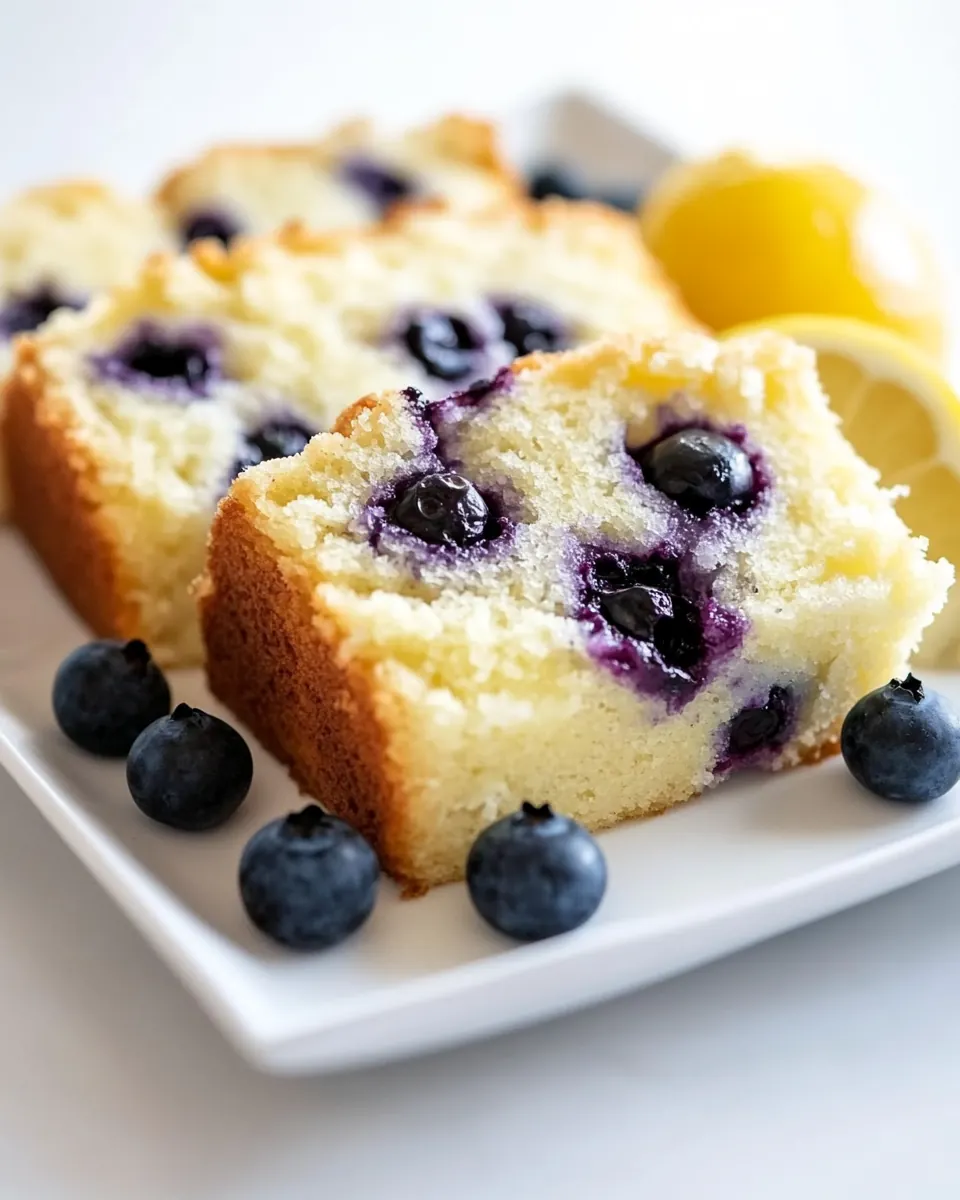
Small tweaks can tailor Blueberry Lemon Yogurt Cake to your preferences without derailing the outcome. I often adjust fruit temperature, slicing thickness, or storage methods depending on how I plan to serve it. Below are expanded tips to help you make confident adjustments.
- Use frozen blueberries carefully, fold them in while still frozen to minimize color bleed into the batter, and avoid overmixing which can create purple streaks.
- Swap oil for a neutral flavored alternative, like light olive oil, if you want a slightly different mouthfeel while preserving tenderness, but do not substitute with butter without adjusting expectations for texture and refrigeration needs.
- Brighten the flavor by increasing the lemon zest slightly for a more pronounced citrus note, but avoid adding liquid lemon juice which can thin the batter.
- Prevent sticking by using both parchment and a light coating of nonstick spray, especially if your loaf pan has seams where batter might cling.
- Test for doneness reliably by inserting a toothpick in the center near the end of the bake time; a few moist crumbs mean perfect readiness, while wet batter needs more time.
Serve This Blueberry Lemon Yogurt Cake With
This loaf stands alone beautifully, yet there are simple ways to dress it up or pair it for a meal. Consider how you might present it for breakfast, brunch, an afternoon tea, or a light dessert at a casual dinner. The ideas below include serving styles, pairings, and storage notes to help you plan the occasion.
- Slice and serve at brunch, alongside coffee or tea for a relaxed midmorning gathering; the bright citrus and tender crumb pair especially well with mugs of strong coffee.
- Pack for picnics, wrap slices individually in parchment and keep chilled until serving to maintain texture and freshness during transport.
- Offer as an afternoon snack, with thin slices served on a small plate; the loaf is forgiving and pleasant with a simple dusting of powdered sugar if you want a touch of sweetness.
- Store at room temperature in an airtight container for up to three days, which preserves the moist crumb while keeping flavors steady.
- Freeze for longer storage, wrap tightly in plastic and foil for up to three months, then thaw at room temperature for best texture before slicing.
- Serve at seasonal gatherings in spring when berries are in season, or use frozen berries in cooler months without compromising the final result.
FAQ
Conclusion
Blueberry Lemon Yogurt Cake stands out for its bright citrus character, tender crumb, and the simple comfort it brings to any table. Give it a try the next time you want a loaf that is both approachable and a little special; it bakes reliably and slices beautifully for sharing. This cake invites casual mornings and impromptu gatherings, and once you taste that interplay of tangy yogurt and juicy blueberries, I think it will become a favorite in your rotation.
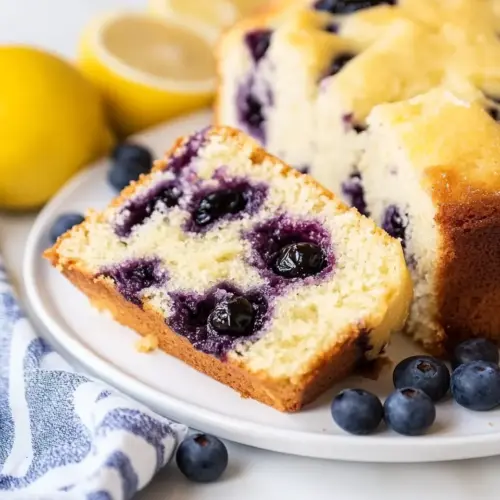
Blueberry Lemon Yogurt Cake
Equipment
- Loaf Pan
- Parchment Paper
- Mixing Bowls
- Whisk
- Spatula
- Wire Rack
Ingredients
- 1 1/2 cups all-purpose flour Provides structure and bulk to the cake batter, helping form the crumb and absorb liquids; sifts or whisks before measuring to avoid lumps and ensure even incorporation; contributes neutral flavor allowing other ingredients to shine.
- 2 teaspoons baking powder (see note 1) Leavens the cake by releasing carbon dioxide when combined with wet ingredients, creating a light, tender crumb; measure accurately and keep fresh for best rise; often combined with dry ingredients to distribute evenly.
- 1/4 teaspoons salt Enhances flavors and strengthens gluten slightly to balance sweetness, while also controlling yeast activity in other recipes; a small amount keeps the overall taste bright and prevents the cake from tasting flat; dissolve thoroughly into dry mix.
- 1 cup granulated sugar Sweetens the batter, contributes to tenderness by interfering with gluten formation, and helps with browning and moisture retention; creaming or dissolving it uniformly ensures even texture and consistent sweetness throughout the cake.
- 1 cup plain Greek yogurt Adds moisture, tang, and rich mouthfeel while contributing to tender crumb and slight acidity that reacts with leavening for lift; Greek yogurt also adds protein for a denser, satisfying texture and helps keep the cake moist over days.
- 4 eggs Provides structure and richness, incorporating air when beaten to help leaven and bind the batter; room-temperature eggs blend more evenly, improving emulsion and creating a cohesive, tender cake with improved rise and color.
- 2 teaspoons lemon zest Delivers bright citrus aroma and concentrated lemon flavor, enhancing overall freshness and balancing sweetness; finely grate only the yellow outer peel to avoid bitter pith and scatter evenly through batter for uniform flavor.
- 1/2 teaspoon vanilla extract Imparts subtle sweet-vanilla aroma that complements lemon and blueberries while rounding out flavors; add at room temperature for best emulsification and distribute through batter during mixing to avoid pockets.
- 1/2 cup vegetable oil Contributes fat for tenderness, moisture, and richness while helping suspend ingredients like blueberries; use neutral-flavored vegetable oil to let lemon and blueberry flavors remain prominent and to produce a moist, soft crumb.
- 6 ounces fresh blueberries or 1 cup frozen (see note 2) Provides bursts of juicy fruit flavor and natural sweetness, creating texture contrast and visual appeal; gently fold in to avoid crushing, and if using frozen, toss with flour to reduce bleeding and ensure even distribution.
Instructions
- Move an oven rack to the middle position and preheat oven to 350 degrees. Line a loaf pan with parchment paper and coat with nonstick cooking spray.: As the oven warms, you should notice a subtle toasty smell as heating elements cycle on, and this steady heat ensures even rise and browning. Preheating is critical because a cold oven can cause the loaf to bake unevenly, leading to a dense center. A common mistake is not waiting until the oven reaches the full temperature, so I always give it at least 10 minutes after the indicator light turns off to stabilize the heat.
- In a medium bowl, whisk together the flour, baking powder, and salt. Set aside.: The parchment creates a smooth surface for the cake to release from, and the spray ensures the edges slip out cleanly. You should feel the parchment smooth and snug inside the pan, and the light sheen from the spray helps prevent sticking. If the paper is wrinkled, press it firmly into the corners so batter does not pool unevenly. One pitfall is skipping the spray and relying on parchment alone, which can still stick along seams, so I always do both.
- In a large bowl, whisk together sugar, yogurt, eggs, zest, and vanilla. Add the dry ingredients in 3 batches, whisking to incorporate after each addition. Fold in oil and stir carefully until uniformly combined. Fold in the blueberries and stir until just incorporated.: As you whisk, the dry mixture will look uniform and slightly aerated, which helps distribute the leavener and prevents clumping. The dry scent is neutral but clean, and whisking breaks up any lumps for a smooth incorporation later. Avoid overmixing here with wet ingredients, because that can develop too much gluten and make the cake tough; keeping this step separate helps control texture.
- Pour the batter into the prepared pan and bake for 1 hour until a toothpick inserted comes out clean. Remove from the oven and cool in the pan for 10 minutes.: After combining the dry ingredients, leave them off to the side where they remain light and airy, ready for gradual addition. This pause is useful because it prevents the leavening from being activated before it hits the wet components. A common oversight is adding baking powder to wet mixtures early, which can reduce lift during baking.
- Using a sharp knife, slice around the inside of the loaf pan to loosen the cake and flip out onto a wire rack set over a baking sheet. Cool the cake completely.: When you whisk these wet ingredients, you will notice the mixture becoming glossy and slightly thickened, with fragrant citrus and vanilla aromatics rising from the bowl. The eggs emulsify with the yogurt and sugar to create a smooth base that holds air. If the mixture looks curdled, continue whisking gently, as proper emulsification will come together; avoid aggressive whipping which can incorporate too much air and cause collapse.
- Add the dry ingredients in 3 batches, whisking to incorporate after each addition: Adding the dry mix in portions prevents overworking the batter and ensures an even distribution of flour, so you end up with a consistent texture. After each addition, stir until you no longer see dry streaks, the batter should be smooth and slightly thick. A frequent mistake is dumping all the flour at once, which can lead to lumps and uneven mixing, so patience here pays off.
- Fold in oil and stir carefully until uniformly combined: As the oil blends in, the batter will look silky and become slightly looser, with a sheen from the fat. This is where the crumb begins to promise tenderness, since the oil will coat flour particles and limit gluten formation. Stir gently to integrate without overmixing; if you see too much batter movement, stop and let the remaining dry pockets hydrate rather than beating them out.
- Fold in the blueberries and stir until just incorporated: When you fold in the blueberries , do so with a gentle hand to preserve their shape and avoid turning the batter purple. Fresh berries will bob gently in the mix while frozen berries may create a faint pale mottling if overworked. Overmixing here will burst the berries and color the batter, so fold with a spatula in wide strokes until you see even distribution and no large clumps of berries.
- Pour the batter into the prepared pan: As you transfer the batter, it should flow slowly and settle into the corners, with a glossy top and small visible bits of blueberry . Tap the pan lightly on the counter to release any trapped air, and the surface will level. Avoid overfilling the pan, because a crowded pan can spill or bake unevenly; if your loaf pan is smaller, reduce batter rather than risk overflow.
- Bake for 1 hour until a toothpick inserted comes out clean: During baking, you will smell a warm aroma of sugar and citrus, and the top will turn a pleasing golden brown. Listening closely, you might hear faint, steady sounds of the oven cycling as the loaf sets. Test for doneness by inserting a toothpick into the center; if it comes out with a few moist crumbs it is ready, but wet batter indicates more time is needed. Opening the oven frequently to check is a common mistake because it causes temperature fluctuations; try to wait until near the suggested time.
- Remove from the oven and cool in the pan for 10 minutes: As it rests, the structure firms and the interior finishes setting, which reduces the risk of sinking when removed. You will notice the cake pull away slightly from the pan edges, another sign it is ready to be unmolded. Skipping this brief rest can result in the loaf tearing when you try to remove it, so be patient for the best appearance.
- Using a sharp knife, slice around the inside of the loaf pan to loosen the cake and flip out onto a wire rack set over a baking sheet: The knife glide should feel smooth as you separate the cake from the pan walls, and flipping onto a rack lets air circulate to cool the bottom and prevent sogginess. The cake will continue to release steam onto the baking sheet below, which protects your countertop. A sharp knife is vital because a dull blade can compress the crumb during release, so sharpen or use a thin offset spatula if needed.
- Cool the cake completely: Once on the rack, allow the loaf to reach room temperature before slicing, so the crumb firms and slices cut cleanly without tearing. The aroma will mellow and the interior texture will stabilize, giving the best eating experience. Cutting too early is a common regret because the cake may crumble or compress, so give it time for a perfect slice.
Notes
- Use frozen blueberries carefully, fold them in while still frozen to minimize color bleed into the batter, and avoid overmixing which can create purple streaks.
- Swap oil for a neutral flavored alternative, like light olive oil, if you want a slightly different mouthfeel while preserving tenderness, but do not substitute with butter without adjusting expectations for texture and refrigeration needs.
- Brighten the flavor by increasing the lemon zest slightly for a more pronounced citrus note, but avoid adding liquid lemon juice which can thin the batter.
- Prevent sticking by using both parchment and a light coating of nonstick spray, especially if your loaf pan has seams where batter might cling.
- Test for doneness reliably by inserting a toothpick in the center near the end of the bake time; a few moist crumbs mean perfect readiness, while wet batter needs more time.