
Classic Borscht Recipe
Classic Borscht Recipe holds a corner of my kitchen history, a soup I first learned to make on a raw winter evening when a neighbor knocked on my door with a steaming bowl and a grin. From that first spoonful I was hooked by how simple roots and pantry staples could produce a soup that felt like a warm, woven blanket. I still remember the precise moment the aroma of simmering beets and onions braided with vinegar reached my nose, and how the color made everyone at the table pause before slurping.
Over the years I’ve tweaked the balance between sweet and tangy, and I always come back to the comforting ritual of grating beets on the box grater and stirring the pot as the vegetables soften. Making Classic Borscht Recipe has become my go to when I want to feed a family, soothe a cold, or celebrate a slow weekend. I like how it invites conversation, because each person tends to have an opinion on vinegar, dill, or how much sour cream to dollop on top.
When I teach friends to make this soup I tell them it’s equal parts patience and love. The steps are honest and readable, and the payoff is immediate the moment you ladle hot soup into bowls and watch the steam curl. I also love that it’s forgiving, so if your beets are sweeter or your stock a touch saltier, you can adjust at the end. That flexibility is why Classic Borscht Recipe sits in my repertoire as a reliable, celebratory staple whenever cold weather rolls in.
Recipe Snapshot
1 hr 5 mins
20 mins
45 mins
Medium
220 kcal
Eastern European
Gluten-Free, Vegan
Soups
Large soup pot, Cutting board and knife, Box grater, Measuring cups and spoons, Wooden Spoon or spatula, Ladle
The Best Thing About This Classic Borscht Recipe
Rooted in Tradition
I adore how Classic Borscht Recipe connects you to food history, because it uses humble, available vegetables to create something resonant and layered. When I cook it I feel like I am continuing a conversation that spans kitchens and generations. The bright beet flavor anchors the soup, while the other vegetables bring depth, and that combination makes every spoonful feel like a small tradition being passed along.
Vivid Color and Visual Appeal
One reason I keep making this dish is its striking presentation. The deep ruby broth is a showstopper, and adding a dollop of smetana or a sprinkle of fresh dill creates contrast that draws the eye. I find that a visually pleasing bowl makes people more excited to eat, and with this recipe the color does half the work for you.
Balanced Flavor Profile
I value how the recipe balances sweet, savory, and tangy notes. The natural sweetness of the beets and carrots is brightened by white vinegar, while the tomato paste deepens the savory backbone. When I taste the soup during cooking I adjust a pinch of sugar or a splash of vinegar to bring everything into harmony, and that small finishing step transforms the bowl.
Versatile and Nourishing
This soup works for weeknight dinners, cozy lunches, or as a starter for a larger meal. I appreciate that it reheats well and often tastes better the next day, which means I can make a big pot and enjoy leftovers without fuss. The mix of potatoes, cabbage, and beets yields a satisfying texture and a nutrient rich profile that keeps everyone full and content.
Easy to Personalize
I love that Classic Borscht Recipe is forgiving, so you can nudge it toward your taste. I often increase the dill when I want a fresher finish, or add an extra splash of vinegar when the beets are especially sweet. That adaptability makes it a recipe I return to again and again, because it always responds well to small adjustments.
Ingredients You’ll Need for Classic Borscht Recipe
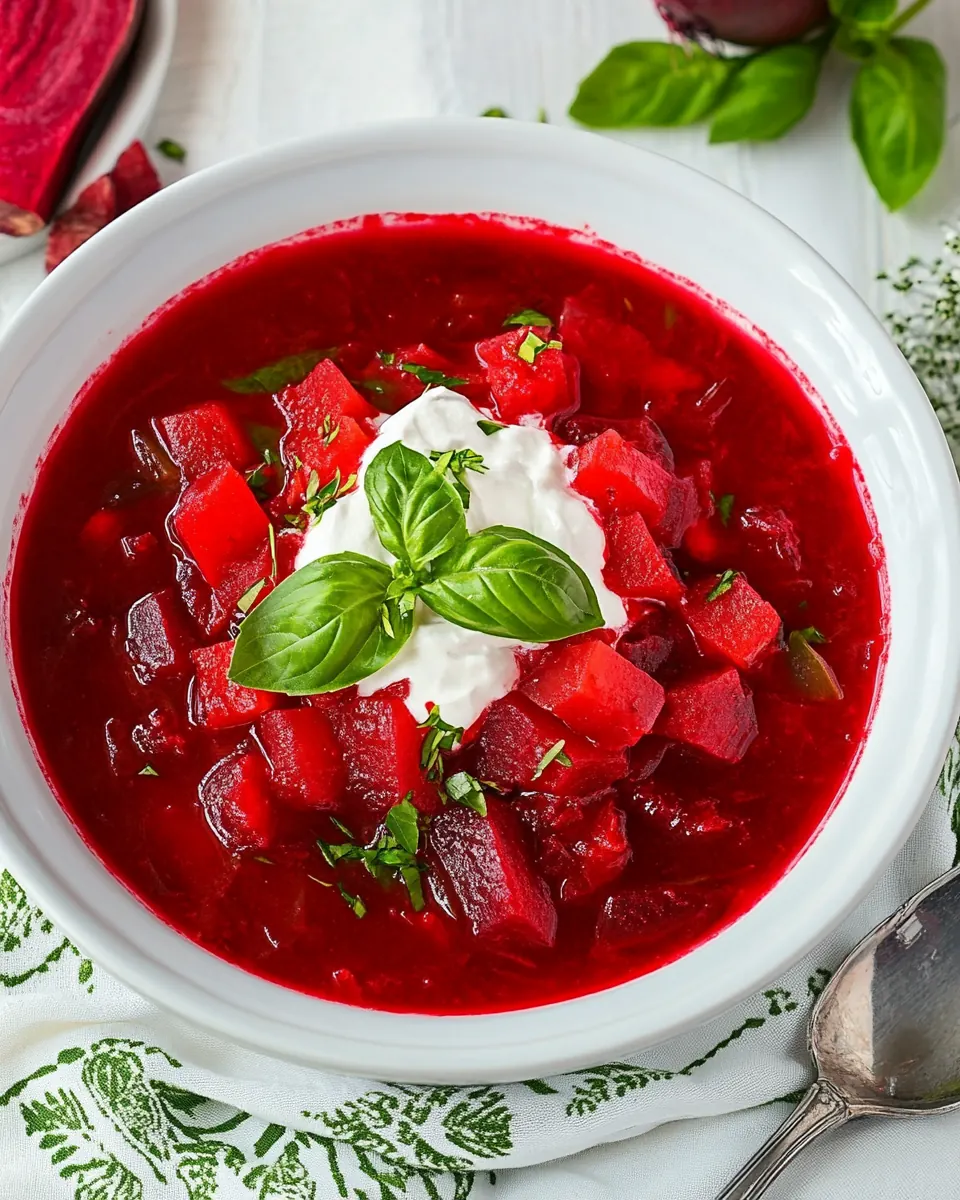
These ingredients form a chorus where each voice matters. The beets give the soup its signature color and sweet earthiness, while the onion and carrots build a savory base. Potatoes add creaminess and body, and cabbage lends a pleasant bite. Simple seasonings and chicken stock pull everything together into a balanced broth.
- 2 tablespoons (30 ml) olive oil or avocado oil: Provide healthy fat and a nonstick base for sautéing; gently warms and carries flavors while helping vegetables soften and caramelize for depth.
- 1 medium (100 g) yellow onion chopped: Add sweet and savory aromatics when softened; releases natural sugars and forms the flavor foundation when lightly browned with oil.
- 2 medium (150 g) carrots peeled and grated: Contribute natural sweetness and body; soften and melt into the broth to enhance texture while adding subtle earthy flavor notes.
- 3 medium (380 g) beets peeled and grated: Impart earthy sweetness, vibrant color, and body; release juices that tint the broth and provide the characteristic beet flavor when cooked.
- 2 tablespoons (30 g) tomato paste: Boost concentrated tomato richness and acidity; deepens color and adds umami to balance the beets and brighten the soup.
- 10 cups (2.4 liters) chicken stock: Create the liquid base and savory backbone; infuse the pot with chicken flavor while allowing ingredients to simmer and meld.
- 3 medium (450 g) potatoes peeled and diced: Add hearty starch and texture; absorb flavors from the broth and contribute substance for a satisfying, rustic soup.
- 2 cups (150 g) shredded green cabbage: Provide crisp-tender texture and mild vegetal flavor; soften in the simmering broth and add traditional borscht character.
- 2 bay leaves: Introduce subtle herbal aromatics during simmering; infuse a gentle, slightly floral bay essence that is removed before serving.
- 1 teaspoon granulated sugar: Balance sweetness and enhance flavor complexity; counteracts earthy beets and rounds flavors for a well-balanced soup.
- 1 teaspoon salt or to taste: Season the soup and bring out other flavors; provides essential salinity and can be adjusted to taste during cooking.
- 1/2 teaspoon ground black pepper or to taste: Give mild heat and aromatic depth; freshly ground pepper lifts flavors and adds a gentle warmth to the broth.
- 2 medium cloves garlic minced: Add pungent, savory brightness when minced; infuse the soup with garlicky depth during the final simmer stages.
- 1 tablespoon white vinegar: Contribute sharp acidity to brighten and stabilize color; helps lift and balance the richness and sweetness of the soup.
- 2 tablespoons chopped fresh dill plus more for serving: Supply fresh herbaceous fragrance and a clean finish; stirred in at the end for bright, grassy notes and garnish appeal.
- smetana sour cream, for serving: Provide cool, creamy tang for serving; dolloped on top it mellows acidity, adds richness, and complements earthy beets.
Directions for Classic Borscht Recipe
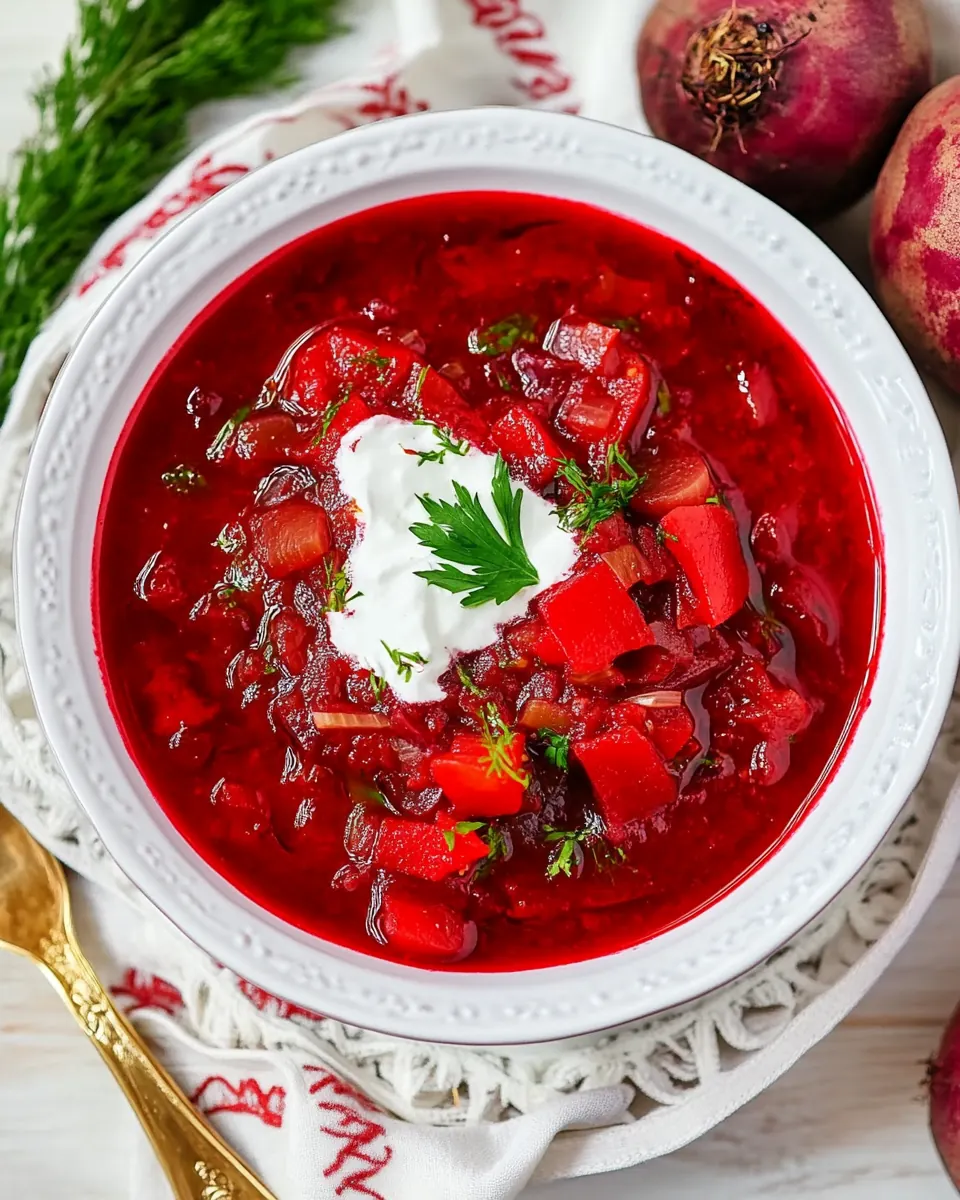
These directions are straightforward and rhythmic, and I find that taking your time with the sauté and simmer phases rewards you with depth and balance. Keep a watchful eye on color and aroma as each stage unfolds, and adjust seasonings at the end for the best result.
- Heat the olive oil in a large pot over medium heat. Add the onion and sauté until soft, about 5 minutes.: The moment the oil warms you should smell a faint nutty scent, and the surface will shimmer slightly. This creates a gentle cooking medium for the onion , preventing it from burning and allowing natural sugars to come forward. When the oil is too hot the onion can brown prematurely, so aim for medium heat and give the pot a ripple test with a wooden spoon. One common mistake is rushing this step, which can leave raw onion flavors in the finished soup; patience here ensures a sweeter, more mellow base.
- Stir in the grated carrots and beets. Cook for 5 to 7 minutes, stirring occasionally.: As the onion softens you will notice it turning translucent and releasing a savory perfume that fills the kitchen. The gentle sizzling sound will slow, signaling that moisture is leaving and sugars are concentrating. Stir occasionally so pieces brown evenly and avoid hard searing, because bitter char would unbalance the soup. If the pan seems dry add a splash more oil; if the onion is browning too fast lower the heat to preserve a tender texture.
- Add tomato paste, and cook for 1 minute. Then pour in the chicken stock.: When you add the grated carrots and beets the pot will blossom with color and a slightly sweet aroma, and you will hear a softer sizzle as the added moisture meets the warm oil. Stirring integrates their juices into the base, which deepens both color and flavor. Cook for a few minutes until they begin to soften; a common misstep is undercooking them so they remain chalky, or overcooking so they lose their shape, so watch for tender but not mushy texture.
- Add the diced potatoes, cabbage, bay leaves, sugar, salt, and black pepper. Stir to combine.: During this window the vegetables will release juices that mingle, and the mixture will become more cohesive as the edges start to caramelize slightly. The sound becomes less lively and the air in the kitchen grows sweeter. This step builds complexity through gentle heat, and skipping it can lead to a thinner, less flavorful broth. If your pot is crowded, stir more frequently to prevent uneven cooking.
- Bring to a boil, then reduce the heat to a simmer. Cover and cook for 20 minutes or until all vegetables are tender.: Adding the tomato paste and letting it toast briefly brings a concentrated umami boost and deepens color. You will notice the paste darken a touch and the aroma shift toward tomato and caramelized sugars. Toasting prevents the paste from tasting raw, which is a common issue if you skip this minute. Stir constantly to avoid sticking, and if the paste begins to burn lower the heat immediately.
- In the final minute of cooking, stir in the minced garlic and vinegar. Remove from heat and stir in the chopped fresh dill.: As you whisk the warm chicken stock into the pot the mixture will loosen and steam will rise, carrying a full, savory scent. The stock dilutes intensity while preserving the concentrated flavors you developed, creating a balanced broth. Pour slowly and stir to integrate any browned bits from the bottom of the pot, because scraping those adds valuable taste. Using too salty a stock can over season the soup, so taste after simmering and adjust salt later.
- Ladle into bowls and serve hot, topped with a spoonful of smetana and additional fresh dill and ground black pepper.: Introducing the potatoes and cabbage builds heartiness and texture, while the bay leaves and seasoning begin to permeate the liquid. You should see the pot fill with contrasting shapes and colors, and the broth will look more complete. Stir to combine so the seasonings distribute evenly; a common mistake is adding salt too early, which can concentrate as the soup reduces, so season modestly and revisit at the end.
- Stir to combine: After combining everything the pot should present a harmonious mix of ingredients floating in deep red broth, and the sound will be a steady, gentle simmer as the liquid circulates. Taking a moment to stir ensures no starchy potatoes or cabbage cling to the bottom where they can scorch. If you notice sticking, lower the heat and stir more frequently to protect textures and flavors.
- Bring to a boil, then reduce the heat to a simmer: The transition from boil to simmer creates different effects, where vigorous rolling bubbles can break apart fragile vegetables, while a gentle simmer allows flavors to marry. You will see large bubbles when it first boils, then smaller, gentler bubbles at a simmer, and the aroma will round out as the soup cooks. Avoid a prolonged hard boil which can overbreak vegetables and cloud the broth; steady simmering preserves structure and clarity.
- Cover and cook for 20 minutes or until all vegetables are tender: During this covered simmer the pot becomes aromatic and the vegetables yield soft textures. Steam trapped under the lid accelerates even cooking, and the potatoes should become fork tender while the cabbage wilts pleasantly. A common pitfall is removing the lid too often, which prolongs cooking time and cools the pot, so only check toward the end to assess tenderness.
- In the final minute of cooking, stir in the minced garlic and vinegar: Adding the garlic and white vinegar right at the finish preserves fresh aromatic lift and a bright acidic note that cuts through the soup's sweetness. The scent will pop, and the vinegar will sharpen flavor without dominating. If added too early the garlic can lose its brightness and become mushy, and the vinegar can mellow unnecessarily, so timing here is key to maintaining balance.
- Remove from heat and stir in the chopped fresh dill: Once off the stove the residual heat releases the volatile oils from the dill without wilting them completely, leaving a fragrant, herbal finish. The broth will take on a fresh green note that complements the beets, and the visual contrast is lovely. Avoid adding delicate herbs too early, because prolonged heat will erase their vibrancy.
- Ladle into bowls and serve hot, topped with a spoonful of smetana and additional fresh dill and ground black pepper: When you portion the soup the steam will carry a complex bouquet, and the cool dollop of smetana will swirl luxuriously into the hot broth. This creates a silky texture and a pleasing temperature contrast. A common mistake is waiting too long to add the garnish, which mutes the contrast between hot and cool, so garnish right at serving for best effect.
Customization Ideas
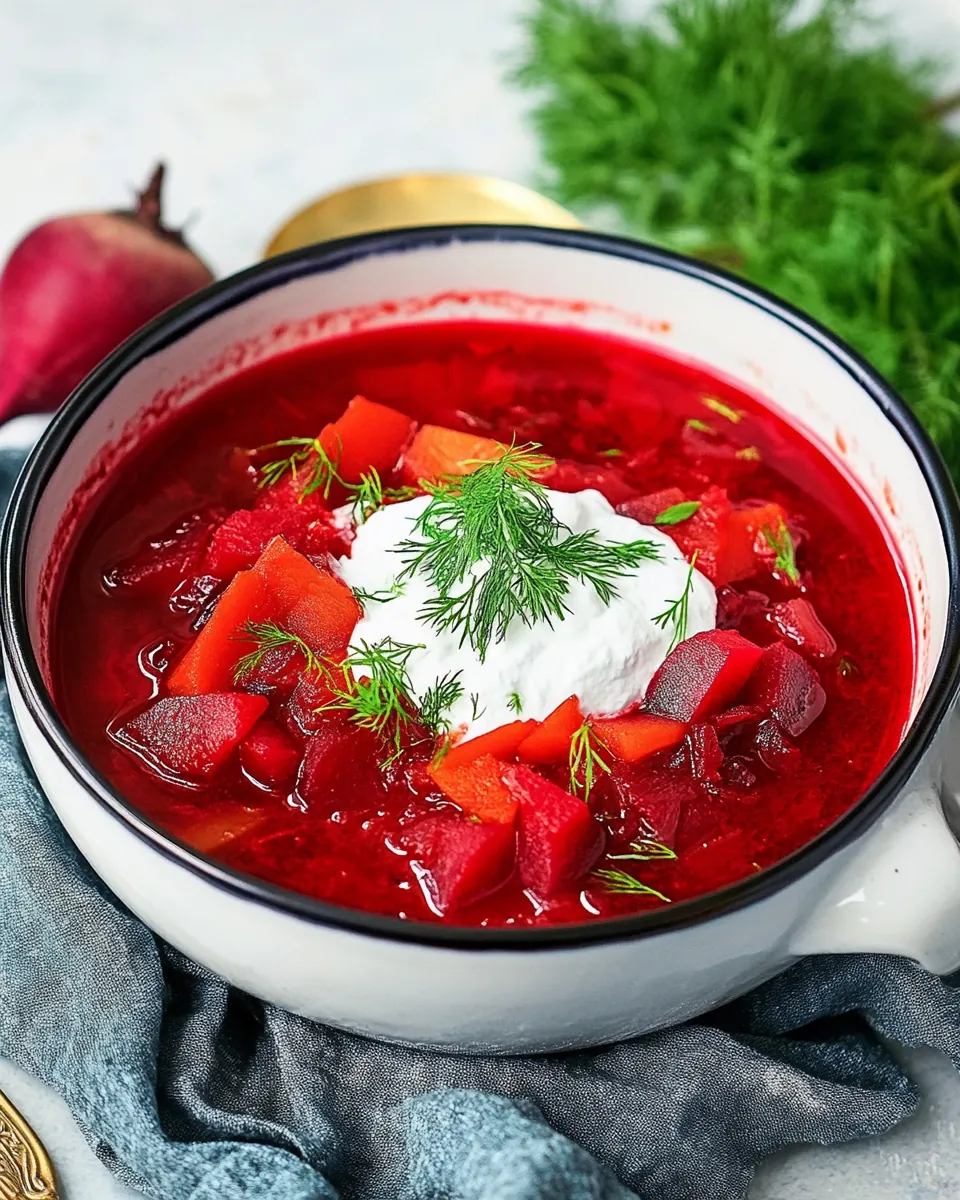
These customization ideas help you make Classic Borscht Recipe your own, whether you prefer brighter acidity, a heartier bowl, or a gentler herb profile. Small changes can shift the soup from rustic to refined without losing its character.
- Swap oil choice – If you prefer a neutral base use avocado oil instead of olive oil, which yields a cleaner taste and higher smoke point for sautéing.
- Adjust beet texture – Grating the beets yields an even color and faster cook time, while thin julienne keeps a firmer bite for a more rustic mouthfeel.
- Fine tune acidity – Add the white vinegar incrementally and taste after each splash, because beets vary in sweetness and the right amount will brighten without overpowering.
- Make it vegetarian – Use a rich vegetable stock in place of the chicken stock to keep the soup plant forward while preserving depth.
- Serving warmth – Finish each bowl with a generous spoonful of smetana or sour cream and a scatter of fresh dill for temperature contrast and aromatic lift.
- Storage note – Cool completely before refrigerating, and store in an airtight container for up to four days; the flavor often improves after a day.
Pairing Suggestions for Classic Borscht Recipe
Classic Borscht Recipe pairs beautifully with simple breads and light sides that let the soup shine. For a cozy lunch or dinner I like to present contrasting textures and mild flavors so the bold bowl remains center stage.
- Crusty bread – Serve with a rustic loaf or sliced country bread for dunking, the crisp crust and soft crumb absorb the broth and add satisfying chew.
- Butter rolls – Warm, buttery rolls complement the soup without competing, offering a rich mouthfeel against the tangy broth.
- Light salad – A simple green salad dressed lightly in lemon and oil provides freshness and crunch to balance the warm, vegetal soup.
- Occasions – Perfect for cold winter evenings, family dinners, or when you want a nourishing lunch that feels special yet homey.
- Storage tips – Store in airtight containers in the fridge for up to four days, and reheat gently on the stove to preserve texture and flavor.
- Seasonal pairing – In winter, serve with roasted root vegetables as a hearty spread; in spring, lighten the meal with a crisp cucumber salad.
FAQ
Conclusion
What makes this Classic Borscht Recipe special is its ability to deliver deep flavor from simple, familiar ingredients, resulting in a bowl that is both comforting and vibrant. The balance of earthy beets, tender vegetables, and bright vinegar creates a satisfying experience that warms from the inside out. I encourage you to try it on a chilly evening, tweak the seasoning to your taste, and enjoy watching it become a favorite in your kitchen. Thanks for cooking along, and dont be surprised if you find yourself making a larger pot next time.

Classic Borscht Recipe
Equipment
- Large soup pot
- Cutting board and knife
- Box grater
- Measuring Cups and Spoons
- Wooden spoon or spatula
- Ladle
Ingredients
- 2 tablespoons (30 ml) olive oil or avocado oil Provide healthy fat and a nonstick base for sautéing; gently warms and carries flavors while helping vegetables soften and caramelize for depth.
- 1 medium (100 g) yellow onion chopped Add sweet and savory aromatics when softened; releases natural sugars and forms the flavor foundation when lightly browned with oil.
- 2 medium (150 g) carrots peeled and grated Contribute natural sweetness and body; soften and melt into the broth to enhance texture while adding subtle earthy flavor notes.
- 3 medium (380 g) beets peeled and grated Impart earthy sweetness, vibrant color, and body; release juices that tint the broth and provide the characteristic beet flavor when cooked.
- 2 tablespoons (30 g) tomato paste Boost concentrated tomato richness and acidity; deepens color and adds umami to balance the beets and brighten the soup.
- 10 cups (2.4 liters) chicken stock Create the liquid base and savory backbone; infuse the pot with chicken flavor while allowing ingredients to simmer and meld.
- 3 medium (450 g) potatoes peeled and diced Add hearty starch and texture; absorb flavors from the broth and contribute substance for a satisfying, rustic soup.
- 2 cups (150 g) shredded green cabbage Provide crisp-tender texture and mild vegetal flavor; soften in the simmering broth and add traditional borscht character.
- 2 bay leaves Introduce subtle herbal aromatics during simmering; infuse a gentle, slightly floral bay essence that is removed before serving.
- 1 teaspoon granulated sugar Balance sweetness and enhance flavor complexity; counteracts earthy beets and rounds flavors for a well-balanced soup.
- 1 teaspoon salt or to taste Season the soup and bring out other flavors; provides essential salinity and can be adjusted to taste during cooking.
- 1/2 teaspoon ground black pepper or to taste Give mild heat and aromatic depth; freshly ground pepper lifts flavors and adds a gentle warmth to the broth.
- 2 medium cloves garlic minced Add pungent, savory brightness when minced; infuse the soup with garlicky depth during the final simmer stages.
- 1 tablespoon white vinegar Contribute sharp acidity to brighten and stabilize color; helps lift and balance the richness and sweetness of the soup.
- 2 tablespoons chopped fresh dill plus more for serving Supply fresh herbaceous fragrance and a clean finish; stirred in at the end for bright, grassy notes and garnish appeal.
- smetana sour cream, for serving Provide cool, creamy tang for serving; dolloped on top it mellows acidity, adds richness, and complements earthy beets.
Instructions
- Heat the olive oil in a large pot over medium heat. Add the onion and sauté until soft, about 5 minutes.: The moment the oil warms you should smell a faint nutty scent, and the surface will shimmer slightly. This creates a gentle cooking medium for the onion , preventing it from burning and allowing natural sugars to come forward. When the oil is too hot the onion can brown prematurely, so aim for medium heat and give the pot a ripple test with a wooden spoon. One common mistake is rushing this step, which can leave raw onion flavors in the finished soup; patience here ensures a sweeter, more mellow base.
- Stir in the grated carrots and beets. Cook for 5 to 7 minutes, stirring occasionally.: As the onion softens you will notice it turning translucent and releasing a savory perfume that fills the kitchen. The gentle sizzling sound will slow, signaling that moisture is leaving and sugars are concentrating. Stir occasionally so pieces brown evenly and avoid hard searing, because bitter char would unbalance the soup. If the pan seems dry add a splash more oil; if the onion is browning too fast lower the heat to preserve a tender texture.
- Add tomato paste, and cook for 1 minute. Then pour in the chicken stock.: When you add the grated carrots and beets the pot will blossom with color and a slightly sweet aroma, and you will hear a softer sizzle as the added moisture meets the warm oil. Stirring integrates their juices into the base, which deepens both color and flavor. Cook for a few minutes until they begin to soften; a common misstep is undercooking them so they remain chalky, or overcooking so they lose their shape, so watch for tender but not mushy texture.
- Add the diced potatoes, cabbage, bay leaves, sugar, salt, and black pepper. Stir to combine.: During this window the vegetables will release juices that mingle, and the mixture will become more cohesive as the edges start to caramelize slightly. The sound becomes less lively and the air in the kitchen grows sweeter. This step builds complexity through gentle heat, and skipping it can lead to a thinner, less flavorful broth. If your pot is crowded, stir more frequently to prevent uneven cooking.
- Bring to a boil, then reduce the heat to a simmer. Cover and cook for 20 minutes or until all vegetables are tender.: Adding the tomato paste and letting it toast briefly brings a concentrated umami boost and deepens color. You will notice the paste darken a touch and the aroma shift toward tomato and caramelized sugars. Toasting prevents the paste from tasting raw, which is a common issue if you skip this minute. Stir constantly to avoid sticking, and if the paste begins to burn lower the heat immediately.
- In the final minute of cooking, stir in the minced garlic and vinegar. Remove from heat and stir in the chopped fresh dill.: As you whisk the warm chicken stock into the pot the mixture will loosen and steam will rise, carrying a full, savory scent. The stock dilutes intensity while preserving the concentrated flavors you developed, creating a balanced broth. Pour slowly and stir to integrate any browned bits from the bottom of the pot, because scraping those adds valuable taste. Using too salty a stock can over season the soup, so taste after simmering and adjust salt later.
- Ladle into bowls and serve hot, topped with a spoonful of smetana and additional fresh dill and ground black pepper.: Introducing the potatoes and cabbage builds heartiness and texture, while the bay leaves and seasoning begin to permeate the liquid. You should see the pot fill with contrasting shapes and colors, and the broth will look more complete. Stir to combine so the seasonings distribute evenly; a common mistake is adding salt too early, which can concentrate as the soup reduces, so season modestly and revisit at the end.
- Stir to combine: After combining everything the pot should present a harmonious mix of ingredients floating in deep red broth, and the sound will be a steady, gentle simmer as the liquid circulates. Taking a moment to stir ensures no starchy potatoes or cabbage cling to the bottom where they can scorch. If you notice sticking, lower the heat and stir more frequently to protect textures and flavors.
- Bring to a boil, then reduce the heat to a simmer: The transition from boil to simmer creates different effects, where vigorous rolling bubbles can break apart fragile vegetables, while a gentle simmer allows flavors to marry. You will see large bubbles when it first boils, then smaller, gentler bubbles at a simmer, and the aroma will round out as the soup cooks. Avoid a prolonged hard boil which can overbreak vegetables and cloud the broth; steady simmering preserves structure and clarity.
- Cover and cook for 20 minutes or until all vegetables are tender: During this covered simmer the pot becomes aromatic and the vegetables yield soft textures. Steam trapped under the lid accelerates even cooking, and the potatoes should become fork tender while the cabbage wilts pleasantly. A common pitfall is removing the lid too often, which prolongs cooking time and cools the pot, so only check toward the end to assess tenderness.
- In the final minute of cooking, stir in the minced garlic and vinegar: Adding the garlic and white vinegar right at the finish preserves fresh aromatic lift and a bright acidic note that cuts through the soup's sweetness. The scent will pop, and the vinegar will sharpen flavor without dominating. If added too early the garlic can lose its brightness and become mushy, and the vinegar can mellow unnecessarily, so timing here is key to maintaining balance.
- Remove from heat and stir in the chopped fresh dill: Once off the stove the residual heat releases the volatile oils from the dill without wilting them completely, leaving a fragrant, herbal finish. The broth will take on a fresh green note that complements the beets, and the visual contrast is lovely. Avoid adding delicate herbs too early, because prolonged heat will erase their vibrancy.
- Ladle into bowls and serve hot, topped with a spoonful of smetana and additional fresh dill and ground black pepper: When you portion the soup the steam will carry a complex bouquet, and the cool dollop of smetana will swirl luxuriously into the hot broth. This creates a silky texture and a pleasing temperature contrast. A common mistake is waiting too long to add the garnish, which mutes the contrast between hot and cool, so garnish right at serving for best effect.
Notes
- Swap oil choice - If you prefer a neutral base use avocado oil instead of olive oil, which yields a cleaner taste and higher smoke point for sautéing.
- Adjust beet texture - Grating the beets yields an even color and faster cook time, while thin julienne keeps a firmer bite for a more rustic mouthfeel.
- Fine tune acidity - Add the white vinegar incrementally and taste after each splash, because beets vary in sweetness and the right amount will brighten without overpowering.
- Make it vegetarian - Use a rich vegetable stock in place of the chicken stock to keep the soup plant forward while preserving depth.
- Serving warmth - Finish each bowl with a generous spoonful of smetana or sour cream and a scatter of fresh dill for temperature contrast and aromatic lift.
- Storage note - Cool completely before refrigerating, and store in an airtight container for up to four days; the flavor often improves after a day.