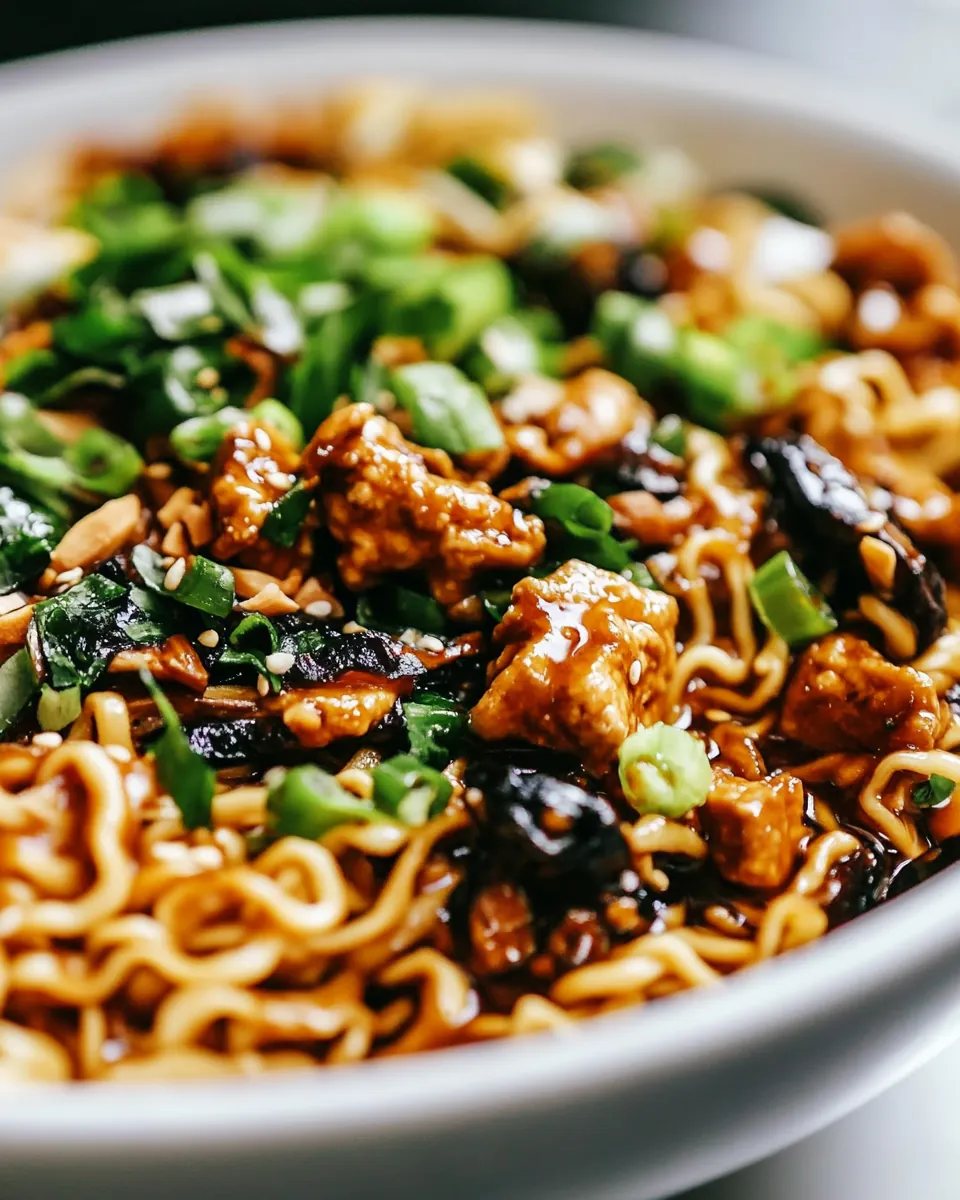
General Tso Ramen
General Tso Ramen came into my kitchen on a rainy evening when I wanted something familiar yet exciting, salty yet sweet, and comforting in a bowl. I remember standing at the counter with a steaming pot and a takeout container of sauce, trying to recreate that sticky, tangy glaze at home. That first attempt was messy, but the aroma of soy sauce, ginger, and garlic hitting hot oil convinced me it was worth the effort. I tossed everything with instant noodles and felt an immediate comfort hit that felt both nostalgic and new.
Over the next few weeks I tweaked the balance of light brown sugar and chili garlic sauce, adjusted the cornstarch for the right gloss, and learned how to coax crisp edges on bite sized pieces of chicken while keeping them tender inside. The result is General Tso Ramen, a bowl that bridges stir fry technique and quick noodle dinners. It’s the kind of meal I reach for when I want bold flavors without fuss, a little spice, and something everyone at the table can personalize with garnishes.
Recipe Snapshot
50 mins
35 mins
15 mins
Medium
500 kcal
Asian
Gluten-Free, Low FODMAP
Dinner
Wok or large deep sauté pan (12 inches minimum), Large pot
Why We Love This General Tso Ramen
1. Bold layered flavor
I love how General Tso Ramen builds flavor in layers, starting with the toasty scent of toasted sesame oil, the savory backbone of soy sauce, and the sweet hit from light brown sugar. Each ingredient plays a role so the final bowl tastes complex without needing long fermentation or exotic pantry items.
2. Speed without compromising texture
I appreciate that this recipe moves fast, yet you still get crisp seared edges on the chicken and a glossy, clingy sauce. Quick cooking keeps the bok choy vibrant and the ramen chewy, which creates contrasting textures that keep every bite interesting.
3. Flexible heat and sweetness
One reason I recommend this dish is how simple it is to control spice. The chili garlic sauce can be dialed back or cranked up, and the light brown sugar quietly balances the heat. I like that it lets you tailor the bowl to your family’s tolerance without changing technique.
4. Pantry friendly and weeknight ready
I reach for this recipe when my fridge is sparse because the ingredient list uses staples like cornstarch, soy sauce, and instant ramen. It’s a savvy way to make an impressive bowl using items you probably already have on hand.
5. Customizable presentation
I always leave room for finishing touches. Simple garnishes like sliced green onion or a drizzle of extra toasted sesame oil transform the bowl from functional to special. That small moment of personalization is why I bring this to friends and family when I want a cozy, shareable meal.
Key Ingredients for General Tso Ramen
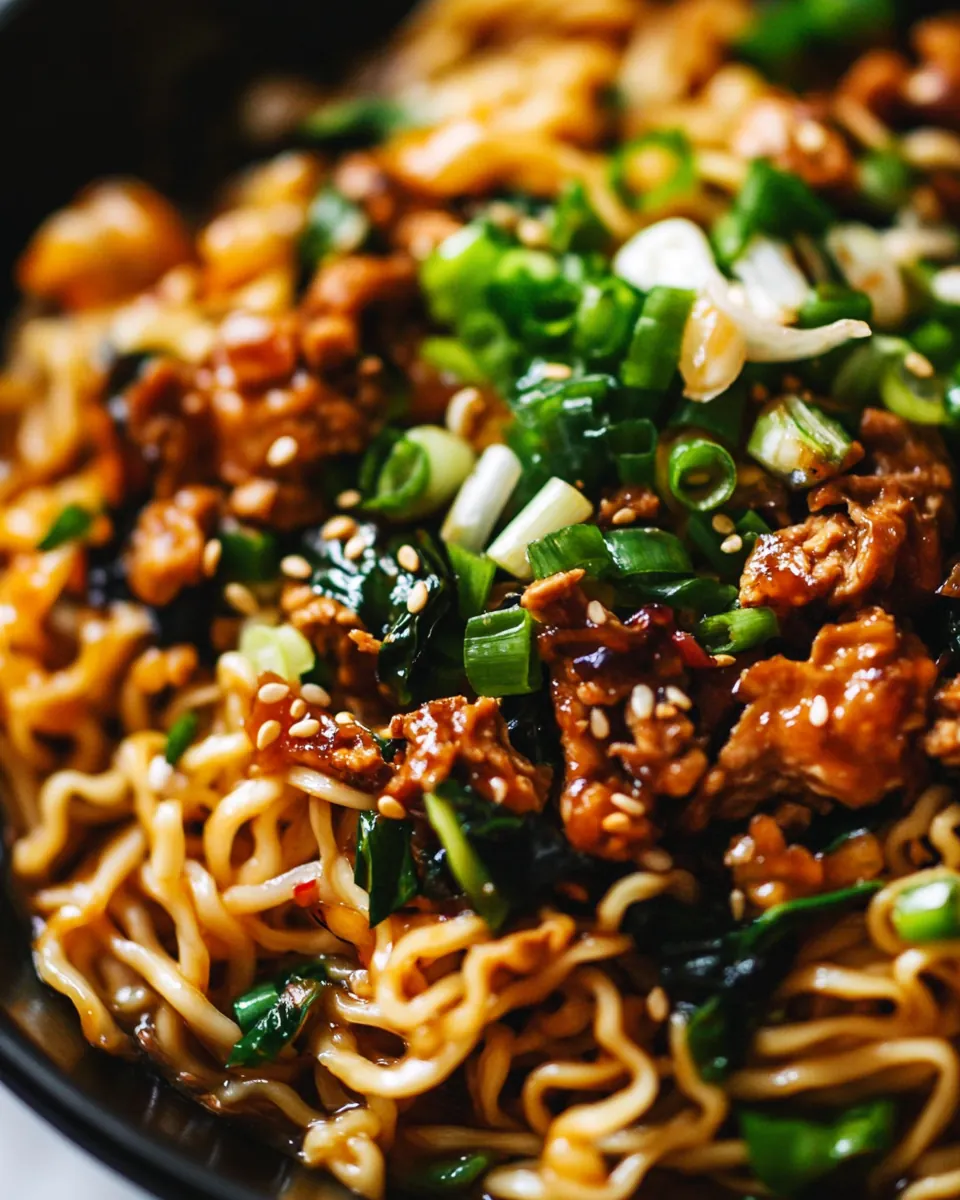
These ingredients combine to create a balanced bowl of sticky, savory sauce, tender seared chicken, and springy noodles. The key players are the sauce components for gloss and tang, the cornstarch for body and crispness, and the vegetables for freshness and texture. Together they create a satisfying contrast of sweet, salty, spicy, and umami.
- 3 tablespoons soy sauce not lite: Provide salty umami depth to the sauce, balancing sweet and tangy flavors; use full-strength soy sauce for authentic savory backbone and color. Add to the sauce mixture early so its saltiness integrates with sugar and vinegar for a cohesive glaze.
- 3 tablespoons hoisin sauce: Contribute rich, slightly sweet, and tangy complexity that thickens the sauce while providing a glossy finish; fold into the soy-based mixture for layered flavor. Use as the primary sweet-savory enhancer to give the dish its signature General Tso character.
- 1 tablespoon cornstarch: Thicken the sauce by creating a slurry that yields a silky, clingy glaze for the chicken and noodles; dissolve fully to avoid lumps. Add to the warm liquid base gradually while stirring until the desired viscosity is reached.
- 1 tablespoon rice vinegar: Provide bright acidity and a subtle tang that cuts through richness and balances sweetness; choose a neutral rice vinegar for gentle flavor. Stir into the sauce to lift flavors and prevent cloying sweetness from the brown sugar and hoisin.
- 1 teaspoon chili-garlic sauce up to 3 teaspoons, see note 1: Deliver controlled heat and garlicky spice to the sauce, adjustable by quantity to match desired spiciness; start with the stated amount and increase if more kick is wanted. Mix into the sauce base so the chili and garlic flavors meld with soy and vinegar.
- 1/4 cup light brown sugar loosely packed, see note 2: Add deep caramel sweetness and molasses notes that balance soy and vinegar, helping create the classic sweet-savory profile; loosely packed measurement ensures proper sweetness without clumping. Dissolve into the warm sauce so the sugars integrate and contribute to glazing.
- 3/4 cup reduced-sodium chicken broth: Provide savory liquid body and dilute the concentrated seasonings while adding chicken flavor; use reduced–sodium broth to control overall saltiness. Combine with soy and hoisin to form the saucy base before thickening with cornstarch.
- 1 tablespoon toasted sesame oil: Impart a toasty, nutty aroma that enhances overall flavor and complements sesame notes in the dish; add carefully because sesame oil is potent. Stir into the finished sauce or use in moderation when combining sauce components for aromatic lift.
- 1/4 teaspoon white pepper: Introduce a mild, aromatic heat that elevates the sauce subtly without overpowering other flavors; white pepper offers a sharp, slightly floral note. Add to the sauce mix to season evenly and maintain the intended flavor profile.
- 1/4 teaspoons salt: Season the dish lightly to ensure balanced savoriness, accounting for salt already present in soy sauce and broth; add sparingly. Mix into the sauce or seasoning components and taste before adjusting further.
- 3/4 pound (12 ounces) chicken thighs or chicken tenders, cut into 1/2-inch pieces, measure after being trimmed of fat: Offer tender, flavorful protein that soaks up the sauce and crisps nicely when cooked; cutting into uniform 1/2-inch pieces ensures even cooking. Trim excess fat for a leaner texture and add to the battering or frying step to achieve caramelized edges.
- 1 tablespoon toasted sesame oil: Enhance sesame aroma and contribute a second layer of toasted nuttiness for cooking and finishing; this second measure can be used in a different stage for continuity. Use in the pan when stir-frying aromatics or to finish the cooked chicken for extra fragrance.
- 1 tablespoon ginger: Provide bright, spicy warmth and zesty freshness that complements garlic and cuts through sweetness; grated or finely minced ginger disperses flavor evenly. Add early when sautéing aromatics to bloom its essential oils and build complexity.
- 1 tablespoon garlic: Deliver pungent, savory depth and aromatic presence; finely minced garlic becomes mellow and sweet when cooked. Add after ginger when stir-frying to prevent burning while imparting foundational flavor to the sauce and chicken.
- 1/4 cup cornstarch: Create a crisp coating on the chicken pieces to help the sauce cling and provide a pleasant textural contrast; use dry cornstarch for even coverage. Toss the chicken thoroughly before frying or pan-searing to form a light, golden crust.
- 1/4 teaspoons salt: Season the dredge lightly to ensure the coating and chicken are adequately flavored without oversalting; this salt complements other seasonings. Incorporate into the cornstarch mixture and mix well so salt distributes evenly before cooking.
- 1/4 teaspoon pepper: Add gentle heat and seasoning inside the dredge for balanced flavor; ground black pepper enhances savory notes and pairs with white pepper in the sauce. Mix into the coating to ensure each piece of chicken receives uniform seasoning.
- 2 tablespoons vegetable oil: Provide high-heat cooking oil for frying the dredged chicken to a golden crisp; vegetable oil offers a neutral flavor and tolerates high temperatures. Heat to the proper frying temperature to achieve an even, crunchy exterior without absorbing excess oil.
- 1 cup diced yellow onion: Add sweet, savory, and aromatic foundation when sautéed; diced yellow onion softens and caramelizes to contribute body to the stir-fried vegetables and sauce. Cook until translucent or lightly browned to release natural sugars that enrich the overall dish.
- 3 (3-ounce) packets instant ramen noodles: Serve as quick-cooking starch that provides comforting chew and soaks up sauce; instant ramen offers convenience and texture contrast to stir-fried components. Cook just until tender and drain, then briefly toss with sauce so noodles absorb flavor without becoming mushy.
- 2 cups thinly sliced mushrooms: Introduce earthy, umami flavor and meaty texture that pairs well with the rich sauce; thinly sliced mushrooms cook quickly and meld into the broth and noodles. Sauté until browned to concentrate their savory notes and incorporate into the final assembly.
- 5 cups thinly sliced bok choy leaves 1 large bok choy: Bring crisp, slightly bitter green freshness and crunchy texture that lightens the dish; thinly sliced bok choy leaves wilt quickly and add volume. Add near the end of cooking so leaves remain tender-crisp and preserve bright color and nutrients.
- garnish see note 3 (optional): Provide optional finishing contrast such as sesame seeds, sliced scallions, or red pepper flakes that add color, texture, and extra flavor; select garnishes to complement the savory-sweet sauce. Sprinkle just before serving to maintain freshness and visual appeal.
Recipe Steps for General Tso Ramen
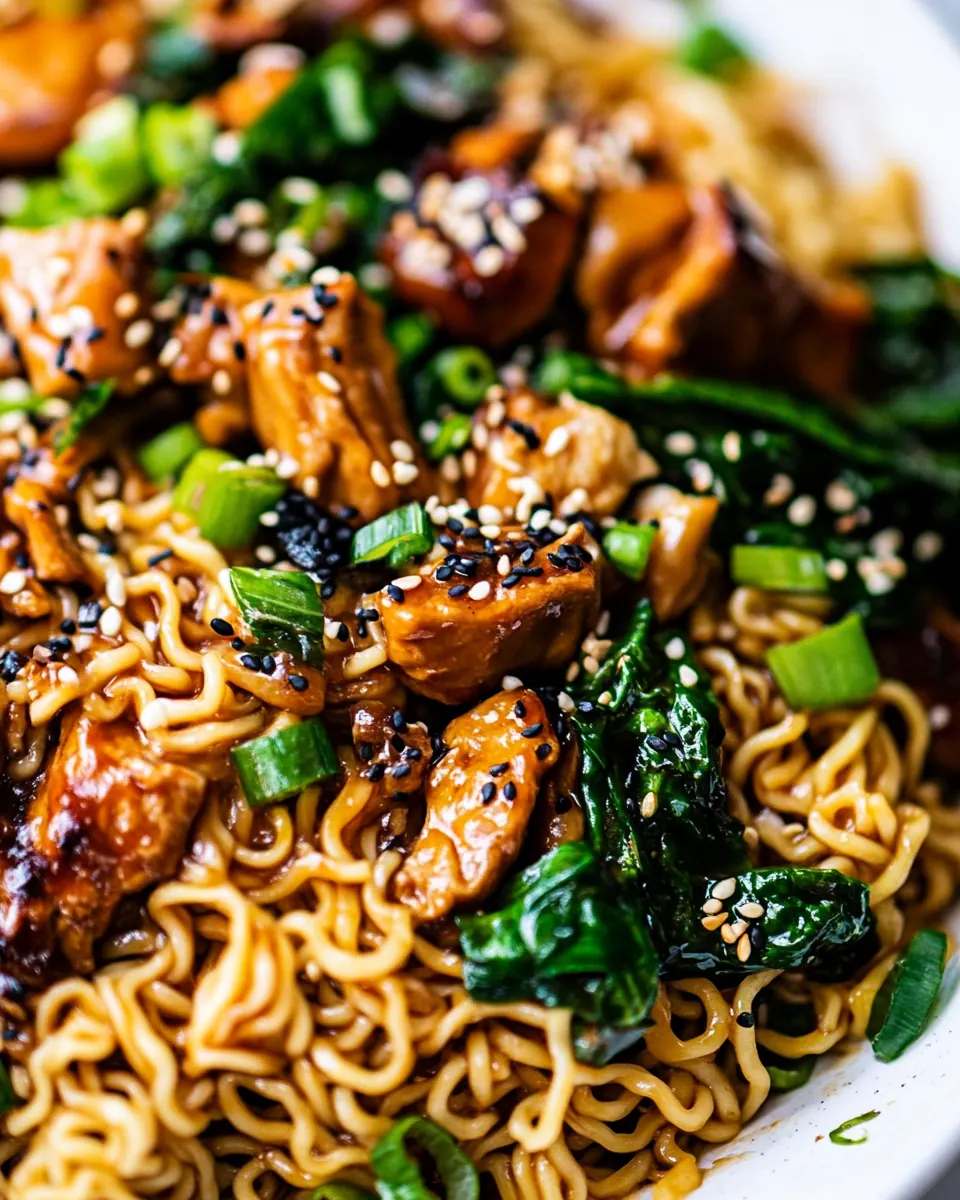
The steps move quickly once prep is done, so I recommend reading through before you start. I like to have the sauce ready and the ramen cooking as I finish the stir fry, so everything comes together hot and glossy in the pan.
- Sauce: In a small bowl, whisk together the cornstarch and soy sauce until smooth. Once smooth, add remaining sauce ingredients (see notes 1 and 2 first). Mix and set aside.: In a small bowl, whisk together the cornstarch and soy sauce until smooth. Once smooth, add remaining sauce ingredients (see notes 1 and 2 first). Mix and set aside : Steam rises with the aroma of soy sauce and ginger as you whisk, and the cornstarch dissolving ensures a silky finish later. The reason you combine cornstarch with soy sauce first is to prevent lumps, which makes the sauce thicken evenly when heated. Expect the mixture to look slightly translucent and glossy once well combined. A common mistake is adding the cornstarch directly to hot liquid, which causes clumping, so always pre dissolve and mix while cool. If the sauce separates or looks grainy when heated, whisk vigorously off heat to smooth it before returning to the pan.
- Start by prepping all the veggies and chicken—cooking goes fast! Dice the chicken into bite-size pieces. Dice the ginger, garlic, yellow onion, and mushrooms, and thinly slice the bok choy (see note 4). I know it seems like a lot but it cooks down!: The kitchen fills with sharp herbal notes from the ginger and pungent warmth from the garlic , smells that tell you the meal is coming together. Proper mise en place saves time at the wok, and uniformly cut chicken pieces cook evenly, avoiding underdone centers. A frequent misstep is chopping unevenly, which leads to some pieces overcooking while others remain raw. Keep your knife skills steady, and if you feel rushed, pause and finish prep rather than rushing into a hot pan.
- Chicken: In a medium bowl, add the diced chicken, 1 tablespoon of sesame oil, ginger, and garlic. Add the salt and pepper. Toss to combine, then add cornstarch. Mix until all pieces of chicken are coated in the cornstarch. Once all the chicken and veggies are prepped, bring a large pot of water to boil.: In a medium bowl, add the diced chicken, 1 tablespoon of sesame oil, ginger, and garlic. Add the salt and pepper. Toss to combine, then add cornstarch. Mix until all pieces of chicken are coated in the cornstarch. Once all the chicken and veggies are prepped, bring a large pot of water to boil : The sesame oil and aromatics cling to the chicken , and coating with cornstarch creates a fine dusting that crisps during searing. You will notice a faint sheen on the chicken, and the cornstarch will give the surface a matte finish that becomes golden when cooked. This technique is why the chicken stays succulent inside yet develops a pleasing exterior. Avoid packing the bowl too tightly when coating, or the pieces will clump and steam instead of sear.
- Heat a wok or large, deep sauté pan (12 inches minimum) over high heat. Add 2 tablespoons vegetable oil and swirl to coat. Once oil is shimmering, add the onion. Cook for 4–5 minutes, stirring often. Press the onion to the edges and add all the chicken mixture to the center. Cook, stirring frequently, until just browned on the outside (chicken doesn’t need to be cooked through yet), about 4 minutes. Add mushrooms and sauté another 2 minutes. Add in the sauce and cook until just thickened (a wooden spoon can draw a track through it), about 1–2 minutes. Reduce heat to low and add all the bok choy. Cook, stirring gently, for 30 seconds to wilt down the leaves.: When the oil shimmers and you add the onion , it should sizzle audibly, releasing sweet aromas as the edges caramelize. Pushing onions to the pan edge creates a hot center for quick searing of the chicken , giving those desirable browned bits. The sauce will bubble and transform from raw to glossy, and when a wooden spoon leaves a visible track, the viscosity is right. A typical pitfall is overcrowding the pan, which causes steaming instead of searing, leading to pale, rubbery chicken .
- While chicken is cooking, prepare the ramen. Open ramen packages and discard seasoning packets. Follow the package directions to cook the ramen noodles (don’t add any salt to the pasta water), cooking in boiling water for 1 minute and 30 seconds less than the package directs (for 3-minute ramen, cook for 90 seconds). Drain noodles and add on top of the stir-fry.: The boiling water should be rolling when you add the ramen , and the noodles should have a slightly springy bite when you drain them, not mushy. Under cooking by the suggested amount ensures the noodles finish in the skillet, absorbing sauce without becoming gummy. A common error is overcooking, which makes the final bowl gluey and limp. Use a timer and taste a strand to check doneness before draining.
- Add the drained ramen right to the skillet and toss with tongs to coat the noodles and fully wilt the bok choy. Taste and adjust for salt/pepper—flavors should sing. Garnish with sesame seeds and green onions if desired. Add a drizzle of sesame oil and/or red pepper flakes for more heat to individual bowls. Enjoy hot!: When you toss, the sauce should cling to the strands and the pan will release a toasty aroma from the sesame oil. The visual cue is a glossy sheen on the noodles and wilted bright green bok choy. If the sauce seems thin, simmer briefly to concentrate flavors, but be careful not to evaporate too much or the noodles will absorb all liquid. Avoid adding too much salt at the end if you used full sodium soy sauce earlier, taste first and adjust incrementally.
Tips and Variations
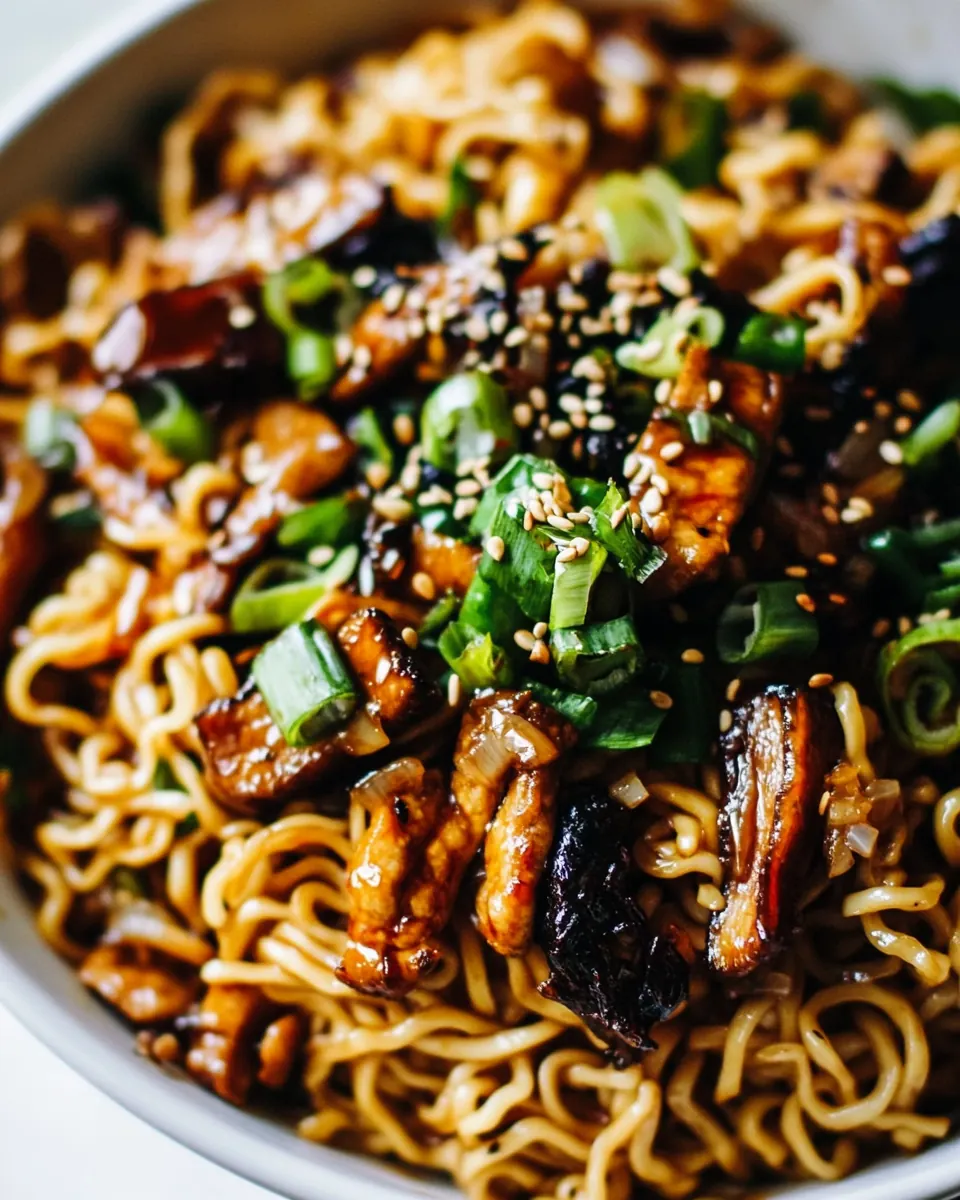
I like to think of these suggestions as small experiments that can lift the bowl in different directions. Below are practical, easy to apply tips that tweak texture, spice, and presentation while keeping the heart of the recipe intact.
- Control the heat by starting with 1 teaspoon of chili garlic sauce if you prefer mild, and taste as you go, increasing to 2 or 3 teaspoons for more intensity.
- Balance the sweet by adding light brown sugar slowly, tasting after each addition, so the sauce complements the spice without becoming cloying.
- Keep the pan hot when searing so you get immediate browning on the chicken, which develops flavor through the Maillard reaction rather than stewing in its juices.
- Dry the bok choy thoroughly before adding, wet leaves can steam and cool the pan, preventing proper searing and diluting the sauce.
- Use reduced-sodium chicken broth to control overall salt, you can always add more seasoning at the end if needed.
- Toss gently when combining noodles so the glossy sauce coats everything without breaking the noodles into pieces.
Perfect Matches for General Tso Ramen
This dish stands on its own as a hearty meal, but pairing and serving choices can elevate the experience. Below I list thoughtful serving ideas, occasions, and storage tips using practical phrases to guide you.
- Weeknight dinner: Serve General Tso Ramen straight from the pan for a quick, satisfying family meal that is bold enough to feel special.
- Casual gatherings: Offer garnishes like sliced green onion and toasted sesame seeds so guests can personalize heat and texture at the table.
- Lunch leftovers: Store sauce separately when possible, and reheat gently on the stovetop to avoid soggy noodles, adding a splash of water if needed.
- Seasonal pairing: In fall the warm, sticky sauce feels cozy next to simple steamed greens or a light cucumber salad to cut richness.
- Meal prep: Pack noodles and stir fry in separate containers for up to three days in the fridge, recombining and tossing in a hot skillet before serving.
- Serving style: Dish into deep bowls and finish with a tiny drizzle of toasted sesame oil for aroma and an extra pinch of red pepper flakes for anyone wanting more heat.
FAQ
Conclusion
This version of General Tso Ramen stands out for its balance of sticky sweet sauce, controlled heat, and quick weeknight pace. It brings together simple pantry ingredients and fast technique to produce a bowl that feels special but is easy to prepare. I encourage you to give it a try, play with the spice level, and enjoy how quickly it comes together on a busy evening. Sharing it with friends or family feels effortless, and the little finishing touches make each bowl uniquely yours.
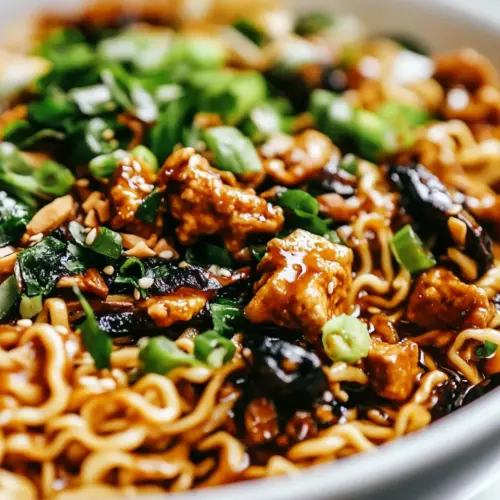
General Tso Ramen
Equipment
- Wok or large deep sauté pan (12 inches minimum)
- Large Pot
Ingredients
- 3 tablespoons soy sauce not lite Provide salty umami depth to the sauce, balancing sweet and tangy flavors; use full-strength soy sauce for authentic savory backbone and color. Add to the sauce mixture early so its saltiness integrates with sugar and vinegar for a cohesive glaze.
- 3 tablespoons hoisin sauce Contribute rich, slightly sweet, and tangy complexity that thickens the sauce while providing a glossy finish; fold into the soy-based mixture for layered flavor. Use as the primary sweet-savory enhancer to give the dish its signature General Tso character.
- 1 tablespoon cornstarch Thicken the sauce by creating a slurry that yields a silky, clingy glaze for the chicken and noodles; dissolve fully to avoid lumps. Add to the warm liquid base gradually while stirring until the desired viscosity is reached.
- 1 tablespoon rice vinegar Provide bright acidity and a subtle tang that cuts through richness and balances sweetness; choose a neutral rice vinegar for gentle flavor. Stir into the sauce to lift flavors and prevent cloying sweetness from the brown sugar and hoisin.
- 1 teaspoon chili-garlic sauce up to 3 teaspoons, see note 1 Deliver controlled heat and garlicky spice to the sauce, adjustable by quantity to match desired spiciness; start with the stated amount and increase if more kick is wanted. Mix into the sauce base so the chili and garlic flavors meld with soy and vinegar.
- 1/4 cup light brown sugar loosely packed, see note 2 Add deep caramel sweetness and molasses notes that balance soy and vinegar, helping create the classic sweet-savory profile; loosely packed measurement ensures proper sweetness without clumping. Dissolve into the warm sauce so the sugars integrate and contribute to glazing.
- 3/4 cup reduced-sodium chicken broth Provide savory liquid body and dilute the concentrated seasonings while adding chicken flavor; use reduced-sodium broth to control overall saltiness. Combine with soy and hoisin to form the saucy base before thickening with cornstarch.
- 1 tablespoon toasted sesame oil Impart a toasty, nutty aroma that enhances overall flavor and complements sesame notes in the dish; add carefully because sesame oil is potent. Stir into the finished sauce or use in moderation when combining sauce components for aromatic lift.
- 1/4 teaspoon white pepper Introduce a mild, aromatic heat that elevates the sauce subtly without overpowering other flavors; white pepper offers a sharp, slightly floral note. Add to the sauce mix to season evenly and maintain the intended flavor profile.
- 1/4 teaspoons salt Season the dish lightly to ensure balanced savoriness, accounting for salt already present in soy sauce and broth; add sparingly. Mix into the sauce or seasoning components and taste before adjusting further.
- 3/4 pound (12 ounces) chicken thighs or chicken tenders, cut into 1/2-inch pieces, measure after being trimmed of fat Offer tender, flavorful protein that soaks up the sauce and crisps nicely when cooked; cutting into uniform 1/2-inch pieces ensures even cooking. Trim excess fat for a leaner texture and add to the battering or frying step to achieve caramelized edges.
- 1 tablespoon toasted sesame oil Enhance sesame aroma and contribute a second layer of toasted nuttiness for cooking and finishing; this second measure can be used in a different stage for continuity. Use in the pan when stir-frying aromatics or to finish the cooked chicken for extra fragrance.
- 1 tablespoon ginger Provide bright, spicy warmth and zesty freshness that complements garlic and cuts through sweetness; grated or finely minced ginger disperses flavor evenly. Add early when sautéing aromatics to bloom its essential oils and build complexity.
- 1 tablespoon garlic Deliver pungent, savory depth and aromatic presence; finely minced garlic becomes mellow and sweet when cooked. Add after ginger when stir-frying to prevent burning while imparting foundational flavor to the sauce and chicken.
- 1/4 cup cornstarch Create a crisp coating on the chicken pieces to help the sauce cling and provide a pleasant textural contrast; use dry cornstarch for even coverage. Toss the chicken thoroughly before frying or pan-searing to form a light, golden crust.
- 1/4 teaspoons salt Season the dredge lightly to ensure the coating and chicken are adequately flavored without oversalting; this salt complements other seasonings. Incorporate into the cornstarch mixture and mix well so salt distributes evenly before cooking.
- 1/4 teaspoon pepper Add gentle heat and seasoning inside the dredge for balanced flavor; ground black pepper enhances savory notes and pairs with white pepper in the sauce. Mix into the coating to ensure each piece of chicken receives uniform seasoning.
- 2 tablespoons vegetable oil Provide high-heat cooking oil for frying the dredged chicken to a golden crisp; vegetable oil offers a neutral flavor and tolerates high temperatures. Heat to the proper frying temperature to achieve an even, crunchy exterior without absorbing excess oil.
- 1 cup diced yellow onion Add sweet, savory, and aromatic foundation when sautéed; diced yellow onion softens and caramelizes to contribute body to the stir-fried vegetables and sauce. Cook until translucent or lightly browned to release natural sugars that enrich the overall dish.
- 3 (3-ounce) packets instant ramen noodles Serve as quick-cooking starch that provides comforting chew and soaks up sauce; instant ramen offers convenience and texture contrast to stir-fried components. Cook just until tender and drain, then briefly toss with sauce so noodles absorb flavor without becoming mushy.
- 2 cups thinly sliced mushrooms Introduce earthy, umami flavor and meaty texture that pairs well with the rich sauce; thinly sliced mushrooms cook quickly and meld into the broth and noodles. Sauté until browned to concentrate their savory notes and incorporate into the final assembly.
- 5 cups thinly sliced bok choy leaves 1 large bok choy Bring crisp, slightly bitter green freshness and crunchy texture that lightens the dish; thinly sliced bok choy leaves wilt quickly and add volume. Add near the end of cooking so leaves remain tender-crisp and preserve bright color and nutrients.
- Optional garnish see note 3 Provide optional finishing contrast such as sesame seeds, sliced scallions, or red pepper flakes that add color, texture, and extra flavor; select garnishes to complement the savory-sweet sauce. Sprinkle just before serving to maintain freshness and visual appeal.
Instructions
- Sauce: In a small bowl, whisk together the cornstarch and soy sauce until smooth. Once smooth, add remaining sauce ingredients (see notes 1 and 2 first). Mix and set aside.: In a small bowl, whisk together the cornstarch and soy sauce until smooth. Once smooth, add remaining sauce ingredients (see notes 1 and 2 first). Mix and set aside : Steam rises with the aroma of soy sauce and ginger as you whisk, and the cornstarch dissolving ensures a silky finish later. The reason you combine cornstarch with soy sauce first is to prevent lumps, which makes the sauce thicken evenly when heated. Expect the mixture to look slightly translucent and glossy once well combined. A common mistake is adding the cornstarch directly to hot liquid, which causes clumping, so always pre dissolve and mix while cool. If the sauce separates or looks grainy when heated, whisk vigorously off heat to smooth it before returning to the pan.
- Start by prepping all the veggies and chicken—cooking goes fast! Dice the chicken into bite-size pieces. Dice the ginger, garlic, yellow onion, and mushrooms, and thinly slice the bok choy (see note 4). I know it seems like a lot but it cooks down!: The kitchen fills with sharp herbal notes from the ginger and pungent warmth from the garlic , smells that tell you the meal is coming together. Proper mise en place saves time at the wok, and uniformly cut chicken pieces cook evenly, avoiding underdone centers. A frequent misstep is chopping unevenly, which leads to some pieces overcooking while others remain raw. Keep your knife skills steady, and if you feel rushed, pause and finish prep rather than rushing into a hot pan.
- Chicken: In a medium bowl, add the diced chicken, 1 tablespoon of sesame oil, ginger, and garlic. Add the salt and pepper. Toss to combine, then add cornstarch. Mix until all pieces of chicken are coated in the cornstarch. Once all the chicken and veggies are prepped, bring a large pot of water to boil.: In a medium bowl, add the diced chicken, 1 tablespoon of sesame oil, ginger, and garlic. Add the salt and pepper. Toss to combine, then add cornstarch. Mix until all pieces of chicken are coated in the cornstarch. Once all the chicken and veggies are prepped, bring a large pot of water to boil : The sesame oil and aromatics cling to the chicken , and coating with cornstarch creates a fine dusting that crisps during searing. You will notice a faint sheen on the chicken, and the cornstarch will give the surface a matte finish that becomes golden when cooked. This technique is why the chicken stays succulent inside yet develops a pleasing exterior. Avoid packing the bowl too tightly when coating, or the pieces will clump and steam instead of sear.
- Heat a wok or large, deep sauté pan (12 inches minimum) over high heat. Add 2 tablespoons vegetable oil and swirl to coat. Once oil is shimmering, add the onion. Cook for 4–5 minutes, stirring often. Press the onion to the edges and add all the chicken mixture to the center. Cook, stirring frequently, until just browned on the outside (chicken doesn’t need to be cooked through yet), about 4 minutes. Add mushrooms and sauté another 2 minutes. Add in the sauce and cook until just thickened (a wooden spoon can draw a track through it), about 1–2 minutes. Reduce heat to low and add all the bok choy. Cook, stirring gently, for 30 seconds to wilt down the leaves.: When the oil shimmers and you add the onion , it should sizzle audibly, releasing sweet aromas as the edges caramelize. Pushing onions to the pan edge creates a hot center for quick searing of the chicken , giving those desirable browned bits. The sauce will bubble and transform from raw to glossy, and when a wooden spoon leaves a visible track, the viscosity is right. A typical pitfall is overcrowding the pan, which causes steaming instead of searing, leading to pale, rubbery chicken .
- While chicken is cooking, prepare the ramen. Open ramen packages and discard seasoning packets. Follow the package directions to cook the ramen noodles (don’t add any salt to the pasta water), cooking in boiling water for 1 minute and 30 seconds less than the package directs (for 3-minute ramen, cook for 90 seconds). Drain noodles and add on top of the stir-fry.: The boiling water should be rolling when you add the ramen , and the noodles should have a slightly springy bite when you drain them, not mushy. Under cooking by the suggested amount ensures the noodles finish in the skillet, absorbing sauce without becoming gummy. A common error is overcooking, which makes the final bowl gluey and limp. Use a timer and taste a strand to check doneness before draining.
- Add the drained ramen right to the skillet and toss with tongs to coat the noodles and fully wilt the bok choy. Taste and adjust for salt/pepper—flavors should sing. Garnish with sesame seeds and green onions if desired. Add a drizzle of sesame oil and/or red pepper flakes for more heat to individual bowls. Enjoy hot!: When you toss, the sauce should cling to the strands and the pan will release a toasty aroma from the sesame oil. The visual cue is a glossy sheen on the noodles and wilted bright green bok choy. If the sauce seems thin, simmer briefly to concentrate flavors, but be careful not to evaporate too much or the noodles will absorb all liquid. Avoid adding too much salt at the end if you used full sodium soy sauce earlier, taste first and adjust incrementally.
Notes
- Control the heat by starting with 1 teaspoon of chili garlic sauce if you prefer mild, and taste as you go, increasing to 2 or 3 teaspoons for more intensity.
- Balance the sweet by adding light brown sugar slowly, tasting after each addition, so the sauce complements the spice without becoming cloying.
- Keep the pan hot when searing so you get immediate browning on the chicken, which develops flavor through the Maillard reaction rather than stewing in its juices.
- Dry the bok choy thoroughly before adding, wet leaves can steam and cool the pan, preventing proper searing and diluting the sauce.
- Use reduced-sodium chicken broth to control overall salt, you can always add more seasoning at the end if needed.
- Toss gently when combining noodles so the glossy sauce coats everything without breaking the noodles into pieces.