Avocado Dressing
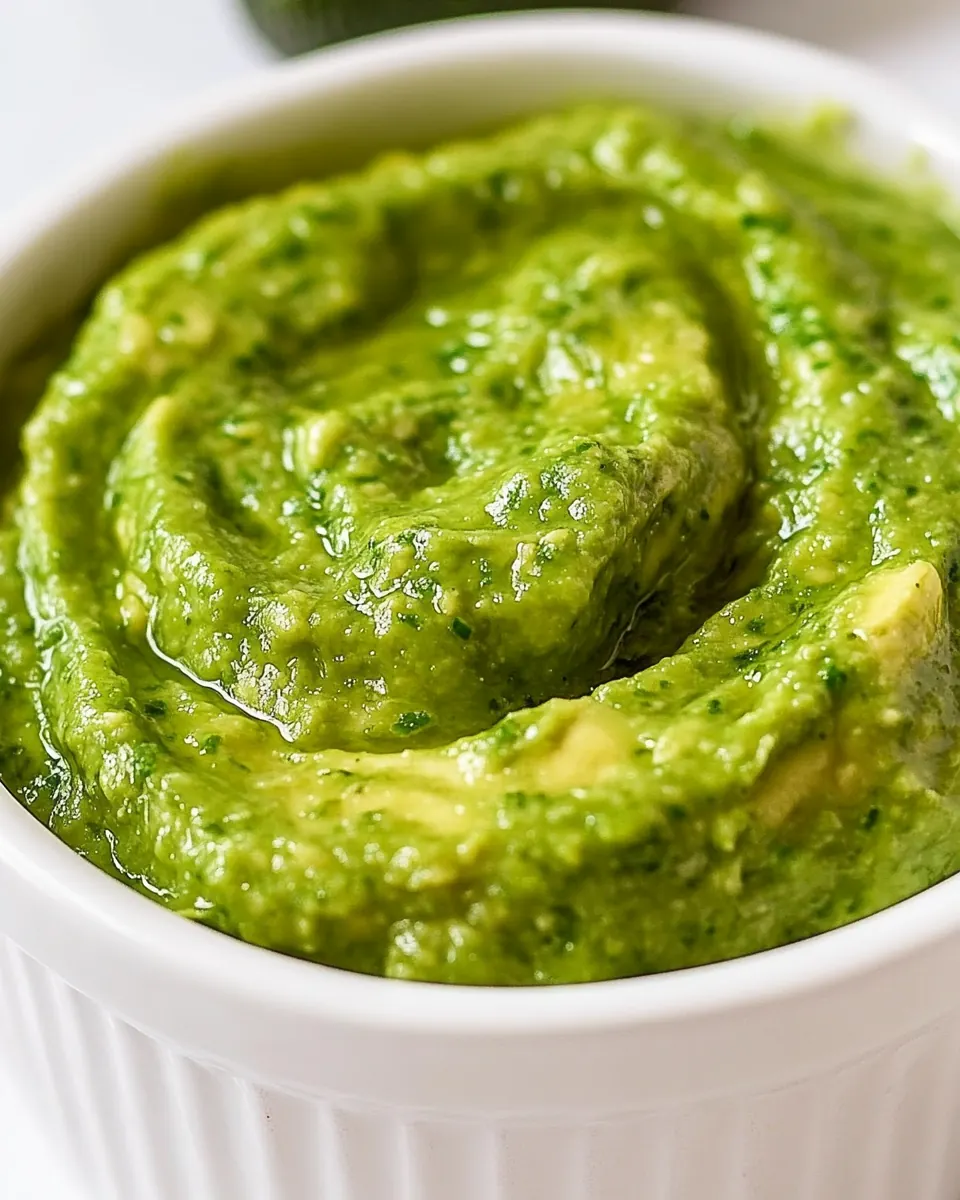
Avocado Dressing is the kind of simple recipe I reach for when I want something bright, creamy, and utterly forgiving.
It started for me on a hectic weeknight when I had a sad bag of greens and a perfectly ripe avocado begging to be used. I tossed a few basil leaves into the blender, added citrus and seeds for body, and in moments the whole salad felt uplifted. That small rescue mission turned into a staple I relied on for quick lunches, last minute gatherings, and nights when I wanted a little green luxury without fuss.
Over time I learned to treat this dressing like a template. I pay attention to the texture of the avocado, the brightness of the lemon juice, and the toothsome crunch from the toasted pumpkin seeds. Sometimes I thin it with a splash of water, other times I let it sit so flavors marry and mellow. Every time the result is vibrantly green, silky, and versatile.
Recipe Snapshot
5 mins
5 mins
Easy
120 kcal
American
Vegan, Gluten-Free
Salads
Food processor
Why This Avocado Dressing Is a Winner
Vibrant flavor with minimal effort
I love how Avocado Dressing delivers a rich, creamy mouthfeel without needing mayonnaise or heavy cream. The natural fattiness of the avocado gives body, while the lemon juice pulls everything into balance. When I want a quick flavor lift, this dressing is faster than chopping a vinaigrette and it feels indulgent yet fresh.
Textural contrast
The addition of toasted pumpkin seeds or pine nuts adds a toasty crunch that complements the smoothness. I find that the seeds also contribute a subtle nuttiness that deepens the overall profile. You get a dressing that clings to leaves and also gives little bites of interest, which keeps each forkful exciting.
Flexible and forgiving
This recipe is remarkably tolerant of tweaks. If your avocado is extra ripe, reduce the lemon juice slightly. If it is firmer, add a splash of water or a touch more olive oil while blending. I’ve adjusted salt and garlic depending on the salad or grain bowl, and it always responds well to small calibrations.
Healthy and satisfying
I often choose this dressing when I want something nourishing without heaviness. The combination of avocado and olive oil delivers healthy fats, while the basil brings aromatic lift. It feels like a treat, yet it supports a balanced plate, which is why I keep the ingredients on hand.
Fast to make and great for leftovers
Because it comes together in a food processor, Avocado Dressing is ready in minutes. I sometimes double the batch for meal prep, knowing it will brighten salads, roasted vegetables, or even grain bowls over a few days. The flavors mellow and integrate, making leftovers pleasantly cohesive.
Ingredients Overview for Avocado Dressing
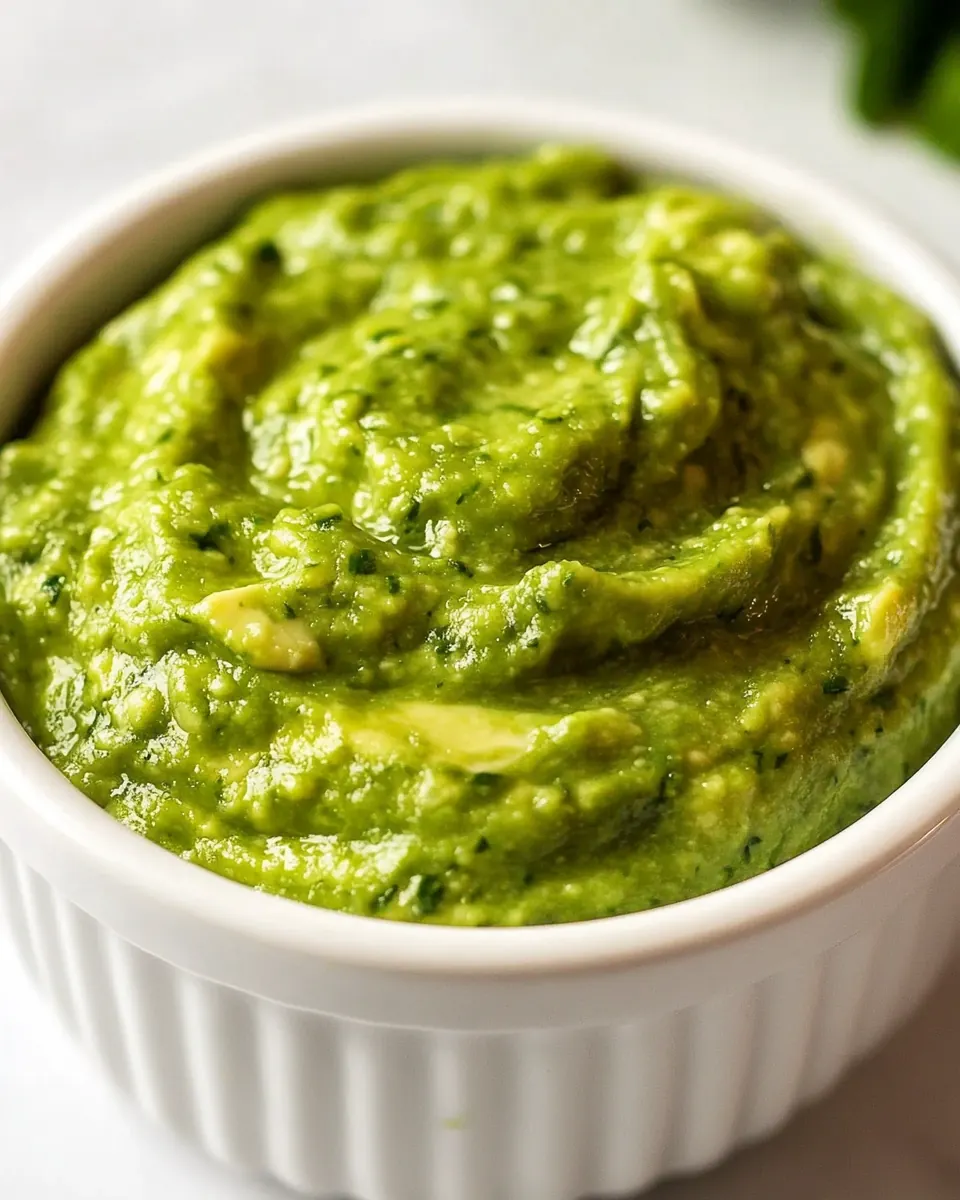
These ingredients form a balanced, creamy dressing that clings to greens and brightens bowls. The avocado is the superstar, providing silkiness, while the basil adds herbal lift. Toasted pumpkin seeds bring a toasty texture and depth, and the lemon juice wakes up the whole mixture. Together they create a dressing that feels fresh, rich, and versatile.
- 1 ripe avocado, pitted: Provide creamy texture and healthy fats while binding the dressing; mash or blend until smooth to create a luscious, silky base that coats salads and vegetables evenly.
- 1 cup fresh basil leaves, plus more for garnish: Add bright, aromatic herbal flavor and freshness; lightly bruise or chop the leaves before blending to release essential oils and uplift the dressing's overall profile.
- 1/4 cup toasted pumpkin seeds, or pine nuts: Contribute a nutty, toasty depth and subtle crunch when left whole or a smooth richness when blended; lightly toast if using pine nuts for enhanced aroma and flavor.
- 1 2 cloves minced garlic: Impart a sharp, pungent kick and savory depth; mince finely and adjust quantity to balance heat and garlicky intensity in the finished dressing.
- 1 1/2 tablespoons fresh lemon juice, or 1/2 lemon, juiced: Deliver bright acidity and citrusy lift to balance richness; squeeze fresh juice and taste as you go to achieve desired tanginess without overpowering other flavors.
- 2 tbsp olive oil: Provide a silky mouthfeel and help emulsify the dressing; drizzle in while blending to create a cohesive, glossy texture and fuller flavor integration.
- 1/2 tsp sea salt, plus more to taste: Season and enhance overall flavor by balancing richness and acidity; start with the listed amount and adjust to taste to avoid over-salting.
- 1/4 tsp black pepper: Add subtle heat and complexity while enhancing other flavors; grind or freshly mill for best aroma and fine-tune amount to suit palate.
Recipe Steps for Avocado Dressing
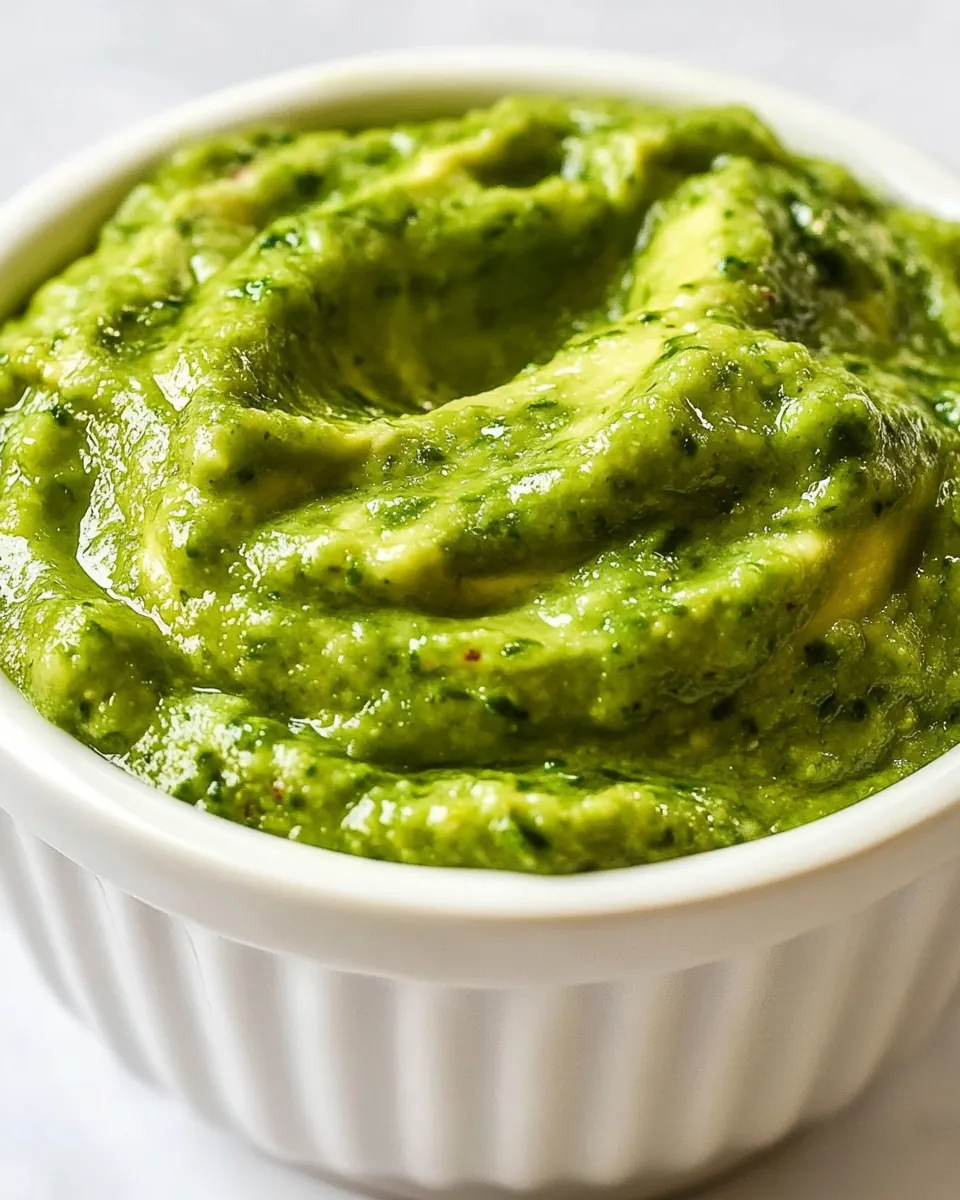
This dressing is straightforward, but a few technique points help it reach the best texture and flavor. I walk you through blending, adjusting consistency, and seasoning so the finished dressing is smooth, balanced, and bright. Take your time with final seasoning because that is where the magic happens.
- Add the pitted avocado, basil leaves, pumpkin seeds, garlic, lemon juice, olive oil, salt, and pepper to the bowl of a food processor. Blend until creamy.: Close your eyes for a moment and notice the fresh, green aroma that rises as you assemble the avocado and basil . The texture at this stage should feel varied when you stir it with a spoon, with the creamy avocado contrasting the coarse seeds and minced garlic . Using a food processor is crucial because it shears the ingredients into a homogeneous emulsion, creating a silky mouthfeel. One common mistake is adding everything to a cold, underpowered blender and expecting an ultra smooth result, which can leave small gritty bits of seed or unblended herb. Make sure your pumpkin seeds are toasted and slightly cool so they blend cleanly without releasing any burnt notes.
- If desired, add water or more oil to thin the dressing or season to taste with more salt.: When you pulse and then run the processor, listen for the tone of the machine to settle into a steady, smooth hum, and watch for the mixture to transform from chunky pieces to a glossy, even paste. You should see a uniform pale green color, streaks disappearing, and the surface gliding smoothly when you stop the machine and tilt the bowl. This process matters because the mechanical action creates an emulsion between the olive oil and the water content in the avocado and lemon juice , which determines how well the dressing will cling to leaves. If you overblend at very high speed you might warm the dressing slightly and flatten volatile aromas, so pulse and check frequently. A frequent pitfall is not scraping down the sides, which leaves pockets of unblended basil or pumpkin seeds and makes the texture uneven; stop once or twice to scrape and ensure full incorporation.
- If desired, add water or more oil to thin the dressing or season to taste with more salt: After blending, the texture may be too thick for drizzling, so add a teaspoon of water or a touch more olive oil at a time until the dressing reaches a pourable consistency. Look for a ribboning flow when you lift the spoon, rather than a heavy dollop. The reason for adding liquid gradually is control, because small amounts drastically change mouthfeel. Taste carefully and adjust the salt and lemon juice as needed because dilution affects perceived seasoning. A common error is adding too much liquid too quickly, resulting in a runny dressing that lacks body; correct this by blending in another small avocado or a few tablespoons of toasted pumpkin seeds to restore thickness if necessary.
Tips and Variations
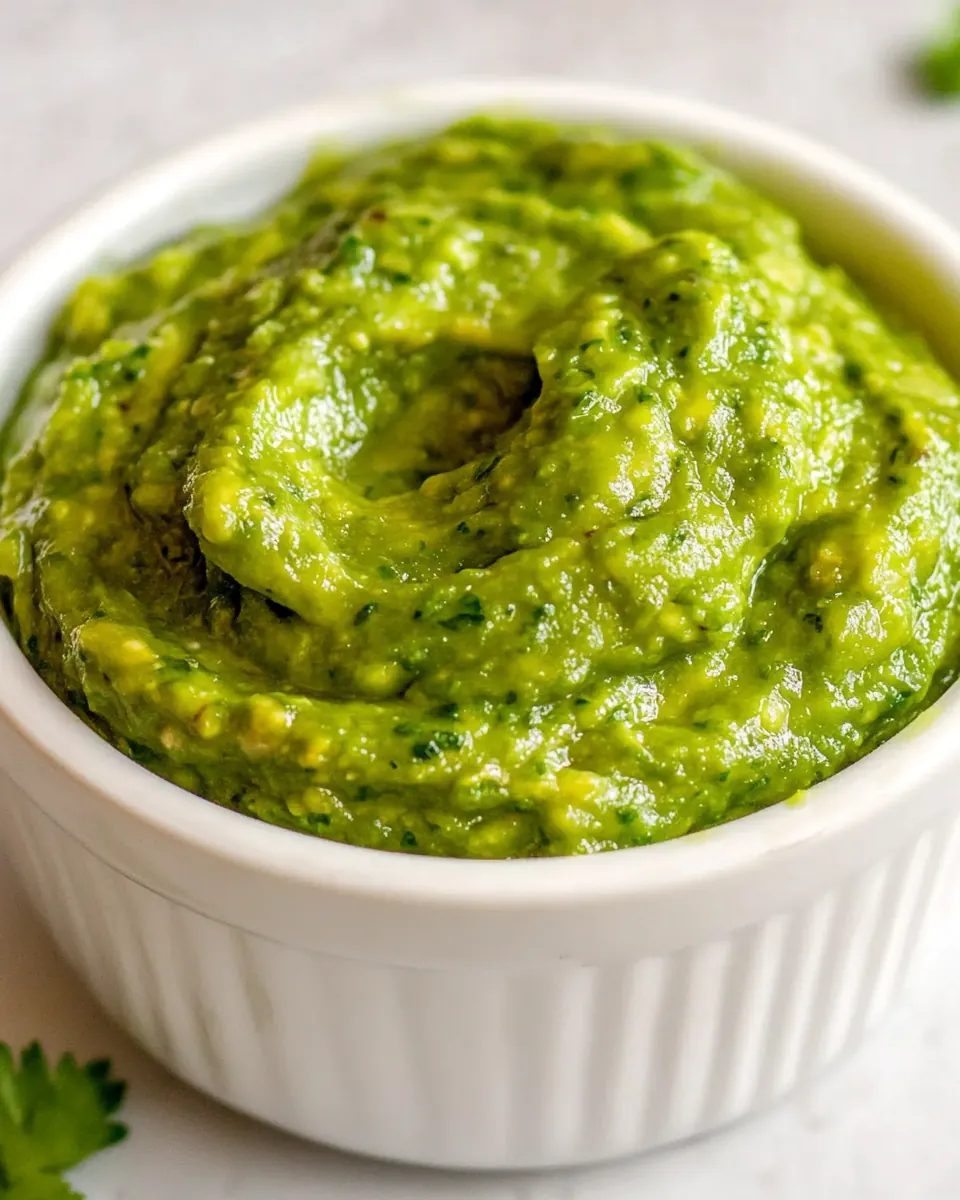
I use these tips to keep Avocado Dressing consistently vibrant and silky. Small adjustments can make a big difference, so I recommend tasting as you go and paying attention to texture. Below are practical ideas and variations to help you adapt the dressing for different uses and preferences.
- Choose ripe but firm avocados for the best texture, they blend smoothly without becoming watery or discolored, which preserves both flavor and appearance.
- Toast seeds for depth by gently toasting the pumpkin seeds in a dry skillet until aromatic, then cooling them, this step adds a warm, nutty layer that deepens the dressing.
- Control thinness carefully by adding water or extra olive oil one teaspoon at a time, small amounts dramatically change pourability and mouthfeel so go slowly.
- Save some basil for garnish to brighten the presentation, scatter a few chopped leaves over finished salads so the herbal aroma is immediate when you serve.
- Use a food processor for smoothness because it creates the right emulsion and texture, scraping the bowl once ensures everything is fully incorporated.
Serving Options for Avocado Dressing
This dressing works across many serving contexts, and I often plan meals around its versatility. Use it as a salad dressing, a dip, or a finishing sauce. Below are detailed serving ideas, storage notes, and occasion suggestions so you can use the dressing confidently for different meals and events.
- As a salad dressing toss the Avocado Dressing with mixed greens, arugula, or a hearty kale salad, ensuring each leaf is lightly coated for even flavor distribution.
- For grain bowls drizzle over warm quinoa or brown rice bowls to add creaminess and brighten roasted vegetables, the dressing pairs especially well with earthy components.
- As a dip serve alongside crudites or grilled vegetables, offering a rich, herbaceous option that elevates simple snacks and appetizers.
- For sandwiches and wraps spread a thin layer on the bread or tortilla to add moisture and flavor, it works well with roasted vegetables and grilled proteins.
- Storage tips keep leftover dressing in an airtight container in the refrigerator for up to two days, press a piece of plastic wrap directly onto the surface to minimize browning and stir before serving.
- Occasion pairings ideal for casual lunches, weeknight dinners, or light entertaining where a fresh, quick sauce is needed; it complements seasonal spring and summer menus especially well.
FAQ
Conclusion
This Avocado Dressing stands out because it combines creamy texture, bright citrus, and toasty seeds into a quick, versatile sauce. It is simple to make yet sophisticated enough to elevate salads, bowls, and sandwiches, and it stores well for a day or two when kept airtight. Give it a try the next time you want to add fresh flavor with minimal effort, and trust that a few thoughtful adjustments will make it exactly to your taste. Enjoy the vibrant green color, the silky mouthfeel, and how effortlessly it livens up even the simplest plate.
Avocado Dressing
Equipment
- Food Processor
Ingredients
- 1 ripe avocado, pitted Provide creamy texture and healthy fats while binding the dressing; mash or blend until smooth to create a luscious, silky base that coats salads and vegetables evenly.
- 1 cup fresh basil leaves, plus more for garnish Add bright, aromatic herbal flavor and freshness; lightly bruise or chop the leaves before blending to release essential oils and uplift the dressing's overall profile.
- 1/4 cup toasted pumpkin seeds, or pine nuts Contribute a nutty, toasty depth and subtle crunch when left whole or a smooth richness when blended; lightly toast if using pine nuts for enhanced aroma and flavor.
- 1 -2 cloves minced garlic Impart a sharp, pungent kick and savory depth; mince finely and adjust quantity to balance heat and garlicky intensity in the finished dressing.
- 1 1/2 tablespoons fresh lemon juice, or 1/2 lemon, juiced Deliver bright acidity and citrusy lift to balance richness; squeeze fresh juice and taste as you go to achieve desired tanginess without overpowering other flavors.
- 2 tbsp olive oil Provide a silky mouthfeel and help emulsify the dressing; drizzle in while blending to create a cohesive, glossy texture and fuller flavor integration.
- 1/2 tsp sea salt, plus more to taste Season and enhance overall flavor by balancing richness and acidity; start with the listed amount and adjust to taste to avoid over-salting.
- 1/4 tsp black pepper Add subtle heat and complexity while enhancing other flavors; grind or freshly mill for best aroma and fine-tune amount to suit palate.
Instructions
- Add the pitted avocado, basil leaves, pumpkin seeds, garlic, lemon juice, olive oil, salt, and pepper to the bowl of a food processor. Blend until creamy.: Close your eyes for a moment and notice the fresh, green aroma that rises as you assemble the avocado and basil . The texture at this stage should feel varied when you stir it with a spoon, with the creamy avocado contrasting the coarse seeds and minced garlic . Using a food processor is crucial because it shears the ingredients into a homogeneous emulsion, creating a silky mouthfeel. One common mistake is adding everything to a cold, underpowered blender and expecting an ultra smooth result, which can leave small gritty bits of seed or unblended herb. Make sure your pumpkin seeds are toasted and slightly cool so they blend cleanly without releasing any burnt notes.
- If desired, add water or more oil to thin the dressing or season to taste with more salt.: When you pulse and then run the processor, listen for the tone of the machine to settle into a steady, smooth hum, and watch for the mixture to transform from chunky pieces to a glossy, even paste. You should see a uniform pale green color, streaks disappearing, and the surface gliding smoothly when you stop the machine and tilt the bowl. This process matters because the mechanical action creates an emulsion between the olive oil and the water content in the avocado and lemon juice , which determines how well the dressing will cling to leaves. If you overblend at very high speed you might warm the dressing slightly and flatten volatile aromas, so pulse and check frequently. A frequent pitfall is not scraping down the sides, which leaves pockets of unblended basil or pumpkin seeds and makes the texture uneven; stop once or twice to scrape and ensure full incorporation.
- If desired, add water or more oil to thin the dressing or season to taste with more salt: After blending, the texture may be too thick for drizzling, so add a teaspoon of water or a touch more olive oil at a time until the dressing reaches a pourable consistency. Look for a ribboning flow when you lift the spoon, rather than a heavy dollop. The reason for adding liquid gradually is control, because small amounts drastically change mouthfeel. Taste carefully and adjust the salt and lemon juice as needed because dilution affects perceived seasoning. A common error is adding too much liquid too quickly, resulting in a runny dressing that lacks body; correct this by blending in another small avocado or a few tablespoons of toasted pumpkin seeds to restore thickness if necessary.
Notes
- Choose ripe but firm avocados for the best texture, they blend smoothly without becoming watery or discolored, which preserves both flavor and appearance.
- Toast seeds for depth by gently toasting the pumpkin seeds in a dry skillet until aromatic, then cooling them, this step adds a warm, nutty layer that deepens the dressing.
- Control thinness carefully by adding water or extra olive oil one teaspoon at a time, small amounts dramatically change pourability and mouthfeel so go slowly.
- Save some basil for garnish to brighten the presentation, scatter a few chopped leaves over finished salads so the herbal aroma is immediate when you serve.
- Use a food processor for smoothness because it creates the right emulsion and texture, scraping the bowl once ensures everything is fully incorporated.