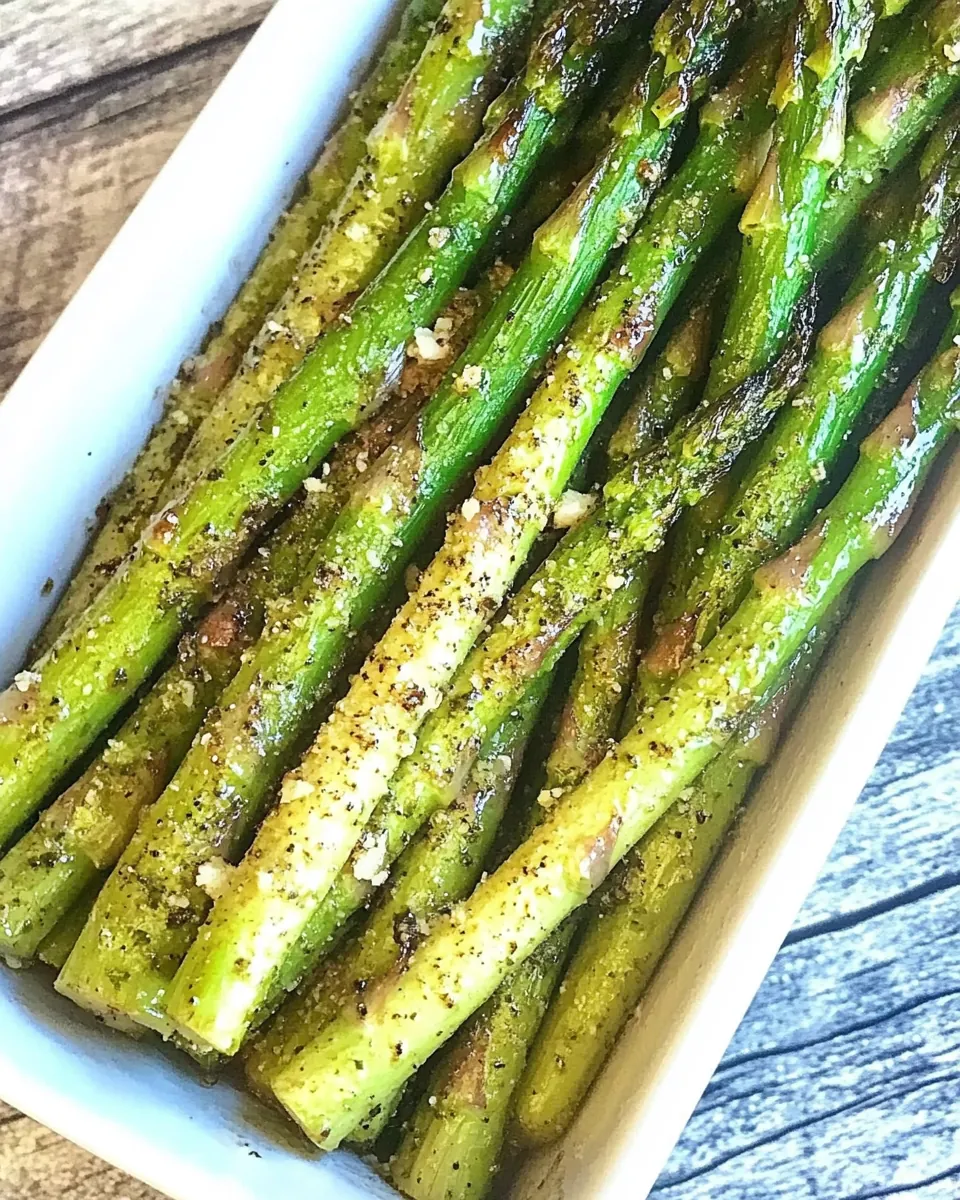
Garlic Roasted Asparagus
Garlic Roasted Asparagus is one of those simple victories I love to bring to the table when I want vegetables to shine without fuss.
The first time I made Garlic Roasted Asparagus for friends, it became the dish people kept asking about between bites. I remember snapping the woody ends with my hands while chatting, the fresh green stalks promising a bright roast. As the oven warmed, the kitchen filled with the faint vegetal sweetness that asparagus gives off when it hits heat, and the aroma of garlic infused into olive oil made everyone drift toward the counter. That evening taught me that excellent produce and a handful of pantry staples can outshine fussier preparations.
I like to think of Garlic Roasted Asparagus as proof that small choices matter. Choosing a single bundle of tender stalks, coating them with just enough olive oil, and seasoning with garlic salt and ground pepper results in a side that complements nearly any meal. It’s the kind of recipe I turn to when I want something fast, vibrant, and reliably delicious, whether I’m hosting a casual weeknight dinner or putting together a Holiday spread for close family. Over time I learned tiny tricks, like arranging a single layer for even roasting, that make the difference between soggy and perfectly crisp tender results. Those little adjustments are what keep me coming back to this dish.
Recipe Snapshot
15 mins
5 mins
10 mins
Medium
80 kcal
American
Paleo, Vegan
Side Dishes
Oven, Baking sheet, Parchment paper
The Magic of This Garlic Roasted Asparagus
Bright vegetal flavor that stands out
I love how Garlic Roasted Asparagus keeps the natural green taste of asparagus while adding roasted notes. The high oven heat caramelizes the tips slightly, giving a concentrated sweetness that pairs wonderfully with the savory touch of garlic.
Speed and simplicity
We can have this on the table in minutes. With just a quick snap of the ends, a drizzle of olive oil, and a sprinkle of garlic salt and ground pepper, you get an elegant side without complicated prep. It’s my go to when time is short but I want something fresh.
Versatile pairing
This recipe plays well with many mains. I often serve it alongside roasted proteins or grain bowls, and it never steals the spotlight, it enhances the meal. The texture contrasts nicely with creamy or starchy dishes.
Health forward, yet satisfying
Because the ingredients are minimal, the dish stays light and Keto friendly. I appreciate that Garlic Roasted Asparagus gives a satisfying mouthfeel without heavy sauces, making it a reliable option for balanced plates.
Low waste and approachable technique
I adore how forgiving the method is. Even if oven times vary, the single layer roast and gentle seasoning mean you can adapt easily. I’ve rescued slightly overdone stalks with a squeeze of citrus, but the core technique keeps results consistent.
Ingredients for Garlic Roasted Asparagus
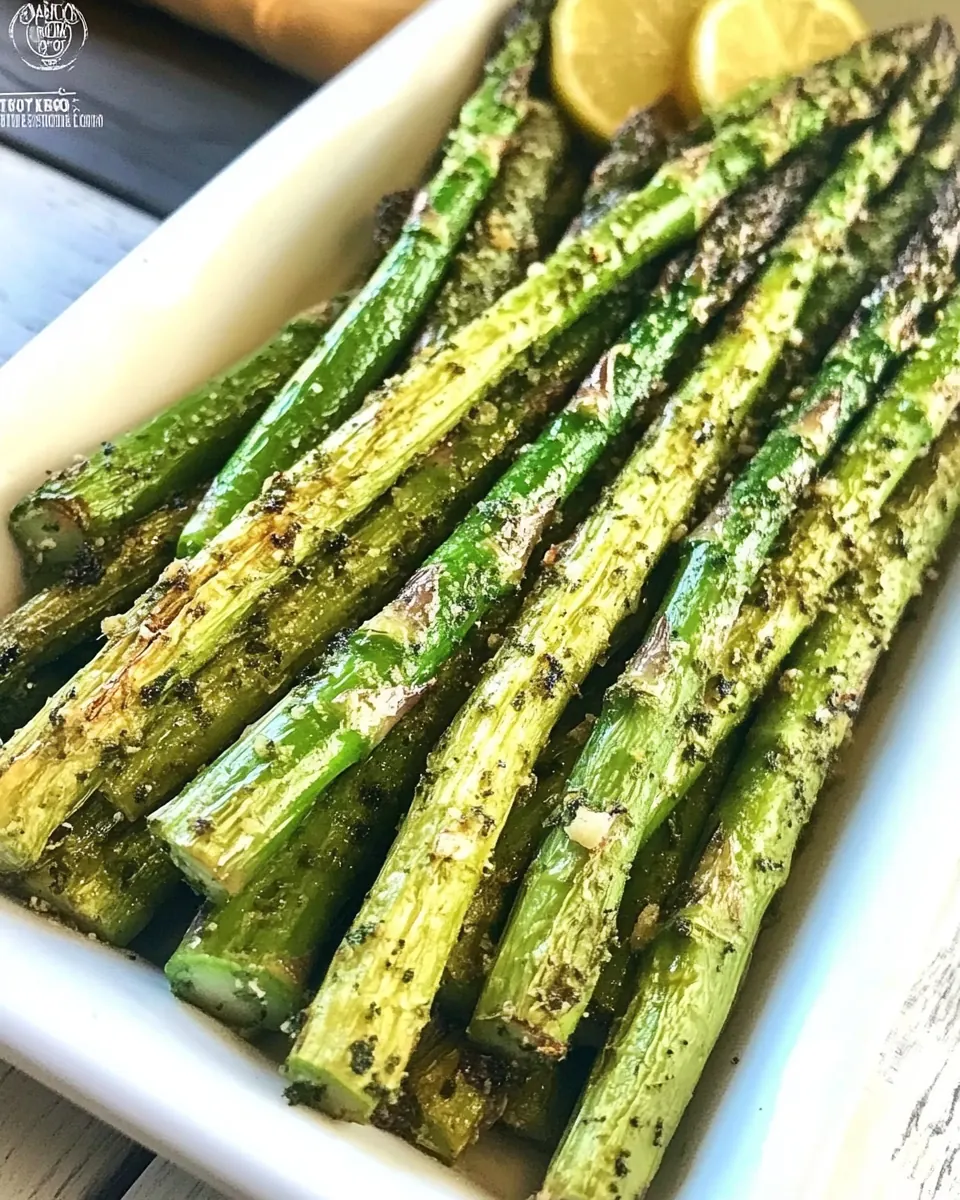
These ingredients are intentionally few, because the goal is to highlight the natural character of asparagus. Each item plays a clear role: the asparagus brings fresh vegetal texture, olive oil carries heat and flavor, garlic salt delivers savory depth, and ground pepper adds a final bright bite. Together they create a balanced, aromatic side that feels composed yet effortless.
- Fresh Asparagus one bundle: Trimmed and woody ends removed, provides vibrant stalks that roast to tender-crisp perfection; carries a fresh green flavor and pleasant snap when cooked, forming the base of the dish.
- Olive Oil approx 2 tablespoons: Rich and fruity oil used to coat the asparagus evenly; helps conduct heat during roasting and promotes browning while adding a smooth mouthfeel and subtle flavor enhancement.
- Garlic Salt to taste: Seasoning with a savory, slightly pungent profile that infuses the asparagus during roasting; contributes saltiness and a hint of garlic aroma to elevate overall taste.
- Ground Pepper to taste: Freshly ground spice that adds a mild heat and sharpness when sprinkled; balances the salt and oil while enhancing the dish's complexity and finish.
Cooking Method for Garlic Roasted Asparagus
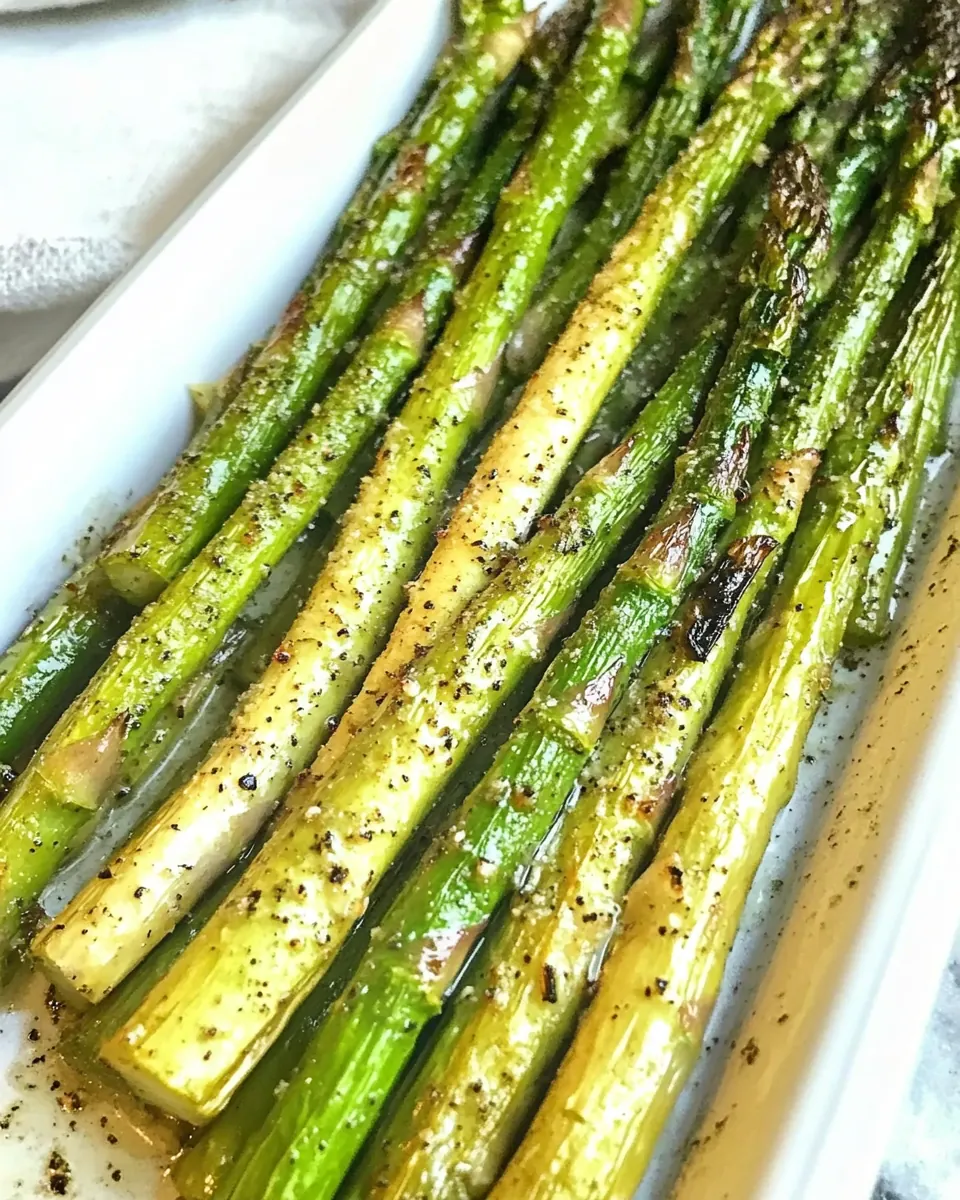
Roasting asparagus is a quick, rewarding technique that transforms crisp raw stalks into tender, slightly caramelized bites. Below I expand each direction with sensory cues, troubleshooting, and the why behind the action to help you roast like someone who does this regularly. Keep your oven preheated and your baking sheet roomy for even results.
- Preheat oven to 400 and line a baking sheet with parchment paper.: You will notice the oven air warming and the metal of the baking sheet becoming radiantly hot, which helps deliver immediate contact heat to the asparagus . Preheating to 400 ensures the oils shimmer and the tips begin to caramelize instead of merely steaming. Listen for a faint hum as the oven cycles, and expect the room to take on a subtle warmth. Why this matters, a properly preheated oven produces that quick sear that gives brown edges and keeps the interior tender. Troubleshooting tip, if your oven runs hot, check with an oven thermometer to avoid overbrowning. Common mistake to avoid, skipping the parchment can lead to sticking and uneven browning, plus more cleanup.
- (OPTIONAL) Remove the ends of the asparagus by breaking them off. Discard ends.: When you snap the ends, you hear a crisp break and feel the fibrous section separate, which tells you exactly where the tender part begins. This tactile test is better than guessing a trim length, it preserves more edible stalk while removing the woody portion. The why is simple, the woody ends are tough and unpleasant to bite into, so removing them improves texture across the dish. Troubleshooting, if your asparagus seems very thick and woody, consider peeling the lower third to avoid chewy results. Common mistake, trimming too much off wastes tender vegetable.
- Place asparagus on baking sheet. Drizzle olive oil over asparagus and use your fingers to coat the asparagus evenly. I find it’s easiest to use my hands.: As you drizzle the olive oil , it glistens across the stalks and imparts a glossy coating that helps heat transfer. Using your hands lets you feel for even coverage, ensuring no dry patches which would roast unevenly. Sensory cues include the faint fruity scent of the oil and the slick sheen on each stalk. The technique matters because uniform oil coverage promotes consistent browning and prevents burning. Troubleshooting, if you see puddles of oil, blot a bit with a paper towel to avoid greasy spots. Common mistake, tossing with too much oil results in limp asparagus rather than crisp tender.
- Spread the asparagus in a single layer on the baking sheet. The main thing here is to roast on a single layer or you’ll have some asparagus cooked more than others. So even if you double or triple the recipe, make sure you keep the asparagus in a single layer.: When arranged in a single layer, each stalk receives direct oven heat and air circulation, leading to even color and texture. Visually, you want space between stalks so edges brown rather than steam. The sound of the oven and the sight of the tips turning slightly darker are signals that things are progressing well. Why this technique matters, overlapping causes steaming and inconsistent doneness, which undermines the goal of crisp tender asparagus. Troubleshooting, if you must roast more, use multiple sheets and rotate them mid roast for uniformity. Common mistake, crowding the pan yields a soggy finish.
- Sprinkle with garlic salt and ground fresh pepper.: As you season, the aroma of garlic rises and the pepper releases a warm, floral scent. Seasoning before roast allows the flavors to mingle with the caramelizing edges, creating a cohesive profile. The salt helps draw moisture to the surface so the exterior becomes slightly crisp. Troubleshooting, taste a small piece after roasting and add more seasoning if needed, since salt intensity can vary. Common mistake, over seasoning before cooking can create an overly salty result, so adjust conservatively.
- Roast in oven for 10 minutes until asparagus is tender. I like the 10 minute mark, but you may want to cook up to 12 minutes.: Listen for a gentle sizzle as the oil hits the hot sheet and watch the tips begin to darken around the edges, that is your cue. The interior should be tender when pierced with a fork but still retain a slight snap, offering a satisfying contrast between soft center and slightly crisp exterior. This time window produces bright green stalks with browned tips, enhancing both flavor and texture. Troubleshooting, if your stalks are especially thick, add a couple of minutes and check frequently to prevent overcooking. Common mistake, leaving them in too long turns them mushy and dulls the green color.
- Remove from oven and serve.: Immediately you will notice the warm steam rising and the intensified roasted aroma that invites tasting. Serving right away preserves the ideal texture contrast, while letting them sit cools them and softens the exterior. The why here is to enjoy the peak of texture and flavor before carryover heat softens the asparagus. Troubleshooting, if you need to hold them briefly, place on a warm plate rather than a cold one to maintain temperature. Common mistake, leaving the asparagus on the hot sheet can continue cooking and lead to loss of crispness.
Tips and Tricks about Garlic Roasted Asparagus
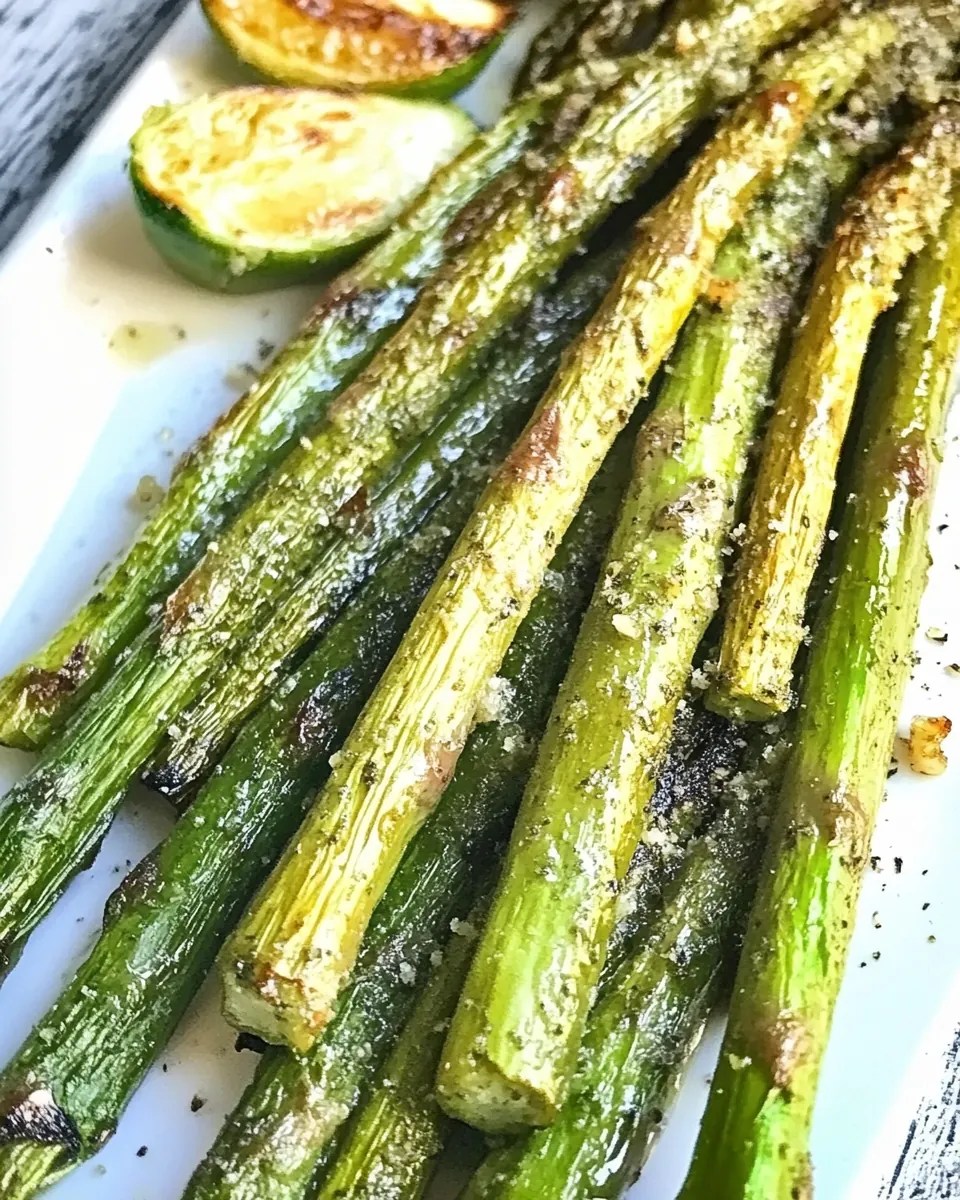
I like to keep tips practical and focused on small techniques that elevate the dish. Below are specific, kitchen tested notes that make a difference every time I roast asparagus.
- Choose stalks by thickness thicker stalks will stand up to slightly longer roasting and develop a meatier bite, while thin stalks become tender quickly and require less time in the oven.
- Snap don’t chop snapping the ends follows the natural break point of the stalk and avoids wasting edible vegetable, it also ensures you remove the tough woody base cleanly.
- Room for heat always give space between stalks on the baking sheet so they roast instead of steam, which keeps the exterior pleasantly crisp.
- Oil sparingly use just enough olive oil to coat each stalk, excess oil pools and leads to limp texture instead of that desirable slight char.
- Finish with fresh grind grind ground pepper at the last moment for the best aromatic impact and sprinkle additional garlic salt after tasting if needed.
What Complements This Garlic Roasted Asparagus
Garlic Roasted Asparagus pairs beautifully with many mains and occasions, from casual weeknights to festive family meals. Below I cover pairing ideas, serving styles, and storage tips so you can bring this side into real life with ease.
- Serve with roasted proteins pair the asparagus with simply roasted or grilled proteins to echo the caramelized notes and add a satisfying contrast in textures.
- Complement creamy sides a creamy mash or risotto provides a luscious counterpoint to the bright, crisp stalks, balancing the plate.
- Occasion ideas this works well for lunch, dinner, or special gatherings during spring when asparagus is at its peak, and it fits nicely into Ramadan if you want a light, elegant vegetable side.
- Storage tips cool completely, then refrigerate in an airtight container for up to three days, reheat briefly in a hot oven to restore some crispness.
- Seasonal pairings in spring enjoy asparagus with lemony accents and fresh herbs, while in cooler months it can be paired with heartier mains for a bright contrast.
FAQ
Conclusion
Garlic Roasted Asparagus stands out because it transforms a single bundle of fresh asparagus into a flavorful, crisp tender side with minimal effort. Try it when you want a fast, vegetable forward dish that complements many mains and showcases seasonal produce. I encourage you to give this recipe a go, experimenting with roast time based on stalk thickness and adjusting seasoning to your taste. It’s one of those small staples that reliably elevates weeknight dinners and special meals alike, and once you dial in your preferred texture, it will become a repeat favorite.
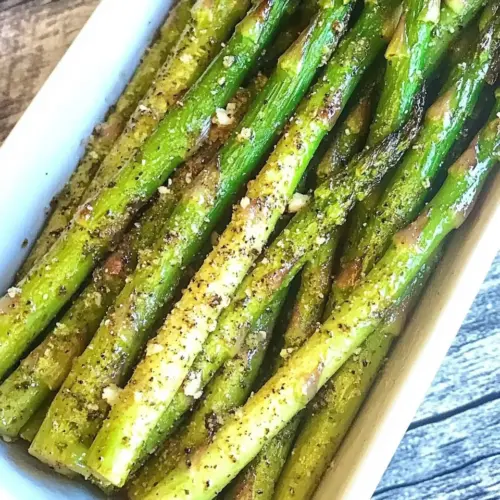
Garlic Roasted Asparagus
Equipment
- Oven
- Baking Sheet
- Parchment Paper
Ingredients
- Fresh Asparagus one bundle Trimmed and woody ends removed, provides vibrant stalks that roast to tender-crisp perfection; carries a fresh green flavor and pleasant snap when cooked, forming the base of the dish.
- Olive Oil approx 2 tablespoons Rich and fruity oil used to coat the asparagus evenly; helps conduct heat during roasting and promotes browning while adding a smooth mouthfeel and subtle flavor enhancement.
- Garlic Salt to taste Seasoning with a savory, slightly pungent profile that infuses the asparagus during roasting; contributes saltiness and a hint of garlic aroma to elevate overall taste.
- Ground Pepper to taste Freshly ground spice that adds a mild heat and sharpness when sprinkled; balances the salt and oil while enhancing the dish's complexity and finish.
Instructions
- Preheat oven to 400 and line a baking sheet with parchment paper.: You will notice the oven air warming and the metal of the baking sheet becoming radiantly hot, which helps deliver immediate contact heat to the asparagus . Preheating to 400 ensures the oils shimmer and the tips begin to caramelize instead of merely steaming. Listen for a faint hum as the oven cycles, and expect the room to take on a subtle warmth. Why this matters, a properly preheated oven produces that quick sear that gives brown edges and keeps the interior tender. Troubleshooting tip, if your oven runs hot, check with an oven thermometer to avoid overbrowning. Common mistake to avoid, skipping the parchment can lead to sticking and uneven browning, plus more cleanup.
- (OPTIONAL) Remove the ends of the asparagus by breaking them off. Discard ends.: When you snap the ends, you hear a crisp break and feel the fibrous section separate, which tells you exactly where the tender part begins. This tactile test is better than guessing a trim length, it preserves more edible stalk while removing the woody portion. The why is simple, the woody ends are tough and unpleasant to bite into, so removing them improves texture across the dish. Troubleshooting, if your asparagus seems very thick and woody, consider peeling the lower third to avoid chewy results. Common mistake, trimming too much off wastes tender vegetable.
- Place asparagus on baking sheet. Drizzle olive oil over asparagus and use your fingers to coat the asparagus evenly. I find it’s easiest to use my hands.: As you drizzle the olive oil , it glistens across the stalks and imparts a glossy coating that helps heat transfer. Using your hands lets you feel for even coverage, ensuring no dry patches which would roast unevenly. Sensory cues include the faint fruity scent of the oil and the slick sheen on each stalk. The technique matters because uniform oil coverage promotes consistent browning and prevents burning. Troubleshooting, if you see puddles of oil, blot a bit with a paper towel to avoid greasy spots. Common mistake, tossing with too much oil results in limp asparagus rather than crisp tender.
- Spread the asparagus in a single layer on the baking sheet. The main thing here is to roast on a single layer or you’ll have some asparagus cooked more than others. So even if you double or triple the recipe, make sure you keep the asparagus in a single layer.: When arranged in a single layer, each stalk receives direct oven heat and air circulation, leading to even color and texture. Visually, you want space between stalks so edges brown rather than steam. The sound of the oven and the sight of the tips turning slightly darker are signals that things are progressing well. Why this technique matters, overlapping causes steaming and inconsistent doneness, which undermines the goal of crisp tender asparagus. Troubleshooting, if you must roast more, use multiple sheets and rotate them mid roast for uniformity. Common mistake, crowding the pan yields a soggy finish.
- Sprinkle with garlic salt and ground fresh pepper.: As you season, the aroma of garlic rises and the pepper releases a warm, floral scent. Seasoning before roast allows the flavors to mingle with the caramelizing edges, creating a cohesive profile. The salt helps draw moisture to the surface so the exterior becomes slightly crisp. Troubleshooting, taste a small piece after roasting and add more seasoning if needed, since salt intensity can vary. Common mistake, over seasoning before cooking can create an overly salty result, so adjust conservatively.
- Roast in oven for 10 minutes until asparagus is tender. I like the 10 minute mark, but you may want to cook up to 12 minutes.: Listen for a gentle sizzle as the oil hits the hot sheet and watch the tips begin to darken around the edges, that is your cue. The interior should be tender when pierced with a fork but still retain a slight snap, offering a satisfying contrast between soft center and slightly crisp exterior. This time window produces bright green stalks with browned tips, enhancing both flavor and texture. Troubleshooting, if your stalks are especially thick, add a couple of minutes and check frequently to prevent overcooking. Common mistake, leaving them in too long turns them mushy and dulls the green color.
- Remove from oven and serve.: Immediately you will notice the warm steam rising and the intensified roasted aroma that invites tasting. Serving right away preserves the ideal texture contrast, while letting them sit cools them and softens the exterior. The why here is to enjoy the peak of texture and flavor before carryover heat softens the asparagus. Troubleshooting, if you need to hold them briefly, place on a warm plate rather than a cold one to maintain temperature. Common mistake, leaving the asparagus on the hot sheet can continue cooking and lead to loss of crispness.
Notes
- Choose stalks by thickness thicker stalks will stand up to slightly longer roasting and develop a meatier bite, while thin stalks become tender quickly and require less time in the oven.
- Snap don’t chop snapping the ends follows the natural break point of the stalk and avoids wasting edible vegetable, it also ensures you remove the tough woody base cleanly.
- Room for heat always give space between stalks on the baking sheet so they roast instead of steam, which keeps the exterior pleasantly crisp.
- Oil sparingly use just enough olive oil to coat each stalk, excess oil pools and leads to limp texture instead of that desirable slight char.
- Finish with fresh grind grind ground pepper at the last moment for the best aromatic impact and sprinkle additional garlic salt after tasting if needed.