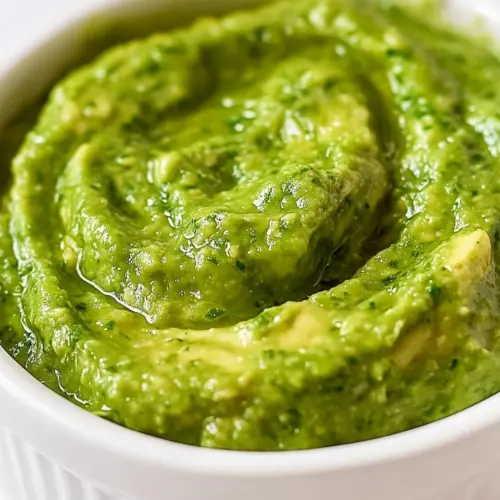
Avocado Dressing
Avocado Dressing is a creamy, herbaceous sauce that brightens salads and bowls with fresh basil, lemon, and toasted seeds. This easy, 5 minute recipe delivers silky texture and a nutty crunch, perfect for quick weeknight meals or meal prep. Make it to add vibrant flavor and healthy fats to your greens, it is simple to prepare and versatile to use.
Equipment
- Food Processor
Ingredients
- 1 ripe avocado, pitted Provide creamy texture and healthy fats while binding the dressing; mash or blend until smooth to create a luscious, silky base that coats salads and vegetables evenly.
- 1 cup fresh basil leaves, plus more for garnish Add bright, aromatic herbal flavor and freshness; lightly bruise or chop the leaves before blending to release essential oils and uplift the dressing's overall profile.
- 1/4 cup toasted pumpkin seeds, or pine nuts Contribute a nutty, toasty depth and subtle crunch when left whole or a smooth richness when blended; lightly toast if using pine nuts for enhanced aroma and flavor.
- 1 -2 cloves minced garlic Impart a sharp, pungent kick and savory depth; mince finely and adjust quantity to balance heat and garlicky intensity in the finished dressing.
- 1 1/2 tablespoons fresh lemon juice, or 1/2 lemon, juiced Deliver bright acidity and citrusy lift to balance richness; squeeze fresh juice and taste as you go to achieve desired tanginess without overpowering other flavors.
- 2 tbsp olive oil Provide a silky mouthfeel and help emulsify the dressing; drizzle in while blending to create a cohesive, glossy texture and fuller flavor integration.
- 1/2 tsp sea salt, plus more to taste Season and enhance overall flavor by balancing richness and acidity; start with the listed amount and adjust to taste to avoid over-salting.
- 1/4 tsp black pepper Add subtle heat and complexity while enhancing other flavors; grind or freshly mill for best aroma and fine-tune amount to suit palate.
Instructions
- Add the pitted avocado, basil leaves, pumpkin seeds, garlic, lemon juice, olive oil, salt, and pepper to the bowl of a food processor. Blend until creamy.: Close your eyes for a moment and notice the fresh, green aroma that rises as you assemble the avocado and basil . The texture at this stage should feel varied when you stir it with a spoon, with the creamy avocado contrasting the coarse seeds and minced garlic . Using a food processor is crucial because it shears the ingredients into a homogeneous emulsion, creating a silky mouthfeel. One common mistake is adding everything to a cold, underpowered blender and expecting an ultra smooth result, which can leave small gritty bits of seed or unblended herb. Make sure your pumpkin seeds are toasted and slightly cool so they blend cleanly without releasing any burnt notes.
- If desired, add water or more oil to thin the dressing or season to taste with more salt.: When you pulse and then run the processor, listen for the tone of the machine to settle into a steady, smooth hum, and watch for the mixture to transform from chunky pieces to a glossy, even paste. You should see a uniform pale green color, streaks disappearing, and the surface gliding smoothly when you stop the machine and tilt the bowl. This process matters because the mechanical action creates an emulsion between the olive oil and the water content in the avocado and lemon juice , which determines how well the dressing will cling to leaves. If you overblend at very high speed you might warm the dressing slightly and flatten volatile aromas, so pulse and check frequently. A frequent pitfall is not scraping down the sides, which leaves pockets of unblended basil or pumpkin seeds and makes the texture uneven; stop once or twice to scrape and ensure full incorporation.
- If desired, add water or more oil to thin the dressing or season to taste with more salt: After blending, the texture may be too thick for drizzling, so add a teaspoon of water or a touch more olive oil at a time until the dressing reaches a pourable consistency. Look for a ribboning flow when you lift the spoon, rather than a heavy dollop. The reason for adding liquid gradually is control, because small amounts drastically change mouthfeel. Taste carefully and adjust the salt and lemon juice as needed because dilution affects perceived seasoning. A common error is adding too much liquid too quickly, resulting in a runny dressing that lacks body; correct this by blending in another small avocado or a few tablespoons of toasted pumpkin seeds to restore thickness if necessary.
Notes
- Choose ripe but firm avocados for the best texture, they blend smoothly without becoming watery or discolored, which preserves both flavor and appearance.
- Toast seeds for depth by gently toasting the pumpkin seeds in a dry skillet until aromatic, then cooling them, this step adds a warm, nutty layer that deepens the dressing.
- Control thinness carefully by adding water or extra olive oil one teaspoon at a time, small amounts dramatically change pourability and mouthfeel so go slowly.
- Save some basil for garnish to brighten the presentation, scatter a few chopped leaves over finished salads so the herbal aroma is immediate when you serve.
- Use a food processor for smoothness because it creates the right emulsion and texture, scraping the bowl once ensures everything is fully incorporated.