
Crock Pot Hamburger Soup
Crock Pot Hamburger Soup has been my go to when the calendar fills up and the family needs something warm, filling, and fuss free.
I remember the first time I made Crock Pot Hamburger Soup on a snowy evening, juggling homework help and a ringing phone while the house smelled like a cozy diner. That night taught me how comforting a one pot meal can be, how the simple act of letting flavors slow meld can feel like a small kindness to everyone at the table. Over the years I learned little habits that improve the texture and depth, like briefly browning the ground beef with onion to get those caramelized notes that cut through the broth. The kids called it the bowl that warms from the inside out, and I started doubling it for leftovers that reheat beautifully.
What I love most about Crock Pot Hamburger Soup is how approachable it is. You can be a weeknight warrior or a relaxed weekend cooker and still end up with a bowl that tastes thoughtfully prepared. The mix of starchy potatoes, sweet carrots, and tender green beans creates a satisfying bite while the beef broth and tomato sauce pull everything together into something savory and homey. I often tuck in a handful of kale at the end for color and a fresh note, though it is optional and still delicious without it. Over time this soup has become a family benchmark, the recipe that signals comfort food is on the way and conversation will slow as spoons hit bowls.
Recipe Snapshot
6 hr 40 mins
25 mins
375 mins
Hard
350 kcal
American
Gluten-Free, Paleo
Soups
Slow Cooker (Crock Pot)
Why You’ll Love This Crock Pot Hamburger Soup
Hearty and Nourishing
I adore how Crock Pot Hamburger Soup fills you up without feeling heavy. The combination of ground beef, potatoes, and carrots gives you protein and belly warming carbs in every spoonful, which is exactly what I want on cold nights. When I serve it, people dig in and linger, and that comfort factor is a big reason I keep this recipe in regular rotation.
Hands Off, Big Payoff
One of the biggest draws for me is the slow cooker method. You do a little prep, set it, and let time do the rich work. I love walking away knowing dinner will be ready when we come back through the door, and the low, steady simmer builds depth without babysitting a pot on the stove.
Flexible and Family Friendly
This recipe adapts to what you have on hand. I often swap the vegetables based on what is in the fridge, and the soup still delivers. The optional kale is my trick for sneaking in greens without a fight, and the texture stays pleasant whether you use fresh or frozen vegetables.
Textures that Comfort
I enjoy the contrast between the fork tender potatoes and the slightly crisped vegetables, with the broken apart ground beef providing bite. The broth becomes lightly thickened from the potatoes and juices, giving each spoonful a satisfying mouthfeel that tastes like a warm hug.
Minimal Ingredients, Maximum Flavor
What surprises people is how few components are needed for big flavor. Basic pantry seasonings like garlic powder and Italian seasoning plus quality beef broth and a can of tomato sauce go a long way. I keep it simple, and that makes this recipe approachable and reliably good every time.
Main Ingredients for Crock Pot Hamburger Soup
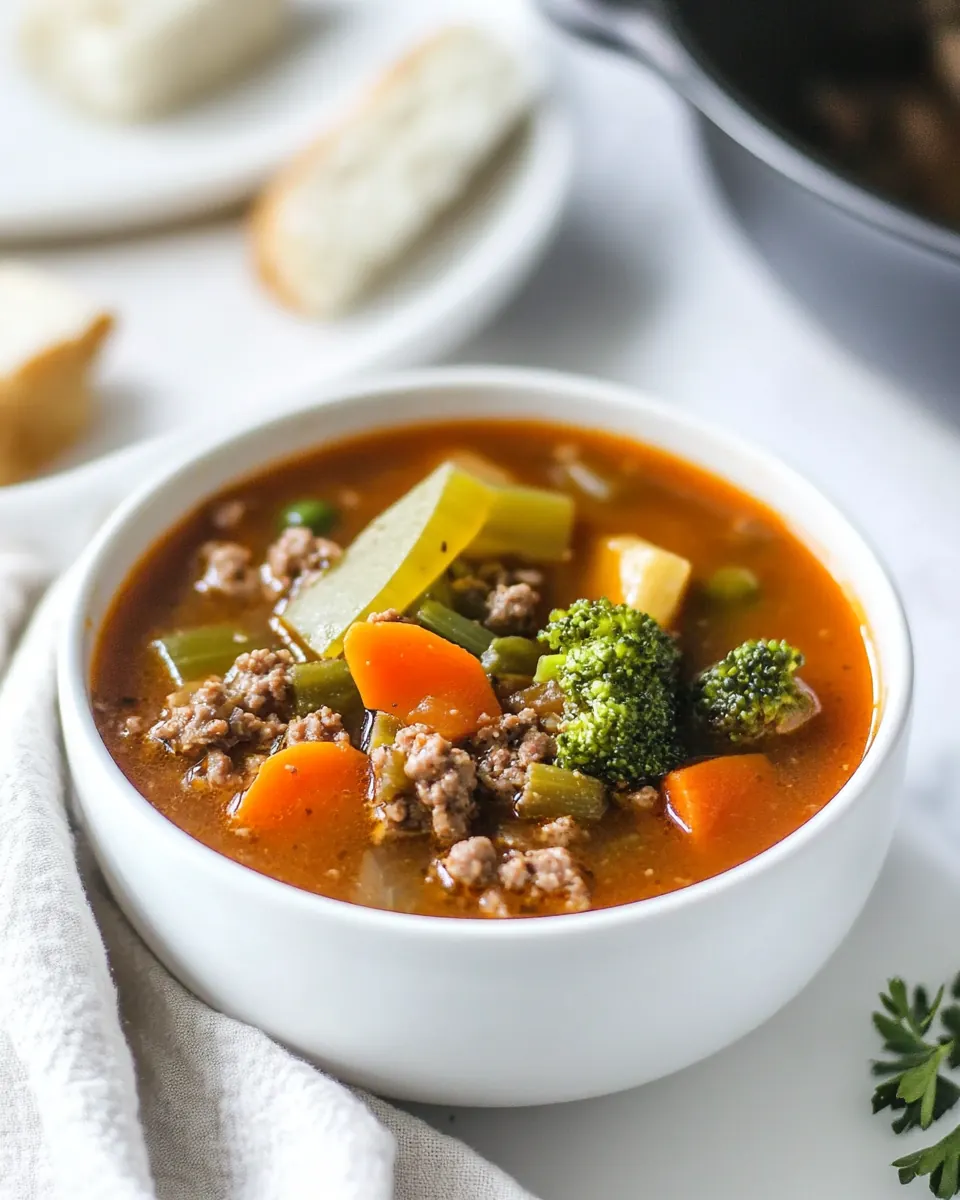
These ingredients are chosen to create a balanced, cozy soup that layers savory and vegetal notes. The ground beef and beef broth form the savory backbone, while starchy potatoes and sweet carrots add comforting body. Bright vegetables like green beans and optional kale lift the bowl, giving color and texture. Each item plays a role, from fat for flavor to aromatics for depth.
- 1 tablespoon butter: Melted and fragrant, adds a rich, creamy foundation to sauté aromatics and brown meat; contributes subtle sweetness and helps carry flavors throughout the soup.
- 1 tablespoon olive oil: Used to provide a high-heat cooking fat for browning beef and softening vegetables; lends a light fruity note and helps prevent sticking in the pot.
- 1 small onion diced: Diced small to release natural sugars and build savory depth; softens during cooking and forms part of the aromatic base that complements the beef.
- 1 pound ground beef: Browned to create savory richness and umami, providing the primary protein and meaty texture for the soup; renders fat that enhances overall flavor.
- 2 medium potatoes peeled and chopped into 1-inch pieces: Peeled and chopped into 1-inch pieces for hearty body and comforting starch; absorbs broth flavors while adding creaminess and substance to each spoonful.
- 2 large carrots peeled and chopped into 1-inch pieces: Peeled and cut into 1-inch pieces to contribute natural sweetness and texture; softens with simmering and balances the savory beef and broth.
- 1 large rib celery diced: Diced to add crisp vegetal notes and aromatic depth; softens during cooking and lends a mild celery flavor that brightens the soup.
- 1 large bell pepper any color, diced: Diced to provide color, sweetness, and a slightly fruity bite; holds up during simmering and offers a pleasant contrast to root vegetables.
- 1 cup green beans chopped – fresh, canned or frozen: Chopped and included for tender-crisp vegetable texture and fresh green flavor; can be used fresh, canned, or frozen to suit convenience and seasonality.
- 4 cups beef broth or beef stock: Poured in as the liquid base to supply savory backbone and depth; infuses the ingredients with beefy flavor and creates the soup's broth.
- 1 cup tomato sauce 8 oz can: Added for tangy tomato flavor and thickness; contributes acidity and body that balances the richness of the meat and broth.
- 2 whole bay leaves dried: Placed whole to impart a subtle herbal, slightly floral aroma during simmering and removed before serving; helps layer in gentle background seasoning.
- 1 1/2 teaspoons garlic powder: Sprinkled for concentrated garlic flavor without moisture; provides consistent savory garlicky notes throughout the soup and simplifies seasoning.
- 1/2 teaspoon Italian seasoning: Used to introduce a blend of Mediterranean herbs for an earthy, aromatic touch; enhances the overall herbal profile without overpowering other flavors.
- salt to taste: Added to adjust and enhance overall taste to personal preference; helps bring out flavors and balance seasoning throughout the finished soup.
- black pepper to taste: Cracked over to add sharpness and a warm, slightly spicy finish; brightens flavors and can be adjusted to taste for mild or pronounced heat.
- 1 cup kale fresh, chopped () (optional): Chopped and stirred in optionally for leafy green nutrition and texture; wilts into the hot broth to add color, vitamins, and a gentle bitterness that complements the soup.
Crock Pot Hamburger Soup Instructions
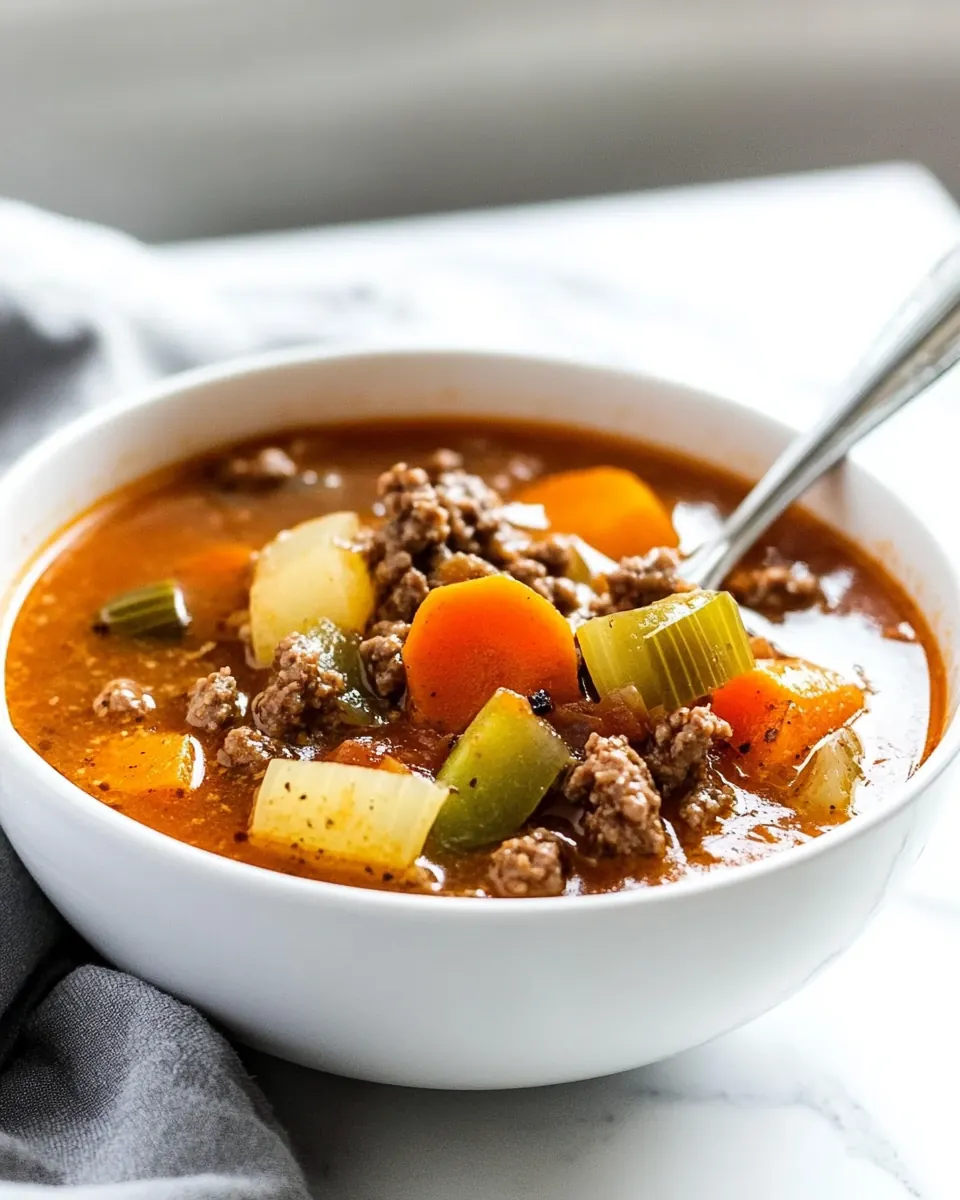
I like to take a moment before assembling the ingredients, because that small ritual makes the slow cooker process feel intentional and relaxed. This introduction explains why each phase matters and how to pace yourself so the final bowl is balanced and satisfying.
- In a large skillet, over medium-high heat, add butter and olive oil.: The skillet will give you a fragrant sizzle as the butter melts and the olive oil warms, releasing a soft, nutty aroma. This fat combination protects the oils from burning and gives the upcoming onion and ground beef something to glide in. You should hear a gentle hiss that signals the pan is ready, and the surface will shimmer slightly as the oils reach temperature. Paying attention here matters because an evenly heated fat layer promotes uniform browning of the meat, which in turn creates flavorful browned bits. A common mistake is rushing this step on too high heat, which scorches the butter and produces bitter notes. If the fat smokes, lower the heat and start again to preserve a clean, sweet base for the soup.
- Add diced onion and saute for 2-3 minutes.: Once the onion hits the pan you should smell its sweet edge as it begins to turn translucent, and the sound will soften to a gentle whisper. Properly softened onions add a sweet, mellow backbone to the broth, and you should see them take on a faint golden edge at the corners. This brief sauté is important because raw onion can be sharp and intrusive in a slow cooked dish. A typical error is undercooking, leaving the onion with a raw bite; if that happens, continue to cook until the pieces are translucent and slightly glossy. Stir occasionally so no pieces stick or brown unevenly, and scrape up any fond developing on the pan to fold into the pot later.
- Add ground beef, breaking it apart into large chunks as it browns.: When you add the ground beef , the pan will return to an assertive sizzle and you will see juices release. Break the meat into larger chunks at first so it sears and develops caramelized edges, which give the broth richer meatiness. The visual cue to watch for is a deepening of color on the exposed surfaces and a reduction of pink as it cooks through. This technique matters because browned meat creates fond and concentrated flavor that transforms the soup, rather than producing a flat, boiled beef taste. A common pitfall is stirring constantly to make tiny crumbles; that can prevent proper browning and leave the texture mushy. Let the meat sit briefly between turns to allow a brown crust to form.
- Once onions are soft and meat has browned, add to a cold Crock Pot.: You will notice the skillet is streaked with browned bits and a glossy meat fond, which is precisely what you want to capture in the slow cooker. Transferring the contents to the cold Crock Pot lets the accumulated fond come along, infusing the broth with depth as it slowly dissolves. The sound difference is obvious, from the hot pan sizzle to the quiet thud of ingredients settling into the cooker. This step matters because starting with those browned components gives your soup an underlying roasted flavor that a straight raw start cannot match. A mistake here can be leaving too much fond stuck to the pan; use a splash of broth to deglaze and pour those flavors into the Crock Pot.
- Add in celery, bell pepper, carrots, green beans, potatoes, carrots, beef broth, tomato sauce, bay leaves, garlic powder, Italian seasoning, salt and black pepper.: As you add each vegetable and liquid, the pot will begin to look like a hearty mosaic of colors, and the broth will start to tint a warm tomato hue. The combination of hearty potatoes , sweet carrots , and the aromatics builds complexity, while the beef broth and tomato sauce meld it all into a savory, slightly tangy bathing liquid. The bay leaves will infuse a subtle herbal note as the pot simmers. This stage is crucial because proper layering of ingredients ensures the starches and vegetables release their flavors gradually, keeping the texture balanced. A typical mistake is overfilling the cooker, which can prevent even heat circulation; maintain the recommended fill level for your Crock Pot to avoid uneven cooking.
- Set your Crock Pot to low for 6-8 hours or high for 4-5 hours.: As the cooker comes to life you will notice a steady, low bubbling on low and a more lively simmer on high. Slow cooking allows connective flavors to marry and vegetables to soften into a unified, spoonable consistency. I prefer the low setting because it deepens flavor and prevents over softening, but high works when time is limited. The reason this matters is that gentle heat breaks down starch without turning everything to mush, preserving pleasant textures like slightly tender potatoes and intact carrots . A common error is lifting the lid frequently to peek, which releases heat and prolongs cooking time, so avoid unnecessary checks.
- In the last hour, add the kale (if desired).: When you stir in the optional kale during the final hour you will see it wilt into bright green ribbons, and the soup gains a fresh, earthy lift that cuts the meat richness. Adding it late preserves some texture and color so the greens do not turn to an indistinguishable mush. This timing matters because hearty greens can become bitter and overly soft if cooked too long. The common mistake is adding delicate greens at the start, which results in loss of vibrancy and a less appealing mouthfeel.
- Taste for seasoning and add more salt and black pepper if needed. Remove and discard bay leaves. Ladle into bowls and serve.: As you taste the finished pot you should notice a layered savory broth with sweet vegetable notes and a faint herbal background from the bay leaves. Adjusting salt and pepper at the end lets you fine tune balance without overshooting, since flavors concentrate during cooking. Removing the bay leaves prevents accidental, unpleasant bites. Serve while hot, and watch the steam carry the aroma to the table. A typical error is adding too much salt early, which becomes intensified over the long cook, so always reseason at the finish rather than mid simmer.
Tips for Success
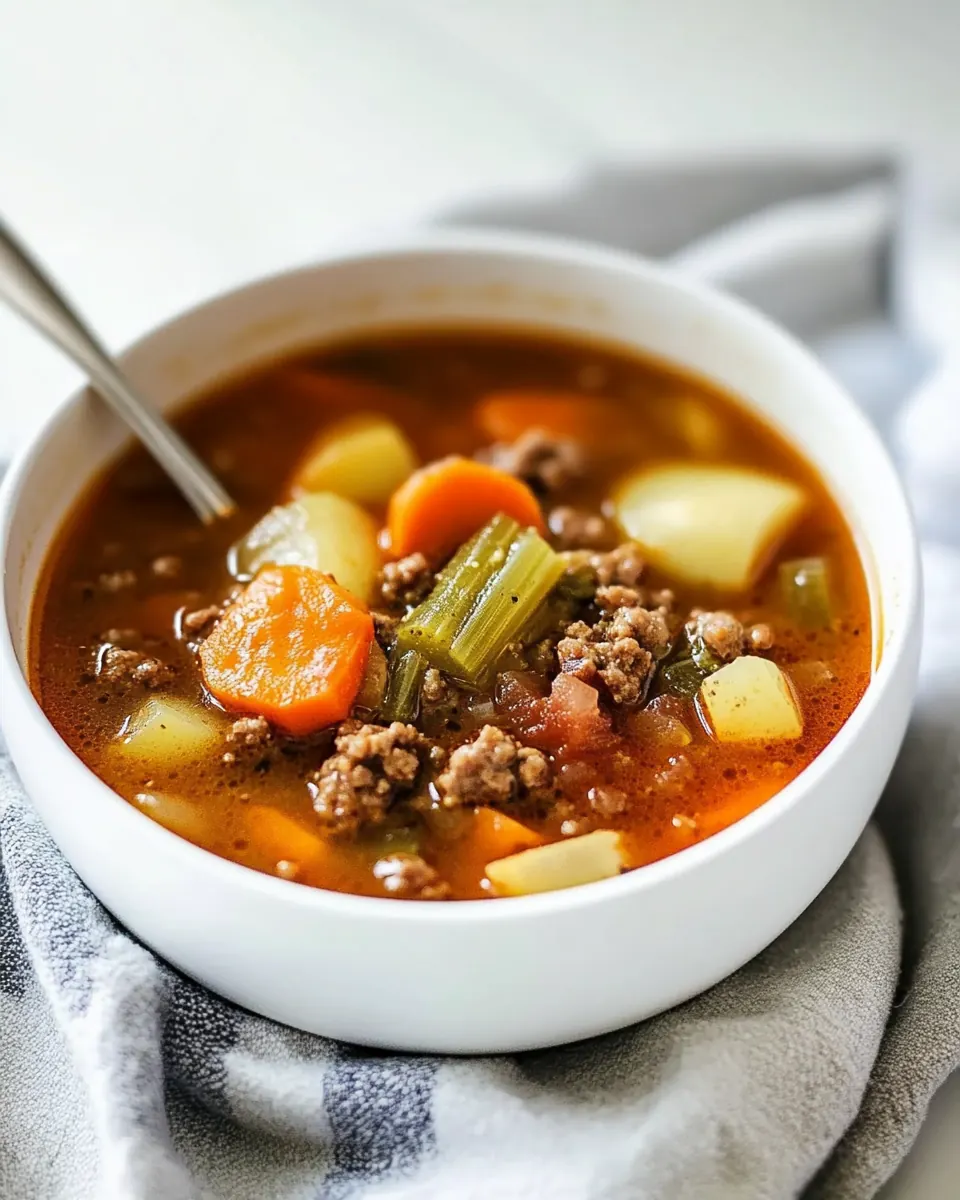
I like to keep a short list of practical reminders when making Crock Pot Hamburger Soup, because those small choices influence texture and flavor in big ways. Below are tried and true tips that I use every time.
- Brown meat properly — Give the ground beef time to develop color for richer flavor, and deglaze the pan to capture browned bits.
- Mind vegetable sizes — Chop potatoes and carrots into similar one inch pieces to ensure even cooking throughout the long simmer.
- Use good broth — A quality beef broth makes a noticeable difference, as it carries and amplifies the other flavors in the pot.
- Season gradually — Add salt in stages, tasting near the end to avoid oversalting from concentrated liquids.
- Add greens late — Stir in the optional kale during the last hour to keep it bright and slightly tender rather than limp.
Perfect Matches for Crock Pot Hamburger Soup
This soup pairs well with simple sides and casual occasions, making it ideal for weeknight dinners and cozy gatherings. Below I list thoughtful serving ideas and practical storage notes so you can plan the whole meal.
- Crusty bread or rolls — A warm, crusty loaf is perfect for sopping up the savory broth and makes each bowl feel more substantial.
- Simple green salad — A light salad balances the hearty soup and adds a crisp, fresh element to the meal.
- Weeknight dinners and casual gatherings — This recipe is designed for easy weeknight service or informal get togethers where comfort matters most.
- Ramadan iftar suitability — The soup offers a nourishing, hydrating option to break fast with warm liquids and easy to digest ingredients.
- Storage tips — Refrigerate leftovers for up to four days, and they reheat well on the stove; the flavors often deepen overnight.
- Freezing advice — Freeze portions for up to three months in airtight containers and thaw overnight in the fridge before reheating gently.
FAQ
Conclusion
Crock Pot Hamburger Soup stands out for its easy assembly, deep savory flavor, and comforting, family friendly texture. It brings together browned ground beef, hearty vegetables, and a rich broth into a bowl that feels both nourishing and unfussy. Give it a try on a busy evening and you will likely find it becomes one of your dependable weeknight dinners. Serve it with crusty bread, and enjoy how the aromas and simple ingredients create a bowl that gathers people and slows the day down for a few peaceful moments.

Crock Pot Hamburger Soup
Equipment
- Slow Cooker (Crock Pot)
Ingredients
- 1 tablespoon butter Melted and fragrant, adds a rich, creamy foundation to sauté aromatics and brown meat; contributes subtle sweetness and helps carry flavors throughout the soup.
- 1 tablespoon olive oil Used to provide a high-heat cooking fat for browning beef and softening vegetables; lends a light fruity note and helps prevent sticking in the pot.
- 1 small onion diced Diced small to release natural sugars and build savory depth; softens during cooking and forms part of the aromatic base that complements the beef.
- 1 pound ground beef Browned to create savory richness and umami, providing the primary protein and meaty texture for the soup; renders fat that enhances overall flavor.
- 2 medium potatoes peeled and chopped into 1-inch pieces Peeled and chopped into 1-inch pieces for hearty body and comforting starch; absorbs broth flavors while adding creaminess and substance to each spoonful.
- 2 large carrots peeled and chopped into 1-inch pieces Peeled and cut into 1-inch pieces to contribute natural sweetness and texture; softens with simmering and balances the savory beef and broth.
- 1 large rib celery diced Diced to add crisp vegetal notes and aromatic depth; softens during cooking and lends a mild celery flavor that brightens the soup.
- 1 large bell pepper any color, diced Diced to provide color, sweetness, and a slightly fruity bite; holds up during simmering and offers a pleasant contrast to root vegetables.
- 1 cup green beans chopped – fresh, canned or frozen Chopped and included for tender-crisp vegetable texture and fresh green flavor; can be used fresh, canned, or frozen to suit convenience and seasonality.
- 4 cups beef broth or beef stock Poured in as the liquid base to supply savory backbone and depth; infuses the ingredients with beefy flavor and creates the soup's broth.
- 1 cup tomato sauce 8 oz can Added for tangy tomato flavor and thickness; contributes acidity and body that balances the richness of the meat and broth.
- 2 whole bay leaves dried Placed whole to impart a subtle herbal, slightly floral aroma during simmering and removed before serving; helps layer in gentle background seasoning.
- 1 1/2 teaspoons garlic powder Sprinkled for concentrated garlic flavor without moisture; provides consistent savory garlicky notes throughout the soup and simplifies seasoning.
- 1/2 teaspoon Italian seasoning Used to introduce a blend of Mediterranean herbs for an earthy, aromatic touch; enhances the overall herbal profile without overpowering other flavors.
- salt to taste Added to adjust and enhance overall taste to personal preference; helps bring out flavors and balance seasoning throughout the finished soup.
- black pepper to taste Cracked over to add sharpness and a warm, slightly spicy finish; brightens flavors and can be adjusted to taste for mild or pronounced heat.
- 1 cup kale fresh, chopped (optional) Chopped and stirred in optionally for leafy green nutrition and texture; wilts into the hot broth to add color, vitamins, and a gentle bitterness that complements the soup.
Instructions
- In a large skillet, over medium-high heat, add butter and olive oil.: The skillet will give you a fragrant sizzle as the butter melts and the olive oil warms, releasing a soft, nutty aroma. This fat combination protects the oils from burning and gives the upcoming onion and ground beef something to glide in. You should hear a gentle hiss that signals the pan is ready, and the surface will shimmer slightly as the oils reach temperature. Paying attention here matters because an evenly heated fat layer promotes uniform browning of the meat, which in turn creates flavorful browned bits. A common mistake is rushing this step on too high heat, which scorches the butter and produces bitter notes. If the fat smokes, lower the heat and start again to preserve a clean, sweet base for the soup.
- Add diced onion and saute for 2-3 minutes.: Once the onion hits the pan you should smell its sweet edge as it begins to turn translucent, and the sound will soften to a gentle whisper. Properly softened onions add a sweet, mellow backbone to the broth, and you should see them take on a faint golden edge at the corners. This brief sauté is important because raw onion can be sharp and intrusive in a slow cooked dish. A typical error is undercooking, leaving the onion with a raw bite; if that happens, continue to cook until the pieces are translucent and slightly glossy. Stir occasionally so no pieces stick or brown unevenly, and scrape up any fond developing on the pan to fold into the pot later.
- Add ground beef, breaking it apart into large chunks as it browns.: When you add the ground beef , the pan will return to an assertive sizzle and you will see juices release. Break the meat into larger chunks at first so it sears and develops caramelized edges, which give the broth richer meatiness. The visual cue to watch for is a deepening of color on the exposed surfaces and a reduction of pink as it cooks through. This technique matters because browned meat creates fond and concentrated flavor that transforms the soup, rather than producing a flat, boiled beef taste. A common pitfall is stirring constantly to make tiny crumbles; that can prevent proper browning and leave the texture mushy. Let the meat sit briefly between turns to allow a brown crust to form.
- Once onions are soft and meat has browned, add to a cold Crock Pot.: You will notice the skillet is streaked with browned bits and a glossy meat fond, which is precisely what you want to capture in the slow cooker. Transferring the contents to the cold Crock Pot lets the accumulated fond come along, infusing the broth with depth as it slowly dissolves. The sound difference is obvious, from the hot pan sizzle to the quiet thud of ingredients settling into the cooker. This step matters because starting with those browned components gives your soup an underlying roasted flavor that a straight raw start cannot match. A mistake here can be leaving too much fond stuck to the pan; use a splash of broth to deglaze and pour those flavors into the Crock Pot.
- Add in celery, bell pepper, carrots, green beans, potatoes, carrots, beef broth, tomato sauce, bay leaves, garlic powder, Italian seasoning, salt and black pepper.: As you add each vegetable and liquid, the pot will begin to look like a hearty mosaic of colors, and the broth will start to tint a warm tomato hue. The combination of hearty potatoes , sweet carrots , and the aromatics builds complexity, while the beef broth and tomato sauce meld it all into a savory, slightly tangy bathing liquid. The bay leaves will infuse a subtle herbal note as the pot simmers. This stage is crucial because proper layering of ingredients ensures the starches and vegetables release their flavors gradually, keeping the texture balanced. A typical mistake is overfilling the cooker, which can prevent even heat circulation; maintain the recommended fill level for your Crock Pot to avoid uneven cooking.
- Set your Crock Pot to low for 6-8 hours or high for 4-5 hours.: As the cooker comes to life you will notice a steady, low bubbling on low and a more lively simmer on high. Slow cooking allows connective flavors to marry and vegetables to soften into a unified, spoonable consistency. I prefer the low setting because it deepens flavor and prevents over softening, but high works when time is limited. The reason this matters is that gentle heat breaks down starch without turning everything to mush, preserving pleasant textures like slightly tender potatoes and intact carrots . A common error is lifting the lid frequently to peek, which releases heat and prolongs cooking time, so avoid unnecessary checks.
- In the last hour, add the kale (if desired).: When you stir in the optional kale during the final hour you will see it wilt into bright green ribbons, and the soup gains a fresh, earthy lift that cuts the meat richness. Adding it late preserves some texture and color so the greens do not turn to an indistinguishable mush. This timing matters because hearty greens can become bitter and overly soft if cooked too long. The common mistake is adding delicate greens at the start, which results in loss of vibrancy and a less appealing mouthfeel.
- Taste for seasoning and add more salt and black pepper if needed. Remove and discard bay leaves. Ladle into bowls and serve.: As you taste the finished pot you should notice a layered savory broth with sweet vegetable notes and a faint herbal background from the bay leaves. Adjusting salt and pepper at the end lets you fine tune balance without overshooting, since flavors concentrate during cooking. Removing the bay leaves prevents accidental, unpleasant bites. Serve while hot, and watch the steam carry the aroma to the table. A typical error is adding too much salt early, which becomes intensified over the long cook, so always reseason at the finish rather than mid simmer.
Notes
- Brown meat properly — Give the ground beef time to develop color for richer flavor, and deglaze the pan to capture browned bits.
- Mind vegetable sizes — Chop potatoes and carrots into similar one inch pieces to ensure even cooking throughout the long simmer.
- Use good broth — A quality beef broth makes a noticeable difference, as it carries and amplifies the other flavors in the pot.
- Season gradually — Add salt in stages, tasting near the end to avoid oversalting from concentrated liquids.
- Add greens late — Stir in the optional kale during the last hour to keep it bright and slightly tender rather than limp.
