Easy Cracker Barrel Country Fried Steak
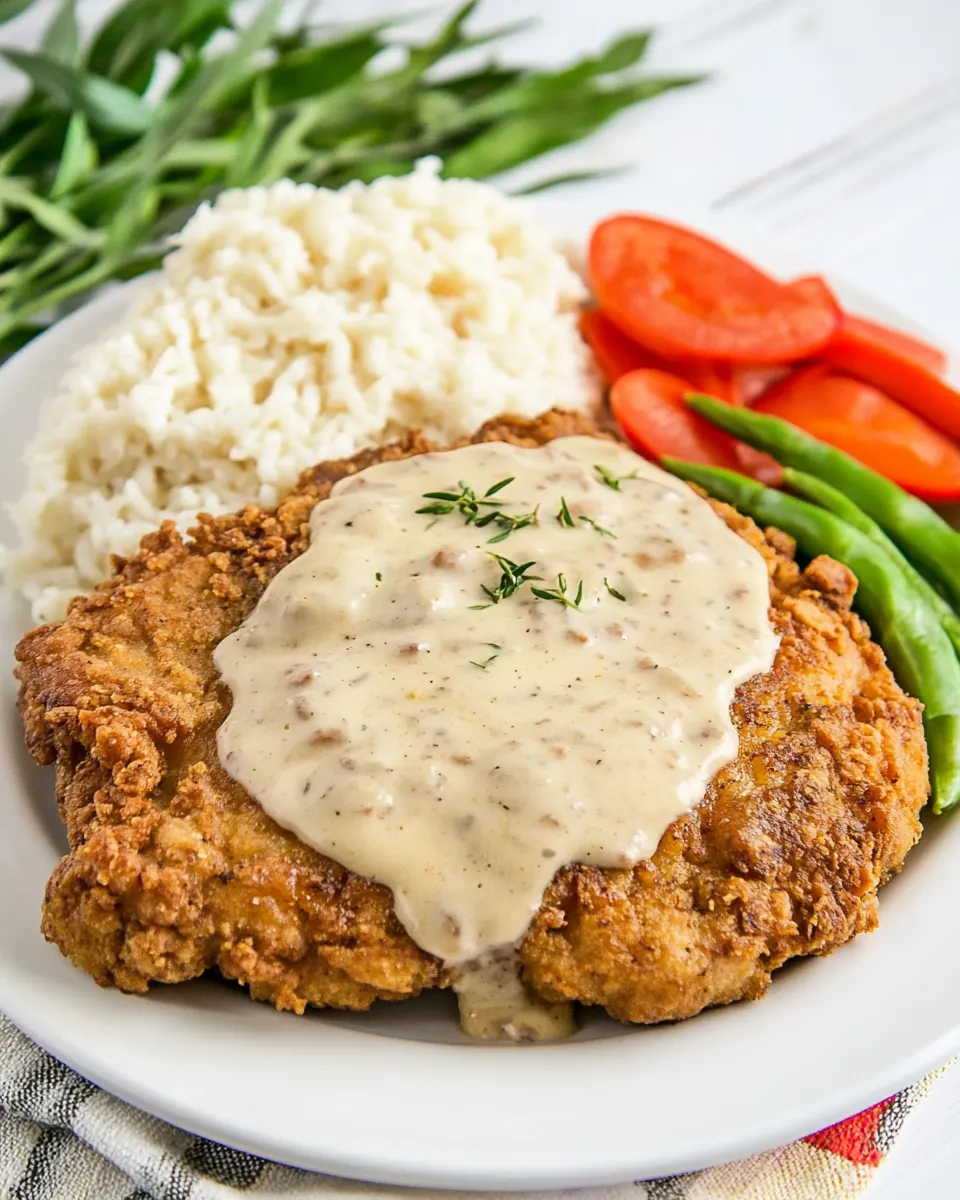
Easy Cracker Barrel Country Fried Steak is one of those dishes I reach for when I want a comforting, hands on meal that feels like a warm kitchen hug. The first time I made this I was chasing the memories of a diner plate, the crisp exterior giving way to tender meat, and the scent of frying oil filling the house. It became an instant favorite with friends who declared it a Sunday classic at my table.
Over the years I have tweaked small things to preserve that diner authenticity while making the process approachable. I love how the combination of a simple flour dredge and a buttermilk soak creates a crust that crackles when you cut into it, while the inside stays juicy. When I serve Easy Cracker Barrel Country Fried Steak I notice people slow down, savoring the contrast between the golden crust and the soft steak beneath.
What draws me back to this recipe is how honest it is. There are no fancy tricks, just technique and timing. I often tell guests that the secret is patience during the brief rest after breading, and a steady oil temperature that rewards you with even browning. This is the kind of recipe that builds confidence; every successful batch teaches you more about heat, texture, and rhythm in the kitchen.
Recipe Snapshot
30 mins
15 mins
15 mins
Medium
450 kcal
American
Gluten-Free, Low FODMAP
Dinner
Deep fryer or large pot, Thermometer, Wire rack, Baking sheet, Shallow dishes
What Makes This Easy Cracker Barrel Country Fried Steak Special
Classic Comfort
I adore Easy Cracker Barrel Country Fried Steak because it channels that downhome, diner feel with modest effort. The crunchy crust and tender steak deliver a nostalgic bite that makes weeknights feel special. There is something sincere about frying to transform simple ingredients into a hearty entrée.
Straightforward Technique
We only rely on basic methods here, so you can focus on rhythm and senses. The dredge, soak, and re-dredge routine creates a resilient crust that holds up during frying. I like teaching this method to friends because it builds a clear sense of cause and effect in cooking.
Textures That Sing
The contrast between the crisp exterior and the soft interior is the star. When you bite into Easy Cracker Barrel Country Fried Steak you get crackle, chew, and juiciness all at once. I’m drawn to recipes that layer textures, and this one delivers each time.
Minimal Ingredients, Maximum Impact
This recipe trusts a few well chosen elements to do the heavy lifting. The flour, cracker crumbs, and seasonings form a bold coating, while the buttermilk tenderizes the meat subtly. I appreciate how few components yield such satisfying results, especially when feeding a small group.
Friendly for Home Cooks
You don’t need specialized gear or exotic pantry items to succeed. With attention to oil temperature and a little patience, even new cooks can nail it. I love seeing someone surprised by how simple techniques produce a plateworthy outcome.
Easy Cracker Barrel Country Fried Steak Ingredients
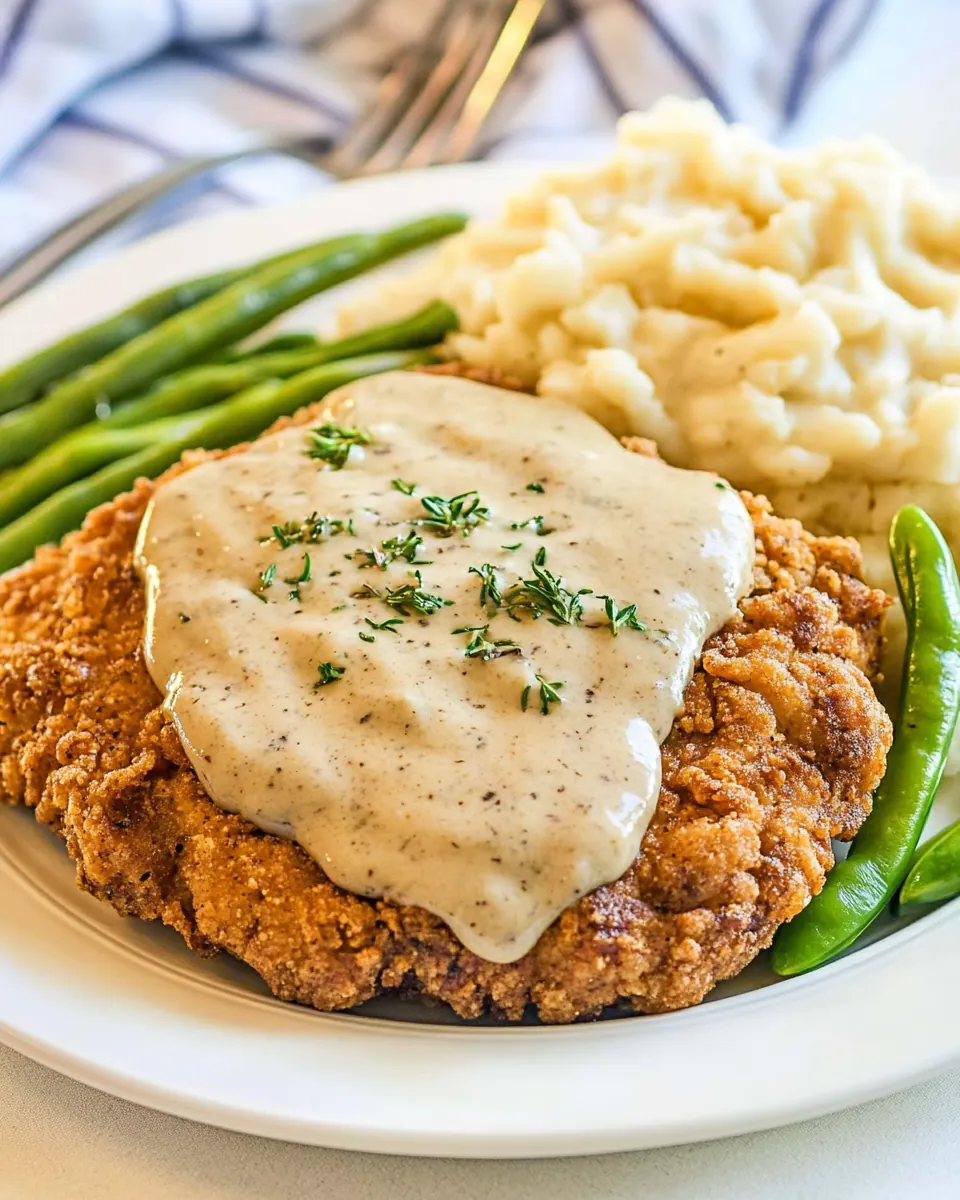
These ingredients form a classic southern approach to country fried steak. The philosophy is simple, we build a crunchy, seasoned exterior that seals in juices. The key players are the flour and cracker crumbs for structure, the buttermilk for gentle tenderizing, and the seasonings to lift flavor.
- oil for frying: Used for frying and achieving a crisp, golden crust on the steak; maintain a neutral oil with a high smoke point and enough quantity to shallow- or deep-fry. Monitor oil temperature to ensure even cooking and prevent sogginess, and reuse only if clean. Carefully drain cooked steaks on a rack or paper towels to preserve texture.
- 1 1/2 cups all-purpose flour: Provides the primary coating for dredging the steaks, delivering structure and a crunchy exterior when fried; mix thoroughly with seasonings for consistent flavor. Helps the buttermilk batter adhere and creates the classic country-fried crust that browns evenly. Can be seasoned further if a stronger savory profile is desired.
- 1/2 cup saltine cracker crumbs: Adds an extra crunchy texture and subtle saltiness to the breading, complementing the flour for a more complex crust. Crush uniformly to avoid large shards that might create uneven frying, and mix into the flour for balanced distribution. Enhances mouthfeel without overpowering the other seasonings.
- 1 1/2 teaspoons salt: Balances and enhances overall seasoning levels in the coating and batter; measure carefully to avoid oversalting. Dissolve some in the wet mixture if desired to ensure even distribution, and adjust based on dietary preferences. Works together with pepper to build savory depth in the crust.
- 2 teaspoons ground black pepper: Provides sharp, pungent heat and savory depth to the seasoning mix; freshly ground pepper offers brighter flavor. Distribute evenly through the flour and cracker crumbs to season the exterior, and consider personal spice tolerance when measuring. Complements salt and the richness of the meat.
- 1 cup buttermilk: Tenderizes and flavors the steaks while helping the dry coating adhere; its acidity and thickness create a sticky base for the flour. Combine with water to thin slightly if needed, and allow steaks to soak briefly for better absorption. Contributes a subtle tang that enhances overall richness.
- 1/2 cup water: Thins the buttermilk to create an even batter and adjust coating viscosity; use to reach a consistency that clings without dripping excessively. Add gradually until the desired texture is achieved for proper adhesion of the flour mixture. Helps control how much breading collects on each steak.
- 1 pound tenderized cube steaks: Serves as the main protein for the dish and benefits from tenderizing to achieve a soft, biteable texture after frying. Pound or buy pre-tenderized cube steaks to ensure uniform thickness and quicker, even cooking. Season and dredge thoroughly to build a flavorful, crispy exterior while keeping the interior juicy.
Preparation Steps for Easy Cracker Barrel Country Fried Steak
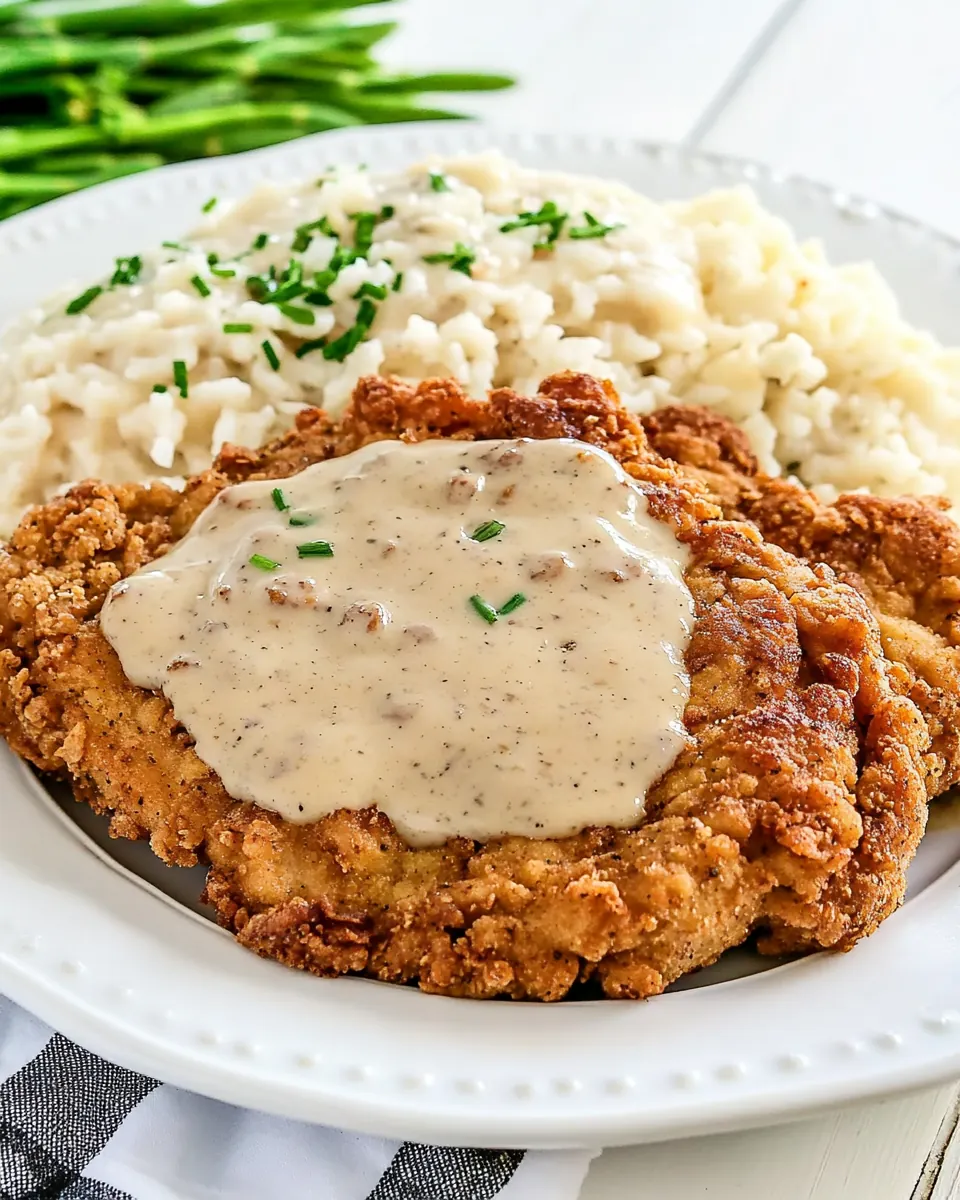
These steps will guide you through frying technique and timing so you get a golden crust and a juicy interior. Read each step before you begin and pay attention to the sensory cues because they tell you when to move on. Keep a wire rack ready for draining to maintain crispness.
- Pour 3 to 4 inches of oil into a deep fryer or large pot, and heat the oil to 350°F.: The air will fill with a faint nutty note as the oil nears temperature, and you should see a slow shimmering surface when it is ready. Maintaining a steady 350°F is crucial for an even golden crust without overcooking the inside, because too hot oil will burn the coating and leave the steak undercooked, while too cool oil will soak the breading. Use a thermometer and adjust the burner in small increments, watching for a consistent shimmer, and listen for the gentle, steady hiss that indicates the oil is ready. A common mistake is crowding the pot which drops the temperature rapidly, so fry in batches to keep that heat steady.
- Combine the flour, cracker crumbs, salt, and pepper in a shallow dish. Mix well.: When you mix these dry ingredients, smell the pepper and toasted cracker notes emerging, which hints at the flavor the crust will deliver. Even distribution is important so the seasoning is consistent across the steak surface, and the mixture should look uniform in color. Stirring fully prevents pockets of plain flour or concentrated pepper, and it ensures each bite carries the intended savory balance. Watch out for over mixing which can compress the crumbs; gentle folding is best.
- In another shallow dish, combine the buttermilk and water. Mix well.: The liquid will smell tangy from the buttermilk , and the slight thinning from the water produces a soak that clings without becoming a batter. This helps the coating adhere in layers, which creates a durable crust. Keep this mixture chilled until use because cooler liquid helps the breading set on the meat more reliably. A typical error is using a very thick soak that encourages clumping rather than an even cling.
- Dip the cube steaks into the flour mixture and shake off the excess.: You will feel the dry mix lightly tack to the damp surface of the meat, and the visual cue is an even dull coating. Shaking off excess prevents a gummy layer from forming when the meat hits the wet soak. This initial flour layer acts as a primer so the buttermilk can adhere evenly; skip this and the subsequent layers may slide. One mistake to avoid is overcoating, which creates an overly thick crust that can stay doughy inside.
- Dip the flour-coated cube steaks into the buttermilk, shake off the excess.: The buttermilk should cling and darken the surface slightly, and you will hear a faint drag as you lift the steak. This step hydrates the first flour layer and activates the binding for the final dredge, contributing to a cohesive crust. Letting excess drip off keeps the breading texture light rather than soggy. A common misstep is leaving the steak submerged too long which can make the coating fall away during frying.
- Dredge the cube steaks in the flour again.: The second dry coat will feel slightly tackier than the first and should have an even coverage that hides the meat surface. This creates the signature double-layered crust; the first layer primes and the second locks everything together for frying. Press gently so crumbs adhere without compacting the mixture, and ensure edges are well covered where oil can exploit thin spots. Avoid pressing too hard which compresses the crumb structure and prevents a crisp finish.
- Place the breaded steaks on a wire rack resting on a baking sheet. Allow the breading to set up for 5 minutes. This helps to set the breading on the steak.: The resting time allows the coating to dry and adhere, which reduces loss of crumbs in the oil and promotes an even crust. You should notice the surface go from glossy to slightly drier, and it will feel more robust to the touch. This short pause improves frying results because a set coating resists falling off when it hits hot oil. Skipping this rest often leads to patchy breading and loss of texture.
- Place the breaded steaks into the hot oil. Fry the steaks for 3 to 5 minutes on one side, until the sides of the meat start to brown and the top of the meat starts to cook.: When the steaks hit the oil you will hear an enthusiastic sizzle, and small bubbles should surround the edges. Look for the sides to develop a deepening golden shade and for the top to change from raw sheen to a more opaque, cooked look. This sensory feedback signals that the crust is forming and the interior is warming. Keep an eye on oil temperature because it will drop slightly when the meat is added; adjust the heat to maintain a steady 350°F . A misstep here is moving the steaks too soon which can tear the crust before it sets.
- Gently flip the steaks away from you to avoid splashing hot oil onto yourself, and fry for 3 to 5 minutes on the other side.: You will hear a renewed sizzle and see even bubbling as the second side browns, and the color should match the first side when done. Flipping away from your body minimizes the risk of hot oil splatter, and using tongs or a spatula gives you control so the crust remains intact. Fry until both sides are uniformly golden brown, watching for any dark spots that indicate oil too hot. A common problem is overbrowning because the oil was too hot or the steak was left too long on one side.
- When both sides are golden brown and crispy, remove the steaks from the hot oil and drain on a clean wire rack over a baking sheet.: The finished steaks will glisten slightly then settle into a satisfyingly crisp shell as they drain, and the aroma will be warm and savory. Draining on a rack prevents steam from making the crust soggy, preserving that fresh fried crunch. Let them rest briefly to allow internal juices to redistribute so each bite remains tender. Placing them on paper directly can trap moisture and soften the coating, which is a frequent mistake.
Pro Tips and Tweaks
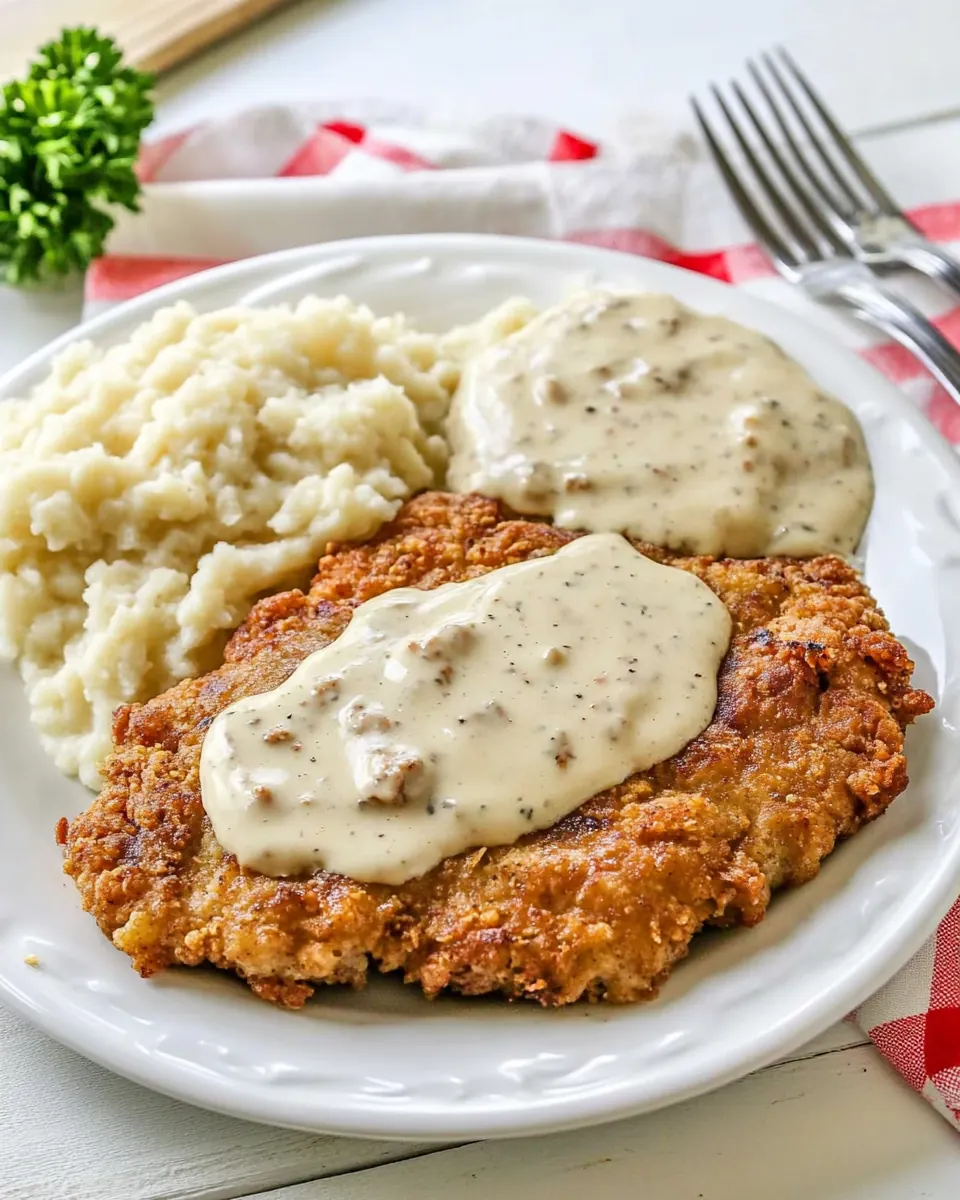
This section offers practical tweaks and small refinements to elevate your results. They help you manage texture flavor and timing with confidence.
- Use a neutral high smoke point oil such as vegetable or canola oil to achieve steady browning without imparting extra flavors, and monitor the temperature with a thermometer so you keep it around 350°F.
- Double dredge for durability by applying a light initial flour coat before the buttermilk and finishing with a second flour coat, which produces a crust that holds up during frying and slicing.
- Do not overcrowd the pot because adding too many steaks at once drops the oil temperature and yields uneven, oily crusts; fry in small batches for consistent color and texture.
- Let the coating rest briefly on a wire rack before frying so it sets and adheres better to the steak, reducing the chance of the breading falling off in the oil.
- Watch visual cues such as a steady shimmer on the oil surface and an even golden brown on the edges, these signs are more reliable than exact timing alone because stovetops vary.
Accompaniments for Easy Cracker Barrel Country Fried Steak
This recipe pairs best with hearty, classic sides and casual serving styles. Think family friendly plates that balance the richness of the fried crust with lighter or starchy complements. Below are serving ideas for different occasions and storage notes to keep leftovers tasting fresh.
- Traditional plate Serve with mashed potatoes, steamed vegetables, and gravy for a classic comfort meal suited to dinner or a weekend lunch.
- Casual weeknight Pair with quick saut茅ed greens and a simple rice side for an easy weeknight dinner that still feels indulgent.
- Family gathering Lay out steaks on a large platter with sides like buttery corn and biscuits so guests can help themselves, perfect for informal get togethers.
- Storage tips Cool completely, then refrigerate in an airtight container for up to three days; reheat in a hot oven to revive the crisp crust rather than microwaving which softens it.
- Seasonal note This rich, warm plate sits well in winter months when hearty, filling dishes are welcome, and it makes a satisfying centerpiece for a cozy meal.
FAQ
Conclusion
This recipe shines because it turns a few humble ingredients into a satisfying, crispy plate that feels like classic diner comfort. Try making it when you want a reliably pleasing entrée that rewards patient technique with crunchy texture and tender meat. Take your time with the breading and frying steps, and you will be rewarded with golden steaks that invite second helpings. Share the dish with friends or family, enjoy the warm, nostalgic flavors, and let the simple pleasures of good technique and honest ingredients do the heavy lifting.
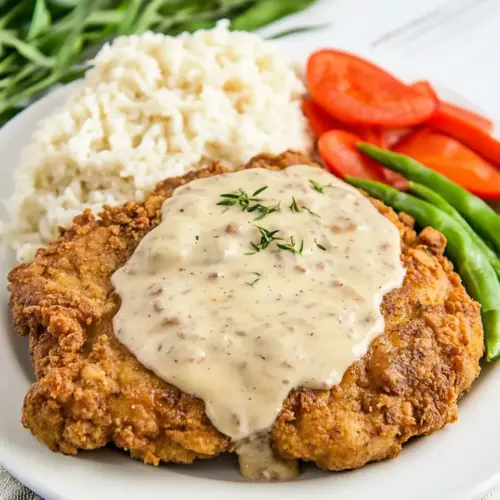
Easy Cracker Barrel Country Fried Steak
Equipment
- Deep fryer or large pot
- Thermometer
- Wire Rack
- Baking Sheet
- Shallow Dishes
Ingredients
- oil for frying Used for frying and achieving a crisp, golden crust on the steak; maintain a neutral oil with a high smoke point and enough quantity to shallow- or deep-fry. Monitor oil temperature to ensure even cooking and prevent sogginess, and reuse only if clean. Carefully drain cooked steaks on a rack or paper towels to preserve texture.
- 1 1/2 cups all-purpose flour Provides the primary coating for dredging the steaks, delivering structure and a crunchy exterior when fried; mix thoroughly with seasonings for consistent flavor. Helps the buttermilk batter adhere and creates the classic country-fried crust that browns evenly. Can be seasoned further if a stronger savory profile is desired.
- 1/2 cup saltine cracker crumbs Adds an extra crunchy texture and subtle saltiness to the breading, complementing the flour for a more complex crust. Crush uniformly to avoid large shards that might create uneven frying, and mix into the flour for balanced distribution. Enhances mouthfeel without overpowering the other seasonings.
- 1 1/2 teaspoons salt Balances and enhances overall seasoning levels in the coating and batter; measure carefully to avoid oversalting. Dissolve some in the wet mixture if desired to ensure even distribution, and adjust based on dietary preferences. Works together with pepper to build savory depth in the crust.
- 2 teaspoons ground black pepper Provides sharp, pungent heat and savory depth to the seasoning mix; freshly ground pepper offers brighter flavor. Distribute evenly through the flour and cracker crumbs to season the exterior, and consider personal spice tolerance when measuring. Complements salt and the richness of the meat.
- 1 cup buttermilk Tenderizes and flavors the steaks while helping the dry coating adhere; its acidity and thickness create a sticky base for the flour. Combine with water to thin slightly if needed, and allow steaks to soak briefly for better absorption. Contributes a subtle tang that enhances overall richness.
- 1/2 cup water Thins the buttermilk to create an even batter and adjust coating viscosity; use to reach a consistency that clings without dripping excessively. Add gradually until the desired texture is achieved for proper adhesion of the flour mixture. Helps control how much breading collects on each steak.
- 1 pound tenderized cube steaks Serves as the main protein for the dish and benefits from tenderizing to achieve a soft, biteable texture after frying. Pound or buy pre-tenderized cube steaks to ensure uniform thickness and quicker, even cooking. Season and dredge thoroughly to build a flavorful, crispy exterior while keeping the interior juicy.
Instructions
- Pour 3 to 4 inches of oil into a deep fryer or large pot, and heat the oil to 350°F.: The air will fill with a faint nutty note as the oil nears temperature, and you should see a slow shimmering surface when it is ready. Maintaining a steady 350°F is crucial for an even golden crust without overcooking the inside, because too hot oil will burn the coating and leave the steak undercooked, while too cool oil will soak the breading. Use a thermometer and adjust the burner in small increments, watching for a consistent shimmer, and listen for the gentle, steady hiss that indicates the oil is ready. A common mistake is crowding the pot which drops the temperature rapidly, so fry in batches to keep that heat steady.
- Combine the flour, cracker crumbs, salt, and pepper in a shallow dish. Mix well.: When you mix these dry ingredients, smell the pepper and toasted cracker notes emerging, which hints at the flavor the crust will deliver. Even distribution is important so the seasoning is consistent across the steak surface, and the mixture should look uniform in color. Stirring fully prevents pockets of plain flour or concentrated pepper, and it ensures each bite carries the intended savory balance. Watch out for over mixing which can compress the crumbs; gentle folding is best.
- In another shallow dish, combine the buttermilk and water. Mix well.: The liquid will smell tangy from the buttermilk , and the slight thinning from the water produces a soak that clings without becoming a batter. This helps the coating adhere in layers, which creates a durable crust. Keep this mixture chilled until use because cooler liquid helps the breading set on the meat more reliably. A typical error is using a very thick soak that encourages clumping rather than an even cling.
- Dip the cube steaks into the flour mixture and shake off the excess.: You will feel the dry mix lightly tack to the damp surface of the meat, and the visual cue is an even dull coating. Shaking off excess prevents a gummy layer from forming when the meat hits the wet soak. This initial flour layer acts as a primer so the buttermilk can adhere evenly; skip this and the subsequent layers may slide. One mistake to avoid is overcoating, which creates an overly thick crust that can stay doughy inside.
- Dip the flour-coated cube steaks into the buttermilk, shake off the excess.: The buttermilk should cling and darken the surface slightly, and you will hear a faint drag as you lift the steak. This step hydrates the first flour layer and activates the binding for the final dredge, contributing to a cohesive crust. Letting excess drip off keeps the breading texture light rather than soggy. A common misstep is leaving the steak submerged too long which can make the coating fall away during frying.
- Dredge the cube steaks in the flour again.: The second dry coat will feel slightly tackier than the first and should have an even coverage that hides the meat surface. This creates the signature double-layered crust; the first layer primes and the second locks everything together for frying. Press gently so crumbs adhere without compacting the mixture, and ensure edges are well covered where oil can exploit thin spots. Avoid pressing too hard which compresses the crumb structure and prevents a crisp finish.
- Place the breaded steaks on a wire rack resting on a baking sheet. Allow the breading to set up for 5 minutes. This helps to set the breading on the steak.: The resting time allows the coating to dry and adhere, which reduces loss of crumbs in the oil and promotes an even crust. You should notice the surface go from glossy to slightly drier, and it will feel more robust to the touch. This short pause improves frying results because a set coating resists falling off when it hits hot oil. Skipping this rest often leads to patchy breading and loss of texture.
- Place the breaded steaks into the hot oil. Fry the steaks for 3 to 5 minutes on one side, until the sides of the meat start to brown and the top of the meat starts to cook.: When the steaks hit the oil you will hear an enthusiastic sizzle, and small bubbles should surround the edges. Look for the sides to develop a deepening golden shade and for the top to change from raw sheen to a more opaque, cooked look. This sensory feedback signals that the crust is forming and the interior is warming. Keep an eye on oil temperature because it will drop slightly when the meat is added; adjust the heat to maintain a steady 350°F . A misstep here is moving the steaks too soon which can tear the crust before it sets.
- Gently flip the steaks away from you to avoid splashing hot oil onto yourself, and fry for 3 to 5 minutes on the other side.: You will hear a renewed sizzle and see even bubbling as the second side browns, and the color should match the first side when done. Flipping away from your body minimizes the risk of hot oil splatter, and using tongs or a spatula gives you control so the crust remains intact. Fry until both sides are uniformly golden brown, watching for any dark spots that indicate oil too hot. A common problem is overbrowning because the oil was too hot or the steak was left too long on one side.
- When both sides are golden brown and crispy, remove the steaks from the hot oil and drain on a clean wire rack over a baking sheet.: The finished steaks will glisten slightly then settle into a satisfyingly crisp shell as they drain, and the aroma will be warm and savory. Draining on a rack prevents steam from making the crust soggy, preserving that fresh fried crunch. Let them rest briefly to allow internal juices to redistribute so each bite remains tender. Placing them on paper directly can trap moisture and soften the coating, which is a frequent mistake.
Notes
- Use a neutral high smoke point oil such as vegetable or canola oil to achieve steady browning without imparting extra flavors, and monitor the temperature with a thermometer so you keep it around 350°F.
- Double dredge for durability by applying a light initial flour coat before the buttermilk and finishing with a second flour coat, which produces a crust that holds up during frying and slicing.
- Do not overcrowd the pot because adding too many steaks at once drops the oil temperature and yields uneven, oily crusts; fry in small batches for consistent color and texture.
- Let the coating rest briefly on a wire rack before frying so it sets and adheres better to the steak, reducing the chance of the breading falling off in the oil.
- Watch visual cues such as a steady shimmer on the oil surface and an even golden brown on the edges, these signs are more reliable than exact timing alone because stovetops vary.