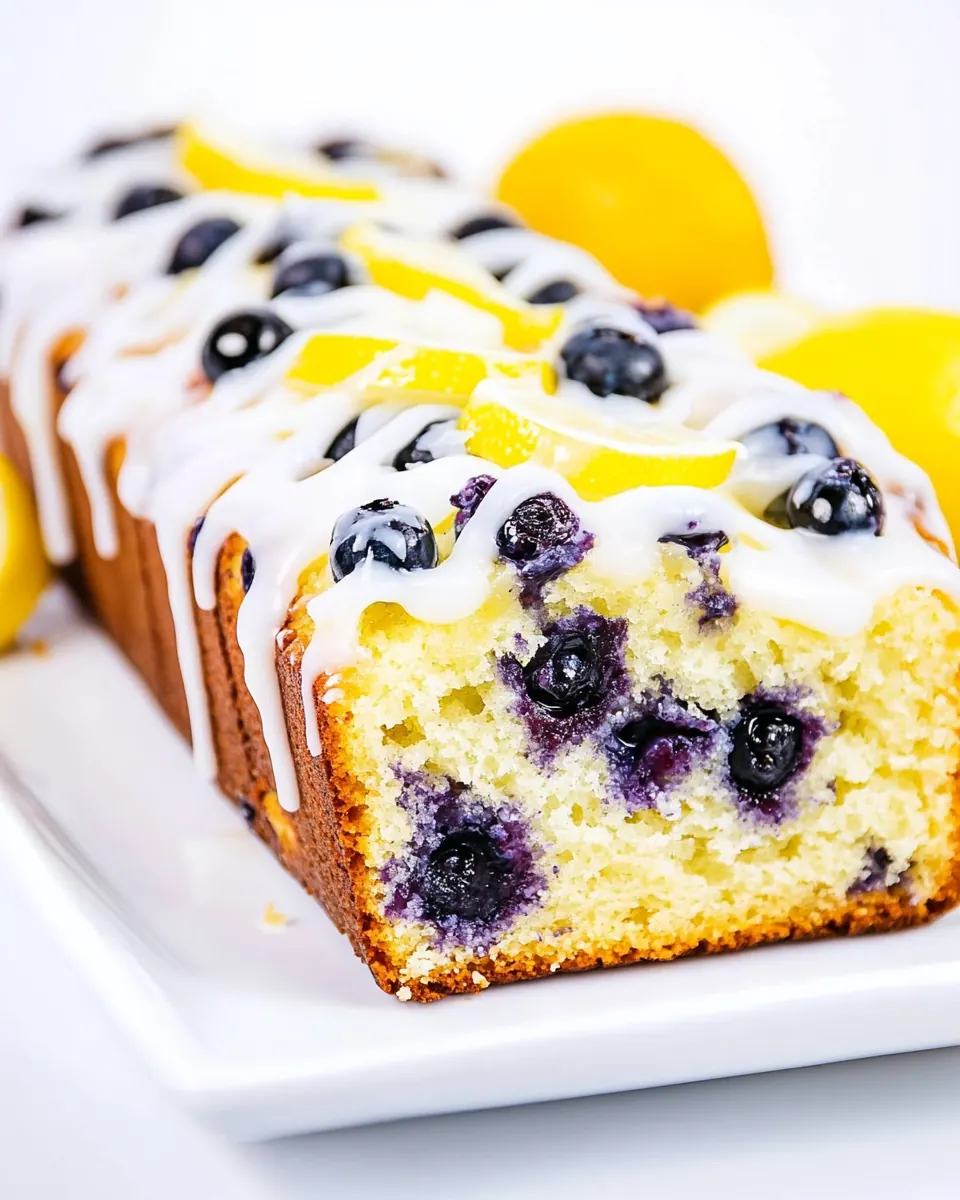
Lemon Blueberry Bread
Lemon Blueberry Bread has been my go to weekend bake when I want something bright and comforting to share with friends. I remember the first time I combined the zing of lemon with jewel like blueberries and a tender crumb emerged, everyone kept asking for the recipe, and that simple thrill of hearing that never gets old.
Some of my best mornings start with a warm slice of Lemon Blueberry Bread and a quiet cup of coffee, the glaze pooling slightly at the edges, the berries still bursting with a fresh floral note. I like how the texture leans toward a sturdy cake rather than a fragile loaf, which makes it perfect for passing around at brunch or slipping into a picnic basket. Over time I learned a few small habits that keep the crumb even and the fruit suspended rather than sinking to the bottom, and I enjoy sharing those little hacks with friends who bake with me.
Recipe Snapshot
60 mins
15 mins
45 mins
Medium
220 kcal
American
Gluten-Free, Low FODMAP
Desserts
Mixer, 9×5 loaf pan, Mixing bowls, Spatula, Measuring cups, Oven, Whisk
The Charm of This Lemon Blueberry Bread
Bright citrus meets tender crumb
I love how the lemon lifts the whole loaf, cutting through the richness of butter and sour cream. The citrus zest and juice give a fresh, fragrant top note that makes each bite sing, and that tartness is what keeps the bread from feeling overly sweet.
Fresh berries that hold their place
When blueberries are washed, dried, and tossed in a little flour, they distribute beautifully through the batter instead of sinking. I find the visual pop of whole berries makes this loaf feel celebratory, and it gives bursts of fruity flavor as you eat.
Simple techniques yield impressive results
The method relies on basic mixing and gentle folding, so you do not need advanced skills. I like that it rewards restraint, so beating the butter with sugar until just combined, then folding in dry ingredients by hand, produces a soft but sturdy crumb.
Versatile for many occasions
This loaf is equally at home on a casual weekday breakfast tray or a springtime coffee hour. The glaze adds a pretty finish and a little extra tang, making slices attractive for serving to guests without extra fuss.
Reliable and forgiving
I appreciate that the recipe is forgiving about small timing or oven quirks. If the top browns before the center is set, a loose tent of foil saves the day. That kind of trustworthiness keeps me coming back when I want a low stress bake.
What to Buy for Lemon Blueberry Bread
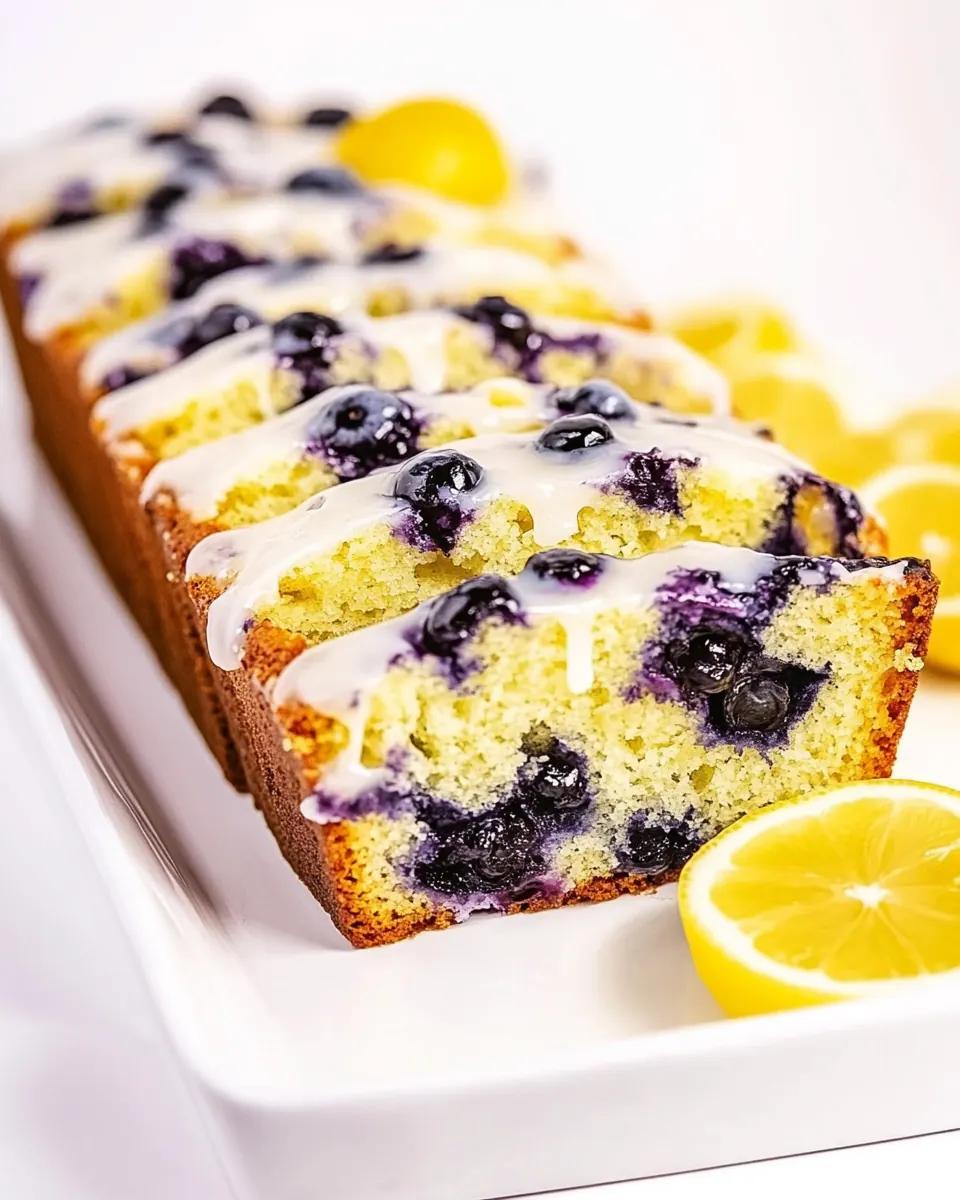
The philosophy here is simple, quality ingredients and clear roles. The butter and sour cream create richness and a tender crumb, while the eggs set structure. Flour, leavening, and a pinch of salt keep the texture balanced. Finally, the lemon components brighten everything, and the blueberries add fresh bursts of flavor and moisture.
- 1/2 cup butter softened: Cream softened until smooth and easily incorporates air to create a tender, moist crumb in the bread; helps dissolve sugar and distribute flavor when beaten with other wet ingredients.
- 1 cup granulated sugar: Sweeten the batter and provide structure by interacting with fats and eggs; also aids in caramelization and browning of the loaf during baking.
- 1/3 cup sour cream: Add gentle acidity and richness to tenderize the gluten for a softer texture; contributes moisture and a slight tang that balances the lemon and sugar.
- 2 tsp vanilla extract: Impart deep vanilla flavor and aromatic complexity that enhances the overall sweetness; blend into wet ingredients to evenly distribute aroma throughout the batter.
- 1 tsp lemon extract: Deliver concentrated lemon aroma without additional liquid, intensifying citrus notes; use sparingly to prevent overpowering the delicate blueberry flavor.
- 3 large eggs room temperature: Bind ingredients together while contributing structure and leavening when beaten; add at room temperature to ensure even emulsification and a smooth batter.
- 2 tbsp lemon zest: Provide bright citrus oil and intense lemon fragrance that lift the flavor profile; stir into wet ingredients so the zest disperses evenly without releasing excessive bitterness.
- 1 tbsp lemon juice: Contribute fresh lemon acidity and brightness that balances richness and enhances blueberry flavor; mix with wet components to distribute acidity evenly throughout the loaf.
- 1 1/2 cups all purpose flour: Form the main dry structure of the loaf by providing gluten and bulk; combine with leaveners and salt to create the proper texture and ensure even crumb formation.
- 1/4 tsp baking soda: React with acidic components to produce carbon dioxide for lightness; measure precisely to prevent over-rising and undesirable flavor.
- 1/2 tsp baking powder: Add controlled additional lift and a tender crumb by producing small amounts of gas when heated; use with baking soda for balanced leavening.
- 1/2 tsp salt: Enhance overall flavor by balancing sweetness and rounding tastes; also strengthens gluten slightly and helps control fermentation of other ingredients.
- 1 cup fresh blueberries washed, dried and lightly coated in flour: Contribute bursts of juicy fruit flavor and texture while adding visual appeal; coating in flour helps prevent sinking by reducing moisture contact with surrounding batter.
- 1 2 tablespoons all-purpose flour to coat the blueberries: Provide extra flour for coating berries to prevent sinking and clumping in the batter; sprinkle and toss lightly until berries are evenly dusted.
- 1 cup powdered sugar: Create smooth, sweet glaze or drizzle when combined with acid and liquid; sift beforehand to avoid lumps and ensure a glossy finish.
- 1 tbsp milk: Thin the powdered sugar to the desired consistency for a pourable glaze; whisk with sugar and lemon for a smooth, shiny topping that sets well.
- 1 tbsp lemon juice: Add fresh citrus acidity to the glaze for brightness and balance against sweetness; mix thoroughly so the glaze has a consistent tangy flavor.
- 1 tsp lemon extract: Concentrate lemon aroma in the glaze to complement the loaf’s citrus notes; incorporate a small amount to intensify flavor without changing texture.
- Pinch of salt (optional): Provide a subtle seasoning to balance sweetness and enhance flavors; optional pinch can tighten the glaze flavor and sharpen the overall taste profile.
Directions for Lemon Blueberry Bread
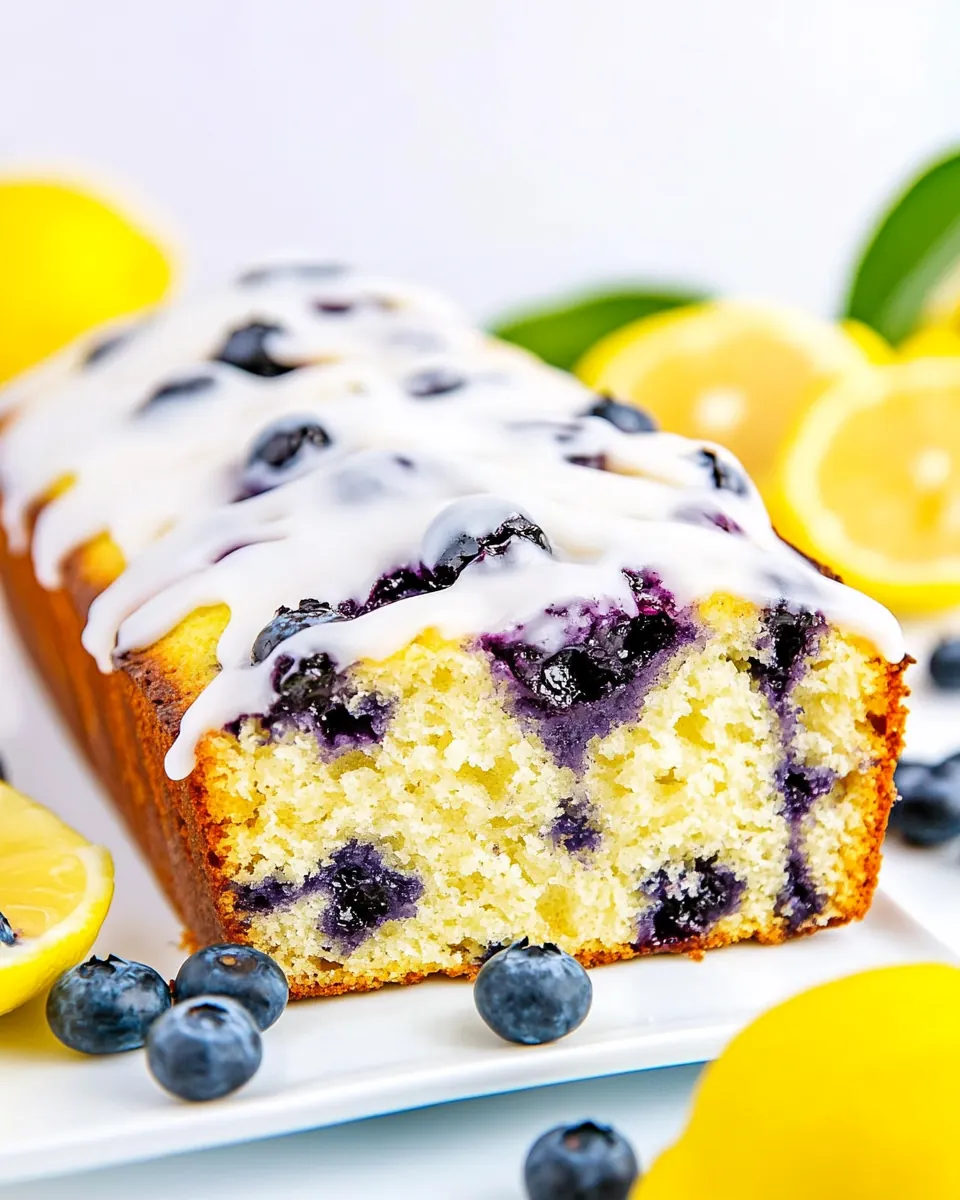
Baking this loaf is an exercise in attention and patience, where small cues tell you how the batter and bake are progressing. I like to move through the steps deliberately so the textures and flavors develop properly, and I always keep sensory checkpoints in mind so I know the loaf is on track.
- Preheat oven to 400 degrees F.: As the oven warms up you should hear the faint hum of the heating element and feel a rush of dry heat when you open the door, which primes the pan for an initial burst of oven spring. This high start helps set the outer structure quickly, creating a fine crust that then allows the center to rise evenly. A common mistake is not preheating thoroughly, which can lead to uneven rise and longer bake times, so wait until the oven reaches a steady temperature before slipping the pan in.
- In the bowl of a mixer, combine butter and sugar and beat well to combine (mixture will be fairly dry). Add in eggs and beat until well combined. Add sour cream, vanilla and lemon extracts, lemon zest and lemon juice and beat until well combined.: When you cream butter with sugar the texture should go from dense to slightly paler and smoother, with a soft, pillowy quality. As you add the eggs , the batter will gain sheen and loosen, and folding in sour cream and the citrus will introduce a fragrant lift. You should be able to smell the fragrant oils from the lemon zest and the sweet dairy notes from the sour cream . Avoid overbeating after adding flour later, because too much air and gluten development will toughen the crumb.
- In a separate bowl combine flour, baking powder, baking soda and salt.: The dry mix should be uniform, with the pale dust of flour carrying tiny specks of leavening. Sifting or whisking aerates the mixture, which helps with a consistent texture. Mixing the leaveners and salt thoroughly avoids pockets of metallic or overly salty taste in the finished loaf. If you skip this step you risk uneven rise or sudden salty bites.
- Add dry ingredients to wet ingredients and mix by hand until combined, but do not over mix. Toss blueberries in flour. Fold in blueberries into batter and mix until just combined. Do not overmix.: As you fold, pay attention to the batter's texture it should look slightly thick and ribbon like, not runny. The sound will be quiet, the batter moving slowly under the spoon. Tucking in the coated blueberries gently keeps them whole and avoids bruising; you should see flecks of color start to appear. Overmixing at this stage develops gluten and will give a chewy, dense loaf rather than tender cake like slices.
- Pour batter into a 9×5 loaf pan that has been sprayed with non-stick cooking spray.: The batter will look glossy and speckled with blueberry pockets, and pouring it into the prepared pan should feel smooth and even. Using a spatula to level the top helps ensure uniform rise. If the pan is not prepared, the loaf can stick and tear when removed, so always grease or line the pan in advance.
- Place in the oven and immediately reduce the temperature to 350 degrees F. Bake for approximately 45 minutes or until a cake tester inserted into the center of the loaf comes out clean. If loaf does not see done at 45 minutes but is browning, foil can be placed loosely over the top to allow more baking time without additional browning.: You will notice the aroma shift from raw batter to baked lemon and caramelized sugar around twenty minutes in, and the top will develop a golden tone. Reducing the temperature right away ensures the inside cooks more gently while preserving the top color. If the loaf browns too quickly, tenting with foil prevents burnt edges while the center finishes. A frequent issue is opening the oven too often, which drops temperature and lengthens baking time.
- Remove from oven and allow to cool.: Cooling lets the interior set so the loaf slices cleanly; you might notice a subtle release of steam and a mellowing of the lemon scent as it rests. Leave it in the pan briefly to firm up, then transfer to a rack to cool more evenly. Slicing too hot will cause the crumb to compress and crumble, so patience here improves both texture and appearance.
- Combine icing ingredients in a bowl and mix until combined. If a thicker icing is desired, add more powdered sugar, one tablespoon at a time. If a thinner icing is desired, add more milk, one teaspoon at a time.: The glaze should be glossy and pourable, with the tang of lemon juice balanced against the sweetness of powdered sugar . Stirring slowly helps dissolve any lumps and yields a smooth sheen. Adjusting texture carefully keeps the balance right; adding too much liquid at once will make the glaze run off and pool excessively.
- Remove loaf from pan (it helps to run a knife around the edges first to make sure the loaf isn't sticking to the pan) and pour or spoon glaze over the top. Allow icing to set up for 20+ minutes, then slice and serve.: After unmolding, the warm loaf will accept the glaze more readily, allowing it to sink into tiny crevices and highlight the crumb. Let the glaze set until it becomes matte to avoid messy slices. A common trap is slicing before the glaze firms, which causes smearing and imperfect slices, so wait at least twenty minutes for a neat presentation.
Helpful Notes about Lemon Blueberry Bread
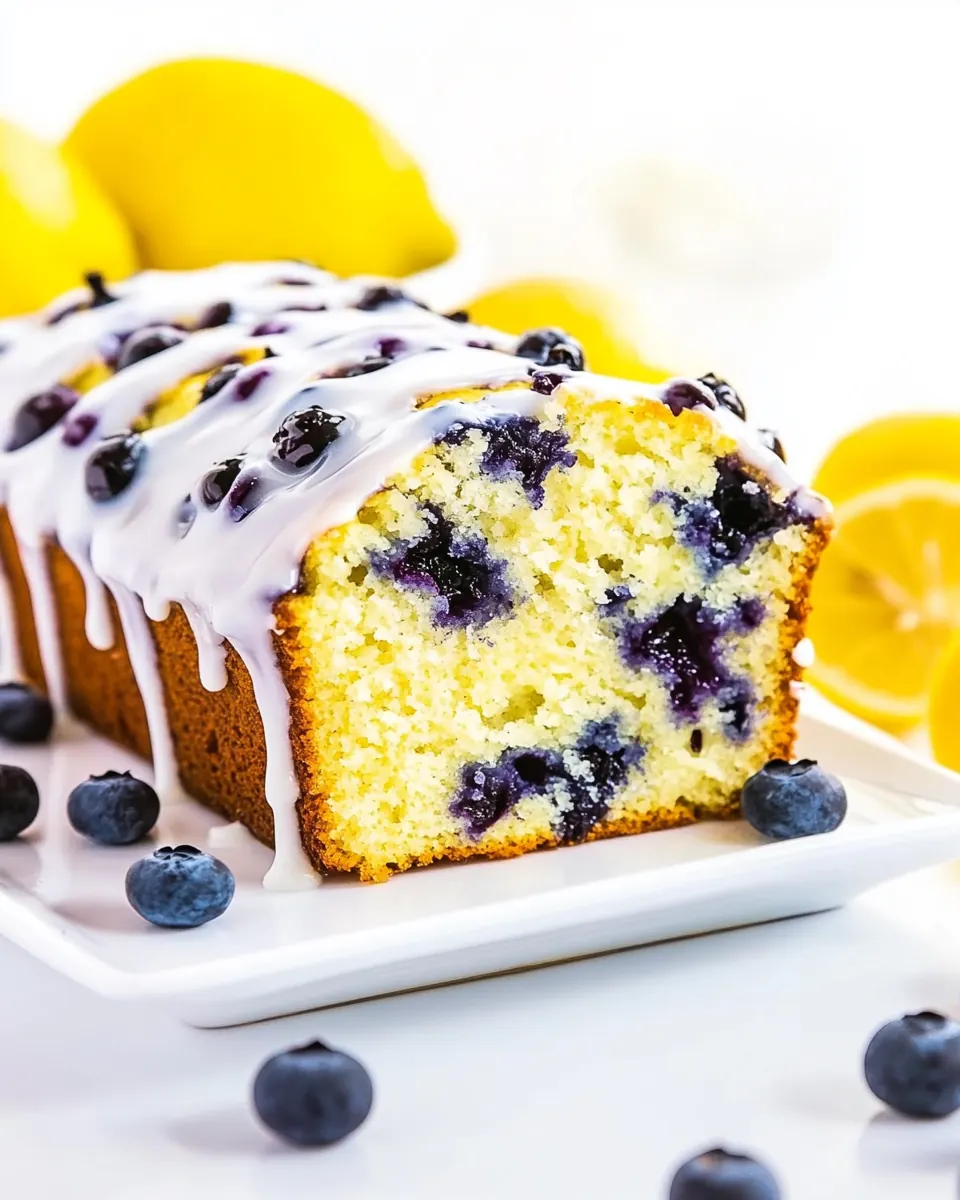
This loaf is forgiving and adaptable, but a few focused notes will help you get consistent results. Below are practical tips I use every time I bake this bread, expanded into helpful pointers so you can avoid common pitfalls and elevate the final loaf.
- Temperature matters: Use room temperature eggs and softened butter so the batter emulsifies evenly, preventing grainy texture and uneven crumb.
- Berry prep: Wash and dry blueberries thoroughly, then toss with the extra flour to prevent sinking and bleeding color into the batter.
- Measure flour properly: Spoon the all purpose flour into the cup and level it off to avoid packing, which can dry out the loaf.
- Watch the bake: If the top is browning before the center is done, tent with foil loosely to allow the center to finish without further browning.
- Glaze consistency: Add milk or powdered sugar slowly to reach the desired glaze thickness so it sits prettily on the loaf rather than running off.
What Complements This Lemon Blueberry Bread
This loaf pairs well with simple beverages and light accompaniments, making it versatile for breakfast, brunch, afternoon tea, or a casual dessert. Consider contrasts of texture and temperature to complement the tender crumb and bright citrus notes.
- Morning pairing: Serve slices warm with a mug of coffee or tea, the heat amplifying the lemon aroma and softening the glaze.
- Brunch setup: Include on a spread with fresh fruit and yogurt for a balanced plate that highlights the loaf without competing flavors.
- Picnic idea: Pack slices in a container with parchment between them so they travel well and stay intact for outdoor gatherings.
- Storage tips: Keep leftover slices wrapped in plastic or in an airtight container at room temperature for two days, or refrigerate for up to five days. For longer storage, freeze slices individually wrapped, then thaw at room temperature.
- Occasions: The bright lemon and fresh blueberries make this loaf ideal for spring gatherings, casual get togethers, or as a thoughtful homemade gift.
FAQ
Conclusion
This Lemon Blueberry Bread stands out because it balances bright citrus, juicy berries, and a tender, reliable crumb. You should try it because it is approachable, forgiving, and always well received by guests or family. Give it a go on a quiet morning or for a casual gathering, and enjoy how a few simple ingredients become something memorable.
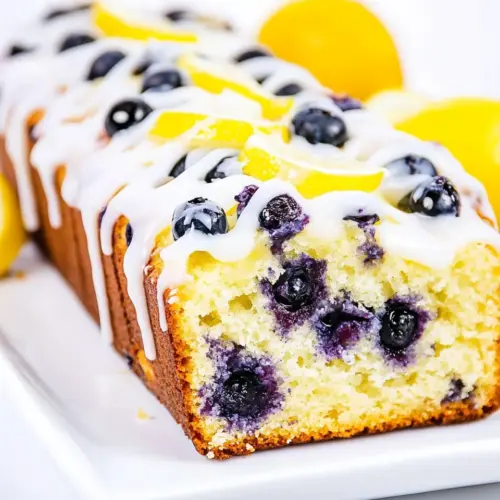
Lemon Blueberry Bread
Equipment
- Mixer
- 9×5 Loaf Pan
- Mixing Bowls
- Spatula
- Measuring Cups
- Oven
- Whisk
Ingredients
- 1/2 cup butter softened Cream softened until smooth and easily incorporates air to create a tender, moist crumb in the bread; helps dissolve sugar and distribute flavor when beaten with other wet ingredients.
- 1 cup granulated sugar Sweeten the batter and provide structure by interacting with fats and eggs; also aids in caramelization and browning of the loaf during baking.
- 1/3 cup sour cream Add gentle acidity and richness to tenderize the gluten for a softer texture; contributes moisture and a slight tang that balances the lemon and sugar.
- 2 tsp vanilla extract Impart deep vanilla flavor and aromatic complexity that enhances the overall sweetness; blend into wet ingredients to evenly distribute aroma throughout the batter.
- 1 tsp lemon extract Deliver concentrated lemon aroma without additional liquid, intensifying citrus notes; use sparingly to prevent overpowering the delicate blueberry flavor.
- 3 large eggs room temperature Bind ingredients together while contributing structure and leavening when beaten; add at room temperature to ensure even emulsification and a smooth batter.
- 2 tbsp lemon zest Provide bright citrus oil and intense lemon fragrance that lift the flavor profile; stir into wet ingredients so the zest disperses evenly without releasing excessive bitterness.
- 1 tbsp lemon juice Contribute fresh lemon acidity and brightness that balances richness and enhances blueberry flavor; mix with wet components to distribute acidity evenly throughout the loaf.
- 1 1/2 cups all purpose flour Form the main dry structure of the loaf by providing gluten and bulk; combine with leaveners and salt to create the proper texture and ensure even crumb formation.
- 1/4 tsp baking soda React with acidic components to produce carbon dioxide for lightness; measure precisely to prevent over-rising and undesirable flavor.
- 1/2 tsp baking powder Add controlled additional lift and a tender crumb by producing small amounts of gas when heated; use with baking soda for balanced leavening.
- 1/2 tsp salt Enhance overall flavor by balancing sweetness and rounding tastes; also strengthens gluten slightly and helps control fermentation of other ingredients.
- 1 cup fresh blueberries washed, dried and lightly coated in flour Contribute bursts of juicy fruit flavor and texture while adding visual appeal; coating in flour helps prevent sinking by reducing moisture contact with surrounding batter.
- 1 -2 tablespoons all-purpose flour to coat the blueberries Provide extra flour for coating berries to prevent sinking and clumping in the batter; sprinkle and toss lightly until berries are evenly dusted.
- 1 cup powdered sugar Create smooth, sweet glaze or drizzle when combined with acid and liquid; sift beforehand to avoid lumps and ensure a glossy finish.
- 1 tbsp milk Thin the powdered sugar to the desired consistency for a pourable glaze; whisk with sugar and lemon for a smooth, shiny topping that sets well.
- 1 tbsp lemon juice Add fresh citrus acidity to the glaze for brightness and balance against sweetness; mix thoroughly so the glaze has a consistent tangy flavor.
- 1 tsp lemon extract Concentrate lemon aroma in the glaze to complement the loaf’s citrus notes; incorporate a small amount to intensify flavor without changing texture.
- Pinch of salt optional Provide a subtle seasoning to balance sweetness and enhance flavors; optional pinch can tighten the glaze flavor and sharpen the overall taste profile.
Instructions
- Preheat oven to 400 degrees F.: As the oven warms up you should hear the faint hum of the heating element and feel a rush of dry heat when you open the door, which primes the pan for an initial burst of oven spring. This high start helps set the outer structure quickly, creating a fine crust that then allows the center to rise evenly. A common mistake is not preheating thoroughly, which can lead to uneven rise and longer bake times, so wait until the oven reaches a steady temperature before slipping the pan in.
- In the bowl of a mixer, combine butter and sugar and beat well to combine (mixture will be fairly dry). Add in eggs and beat until well combined. Add sour cream, vanilla and lemon extracts, lemon zest and lemon juice and beat until well combined.: When you cream butter with sugar the texture should go from dense to slightly paler and smoother, with a soft, pillowy quality. As you add the eggs , the batter will gain sheen and loosen, and folding in sour cream and the citrus will introduce a fragrant lift. You should be able to smell the fragrant oils from the lemon zest and the sweet dairy notes from the sour cream . Avoid overbeating after adding flour later, because too much air and gluten development will toughen the crumb.
- In a separate bowl combine flour, baking powder, baking soda and salt.: The dry mix should be uniform, with the pale dust of flour carrying tiny specks of leavening. Sifting or whisking aerates the mixture, which helps with a consistent texture. Mixing the leaveners and salt thoroughly avoids pockets of metallic or overly salty taste in the finished loaf. If you skip this step you risk uneven rise or sudden salty bites.
- Add dry ingredients to wet ingredients and mix by hand until combined, but do not over mix. Toss blueberries in flour. Fold in blueberries into batter and mix until just combined. Do not overmix.: As you fold, pay attention to the batter's texture it should look slightly thick and ribbon like, not runny. The sound will be quiet, the batter moving slowly under the spoon. Tucking in the coated blueberries gently keeps them whole and avoids bruising; you should see flecks of color start to appear. Overmixing at this stage develops gluten and will give a chewy, dense loaf rather than tender cake like slices.
- Pour batter into a 9×5 loaf pan that has been sprayed with non-stick cooking spray.: The batter will look glossy and speckled with blueberry pockets, and pouring it into the prepared pan should feel smooth and even. Using a spatula to level the top helps ensure uniform rise. If the pan is not prepared, the loaf can stick and tear when removed, so always grease or line the pan in advance.
- Place in the oven and immediately reduce the temperature to 350 degrees F. Bake for approximately 45 minutes or until a cake tester inserted into the center of the loaf comes out clean. If loaf does not see done at 45 minutes but is browning, foil can be placed loosely over the top to allow more baking time without additional browning.: You will notice the aroma shift from raw batter to baked lemon and caramelized sugar around twenty minutes in, and the top will develop a golden tone. Reducing the temperature right away ensures the inside cooks more gently while preserving the top color. If the loaf browns too quickly, tenting with foil prevents burnt edges while the center finishes. A frequent issue is opening the oven too often, which drops temperature and lengthens baking time.
- Remove from oven and allow to cool.: Cooling lets the interior set so the loaf slices cleanly; you might notice a subtle release of steam and a mellowing of the lemon scent as it rests. Leave it in the pan briefly to firm up, then transfer to a rack to cool more evenly. Slicing too hot will cause the crumb to compress and crumble, so patience here improves both texture and appearance.
- Combine icing ingredients in a bowl and mix until combined. If a thicker icing is desired, add more powdered sugar, one tablespoon at a time. If a thinner icing is desired, add more milk, one teaspoon at a time.: The glaze should be glossy and pourable, with the tang of lemon juice balanced against the sweetness of powdered sugar . Stirring slowly helps dissolve any lumps and yields a smooth sheen. Adjusting texture carefully keeps the balance right; adding too much liquid at once will make the glaze run off and pool excessively.
- Remove loaf from pan (it helps to run a knife around the edges first to make sure the loaf isn't sticking to the pan) and pour or spoon glaze over the top. Allow icing to set up for 20+ minutes, then slice and serve.: After unmolding, the warm loaf will accept the glaze more readily, allowing it to sink into tiny crevices and highlight the crumb. Let the glaze set until it becomes matte to avoid messy slices. A common trap is slicing before the glaze firms, which causes smearing and imperfect slices, so wait at least twenty minutes for a neat presentation.
Notes
- Temperature matters: Use room temperature eggs and softened butter so the batter emulsifies evenly, preventing grainy texture and uneven crumb.
- Berry prep: Wash and dry blueberries thoroughly, then toss with the extra flour to prevent sinking and bleeding color into the batter.
- Measure flour properly: Spoon the all purpose flour into the cup and level it off to avoid packing, which can dry out the loaf.
- Watch the bake: If the top is browning before the center is done, tent with foil loosely to allow the center to finish without further browning.
- Glaze consistency: Add milk or powdered sugar slowly to reach the desired glaze thickness so it sits prettily on the loaf rather than running off.
