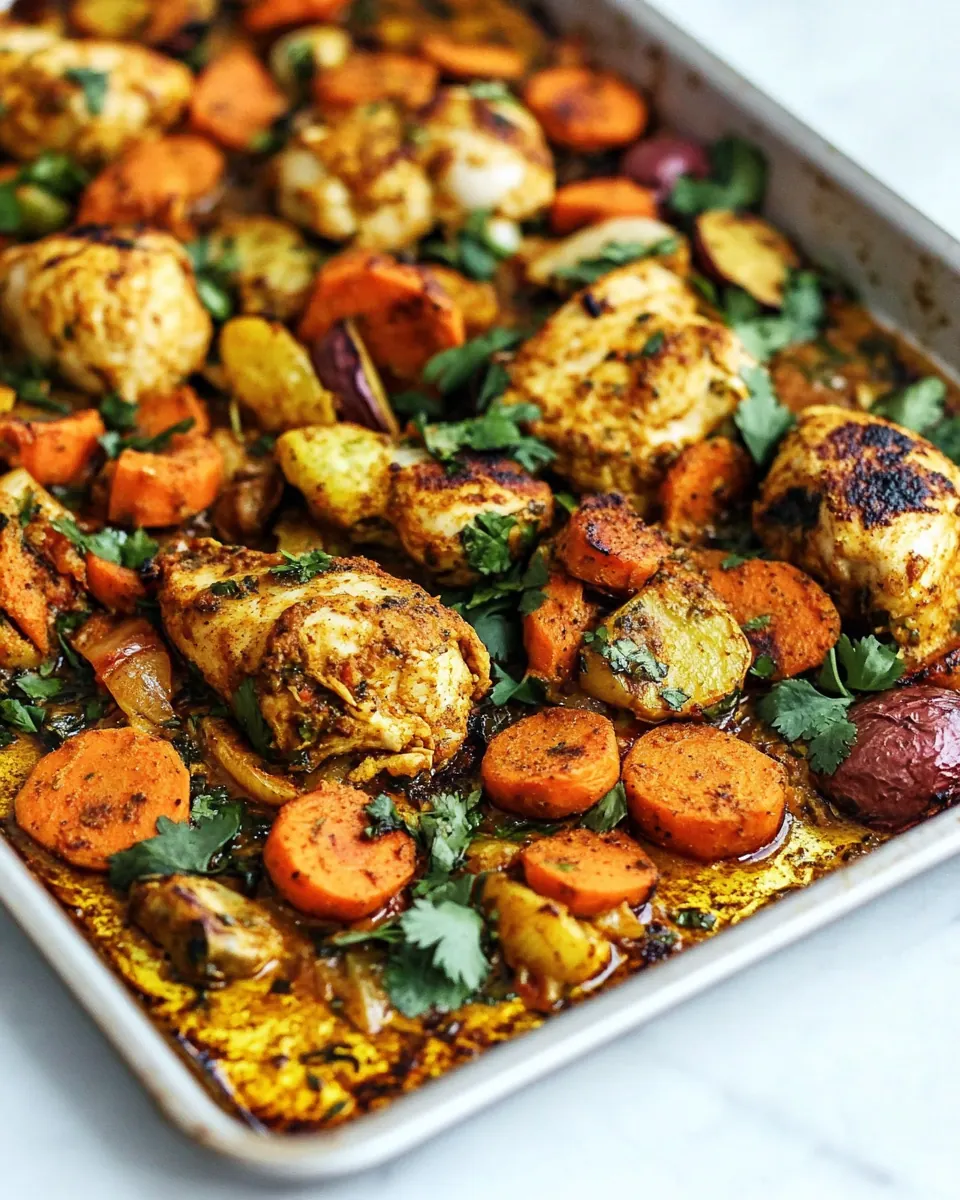
Sheet Pan Curry Chicken and Vegetables
Sheet Pan Curry Chicken and Vegetables has been my go to when I want something bold yet effortless on a weeknight.
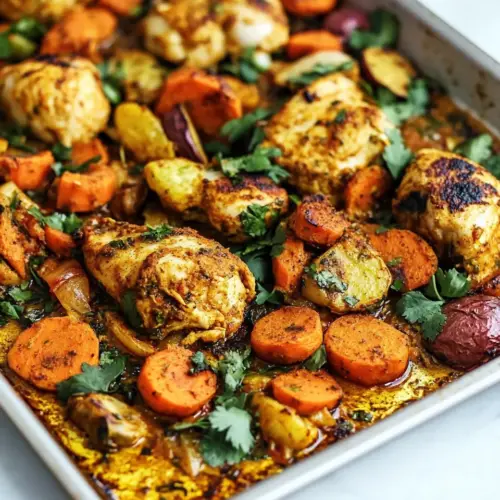
I remember the first time I tossed warm spices over a heap of veggies and chicken, the kitchen filling with a warm, slightly sweet curry aroma that made everyone wander in from other rooms. That evening I learned how a single sheet pan can turn simple ingredients into a comforting, layered meal that feels both homey and a little festive. I like the way the spices crisp onto the edges of the chicken, and how the carrots and cauliflower soak up that fragrant oil, adding snap and soft centers in the same bite.
Over time I adjusted little things, like toasting the pine nuts until they smell nutty and scatter on top for a crunchy contrast, and adding a splash of lemon juice to lift the whole pan at the end. Sharing this recipe with friends, I often hear how approachable it feels, even when the aroma suggests something much more elaborate. I tell them it is proof that good food does not need fuss, just thoughtful seasoning and a hot oven.
Recipe Snapshot
55 mins
10 mins
45 mins
Medium
400 kcal
American
Paleo, Whole30
Dinner
Rimmed sheet pan, Parchment paper, Mixing bowl, Small bowl, Measuring spoons, Skillet for toasting pine nuts
What We Adore About This Sheet Pan Curry Chicken and Vegetables
Simple One Pan Cleanup
I love that Sheet Pan Curry Chicken and Vegetables cooks mostly on one rimmed baking sheet, which means I spend less time washing dishes and more time enjoying the meal with people I care about. The single pan method concentrates flavors, so every bite tastes cohesive. It also makes this recipe a favorite when I want to host but stay relaxed in the kitchen.
Balanced Textures and Flavors
The combination of roasted cauliflower and carrots with tender chicken gives both crisp edges and soft interiors. Spices like curry powder and cinnamon bring warmth, while the toasted pine nuts and plump raisins add crunch and sweet pops. I enjoy how every forkful feels thoughtfully balanced.
Adaptable and Crowd Friendly
I often scale this up easily, and swapping cuts of chicken works well if you prefer thighs. The seasoning is forgiving so you can tweak the heat with cayenne or add more lemon for brightness. For gatherings, this dish travels well from kitchen to table, and leftovers remain satisfying the next day.
Speed Without Sacrificing Depth
Even though the dish roasts for a bit, the hands on time is minimal. Marinating briefly while the vegetables start to roast gives the chicken a chance to pick up flavor without a long wait. That makes it perfect for busy nights when you want layers of flavor without hours of prep.
Comfort with a Twist
This recipe feels familiar because of roasted vegetables and baked chicken, yet the curry spice blend and bright lemon make it interesting. It’s the kind of dinner that feels like a treat, while still being wholesome and approachable. I keep coming back to it because it hits that sweet spot between cozy and exciting.
Key Ingredients for Sheet Pan Curry Chicken and Vegetables
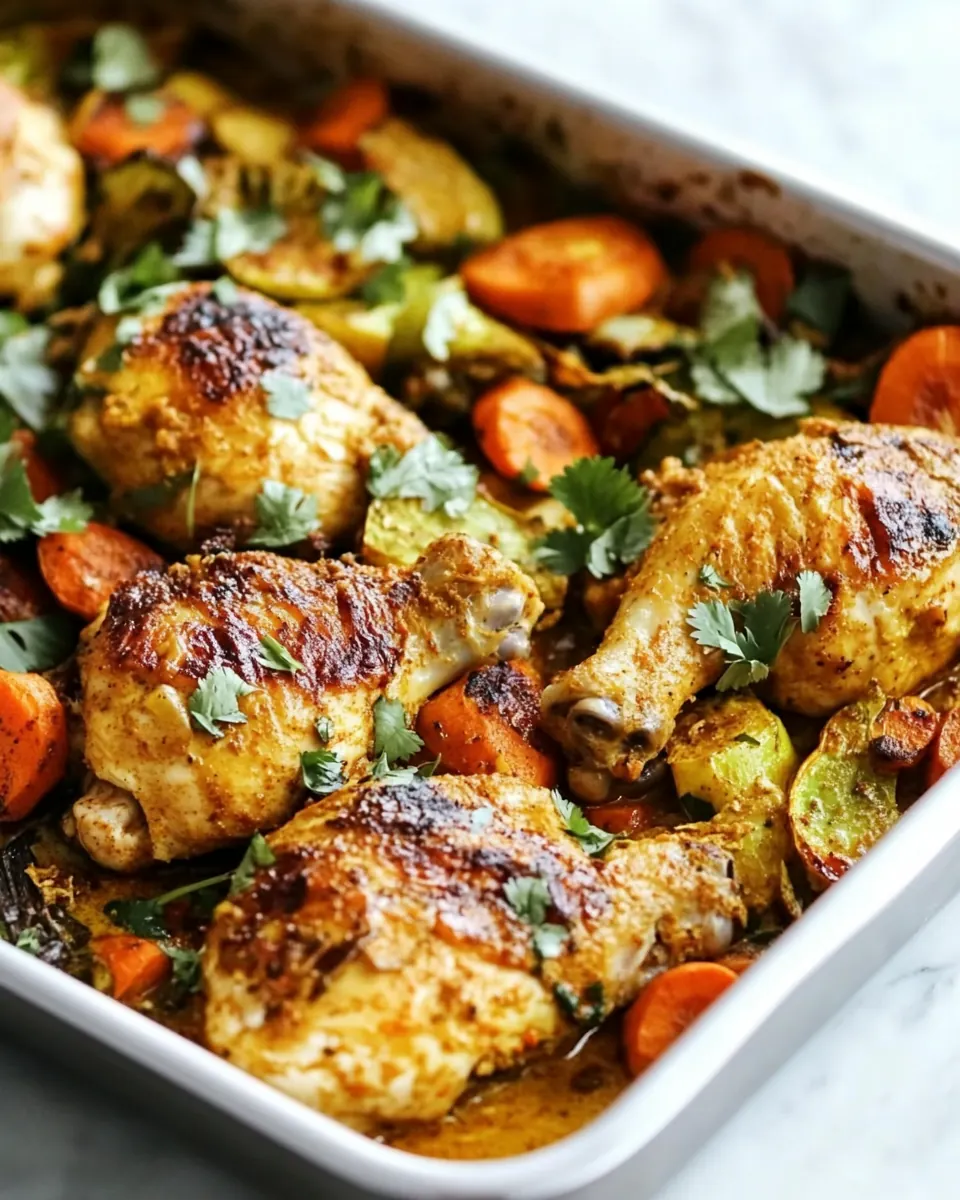
These ingredients work together like a small orchestra. The spices form the melody, the chicken provides the main body, and the assortment of vegetables offers contrasting texture. The oil carries the flavors and helps achieve caramelization, while the finishing touches like pine nuts, raisins, and lemon wedges add crunch, sweet pockets, and brightness. Each player is essential to the harmony.
- 1 tablespoon yellow curry powder: Provide warm, aromatic curry flavor and a golden color; blend with other spices to form the base seasoning for the sheet pan mix. Bind to oil and coat chicken and vegetables evenly for uniform roasting and depth of taste.
- 1/2 teaspoon cumin: Add earthy, smoky undertones that complement the curry; balance the sweetness of carrots and raisins while enhancing savory notes. Sprinkle into the spice mix to deepen overall complexity without overpowering delicate flavors.
- 1/2 teaspoon garlic powder: Impart mellow, roasted garlic nuance and a subtle savory edge; help mimic fresh garlic when minced is limited. Blend into the dry rub so its flavor infuses the chicken and vegetables during high-heat roasting.
- 1/2 teaspoon ground black pepper: Introduce sharp, pungent heat to lift the spice blend and enhance other seasonings; brighten the overall profile without adding direct saltiness. Grind into the seasoning to ensure peppery highlights on each roasted piece.
- 1 teaspoon fine sea salt: Provide necessary seasoning to draw out flavors and balance sweetness and spice; help proteins and vegetables develop better crust during roasting. Dissolve into the oil-spice mixture so it distributes evenly across the sheet pan.
- 1/4 teaspoon ground cinnamon: Contribute a warm, sweet-spicy note that echoes traditional curry profiles; add subtle floral warmth that complements cinnamon-adjacent spices. Use sparingly within the spice mix to avoid overwhelming the dish.
- 1/4 teaspoon cayenne pepper (optional): Deliver optional, concentrated heat and a bright chili kick when desired; accentuate the curry without changing its character significantly. Sprinkle into the seasoning cautiously to tailor spiciness to personal preference.
- 1 onion sliced to 1/2" rings: Offer sweet, savory backbone and tender texture when sliced into rings; release caramelized sugars at high heat to add depth. Scatter around the pan to roast until soft and slightly charred, contributing aromatic layers.
- 3 garlic cloves minced: Provide fresh, pungent garlic aroma and savory richness when minced finely; promote savory browning and flavor penetration into chicken and vegetables. Mix into the oil or toss with produce so the garlic roasts evenly and flavors the dish.
- 1/2 medium cauliflower cut into florets (about 2 cups): Contribute a nutty, slightly bitter texture and hearty bite; soak up seasonings and roast until tender but still crisp. Break into uniform florets so they cook evenly alongside carrots and chicken on the sheet pan.
- 4 medium carrots diced to 1/2": Add natural sweetness, color, and firm-but-tender bite when diced uniformly; help balance curry spices and pair well with raisins and pine nuts. Cut to consistent size so carrots roast through at the same rate as cauliflower and chicken.
- 3 tablespoons avocado oil divided: Serve as the cooking medium and flavor carrier, helping spices adhere and promoting even browning; use divided amounts to coat ingredients and finish roasting. Choose a high smoke-point oil to withstand oven temperatures without burning.
- 4 boneless skinless chicken breasts, about 2 lbs. (see note): Provide the primary protein that soaks up the spice blend and carries the dish; cook until juicy with a lightly crisped exterior on the sheet pan. Slice or pound to even thickness if needed so breasts roast uniformly with vegetables.
- 1 tablespoon lemon juice: Contribute bright acidity to balance rich and sweet elements; help tenderize chicken slightly and lift the overall flavor profile. Drizzle over the finished roast or toss briefly with ingredients before serving for fresh citrus notes.
- 1/4 cup pine nuts toasted: Add crunchy, buttery texture and toasty depth when toasted; complement the curry and provide contrast to softer roasted elements. Scatter over the finished dish to preserve crunch and highlight nutty flavor accents.
- 1/3 cup raisins: Provide concentrated pockets of sweet, chewy contrast that echo Middle Eastern and South Asian roasting traditions; balance savory and spicy notes. Sprinkle into the mixture before or after roasting to meld sweetness with savory components.
- 1/3 cup cilantro chopped: Introduce fresh, herbaceous brightness and a cooling counterpoint to warm spices when chopped; finish the dish with visual color and aromatic lift. Scatter over the roasted ingredients just before serving to preserve freshness.
- lemon wedges for garnish: Offer bright, acidic garnish pieces to squeeze over portions for added freshness and balance; enhance presentation with vibrant color. Serve wedges on the side so diners can adjust acidity to taste.
Making Sheet Pan Curry Chicken and Vegetables
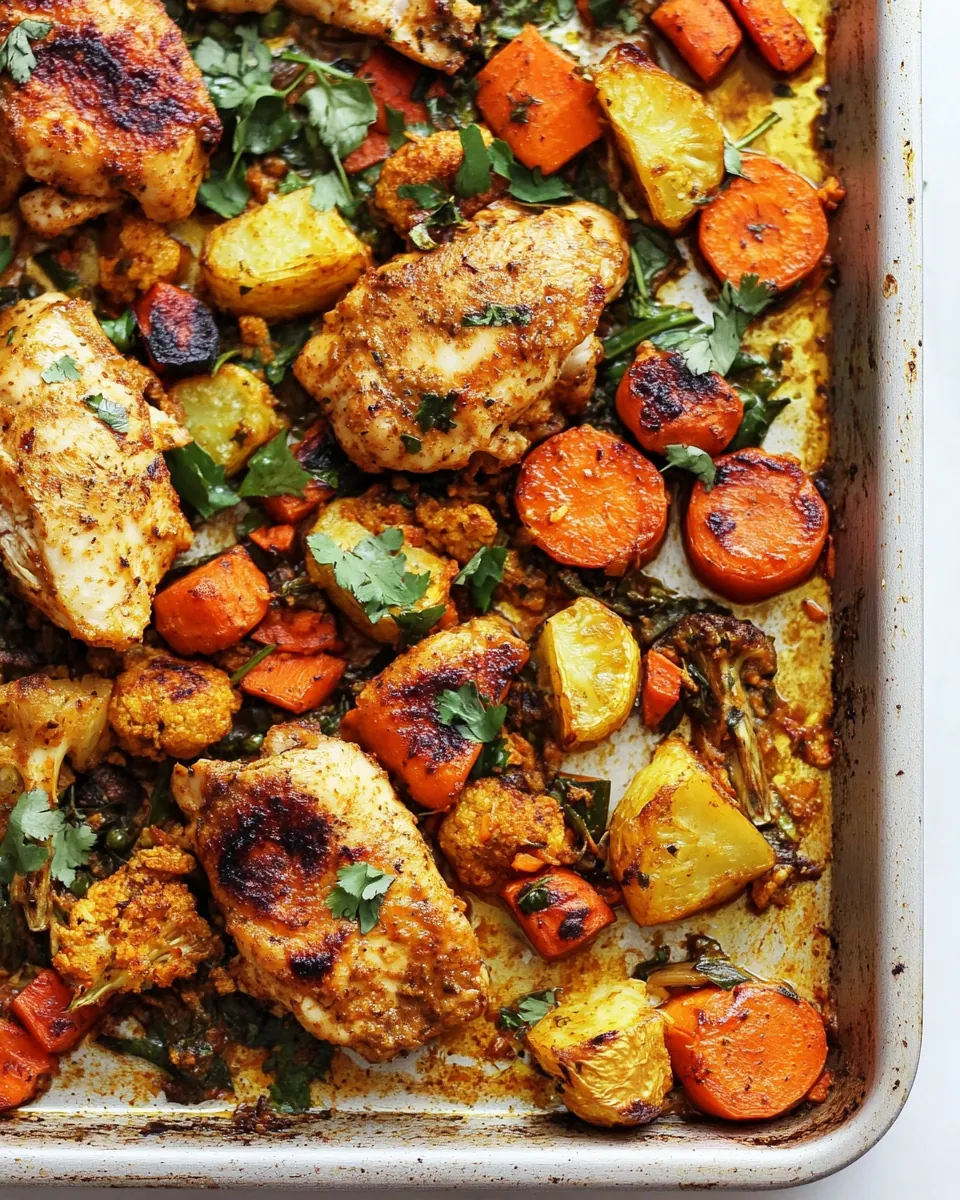
This recipe is straightforward, but I like to walk you through the sensory cues so your oven results mirror mine. The directions that follow are the cleaned steps from the original recipe, expanded with hands on notes to ensure success and confidence as you roast and finish the pan.
- Pre-heat oven to 400ºF and line a rimmed 12" x 18" sheet pan with parchment paper.: The moment you set the oven to 400ºF , you will notice the house begin to warm and the heat primes the pan for even roasting, which is crucial for caramelization. Lining the rimmed sheet pan with parchment creates a nonstick surface and collects browned bits, making cleanup easier. Use a large enough pan so the ingredients have breathing room, or they will steam instead of roast. A common mistake is overcrowding the pan, which prevents browning and yields soggy vegetables .
- In a small bowl, mix curry powder, cumin, garlic powder, salt, pepper, cinnamon, and cayenne (if using) to combine.: As you whisk these spices, the aroma will lift and meld into a single warm-scented blend, the cinnamon adding a sweet whisper and the cayenne providing a background lift if included. Mixing ahead ensures even distribution when it hits the oil and ingredients so no single bite overwhelms. If you skip this, spices can clump and not distribute evenly.
- In a large bowl add sliced onions, garlic, cauliflower florets, carrots, 2 tablespoons avocado oil and 1/2 of spice mixture. Mix to combine and spread on to rimmed baking sheet.: When you toss the onion , minced garlic , cut cauliflower , and diced carrots with oil and half the spice blend, you will feel the oil coat each piece, and the spices will cling, promising golden edges and perfume in the oven. Spread them in a single layer for even color development. A poor toss or uneven layer leads to patchy browning and uneven textures.
- Bake for 20 minutes.: During this initial roast you will hear a quiet oven hum and later notice edges begin to bronz e, a toasty scent rising as sugars caramelize. The first 20 minutes soften the vegetables and begin flavor concentration, which is why you only add the chicken partway through. Opening the oven repeatedly will drop the temperature and stretch cooking time, so resist frequent checks.
- Meanwhile place chicken breasts into the large bowl. Add remaining 1 tablespoon avocado oil, remaining curry spice mixture and lemon juice. Toss to combine and place in refrigerator to marinate while vegetables are baking.: Tossing the chicken in oil and the reserved spices lets the meat surface take on the seasoning so it browns richly once in the oven. The lemon juice adds brightness and a slight tenderizing effect. Marinating briefly while the vegetables start to roast means you get big flavor without a long wait. Avoid letting the chicken sit at room temperature for too long, which can be unsafe.
- Take out sheet pan after 20 minutes, and move vegetables to the edges of the pan to make space for the chicken. Place the chicken breasts in the middle of the pan and pour over any reserved marinade.: As you rearrange, you will see the vegetables with deepened color and slightly crisp edges, their fragrance intensified. Creating a center spot for the chicken ensures it gets direct heat and caramelizes while vegetables continue to roast at the edges. Pouring the marinade over the chicken adds an extra glaze that will brown deliciously. Be careful not to disturb the vegetables too much, or you will lose those crisp edges.
- Continue to bake for 20-25 minutes, or until chicken is fully cooked through.: In this period the oven will serenade you with deeper roasting aromas, and you should look for visual cues like golden edges on the chicken and juices running clear if you slice into the thickest part. Using a thermometer is reliable, 165ºF internal for safety, and it helps prevent overcooking. A common error is relying only on time without checking thickness, which can dry out thicker breasts.
- Remove from oven and sprinkle with pine nuts and raisins. Serve warm with lemon wedges and cilantro.: The final act is sensory rich, the sharp fragrance of toasted pine nuts and sweet raisins mingling with citrusy lemon and herbal cilantro . Scatter them right away so the heat brings out the aromas without wilting the herb. If you let the pan cool completely before adding garnishes, the nuts will lose some crunch and the herbs will darken, so add them promptly.
Helpful Hints
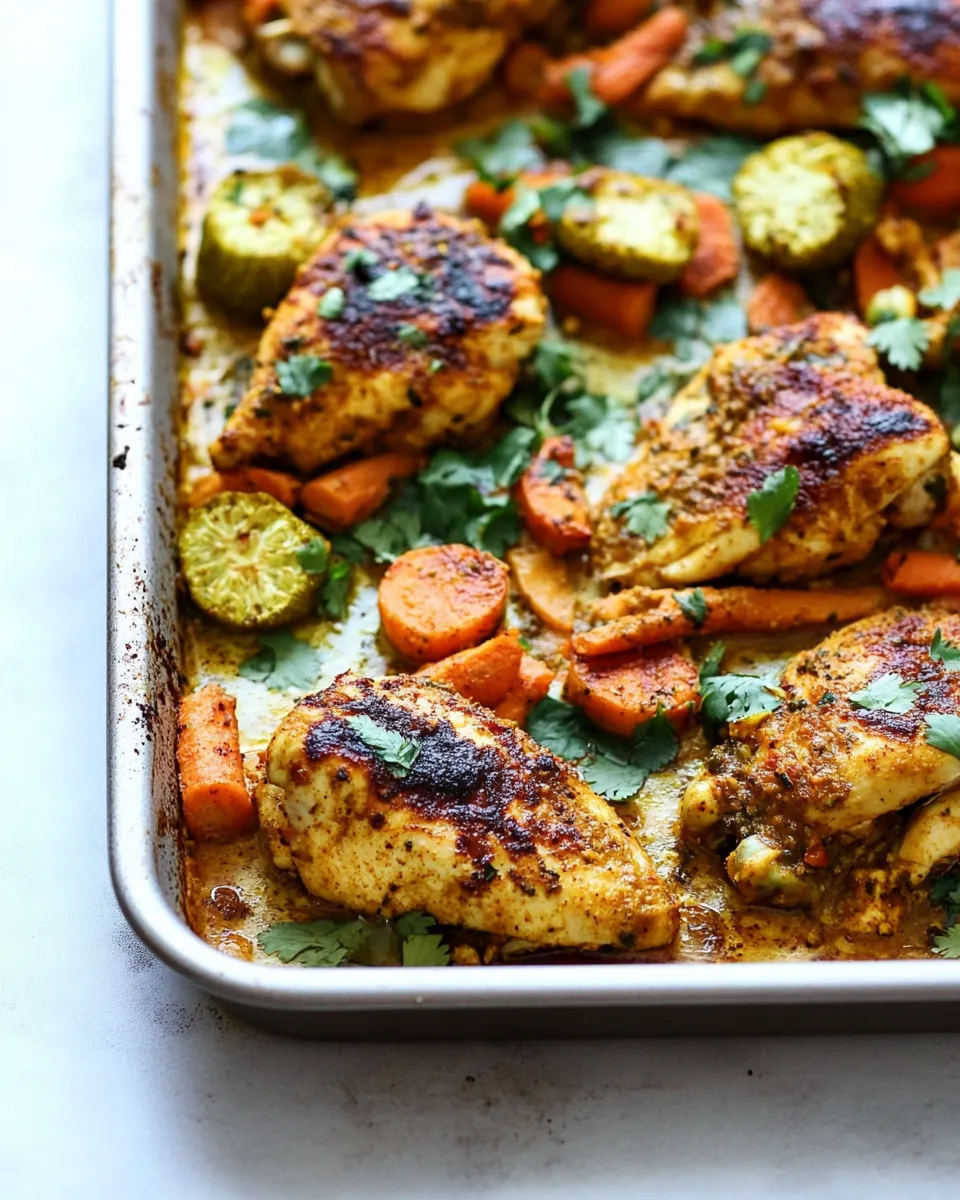
I like to offer a handful of practical pointers that I use every time I make Sheet Pan Curry Chicken and Vegetables. These tips help you get consistent roast color, balanced flavor, and easy cleanup. Read through them and pick two or three to try the first time you make this dish.
- Give the vegetables room so they can brown properly. Overcrowding traps steam and prevents caramelization, resulting in softer, less flavorful pieces.
- Divide the oil between the vegetables and the chicken marinade to ensure both get even coating and browning rather than one element drying out.
- Use a thermometer to check chicken doneness for perfectly juicy breasts; pull at 165ºF and let rest briefly for carryover cooking.
- Toast pine nuts carefully in a dry pan until fragrant and golden, and remove immediately to avoid bitter burnt nuts.
- Reserve half the spice mix for the chicken to concentrate flavor on the meat while allowing vegetables a milder roast seasoning.
- Add raisins after baking or toward the end so they remain plump rather than hardening into little caramelized pieces.
Pairing Suggestions for Sheet Pan Curry Chicken and Vegetables
This dish pairs well with a few simple sides and occasions. The warm curry notes make it suitable for cozy dinners, weeknight meals, and family gatherings. Here are serving ideas, storage notes, and pairing options to round out the meal.
- Serve with rice such as steamed white or basmati to soak up pan juices and balance the spices, creating a comforting plate suitable for family dinner.
- Offer flatbread or warm naan for scooping roasted pieces and adding a soft, chewy contrast to the crisp vegetables, ideal for relaxed sharing meals.
- Bring bright sides like a simple cucumber salad to offer a cool, crisp counterpoint to the warm, spiced pan, making it great for late summer or fall gatherings.
- Occasions like casual dinner parties, busy weeknights, or Ramadan iftar meals work well because the recipe is filling, shareable, and easy to scale up.
- Storage tips Store leftovers in an airtight container in the refrigerator for up to 3 days, or freeze for up to 3 months; reheat gently in an oven or skillet to preserve texture.
- Seasonal pairing The warm spices and roasted vegetables make this especially comforting in fall, matching seasonal produce and cooler weather meals.
FAQ
Conclusion
This recipe stands out because it combines bold curry flavors with the simplicity of a single sheet pan, creating a meal that feels both comforting and special. Give it a try on a busy weeknight or when you want to feed a small crowd without fuss; the aromatic spices, roasted vegetables, and tender chicken deliver every time. I hope it becomes a regular in your rotation, an easy dish you return to when you want something satisfying and reliably delicious.
Sheet Pan Curry Chicken and Vegetables
Equipment
- Rimmed sheet pan
- Parchment Paper
- Mixing Bowl
- Small Bowl
- Measuring Spoons
- Skillet for toasting pine nuts
Ingredients
- 1 tablespoon yellow curry powder Provide warm, aromatic curry flavor and a golden color; blend with other spices to form the base seasoning for the sheet pan mix. Bind to oil and coat chicken and vegetables evenly for uniform roasting and depth of taste.
- 1/2 teaspoon cumin Add earthy, smoky undertones that complement the curry; balance the sweetness of carrots and raisins while enhancing savory notes. Sprinkle into the spice mix to deepen overall complexity without overpowering delicate flavors.
- 1/2 teaspoon garlic powder Impart mellow, roasted garlic nuance and a subtle savory edge; help mimic fresh garlic when minced is limited. Blend into the dry rub so its flavor infuses the chicken and vegetables during high-heat roasting.
- 1/2 teaspoon ground black pepper Introduce sharp, pungent heat to lift the spice blend and enhance other seasonings; brighten the overall profile without adding direct saltiness. Grind into the seasoning to ensure peppery highlights on each roasted piece.
- 1 teaspoon fine sea salt Provide necessary seasoning to draw out flavors and balance sweetness and spice; help proteins and vegetables develop better crust during roasting. Dissolve into the oil-spice mixture so it distributes evenly across the sheet pan.
- 1/4 teaspoon ground cinnamon Contribute a warm, sweet-spicy note that echoes traditional curry profiles; add subtle floral warmth that complements cinnamon-adjacent spices. Use sparingly within the spice mix to avoid overwhelming the dish.
- 1/4 teaspoon cayenne pepper optional Deliver optional, concentrated heat and a bright chili kick when desired; accentuate the curry without changing its character significantly. Sprinkle into the seasoning cautiously to tailor spiciness to personal preference.
- 1 onion sliced to 1/2" rings Offer sweet, savory backbone and tender texture when sliced into rings; release caramelized sugars at high heat to add depth. Scatter around the pan to roast until soft and slightly charred, contributing aromatic layers.
- 3 garlic cloves minced Provide fresh, pungent garlic aroma and savory richness when minced finely; promote savory browning and flavor penetration into chicken and vegetables. Mix into the oil or toss with produce so the garlic roasts evenly and flavors the dish.
- 1/2 medium cauliflower cut into florets (about 2 cups) Contribute a nutty, slightly bitter texture and hearty bite; soak up seasonings and roast until tender but still crisp. Break into uniform florets so they cook evenly alongside carrots and chicken on the sheet pan.
- 4 medium carrots diced to 1/2" Add natural sweetness, color, and firm-but-tender bite when diced uniformly; help balance curry spices and pair well with raisins and pine nuts. Cut to consistent size so carrots roast through at the same rate as cauliflower and chicken.
- 3 tablespoons avocado oil divided Serve as the cooking medium and flavor carrier, helping spices adhere and promoting even browning; use divided amounts to coat ingredients and finish roasting. Choose a high smoke-point oil to withstand oven temperatures without burning.
- 4 boneless skinless chicken breasts, about 2 lbs. (see note) Provide the primary protein that soaks up the spice blend and carries the dish; cook until juicy with a lightly crisped exterior on the sheet pan. Slice or pound to even thickness if needed so breasts roast uniformly with vegetables.
- 1 tablespoon lemon juice Contribute bright acidity to balance rich and sweet elements; help tenderize chicken slightly and lift the overall flavor profile. Drizzle over the finished roast or toss briefly with ingredients before serving for fresh citrus notes.
- 1/4 cup pine nuts toasted Add crunchy, buttery texture and toasty depth when toasted; complement the curry and provide contrast to softer roasted elements. Scatter over the finished dish to preserve crunch and highlight nutty flavor accents.
- 1/3 cup raisins Provide concentrated pockets of sweet, chewy contrast that echo Middle Eastern and South Asian roasting traditions; balance savory and spicy notes. Sprinkle into the mixture before or after roasting to meld sweetness with savory components.
- 1/3 cup cilantro chopped Introduce fresh, herbaceous brightness and a cooling counterpoint to warm spices when chopped; finish the dish with visual color and aromatic lift. Scatter over the roasted ingredients just before serving to preserve freshness.
- lemon wedges for garnish Offer bright, acidic garnish pieces to squeeze over portions for added freshness and balance; enhance presentation with vibrant color. Serve wedges on the side so diners can adjust acidity to taste.
Instructions
- Pre-heat oven to 400ºF and line a rimmed 12" x 18" sheet pan with parchment paper.: The moment you set the oven to 400ºF , you will notice the house begin to warm and the heat primes the pan for even roasting, which is crucial for caramelization. Lining the rimmed sheet pan with parchment creates a nonstick surface and collects browned bits, making cleanup easier. Use a large enough pan so the ingredients have breathing room, or they will steam instead of roast. A common mistake is overcrowding the pan, which prevents browning and yields soggy vegetables .
- In a small bowl, mix curry powder, cumin, garlic powder, salt, pepper, cinnamon, and cayenne (if using) to combine.: As you whisk these spices, the aroma will lift and meld into a single warm-scented blend, the cinnamon adding a sweet whisper and the cayenne providing a background lift if included. Mixing ahead ensures even distribution when it hits the oil and ingredients so no single bite overwhelms. If you skip this, spices can clump and not distribute evenly.
- In a large bowl add sliced onions, garlic, cauliflower florets, carrots, 2 tablespoons avocado oil and 1/2 of spice mixture. Mix to combine and spread on to rimmed baking sheet.: When you toss the onion , minced garlic , cut cauliflower , and diced carrots with oil and half the spice blend, you will feel the oil coat each piece, and the spices will cling, promising golden edges and perfume in the oven. Spread them in a single layer for even color development. A poor toss or uneven layer leads to patchy browning and uneven textures.
- Bake for 20 minutes.: During this initial roast you will hear a quiet oven hum and later notice edges begin to bronz e, a toasty scent rising as sugars caramelize. The first 20 minutes soften the vegetables and begin flavor concentration, which is why you only add the chicken partway through. Opening the oven repeatedly will drop the temperature and stretch cooking time, so resist frequent checks.
- Meanwhile place chicken breasts into the large bowl. Add remaining 1 tablespoon avocado oil, remaining curry spice mixture and lemon juice. Toss to combine and place in refrigerator to marinate while vegetables are baking.: Tossing the chicken in oil and the reserved spices lets the meat surface take on the seasoning so it browns richly once in the oven. The lemon juice adds brightness and a slight tenderizing effect. Marinating briefly while the vegetables start to roast means you get big flavor without a long wait. Avoid letting the chicken sit at room temperature for too long, which can be unsafe.
- Take out sheet pan after 20 minutes, and move vegetables to the edges of the pan to make space for the chicken. Place the chicken breasts in the middle of the pan and pour over any reserved marinade.: As you rearrange, you will see the vegetables with deepened color and slightly crisp edges, their fragrance intensified. Creating a center spot for the chicken ensures it gets direct heat and caramelizes while vegetables continue to roast at the edges. Pouring the marinade over the chicken adds an extra glaze that will brown deliciously. Be careful not to disturb the vegetables too much, or you will lose those crisp edges.
- Continue to bake for 20-25 minutes, or until chicken is fully cooked through.: In this period the oven will serenade you with deeper roasting aromas, and you should look for visual cues like golden edges on the chicken and juices running clear if you slice into the thickest part. Using a thermometer is reliable, 165ºF internal for safety, and it helps prevent overcooking. A common error is relying only on time without checking thickness, which can dry out thicker breasts.
- Remove from oven and sprinkle with pine nuts and raisins. Serve warm with lemon wedges and cilantro.: The final act is sensory rich, the sharp fragrance of toasted pine nuts and sweet raisins mingling with citrusy lemon and herbal cilantro . Scatter them right away so the heat brings out the aromas without wilting the herb. If you let the pan cool completely before adding garnishes, the nuts will lose some crunch and the herbs will darken, so add them promptly.
Notes
- Give the vegetables room so they can brown properly. Overcrowding traps steam and prevents caramelization, resulting in softer, less flavorful pieces.
- Divide the oil between the vegetables and the chicken marinade to ensure both get even coating and browning rather than one element drying out.
- Use a thermometer to check chicken doneness for perfectly juicy breasts; pull at 165ºF and let rest briefly for carryover cooking.
- Toast pine nuts carefully in a dry pan until fragrant and golden, and remove immediately to avoid bitter burnt nuts.
- Reserve half the spice mix for the chicken to concentrate flavor on the meat while allowing vegetables a milder roast seasoning.
- Add raisins after baking or toward the end so they remain plump rather than hardening into little caramelized pieces.
