Vegetarian Chili Recipe
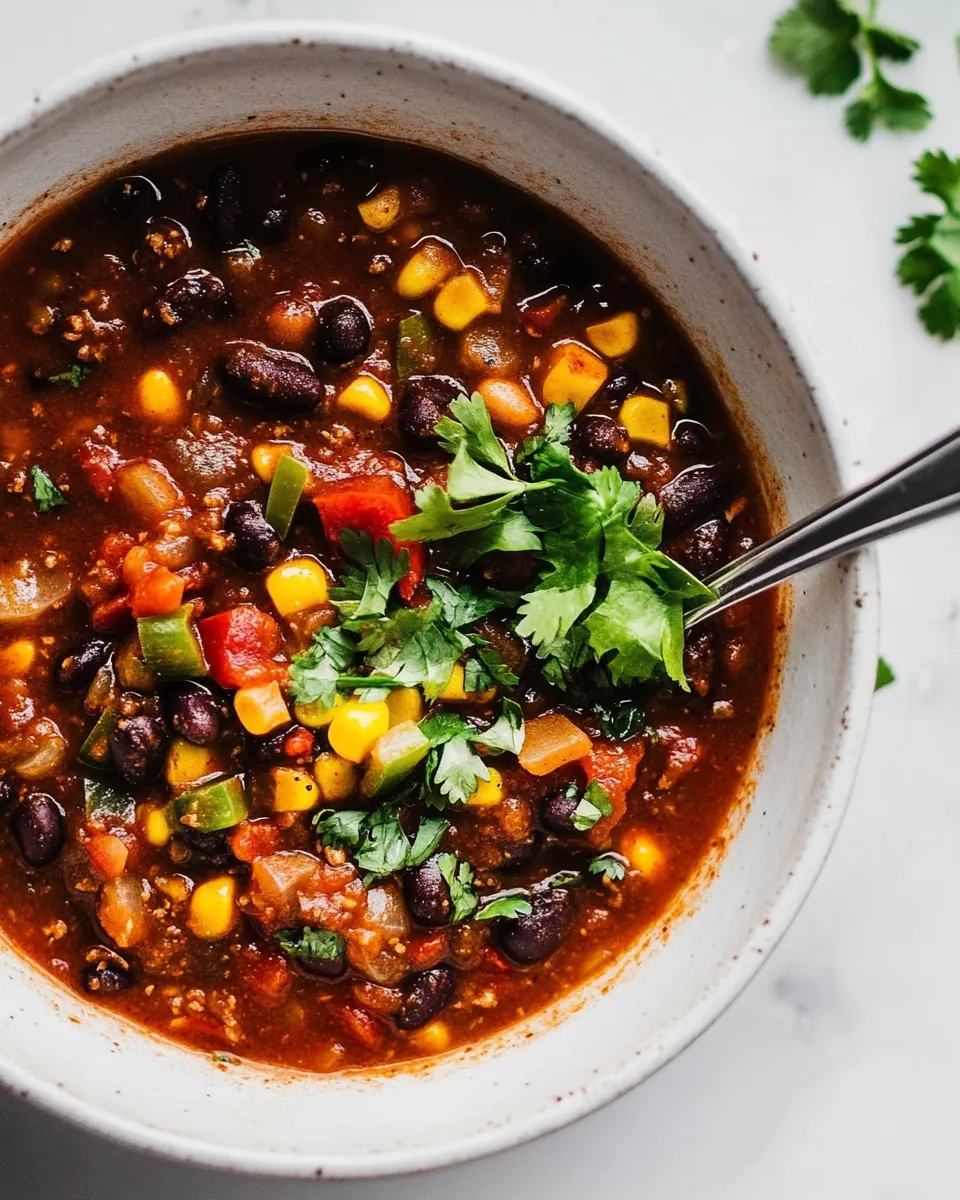
Vegetarian Chili Recipe is the kind of bowl I fall back on when I want comfort without fuss, a pot that fills the kitchen with warm, smoky aromas and keeps well for busy weeknights. The first time I made this version I was chasing a memory of a diner chili, but wanted something meatless that still felt hearty, so I layered beans, fire roasted tomatoes, and bold spices until it sang. Right away the house smelled of chili powder and cumin, and I knew I had struck the right balance between warmth and brightness.
Over the next few batches I learned to respect small choices that make a big difference. Sautéing the onion and red bell pepper until they were very tender coaxed out a sweetness that softens the spice. Blending a portion of the chili created a silky body, while leaving the rest chunky kept texture lively. I love serving it with a squeeze of lime and a scattering of fresh cilantro because that acid and herb lift everything. This recipe became my go to for chilly nights, potlucks, and times when I want a one pot dinner that feels special without being complicated.
What I share here is practical and forgiving, written from the standpoint of someone who cooks for family and friends, then tastes and adjusts. I mention optional bits, because I like giving you room to make it your own, but the core is straightforward and dependable. If you stick to the rhythm of sauté, spice, simmer, and partial blending, you will end up with a bowl that warms more than your hands. Every spoonful tells the story of careful seasoning and simple technique, and that is why this recipe lives on my regular rotation.
Recipe Snapshot
50 mins
20 mins
30 mins
Medium
220 kcal
American
Vegan, Gluten-Free
Dinner
Large pot or Dutch oven, Blender
Why This Vegetarian Chili Recipe Stands Out
Hearty without heaviness
I adore how Vegetarian Chili Recipe manages to feel substantial and comforting while remaining entirely plant based. The mix of black beans, pinto beans, and a touch of blended vegetables gives a meaty texture that satisfies, yet it never sits heavy. I often serve it when I want to please a crowd without dragging out complicated steps.
Layered, bold flavor
We build flavor in stages, starting with gently caramelized onion and red bell pepper, then toasting spices like chili powder and cumin. That short burst of toasting releases essential oils and creates a deep, savory backbone. Because I taste and adjust as I go, the heat and acidity end up balanced instead of one note dominating.
Comfort and versatility
You can make this pot as mild or as fiery as you like. I appreciate recipes that travel from weeknight bowls to casual parties, and this one does both. Spoon it over rice, ladle it into baked potatoes, or use it as a filling for warm tortillas. The base is forgiving, so you can tweak spice levels and toppings to suit your mood.
Make ahead friendly
I love that Vegetarian Chili Recipe improves after a day in the fridge. Flavors meld and the texture firms up in a way that makes reheating a pleasure. For meal prep, I double the batch and freeze portions, then thaw slowly to keep the texture intact. It is a dependable option when I need a quick, nourishing meal later in the week.
Bright finishing touches
A squeeze of lime and a handful of chopped cilantro at the end transform the pot from cozy to bright. Acid and fresh herb are small moves with a big payoff, and they help the spices sing. I always recommend tasting before adding these, so your final balance is personalized.
Ingredients Required for Vegetarian Chili Recipe
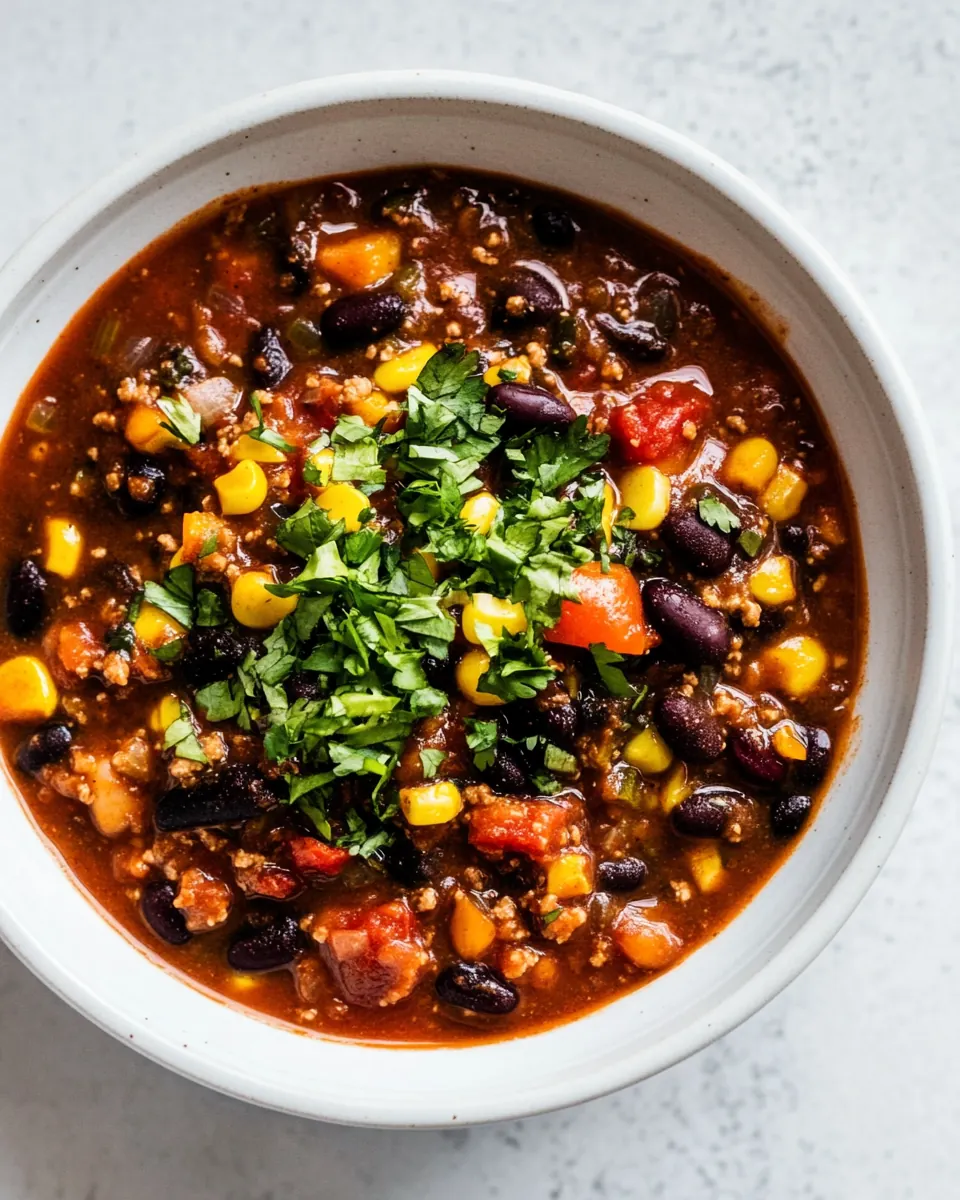
These ingredients were chosen to create a balanced, layered chili that is both comforting and bright. The base of sautéed aromatics and toasted spices builds savory depth, while canned tomatoes and beans provide body and convenience. Key players like chili powder and cumin deliver warmth, and finishing elements like lime and cilantro add freshness.
- 2 tablespoons olive oil: Heat and sauté in a skillet to provide a flavorful cooking fat and help brown aromatics for depth in the chili; olive oil also carries spices and enhances mouthfeel. Use medium heat to gently bloom spices and prevent burning while building the base of the dish.
- 1 small yellow onion finely diced (1 cup): Finely dice and sweat until translucent to add sweet, savory depth and a tender texture; onion forms the aromatic backbone that balances acidity from tomatoes and brightness from lime. Cook until soft to release natural sugars that deepen the chili’s flavor profile.
- 1 tablespoon minced garlic: Minced and added early to release pungent, savory aroma and complement the onion and bell pepper; garlic builds umami and complexity. Stir briefly to avoid burning so it contributes a mellow, roasted note.
- 1 red bell pepper finely diced: Finely dice and sauté with aromatics to contribute a crisp, sweet pepper flavor and bright color contrast; red bell pepper adds vegetal sweetness and texture. Add early so it softens and integrates with the base flavors of the chili.
- 2 tablespoons ground chili powder: Measure and toast briefly to develop smoky, warm heat and create the characteristic chili flavor; ground chili powder provides the primary chili spice and color. Add gradually and cook with oil to bloom its flavor into the sauce.
- 1 1/2 teaspoons dried oregano: Sprinkle to contribute herbaceous, slightly bitter notes and Mediterranean warmth; dried oregano enhances the savory profile and pairs well with tomatoes and beans. Crush lightly between fingers before adding to release oils and aroma.
- 1 teaspoon ground cumin: Stir in to impart earthy, warm, slightly citrusy undertones that complement chili powder and enhance overall spice complexity; ground cumin anchors chili with classic Southwestern flavors. Toast briefly in oil to unlock deeper flavors.
- 1/2 teaspoon dried basil: Add for subtle sweet and slightly minty herbal complexity that softens the overall spice blend and adds nuance; dried basil harmonizes with tomato elements. Use sparingly so it supports other seasonings without overpowering.
- 1/2 teaspoons seasoned salt: Season and balance savory needs with a mild salty-herb mix that elevates other spices; seasoned salt adds convenience and rounded seasoning. Adjust to taste to avoid over-salting given canned ingredients may already contain sodium.
- 1/2 teaspoon cayenne pepper see note 1: Sprinkle carefully to introduce concentrated heat and lively kick that brightens the chili; cayenne pepper raises the spiciness level when desired. Add slowly and taste as you go to control overall heat.
- 1/2 teaspoon paprika: Dust in to add smoky, sweet warmth and deepen color without adding more heat; paprika provides a gentle pepper flavor and visual appeal. Use a mild or smoked variety depending on desired smokiness.
- 1/4 teaspoon pepper: Season and balance flavors with ground black pepper to add subtle heat and aromatic bite; pepper enhances perception of other spices. Grind fresh for best potency and adjust to personal taste.
- 2 (14.5-ounce) cans fire-roasted diced tomatoes: Pour in as a concentrated tomato base with caramelized, smoky notes to create body and acidity; fire–roasted diced tomatoes contribute texture and deep roasted flavor. Include both cans to ensure enough liquid and tomato presence.
- 2 (14.5-ounce) cans black beans drained and rinsed: Drain, rinse, and fold in to provide creamy texture, protein, and earthy flavor while absorbing the chili’s spices; black beans add substance and make the dish hearty and satisfying. Rinsing reduces excess sodium and improves flavor integration.
- 1 (14.5-ounce) can pinto beans drained and rinsed: Drain, rinse, and add to supply additional protein and a slightly nutty, creamy bite that complements black beans; pinto beans add variety in texture and color. Combine with other beans for a well-rounded legume mix.
- 1 (4-ounce) can diced green chiles (optional): Optional and drained, fold in to introduce mild heat and tangy, savory flavor from green chiles; diced green chiles add Southwestern character and a gentle lift. Include only if desired for extra chile complexity.
- 1 cup frozen corn: Stir in frozen to contribute subtle sweetness, pop of texture, and bright color contrast; corn balances savory spices and adds a pleasant bite. Add near the end to retain some texture without becoming mushy.
- 1 cup vegetable broth: Pour and simmer to create the stew base, add moisture, and meld flavors; vegetable broth enhances savory depth and allows control over saltiness. Use a good-quality broth to enrich the overall mouthfeel and umami.
- 1 1/2 teaspoons sugar: Measure and stir to slightly balance acidity and round out flavors with a touch of sweetness; sugar tempers tomato tartness and harmonizes spices. Dissolve into the simmering chili so it disperses evenly.
- 1 bay leaf: Add whole to infuse subtle herbal, floral notes and aromatics during simmering; a bay leaf contributes background complexity that deepens over cooking time. Remove before serving to avoid unexpected texture in bowls.
- 1 lime: Squeeze and zest as needed to introduce bright acidity and fresh citrus lift that cuts through richness; lime adds tang and a finishing brightness. Serve lime wedges for optional individual adjustment at the table.
- 1/4 cup finely chopped cilantro (optional): Chop finely and sprinkle to add fresh, herbaceous brightness and a lively finish when stirred in or used as a garnish; cilantro provides a clean contrast to cooked spices. Add at the end of cooking to preserve its fresh flavor and color.
- Toppings as desired see note 1: Prepare and present as desired to enhance texture and flavor at serving; toppings like cheese, sour cream, or avocado add creaminess, heat, or freshness. Offer optional toppings for customization and an elevated eating experience.
Vegetarian Chili Recipe Instructions
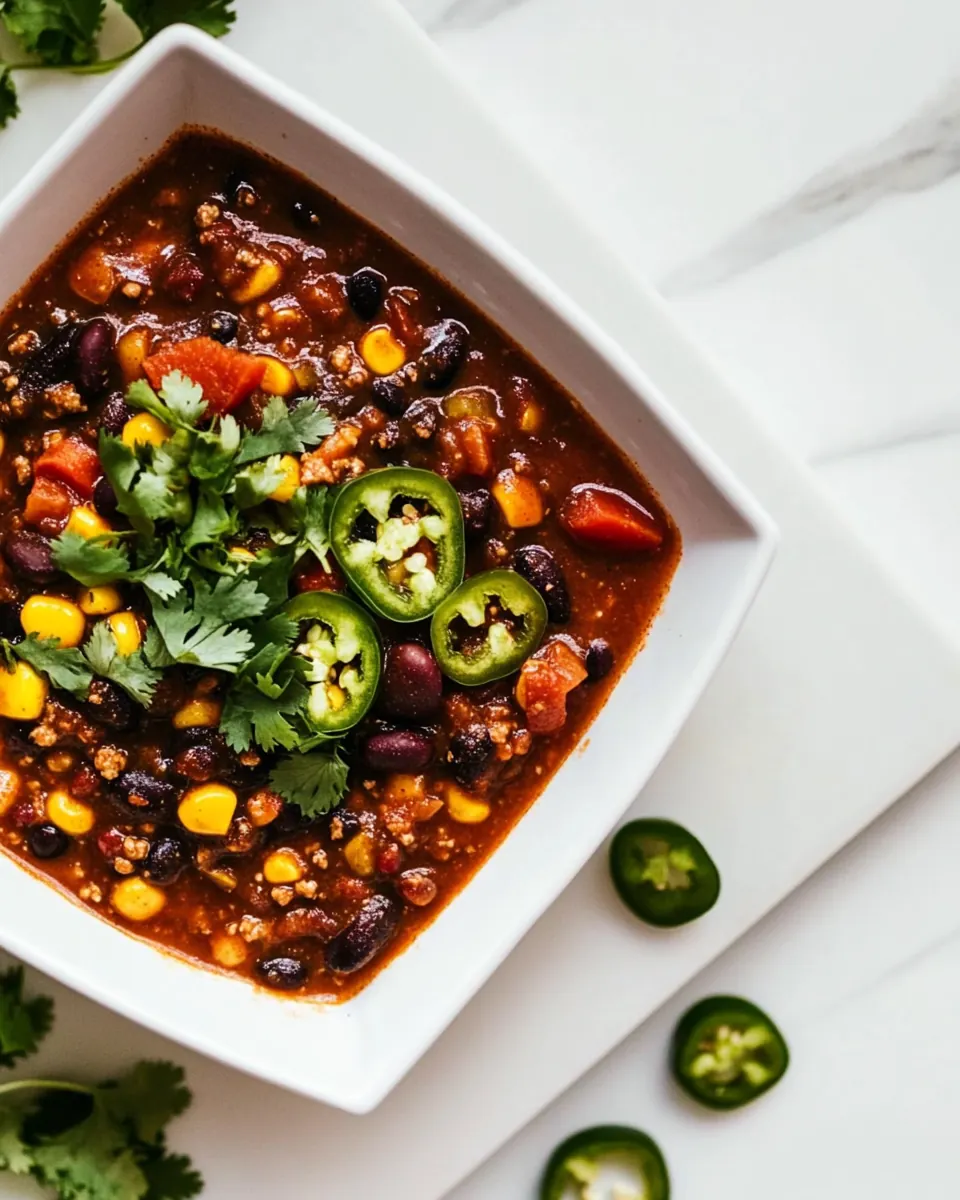
These instructions follow a straightforward rhythm of sautéing, toasting spices, simmering, and partially blending to achieve a chili that is both richly flavored and pleasingly textured. Below I expand each step with sensory cues, reasoning, and troubleshooting tips so you know what to watch for as you cook.
- Heat a large, heavy-bottomed pot over medium-high heat. Add olive oil and let it heat for about 30 seconds. Add diced onion and red pepper. Cook, stirring occasionally, until very tender, about 6–9 minutes.: The pan should smell faintly warm and the oil will shimmer when it is ready, not smoke. As the onion and red bell pepper soften you will hear occasional gentle sizzling and see edges go translucent then take on a golden tint, releasing sweet, caramelized aromas. This stage builds the sweet heart of the chili and breaking down the vegetables here helps thicken the sauce later. A common mistake is rushing the heat too high, which browns edges too fast and leaves the inside undercooked; keep the temperature steady and stir every minute or two so nothing sticks. If the pan starts to smoke, lower the heat, and add a splash of broth to deglaze and capture those browned bits.
- Reduce heat to medium. Add garlic, chili powder, oregano, cumin, basil, seasoned salt, cayenne, paprika, and pepper. Stir constantly for 45 seconds to 1 minute until fragrant.: Once the vegetables are tender, adding minced garlic and spices releases an immediate aromatic pop that will fill the kitchen with warm, toasted notes. You should smell toasted chili and cumin quite quickly; the mixture will go from vegetal to deeply spiced. Stirring constantly keeps the spices from clumping or burning and allows their essential oils to bloom into the oil, integrating flavor throughout the pot. Beware of overcooking here — garlic can turn bitter if left too long — so watch the time and remove from direct heat briefly if any sign of scorching appears.
- Carefully pour in the undrained diced tomatoes (they may splatter). Stir for about 20 seconds. Add black beans, pinto beans, green chiles (if using), corn, vegetable broth, sugar, and the bay leaf.: When the tomatoes hit the hot pan you may hear a brief sizzling and see the mixture begin to deglaze, lifting browned bits into the sauce for extra depth. Use a long handled spoon and add them slowly to avoid splatter. The canned tomato liquid helps create the base of the chili while the beans and frozen corn introduce texture. Stir just long enough to combine before adding the broth to establish the simmering liquid. A typical misstep is adding too much liquid at once; if the chili seems thin, simmer to reduce rather than adding thickeners.
- Stir to combine. Reduce heat as needed to maintain a gentle simmer, stirring occasionally. Let cook for 25–30 minutes.: You want a gentle, steady simmer that produces little bubbles and a cozy smell of melded spices and tomato. Over the simmer the sauce will darken and concentrate, and the beans will soak in flavors. Stir periodically to ensure nothing sticks to the bottom and to check the consistency. If the simmer is too vigorous you risk breaking down the beans excessively and thinning the chili with evaporation, so lower the heat to keep it gentle. This long gentle cook is what allows the layers of flavor to marry.
- Remove 1-1/2 cups of chili and transfer to a blender. To avoid spills, remove the blender lid’s center insert and cover the opening with a kitchen towel. Blend until smooth, then pour back into the chili and stir.: When you blend a portion you create a velvety body that thickens the pot without resorting to flour or cornstarch. The aroma will be fuller and the texture more cohesive once the blended portion returns. Use caution during blending because hot liquids expand; the kitchen towel trick and removing the center insert relieve pressure while protecting your hands. A common mistake is blending too much at once which can cause a hot splash; blend in batches if needed and be sure to secure the lid well with a towel as described.
- Squeeze in fresh lime juice and stir in cilantro (if using). Adjust seasoning to taste. Serve with your favorite toppings—Cheddar cheese and sour cream are my go-to!: The final squeeze of lime brightens the deep, smoky flavors and lifts the palate, while chopped cilantro gives a fresh herbal finish. Taste for salt and heat, then tweak with a pinch more seasoned salt or cayenne according to preference. When serving, the contrast of creamy toppings with the spicy, warm chili creates delightful temperature and texture differences. One mistake is adding acid too early; it can mute slow cooked flavors, so save bright citrus for the end to preserve the layered profile you built during cooking.
Ways to Adapt This Recipe
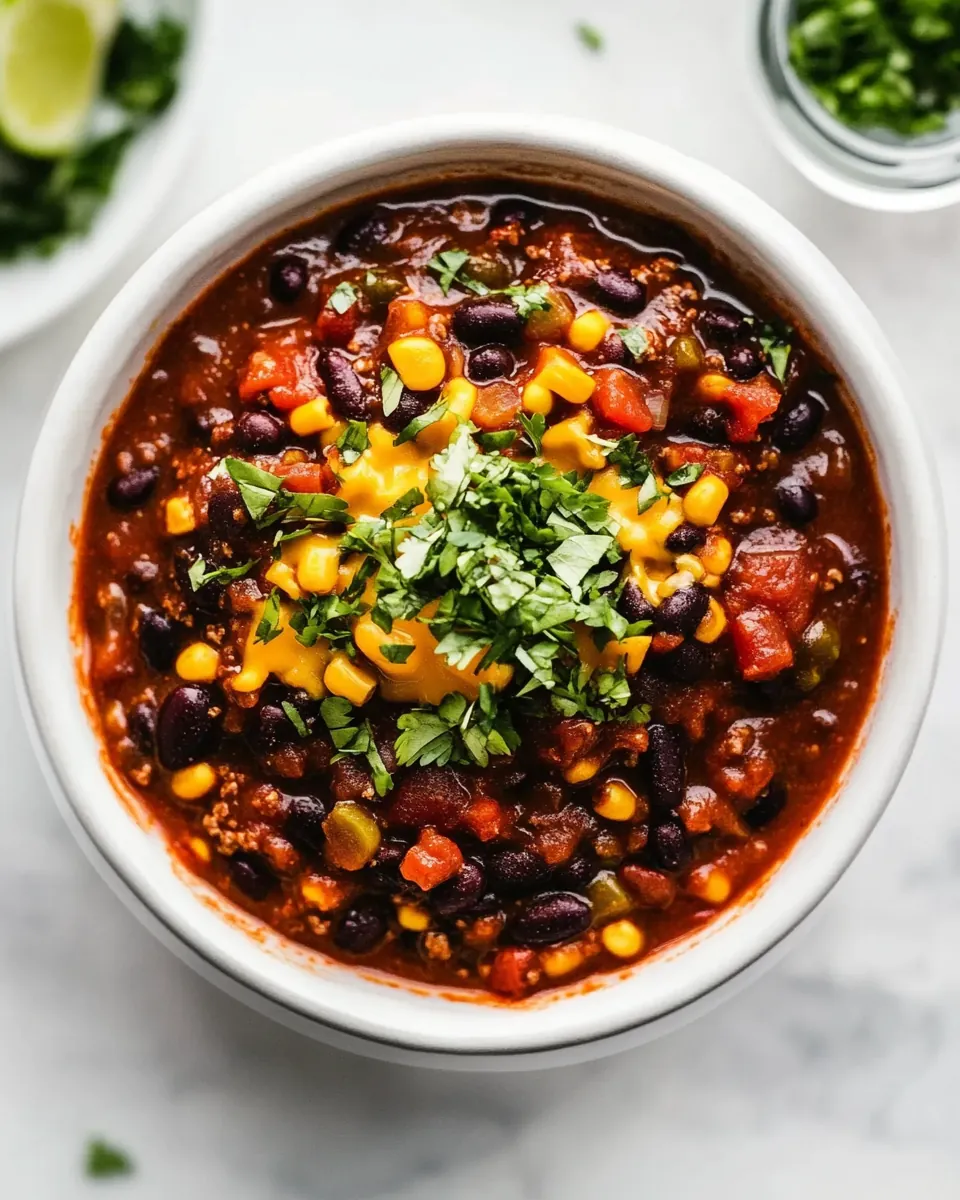
This section offers practical variations and storage ideas so you can adapt Vegetarian Chili Recipe for different meals and preferences. Below are expanded tips that you can apply directly while cooking, storing, or serving.
- Make it milder or hotter: Reduce or omit the cayenne pepper and increase chili powder more gently to control heat without losing flavor complexity.
- Boost the body: For a thicker chili, remove and blend a larger portion of the pot, or simmer a bit longer to reduce excess liquid while tasting to maintain balance.
- Protein add ins: Add a can of white beans or extra black beans to increase protein and bulk while preserving the vegetarian profile.
- Stovetop to slow cooker: After the sauté and spice step, transfer everything to a slow cooker and cook on low for 4 to 6 hours for hands off simmering and tender melding of flavors.
- Freezing and reheating: Cool completely before freezing in portioned containers; thaw in the fridge and reheat gently on the stove, adding a splash of broth if it has thickened too much.
Serving Suggestions
This section describes thoughtful ways to present and pair Vegetarian Chili Recipe for different occasions, plus storage and seasonal ideas to keep it versatile and appealing.
- Casual bowl service: Ladle warm chili into bowls and offer a toppings station with options from the original notes, letting guests personalize each serving.
- Family dinner: Serve the chili alongside warm cornbread or over steamed rice for a hearty, comforting meal that fills up dinner plates.
- Party friendly: Keep the chili in a slow cooker on low with multiple bowls of toppings so guests can help themselves during gatherings or game day events.
- Meal prep: Portion into airtight containers for quick lunches or dinners; the chili keeps well in the fridge for up to five days, and freezes beautifully for longer storage.
- Seasonal pairings: In fall and winter, pair the chili with roasted root vegetables or a crisp green salad to balance the warm, spiced flavors.
- Special occasions: For holiday casual menus, serve as a vegetarian centerpiece accompanied by fresh toppings and toasted bread for dipping.
FAQ
Conclusion
This Vegetarian Chili Recipe shines because it layers toasted spices, sautéed aromatics, and a partial blending technique to create comforting, complex flavor and satisfying texture. Give it a try on a cool evening, and you will likely find it becomes a dependable favorite for weeknight dinners and make ahead meals. The method is forgiving, so taste as you go, adjust the heat to your liking, and finish with a bright squeeze of lime for the best results. Enjoy customizing the toppings and serving styles to suit your table.
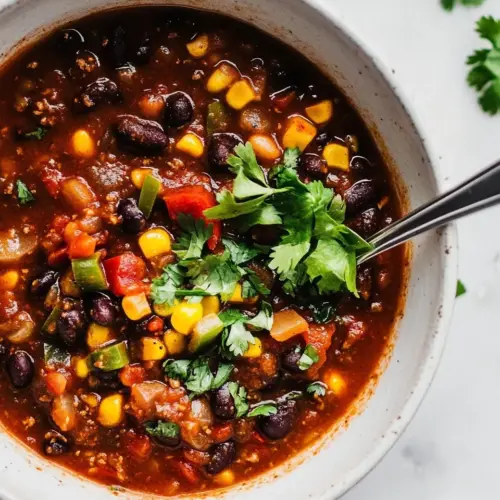
Vegetarian Chili Recipe
Equipment
- Large Pot or Dutch Oven
- Blender
Ingredients
- 2 tablespoons olive oil Heat and sauté in a skillet to provide a flavorful cooking fat and help brown aromatics for depth in the chili; olive oil also carries spices and enhances mouthfeel. Use medium heat to gently bloom spices and prevent burning while building the base of the dish.
- 1 small yellow onion finely diced (1 cup) Finely dice and sweat until translucent to add sweet, savory depth and a tender texture; onion forms the aromatic backbone that balances acidity from tomatoes and brightness from lime. Cook until soft to release natural sugars that deepen the chili’s flavor profile.
- 1 tablespoon minced garlic Minced and added early to release pungent, savory aroma and complement the onion and bell pepper; garlic builds umami and complexity. Stir briefly to avoid burning so it contributes a mellow, roasted note.
- 1 red bell pepper finely diced Finely dice and sauté with aromatics to contribute a crisp, sweet pepper flavor and bright color contrast; red bell pepper adds vegetal sweetness and texture. Add early so it softens and integrates with the base flavors of the chili.
- 2 tablespoons ground chili powder Measure and toast briefly to develop smoky, warm heat and create the characteristic chili flavor; ground chili powder provides the primary chili spice and color. Add gradually and cook with oil to bloom its flavor into the sauce.
- 1 -1/2 teaspoons dried oregano Sprinkle to contribute herbaceous, slightly bitter notes and Mediterranean warmth; dried oregano enhances the savory profile and pairs well with tomatoes and beans. Crush lightly between fingers before adding to release oils and aroma.
- 1 teaspoon ground cumin Stir in to impart earthy, warm, slightly citrusy undertones that complement chili powder and enhance overall spice complexity; ground cumin anchors chili with classic Southwestern flavors. Toast briefly in oil to unlock deeper flavors.
- 1/2 teaspoon dried basil Add for subtle sweet and slightly minty herbal complexity that softens the overall spice blend and adds nuance; dried basil harmonizes with tomato elements. Use sparingly so it supports other seasonings without overpowering.
- 1/2 teaspoons seasoned salt Season and balance savory needs with a mild salty-herb mix that elevates other spices; seasoned salt adds convenience and rounded seasoning. Adjust to taste to avoid over-salting given canned ingredients may already contain sodium.
- 1/2 teaspoon cayenne pepper see note 1 Sprinkle carefully to introduce concentrated heat and lively kick that brightens the chili; cayenne pepper raises the spiciness level when desired. Add slowly and taste as you go to control overall heat.
- 1/2 teaspoon paprika Dust in to add smoky, sweet warmth and deepen color without adding more heat; paprika provides a gentle pepper flavor and visual appeal. Use a mild or smoked variety depending on desired smokiness.
- 1/4 teaspoon pepper Season and balance flavors with ground black pepper to add subtle heat and aromatic bite; pepper enhances perception of other spices. Grind fresh for best potency and adjust to personal taste.
- 2 (14.5-ounce) cans fire-roasted diced tomatoes Pour in as a concentrated tomato base with caramelized, smoky notes to create body and acidity; fire-roasted diced tomatoes contribute texture and deep roasted flavor. Include both cans to ensure enough liquid and tomato presence.
- 2 (14.5-ounce) cans black beans drained and rinsed Drain, rinse, and fold in to provide creamy texture, protein, and earthy flavor while absorbing the chili’s spices; black beans add substance and make the dish hearty and satisfying. Rinsing reduces excess sodium and improves flavor integration.
- 1 (14.5-ounce) can pinto beans drained and rinsed Drain, rinse, and add to supply additional protein and a slightly nutty, creamy bite that complements black beans; pinto beans add variety in texture and color. Combine with other beans for a well-rounded legume mix.
- 1 (4-ounce) can diced green chiles optional Optional and drained, fold in to introduce mild heat and tangy, savory flavor from green chiles; diced green chiles add Southwestern character and a gentle lift. Include only if desired for extra chile complexity.
- 1 cup frozen corn Stir in frozen to contribute subtle sweetness, pop of texture, and bright color contrast; corn balances savory spices and adds a pleasant bite. Add near the end to retain some texture without becoming mushy.
- 1 cup vegetable broth Pour and simmer to create the stew base, add moisture, and meld flavors; vegetable broth enhances savory depth and allows control over saltiness. Use a good-quality broth to enrich the overall mouthfeel and umami.
- 1 -1/2 teaspoons sugar Measure and stir to slightly balance acidity and round out flavors with a touch of sweetness; sugar tempers tomato tartness and harmonizes spices. Dissolve into the simmering chili so it disperses evenly.
- 1 bay leaf Add whole to infuse subtle herbal, floral notes and aromatics during simmering; a bay leaf contributes background complexity that deepens over cooking time. Remove before serving to avoid unexpected texture in bowls.
- 1 lime Squeeze and zest as needed to introduce bright acidity and fresh citrus lift that cuts through richness; lime adds tang and a finishing brightness. Serve lime wedges for optional individual adjustment at the table.
- 1/4 cup finely chopped cilantro optional Chop finely and sprinkle to add fresh, herbaceous brightness and a lively finish when stirred in or used as a garnish; cilantro provides a clean contrast to cooked spices. Add at the end of cooking to preserve its fresh flavor and color.
- Toppings as desired see note 1 Prepare and present as desired to enhance texture and flavor at serving; toppings like cheese, sour cream, or avocado add creaminess, heat, or freshness. Offer optional toppings for customization and an elevated eating experience.
Instructions
- Heat a large, heavy-bottomed pot over medium-high heat. Add olive oil and let it heat for about 30 seconds. Add diced onion and red pepper. Cook, stirring occasionally, until very tender, about 6–9 minutes.: The pan should smell faintly warm and the oil will shimmer when it is ready, not smoke. As the onion and red bell pepper soften you will hear occasional gentle sizzling and see edges go translucent then take on a golden tint, releasing sweet, caramelized aromas. This stage builds the sweet heart of the chili and breaking down the vegetables here helps thicken the sauce later. A common mistake is rushing the heat too high, which browns edges too fast and leaves the inside undercooked; keep the temperature steady and stir every minute or two so nothing sticks. If the pan starts to smoke, lower the heat, and add a splash of broth to deglaze and capture those browned bits.
- Reduce heat to medium. Add garlic, chili powder, oregano, cumin, basil, seasoned salt, cayenne, paprika, and pepper. Stir constantly for 45 seconds to 1 minute until fragrant.: Once the vegetables are tender, adding minced garlic and spices releases an immediate aromatic pop that will fill the kitchen with warm, toasted notes. You should smell toasted chili and cumin quite quickly; the mixture will go from vegetal to deeply spiced. Stirring constantly keeps the spices from clumping or burning and allows their essential oils to bloom into the oil, integrating flavor throughout the pot. Beware of overcooking here — garlic can turn bitter if left too long — so watch the time and remove from direct heat briefly if any sign of scorching appears.
- Carefully pour in the undrained diced tomatoes (they may splatter). Stir for about 20 seconds. Add black beans, pinto beans, green chiles (if using), corn, vegetable broth, sugar, and the bay leaf.: When the tomatoes hit the hot pan you may hear a brief sizzling and see the mixture begin to deglaze, lifting browned bits into the sauce for extra depth. Use a long handled spoon and add them slowly to avoid splatter. The canned tomato liquid helps create the base of the chili while the beans and frozen corn introduce texture. Stir just long enough to combine before adding the broth to establish the simmering liquid. A typical misstep is adding too much liquid at once; if the chili seems thin, simmer to reduce rather than adding thickeners.
- Stir to combine. Reduce heat as needed to maintain a gentle simmer, stirring occasionally. Let cook for 25–30 minutes.: You want a gentle, steady simmer that produces little bubbles and a cozy smell of melded spices and tomato. Over the simmer the sauce will darken and concentrate, and the beans will soak in flavors. Stir periodically to ensure nothing sticks to the bottom and to check the consistency. If the simmer is too vigorous you risk breaking down the beans excessively and thinning the chili with evaporation, so lower the heat to keep it gentle. This long gentle cook is what allows the layers of flavor to marry.
- Remove 1-1/2 cups of chili and transfer to a blender. To avoid spills, remove the blender lid’s center insert and cover the opening with a kitchen towel. Blend until smooth, then pour back into the chili and stir.: When you blend a portion you create a velvety body that thickens the pot without resorting to flour or cornstarch. The aroma will be fuller and the texture more cohesive once the blended portion returns. Use caution during blending because hot liquids expand; the kitchen towel trick and removing the center insert relieve pressure while protecting your hands. A common mistake is blending too much at once which can cause a hot splash; blend in batches if needed and be sure to secure the lid well with a towel as described.
- Squeeze in fresh lime juice and stir in cilantro (if using). Adjust seasoning to taste. Serve with your favorite toppings—Cheddar cheese and sour cream are my go-to!: The final squeeze of lime brightens the deep, smoky flavors and lifts the palate, while chopped cilantro gives a fresh herbal finish. Taste for salt and heat, then tweak with a pinch more seasoned salt or cayenne according to preference. When serving, the contrast of creamy toppings with the spicy, warm chili creates delightful temperature and texture differences. One mistake is adding acid too early; it can mute slow cooked flavors, so save bright citrus for the end to preserve the layered profile you built during cooking.
Notes
- Make it milder or hotter: Reduce or omit the cayenne pepper and increase chili powder more gently to control heat without losing flavor complexity.
- Boost the body: For a thicker chili, remove and blend a larger portion of the pot, or simmer a bit longer to reduce excess liquid while tasting to maintain balance.
- Protein add ins: Add a can of white beans or extra black beans to increase protein and bulk while preserving the vegetarian profile.
- Stovetop to slow cooker: After the sauté and spice step, transfer everything to a slow cooker and cook on low for 4 to 6 hours for hands off simmering and tender melding of flavors.
- Freezing and reheating: Cool completely before freezing in portioned containers; thaw in the fridge and reheat gently on the stove, adding a splash of broth if it has thickened too much.