Lasagna Soup
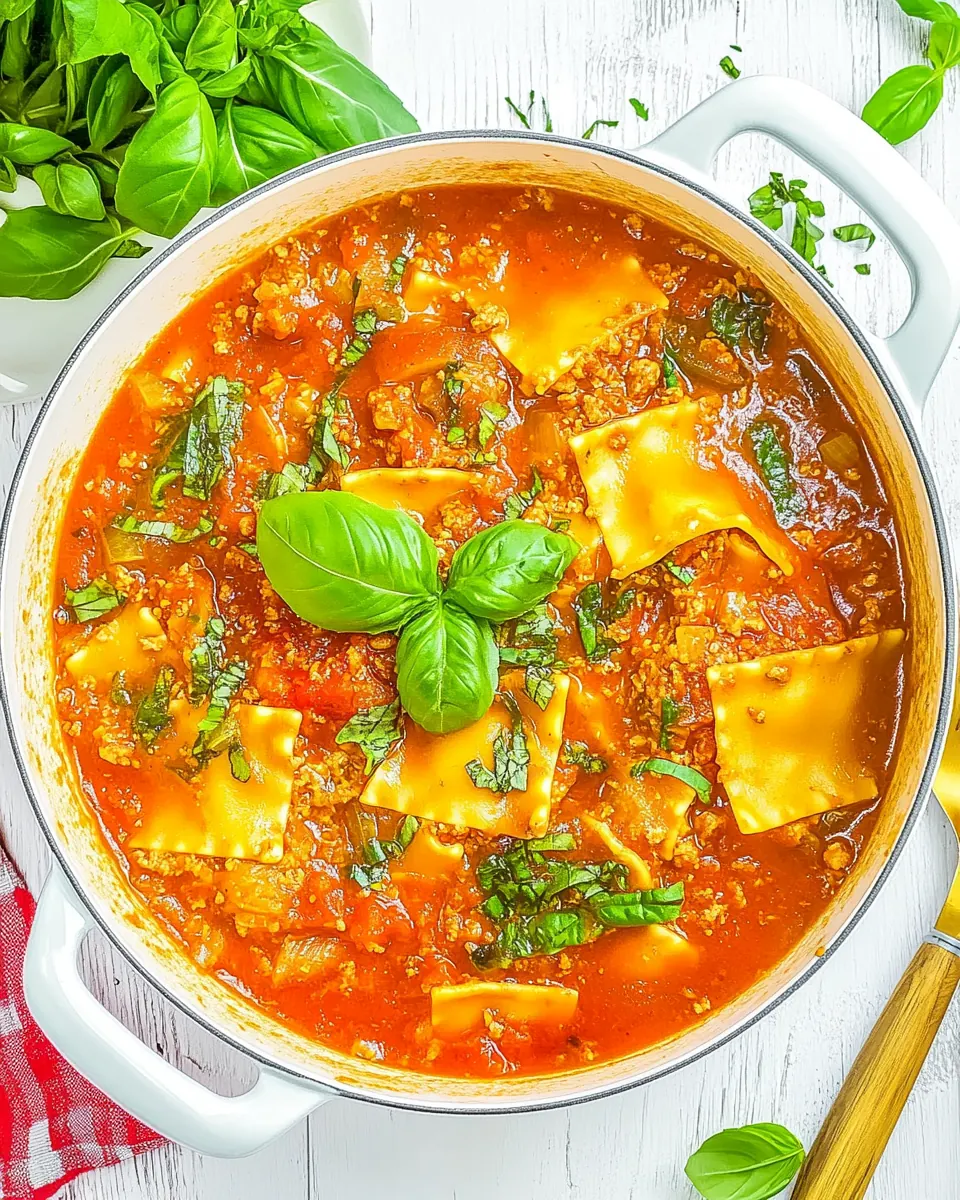
Lasagna Soup is the kind of recipe I turn to when I want all of the cozy, familiar flavors of a family meal in a single bowl. The very first time I made it I remember the way the kitchen smelled as soon as the Italian sausage hit the hot pot, warm and savory notes rising to meet the sharp, sweet scent of onion and red bell pepper. That aroma told me we were in for something special, and I scraped a spoon into the simmering pot before the noodles were even soft.
I have simple rituals around this dish. I always slice the carrot a little thinner than the recipe calls for so it melts into the broth, and I break the lasagna noodles into imperfect pieces so each spoonful feels rustic and homey. Friends who have come over for this meal say it tastes like the lasagna they remember from their childhood, only easier and quicker to serve. On busy weeknights I love that same comfort can happen in under an hour.
Recipe Snapshot
45 mins
15 mins
30 mins
Medium
320 kcal
Italian
Gluten-Free, Keto
Soups
Large pot, Wooden spoon, Cutting board, Knife, Measuring cups
Why This Lasagna Soup Hits Different
Comfort without the fuss
I adore how Lasagna Soup delivers the indulgent, layered flavors of baked lasagna in something you can ladle into bowls. The meat, tomato, and cheese meld into a rich broth, giving you that classic lasagna profile with far less hands on time. It’s a dish that makes the whole family lean in and eat together.
Flexible and forgiving
I appreciate recipes that forgive tiny mistakes, and this one does. You can brown the Italian sausage a touch longer or shorten the noodle time slightly and still end up with dinner that sings. It’s the sort of recipe I tweak midcooking when I see what’s in the fridge, and it always turns out well.
Textural delight
The contrast between tender broken lasagna noodles and the creamy dollop of the cheese mixture is why I keep making this. Each spoonful has chewy pasta, silky cheese, and chunky bits of tomato and sausage, which keeps every bite interesting.
Great for sharing
I love serving this when guests drop by unexpectedly. It scales easily, and the pot can sit on the stove, bubbling gently while we talk. The fresh basil stirred in at the end brings a bright, herbal finish that makes the whole pot feel celebratory.
Weeknight friendly
This recipe gives you lasagna level satisfaction without the multi hour bake. For busy nights when you want a hearty meal fast, Lasagna Soup is a reliable, delicious solution that still feels like you put in effort.
What’s In This Lasagna Soup
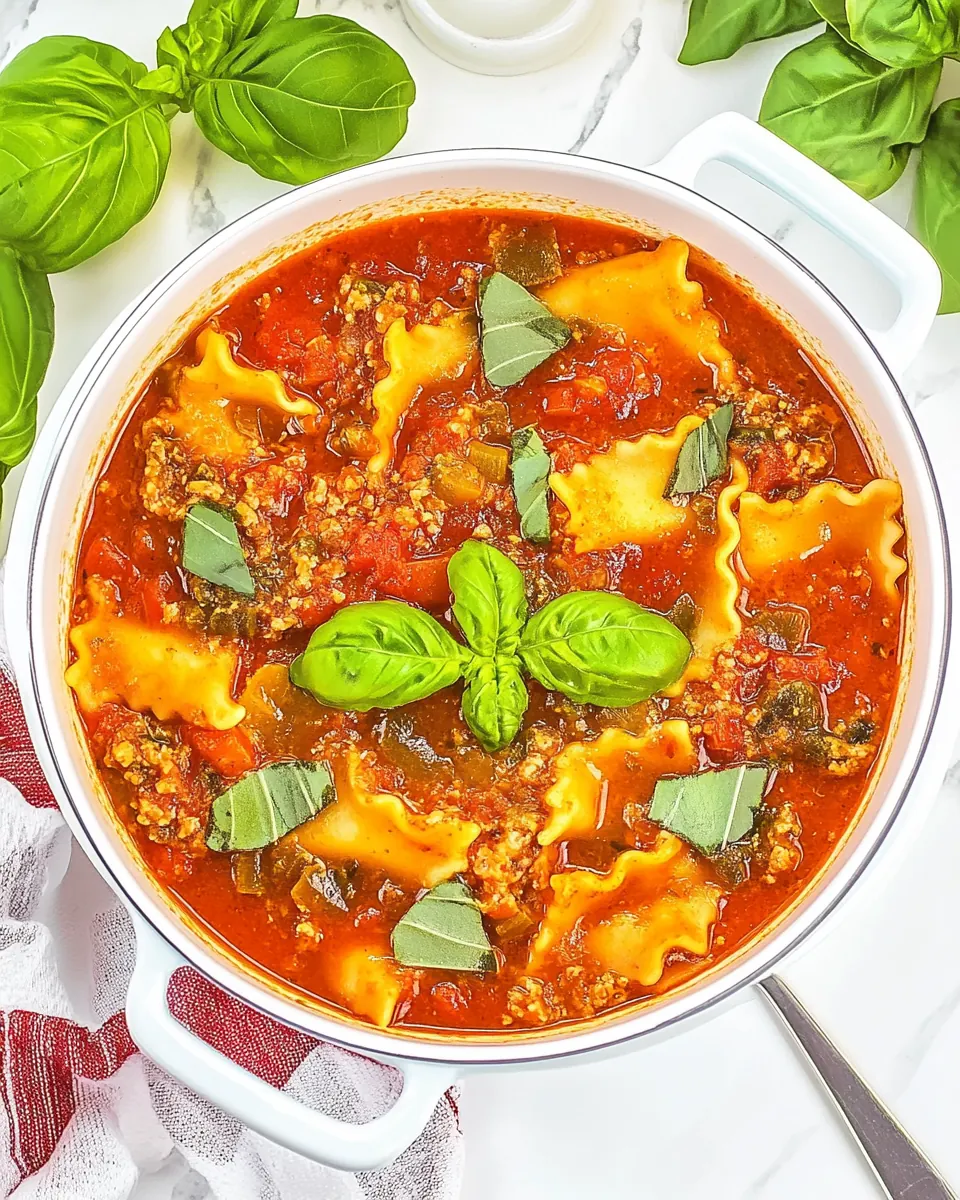
These ingredients are built for harmony. The key players are the savory Italian sausage, the aromatic base of onion, carrot, and celery rib, and the tomato components that create a robust, simmered broth. The broken lasagna noodles soak up flavor while the cheese mixture adds silkiness. Fresh basil ties everything together with a bright lift.
- 1 lb Italian sausage: Brown and crumble to render fat and build a rich, savory base for the soup while adding hearty meatiness and depth of flavor; cook until fully browned and no longer pink, draining excess fat if desired to control grease.
- 1 tablespoon olive oil: Drizzle to sauté aromatics and vegetables, help deglaze the pan, and contribute a light fruity fat that enhances mouthfeel; heat gently so it doesn’t smoke and use it to coat the pot before adding ingredients.
- 1 onion, chopped: Sauté after chopping to provide sweet and savory notes that form the aromatic backbone of the soup; cook until translucent to release natural sugars and meld with other vegetables.
- 1 carrot, chopped: Add chopped to introduce subtle sweetness and earthy complexity while contributing body and texture to the soup; cook until tender so its natural flavors integrate well with the broth.
- 1 celery rib, chopped: Sweat chopped to offer mild vegetal flavor and aromatic depth, improving overall savory balance; cook until softened to release its celery-like aroma into the base.
- 1 red bell pepper, seeds removed and chopped: Sauté after removing seeds and chopping to bring bright, slightly sweet pepper flavor and color to the soup; cook until softened to enhance its sweetness and blend with other aromatics.
- 4 cloves garlic, chopped: Mince and add to provide pungent, savory heat and aromatic lift that complements tomatoes and herbs; add toward the end of sautéing to avoid burning and to maximize fragrant oils.
- 2 tablespoons tomato paste: Stir in concentrated to deepen tomato flavor and add umami richness, helping thicken and intensify the broth; cook briefly with the aromatics to caramelize and remove raw edge.
- 2 bay leaves: Simmer whole to impart subtle herbal, slightly floral notes and a warm, bay-like depth that rounds out the broth; remove before serving to avoid bitterness from prolonged heating.
- 1 teaspoon ground oregano: Sprinkle to lend a warm, slightly peppery herbal flavor reminiscent of the Mediterranean; incorporate early to allow its aroma to infuse the soup.
- 1 teaspoon dried basil: Add dried to provide sweet, slightly minty tomato-pairing notes that enhance overall Italian flavor; stir in during simmering so it rehydrates and disperses evenly.
- 1/2 teaspoon dried thyme: Fold in to contribute delicate, woodsy undertones that complement other herbs and support savory depth; use sparingly since dried thyme can become woody if overused.
- 1/4 teaspoon crushed red pepper flakes: Season lightly to introduce a touch of heat and background spiciness that livens the broth; adjust amount to control the soup’s overall spiciness.
- 7 cups chicken broth: Pour as the primary liquid to create a savory, salty foundation and carry flavors throughout the soup; choose low-sodium broth if you need tighter salt control.
- 28 oz diced tomatoes: Add canned to contribute chunky tomato texture and bright acidity that balances the richness of meat and cheese; stir them in to provide bursts of tomato flavor and body.
- 24 oz marinara sauce: Pour in marinara to supply a smooth, seasoned tomato base filled with herbs and garlic, which streamlines flavor-building and thickens the soup; use a high-quality sauce for best results.
- Kosher salt and black pepper, to taste: Season to taste with salt and freshly ground black pepper to enhance all flavors, control seasoning, and balance acidity and richness; adjust gradually while simmering and before serving.
- 8 lasagna noodles, broken up into pieces: Break and add to introduce classic pasta texture and lasagna familiarity while absorbing broth and releasing starch to slightly thicken the soup; cook until al dente to maintain pleasant bite.
- 1 cup ricotta cheese: Spoon dollops in when serving to add creamy, tangy richness and a cool contrast that melts into the hot soup, creating lush pockets of cheese; gently stir for swirls or leave as separate dollops.
- 3/4 cups shredded mozzarella cheese: Sprinkle shredded to provide gooey, melty topping and stretchy texture that gratinates slightly when ladled into hot bowls; use some during serving for cheesy pull and additional on top if desired.
- 1/3 cups shredded Parmesan cheese: Grate and garnish to add a nutty, salty umami finish that brightens and rounds flavors; sprinkle over individual bowls to provide sharpness and savory depth.
- 1/3 cup chopped fresh basil: Chop fresh and scatter over finished bowls to introduce bright herbal aroma and a pop of color that lifts the soup’s richness; add just before serving to preserve freshness.
The Method for Lasagna Soup
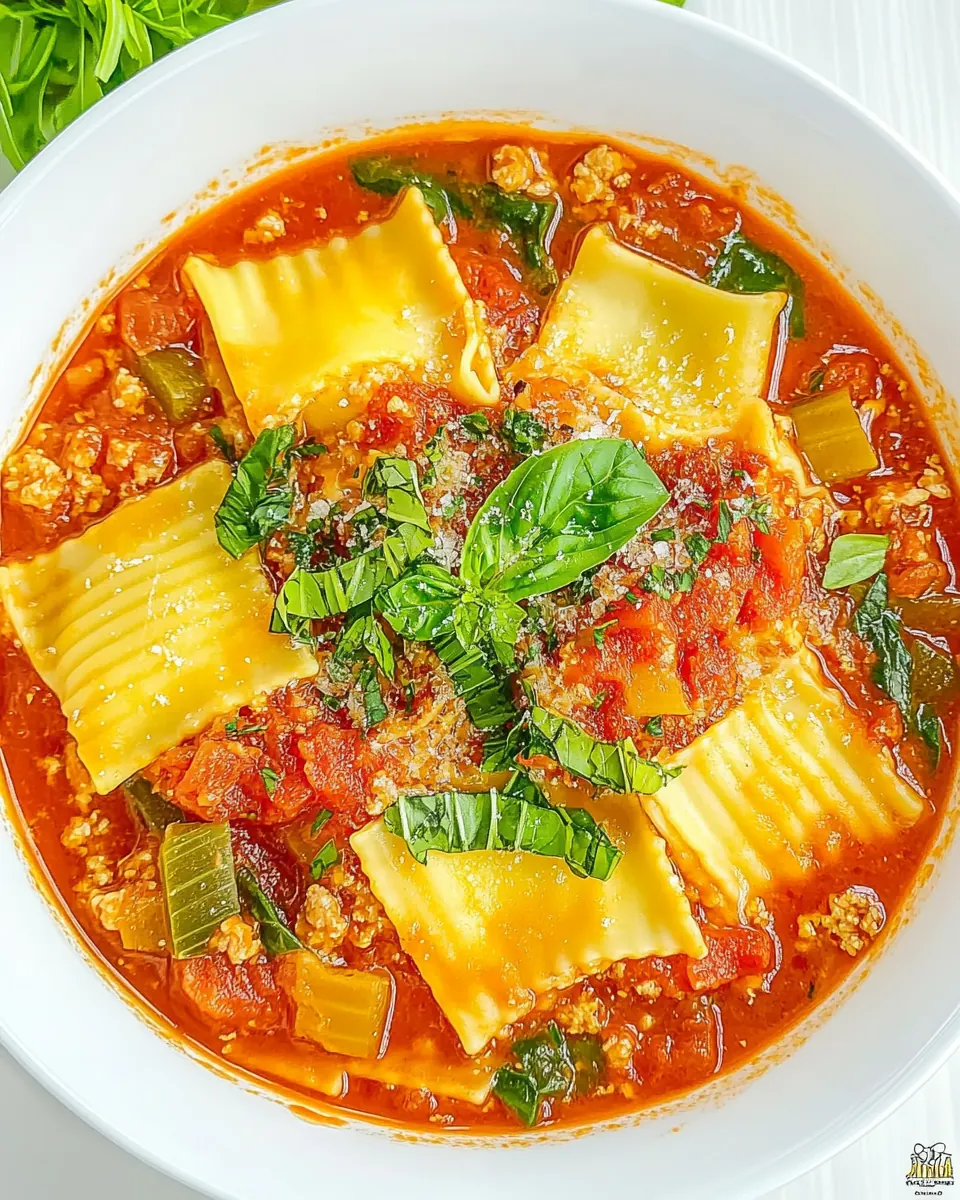
Making this soup is a slow build of flavor, one that rewards patience. I find it helpful to stage the work so each component adds to the final depth, and to keep tasting as you go. Below I expand each direction into a rich set of cues so you know what to expect at every turn.
- In a large pot, cook the sausage over medium high heat until browned. Drain grease and transfer the cooked sausage to a plate that has been lined with a paper towel. Set aside.: You will hear a steady sizzle as the Italian sausage releases fat, and the meat will take on a deep brown color around the edges which signals Maillard reaction, giving savory complexity. Use a sturdy spoon to break the meat into coarse chunks as it cooks, and avoid crowding the pot so the sausage can brown rather than steam. A common mistake is stirring too frequently, which prevents browning and results in less flavor. When you see golden brown bits clinging to the bottom, that is flavor you want to keep.
- Add the olive oil to the pot and heat over medium high heat. Add the onion, carrot, celery, and red pepper and cook until softened, about 5 minutes, stirring occasionally. Add the garlic and cook for one more minute.: The grease will shimmer in the pot, and carefully removing most of it prevents the soup from becoming greasy while leaving enough fat to carry flavor. Transferring to a paper towel lined plate soaks up excess oil. Avoid pressing down on the sausage, or it will lose texture. If you remove too much fat, the vegetables may stick, so leave about a tablespoon behind.
- Stir in tomato paste, bay leaves, oregano, basil, thyme, and red pepper flakes. Pour in the broth, diced tomatoes, and marinara sauce. Add the cooked sausage back to the pot. Season with salt and pepper, to taste.: The oil should ripple slightly when the pot is hot, but not smoke, which would impart bitterness. This gentle heat preps the pan for the vegetables and helps them soften evenly. If the oil smokes, lower the heat and wipe the pot briefly. Getting this step right sets the stage for aromatic development.
- Bring the soup to a boil and add the broken lasagna noodles. Reduce heat to a medium low and cook until the noodles are tender, about 20 minutes, stirring occasionally to make sure the noodles don’t stick to the bottom of the pot.: You will see the vegetables turn glossy and the onion become translucent, releasing a sweet fragrance. The carrot and red bell pepper should lose their raw bite and start to melt into the pot. Stir occasionally so all pieces cook evenly, and avoid letting them brown heavily, which would change the flavor profile. Under cooking leaves a raw crunch that can clash with the tender pasta.
- In a small bowl, combine the ricotta, mozzarella, and Parmesan cheese.: The aroma of chopped garlic will become immediate and bright, a small but vital lift. Cook briefly so it softens but does not burn, since burnt garlic turns bitter. Stir constantly this minute and watch for a change to golden, then proceed quickly to the next step.
- When the noodles are done cooking, stir in the fresh basil. Taste and season with additional salt and pepper, if necessary.: As you stir the tomato paste into the softened vegetables it will darken and deepen in aroma, a sign its sugars are caramelizing. The dried herbs will rehydrate slightly and release savory notes. This concentration of flavors is why this step matters, because it creates a seasoned base that the broth will amplify. Avoid skipping this step or adding the broth too soon, which prevents the paste from developing flavor.
- Ladle the soup into bowls and top each bowl with a dollop of the cheese mixture. Serve warm.: The pot will hiss gently as liquids hit the base, loosening the browned bits and building a complex, tomato forward broth. The diced tomatoes add body and texture while the marinara layers in seasoning. Stir to combine and scrape the bottom so the fond integrates. A common oversight is not tasting the broth after adding these components, so season now to correct salt and acidity.
- Add the cooked sausage back to the pot: When the sausage rejoins the pot it will rewarm and release additional flavor into the broth. Nestle it into the liquid so it simmers gently and imparts richness throughout. If you add sausage too early and boil vigorously, it can break down into fragments rather than tender chunks.
- Season with salt and pepper, to taste: As the soup simmers, flavors concentrate and salt becomes more pronounced, so season carefully. I add small amounts, taste after a few minutes of simmering, and adjust. Over salting is common, so err on the side of caution; you can always add more later.
- Bring the soup to a boil and add the broken lasagna noodles: The broth will rise to an active boil with lively bubbles. Add the broken pieces of lasagna noodles so they start absorbing liquid immediately. The sound will shift from a hard rolling boil to a gentler simmer as the noodles cool the surface. Add them all at once and stir to prevent clumping. A mistake here is adding noodles too early, which can lead to an overly thick soup, or too late, leaving them too firm.
- Reduce heat to a medium low and cook until the noodles are tender, about 20 minutes, stirring occasionally to make sure the noodles don’t stick to the bottom of the pot: You should see gentle, spaced bubbles as the soup simmers. The noodles will plump and soften, occasionally releasing a bit of starch that slightly thickens the broth. Stir every few minutes, especially toward the end, to prevent sticking. Under cooking results in toothsome pasta that can feel out of place, while over cooking makes them disintegrate.
- In a small bowl, combine the ricotta, mozzarella, and Parmesan cheese: The cheeses will meld into a creamy, slightly grainy mixture that becomes a luscious finish on each bowl. Mixing them gives you balance of melt from mozzarella cheese , tang from ricotta cheese , and sharpness from Parmesan cheese . If the mixture is too stiff, loosen with a spoonful of broth; if too loose, add a touch more Parmesan cheese .
- When the noodles are done cooking, stir in the fresh basil: The warm broth will instantly wilt the chopped basil , releasing a fragrant, peppery brightness. This finishing herb elevates the heavy tomato and meat flavors, making each spoonful feel lively. Add it at the end to preserve its fresh character, and avoid prolonged cooking which mutes its aroma.
- Taste and season with additional salt and pepper, if necessary: Final seasoning lets you tailor the soup to your palate after all flavors have combined. Use small increments and taste from the pot, adjusting for salt, pepper, and acidity. A common error is assuming the seasoning is correct before the noodles have softened and the flavors marry; always taste at the finish.
- Ladle the soup into bowls and top each bowl with a dollop of the cheese mixture: The hot soup will warm the cheese dollop, causing it to soften and create creamy pockets as you eat. Visually the white cheese against the red broth is inviting, and the textural contrast is part of the dish’s charm. Serve immediately, as the cheese melts fastest while the soup is hot.
Recipe Variations about Lasagna Soup
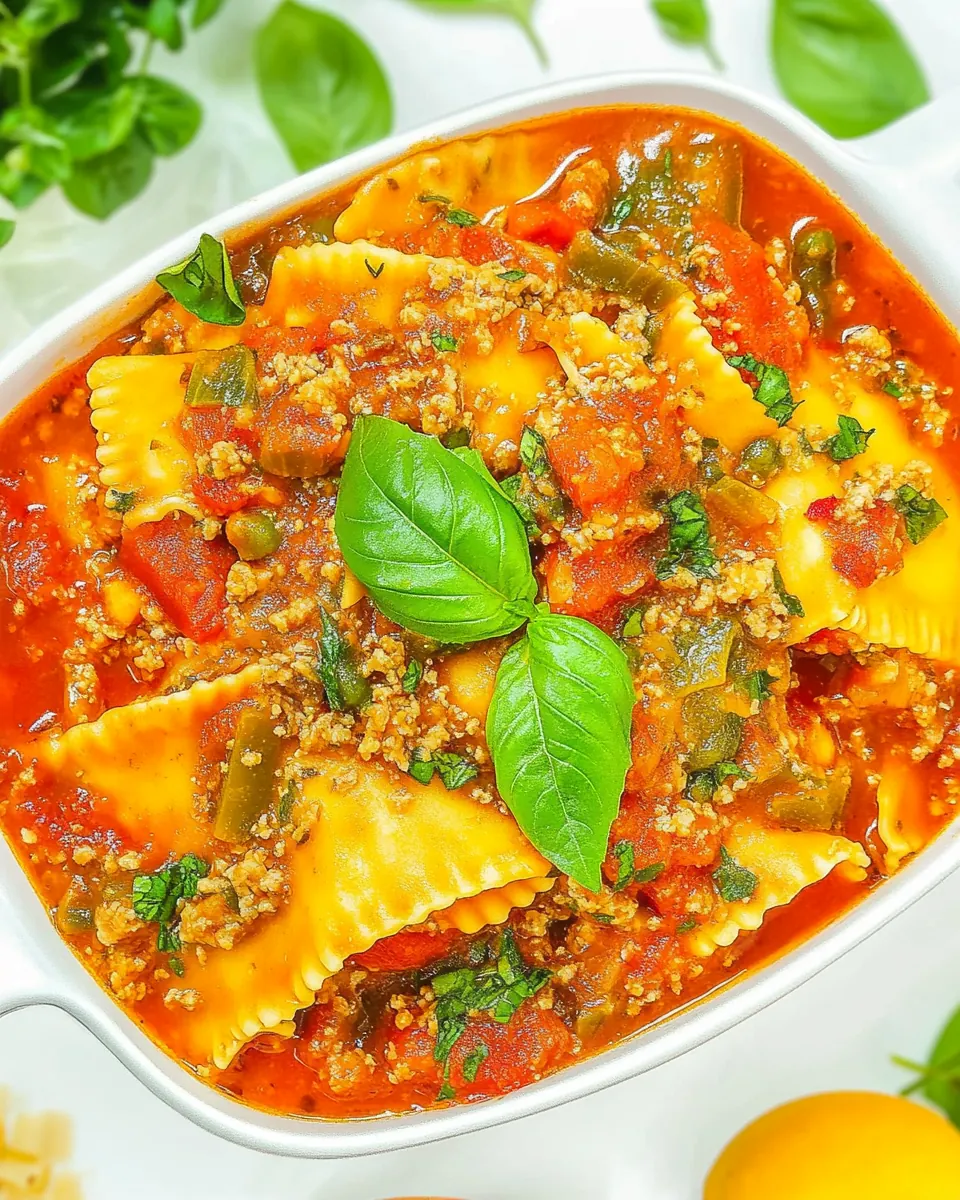
This recipe is easy to adapt while keeping the comforting roots intact. Below are several ways I have customized it over the years to suit preferences and pantry limitations, each expanded into a practical, flavorful tip.
- Swap the sausage style – Use sweet or spicy Italian sausage depending on whether you want a gentle spice or a bold kick; flavor balance may require minor adjustments to crushed red pepper flakes.
- Make it lighter – For a lighter bowl, drain more of the sausage fat after browning and use lower fat ricotta cheese or a smaller cheese dollop to reduce richness without losing creaminess.
- Boost vegetable content – Increase the chopped carrot, celery rib, and red bell pepper for extra texture and nutrients, which also stretches the pot to feed more people.
- Adjust the noodle timing – If you prefer slightly firmer pasta, reduce the final noodle simmer by a few minutes, but watch and taste often since residual heat continues to soften them.
- Customize the heat level – Modify the amount of crushed red pepper flakes to suit your heat tolerance, or leave them out entirely for a milder, family friendly bowl.
- Make ahead strategy – Cook through the point before adding the fresh basil and cheese mixture, then cool and refrigerate. Reheat gently and add the basil and cheese just before serving to preserve freshness.
What to Pair With Lasagna Soup
This soup is hearty enough to stand on its own, yet pairing it thoughtfully enhances the meal. The suggestions below cover side dishes, serving occasions, storage tips, and seasonally appropriate ideas so you can serve this with confidence.
- Crusty bread or garlic bread – A warm slice of crusty bread is perfect for soaking up the rich tomato broth, and garlic buttered bread adds an indulgent, aromatic element.
- Simple green salad – A crisp salad dressed lightly in lemon and olive oil offers a refreshing counterpoint, cutting through the soup’s richness for balance.
- Light antipasto plate – Offer marinated vegetables and olives for a bright starter that complements the Italian flavors without being heavy.
- Occasions – This is ideal for weeknight dinners, casual gatherings, and colder months like winter when you want warming, comforting food that fills the table.
- Storage tips – Refrigerate leftovers in an airtight container for up to three days; the pasta will absorb more liquid, so add a splash of chicken broth when reheating to restore texture.
- Make ahead – Prepare the base through simmering then cool quickly and refrigerate. Reheat and add fresh basil and the cheese mixture at serving time for best results.
- Seasonal pairings – In colder months, serve with a small side of roasted winter vegetables; in milder seasons, pair with a light citrus dressed salad.
- Serving style – Serve family style out of the pot for casual comfort, or ladle into shallow bowls and top each portion with the cheese mixture for a more composed presentation.
- Portioning – This recipe yields approximately eight generous portions, making it great for households or for serving a small dinner party.
- Reheating – Reheat gently over low heat to avoid breaking down the pasta further; a little added broth helps return the soup to the right consistency.
FAQ
Conclusion
This recipe is special because it captures the heart of lasagna in a single, comforting bowl. The combination of browned sausage, rich tomato broth, tender broken noodles, and a creamy cheese finish gives you all the classic notes without the fuss of assembling and baking. Give it a try on a chilly evening or when you want a satisfying weeknight meal that still feels a little indulgent. Serve it with crusty bread and a simple salad, and enjoy the easy comfort and bold flavors that make this dish a repeat favorite.
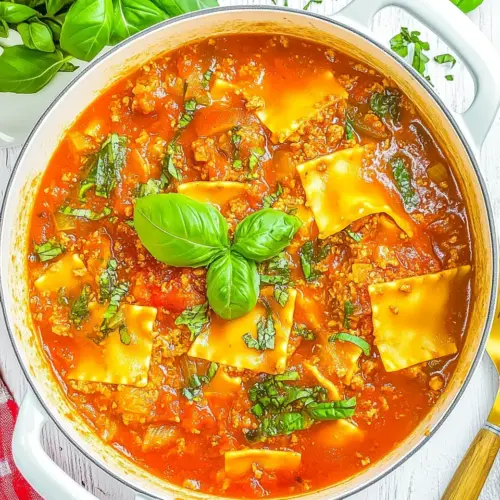
Lasagna Soup
Equipment
- Large Pot
- Wooden Spoon
- Cutting Board
- Knife
- Measuring Cups
Ingredients
- 1 lb Italian sausage Brown and crumble to render fat and build a rich, savory base for the soup while adding hearty meatiness and depth of flavor; cook until fully browned and no longer pink, draining excess fat if desired to control grease.
- 1 tablespoon olive oil Drizzle to sauté aromatics and vegetables, help deglaze the pan, and contribute a light fruity fat that enhances mouthfeel; heat gently so it doesn’t smoke and use it to coat the pot before adding ingredients.
- 1 onion, chopped Sauté after chopping to provide sweet and savory notes that form the aromatic backbone of the soup; cook until translucent to release natural sugars and meld with other vegetables.
- 1 carrot, chopped Add chopped to introduce subtle sweetness and earthy complexity while contributing body and texture to the soup; cook until tender so its natural flavors integrate well with the broth.
- 1 celery rib, chopped Sweat chopped to offer mild vegetal flavor and aromatic depth, improving overall savory balance; cook until softened to release its celery-like aroma into the base.
- 1 red bell pepper, seeds removed and chopped Sauté after removing seeds and chopping to bring bright, slightly sweet pepper flavor and color to the soup; cook until softened to enhance its sweetness and blend with other aromatics.
- 4 cloves garlic, chopped Mince and add to provide pungent, savory heat and aromatic lift that complements tomatoes and herbs; add toward the end of sautéing to avoid burning and to maximize fragrant oils.
- 2 tablespoons tomato paste Stir in concentrated to deepen tomato flavor and add umami richness, helping thicken and intensify the broth; cook briefly with the aromatics to caramelize and remove raw edge.
- 2 bay leaves Simmer whole to impart subtle herbal, slightly floral notes and a warm, bay-like depth that rounds out the broth; remove before serving to avoid bitterness from prolonged heating.
- 1 teaspoon ground oregano Sprinkle to lend a warm, slightly peppery herbal flavor reminiscent of the Mediterranean; incorporate early to allow its aroma to infuse the soup.
- 1 teaspoon dried basil Add dried to provide sweet, slightly minty tomato-pairing notes that enhance overall Italian flavor; stir in during simmering so it rehydrates and disperses evenly.
- 1/2 teaspoon dried thyme Fold in to contribute delicate, woodsy undertones that complement other herbs and support savory depth; use sparingly since dried thyme can become woody if overused.
- 1/4 teaspoon crushed red pepper flakes Season lightly to introduce a touch of heat and background spiciness that livens the broth; adjust amount to control the soup’s overall spiciness.
- 7 cups chicken broth Pour as the primary liquid to create a savory, salty foundation and carry flavors throughout the soup; choose low-sodium broth if you need tighter salt control.
- 28 oz diced tomatoes Add canned to contribute chunky tomato texture and bright acidity that balances the richness of meat and cheese; stir them in to provide bursts of tomato flavor and body.
- 24 oz marinara sauce Pour in marinara to supply a smooth, seasoned tomato base filled with herbs and garlic, which streamlines flavor-building and thickens the soup; use a high-quality sauce for best results.
- Kosher salt and black pepper, to taste Season to taste with salt and freshly ground black pepper to enhance all flavors, control seasoning, and balance acidity and richness; adjust gradually while simmering and before serving.
- 8 lasagna noodles, broken up into pieces Break and add to introduce classic pasta texture and lasagna familiarity while absorbing broth and releasing starch to slightly thicken the soup; cook until al dente to maintain pleasant bite.
- 1 cup ricotta cheese Spoon dollops in when serving to add creamy, tangy richness and a cool contrast that melts into the hot soup, creating lush pockets of cheese; gently stir for swirls or leave as separate dollops.
- 3/4 cups shredded mozzarella cheese Sprinkle shredded to provide gooey, melty topping and stretchy texture that gratinates slightly when ladled into hot bowls; use some during serving for cheesy pull and additional on top if desired.
- 1/3 cups shredded Parmesan cheese Grate and garnish to add a nutty, salty umami finish that brightens and rounds flavors; sprinkle over individual bowls to provide sharpness and savory depth.
- 1/3 cup chopped fresh basil Chop fresh and scatter over finished bowls to introduce bright herbal aroma and a pop of color that lifts the soup’s richness; add just before serving to preserve freshness.
Instructions
- In a large pot, cook the sausage over medium high heat until browned. Drain grease and transfer the cooked sausage to a plate that has been lined with a paper towel. Set aside.: You will hear a steady sizzle as the Italian sausage releases fat, and the meat will take on a deep brown color around the edges which signals Maillard reaction, giving savory complexity. Use a sturdy spoon to break the meat into coarse chunks as it cooks, and avoid crowding the pot so the sausage can brown rather than steam. A common mistake is stirring too frequently, which prevents browning and results in less flavor. When you see golden brown bits clinging to the bottom, that is flavor you want to keep.
- Add the olive oil to the pot and heat over medium high heat. Add the onion, carrot, celery, and red pepper and cook until softened, about 5 minutes, stirring occasionally. Add the garlic and cook for one more minute.: The grease will shimmer in the pot, and carefully removing most of it prevents the soup from becoming greasy while leaving enough fat to carry flavor. Transferring to a paper towel lined plate soaks up excess oil. Avoid pressing down on the sausage, or it will lose texture. If you remove too much fat, the vegetables may stick, so leave about a tablespoon behind.
- Stir in tomato paste, bay leaves, oregano, basil, thyme, and red pepper flakes. Pour in the broth, diced tomatoes, and marinara sauce. Add the cooked sausage back to the pot. Season with salt and pepper, to taste.: The oil should ripple slightly when the pot is hot, but not smoke, which would impart bitterness. This gentle heat preps the pan for the vegetables and helps them soften evenly. If the oil smokes, lower the heat and wipe the pot briefly. Getting this step right sets the stage for aromatic development.
- Bring the soup to a boil and add the broken lasagna noodles. Reduce heat to a medium low and cook until the noodles are tender, about 20 minutes, stirring occasionally to make sure the noodles don’t stick to the bottom of the pot.: You will see the vegetables turn glossy and the onion become translucent, releasing a sweet fragrance. The carrot and red bell pepper should lose their raw bite and start to melt into the pot. Stir occasionally so all pieces cook evenly, and avoid letting them brown heavily, which would change the flavor profile. Under cooking leaves a raw crunch that can clash with the tender pasta.
- In a small bowl, combine the ricotta, mozzarella, and Parmesan cheese.: The aroma of chopped garlic will become immediate and bright, a small but vital lift. Cook briefly so it softens but does not burn, since burnt garlic turns bitter. Stir constantly this minute and watch for a change to golden, then proceed quickly to the next step.
- When the noodles are done cooking, stir in the fresh basil. Taste and season with additional salt and pepper, if necessary.: As you stir the tomato paste into the softened vegetables it will darken and deepen in aroma, a sign its sugars are caramelizing. The dried herbs will rehydrate slightly and release savory notes. This concentration of flavors is why this step matters, because it creates a seasoned base that the broth will amplify. Avoid skipping this step or adding the broth too soon, which prevents the paste from developing flavor.
- Ladle the soup into bowls and top each bowl with a dollop of the cheese mixture. Serve warm.: The pot will hiss gently as liquids hit the base, loosening the browned bits and building a complex, tomato forward broth. The diced tomatoes add body and texture while the marinara layers in seasoning. Stir to combine and scrape the bottom so the fond integrates. A common oversight is not tasting the broth after adding these components, so season now to correct salt and acidity.
- Add the cooked sausage back to the pot: When the sausage rejoins the pot it will rewarm and release additional flavor into the broth. Nestle it into the liquid so it simmers gently and imparts richness throughout. If you add sausage too early and boil vigorously, it can break down into fragments rather than tender chunks.
- Season with salt and pepper, to taste: As the soup simmers, flavors concentrate and salt becomes more pronounced, so season carefully. I add small amounts, taste after a few minutes of simmering, and adjust. Over salting is common, so err on the side of caution; you can always add more later.
- Bring the soup to a boil and add the broken lasagna noodles: The broth will rise to an active boil with lively bubbles. Add the broken pieces of lasagna noodles so they start absorbing liquid immediately. The sound will shift from a hard rolling boil to a gentler simmer as the noodles cool the surface. Add them all at once and stir to prevent clumping. A mistake here is adding noodles too early, which can lead to an overly thick soup, or too late, leaving them too firm.
- Reduce heat to a medium low and cook until the noodles are tender, about 20 minutes, stirring occasionally to make sure the noodles don’t stick to the bottom of the pot: You should see gentle, spaced bubbles as the soup simmers. The noodles will plump and soften, occasionally releasing a bit of starch that slightly thickens the broth. Stir every few minutes, especially toward the end, to prevent sticking. Under cooking results in toothsome pasta that can feel out of place, while over cooking makes them disintegrate.
- In a small bowl, combine the ricotta, mozzarella, and Parmesan cheese: The cheeses will meld into a creamy, slightly grainy mixture that becomes a luscious finish on each bowl. Mixing them gives you balance of melt from mozzarella cheese , tang from ricotta cheese , and sharpness from Parmesan cheese . If the mixture is too stiff, loosen with a spoonful of broth; if too loose, add a touch more Parmesan cheese .
- When the noodles are done cooking, stir in the fresh basil: The warm broth will instantly wilt the chopped basil , releasing a fragrant, peppery brightness. This finishing herb elevates the heavy tomato and meat flavors, making each spoonful feel lively. Add it at the end to preserve its fresh character, and avoid prolonged cooking which mutes its aroma.
- Taste and season with additional salt and pepper, if necessary: Final seasoning lets you tailor the soup to your palate after all flavors have combined. Use small increments and taste from the pot, adjusting for salt, pepper, and acidity. A common error is assuming the seasoning is correct before the noodles have softened and the flavors marry; always taste at the finish.
- Ladle the soup into bowls and top each bowl with a dollop of the cheese mixture: The hot soup will warm the cheese dollop, causing it to soften and create creamy pockets as you eat. Visually the white cheese against the red broth is inviting, and the textural contrast is part of the dish’s charm. Serve immediately, as the cheese melts fastest while the soup is hot.
Notes
- Swap the sausage style - Use sweet or spicy Italian sausage depending on whether you want a gentle spice or a bold kick; flavor balance may require minor adjustments to crushed red pepper flakes.
- Make it lighter - For a lighter bowl, drain more of the sausage fat after browning and use lower fat ricotta cheese or a smaller cheese dollop to reduce richness without losing creaminess.
- Boost vegetable content - Increase the chopped carrot, celery rib, and red bell pepper for extra texture and nutrients, which also stretches the pot to feed more people.
- Adjust the noodle timing - If you prefer slightly firmer pasta, reduce the final noodle simmer by a few minutes, but watch and taste often since residual heat continues to soften them.
- Customize the heat level - Modify the amount of crushed red pepper flakes to suit your heat tolerance, or leave them out entirely for a milder, family friendly bowl.
- Make ahead strategy - Cook through the point before adding the fresh basil and cheese mixture, then cool and refrigerate. Reheat gently and add the basil and cheese just before serving to preserve freshness.