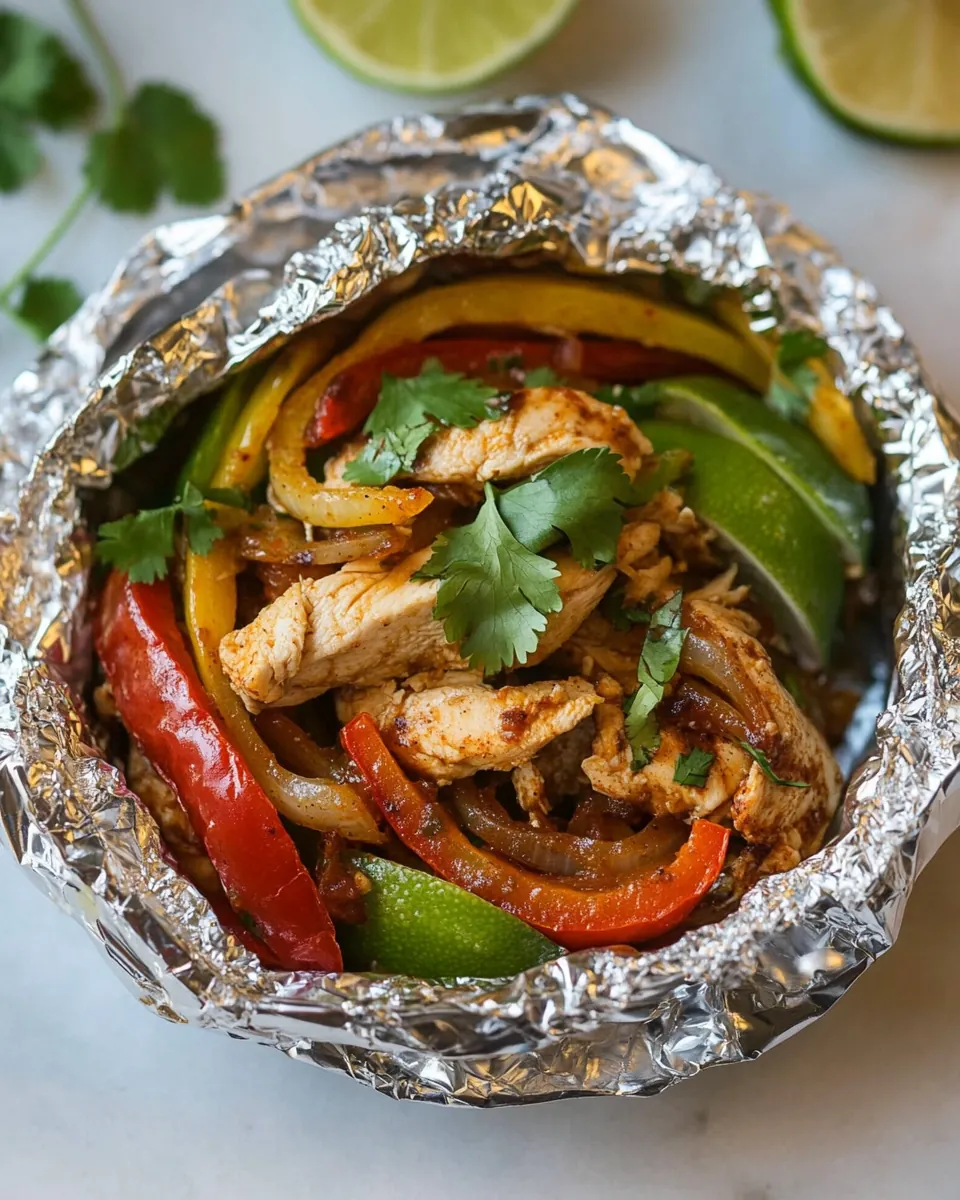
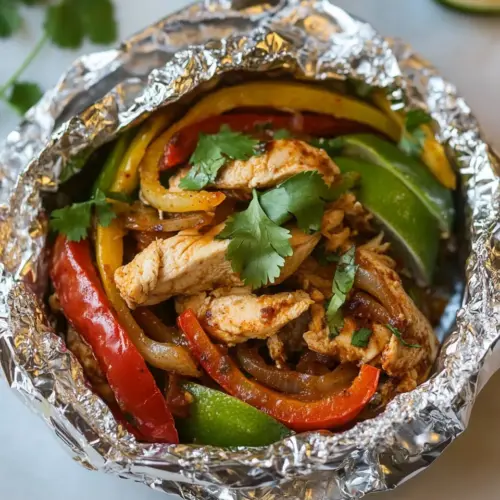
Chicken Fajitas Foil Packets
Chicken Fajitas Foil Packets are one of those recipes I reach for when the week is busy and I still want big flavor with minimal fuss. I can remember the first time I wrapped everything into foil and tucked it onto the grill, the steam escaping when I carefully opened a packet, the aroma of toasted spices and warm chicken rising up. That moment felt like magic, simple and honest, and it turned a hectic weeknight into something a little celebratory.
Over time I’ve adapted this to different outdoor settings, from a weekend backyard barbecue to a quick oven bake when rain interrupts plans. Each time I assemble Chicken Fajitas Foil Packets I think about balance, the way tender strips of chicken mingle with sweet, caramelized bell peppers and onion, and how a squeeze of limes brightens everything at the end. I love how this dish invites improvisation, yet consistently delivers: comforting, spicy, and vibrant.
When I make these foil packets for friends, they always ask how the rice gets so fluffy while the vegetables stay crisp tender. The trick is in layering and seasoning, and in trusting the gentle steam inside the foil. I also enjoy the ritual of toppings, watching people build their own bites with guacamole, salsa, and a dab of sour cream. It becomes interactive, and that’s part of why I come back to Chicken Fajitas Foil Packets again and again.
Recipe Snapshot
30 mins
15 mins
15 mins
Medium
450 kcal
Mexican
Gluten-Free, Low FODMAP
Dinner
Grill, Oven, Foil, Mixing bowl
The Appeal of This Chicken Fajitas Foil Packets
Flavor That Travels
I find the seasoning profile here to be bold yet approachable. The packet method locks in spices and juices, so every bite of chicken and bell peppers tastes concentrated and fresh. I like how the rice soaks up seasoned liquid, creating tight, savory bites that complement the vegetables.
Practical and Portable
One reason I love this recipe is its portability. Whether you’re grilling, baking, or cooking over coals, the foil packets make it easy to serve and clean up. I often bring these to potlucks because they travel well and stay warm in the packets.
Customizable Toppings
We always lay out toppings like guacamole, salsa, fresh cilantro, and limes. Everyone can personalize each tortilla, which turns dinner into a small, interactive event. The ability to vary heat with hot sauce or add creaminess with sour cream is such a joy.
Effortless Weeknight Win
From prep to table, this dish is forgiving. You can cut the chicken thick or thin and still get great results. I appreciate recipes that reward even imperfect technique, and these packets absolutely do.
Great for Outdoor Cooking
When we fire up the grill or head camping, this becomes a go to. The method is sturdy, and the packets protect ingredients from flare ups. I love the slightly smoky notes we get when cooked directly over coals.
Essential Ingredients for Chicken Fajitas Foil Packets
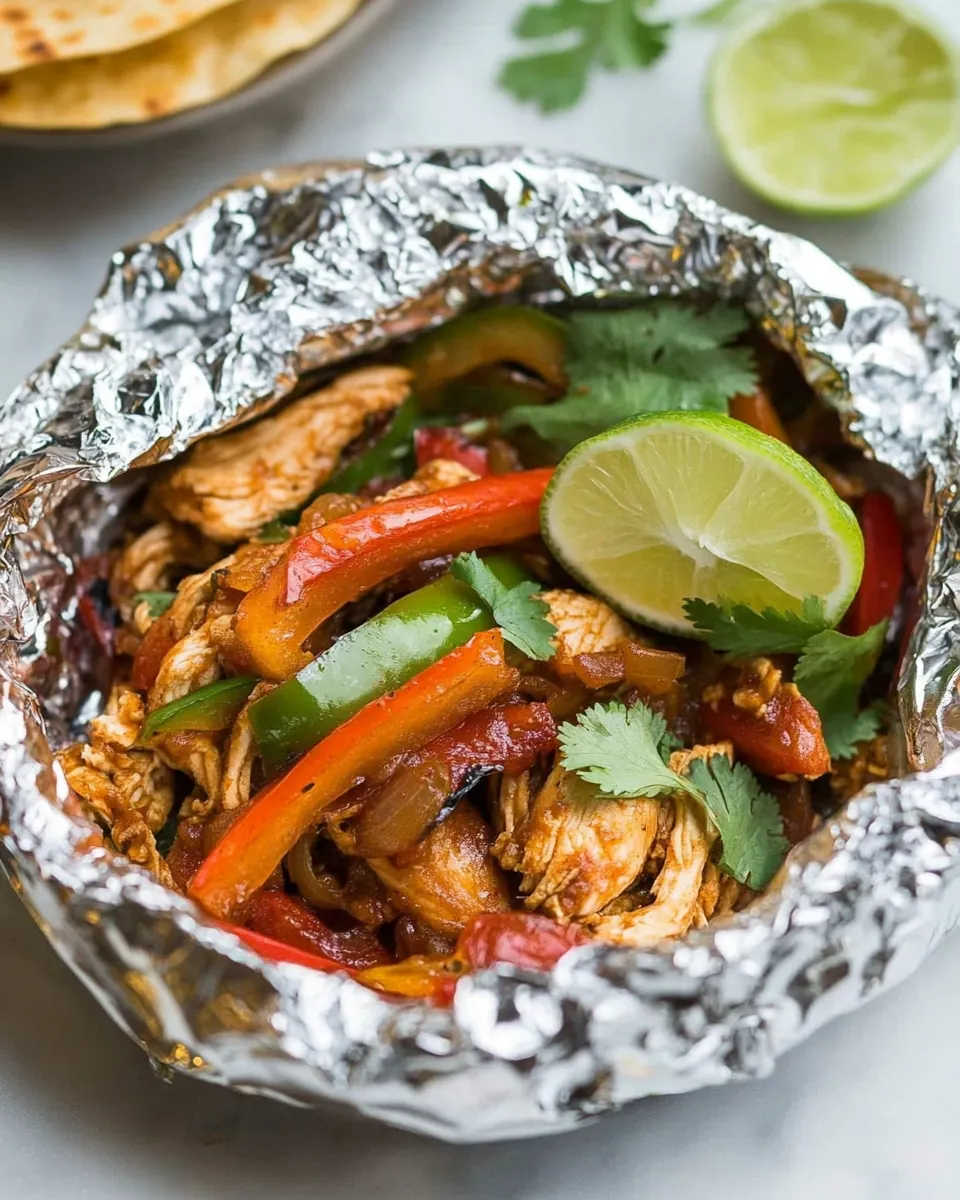
These ingredients are built for teamwork. The starch of the minute rice soaks up seasoned liquid, the chicken provides hearty protein, and the vibrant bell peppers and onion offer crunch and sweetness. A little olive oil helps with caramelization, while the fajita seasoning ties everything together. The tortillas and toppings let you finish each bite according to taste.
- 1 1/2 cups minute rice, brown or white: Cook quickly to provide a tender, fluffy rice base that soaks up juices from the foil packet; use minute rice for fast, consistent results and even texture. Combine with hot liquid immediately after adding to allow proper steaming within the foil packet environment. Adjust cooking time slightly when using brown rice versus white to achieve the desired chewiness.
- 1 1/2 cups water: Boil or simmer to hydrate the minute rice and create steam that finishes cooking the rice inside the foil packets; use measured water for predictable texture. Heat contributes to building a moist environment that prevents the rice from drying out during baking. Slightly reduce water if using flavored or pre-seasoned rice varieties.
- 1 pound boneless skinless chicken breasts, cut into thin strips: Slice thinly to ensure quick, even cooking and tender bites that absorb fajita seasoning; use boneless, skinless breasts for lean protein and easy slicing. Marinate briefly with olive oil and seasoning to boost flavor penetration before assembling packets. Arrange strips in a single layer in each packet for uniform doneness and food safety.
- 2 bell peppers, any color, sliced into thin strips: Slice thinly to deliver sweet, crisp-tender vegetable bites that add color, crunch, and mild sweetness to the fajitas. Choose any color to vary visual appeal and nutrient profile while keeping cooking times consistent. Toss with oil and seasoning for caramelized edges when roasted inside the foil packet.
- 1 yellow or purple onion, sliced into thin strips: Slice thinly to provide savory, slightly sweet layers that caramelize and complement the peppers and chicken while softening during cooking. Use yellow for a milder taste or purple for sharper flavor and vibrant color contrast. Distribute evenly in packets to release natural sugars and mingle with seasoning.
- 2 tablespoons olive oil: Toss with proteins and vegetables to promote even browning and carry fajita seasoning flavors; olive oil helps prevent sticking inside the foil packets. Use measured tablespoons to control fat and moisture levels for succulent results. Choose extra-virgin or regular based on desired aroma and smoke point.
- 1 packet fajita seasoning or taco seasoning, divided: Season generously to infuse classic Tex-Mex flavors; divide the packet to coat both chicken and vegetables for balanced seasoning. Use pre-made fajita or taco seasoning for convenience and consistent spice blend, adjusting amount for heat preference. Reserve a small portion to sprinkle on cooked rice or tortillas if desired.
- tin foil, for wrapping: Wrap securely to create sealed cooking environments that trap steam and concentrate flavors while ensuring quick cleanup; use heavy-duty foil for durability. Fold edges tightly to prevent leaks and place packets seam-side up to retain juices. Open carefully after resting to avoid hot steam burns.
- small flour tortillas: Warm gently to serve as handheld vessels that hold rice, chicken, and vegetables; small flour tortillas offer soft, pliable texture ideal for wrapping. Heat briefly in a skillet or microwave to increase flexibility and enhance flavor. Stack and keep covered to stay warm while assembling packets.
- guacamole: Top generously to add creamy, avocado-rich flavor that cools spicy fajitas and contributes healthy fats; guacamole also adds a smooth texture contrast. Spoon onto warmed tortillas or directly onto plated packets for immediate richness. Consider dolloping after opening packets to preserve fresh texture.
- salsa: Spoon alongside as a bright, tangy complement that adds acidity and freshness to the rich fajita filling; salsa can be mild or spicy depending on preference. Use chunky or smooth varieties to vary texture and moisture level. Add at serving to maintain vibrant flavor and avoid watering down fillings.
- sour cream: Dollop sparingly to balance heat and add creamy tang that complements the seasoned chicken and vegetables; sour cream cools the palate and enhances mouthfeel. Provide in small portions to prevent overpowering other flavors while still contributing richness. Consider mixing with lime or cilantro for a flavored crema.
- fresh cilantro: Garnish freshly chopped to provide herbal brightness and a lively finish that lifts the overall dish; cilantro adds citrusy, slightly peppery notes. Scatter over assembled fajitas or rice just before serving to retain its fresh aroma. Use leaves and tender stems for maximum flavor impact.
- hot sauce: Drizzle carefully to add concentrated heat and additional flavor dimension for those who prefer extra spice; hot sauce can be customized per guest. Offer alongside plates so diners can control spiciness without altering the main seasoning balance. Choose a vinegar-forward or smoked variety to change the flavor profile.
- limes: Squeeze fresh to add bright acidity that balances richness and enhances other flavors; lime juice brightens rice, chicken, and guacamole. Provide wedges for individual use so guests can adjust tartness to taste. Rub rind on tortillas or mix into sour cream for an extra citrus note.
Recipe Directions for Chicken Fajitas Foil Packets
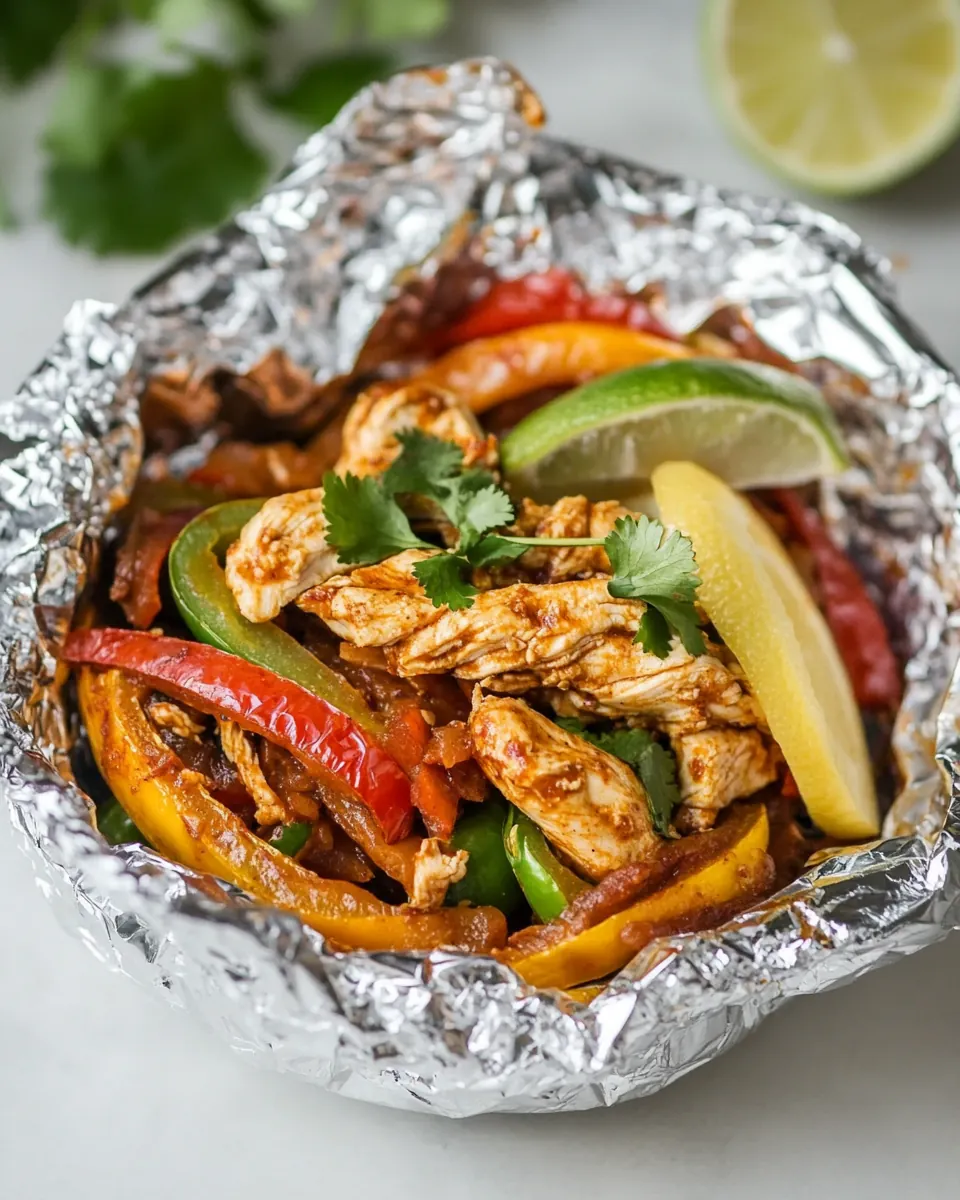
This method is forgiving but benefits from small rituals like even slicing and careful layering. Below I expand each direction into deep, sensory forward guidance so you can feel confident through the whole process.
- Combine rice, water, and 2 tablespoons taco seasoning and stir. Set aside for 5 minutes.: The moment you mix the rice with seasoned water you will notice the grains glisten and take on aroma, a promise of flavor to come. Letting the rice rest for five minutes softens the outer layer so it finishes tender inside the foil, while the seasoning begins to settle into each grain. I listen for the faint rustle as the grains settle into the bowl, and I use a fork to fluff gently after resting, which helps separate the grains. This technique matters because prehydrated rice absorbs steam more evenly during cooking, preventing dry pockets. A common mistake here is using too hot water, which can prematurely overcook the minute rice before it sees heat in the packet, making it mushy. Measure carefully, stir thoroughly so seasoning is evenly distributed, and give yourself those five minutes before assembling packets.
- Add chicken, bell peppers and onion to a large bowl. Drizzle with oil, and season with the remaining taco seasoning packet, stirring gently to evenly coat everything.: When you tip the sliced chicken , bell peppers , and onion into a bowl and drizzle olive oil on top, you should see the pieces gloss and the spices cling to their surfaces. The oil is the carrier that helps flavors brown and develop; as you toss, smell the warm spices blooming on the surface. I recommend using your hands or tongs for an even coat, and pausing to rub seasoning into the chicken so it penetrates slightly. This matters because a well seasoned exterior forms a savory crust during cooking, enhancing texture and taste. Avoid overmixing, which can bruise the vegetables and release excess moisture, leading to steamy rather than roasted edges.
- Coat four large pieces (about 12'' long) of tinfoil with cooking spray.: Preparing the foil is a small step with big payoff. When you spray each 12 inch sheet it reduces sticking and makes opening packets at the table a tidy, pleasurable moment. I press the sheets flat so they are easier to fold and imagine the steam pocket you will create; a thin sheen of spray prevents the rice and juices from gluing to the surface. This step is important because it preserves appearance and ensures the contents lift cleanly when served. A common slip up is using too small a sheet, which can tear when you fold, so keep generous sizes on hand.
- Divide the rice and remaining liquid evenly between the pieces of tinfoil. Add chicken and vegetables on top.: As you portion the prepped rice , notice how it holds the seasoned liquid, a concentrated base that will steam the packet. Press the rice gently into the center of each foil piece, then layer the seasoned chicken and vegetable strips on top so they cook in the rising steam. You should see contrasting colors now, and smell the mingling spices. Layering matters because the rice needs direct contact with the liquid to become tender, while the chicken and vegetables benefit from sitting above to brown slightly against the foil. A common error is packing too much into one packet, which can prevent even cooking; keep portions balanced so steam circulates freely.
- Bring the sides of the tinfoil up, sealing the tinfoil closed to form foil packs, ready to cook.: Folding the foil into a sealed packet traps steam, creating a mini oven for the ingredients. As you crimp the edges, listen for the soft tear and feel the foil tighten, forming a snug pocket. The seal should be secure enough that steam escapes only minimally, preserving moisture while allowing a little airflow so things do not become soggy. This technique matters because a well sealed packet produces tender chicken and properly cooked rice without losing juices. Avoid folding too loosely, which can lead to uneven cooking, or too tightly, which may puncture the foil when juices bubble.
- Preheat grill to medium heat. Add foil packets and close lid. Cook on medium to medium-high heat, depending on your grill, for about 10-13 minutes or until chicken is cooked through. Add desired toppings and enjoy!: When the grill reaches medium you will feel consistent radiant heat, which is ideal for these packets. Place them over clean grates and close the lid so heat circulates; after about ten minutes I lift the lid briefly to catch the sweet smell of heated spices escaping. The packets will feel firm when the chicken is done, and a quick internal check should read safe temperatures. This method yields a slightly smoky nuance that amplifies the fajita seasoning . A typical pitfall is leaving packets too long on high heat, which can overcook the chicken and dry the rice, so monitor heat closely and aim for that 10 to 13 minute window.
- Preheat oven to 425 degrees F. Place the foil packets on a baking tray and cook for 15-20 minutes or until chicken is cooked through. Add desired toppings and enjoy!: Using the oven gives you predictable, even heat. At 425 degrees F the packets will steam and also develop slight roasted notes as the edges of vegetables brown. You will hear a faint sizzle as trapped juices heat, and when you open a packet the aroma should be warm and inviting. This technique matters because it is a reliable indoor alternative to grilling, producing consistent texture. Avoid choosing a lower temperature and extending time dramatically, which can result in oversteamed vegetables and a loss of texture.
- Cook in the hot coals of a campfire for about 20 minutes, or until chicken is cooked through. Add desired toppings and enjoy!: Camping lends this recipe an elemental quality, as the packets toast gently in glowing coals and pick up a rustic smokiness. Nestle packets among coals and rotate midway for even heat; you will notice the foil darken and faint smoke scents develop. This approach matters because coals provide intense, enveloping heat, producing fast, flavorful results. Be cautious of hotspots that can scorch contents, and use a shovel or tongs to reposition packets if one side cooks faster. Overcooking is a common mistake here, so check at the 18 minute mark if possible.
Helpful Notes about Chicken Fajitas Foil Packets
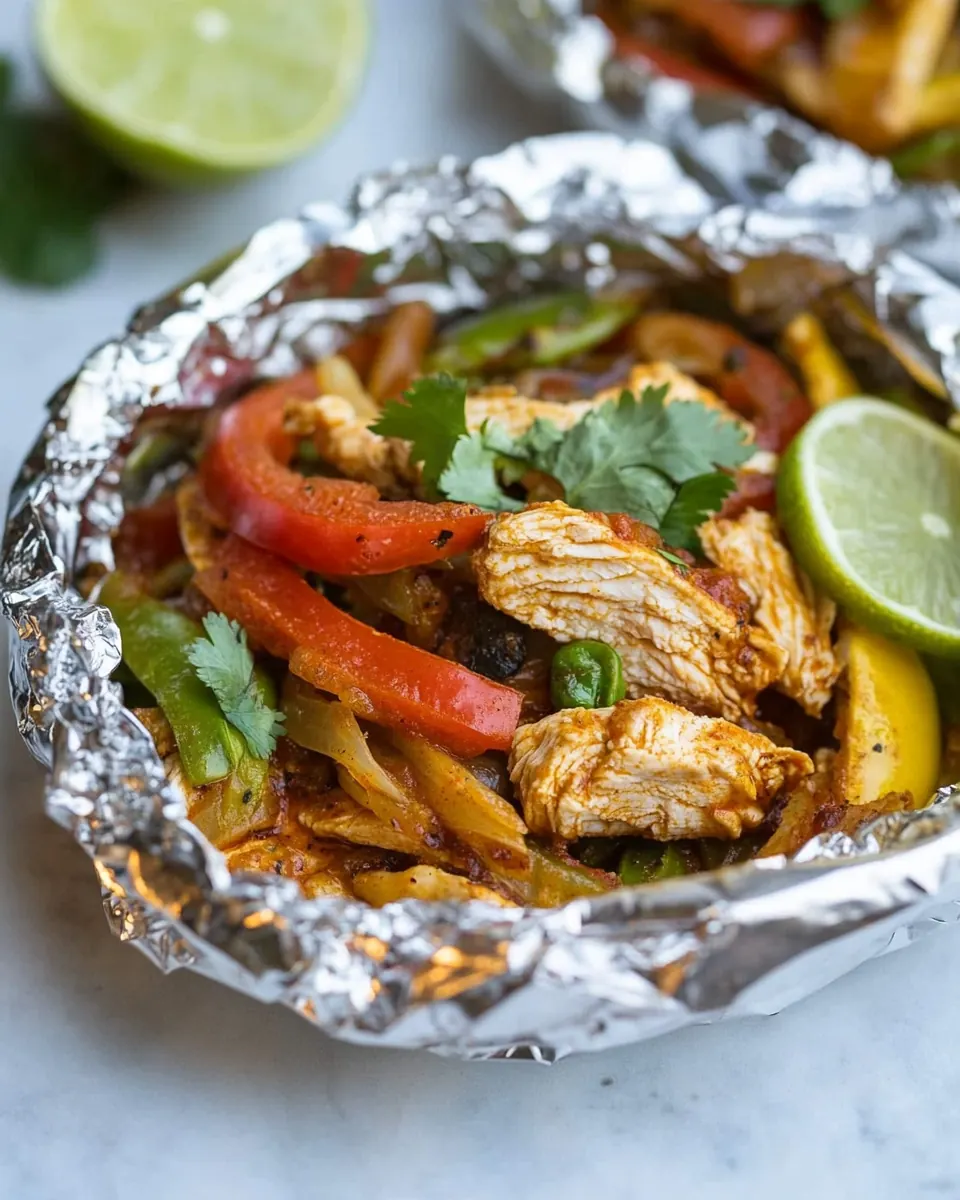
I like to treat these notes as the final layer of guidance that turns a good packet into a memorable one. Below are practical tips I use every time I make Chicken Fajitas Foil Packets.
- Prep once, assemble quickly. Chop the bell peppers and onion ahead of time and keep the chicken sliced in the fridge so assembly becomes a short, calm step right before cooking.
- Measure liquid carefully. Minute rice needs the right amount of water to avoid mushy or undercooked grains, so follow the recipe proportions and adjust slightly only if you know your rice brand behaves differently.
- Layer deliberately. Place the rice first with its liquid, then the chicken and vegetables on top so steam and juices rise through, ensuring even doneness and texture contrast.
- Watch your heat source. Whether using a grill, oven, or coals, maintain steady medium heat to prevent drying the chicken while waiting for the rice to finish.
- Finish with fresh acidity. A squeeze of limes right before serving brightens flavors and balances the richness from guacamole and sour cream.
Serving This Chicken Fajitas Foil Packets
These packets are built for casual, convivial eating, perfect for sharing outdoors or plating at home. Here are thoughtful serving ideas that bring out the best in every component.
- Serve with warm flour tortillas. Offer small flour tortillas so guests can assemble individual fajitas, layering rice, chicken, peppers, and onions, then topping with guacamole, salsa, and sour cream.
- Set up a toppings bar. Arrange bowls of chopped fresh cilantro, lime wedges, hot sauce, and extra salsa so everyone can customize heat and brightness to taste.
- Occasions to serve. These packets are great for summer barbecues, casual weeknight dinners, or a camping meal when you want minimal cleanup and big flavors. They are also well suited for small gatherings where self service keeps things relaxed.
- Storage tips. Refrigerate leftover sealed packets in an airtight container within two hours. Reheat gently in the oven at 350 degrees F until warmed through, or open and microwave briefly to preserve texture.
- Seasonal variations. In warm months I emphasize fresh toppings like cilantro and extra lime. If serving in cooler weather, add heartier sides like a warm bean salad or roasted vegetables alongside the packets.
- Presentation idea. Serve each open packet on a tray or plate, letting guests scoop directly into tortillas to keep service informal and fun.
FAQ
Conclusion
What makes these Chicken Fajitas Foil Packets special is their blend of bold, seasoned chicken, vibrant vegetables, and the ease of one packet cooking. They deliver layered flavor with minimal cleanup, and they adapt to grills, ovens, or campfire coals without losing their punch. I encourage you to try them on your next busy night or outdoor gathering, and to experiment with toppings to find your favorite combination. They are simple, satisfying, and reliably delicious, perfect for sharing with friends or keeping dinner fuss free.
Chicken Fajitas Foil Packets
Equipment
- Grill
- Oven
- Foil
- Mixing Bowl
Ingredients
- 1 1/2 cups minute rice, brown or white Cook quickly to provide a tender, fluffy rice base that soaks up juices from the foil packet; use minute rice for fast, consistent results and even texture. Combine with hot liquid immediately after adding to allow proper steaming within the foil packet environment. Adjust cooking time slightly when using brown rice versus white to achieve the desired chewiness.
- 1 1/2 cups water Boil or simmer to hydrate the minute rice and create steam that finishes cooking the rice inside the foil packets; use measured water for predictable texture. Heat contributes to building a moist environment that prevents the rice from drying out during baking. Slightly reduce water if using flavored or pre-seasoned rice varieties.
- 1 pound boneless skinless chicken breasts, cut into thin strips Slice thinly to ensure quick, even cooking and tender bites that absorb fajita seasoning; use boneless, skinless breasts for lean protein and easy slicing. Marinate briefly with olive oil and seasoning to boost flavor penetration before assembling packets. Arrange strips in a single layer in each packet for uniform doneness and food safety.
- 2 bell peppers, any color, sliced into thin strips Slice thinly to deliver sweet, crisp-tender vegetable bites that add color, crunch, and mild sweetness to the fajitas. Choose any color to vary visual appeal and nutrient profile while keeping cooking times consistent. Toss with oil and seasoning for caramelized edges when roasted inside the foil packet.
- 1 yellow or purple onion, sliced into thin strips Slice thinly to provide savory, slightly sweet layers that caramelize and complement the peppers and chicken while softening during cooking. Use yellow for a milder taste or purple for sharper flavor and vibrant color contrast. Distribute evenly in packets to release natural sugars and mingle with seasoning.
- 2 tablespoons olive oil Toss with proteins and vegetables to promote even browning and carry fajita seasoning flavors; olive oil helps prevent sticking inside the foil packets. Use measured tablespoons to control fat and moisture levels for succulent results. Choose extra-virgin or regular based on desired aroma and smoke point.
- 1 packet fajita seasoning or taco seasoning, divided Season generously to infuse classic Tex-Mex flavors; divide the packet to coat both chicken and vegetables for balanced seasoning. Use pre-made fajita or taco seasoning for convenience and consistent spice blend, adjusting amount for heat preference. Reserve a small portion to sprinkle on cooked rice or tortillas if desired.
- tin foil, for wrapping Wrap securely to create sealed cooking environments that trap steam and concentrate flavors while ensuring quick cleanup; use heavy-duty foil for durability. Fold edges tightly to prevent leaks and place packets seam-side up to retain juices. Open carefully after resting to avoid hot steam burns.
- small flour tortillas Warm gently to serve as handheld vessels that hold rice, chicken, and vegetables; small flour tortillas offer soft, pliable texture ideal for wrapping. Heat briefly in a skillet or microwave to increase flexibility and enhance flavor. Stack and keep covered to stay warm while assembling packets.
- guacamole Top generously to add creamy, avocado-rich flavor that cools spicy fajitas and contributes healthy fats; guacamole also adds a smooth texture contrast. Spoon onto warmed tortillas or directly onto plated packets for immediate richness. Consider dolloping after opening packets to preserve fresh texture.
- salsa Spoon alongside as a bright, tangy complement that adds acidity and freshness to the rich fajita filling; salsa can be mild or spicy depending on preference. Use chunky or smooth varieties to vary texture and moisture level. Add at serving to maintain vibrant flavor and avoid watering down fillings.
- sour cream Dollop sparingly to balance heat and add creamy tang that complements the seasoned chicken and vegetables; sour cream cools the palate and enhances mouthfeel. Provide in small portions to prevent overpowering other flavors while still contributing richness. Consider mixing with lime or cilantro for a flavored crema.
- fresh cilantro Garnish freshly chopped to provide herbal brightness and a lively finish that lifts the overall dish; cilantro adds citrusy, slightly peppery notes. Scatter over assembled fajitas or rice just before serving to retain its fresh aroma. Use leaves and tender stems for maximum flavor impact.
- hot sauce Drizzle carefully to add concentrated heat and additional flavor dimension for those who prefer extra spice; hot sauce can be customized per guest. Offer alongside plates so diners can control spiciness without altering the main seasoning balance. Choose a vinegar-forward or smoked variety to change the flavor profile.
- limes Squeeze fresh to add bright acidity that balances richness and enhances other flavors; lime juice brightens rice, chicken, and guacamole. Provide wedges for individual use so guests can adjust tartness to taste. Rub rind on tortillas or mix into sour cream for an extra citrus note.
Instructions
- Combine rice, water, and 2 tablespoons taco seasoning and stir. Set aside for 5 minutes.: The moment you mix the rice with seasoned water you will notice the grains glisten and take on aroma, a promise of flavor to come. Letting the rice rest for five minutes softens the outer layer so it finishes tender inside the foil, while the seasoning begins to settle into each grain. I listen for the faint rustle as the grains settle into the bowl, and I use a fork to fluff gently after resting, which helps separate the grains. This technique matters because prehydrated rice absorbs steam more evenly during cooking, preventing dry pockets. A common mistake here is using too hot water, which can prematurely overcook the minute rice before it sees heat in the packet, making it mushy. Measure carefully, stir thoroughly so seasoning is evenly distributed, and give yourself those five minutes before assembling packets.
- Add chicken, bell peppers and onion to a large bowl. Drizzle with oil, and season with the remaining taco seasoning packet, stirring gently to evenly coat everything.: When you tip the sliced chicken , bell peppers , and onion into a bowl and drizzle olive oil on top, you should see the pieces gloss and the spices cling to their surfaces. The oil is the carrier that helps flavors brown and develop; as you toss, smell the warm spices blooming on the surface. I recommend using your hands or tongs for an even coat, and pausing to rub seasoning into the chicken so it penetrates slightly. This matters because a well seasoned exterior forms a savory crust during cooking, enhancing texture and taste. Avoid overmixing, which can bruise the vegetables and release excess moisture, leading to steamy rather than roasted edges.
- Coat four large pieces (about 12'' long) of tinfoil with cooking spray.: Preparing the foil is a small step with big payoff. When you spray each 12 inch sheet it reduces sticking and makes opening packets at the table a tidy, pleasurable moment. I press the sheets flat so they are easier to fold and imagine the steam pocket you will create; a thin sheen of spray prevents the rice and juices from gluing to the surface. This step is important because it preserves appearance and ensures the contents lift cleanly when served. A common slip up is using too small a sheet, which can tear when you fold, so keep generous sizes on hand.
- Divide the rice and remaining liquid evenly between the pieces of tinfoil. Add chicken and vegetables on top.: As you portion the prepped rice , notice how it holds the seasoned liquid, a concentrated base that will steam the packet. Press the rice gently into the center of each foil piece, then layer the seasoned chicken and vegetable strips on top so they cook in the rising steam. You should see contrasting colors now, and smell the mingling spices. Layering matters because the rice needs direct contact with the liquid to become tender, while the chicken and vegetables benefit from sitting above to brown slightly against the foil. A common error is packing too much into one packet, which can prevent even cooking; keep portions balanced so steam circulates freely.
- Bring the sides of the tinfoil up, sealing the tinfoil closed to form foil packs, ready to cook.: Folding the foil into a sealed packet traps steam, creating a mini oven for the ingredients. As you crimp the edges, listen for the soft tear and feel the foil tighten, forming a snug pocket. The seal should be secure enough that steam escapes only minimally, preserving moisture while allowing a little airflow so things do not become soggy. This technique matters because a well sealed packet produces tender chicken and properly cooked rice without losing juices. Avoid folding too loosely, which can lead to uneven cooking, or too tightly, which may puncture the foil when juices bubble.
- Preheat grill to medium heat. Add foil packets and close lid. Cook on medium to medium-high heat, depending on your grill, for about 10-13 minutes or until chicken is cooked through. Add desired toppings and enjoy!: When the grill reaches medium you will feel consistent radiant heat, which is ideal for these packets. Place them over clean grates and close the lid so heat circulates; after about ten minutes I lift the lid briefly to catch the sweet smell of heated spices escaping. The packets will feel firm when the chicken is done, and a quick internal check should read safe temperatures. This method yields a slightly smoky nuance that amplifies the fajita seasoning . A typical pitfall is leaving packets too long on high heat, which can overcook the chicken and dry the rice, so monitor heat closely and aim for that 10 to 13 minute window.
- Preheat oven to 425 degrees F. Place the foil packets on a baking tray and cook for 15-20 minutes or until chicken is cooked through. Add desired toppings and enjoy!: Using the oven gives you predictable, even heat. At 425 degrees F the packets will steam and also develop slight roasted notes as the edges of vegetables brown. You will hear a faint sizzle as trapped juices heat, and when you open a packet the aroma should be warm and inviting. This technique matters because it is a reliable indoor alternative to grilling, producing consistent texture. Avoid choosing a lower temperature and extending time dramatically, which can result in oversteamed vegetables and a loss of texture.
- Cook in the hot coals of a campfire for about 20 minutes, or until chicken is cooked through. Add desired toppings and enjoy!: Camping lends this recipe an elemental quality, as the packets toast gently in glowing coals and pick up a rustic smokiness. Nestle packets among coals and rotate midway for even heat; you will notice the foil darken and faint smoke scents develop. This approach matters because coals provide intense, enveloping heat, producing fast, flavorful results. Be cautious of hotspots that can scorch contents, and use a shovel or tongs to reposition packets if one side cooks faster. Overcooking is a common mistake here, so check at the 18 minute mark if possible.
Notes
- Prep once, assemble quickly. Chop the bell peppers and onion ahead of time and keep the chicken sliced in the fridge so assembly becomes a short, calm step right before cooking.
- Measure liquid carefully. Minute rice needs the right amount of water to avoid mushy or undercooked grains, so follow the recipe proportions and adjust slightly only if you know your rice brand behaves differently.
- Layer deliberately. Place the rice first with its liquid, then the chicken and vegetables on top so steam and juices rise through, ensuring even doneness and texture contrast.
- Watch your heat source. Whether using a grill, oven, or coals, maintain steady medium heat to prevent drying the chicken while waiting for the rice to finish.
- Finish with fresh acidity. A squeeze of limes right before serving brightens flavors and balances the richness from guacamole and sour cream.
