Crockpot Chicken Stew
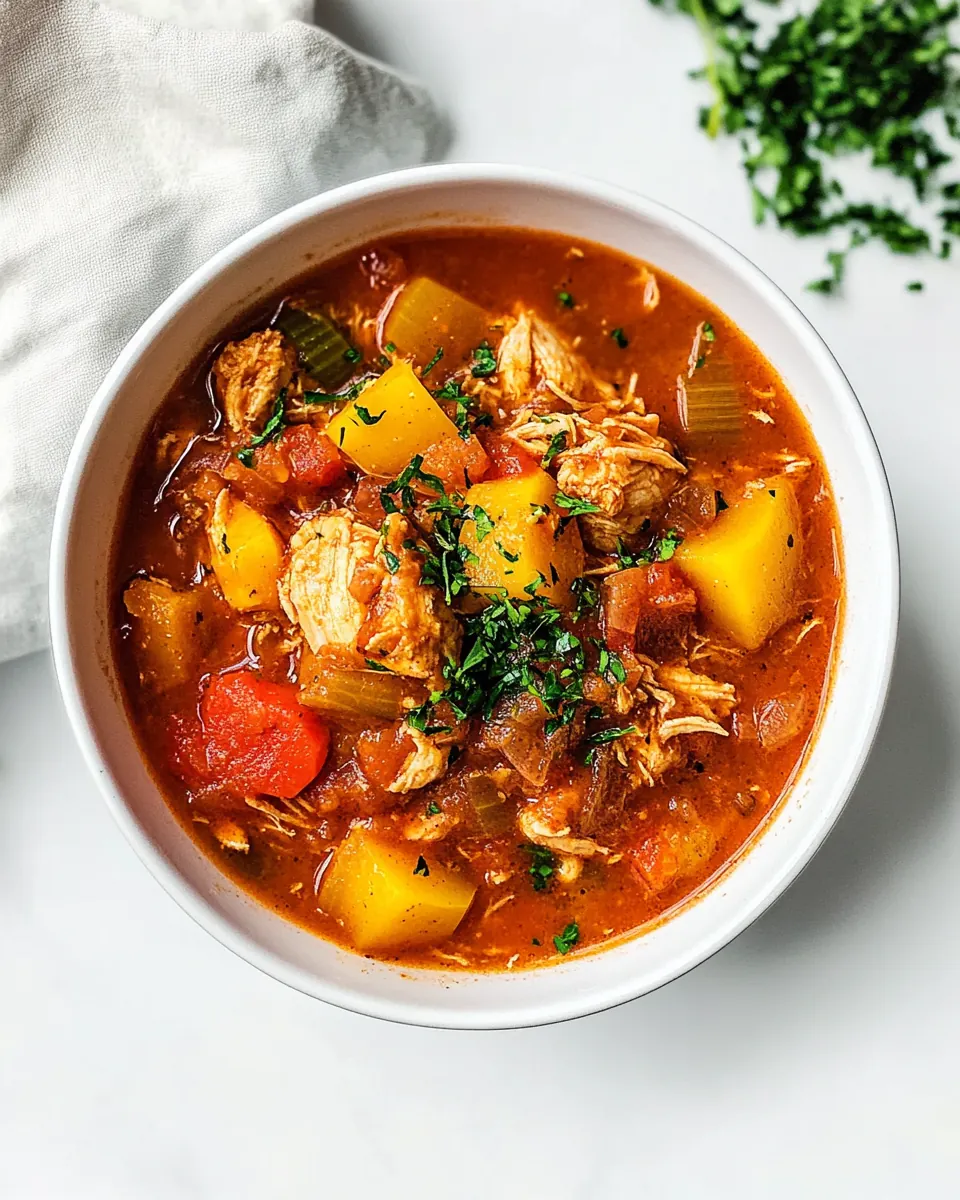
Crockpot Chicken Stew is the kind of warm, filling meal I turn to when the weather outside is gray and the calendar is full. The very first spoonful reminds me of a chilly afternoon when I came home damp from a long walk, and this stew was bubbling quietly in the Crock-Pot, filling the house with an herbaceous, savory scent that felt like a hug.
I picked up the recipe because I needed something hands off yet comforting, and over time I tuned it so the chicken stays juicy and the broth becomes slightly thickened and velvety without tasting heavy. There have been nights when I arrived late, and with almost no effort I shredded tender chicken straight into the pot and stirred in bright green frozen peas for color and texture. Those simple moments of convenience turned this into a family favorite.
The beauty of Crockpot Chicken Stew is how approachable it is. I like that most of the work is prep, then you let time do the rest. The carrots and potatoes cook until tender but not mushy, and the final roux brings the whole thing together, giving that satisfying spoon coating you want from a stew. When guests come over on short notice, I assemble everything and leave the slow cooker to do its magic, confident the result will be warm, hearty, and well seasoned. It’s the recipe I reach for when I want a simple, honest meal that tastes like care.
Recipe Snapshot
4 hr 30 mins
30 mins
240 mins
Hard
350 kcal
American
Gluten-Free, Paleo
Dinner
6-quart Crock-Pot, Medium pot
Why This Crockpot Chicken Stew Works
One Pot Comfort
I love how Crockpot Chicken Stew simplifies a full meal into one vessel. The slow cooker extracts deep savory notes from the chicken and herbs, producing a broth that feels rich without fuss. You get comfort food with minimal babysitting, which suits busy evenings and relaxed weekends alike.
Reliable Texture
With this recipe I’ve learned to coax vegetables into tender, yielding pieces that still retain shape. The diced carrots, potatoes, and celery soften in harmony, and the final roux rounds out the broth, creating a stew that clings to the spoon. That balance between silky broth and fork tender chunks is why I come back to this often.
Deep, Layered Flavor
There are several small touches that elevate the taste. The combination of dried thyme, sage, and smoked paprika gives the dish a warm, aromatic backbone, while a splash of balsamic vinegar brightens the finish. I find those little layers make every bite interesting, and the optional Worcestershire and bouillon powder push the savory quality just where it needs to be.
Flexible and Family Friendly
This stew adapts well to what you have on hand. I’ve made it with bone in and boneless chicken, and both work fine. If you want extra richness, use bone in. If you’re short on time, boneless shreds easily. The recipe also accepts optional garnishes like fresh parsley and a side of hearty buttered bread, which makes mealtime feel special without extra effort.
Make Ahead and Freeze
I often double the batch and freeze portions for later. The stew reheats beautifully, and the texture holds up when thawed gently in the fridge overnight. Having a ready meal like this in the freezer has rescued many busy nights, and I always label containers with the date so nothing gets forgotten.
Ingredient List for Crockpot Chicken Stew
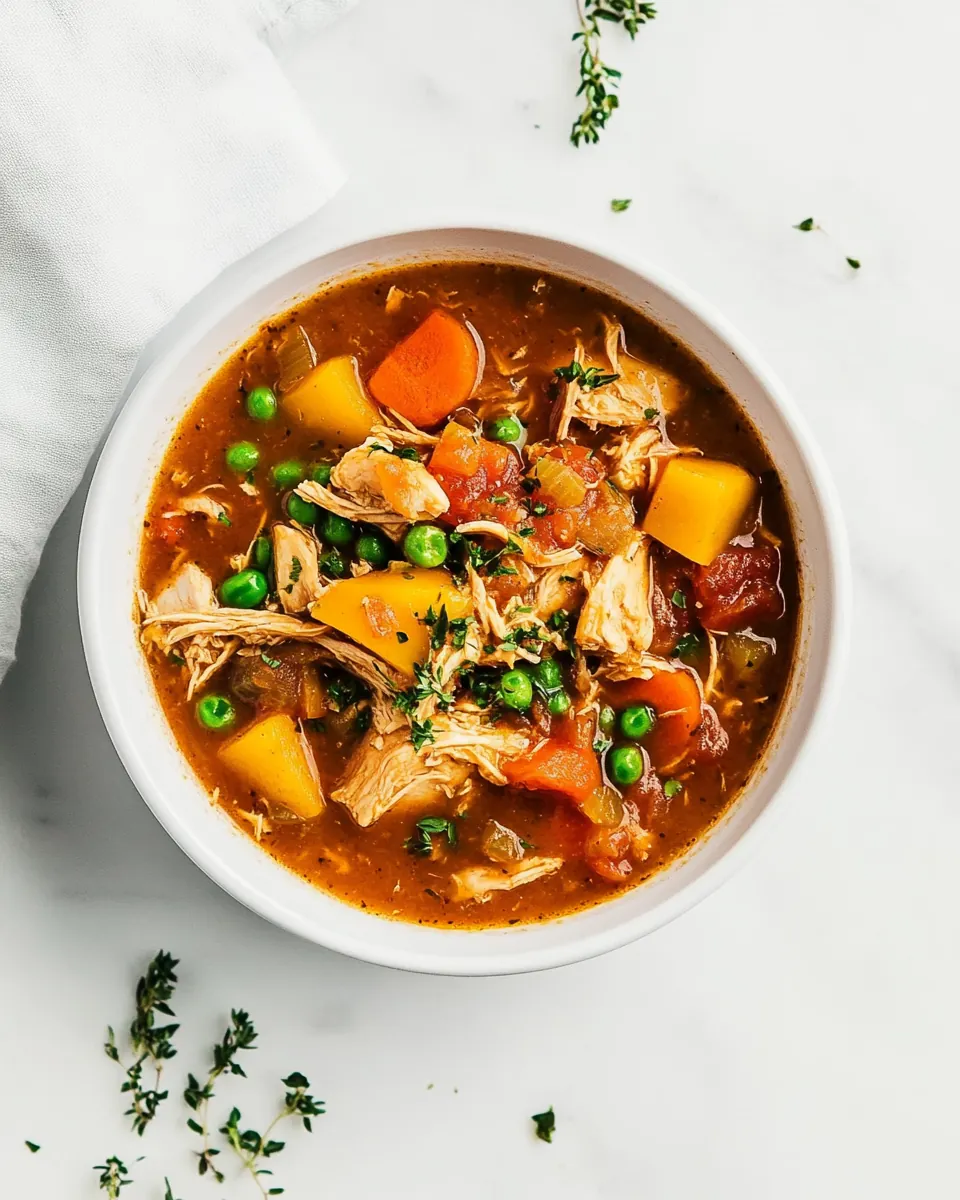
These ingredients work together to build a stew that is both nourishing and balanced. The key players are the chicken for savory depth, starchy potatoes for body, and a mirepoix of onion, carrots, and celery to create aromatic sweetness. The herbs and seasonings knit the flavors, while a simple roux thickens the broth so each spoonful feels satisfying.
- 1 1/2 pounds chicken thighs see note 1: Use boneless chicken thighs for tender, flavorful meat that holds up well during long, slow cooking; cut into bite-sized pieces or leave whole depending on texture preference. Provide rich, moist body to the stew and contribute natural fats that enhance overall mouthfeel and depth of flavor.
- 1 1/2 cups chunked carrots 2 to 3 large carrots, 1 1/2 inch pieces: Add chunked carrots to provide a sweet, earthy note and firm texture after crockpot simmering; cut into 1 1/2 inch pieces so they soften without turning mushy. Contribute color and nutrients while balancing savory components with gentle natural sweetness.
- 2 cups finely diced yellow onion 1 large or 2 small: Sauté or add finely diced yellow onion to build a savory aromatic base that mellows and sweetens as it cooks slowly; use one large or two small onions finely diced. Create foundational flavor layers and interact with herbs and garlic to deepen the stew's savory profile.
- 1 cup finely diced celery 2 to 4 stalks: Include finely diced celery to introduce a subtle, aromatic vegetal flavor and slight crunch that softens during long cooking; use 2 to 4 stalks depending on size. Support aromatic base alongside onion and carrots and add classic savory complexity to the broth.
- 2 cups diced baby gold potatoes 3/4 pound, 1/2-inch pieces: Add diced baby gold potatoes in 1/2-inch pieces to thicken the stew slightly as they release starch and to provide creamy, comforting bites. Offer hearty substance and absorb surrounding flavors while contributing pleasing texture contrast to the chicken.
- 1 tablespoon minced garlic: Stir in minced garlic to impart pungent, aromatic warmth that becomes mellow and savory when cooked slowly; add roughly one tablespoon. Enhance depth and umami, tying together the flavors of onion, herbs, and broth in the finished stew.
- 1 tablespoon Worcestershire sauce: Whisk in Worcestershire sauce to introduce complex umami, tang, and a subtle savory-sweet backbone; one tablespoon brightens and deepens the broth. Balance richness from the chicken and butter while amplifying the stew's overall savory character.
- 1 tablespoon dried thyme: Sprinkle dried thyme to provide earthy, slightly floral herbal notes that hold up well during long cooking; one tablespoon infuses the whole pot. Complement other herbs and add classic poultry-friendly seasoning that enhances aromatic complexity.
- 1 tablespoon dried sage: Add dried sage to offer warm, slightly peppery and earthy flavors that pair especially well with chicken; one tablespoon delivers pronounced herbaceousness. Contribute depth and a traditional savory aroma that helps define the stew's comforting profile.
- 1 tablespoon smoked paprika: Season with smoked paprika to add mild chili warmth, sweet pepper notes, and a subtle smoky undertone; one tablespoon deepens color and flavor. Provide smoky complexity without heat and enhance the stew's visual appeal and flavor layering.
- 1 tablespoon chicken bouillon powder: Dissolve chicken bouillon powder into the liquid to concentrate chicken flavor and umami, supplementing broth for a fuller-tasting base; one tablespoon increases savory intensity. Strengthen body and robustness of the stew when natural meat juices need reinforcement.
- 1/2 teaspoon dried oregano: Sprinkle dried oregano to add Mediterranean-style herbaceousness with a slightly bitter, aromatic edge; half a teaspoon provides subtle backbone. Complement thyme and sage while contributing a balanced herbal note that melds during slow cooking.
- 1/2 teaspoon salt: Add salt to season and elevate all other flavors in the stew; half a teaspoon is a starting point that can be adjusted to taste. Enhance savory components and help proteins and vegetables release and meld their natural flavors during cooking.
- 1/2 teaspoon pepper: Add ground black pepper to provide gentle heat and aromatic pungency; half a teaspoon offers subtle spiciness that complements herbs and aromatics. Brighten the stew and add slight bite that balances richness from butter and chicken.
- 2 1/2 cups chicken broth: Pour in chicken broth as the primary cooking liquid to simmer ingredients gently, extract flavors, and create a savory base; 2 1/2 cups provides adequate coverage and depth. Serve as the stew's backbone, carrying aromatics, herbs, and seasonings throughout the dish.
- 2 bay leaves (optional): Tuck in bay leaves to impart subtle herbal, slightly floral notes during slow cooking; include up to two leaves and remove before serving. Layer background complexity into the broth and enhance the overall aromatic profile without overpowering other flavors.
- 4 tablespoons unsalted butter: Melt unsalted butter to enrich the stew with creamy mouthfeel and to form the roux base when combined with flour; four tablespoons add richness without extra salt. Provide silky texture and a comforting finish that enhances both taste and consistency.
- 1/3 cup all-purpose flour: Whisk in all-purpose flour to thicken the stew and create a cohesive, velvety broth when cooked with butter and stock; one-third cup is used to achieve moderate thickness. Bind liquids and suspended ingredients so the stew clings to chicken and vegetables.
- 2/3 cup frozen peas: Stir in frozen peas late in cooking to add pops of sweet, bright green vegetable color and a tender yet slightly firm bite. Contribute freshness and balance to the richness, while maintaining textural contrast in the finished stew.
- 1 teaspoon balsamic vinegar: Finish with balsamic vinegar to brighten flavors and add subtle acidity and slight sweetness that lifts the whole dish; one teaspoon is enough for balance. Cut through richness and enhance savory and herbaceous notes for a more rounded flavor profile.
- Hearty buttered bread , for serving (optional): Serve with hearty buttered bread for soaking up the thick, flavorful broth; offer as an optional accompaniment for added comfort. Provide texture contrast and a vehicle for enjoying every spoonful of the stew's savory liquid and chunky ingredients.
- 2 tablespoons chopped fresh parsley , for serving (optional): Garnish with chopped fresh parsley to add a burst of fresh, herbaceous color and mild flavor just before serving; two tablespoons lightly sprinkled brightens presentation. Add a finishing touch that refreshes the palate and complements the stew's rich, savory elements.
Directions for Crockpot Chicken Stew
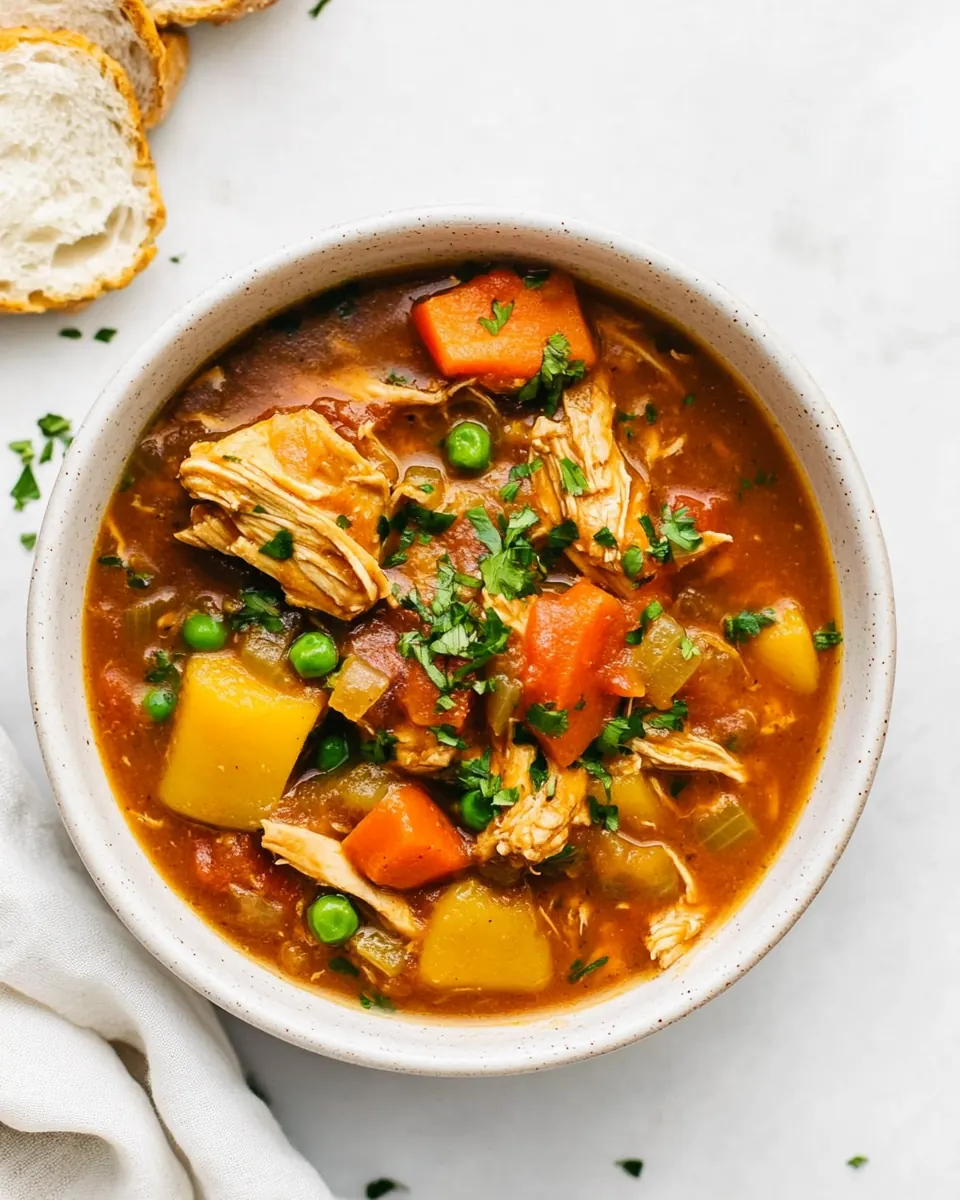
These directions guide you through assembling, slow cooking, finishing with a roux, and serving. I’ll walk you through sensory cues and troubleshooting so you can be confident at every stage as the stew develops its flavors over time.
- Place all the ingredients listed under “Add First” into a greased 6-quart slow cooker. Mix gently to combine, ensuring the chicken is submerged in the liquid.: As you nestle the ingredients into the greased crock, notice the layered aroma of dried herbs meeting raw chicken and fresh vegetables, a fragrant beginning that hints at the depth to come. The key here is to keep the chicken submerged so it steams and braises evenly, ensuring each piece cooks through without drying. If pieces float and stick out, they will cook unevenly and risk drying, so push them down gently with a spoon. A common mistake is overpacking the pot which prevents heat circulation, so leave a little room at the top for even cooking.
- Cover the slow cooker and cook on low for 6–8 hours or on high for 3–5 hours or until chicken is tender and can be shred easily. (I like this best on low!): During the long, slow cook you'll hear the faint bubble and smell a gentle, savory perfume building in your kitchen, an indicator that collagen and flavors are migrating into the broth. Cooking on low yields silkier textures and more developed flavor while high speeds things up but can make textures slightly less melded, which is why I prefer low when I have time. Watch for the chicken to easily pull apart with forks as the sign of readiness. Avoid lifting the lid often since that releases heat and stretches the cooking time.
- Remove the chicken from the slow cooker into a bowl and shred it using two forks.: When you lift the meat out, it should feel tender and moist, with juices clinging to the surface. Shredding with two forks creates irregular, rustic pieces that soak up the flavored broth when returned. If the meat resists shredding, it likely needs more time; forcing it can make the texture stringy. One trap is shredding while the chicken is too hot to handle, burn risk and uneven shredding, so let it rest for a few minutes.
- On the stovetop, heat a medium pot over medium-high. Add the butter and whisk it until completely melted. Sprinkle the flour over the melted butter and whisk constantly for 1 minute. Mixture should look frothy. Gradually add in about 1 cup of the liquid from the slow cooker to create a smooth, thick paste.: The stovetop step transforms a thin broth into a velvety stew base. As the butter melts and the flour cooks, you'll smell a toasty, nutty note; this short whisking eliminates raw flour taste. When you add the slow cooker liquid, whisk continuously so no lumps form, and aim for a glossy, paste like consistency. If you add cold liquid too fast you may get stubborn lumps, so pour slowly and keep whisking. A frequent error is not cooking the roux long enough, leaving a pasty raw flavor, so be patient during that one minute of whisking.
- Add the roux to the slow cooker and stir well until it’s fully integrated. Return the shredded chicken along with the frozen peas and balsamic vinegar. Remove the bay leaves. Stir everything together. Cover and heat through (10 minutes). Taste and adjust the seasoning, adding an additional 1–2 teaspoons of chicken bouillon if needed until flavors sing.: When you fold the warm roux back into the stew, you should hear a gentle settling and see the broth thicken slightly as it absorbs the starch. The texture will go from loose to luxuriously velvety, and you can watch the peas bloom into bright green dots against the tan broth. The balsamic gives a flash of acidity that wakes up the whole pot. Always remove bay leaves so no one bites into them. If the stew tastes flat after thickening, small increments of bouillon powder or salt will lift it; add little by little to avoid oversalting. Be careful not to overcook once peas are added, as they can become mushy quickly.
- Ladle the stew into bowls, and if desired, garnish with fresh parsley (optional) and serve with hearty buttered bread. Enjoy!: The final presentation is warm and inviting, the stew steaming and fragrant, with flecks of herbs on top if you choose parsley. The bread soaks up the broth and is a tactile pleasure against the creamy stock and tender chicken . Watch out when ladling because the pot and stew are hot, and use a sturdy ladle to portion evenly. A common misstep is skipping the resting time after adding the roux, which can result in pockets of uneven texture; letting it sit under the lid for ten minutes ensures everything integrates beautifully.
Pro Tips and Tweaks
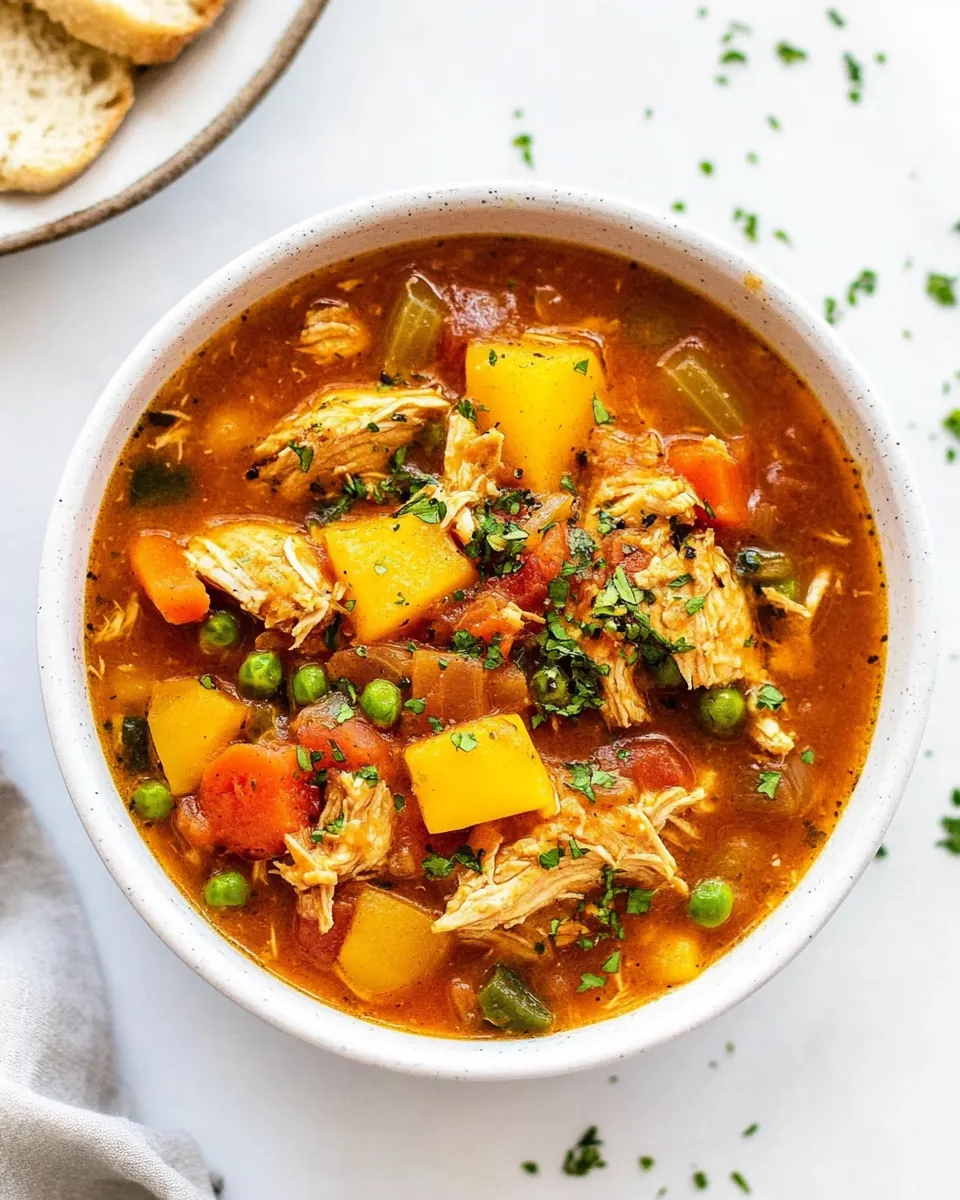
I like to keep a few things in mind to make this stew shine. Below are practical tips and tweaks I use regularly, expanded from the recipe notes so you can adapt with confidence.
- Choose your chicken wisely — Bone in thighs add more depth thanks to marrow and connective tissue, while boneless is quicker for shredding; remove skin if present to prevent excess grease.
- Dice finely for tenderness — Very small pieces of onion and celery soften evenly during slow cooking and disappear into the broth, creating a smoother texture without raw edges.
- Control the roux — Whisk the flour into melted butter until frothy to remove the raw flour taste, and add slow cooker liquid gradually to maintain a lump free, silky paste.
- Adjust seasoning at the end — Slow cooking concentrates flavors, so wait until the stew is thickened before adding extra bouillon or salt, and add in small increments while tasting.
- Freeze in portions — Cool stew fully, then freeze in meal sized containers for up to three months; thaw overnight in the fridge before reheating gently on the stove.
- Add peas last — Stir in frozen peas near the end to keep their color and texture bright, avoiding long simmer times that make them mushy.
- Serve with sturdy bread — Hearty buttered bread soaks up the broth and provides a satisfying textural contrast to the silky stew.
Great Combinations for Crockpot Chicken Stew
This stew is versatile at the table. Below I outline serving styles, pairings, and storage ideas so you can match the mood, whether it is a cozy family dinner or a weekday rescue meal.
- Simple family dinner — Serve bowls of hot Crockpot Chicken Stew with slices of hearty buttered bread for dipping, creating an easy, filling meal everyone will reach for.
- Comfort for cold nights — On an especially cold evening, make a pot and place bowls on a tray with a small side salad for brightness, turning the stew into a full, warming dinner.
- Meal prep and freezing — Cool the stew completely, portion into airtight containers, and freeze for up to three months so you always have a homestyle meal on hand for rushed days.
- Weekend entertaining — Serve the stew in a large warming dish with a bowl of chopped parsley and extra bread on the side so guests can help themselves and customize garnishes.
- Pairing suggestions — Complement the stew with a crisp green salad for contrast, or a platter of roasted vegetables if you want more variety and color at the table.
- Storage tips — Refrigerate leftovers for up to four days, and reheat gently on the stove to preserve texture; if the stew thickens too much, loosen with a splash of broth or water while warming.
- Seasonal notes — This recipe shines in winter when hearty, warming meals are most welcome, but it also works well anytime you crave an easy, nourishing bowl.
FAQ
Conclusion
This Crockpot Chicken Stew stands out for its comforting, slow cooked depth and easy, hands off preparation. It combines tender shredded chicken, soft vegetables, and a silky, herb forward broth that warms both body and mood. Give it a try on a busy evening or when you want a make ahead meal that reheats beautifully. I hope this stew becomes a reliable favorite in your rotation and brings the same cozy satisfaction it does to my table.

Crockpot Chicken Stew
Equipment
- 6-quart Crock-Pot
- Medium Pot
Ingredients
- 1 1/2 pounds chicken thighs see note 1 Use boneless chicken thighs for tender, flavorful meat that holds up well during long, slow cooking; cut into bite-sized pieces or leave whole depending on texture preference. Provide rich, moist body to the stew and contribute natural fats that enhance overall mouthfeel and depth of flavor.
- 1 1/2 cups chunked carrots 2 to 3 large carrots, 1 1/2 inch pieces Add chunked carrots to provide a sweet, earthy note and firm texture after crockpot simmering; cut into 1 1/2 inch pieces so they soften without turning mushy. Contribute color and nutrients while balancing savory components with gentle natural sweetness.
- 2 cups finely diced yellow onion 1 large or 2 small Sauté or add finely diced yellow onion to build a savory aromatic base that mellows and sweetens as it cooks slowly; use one large or two small onions finely diced. Create foundational flavor layers and interact with herbs and garlic to deepen the stew's savory profile.
- 1 cup finely diced celery 2 to 4 stalks Include finely diced celery to introduce a subtle, aromatic vegetal flavor and slight crunch that softens during long cooking; use 2 to 4 stalks depending on size. Support aromatic base alongside onion and carrots and add classic savory complexity to the broth.
- 2 cups diced baby gold potatoes 3/4 pound, 1/2-inch pieces Add diced baby gold potatoes in 1/2-inch pieces to thicken the stew slightly as they release starch and to provide creamy, comforting bites. Offer hearty substance and absorb surrounding flavors while contributing pleasing texture contrast to the chicken.
- 1 tablespoon minced garlic Stir in minced garlic to impart pungent, aromatic warmth that becomes mellow and savory when cooked slowly; add roughly one tablespoon. Enhance depth and umami, tying together the flavors of onion, herbs, and broth in the finished stew.
- 1 tablespoon Worcestershire sauce Whisk in Worcestershire sauce to introduce complex umami, tang, and a subtle savory-sweet backbone; one tablespoon brightens and deepens the broth. Balance richness from the chicken and butter while amplifying the stew's overall savory character.
- 1 tablespoon dried thyme Sprinkle dried thyme to provide earthy, slightly floral herbal notes that hold up well during long cooking; one tablespoon infuses the whole pot. Complement other herbs and add classic poultry-friendly seasoning that enhances aromatic complexity.
- 1 tablespoon dried sage Add dried sage to offer warm, slightly peppery and earthy flavors that pair especially well with chicken; one tablespoon delivers pronounced herbaceousness. Contribute depth and a traditional savory aroma that helps define the stew's comforting profile.
- 1 tablespoon smoked paprika Season with smoked paprika to add mild chili warmth, sweet pepper notes, and a subtle smoky undertone; one tablespoon deepens color and flavor. Provide smoky complexity without heat and enhance the stew's visual appeal and flavor layering.
- 1 tablespoon chicken bouillon powder Dissolve chicken bouillon powder into the liquid to concentrate chicken flavor and umami, supplementing broth for a fuller-tasting base; one tablespoon increases savory intensity. Strengthen body and robustness of the stew when natural meat juices need reinforcement.
- 1/2 teaspoon dried oregano Sprinkle dried oregano to add Mediterranean-style herbaceousness with a slightly bitter, aromatic edge; half a teaspoon provides subtle backbone. Complement thyme and sage while contributing a balanced herbal note that melds during slow cooking.
- 1/2 teaspoon salt Add salt to season and elevate all other flavors in the stew; half a teaspoon is a starting point that can be adjusted to taste. Enhance savory components and help proteins and vegetables release and meld their natural flavors during cooking.
- 1/2 teaspoon pepper Add ground black pepper to provide gentle heat and aromatic pungency; half a teaspoon offers subtle spiciness that complements herbs and aromatics. Brighten the stew and add slight bite that balances richness from butter and chicken.
- 2 1/2 cups chicken broth Pour in chicken broth as the primary cooking liquid to simmer ingredients gently, extract flavors, and create a savory base; 2 1/2 cups provides adequate coverage and depth. Serve as the stew's backbone, carrying aromatics, herbs, and seasonings throughout the dish.
- 2 bay leaves optional Tuck in bay leaves to impart subtle herbal, slightly floral notes during slow cooking; include up to two leaves and remove before serving. Layer background complexity into the broth and enhance the overall aromatic profile without overpowering other flavors.
- 4 tablespoons unsalted butter Melt unsalted butter to enrich the stew with creamy mouthfeel and to form the roux base when combined with flour; four tablespoons add richness without extra salt. Provide silky texture and a comforting finish that enhances both taste and consistency.
- 1/3 cup all-purpose flour Whisk in all-purpose flour to thicken the stew and create a cohesive, velvety broth when cooked with butter and stock; one-third cup is used to achieve moderate thickness. Bind liquids and suspended ingredients so the stew clings to chicken and vegetables.
- 2/3 cup frozen peas Stir in frozen peas late in cooking to add pops of sweet, bright green vegetable color and a tender yet slightly firm bite. Contribute freshness and balance to the richness, while maintaining textural contrast in the finished stew.
- 1 teaspoon balsamic vinegar Finish with balsamic vinegar to brighten flavors and add subtle acidity and slight sweetness that lifts the whole dish; one teaspoon is enough for balance. Cut through richness and enhance savory and herbaceous notes for a more rounded flavor profile.
- Hearty buttered bread optional, for serving Serve with hearty buttered bread for soaking up the thick, flavorful broth; offer as an optional accompaniment for added comfort. Provide texture contrast and a vehicle for enjoying every spoonful of the stew's savory liquid and chunky ingredients.
- 2 tablespoons chopped fresh parsley optional, for serving Garnish with chopped fresh parsley to add a burst of fresh, herbaceous color and mild flavor just before serving; two tablespoons lightly sprinkled brightens presentation. Add a finishing touch that refreshes the palate and complements the stew's rich, savory elements.
Instructions
- Place all the ingredients listed under “Add First” into a greased 6-quart slow cooker. Mix gently to combine, ensuring the chicken is submerged in the liquid.: As you nestle the ingredients into the greased crock, notice the layered aroma of dried herbs meeting raw chicken and fresh vegetables, a fragrant beginning that hints at the depth to come. The key here is to keep the chicken submerged so it steams and braises evenly, ensuring each piece cooks through without drying. If pieces float and stick out, they will cook unevenly and risk drying, so push them down gently with a spoon. A common mistake is overpacking the pot which prevents heat circulation, so leave a little room at the top for even cooking.
- Cover the slow cooker and cook on low for 6–8 hours or on high for 3–5 hours or until chicken is tender and can be shred easily. (I like this best on low!): During the long, slow cook you'll hear the faint bubble and smell a gentle, savory perfume building in your kitchen, an indicator that collagen and flavors are migrating into the broth. Cooking on low yields silkier textures and more developed flavor while high speeds things up but can make textures slightly less melded, which is why I prefer low when I have time. Watch for the chicken to easily pull apart with forks as the sign of readiness. Avoid lifting the lid often since that releases heat and stretches the cooking time.
- Remove the chicken from the slow cooker into a bowl and shred it using two forks.: When you lift the meat out, it should feel tender and moist, with juices clinging to the surface. Shredding with two forks creates irregular, rustic pieces that soak up the flavored broth when returned. If the meat resists shredding, it likely needs more time; forcing it can make the texture stringy. One trap is shredding while the chicken is too hot to handle, burn risk and uneven shredding, so let it rest for a few minutes.
- On the stovetop, heat a medium pot over medium-high. Add the butter and whisk it until completely melted. Sprinkle the flour over the melted butter and whisk constantly for 1 minute. Mixture should look frothy. Gradually add in about 1 cup of the liquid from the slow cooker to create a smooth, thick paste.: The stovetop step transforms a thin broth into a velvety stew base. As the butter melts and the flour cooks, you'll smell a toasty, nutty note; this short whisking eliminates raw flour taste. When you add the slow cooker liquid, whisk continuously so no lumps form, and aim for a glossy, paste like consistency. If you add cold liquid too fast you may get stubborn lumps, so pour slowly and keep whisking. A frequent error is not cooking the roux long enough, leaving a pasty raw flavor, so be patient during that one minute of whisking.
- Add the roux to the slow cooker and stir well until it’s fully integrated. Return the shredded chicken along with the frozen peas and balsamic vinegar. Remove the bay leaves. Stir everything together. Cover and heat through (10 minutes). Taste and adjust the seasoning, adding an additional 1–2 teaspoons of chicken bouillon if needed until flavors sing.: When you fold the warm roux back into the stew, you should hear a gentle settling and see the broth thicken slightly as it absorbs the starch. The texture will go from loose to luxuriously velvety, and you can watch the peas bloom into bright green dots against the tan broth. The balsamic gives a flash of acidity that wakes up the whole pot. Always remove bay leaves so no one bites into them. If the stew tastes flat after thickening, small increments of bouillon powder or salt will lift it; add little by little to avoid oversalting. Be careful not to overcook once peas are added, as they can become mushy quickly.
- Ladle the stew into bowls, and if desired, garnish with fresh parsley (optional) and serve with hearty buttered bread. Enjoy!: The final presentation is warm and inviting, the stew steaming and fragrant, with flecks of herbs on top if you choose parsley. The bread soaks up the broth and is a tactile pleasure against the creamy stock and tender chicken . Watch out when ladling because the pot and stew are hot, and use a sturdy ladle to portion evenly. A common misstep is skipping the resting time after adding the roux, which can result in pockets of uneven texture; letting it sit under the lid for ten minutes ensures everything integrates beautifully.
Notes
- Choose your chicken wisely — Bone in thighs add more depth thanks to marrow and connective tissue, while boneless is quicker for shredding; remove skin if present to prevent excess grease.
- Dice finely for tenderness — Very small pieces of onion and celery soften evenly during slow cooking and disappear into the broth, creating a smoother texture without raw edges.
- Control the roux — Whisk the flour into melted butter until frothy to remove the raw flour taste, and add slow cooker liquid gradually to maintain a lump free, silky paste.
- Adjust seasoning at the end — Slow cooking concentrates flavors, so wait until the stew is thickened before adding extra bouillon or salt, and add in small increments while tasting.
- Freeze in portions — Cool stew fully, then freeze in meal sized containers for up to three months; thaw overnight in the fridge before reheating gently on the stove.
- Add peas last — Stir in frozen peas near the end to keep their color and texture bright, avoiding long simmer times that make them mushy.
- Serve with sturdy bread — Hearty buttered bread soaks up the broth and provides a satisfying textural contrast to the silky stew.