Carrot Latkes with Yogurt Sauce
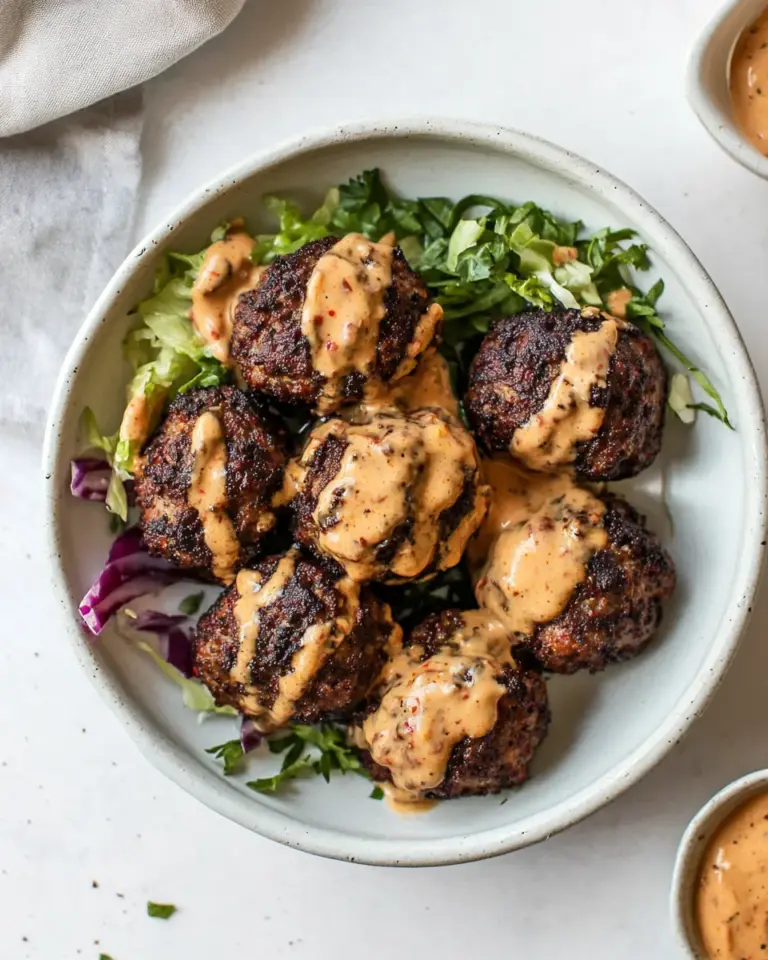
Carrot Latkes with Yogurt Sauce are one of those dishes I fall back on whenever I want something crispy, bright, and a little unexpected. The first time I made them, I remember the kitchen filling with a warm, sweet aroma of roasted carrots as they turned golden at the edges, and the yogurt sauce cutting through that sweetness with a cool, tangy finish. Since then I’ve adapted the method to be forgiving and simple, so I can pull these together on a busy weeknight or bring them to a potluck and still look like I planned for hours.
My approach to Carrot Latkes with Yogurt Sauce blends practicality and a bit of nostalgia. I grew up around savory fritters, and this carrot version felt like the bright cousin who shows up with a bowl of herb sauce and steals the show. I like how the grated carrots keep a tender chew while crisping up on the outside, and how a touch of flour and egg holds everything together without weighing it down. The sauce is where it all comes together, especially when you add a splash of lemon juice and a whisper of dill.
Over several tries I learned little tricks that make these consistently good, like pressing excess moisture from the grated carrots and spacing the patties so they crisp properly. I hope this piece gives you practical steps and a friendly nudge to try them, whether as a starter, side, or a fun snack. They pair well with simple salads, or on their own with a big spoonful of yogurt sauce. Let me show you how to get the best texture and flavor from a handful of humble ingredients.
Recipe Snapshot
45 mins
25 mins
20 mins
Medium
150 kcal
American
Gluten-Free, Low FODMAP
Side Dishes
Baking sheet, Box grater, Colander, Mixing bowls, Whisk
Why This Carrot Latkes with Yogurt Sauce Is So Good
Crispy Texture with a Tender Interior
I love the contrast you get when carrots are grated and baked until the outer edges caramelize, while the center stays soft. The brief bake time concentrates the natural sugars, creating little pockets of sweetness that pop against the crisp exterior. That contrast is why I swap between flipping and checking the color instead of watching the clock, because visual cues matter more than exact minutes.
Simple, Clean Ingredients
There is something honest about a recipe where a few pantry items and fresh eggs can produce something impressive. The combination of white whole wheat flour and a touch of baking powder gives structure without heaviness, while the seasoning keeps things lively. I often find that fewer ingredients let the carrot flavor shine, which is exactly what I want here.
Flexible Sauce That Elevates
The yogurt sauce is a small detail with an outsized effect. A spoonful brings acidity from lemon juice, herbal brightness from dill, and creaminess from Greek yogurt. I appreciate that you can serve it on the side or dolloped on top, and it instantly balances the fritter’s sweetness.
Make Ahead Friendly and Crowd Ready
I often prepare the carrot mixture a little earlier, which helps the flavors meld and makes plating calm instead of frantic. These latkes travel well, and because they can be baked on a sheet, you can scale them up without babysitting a skillet. If I am feeding a group, I stash the sauce in a jar and let people spoon it over their portions.
Healthy Comfort Food
What I adore most is how they feel comforting without being indulgent. The base is mostly carrots, and using nonfat or low fat Greek yogurt keeps the sauce light while still creamy. For weeks when I want both nourishment and flavor, this recipe hits the sweet spot.
Carrot Latkes with Yogurt Sauce Ingredients

These ingredients form a straightforward, harmonious team. The star is the carrots, which bring sweetness and texture. The binding agents like white whole wheat flour and eggs provide structure, while small amounts of baking powder and salt lift the batter. The sauce components add acidity and herbaceousness, creating balance.
- 6 cups carrots peeled, grated (grate on the large holes of a box grater): Provide moisture and natural sweetness while contributing most of the latke body; grate finely and squeeze gently if very watery to prevent sogginess, and use the large holes for a coarse texture that crisps well during frying.
- 6 tablespoons white whole-wheat flour: Bind shredded carrots together and add light structure without overpowering flavor; white whole–wheat flour offers a touch of nuttiness and helps create a golden crust when pan-fried.
- 3/4 teaspoon baking powder: Leaven slightly to lighten the mixture and help produce a tender interior; baking powder should be evenly mixed with the dry ingredients to ensure consistent lift across the batch.
- 1/2 teaspoon kosher or sea salt: Season evenly for balanced flavor and enhance the carrots’ natural taste; use kosher or sea salt to distribute salt crystals more predictably throughout the batter.
- 1/4 teaspoon black pepper: Add subtle heat and depth to the latkes’ flavor profile; freshly ground black pepper brightens the savory notes and complements the sweet carrots.
- 3 eggs large, beaten: Provide richness, structure, and binding while adding silkiness; beaten large eggs help hold the grated carrots and flour together for intact patties that fry well.
- 1 cup Greek yogurt non-fat or low-fat, plain or sour cream: Create a creamy, tangy base for the sauce or serve as a dollop alongside the latkes; non-fat or low-fat Greek yogurt offers thick texture and a protein boost.
- 2 tablespoons dill finely chopped or 2 teaspoons dried dill: Introduce fresh herbal brightness and a mild anise-like flavor to the sauce; finely chopped dill disperses aroma and visual appeal, while dried dill can be used when fresh is unavailable.
- 1 tablespoon lemon juice freshly squeezed (about 1/2 a lemon): Offer bright acidity to the yogurt sauce and cut through richness; freshly squeezed lemon juice adds freshness and elevates other flavors without overpowering them.
- 1 garlic clove minced or 1/4 teaspoon garlic powder: Provide pungent savory notes to the sauce and balance acidity; minced garlic gives a fresher, sharper bite while garlic powder offers a milder, more even garlic flavor.
- 1/4 teaspoon kosher or sea salt: Season the yogurt sauce to taste and enhance all other ingredients; adding kosher or sea salt at the end lets you control seasoning for optimal balance.
Step by Step Instructions for Carrot Latkes with Yogurt Sauce

These instructions are meant to guide you through every sensory cue and decision so your Carrot Latkes with Yogurt Sauce turn out crisp and flavorful. Take your time with the textures and use visual cues to know when each step is done.
- Preheat oven to 425 degrees. Spray a baking sheet with cooking spray to coat (even if nonstick). Parchment paper can be used, but spray the parchment paper.: Warmth will envelop the kitchen, and the air will smell faintly of the metal in the oven as it heats, which is normal. Setting the oven to 425 degrees ensures the latkes start crisping immediately, creating golden edges rather than steaming. Heat consistency matters, so wait until the oven signals it is ready. A common mistake is placing patties in a not fully hot oven, which leads to soggy, pale latkes rather than a crisp finish.
- Place grated carrots in a colander and press with a paper towel to remove most of the liquid from the vegetable.: The baking sheet should glisten slightly with oil, which encourages even browning and makes flipping easier. If you use parchment paper, lightly spray it so the latkes can release cleanly. You will hear a faint sizzle when the patties hit a hot surface, a good sign the exterior will crisp. Avoid skimping on this step, because insufficient coating can lead to sticking and tearing when you try to flip.
- Add flour, baking powder, salt, and pepper to a bowl and stir to combine. Add beaten eggs and carrots. Stir to combine well. Let sit for 10 minutes. Form into patties (about 3 inches each) and place in rows on the baking sheet. Do not let patties touch. Bake for 20 minutes or until crisp, flipping halfway through.: When you press the grated carrots , you will see a surprising amount of orange liquid, and removing it prevents the batter from becoming watery. The texture should be damp but not dripping, which helps the patties hold together and crisp. A frequent error is skipping this step, which often results in latkes that fail to form and remain mushy even after baking.
- Meanwhile, whisk together all of the ingredients for the yogurt sauce and serve on the side or as topping.: Mixing these dry elements together first lets the baking powder distribute evenly and prevents pockets of leavener. The scent is subtle, mostly neutral, but you will notice the salt brightening the dry mix. Make sure the seasoning is uniform, because under-seasoned batter yields bland latkes that pale next to the vibrant yogurt sauce.
- Note: if batter is too wet to form patties, sprinkle in additional flour. If too dry, add an additional beaten egg.: The beaten eggs will give the mixture a glossy sheen and bind the components. As you fold in the grated carrots , you will feel the mixture thicken and become cohesive, indicating the ratio is correct. Let the combined batter rest for the recommended time so the flour hydrates and flavors meld. If you skip resting, the patties may not hold their shape as well when formed.
- Stir to combine well: Stirring should create a homogeneous batter where no dry pockets remain; you will see specks of baking powder disappear and the texture unify. The batter should be moist but scoopable. Over mixing can make the batter dense, while under mixing leaves inconsistencies, so aim for a confident, even fold.
- Let sit for 10 minutes: During this short pause the mixture settles and the flour absorbs moisture, which improves structure and binding. You might notice the batter tighten slightly, a good sign it will form patties without falling apart. Trying to form patties immediately often leads to watery, loose rounds that spread on the sheet instead of holding a shape.
- Form into patties (about 3 inches each) and place in rows on the baking sheet: Pressing each patty to an even thickness helps them cook uniformly, and spacing them with room to breathe allows hot air to circulate, promoting crisp edges. Visually aim for a light tan where the carrots are exposed and slightly flattened centers. Crowding the pan will steam the patties and prevent the surface from crisping properly.
- Do not let patties touch: Keeping distance between patties ensures they brown separately and are easy to flip. If patties touch, they can fuse into irregular shapes and steam rather than roast, losing the sought after crispness. Take the extra minute to reposition them if necessary to protect their shape.
- Bake for 20 minutes or until crisp, flipping halfway through: As they bake, you will notice aroma changes from raw carrot to sweet roasted notes and the edges turning golden brown, sometimes with small caramelized bits. Flipping halfway gives both sides even exposure to heat and promotes uniform color. Watch for a firm edge and slight lift from the interior before removing; underbaking keeps them limp, while overbaking can make them overly dry.
- Meanwhile, whisk together all of the ingredients for the yogurt sauce and serve on the side or as topping: The sauce should be smooth and slightly tangy, with flecks of dill and minced garlic visible. Whisking briefly releases the aroma of lemon juice and dill , and the texture should be spoonable, not runny. If the sauce is too thick, a tiny splash of water can loosen it; if too thin, a bit more Greek yogurt will thicken it. Avoid over thinning which will make the sauce slide off rather than cling.
- Note: if batter is too wet to form patties, sprinkle in additional flour : A damp batter will show visible pooling and fail to hold shape; adding small pinches of white whole wheat flour absorbs excess moisture and firms the mix. Add gradually so you do not overshoot, which can dry the mixture and make the latkes dense. Failing to correct wet batter leads to spreading and undercooked centers in the finished latkes.
- Note: If too dry, add an additional beaten egg : A dry batter will look crumbly and resist forming; adding one more beaten egg introduces moisture and binding proteins that help set the patties during baking. Mix gently to incorporate. Adding too many eggs will alter the texture toward custard, so only add what is needed to achieve cohesion.
Variations to Try

Below are a set of ways to tweak the recipe while staying true to the core idea. Each tip starts strong and gives practical, tested advice so you can adapt the dish to different occasions and preferences.
- Roast Before Grating: If you want deeper caramelized flavors, roast peeled carrots briefly before grating and using them, this gives a sweeter, more concentrated carrot note though it changes moisture and may require minor flour adjustments.
- Make Ahead Batter: Prepare the carrot mixture up to a day ahead and refrigerate, which allows the flavors to meld and saves active time when you are ready to bake.
- Stove Top Crisping: For extra crunch, pan sear formed patties in a shallow layer of oil before finishing in the oven; this yields a more pronounced golden crust but needs careful temperature control to avoid burning.
- Herb Swaps: Substitute or add fresh herbs like parsley or chives in place of some dill for varied herbal profiles, adjusting quantity to taste so the sauce remains balanced.
- Texture Control: For a firmer latke, squeeze more liquid from the grated carrots; for a softer interior, leave a bit more moisture and reduce additional flour, then bake an extra minute or two.
- Sauce Consistency: If the sauce is too thin for dolloping, drain a bit of the whey from the Greek yogurt in a fine sieve to thicken it, producing a creamier topping that clings to the latkes.
Serve This Carrot Latkes with Yogurt Sauce With
These serving suggestions help you present the dish for different meals and occasions, and offer storage and pairing advice to keep everything tasting fresh. The list format makes the options easy to scan and choose from.
- As a Bright Appetizer: Arrange warm latkes on a platter with a bowl of chilled yogurt sauce for dipping, garnish with a sprinkle of fresh dill for color, and serve at casual gatherings where guests can help themselves.
- Side for Dinner: Offer the latkes alongside roasted proteins and a crisp salad, using the sauce as a finishing spoon to add acidity and tie flavors together for a balanced plate suitable for weeknight dinners.
- Light Lunch: Serve two latkes with a simple green salad and a dollop of the yogurt sauce for a satisfying midday meal that is both filling and fresh, ideal for spring and fall lunches.
- Seasonal Pairings: These work particularly well in fall when sweet carrots are at their best; pair with roasted root vegetables and hearty grains for a seasonal spread.
- Storage Tips: Refrigerate leftovers in an airtight container for up to three days, reheating in a hot oven to restore crispness rather than using the microwave which can make them limp.
- Occasion Notes: They are versatile enough for brunch, a holiday side, or a snack during gatherings; make extra sauce and store it separately so the latkes stay crisp until serving.
FAQ
Conclusion
These Carrot Latkes with Yogurt Sauce are special because they combine the natural sweetness of carrots with a crisp oven baked texture and a bright, tangy sauce. Give them a try for weeknight dinners, brunch gatherings, or when you want a vegetable forward dish that still feels indulgent. I hope you enjoy making them as much as I do, and that they become a repeat in your home repertoire for their ease, flavor, and crowd friendly versatility.

Carrot Latkes with Yogurt Sauce
Equipment
- Baking Sheet
- Box grater
- Colander
- Mixing Bowls
- Whisk
Ingredients
- 6 cups carrots peeled, grated (grate on the large holes of a box grater) Provide moisture and natural sweetness while contributing most of the latke body; grate finely and squeeze gently if very watery to prevent sogginess, and use the large holes for a coarse texture that crisps well during frying.
- 6 tablespoons white whole-wheat flour Bind shredded carrots together and add light structure without overpowering flavor; white whole-wheat flour offers a touch of nuttiness and helps create a golden crust when pan-fried.
- 3/4 teaspoon baking powder Leaven slightly to lighten the mixture and help produce a tender interior; baking powder should be evenly mixed with the dry ingredients to ensure consistent lift across the batch.
- 1/2 teaspoon kosher or sea salt Season evenly for balanced flavor and enhance the carrots’ natural taste; use kosher or sea salt to distribute salt crystals more predictably throughout the batter.
- 1/4 teaspoon black pepper Add subtle heat and depth to the latkes’ flavor profile; freshly ground black pepper brightens the savory notes and complements the sweet carrots.
- 3 eggs large, beaten Provide richness, structure, and binding while adding silkiness; beaten large eggs help hold the grated carrots and flour together for intact patties that fry well.
- 1 cup Greek yogurt non-fat or low-fat, plain or sour cream Create a creamy, tangy base for the sauce or serve as a dollop alongside the latkes; non-fat or low-fat Greek yogurt offers thick texture and a protein boost.
- 2 tablespoons dill finely chopped or 2 teaspoons dried dill Introduce fresh herbal brightness and a mild anise-like flavor to the sauce; finely chopped dill disperses aroma and visual appeal, while dried dill can be used when fresh is unavailable.
- 1 tablespoon lemon juice freshly squeezed (about 1/2 a lemon) Offer bright acidity to the yogurt sauce and cut through richness; freshly squeezed lemon juice adds freshness and elevates other flavors without overpowering them.
- 1 garlic clove minced or 1/4 teaspoon garlic powder Provide pungent savory notes to the sauce and balance acidity; minced garlic gives a fresher, sharper bite while garlic powder offers a milder, more even garlic flavor.
- 1/4 teaspoon kosher or sea salt Season the yogurt sauce to taste and enhance all other ingredients; adding kosher or sea salt at the end lets you control seasoning for optimal balance.
Instructions
- Preheat oven to 425 degrees. Spray a baking sheet with cooking spray to coat (even if nonstick). Parchment paper can be used, but spray the parchment paper.: Warmth will envelop the kitchen, and the air will smell faintly of the metal in the oven as it heats, which is normal. Setting the oven to 425 degrees ensures the latkes start crisping immediately, creating golden edges rather than steaming. Heat consistency matters, so wait until the oven signals it is ready. A common mistake is placing patties in a not fully hot oven, which leads to soggy, pale latkes rather than a crisp finish.
- Place grated carrots in a colander and press with a paper towel to remove most of the liquid from the vegetable.: The baking sheet should glisten slightly with oil, which encourages even browning and makes flipping easier. If you use parchment paper, lightly spray it so the latkes can release cleanly. You will hear a faint sizzle when the patties hit a hot surface, a good sign the exterior will crisp. Avoid skimping on this step, because insufficient coating can lead to sticking and tearing when you try to flip.
- Add flour, baking powder, salt, and pepper to a bowl and stir to combine. Add beaten eggs and carrots. Stir to combine well. Let sit for 10 minutes. Form into patties (about 3 inches each) and place in rows on the baking sheet. Do not let patties touch. Bake for 20 minutes or until crisp, flipping halfway through.: When you press the grated carrots , you will see a surprising amount of orange liquid, and removing it prevents the batter from becoming watery. The texture should be damp but not dripping, which helps the patties hold together and crisp. A frequent error is skipping this step, which often results in latkes that fail to form and remain mushy even after baking.
- Meanwhile, whisk together all of the ingredients for the yogurt sauce and serve on the side or as topping.: Mixing these dry elements together first lets the baking powder distribute evenly and prevents pockets of leavener. The scent is subtle, mostly neutral, but you will notice the salt brightening the dry mix. Make sure the seasoning is uniform, because under-seasoned batter yields bland latkes that pale next to the vibrant yogurt sauce.
- Note: if batter is too wet to form patties, sprinkle in additional flour. If too dry, add an additional beaten egg.: The beaten eggs will give the mixture a glossy sheen and bind the components. As you fold in the grated carrots , you will feel the mixture thicken and become cohesive, indicating the ratio is correct. Let the combined batter rest for the recommended time so the flour hydrates and flavors meld. If you skip resting, the patties may not hold their shape as well when formed.
- Stir to combine well: Stirring should create a homogeneous batter where no dry pockets remain; you will see specks of baking powder disappear and the texture unify. The batter should be moist but scoopable. Over mixing can make the batter dense, while under mixing leaves inconsistencies, so aim for a confident, even fold.
- Let sit for 10 minutes: During this short pause the mixture settles and the flour absorbs moisture, which improves structure and binding. You might notice the batter tighten slightly, a good sign it will form patties without falling apart. Trying to form patties immediately often leads to watery, loose rounds that spread on the sheet instead of holding a shape.
- Form into patties (about 3 inches each) and place in rows on the baking sheet: Pressing each patty to an even thickness helps them cook uniformly, and spacing them with room to breathe allows hot air to circulate, promoting crisp edges. Visually aim for a light tan where the carrots are exposed and slightly flattened centers. Crowding the pan will steam the patties and prevent the surface from crisping properly.
- Do not let patties touch: Keeping distance between patties ensures they brown separately and are easy to flip. If patties touch, they can fuse into irregular shapes and steam rather than roast, losing the sought after crispness. Take the extra minute to reposition them if necessary to protect their shape.
- Bake for 20 minutes or until crisp, flipping halfway through: As they bake, you will notice aroma changes from raw carrot to sweet roasted notes and the edges turning golden brown, sometimes with small caramelized bits. Flipping halfway gives both sides even exposure to heat and promotes uniform color. Watch for a firm edge and slight lift from the interior before removing; underbaking keeps them limp, while overbaking can make them overly dry.
- Meanwhile, whisk together all of the ingredients for the yogurt sauce and serve on the side or as topping: The sauce should be smooth and slightly tangy, with flecks of dill and minced garlic visible. Whisking briefly releases the aroma of lemon juice and dill , and the texture should be spoonable, not runny. If the sauce is too thick, a tiny splash of water can loosen it; if too thin, a bit more Greek yogurt will thicken it. Avoid over thinning which will make the sauce slide off rather than cling.
- Note: if batter is too wet to form patties, sprinkle in additional flour : A damp batter will show visible pooling and fail to hold shape; adding small pinches of white whole wheat flour absorbs excess moisture and firms the mix. Add gradually so you do not overshoot, which can dry the mixture and make the latkes dense. Failing to correct wet batter leads to spreading and undercooked centers in the finished latkes.
- Note: If too dry, add an additional beaten egg : A dry batter will look crumbly and resist forming; adding one more beaten egg introduces moisture and binding proteins that help set the patties during baking. Mix gently to incorporate. Adding too many eggs will alter the texture toward custard, so only add what is needed to achieve cohesion.
Notes
- Roast Before Grating: If you want deeper caramelized flavors, roast peeled carrots briefly before grating and using them, this gives a sweeter, more concentrated carrot note though it changes moisture and may require minor flour adjustments.
- Make Ahead Batter: Prepare the carrot mixture up to a day ahead and refrigerate, which allows the flavors to meld and saves active time when you are ready to bake.
- Stove Top Crisping: For extra crunch, pan sear formed patties in a shallow layer of oil before finishing in the oven; this yields a more pronounced golden crust but needs careful temperature control to avoid burning.
- Herb Swaps: Substitute or add fresh herbs like parsley or chives in place of some dill for varied herbal profiles, adjusting quantity to taste so the sauce remains balanced.
- Texture Control: For a firmer latke, squeeze more liquid from the grated carrots; for a softer interior, leave a bit more moisture and reduce additional flour, then bake an extra minute or two.
- Sauce Consistency: If the sauce is too thin for dolloping, drain a bit of the whey from the Greek yogurt in a fine sieve to thicken it, producing a creamier topping that clings to the latkes.