Sticky Toffee Pudding
Sticky Toffee Pudding has been a comfort anchor on my coldest evenings, the kind of dessert that insists you slow down and savor every warm, syrupy bite.
My first memory of Sticky Toffee Pudding is from a tiny neighborhood cafe where the lights were always dim and the staff treated you like a friend. I remember the plate arriving steaming, the scent of caramel and butter rising in soft waves. I sat there with mittens still on, and the first forkful was blissfully dense, sweet, and slightly chewy from the chopped dates. From that moment on I chased that combination of textures and the slightly burnt sugar notes that made me close my eyes and smile.
Years later I started making Sticky Toffee Pudding for holiday gatherings, learning to balance richness and sweetness so guests left satisfied but not overwhelmed. I tinker with the sugar level, and I always insist on a warm toffee sauce spooned generously over the top. There is a ritual to it, from chopping the dates to brushing the cakes with sauce so they soak up every drop. Each step feels like layering memory into the dessert.
What I love about this pudding is how it can feel both humble and indulgent at once, perfect for a cozy night in or an intimate party. It travels well, freezes well, and it gives you so many delicious moments, whether you serve it in little individual puddings or slice it from a pan. Every time I make Sticky Toffee Pudding, someone asks for the recipe, and I always say the same thing, smiling: it is worth the time.
Recipe Snapshot
45 mins
20 mins
25 mins
Medium
350 kcal
British
Gluten-Free, Paleo
Desserts
Mixing bowl, Immersion blender, Jumbo muffin pan, Wire rack
The Best Thing About This Sticky Toffee Pudding
Deep, comforting flavor
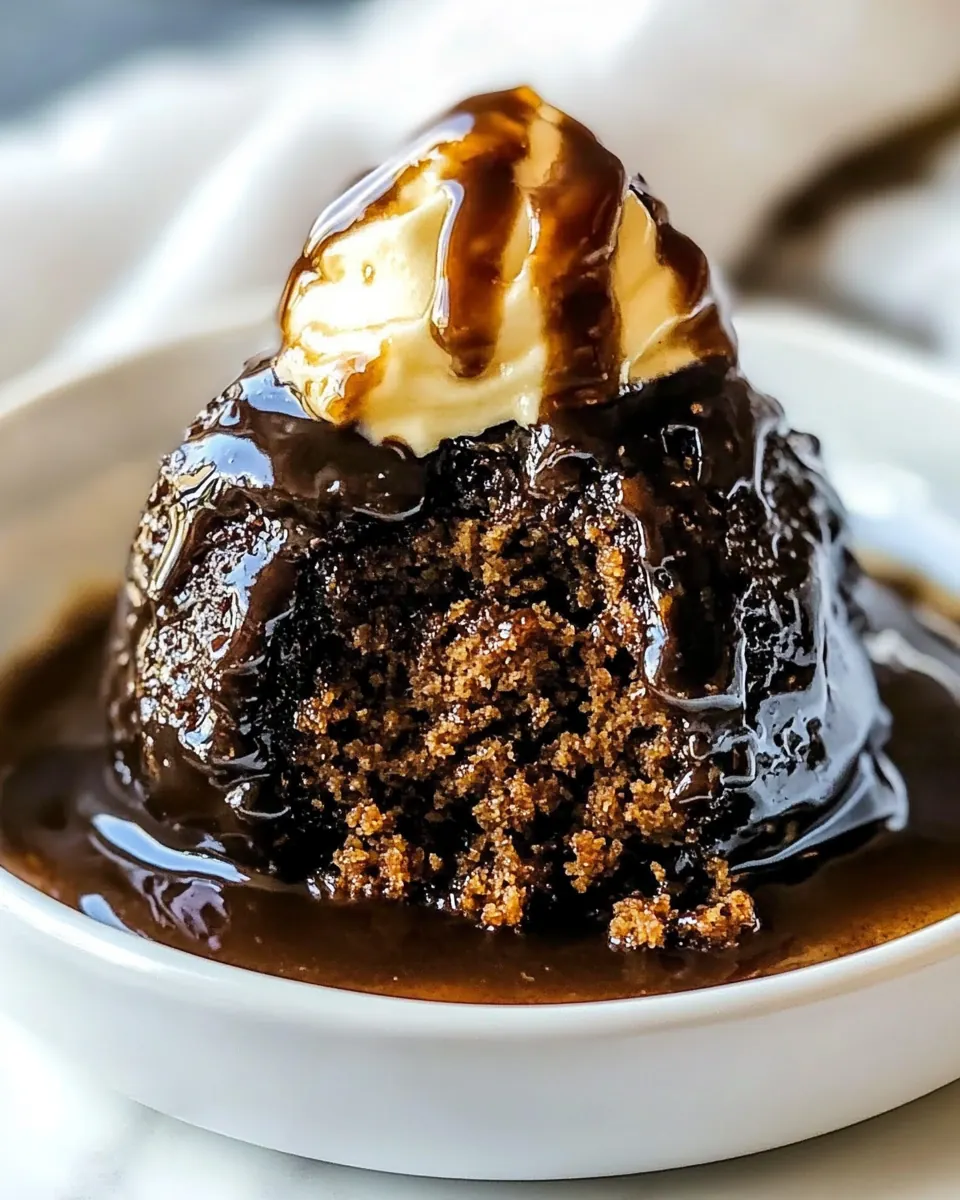
I adore how Sticky Toffee Pudding brings together the caramelized notes of browned sugar and the sun warmed sweetness of dates. The pudding has a dense crumb that holds the toffee sauce beautifully, so each bite gives you a contrast between a nearly caramelized exterior and a plush interior. I often find myself reaching for a second spoonful because the flavors feel so rounded and complete.
Texture that satisfies
One of the reasons I return to this recipe is the textural play. The small pockets of softened dates create a slight chew amid the tender cake, and when you drizzle warm toffee sauce the cake becomes moist and almost melting. I like recipes that reward patience, and this one does just that, with every mouthful offering a layered experience.
Flexible and forgiving
I’ve adapted this pudding for different pan sizes and crowd counts. Whether I make individual puddings or an 8 by 8 inch pan, the batter behaves, and the final product is reliably satisfying. It also freezes well, which means you can plan ahead and keep a dessert ready for surprise guests. For me, that kind of flexibility is priceless.
Celebratory yet simple
There is something quietly festive about serving warm Sticky Toffee Pudding with a spoonful of hot toffee sauce. Guests feel pampered without you needing complicated techniques or exotic ingredients. That balance of celebration and simplicity is exactly why I keep this recipe in heavy rotation for winter gatherings and special dinners.
Works with easy swaps
I appreciate that small changes yield big results. I sometimes reduce the sugar slightly or swap the treacle for dark molasses and still get a winning pudding. The backbone of the cake is the dates and toffee sauce combination, and as long as those are respected, the dessert stays true to its identity.
Sticky Toffee Pudding Ingredients
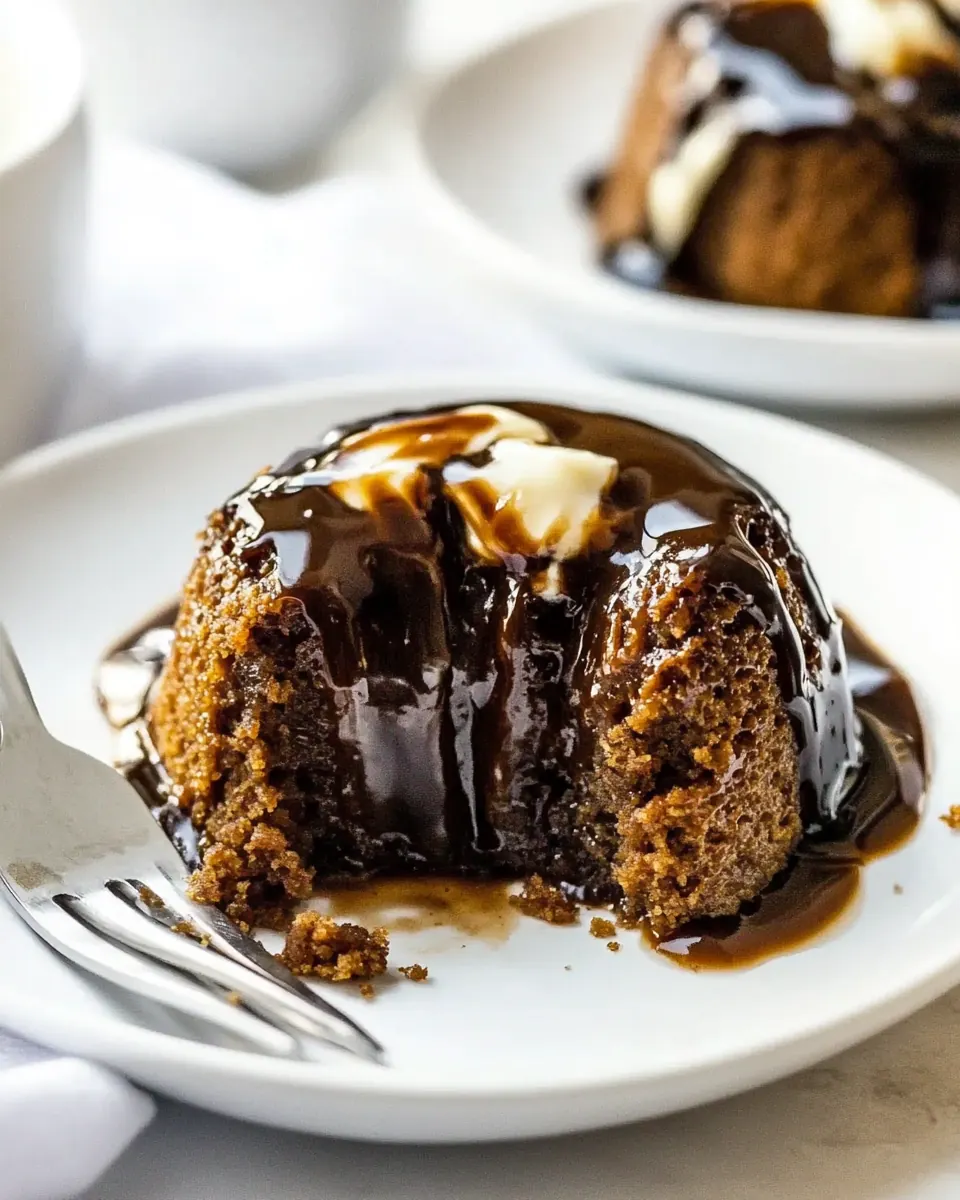
These ingredients are built around a few key players that create the pudding’s signature richness. The dates provide natural sweetness and moisture, the combination of brown sugar and black treacle lends deep caramel notes, and butter and eggs give structure and tenderness. Together, they form a batter that bakes into a dense, moist cake ideal for soaking up warm toffee sauce.
- 6 ounces pitted dried dates, roughly chopped (for best flavor we recommend medjool dates): Soak and soften to rehydrate dried fruit, adding deep caramel-like sweetness and chewy texture when folded into the batter.
- 1 cup boiling water: Pour over chopped dates to bloom their sugars and create a warm liquid base that blends into the batter for moisture.
- 1 teaspoon baking soda: Neutralize acidity and react with baking powder to provide lift, ensuring a tender, aerated crumb in the pudding.
- 3/4 cup dark brown sugar (this is a very sweet cake, I prefer to reduce it to 1/2 cup): Sweeten and enrich the cake with molasses notes and color, contributing to the characteristic dark flavor while balancing batter moisture.
- 1/4 cup unsalted butter, softened at room temperature: Cream with sugar to incorporate air and fat, lending richness, tenderness, and a smooth mouthfeel to the finished cake.
- 2 large eggs, at room temperature: Beat in for structure, leavening assistance, and emulsification, helping to bind ingredients and provide lift and stability.
- 1 tablespoon neutral tasting oil (eg, avocado or canola): Add a light fat to improve tenderness and mouthfeel while helping create a moist crumb without overpowering flavors.
- 1 tablespoon black treacle (can substitute dark molasses): Introduce robust, smoky-sweet depth and traditional toffee-like complexity that complements the dates and dark sugar.
- 1 teaspoon quality pure vanilla extract: Enhance and round out flavors with warm, sweet aromatics, emphasizing the dessert’s caramel and date notes.
- 1 1/2 cups all-purpose flour: Provide bulk and structure via gluten formation, creating the cake’s body while absorbing liquids for proper texture.
- 1 1/4 teaspoons baking powder: Work with baking soda to produce carbon dioxide for rising, contributing to a soft, airy crumb and gentle lift.
- 1/2 teaspoons salt: Season and balance sweetness, sharpening flavors and preventing the cake from tasting flat or overly cloying.
- Homemade English Toffee Sauce, for serving: Pour over the warm pudding for serving to add glossy, buttery sweetness and create the classic sticky toffee finish.
Preparation Steps for Sticky Toffee Pudding
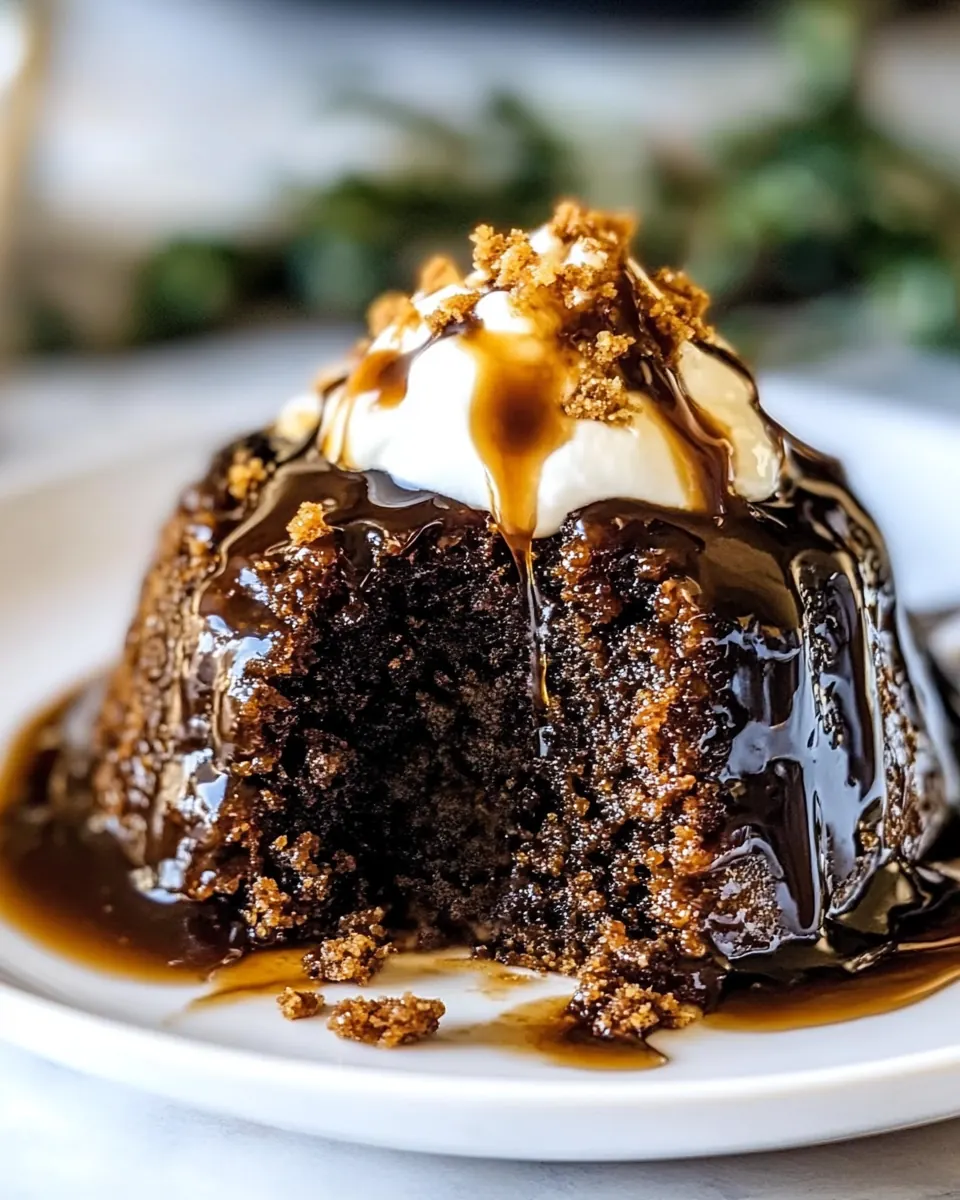
These steps guide you from prepping the dates to baking and serving warm puddings. Take your time at each phase, notice the aromas and textures, and use the sensory cues described to know you are on the right track.
- Preheat the oven to 350 degrees F. Coarsely chop the dates and place them in a bowl. Pour the boiling water over them and stir in the baking soda. Let the dates soak until cooled down. Using an immersion blender or placing them in a regular blender, puree the dates to make a chunky-smooth mixture (don't puree it completely smooth).: You will notice a faint warmth swirl through the kitchen as the oven comes up to 350 degrees F, and setting it early ensures an even bake. The oven reaching the correct temperature is crucial because it controls how the cakes rise and caramelize, producing that golden exterior you want. A common mistake is preheating too late, which can make the cakes dense and underbaked, so set a timer and allow the oven to fully stabilize.
- In a large mixing bowl cream the brown sugar and butter until smooth and pale. Beat in the eggs and oil. Add the black treacle and vanilla extract and beat until combined. In a small bowl, stir together the flour, baking powder and salt. Gradually beat in the flour mixture into the wet mixture just until combined. Add the chunky date puree and beat just until combined.: The sound of knives chopping through soft dates is almost satisfying, and rough chopping keeps small bits for chew in the final cake. Placing them in a bowl prepares them to absorb the hot liquid evenly. If you chop them too fine the texture will be uniform and lose the pleasant bursts of fruit, so aim for uneven, bite sized pieces.
- Generously butter a jumbo/king-sized muffin pan (holds roughly 1 cup). Spoon the batter in until about 2/3 full. Bake the cakes on the middle rack for about 25 minutes (about 40 minutes if using the 8×8 inch cake pan – SEE NOTE) or until a toothpick inserted into the center comes out clean. Let the cakes cool for a few minutes in the tins and then remove and place them on wire rack. Optional: For a more caramelized and moist cake, add about 2 teaspoons of brown sugar and 1/4 tablespoon butter in the bottom of each muffin mold before spooning in the batter (see blog post pictures). We highly recommend it! Additionally, for an extra moist cake you can brush the cake with a little toffee sauce while the cake is still warm to allow it to absorb some of the sauce. Serve drizzled with the warm English Toffee Sauce and if desired some vanilla ice cream, vanilla custard, or some whipped cream.: When you pour the boiling water, steam will rise and the dates begin to soften immediately, releasing sweet aromas. Adding the baking soda helps break down the fruit slightly and creates a tender crumb. Stir gently until everything is combined. A common pitfall is adding cold water, which slows softening; use truly boiling water for best results.
- Let the dates soak until cooled down: As the dates soak, the mixture will steam and smell richly caramelized, and the fruit will swell and become plump. Letting them cool slightly is important to avoid cooking the eggs later when combined with the batter. Rushing this can yield a denser texture, so give it time for the liquid to be absorbed and for the temperature to drop a bit.
- Using an immersion blender or placing them in a regular blender, puree the dates to make a chunky-smooth mixture (don't puree it completely smooth): The puree should be textured, with visible small pieces of dates for chew, and the sound of the blender will turn into a soft hum as the mixture comes together. This chunky texture is why the pudding has delightful mouthfeel. Overblending makes the puree too uniform, losing the contrast that defines a great pudding.
- In a large mixing bowl cream the brown sugar and butter until smooth and pale: Creaming brown sugar with softened butter produces a fluffy base that traps tiny air bubbles, helping the cakes rise gently. The mixture will lighten in color and feel airy to the touch. If the butter is too cold it will not cream properly, so ensure it is pliable at room temperature.
- Beat in the eggs and oil: As you add the eggs one at a time and the neutral tasting oil , the batter will smooth out and shine, with the mixer changing pitch as it becomes more fluid. These ingredients help emulsify the batter and maintain moistness. Adding cold eggs straight from the fridge can cause the batter to seize, so use room temperature eggs .
- Add the black treacle and vanilla extract and beat until combined: Once you stir in the robust note of black treacle and the warm hug of vanilla extract , the batter will darken and the aroma will deepen noticeably. This stage layers the complex caramel flavors that define the pudding. Avoid overmixing at this point, which can introduce excess air and change the crumb.
- In a small bowl, stir together the flour, baking powder and salt: Whisking these dry ingredients creates a uniform leavening distribution, and the faint scent of flour will be neutral and comforting. Properly combining them prevents pockets of baking powder in the batter. Sifting is optional but helpful to avoid lumps; measuring errors here can alter the cake's texture.
- Gradually beat in the flour mixture into the wet mixture just until combined: Add the dry mix slowly so the batter remains smooth, and you will see it thicken and change texture to a spoonable consistency. The batter should be free of streaks but not overworked. Overbeating will develop gluten and make the cake tough, so stop as soon as it looks homogenous.
- Add the chunky date puree and beat just until combined: Folding in the date puree yields a mottled batter studded with fruit, and the scent will turn richer and more caramel forward. This step integrates moisture and flavor, so mix only until the puree is distributed. Mixing too long will break down the texture of the dates , losing the pleasant chew.
- Generously butter a jumbo/king-sized muffin pan (holds roughly 1 cup): Greasing the molds ensures cakes release easily and the butter will sizzle slightly when you spoon in batter, which helps create a caramelized edge. If you skip greasing or use too little the puddings may stick. Apply a generous layer for a clean release.
- Spoon the batter in until about 2/3 full: Filling each mold to two thirds gives the cakes room to rise and form a domed top, and the batter will spread slowly as it bakes. Overfilling can cause spillover and uneven baking, while underfilling yields small, flat cakes. Aim for consistency so all puddings bake evenly.
- Bake the cakes on the middle rack for about 25 minutes (about 40 minutes if using the 8×8 inch cake pan – SEE NOTE) or until a toothpick inserted into the center comes out clean: As the puddings bake you will see the tops turn golden brown and smell a deep caramel aroma, and the kitchen will fill with warm sweetness. Use the toothpick test to confirm doneness; remove when it comes out clean. A common issue is pulling them out too early, which leaves a gummy center, so allow the full bake time.
- Let the cakes cool for a few minutes in the tins and then remove and place them on wire rack: Cooling briefly in the tins allows the structure to set, and transferring to a wire rack keeps air circulating so the bottoms do not steam. You will feel the warmth dissipate from the cakes as they firm slightly. Removing them too soon can cause them to crumble.
- Optional: For a more caramelized and moist cake, add about 2 teaspoons of brown sugar and 1/4 tablespoon butter in the bottom of each muffin mold before spooning in the batter (see blog post pictures) : This little extra layer will bubble and caramelize beneath the cake, producing a sticky base that enhances both texture and flavor. The sizzling sugar and butter create a toffee like layer that is irresistible. Be cautious as this can bubble strongly and may stick to the pan if not well greased.
- Optional: For an extra moist cake you can brush the cake with a little toffee sauce while the cake is still warm to allow it to absorb some of the sauce : Brushing warm puddings with toffee sauce lets the syrup sink into the crumb, making each bite luxuriously moist and sticky. The smell of warm toffee will intensify and the cake will gleam. Avoid pouring cold sauce on hot cakes, which can cool the sauce and limit absorption.
- Serve drizzled with the warm English Toffee Sauce and if desired some vanilla ice cream, vanilla custard, or some whipped cream: The final presentation is all about temperature contrast, with hot sauce meeting cool accompaniments, and that first spoonful of contrast is what makes the dessert sing. Spoon sauce generously so the puddings soak up the flavor. A common serving mistake is skimping on sauce; be generous, your guests will thank you.
Making Adjustments
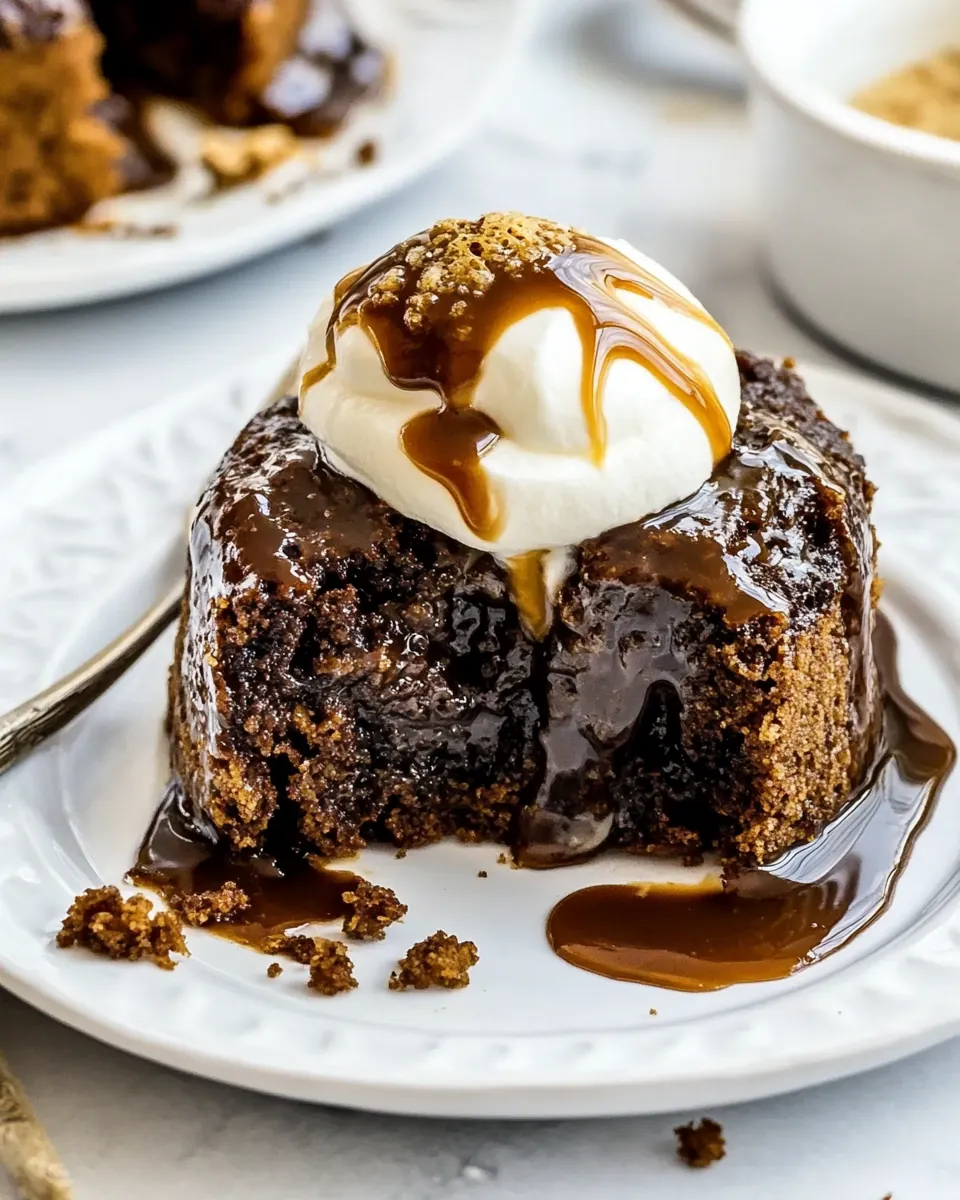
Once you know the basic formula for Sticky Toffee Pudding, small adjustments can tailor it to your tastes or occasion. Below are practical tips and variations that keep the dessert true to its character while offering flexibility for sweetness, texture, and make ahead planning.
- Reduce the sugar for less sweetness – If 3/4 cup dark brown sugar feels like too much, try 1/2 cup instead; you will retain the molasses depth while making the pudding easier to balance with the toffee sauce.
- Swap treacle sparingly – If you do not have black treacle, use dark molasses in equal measure; the flavor will be slightly different but still rich and caramel forward.
- Prepare the toffee sauce ahead – The toffee sauce can be made days in advance and reheated gently, which makes assembly stress free when hosting.
- Freeze baked puddings for convenience – Wrap cooled puddings tightly and freeze for up to two months, then thaw and warm with extra toffee sauce to refresh their texture.
- Use an 8 by 8 inch pan for a shareable dessert – If you prefer one cake instead of individual puddings, the batter works well in an 8 by 8 inch pan, just extend baking time and test with a toothpick.
- Brush with sauce for extra moisture – Brushing warm cakes with a little toffee sauce lets them absorb more flavor and stay moist when reheated.
Accompaniments for Sticky Toffee Pudding
This dessert pairs beautifully with a few simple accompaniments that play with temperature, texture, and flavor. Below are serving suggestions, storage tips, and occasions where Sticky Toffee Pudding really shines.
- Serve with vanilla ice cream – A scoop of cold vanilla ice cream offers creamy contrast to the warm toffee sauce, creating a classic hot and cold sensation that many guests adore.
- Offer vanilla custard or crème anglaise – For a more delicate, pudding like finish, pour warm vanilla custard over the cakes; its silky texture complements the dense crumb.
- Top with lightly whipped cream – A dollop of softly whipped cream adds airiness and balances the richness without overwhelming the dessert.
- Serve for winter dinners and holiday gatherings – This is an ideal dessert for cozy winter evenings and festive meals, when guests appreciate warm, comforting sweets.
- Storage tip for make ahead – Baked puddings freeze well; wrap tightly and store for up to two months, then reheat and serve with warm toffee sauce.
- Reheating instructions – Gently warm individual puddings in the oven or microwave and spoon hot toffee sauce over them to refresh their moisture and flavor.
- Seasonal pairing – In winter, lean into warm spices in drinks or coffee alongside the dessert to create a comforting serving experience.
- Occasion flexibility – Whether it is a quiet weeknight treat or a celebratory dinner, the pudding is adaptable and always welcome.
FAQ
Conclusion
Sticky Toffee Pudding stands out for its warm, caramel rich flavors and satisfying texture that balances moist cake with sticky toffee sauce. I encourage you to try it because the steps are straightforward and the result feels indulgent and cozy, perfect for winter evenings and special dinners. Make it for a houseful of guests or for a quiet night in, and enjoy the small ritual of spooning warm sauce over each pudding, savoring the comforting flavors that linger long after the last bite.
Sticky Toffee Pudding
Equipment
- Mixing Bowl
- Immersion Blender
- Jumbo muffin pan
- Wire Rack
Ingredients
- 6 ounces pitted dried dates, roughly chopped (for best flavor we recommend medjool dates) Soak and soften to rehydrate dried fruit, adding deep caramel-like sweetness and chewy texture when folded into the batter.
- 1 cup boiling water Pour over chopped dates to bloom their sugars and create a warm liquid base that blends into the batter for moisture.
- 1 teaspoon baking soda Neutralize acidity and react with baking powder to provide lift, ensuring a tender, aerated crumb in the pudding.
- 3/4 cup dark brown sugar (this is a very sweet cake, I prefer to reduce it to 1/2 cup) Sweeten and enrich the cake with molasses notes and color, contributing to the characteristic dark flavor while balancing batter moisture.
- 1/4 cup unsalted butter, softened at room temperature Cream with sugar to incorporate air and fat, lending richness, tenderness, and a smooth mouthfeel to the finished cake.
- 2 large eggs, at room temperature Beat in for structure, leavening assistance, and emulsification, helping to bind ingredients and provide lift and stability.
- 1 tablespoon neutral tasting oil (eg, avocado or canola) Add a light fat to improve tenderness and mouthfeel while helping create a moist crumb without overpowering flavors.
- 1 tablespoon black treacle (can substitute dark molasses) Introduce robust, smoky-sweet depth and traditional toffee-like complexity that complements the dates and dark sugar.
- 1 teaspoon quality pure vanilla extract Enhance and round out flavors with warm, sweet aromatics, emphasizing the dessert’s caramel and date notes.
- 1 1/2 cups all-purpose flour Provide bulk and structure via gluten formation, creating the cake’s body while absorbing liquids for proper texture.
- 1 1/4 teaspoons baking powder Work with baking soda to produce carbon dioxide for rising, contributing to a soft, airy crumb and gentle lift.
- 1/2 teaspoons salt Season and balance sweetness, sharpening flavors and preventing the cake from tasting flat or overly cloying.
- Homemade English Toffee Sauce, for serving Pour over the warm pudding for serving to add glossy, buttery sweetness and create the classic sticky toffee finish.
Instructions
- Preheat the oven to 350 degrees F. Coarsely chop the dates and place them in a bowl. Pour the boiling water over them and stir in the baking soda. Let the dates soak until cooled down. Using an immersion blender or placing them in a regular blender, puree the dates to make a chunky-smooth mixture (don't puree it completely smooth).: You will notice a faint warmth swirl through the kitchen as the oven comes up to 350 degrees F, and setting it early ensures an even bake. The oven reaching the correct temperature is crucial because it controls how the cakes rise and caramelize, producing that golden exterior you want. A common mistake is preheating too late, which can make the cakes dense and underbaked, so set a timer and allow the oven to fully stabilize.
- In a large mixing bowl cream the brown sugar and butter until smooth and pale. Beat in the eggs and oil. Add the black treacle and vanilla extract and beat until combined. In a small bowl, stir together the flour, baking powder and salt. Gradually beat in the flour mixture into the wet mixture just until combined. Add the chunky date puree and beat just until combined.: The sound of knives chopping through soft dates is almost satisfying, and rough chopping keeps small bits for chew in the final cake. Placing them in a bowl prepares them to absorb the hot liquid evenly. If you chop them too fine the texture will be uniform and lose the pleasant bursts of fruit, so aim for uneven, bite sized pieces.
- Generously butter a jumbo/king-sized muffin pan (holds roughly 1 cup). Spoon the batter in until about 2/3 full. Bake the cakes on the middle rack for about 25 minutes (about 40 minutes if using the 8×8 inch cake pan – SEE NOTE) or until a toothpick inserted into the center comes out clean. Let the cakes cool for a few minutes in the tins and then remove and place them on wire rack. Optional: For a more caramelized and moist cake, add about 2 teaspoons of brown sugar and 1/4 tablespoon butter in the bottom of each muffin mold before spooning in the batter (see blog post pictures). We highly recommend it! Additionally, for an extra moist cake you can brush the cake with a little toffee sauce while the cake is still warm to allow it to absorb some of the sauce. Serve drizzled with the warm English Toffee Sauce and if desired some vanilla ice cream, vanilla custard, or some whipped cream.: When you pour the boiling water, steam will rise and the dates begin to soften immediately, releasing sweet aromas. Adding the baking soda helps break down the fruit slightly and creates a tender crumb. Stir gently until everything is combined. A common pitfall is adding cold water, which slows softening; use truly boiling water for best results.
- Let the dates soak until cooled down: As the dates soak, the mixture will steam and smell richly caramelized, and the fruit will swell and become plump. Letting them cool slightly is important to avoid cooking the eggs later when combined with the batter. Rushing this can yield a denser texture, so give it time for the liquid to be absorbed and for the temperature to drop a bit.
- Using an immersion blender or placing them in a regular blender, puree the dates to make a chunky-smooth mixture (don't puree it completely smooth): The puree should be textured, with visible small pieces of dates for chew, and the sound of the blender will turn into a soft hum as the mixture comes together. This chunky texture is why the pudding has delightful mouthfeel. Overblending makes the puree too uniform, losing the contrast that defines a great pudding.
- In a large mixing bowl cream the brown sugar and butter until smooth and pale: Creaming brown sugar with softened butter produces a fluffy base that traps tiny air bubbles, helping the cakes rise gently. The mixture will lighten in color and feel airy to the touch. If the butter is too cold it will not cream properly, so ensure it is pliable at room temperature.
- Beat in the eggs and oil: As you add the eggs one at a time and the neutral tasting oil , the batter will smooth out and shine, with the mixer changing pitch as it becomes more fluid. These ingredients help emulsify the batter and maintain moistness. Adding cold eggs straight from the fridge can cause the batter to seize, so use room temperature eggs .
- Add the black treacle and vanilla extract and beat until combined: Once you stir in the robust note of black treacle and the warm hug of vanilla extract , the batter will darken and the aroma will deepen noticeably. This stage layers the complex caramel flavors that define the pudding. Avoid overmixing at this point, which can introduce excess air and change the crumb.
- In a small bowl, stir together the flour, baking powder and salt: Whisking these dry ingredients creates a uniform leavening distribution, and the faint scent of flour will be neutral and comforting. Properly combining them prevents pockets of baking powder in the batter. Sifting is optional but helpful to avoid lumps; measuring errors here can alter the cake's texture.
- Gradually beat in the flour mixture into the wet mixture just until combined: Add the dry mix slowly so the batter remains smooth, and you will see it thicken and change texture to a spoonable consistency. The batter should be free of streaks but not overworked. Overbeating will develop gluten and make the cake tough, so stop as soon as it looks homogenous.
- Add the chunky date puree and beat just until combined: Folding in the date puree yields a mottled batter studded with fruit, and the scent will turn richer and more caramel forward. This step integrates moisture and flavor, so mix only until the puree is distributed. Mixing too long will break down the texture of the dates , losing the pleasant chew.
- Generously butter a jumbo/king-sized muffin pan (holds roughly 1 cup): Greasing the molds ensures cakes release easily and the butter will sizzle slightly when you spoon in batter, which helps create a caramelized edge. If you skip greasing or use too little the puddings may stick. Apply a generous layer for a clean release.
- Spoon the batter in until about 2/3 full: Filling each mold to two thirds gives the cakes room to rise and form a domed top, and the batter will spread slowly as it bakes. Overfilling can cause spillover and uneven baking, while underfilling yields small, flat cakes. Aim for consistency so all puddings bake evenly.
- Bake the cakes on the middle rack for about 25 minutes (about 40 minutes if using the 8×8 inch cake pan – SEE NOTE) or until a toothpick inserted into the center comes out clean: As the puddings bake you will see the tops turn golden brown and smell a deep caramel aroma, and the kitchen will fill with warm sweetness. Use the toothpick test to confirm doneness; remove when it comes out clean. A common issue is pulling them out too early, which leaves a gummy center, so allow the full bake time.
- Let the cakes cool for a few minutes in the tins and then remove and place them on wire rack: Cooling briefly in the tins allows the structure to set, and transferring to a wire rack keeps air circulating so the bottoms do not steam. You will feel the warmth dissipate from the cakes as they firm slightly. Removing them too soon can cause them to crumble.
- Optional: For a more caramelized and moist cake, add about 2 teaspoons of brown sugar and 1/4 tablespoon butter in the bottom of each muffin mold before spooning in the batter (see blog post pictures) : This little extra layer will bubble and caramelize beneath the cake, producing a sticky base that enhances both texture and flavor. The sizzling sugar and butter create a toffee like layer that is irresistible. Be cautious as this can bubble strongly and may stick to the pan if not well greased.
- Optional: For an extra moist cake you can brush the cake with a little toffee sauce while the cake is still warm to allow it to absorb some of the sauce : Brushing warm puddings with toffee sauce lets the syrup sink into the crumb, making each bite luxuriously moist and sticky. The smell of warm toffee will intensify and the cake will gleam. Avoid pouring cold sauce on hot cakes, which can cool the sauce and limit absorption.
- Serve drizzled with the warm English Toffee Sauce and if desired some vanilla ice cream, vanilla custard, or some whipped cream: The final presentation is all about temperature contrast, with hot sauce meeting cool accompaniments, and that first spoonful of contrast is what makes the dessert sing. Spoon sauce generously so the puddings soak up the flavor. A common serving mistake is skimping on sauce; be generous, your guests will thank you.
Notes
- Reduce the sugar for less sweetness - If 3/4 cup dark brown sugar feels like too much, try 1/2 cup instead; you will retain the molasses depth while making the pudding easier to balance with the toffee sauce.
- Swap treacle sparingly - If you do not have black treacle, use dark molasses in equal measure; the flavor will be slightly different but still rich and caramel forward.
- Prepare the toffee sauce ahead - The toffee sauce can be made days in advance and reheated gently, which makes assembly stress free when hosting.
- Freeze baked puddings for convenience - Wrap cooled puddings tightly and freeze for up to two months, then thaw and warm with extra toffee sauce to refresh their texture.
- Use an 8 by 8 inch pan for a shareable dessert - If you prefer one cake instead of individual puddings, the batter works well in an 8 by 8 inch pan, just extend baking time and test with a toothpick.
- Brush with sauce for extra moisture - Brushing warm cakes with a little toffee sauce lets them absorb more flavor and stay moist when reheated.