Souffle like Pea Carrot Flan
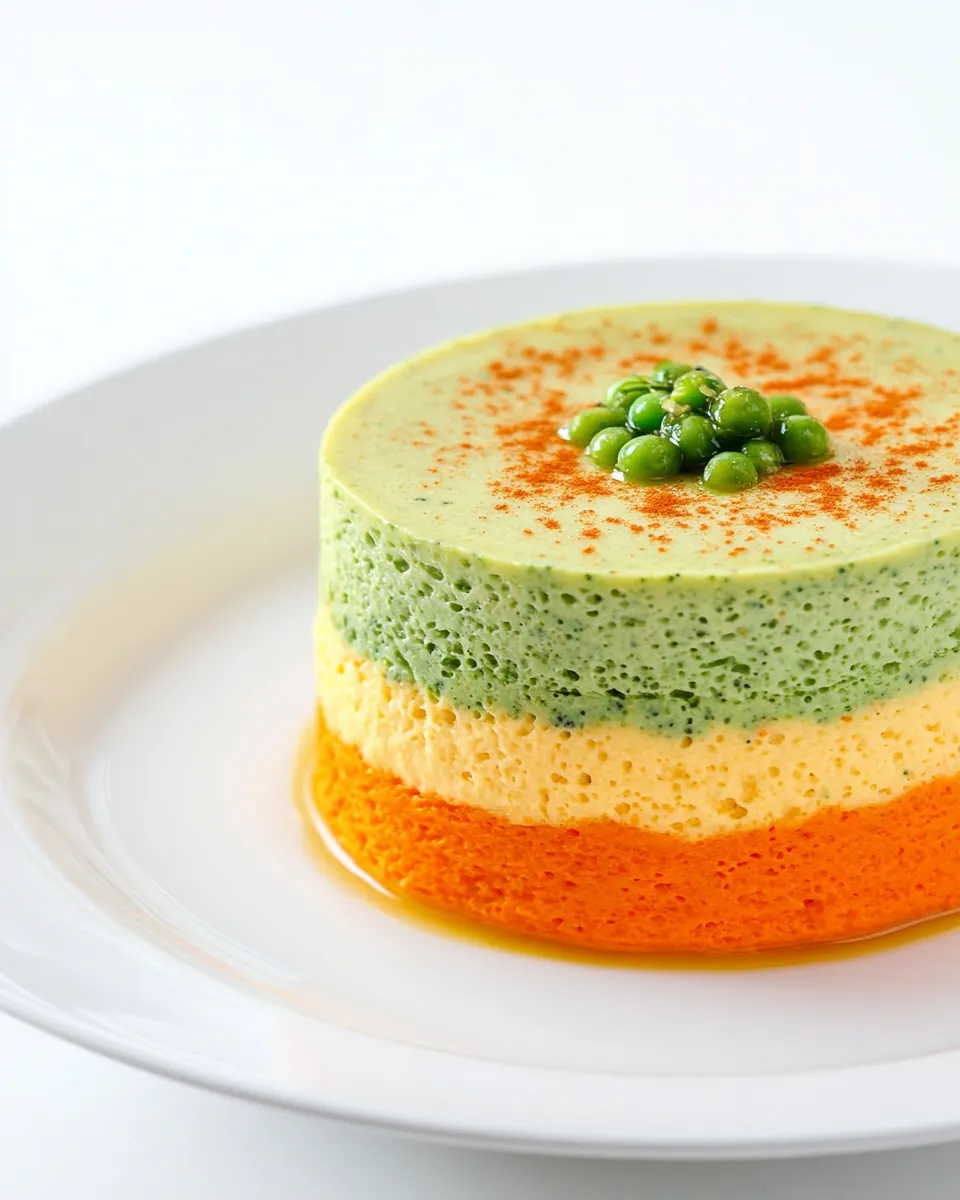
Souffle like Pea Carrot Flan is one of those recipes I turn to when I want something that looks elegant but is surprisingly easy to pull together. The first time I made it, a friend dropped by unannounced and we ended up chatting in the kitchen while the trays baked, the air filling with an herbaceous, warm aroma that felt both nostalgic and new. I loved how the texture walked the line between feather light and satisfyingly creamy, and how the bright green of the peas sat next to the gentle orange of the carrots like a little edible painting.
Over the years I’ve tweaked the balance of ricotta cheese, eggs, and the tiny amount of Parmesan cheese so the flans set without losing that souffle like lift. I often make a batch when I need a simple, elegant starter for dinner with friends, because the molds can be prepared ahead and popped into the oven while I finish other dishes. There is an approachable feel to it, yet it presents beautifully, which is exactly my kind of recipe: humble ingredients, polished result.
Recipe Snapshot
40 mins
10 mins
30 mins
Medium
180 kcal
Mediterranean
Gluten-Free, Low FODMAP
Dinner
Food processor, Muffin pan, Roasting tray, Two saucepans
Why This Souffle like Pea Carrot Flan Is So Good
Light yet creamy contrast
I love how Souffle like Pea Carrot Flan manages to be both airy and creamy. The whipped eggs and the gentle folding of the vegetable purees create that lift, while the ricotta cheese keeps the texture lush and comforting. For me, the contrast is the main draw, it feels like an indulgence that is still bright and vegetable forward.
Brilliant colors on the plate
One reason I keep returning to this recipe is the color. The vivid green of the peas and the soft orange of the carrots make an instant impression, they look fresh and seasonal. When I serve this at a small dinner, guests always comment before they taste it, which makes the dish feel special with very little fuss.
Make ahead friendly
I appreciate recipes that let me work ahead, and this one fits the bill. You can prepare the purees, mix the batters, and refrigerate briefly before assembling the molds. That flexibility means less last minute stress, and more time to focus on plating, drinks, or conversation. It’s a reliable choice for casual entertaining.
Healthy but indulgent
With peas, carrots, and a modest amount of almond flour and cheeses, the flans feel wholesome without being austere. The recipe balances protein and vegetables elegantly, and I like that it reads as a thoughtful, nourishing plate rather than empty calories. That balance is why I recommend it for lunches or light dinners when you want something that satisfies.
Technique that elevates everyday ingredients
The bain marie and the careful folding are simple techniques, but they elevate the result. I enjoy demonstrating how straightforward methods can transform pantry staples into something refined. Once you get the rhythm of the steps, you’ll see why this recipe earns its souffle like name, and why it becomes a regular in my rotation.
What You Need for Souffle like Pea Carrot Flan
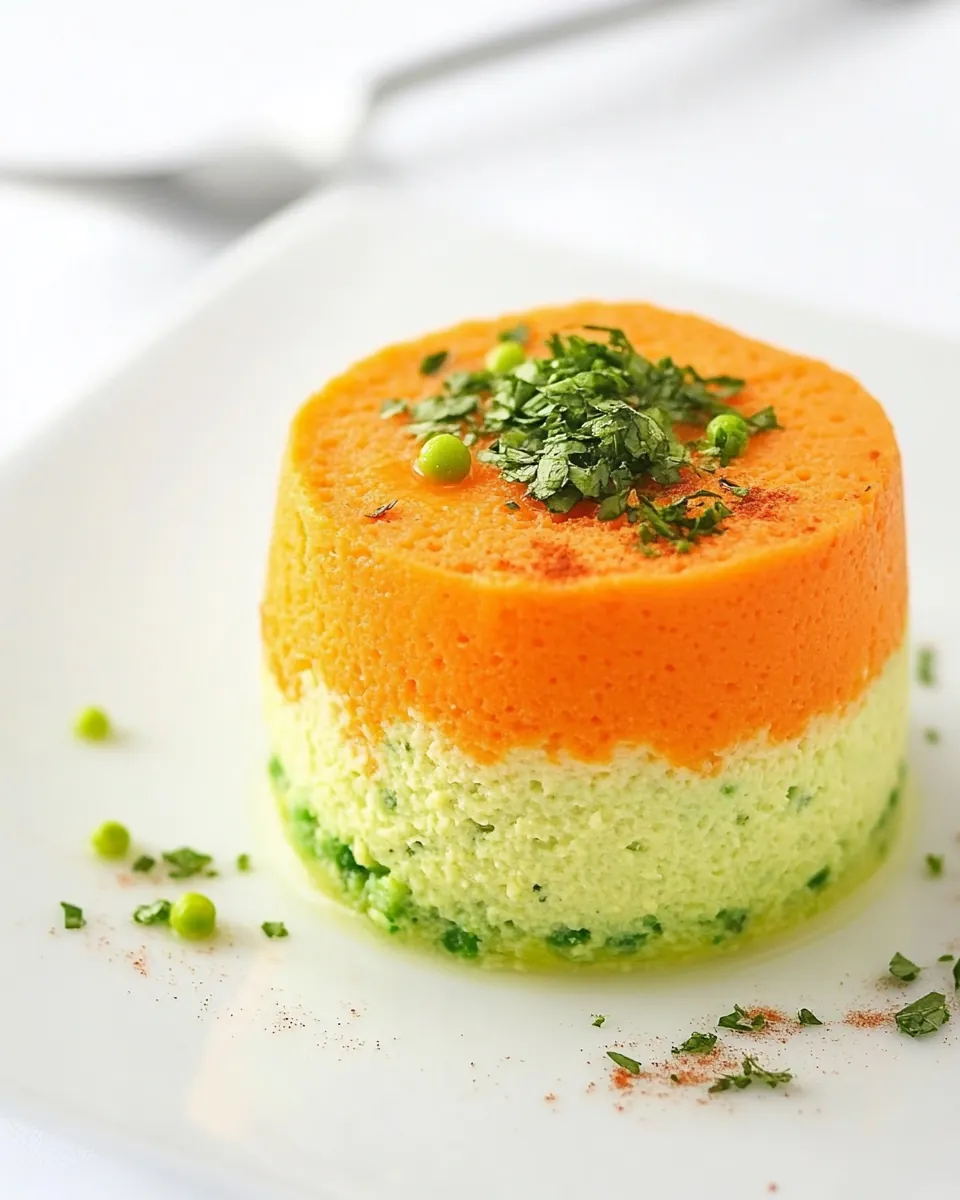
These ingredients are intentionally simple, chosen to let the vegetables shine while the dairy and eggs give structure. The key players are the peas and carrots, which provide color and flavor. The ricotta cheese and eggs are the binders that create that souffle like lift, while the small amounts of Parmesan cheese and almond flour add a nutty, savory depth. Finishing with a brush of extra virgin olive oil keeps the molds releasing cleanly and adds a subtle fruity note.
- 200 g frozen peas: Provide vibrant color and tender texture when puréed or lightly mashed; contribute natural sweetness and vegetal flavor while adding body to the flan mixture. Freeze state requires brief thawing and draining to avoid excess moisture that could loosen the custard. Pair well with ricotta and eggs to create a smooth, cohesive base that helps set the soufflé-like structure.
- 200 g carrots, finely chopped: Add slight sweetness, firmness, and a contrasting texture when finely chopped; contribute beta-carotene and a subtle earthiness that balances the peas. Finely chopping ensures even distribution and consistent cooking through the flan. Cook briefly or blanch to soften fibers and release sugars, helping the mixture bind with eggs and ricotta.
- 100 g ricotta cheese: Provide creaminess, mild tang, and rich dairy fat that enriches the custard and improves mouthfeel; act as a binder to help hold the flan together while keeping it tender. Ricotta’s moisture content influences the final set, so draining or blending can adjust consistency. Combine smoothly with puréed vegetables and beaten eggs for a silky texture.
- 2 tablespoon Parmesan cheese: Supply savory umami and nutty depth with a salty finish to enhance overall flavor; finely grated form integrates easily into the batter without graininess. Parmesan helps season the mixture so less added salt is needed, and it encourages gentle browning on the flan’s surface. Use sparingly to avoid overpowering delicate herb and vegetable notes.
- 2 large eggs, beaten until light and frothy: Incorporate structure, lift, and richness by setting the custard as proteins coagulate during baking; whisking until light increases volume and produces a soufflé-like airiness. Eggs also emulsify fats and liquids, creating a stable matrix that traps steam for a delicate rise. Gentle folding preserves air to yield a tender, slightly puffy flan.
- 2 tablespoon almond flour: Act as a low-carb binder and light textural thickener that absorbs excess moisture and helps the mixture hold its shape; almond flour adds subtle nutty flavor without gluten. Its fine grain integrates smoothly and contributes to a tender crumb, supporting the soufflé-like rise without weighing it down. Adjust quantity slightly if mixture seems too wet to achieve proper set.
- 1 tablespoon fresh thyme, or mint leaves: Introduce fresh herbal brightness and aromatic lift that complements the sweet vegetables and creamy cheese; thyme imparts a savory, slightly floral note while mint offers cooling contrast if chosen. Mince or strip leaves to distribute flavor evenly and avoid fibrous bits in the custard. Use modestly to accentuate rather than dominate the delicate balance.
- Extra virgin olive oil, for brushing: Provide a light coating to molds or ramekins to prevent sticking and promote even browning; olive oil contributes a fruity, slightly peppery aroma that complements the flan’s flavors. Brushing ensures easy release and preserves the delicate surface when unmolding. Use sparingly to avoid pooling that might affect baking.
- salt and pepper to taste: Season the mixture to enhance and balance all flavors, controlling background saltiness and bringing out natural sweetness and savory notes. Pepper adds mild heat and complexity that lifts the vegetables and cheese, while salt is essential for proper seasoning and protein coagulation during baking. Taste and adjust carefully to avoid over-seasoning the delicate custard.
Instructions for Souffle like Pea Carrot Flan
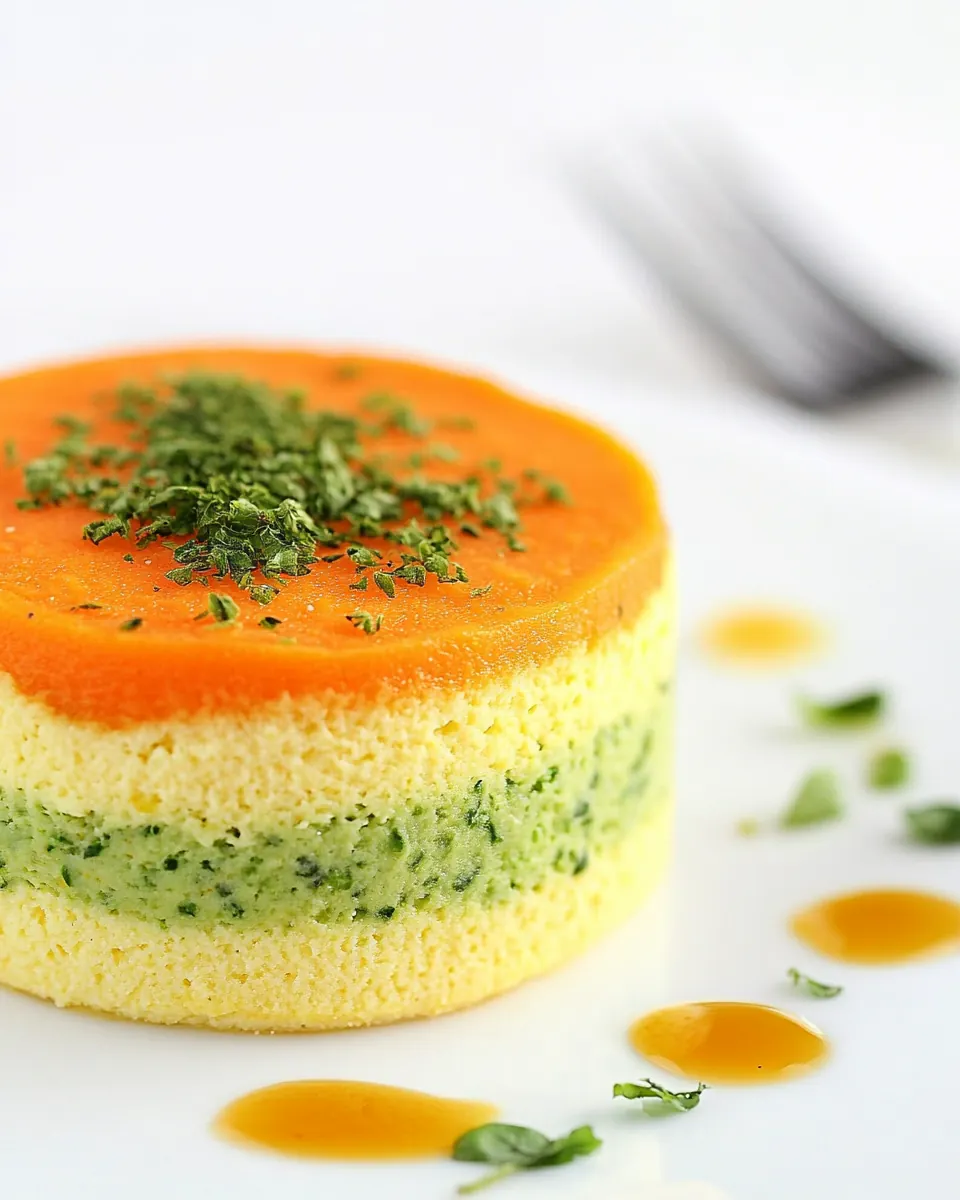
These instructions walk you through simple steps that transform humble peas and carrots into delicate individual flans. Read each step before starting so your timing is smooth, and keep the sensory cues in mind to know when you are on track.
- Preheat oven to 150 C fan/170 C/325 F.: When you open the oven, you should sense a neutral warm air, not a blast of heat, which signals the oven reached the gentle setting needed for a bain marie bake. The lower, steady oven temperature ensures the custard sets slowly and evenly, preventing cracking or a rubbery texture. One tip is to place an oven thermometer inside if your oven runs hot or cold; inconsistent oven temps are the most common reason flans either overbrown or remain unset.
- Quickly boil both carrots and peas in two separate pots of lightly salted boiling water.: You will hear a lively simmer and see bright color intensify as the vegetables blanch. Cooking separately preserves their distinct colors and prevents flavor transfer. The goal is tender but not waterlogged pieces, so test with a fork frequently. Avoid a rolling boil that breaks down the vegetables into mush and releases too much starch, which can change the texture of the purée.
- Drain under cool running water, then pat dry.: The cool rinse stops the cooking and helps the vegetables retain vivid color, while patting dry removes excess surface water that could thin the purées. You want them moist but not dripping, as excess water makes it harder for the flans to set. A kitchen tip is to spread them on a clean towel and gently press, because overlooking this step often leads to a watery mixture and a floppy finished flan.
- In a food processor blend cooked carrots until smooth, then add in half the ricotta and thyme, 1 tablespoon parmesan cheese, 1 tablespoon almond flour and 1 beaten egg. Season with salt and pepper and transfer into a bowl.: As the carrot purée whirls, you should notice a silky texture and a sweet, concentrated carrot aroma. Adding the ricotta cheese and the beaten egg creates a custardy base, while the Parmesan cheese and almond flour round out the flavor and assist setting. The reason for blending to smoothness is to avoid grainy bits in the finished flan. A common mistake is underprocessing, which leaves fibrous streaks and an uneven texture.
- Clean the food processor and fold the cooked peas in, then add the remaining ricotta, almond flour, parmesan, thyme and beaten egg. Season to taste.: After puréeing, you will smell the sweetness of the peas and notice a fresher, greener scent compared to the carrots. Folding rather than overprocessing keeps a little texture and maintains color. The remaining ricotta cheese and egg give the pea layer its own custard identity. Over-blending the peas can turn the mixture pasty and cause loss of that lively green hue, so stop as soon as smooth and gently combine any additions.
- Spray with oil a non-stick muffin pan and fill the molds by half with the carrots mixture. Fill to the top with the pea mixture.: Brushing or spraying the molds prevents sticking and also helps the edges brown subtly. As you spoon the carrot mixture, take note of the thickness and the way it glides, which indicates proper consistency. Filling by half gives the carrot layer room for the pea layer without overflow. Filling too full at this stage leaves no allowance for expansion, which can cause spillover into the bain marie.
- Arrange the muffin-tin on a large roasting tray filled with hot water by 2/3, to make the bain-marie.: The final layering should look neat, with a distinct color split between orange and green. The pea mixture will settle into place and smooth easily with the back of a spoon. Keep the molds level as you transfer them to avoid uneven layers. A common pitfall is jostling the pan so the layers mix, which defeats the visual contrast of the dish.
- Bake in the oven for about 30 mins or until set. Allow to cool slightly before removing the flans from the tins.: You should hear the gentle slosh of water and see steam rising lightly, which indicates a properly hot water bath. The bain marie moderates heat around the molds so the custard sets evenly without curdling. Use hot water rather than cold to avoid a sudden temperature shock that can alter baking time. Be careful when carrying the tray, as splashing water into the oven can change the oven temperature and the final texture.
- Turn the flans upside down on a serving plate and serve. Enjoy!: You will notice a gentle wobble in the centers when they are done, with edges that feel set to the touch and a faint golden hue just at the top edge. The aroma will be a mix of warm herbs and sweet vegetables. Letting them cool slightly helps the flans firm and release cleanly from the molds. Opening the oven too often to check can cause uneven cooking, so rely on the wobble test near the suggested time.
- Turn the flans upside down on a serving plate and serve Enjoy: As you invert the molds, you should see clean shapes with vivid layers, and the surface will feel warm to the touch. Serving immediately while slightly warm preserves the tender interior, and a light brush of extra virgin olive oil before plating can lend an attractive sheen. Avoid forcing them out if they stick, instead run a thin knife around the edge to prevent tearing the delicate sides.
Recipe Variations about Souffle like Pea Carrot Flan
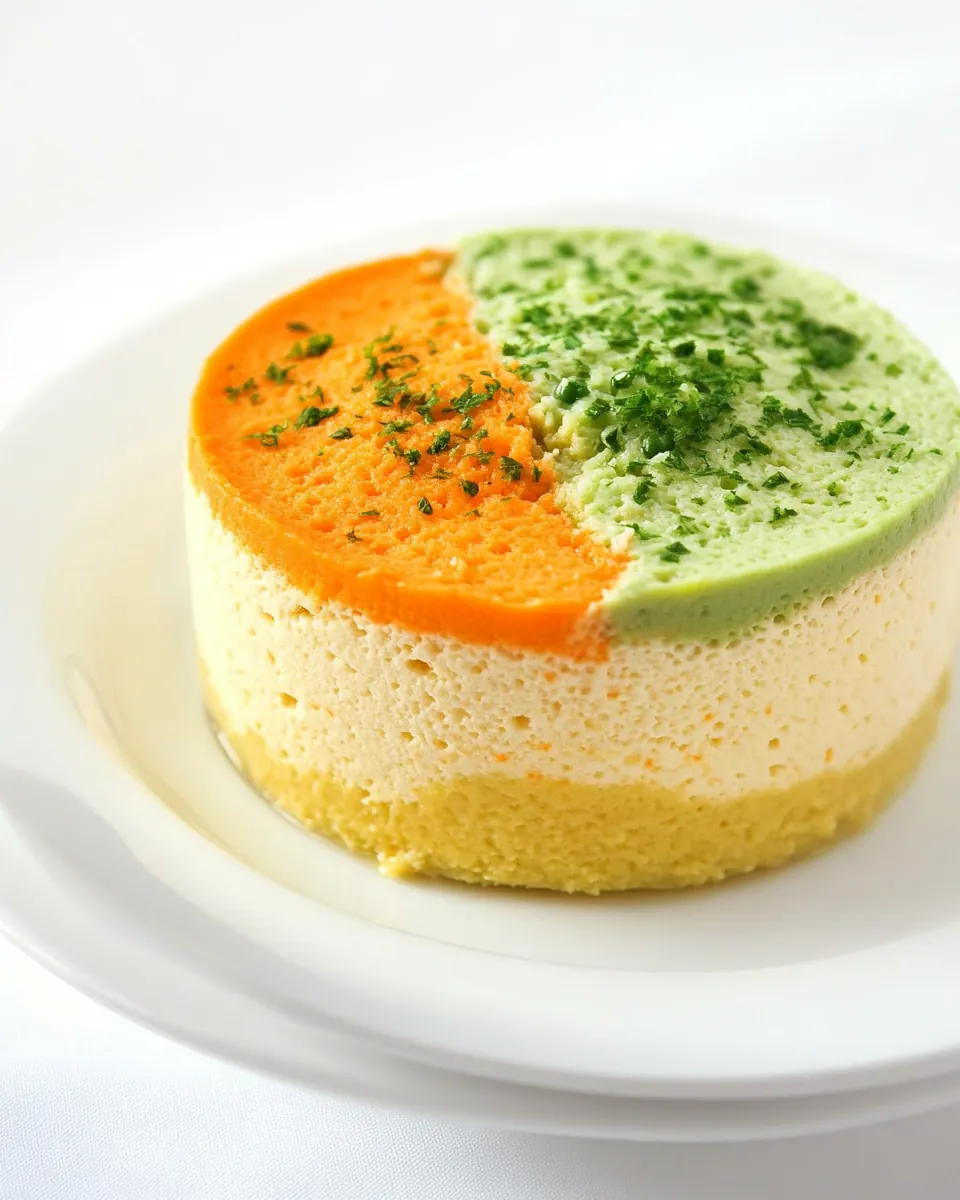
This section explores ways to adapt the recipe while keeping its character intact. Below are practical, tested variations that change texture, herbal profile, or presentation without altering the core method.
- Swap the herb Change thyme to mint leaves for a fresher, brighter flavor that enhances the natural sweetness of the peas. Mint pairs especially well if you want a springlike lift.
- Cheese adjustment Increase or decrease the amount of Parmesan cheese to adjust savory depth, but remember it also affects salt levels, so taste before adding extra salt.
- Almond flour texture Use finely ground almond flour for a smoother crumb and a subtle nutty note, which helps the flans set without adding gluten.
- Make mini or large Use different sized molds to create bite sized portions for parties or larger individual flans for a plated starter, adjusting bake time by visual cues rather than exact minutes.
- Advance prep Prepare the purées a day ahead and keep chilled, then assemble and bake the day of serving to simplify your timeline.
Serve This Souffle like Pea Carrot Flan With
This dish works equally well as a refined starter or as a light main when paired thoughtfully. Consider the occasion and season when choosing accompaniments, and use serving choices to lean into either casual comfort or elegant entertaining.
- Light salad accompaniment A crisp green salad with a lemony dressing pairs with the flans to add brightness and textural contrast, perfect for a spring lunch.
- Warm grain side Serve with a small scoop of herbed couscous or quinoa for a more substantial plate at dinner, which complements the flans without overwhelming them.
- Occasion suggestions These flans are ideal for small dinner parties, weekend brunch, or a refined Ramadan iftar starter, offering a gentle, vegetable forward option.
- Storage tips Refrigerate cooled flans in an airtight container for up to two days, and rewarm gently in a low oven to preserve texture. Freezing is not recommended, as the delicate custard may weep on thawing.
- Seasonal pairings In spring, highlight fresh herbs like thyme or mint leaves. In cooler months, serve with roasted vegetables to add warmth and depth.
- Presentation note Unmold onto warm plates and serve slightly warm for the best texture, garnish lightly with a few fresh leaves of the herb used in the batter for a finishing touch.
FAQ
Conclusion
This recipe stands out because it turns simple vegetables into an elegant, souffle like flan that is both light and satisfying. Give it a try when you want a dish that looks special without complicated technique, and you will appreciate the bright colors and balanced flavors. It’s forgiving, adaptable, and rewarding to serve, so make it for a small gathering or a calm weeknight when you want something a little above the everyday. Enjoy the process and the compliments that will surely follow.
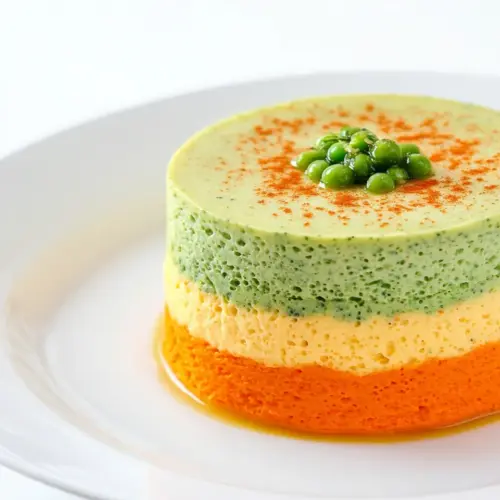
Souffle like Pea Carrot Flan
Equipment
- Food Processor
- Muffin Pan
- Roasting tray
- Two saucepans
Ingredients
- 200 g frozen peas Provide vibrant color and tender texture when puréed or lightly mashed; contribute natural sweetness and vegetal flavor while adding body to the flan mixture. Freeze state requires brief thawing and draining to avoid excess moisture that could loosen the custard. Pair well with ricotta and eggs to create a smooth, cohesive base that helps set the soufflé-like structure.
- 200 g carrots, finely chopped Add slight sweetness, firmness, and a contrasting texture when finely chopped; contribute beta-carotene and a subtle earthiness that balances the peas. Finely chopping ensures even distribution and consistent cooking through the flan. Cook briefly or blanch to soften fibers and release sugars, helping the mixture bind with eggs and ricotta.
- 100 g ricotta cheese Provide creaminess, mild tang, and rich dairy fat that enriches the custard and improves mouthfeel; act as a binder to help hold the flan together while keeping it tender. Ricotta’s moisture content influences the final set, so draining or blending can adjust consistency. Combine smoothly with puréed vegetables and beaten eggs for a silky texture.
- 2 tablespoon Parmesan cheese Supply savory umami and nutty depth with a salty finish to enhance overall flavor; finely grated form integrates easily into the batter without graininess. Parmesan helps season the mixture so less added salt is needed, and it encourages gentle browning on the flan’s surface. Use sparingly to avoid overpowering delicate herb and vegetable notes.
- 2 large eggs, beaten until light and frothy Incorporate structure, lift, and richness by setting the custard as proteins coagulate during baking; whisking until light increases volume and produces a soufflé-like airiness. Eggs also emulsify fats and liquids, creating a stable matrix that traps steam for a delicate rise. Gentle folding preserves air to yield a tender, slightly puffy flan.
- 2 tablespoon almond flour Act as a low-carb binder and light textural thickener that absorbs excess moisture and helps the mixture hold its shape; almond flour adds subtle nutty flavor without gluten. Its fine grain integrates smoothly and contributes to a tender crumb, supporting the soufflé-like rise without weighing it down. Adjust quantity slightly if mixture seems too wet to achieve proper set.
- 1 tablespoon fresh thyme, or mint leaves Introduce fresh herbal brightness and aromatic lift that complements the sweet vegetables and creamy cheese; thyme imparts a savory, slightly floral note while mint offers cooling contrast if chosen. Mince or strip leaves to distribute flavor evenly and avoid fibrous bits in the custard. Use modestly to accentuate rather than dominate the delicate balance.
- Extra virgin olive oil, for brushing Provide a light coating to molds or ramekins to prevent sticking and promote even browning; olive oil contributes a fruity, slightly peppery aroma that complements the flan’s flavors. Brushing ensures easy release and preserves the delicate surface when unmolding. Use sparingly to avoid pooling that might affect baking.
- salt and pepper to taste Season the mixture to enhance and balance all flavors, controlling background saltiness and bringing out natural sweetness and savory notes. Pepper adds mild heat and complexity that lifts the vegetables and cheese, while salt is essential for proper seasoning and protein coagulation during baking. Taste and adjust carefully to avoid over-seasoning the delicate custard.
Instructions
- Preheat oven to 150 C fan/170 C/325 F.: When you open the oven, you should sense a neutral warm air, not a blast of heat, which signals the oven reached the gentle setting needed for a bain marie bake. The lower, steady oven temperature ensures the custard sets slowly and evenly, preventing cracking or a rubbery texture. One tip is to place an oven thermometer inside if your oven runs hot or cold; inconsistent oven temps are the most common reason flans either overbrown or remain unset.
- Quickly boil both carrots and peas in two separate pots of lightly salted boiling water.: You will hear a lively simmer and see bright color intensify as the vegetables blanch. Cooking separately preserves their distinct colors and prevents flavor transfer. The goal is tender but not waterlogged pieces, so test with a fork frequently. Avoid a rolling boil that breaks down the vegetables into mush and releases too much starch, which can change the texture of the purée.
- Drain under cool running water, then pat dry.: The cool rinse stops the cooking and helps the vegetables retain vivid color, while patting dry removes excess surface water that could thin the purées. You want them moist but not dripping, as excess water makes it harder for the flans to set. A kitchen tip is to spread them on a clean towel and gently press, because overlooking this step often leads to a watery mixture and a floppy finished flan.
- In a food processor blend cooked carrots until smooth, then add in half the ricotta and thyme, 1 tablespoon parmesan cheese, 1 tablespoon almond flour and 1 beaten egg. Season with salt and pepper and transfer into a bowl.: As the carrot purée whirls, you should notice a silky texture and a sweet, concentrated carrot aroma. Adding the ricotta cheese and the beaten egg creates a custardy base, while the Parmesan cheese and almond flour round out the flavor and assist setting. The reason for blending to smoothness is to avoid grainy bits in the finished flan. A common mistake is underprocessing, which leaves fibrous streaks and an uneven texture.
- Clean the food processor and fold the cooked peas in, then add the remaining ricotta, almond flour, parmesan, thyme and beaten egg. Season to taste.: After puréeing, you will smell the sweetness of the peas and notice a fresher, greener scent compared to the carrots. Folding rather than overprocessing keeps a little texture and maintains color. The remaining ricotta cheese and egg give the pea layer its own custard identity. Over-blending the peas can turn the mixture pasty and cause loss of that lively green hue, so stop as soon as smooth and gently combine any additions.
- Spray with oil a non-stick muffin pan and fill the molds by half with the carrots mixture. Fill to the top with the pea mixture.: Brushing or spraying the molds prevents sticking and also helps the edges brown subtly. As you spoon the carrot mixture, take note of the thickness and the way it glides, which indicates proper consistency. Filling by half gives the carrot layer room for the pea layer without overflow. Filling too full at this stage leaves no allowance for expansion, which can cause spillover into the bain marie.
- Arrange the muffin-tin on a large roasting tray filled with hot water by 2/3, to make the bain-marie.: The final layering should look neat, with a distinct color split between orange and green. The pea mixture will settle into place and smooth easily with the back of a spoon. Keep the molds level as you transfer them to avoid uneven layers. A common pitfall is jostling the pan so the layers mix, which defeats the visual contrast of the dish.
- Bake in the oven for about 30 mins or until set. Allow to cool slightly before removing the flans from the tins.: You should hear the gentle slosh of water and see steam rising lightly, which indicates a properly hot water bath. The bain marie moderates heat around the molds so the custard sets evenly without curdling. Use hot water rather than cold to avoid a sudden temperature shock that can alter baking time. Be careful when carrying the tray, as splashing water into the oven can change the oven temperature and the final texture.
- Turn the flans upside down on a serving plate and serve. Enjoy!: You will notice a gentle wobble in the centers when they are done, with edges that feel set to the touch and a faint golden hue just at the top edge. The aroma will be a mix of warm herbs and sweet vegetables. Letting them cool slightly helps the flans firm and release cleanly from the molds. Opening the oven too often to check can cause uneven cooking, so rely on the wobble test near the suggested time.
- Turn the flans upside down on a serving plate and serve Enjoy: As you invert the molds, you should see clean shapes with vivid layers, and the surface will feel warm to the touch. Serving immediately while slightly warm preserves the tender interior, and a light brush of extra virgin olive oil before plating can lend an attractive sheen. Avoid forcing them out if they stick, instead run a thin knife around the edge to prevent tearing the delicate sides.
Notes
- Swap the herb Change thyme to mint leaves for a fresher, brighter flavor that enhances the natural sweetness of the peas. Mint pairs especially well if you want a springlike lift.
- Cheese adjustment Increase or decrease the amount of Parmesan cheese to adjust savory depth, but remember it also affects salt levels, so taste before adding extra salt.
- Almond flour texture Use finely ground almond flour for a smoother crumb and a subtle nutty note, which helps the flans set without adding gluten.
- Make mini or large Use different sized molds to create bite sized portions for parties or larger individual flans for a plated starter, adjusting bake time by visual cues rather than exact minutes.
- Advance prep Prepare the purées a day ahead and keep chilled, then assemble and bake the day of serving to simplify your timeline.