Turkey Salad
Turkey Salad has been my go to after holiday dinners when I want something fresh, easy, and completely satisfying.
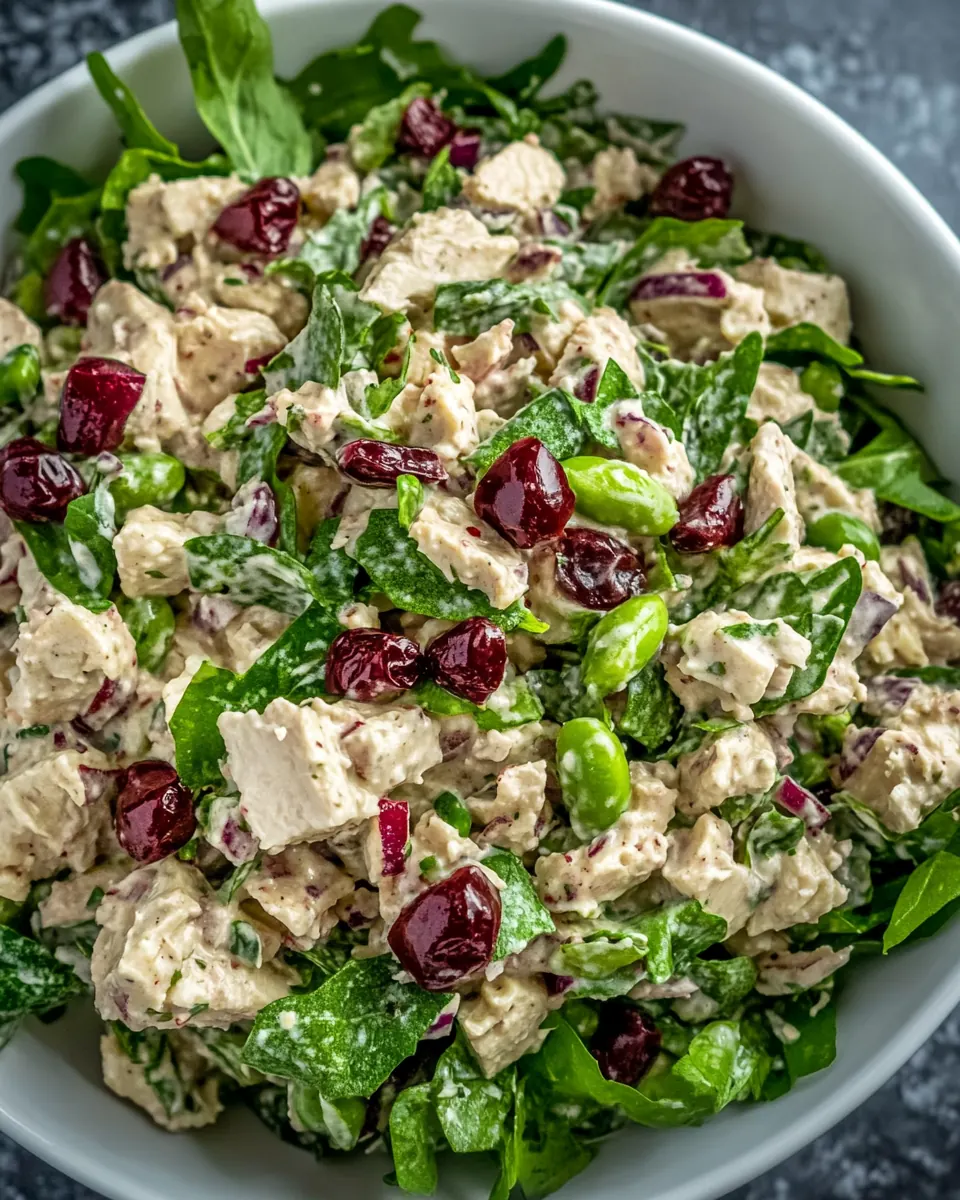
I remember the first time I made this Turkey Salad for a casual lunch with friends. I had a mound of leftover roasted turkey tucked into the fridge, and I wanted a bright, textured salad that would feel homey but not heavy. I chopped the celery and red onion while the kitchen still smelled faintly of sage, and the sound of the knife against the board felt oddly comforting. The combination of tender turkey, chewy dried cranberries, and the punch of fresh dill kept everyone reaching for more.
What I love about my version of Turkey Salad is how forgiving it is. You can tweak the mayonnaise to your taste, play with mustard levels, or add more herbs depending on what you have. It makes a wonderful weekday lunch, an easy potluck contribution, or a light dinner when paired with crisp greens. The textures are deliberate, the flavors sing together, and it comes together in minutes, which is exactly what I need on busy days.
Recipe Snapshot
10 mins
10 mins
Easy
350 kcal
American
Keto, Paleo
Salads
Large bowl, Spatula, Refrigerator
Why You’ll Love This Turkey Salad
Bright contrast of textures
I adore how the tender shredded turkey and crunchy chopped celery create lively mouthfeel contrasts. That chewy pop from the dried cranberries adds a sweet note that keeps each bite interesting, and the soft creaminess from mayonnaise ties it all together. When I serve this, people comment first on the texture balance.
Simple flavors that play well together
I rely on a short list of ingredients to keep the flavors honest. The sharpness of the chopped red onion and the tang of Dijon mustard cut through the richness of the mayonnaise, and fresh dill lifts the whole salad. Because each component is distinct, you can taste everything in one forkful, and that clarity is why I return to this recipe again and again.
Quick and flexible
This recipe is genuinely fast to assemble. If you have cooked turkey on hand, it becomes a no fuss meal that you can throw together in minutes. I often make a batch to keep in the fridge for grab and go lunches, and it holds up well for several days when stored properly, which makes life easier during busy weeks.
Versatile serving options
I like that the salad works in many formats. Scoop it onto bread for a comforting sandwich, wrap it for a portable lunch, or spoon it over a bed of leafy greens for a lighter option. Its adaptability makes it an entertaining staple and a weekday lifesaver in my kitchen.
Comfort with a bright finish
There is something quietly comforting about a bowl of this salad. It feels familiar yet bright, and the fresh dill gives a final aromatic lift that transforms simple ingredients into something memorable. I find myself recommending it to friends who need a reliable, flavorful dish that does not demand hours in the kitchen.
Ingredient List for Turkey Salad
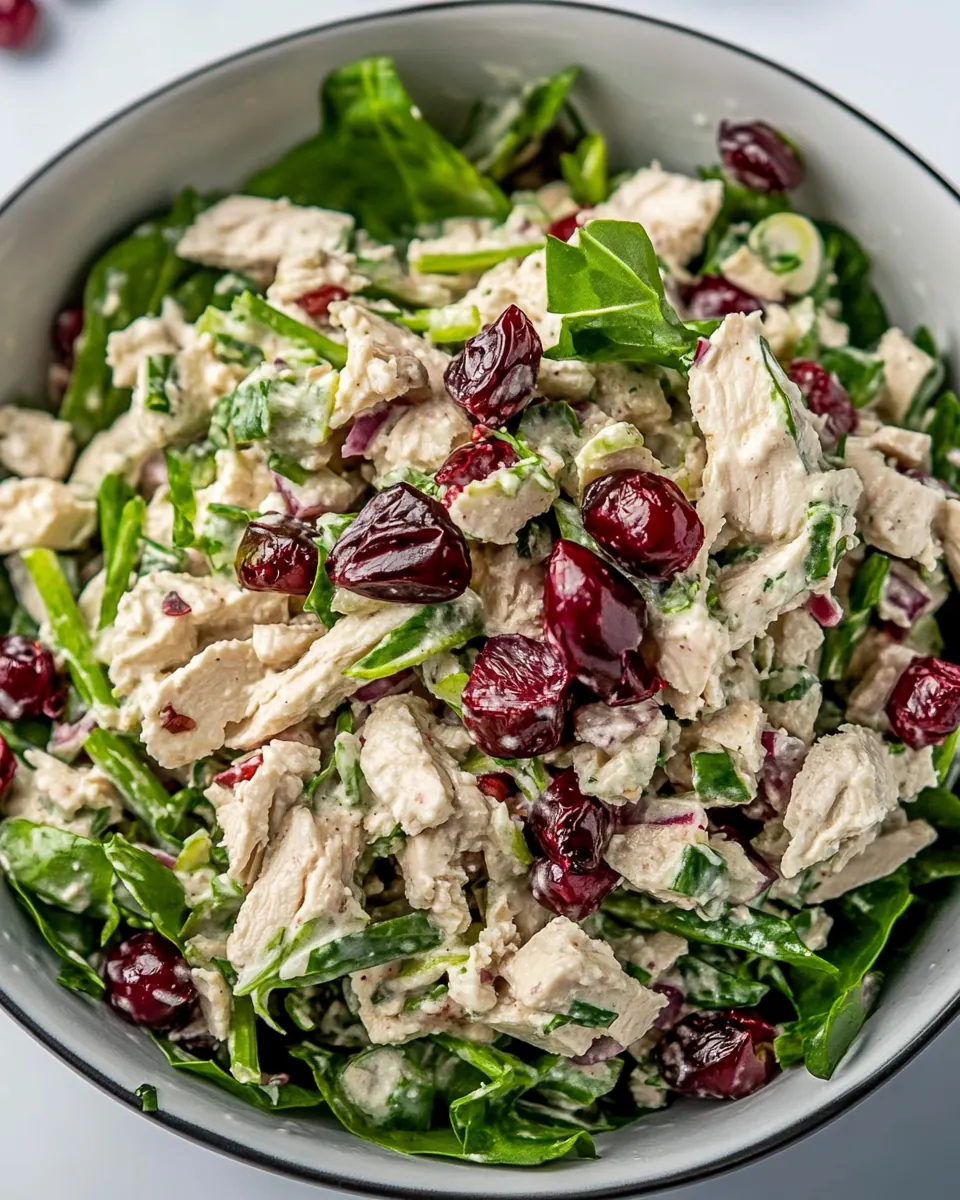
These ingredients are intentionally straightforward, each serving a clear purpose. The protein base is the star, while crunchy and sweet elements provide contrast. The dressing components are minimal, allowing the natural flavor of the turkey and herbs to shine. Together they create a balanced, hand friendly dish perfect for sandwiches, wraps, or salads.
- 4 cups cooked turkey: Provide moist, savory protein and body to the salad, offering a hearty base and substantial texture when cubed or shredded. Blend well with creamy dressing to carry flavors and add filling nourishment for a balanced meal.
- 1 stalk celery (chopped): Add crisp, watery crunch and a fresh vegetal note when finely chopped, contributing texture contrast and lightness. Balance richer elements and help brighten each bite with subtle aromatic bitterness.
- 1/2 cup dried cranberries: Bring concentrated sweet-tart pockets and chewy texture, punctuating bites with bursts of fruity flavor. Complement savory and creamy components while adding visual contrast and a touch of acidity.
- 1 small red onion (chopped): Contribute sharp, pungent flavor and slight bite when chopped finely, cutting through creaminess to enhance overall brightness. Provide aromatic depth and a subtle textural element to prevent monotony in each forkful.
- 1/2 cup mayonnaise: Give smooth, creamy body and richness to bind ingredients together, creating a cohesive dressing that coats each component. Provide a mellow taste that tempers acidity and salt while adding caloric density.
- 2 teaspoons Dijon mustard: Deliver tangy, piquant heat and depth to the dressing, lifting flavors and adding complexity in small amounts. Emulsify with mayonnaise to create a balanced, slightly sharp profile that enhances other elements.
- 1 tablespoon fresh dill (chopped): Offer herbal freshness and anise-like brightness when chopped, infusing the salad with fragrant lift and subtle green notes. Enhance overall flavor complexity and complement both savory and sweet components.
- salt and pepper (to taste): Season to taste to enhance and balance all flavors, providing necessary saltiness and subtle coupling of ingredients. Adjust carefully to maintain harmony and finish with freshly ground pepper for mild heat and aromatic lift.
How to Cook Turkey Salad
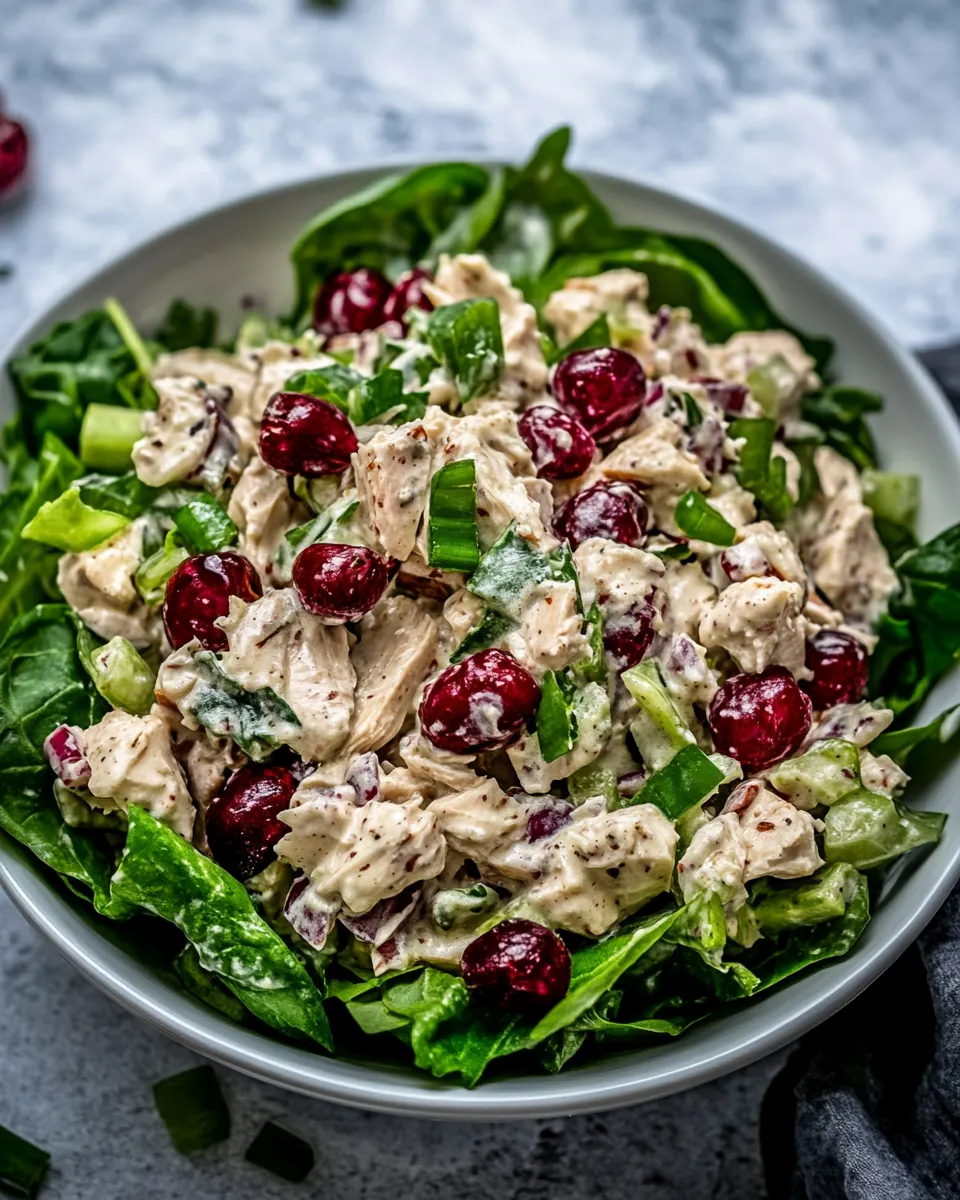
This is a no fuss assembly recipe that rewards attention to texture and seasoning. I always work on a clean surface, and I taste as I go so the final balance feels right. Keep your chilled ingredients cold until the last moment so the salad stays fresh and vibrant.
- Add all the ingredients to a large bowl and mix well using a spatula. Cover with plastic wrap and refrigerate until ready to serve.: The first sensory cue you will notice is the coolness of the bowl and the soft rustle of ingredients coming together, with the tang of Dijon mustard and the gentle mayo aroma wafting up. Mixing allows the creamy dressing to coat the shredded turkey and vegetables, distributing flavors evenly. I like to fold gently so the turkey stays tender and does not get mashed. If you stir too vigorously, the texture will become pasty, so avoid overworking. A common mistake is adding too much dressing up front; start conservatively and add more if you want it creamier.
- Serve on bread or wraps.: When chilling, you will feel the coolness settle in and notice flavors marry over time, the savory notes mellowing and the herbs releasing aroma. Refrigeration firms the salad slightly, making it easier to spread on bread or scoop for wraps. I recommend covering tightly to prevent the salad from absorbing other fridge odors. A usual slip is leaving it uncovered, which dries the top layer; a tight seal keeps moisture locked in. Aim for at least 15 minutes if you can, though longer resting improves melding.
- Serve on bread or wraps.: The final reveal is visual and tactile, the creamy salad nestled between slices of bread or tucked into a wrap. You will see the flecks of chopped red onion and dried cranberries , and the aroma of fresh dill will lift as you cut through. Serving this way offers a handheld experience, combining crunchy, tender, and soft textures in each bite. One tip is to avoid overfilling bread so it stays manageable and does not become soggy. A frequent error is not toasting the bread slightly, which can help prevent sogginess if you plan to prepare ahead of time.
Tips and Variations
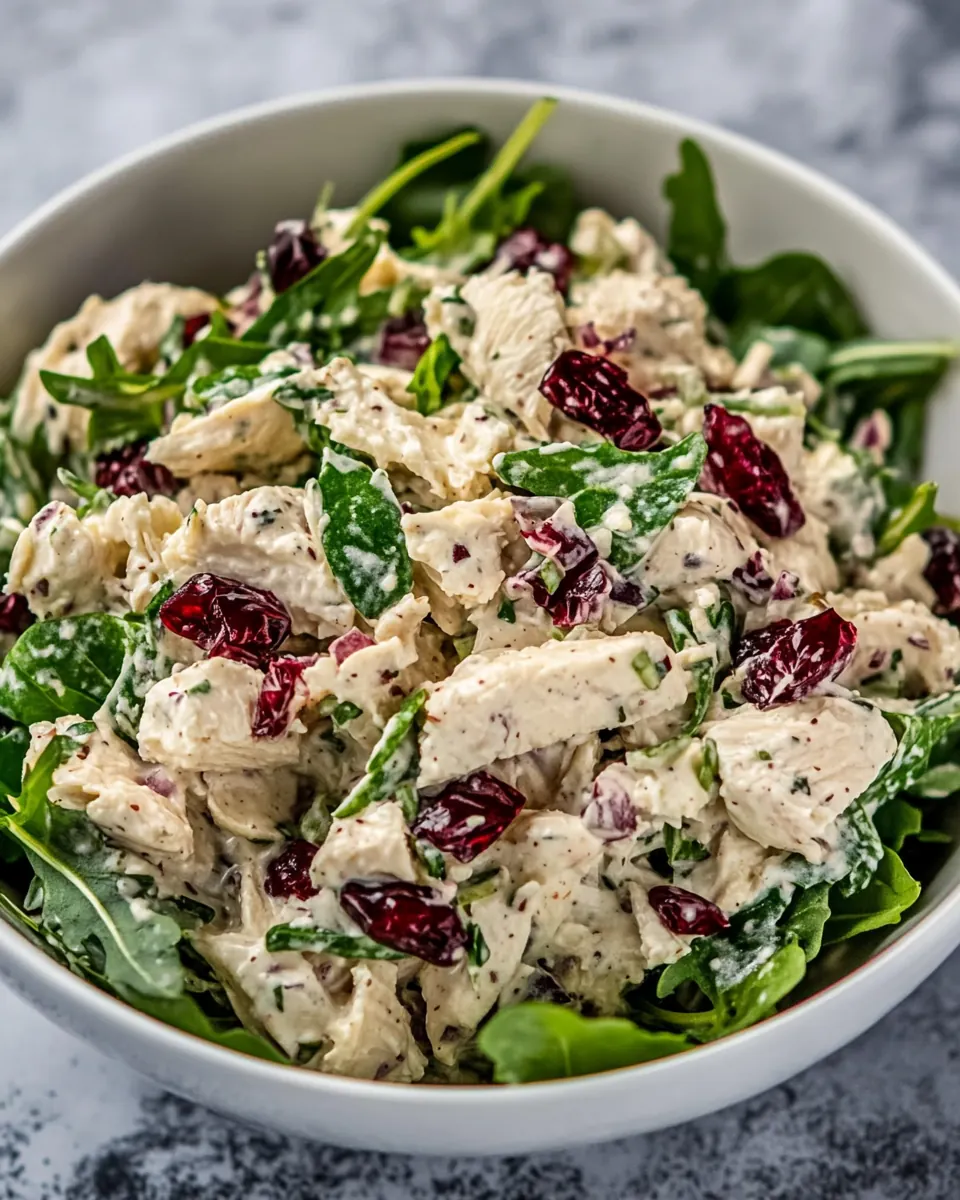
This section expands on practical notes and simple variations. I wrote these tips from years of making this salad, so they focus on texture, seasoning, and storage to help you get consistent results every time.
- White and dark meat: Use both white and dark turkey meat for the best flavor and texture contrast, the dark meat gives richness while the white meat keeps it light.
- Fresh dill matters: While dried dill will work in a pinch, freshly chopped dill provides a brighter, more aromatic finish that really changes the profile of the salad.
- Taste for salt: Always taste after folding the dressing in, and season with salt and pepper at the end, because flavors can settle during chilling and may need adjustment before serving.
- Chill before serving: Refrigerating for at least 15 minutes helps the dressing adhere and allows flavors to meld, improving texture and overall flavor cohesion.
- Storage tip: Store leftover salad in an airtight container in the refrigerator for up to six days, and avoid freezing as it changes texture and makes the mayo separate.
Serve This Turkey Salad With
This salad is adaptable for many meals and occasions. It works as a quick lunch, a casual dinner, or a practical option during seasonal gatherings in the cooler months. Here are ways I like to serve it and pairings that complement its flavors.
- On toasted bread: A light toasting gives structure and prevents sogginess, creating a satisfying sandwich for lunch or a relaxed dinner.
- In a wrap: Use a soft tortilla for a portable meal that travels well for picnics or office lunches, and avoid overfilling to keep it neat.
- Over greens: Spoon the salad onto a bed of crisp lettuce for a lighter meal, turning it into a more vegetable forward dish while keeping protein front and center.
- For gatherings: Serve in a bowl with crackers or small crostini alongside, letting guests build their own bites at a casual buffet or potluck.
- Storage and prep: Make the salad in advance but store separately from bread or greens, assembling just before serving to maintain texture and freshness.
- Seasonal pairing: This feels especially right in fall when roasted turkey is common, but it is equally appropriate for quick summer lunches when chilled dishes are welcome.
FAQ
Conclusion
This Turkey Salad stands out for its straightforward assembly and perfectly balanced textures, making it an ideal way to use leftover turkey. It is quick to prepare, adaptable to different serving styles, and delivers bright herb and tang notes from Dijon and fresh dill. I encourage you to give it a try the next time you have cooked turkey on hand, because it turns simple ingredients into a consistently pleasing meal that travels well and stores neatly for busy weeks.
Turkey Salad
Equipment
- Large Bowl
- Spatula
- Refrigerator
Ingredients
- 4 cups cooked turkey Provide moist, savory protein and body to the salad, offering a hearty base and substantial texture when cubed or shredded. Blend well with creamy dressing to carry flavors and add filling nourishment for a balanced meal.
- 1 stalk celery (chopped) Add crisp, watery crunch and a fresh vegetal note when finely chopped, contributing texture contrast and lightness. Balance richer elements and help brighten each bite with subtle aromatic bitterness.
- 1/2 cup dried cranberries Bring concentrated sweet-tart pockets and chewy texture, punctuating bites with bursts of fruity flavor. Complement savory and creamy components while adding visual contrast and a touch of acidity.
- 1 small red onion (chopped) Contribute sharp, pungent flavor and slight bite when chopped finely, cutting through creaminess to enhance overall brightness. Provide aromatic depth and a subtle textural element to prevent monotony in each forkful.
- 1/2 cup mayonnaise Give smooth, creamy body and richness to bind ingredients together, creating a cohesive dressing that coats each component. Provide a mellow taste that tempers acidity and salt while adding caloric density.
- 2 teaspoons Dijon mustard Deliver tangy, piquant heat and depth to the dressing, lifting flavors and adding complexity in small amounts. Emulsify with mayonnaise to create a balanced, slightly sharp profile that enhances other elements.
- 1 tablespoon fresh dill (chopped) Offer herbal freshness and anise-like brightness when chopped, infusing the salad with fragrant lift and subtle green notes. Enhance overall flavor complexity and complement both savory and sweet components.
- salt and pepper (to taste) Season to taste to enhance and balance all flavors, providing necessary saltiness and subtle coupling of ingredients. Adjust carefully to maintain harmony and finish with freshly ground pepper for mild heat and aromatic lift.
Instructions
- Add all the ingredients to a large bowl and mix well using a spatula. Cover with plastic wrap and refrigerate until ready to serve.: The first sensory cue you will notice is the coolness of the bowl and the soft rustle of ingredients coming together, with the tang of Dijon mustard and the gentle mayo aroma wafting up. Mixing allows the creamy dressing to coat the shredded turkey and vegetables, distributing flavors evenly. I like to fold gently so the turkey stays tender and does not get mashed. If you stir too vigorously, the texture will become pasty, so avoid overworking. A common mistake is adding too much dressing up front; start conservatively and add more if you want it creamier.
- Serve on bread or wraps.: When chilling, you will feel the coolness settle in and notice flavors marry over time, the savory notes mellowing and the herbs releasing aroma. Refrigeration firms the salad slightly, making it easier to spread on bread or scoop for wraps. I recommend covering tightly to prevent the salad from absorbing other fridge odors. A usual slip is leaving it uncovered, which dries the top layer; a tight seal keeps moisture locked in. Aim for at least 15 minutes if you can, though longer resting improves melding.
- Serve on bread or wraps.: The final reveal is visual and tactile, the creamy salad nestled between slices of bread or tucked into a wrap. You will see the flecks of chopped red onion and dried cranberries , and the aroma of fresh dill will lift as you cut through. Serving this way offers a handheld experience, combining crunchy, tender, and soft textures in each bite. One tip is to avoid overfilling bread so it stays manageable and does not become soggy. A frequent error is not toasting the bread slightly, which can help prevent sogginess if you plan to prepare ahead of time.
Notes
- White and dark meat: Use both white and dark turkey meat for the best flavor and texture contrast, the dark meat gives richness while the white meat keeps it light.
- Fresh dill matters: While dried dill will work in a pinch, freshly chopped dill provides a brighter, more aromatic finish that really changes the profile of the salad.
- Taste for salt: Always taste after folding the dressing in, and season with salt and pepper at the end, because flavors can settle during chilling and may need adjustment before serving.
- Chill before serving: Refrigerating for at least 15 minutes helps the dressing adhere and allows flavors to meld, improving texture and overall flavor cohesion.
- Storage tip: Store leftover salad in an airtight container in the refrigerator for up to six days, and avoid freezing as it changes texture and makes the mayo separate.