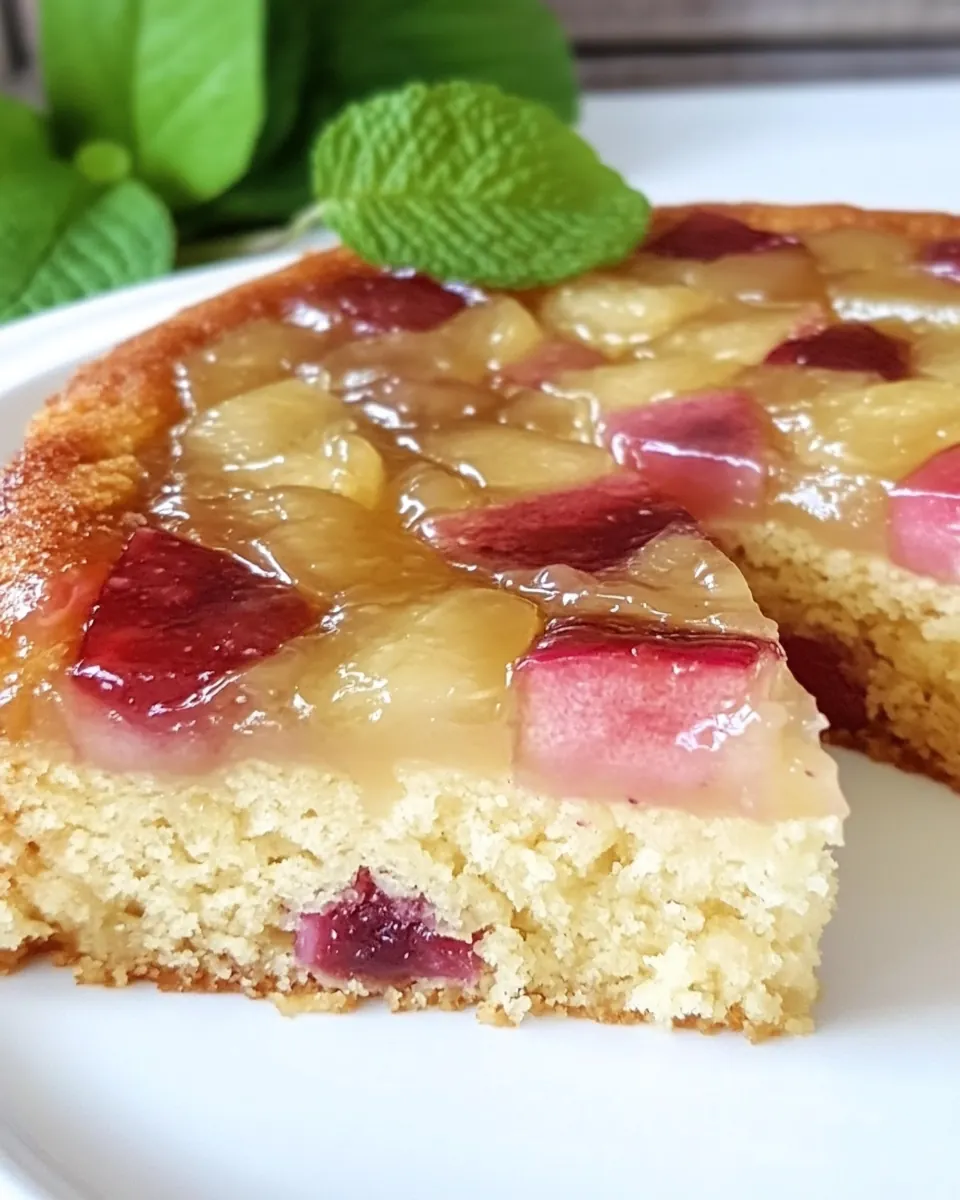
Strawberry Rhubarb Upside Down Cake
Strawberry Rhubarb Upside Down Cake is one of those recipes I turn to when spring fruits first arrive and I want something both comforting and a little wild.
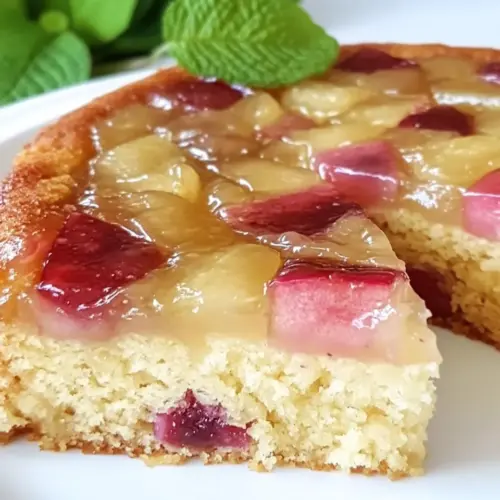
I remember the first time I made this cake for a neighbor who had just moved in, carrying the warm pan over like an offering. The top was glossy with caramel and dotted with ruby slices of strawberries and tart spears of rhubarb. As we sliced into it, the syrupy scent lifted and the crumb was tender yet substantial, which made everyone reach for a second piece. I learned that day that upside down cakes are more about patience than technique, letting the fruit and sugar marry in the pan before the batter seals everything in. That little ritual of melting butter and brown sugar in the pan feels almost ceremonial, and I often find myself humming to the oven while the house fills with warm, fruity caramel notes.
Over the years I’ve tweaked the balance of sugar to rhubarb, and I now prefer a blend that allows the strawberries to bring brightness while the rhubarb adds a floral tartness. The cake itself is straightforward, but the magic is in the inversion, that moment when you uncover the pan and reveal a glossy layer that looks like a dessert-stained stained glass window. Friends ask for the recipe not because it’s fancy, but because it reliably tastes like an elevated slice of spring. I love serving mine slightly warm with a scoop of creamy ice cream, or simply as is with a cup of strong tea. This recipe remains a favorite for casual gatherings and weekend baking when you want something that feels special without a lot of fuss.
Recipe Snapshot
1 hr 5 mins
20 mins
45 mins
Medium
300 kcal
American
Gluten-Free, Low FODMAP
Desserts
8 x 8 inch baking pan or 9 inch round pan, Mixing bowls, Whisk, Spatula
Why Try This Strawberry Rhubarb Upside Down Cake
Fruit Forward Flavor
I love how the fruit leads here. The strawberries bring a sweet, floral pop while the rhubarb adds a bright, slightly tart counterpoint. Together they create a layered flavor that sings through every bite, so you never feel like the cake itself is trying to compete. Instead, the crumb becomes a tender vehicle for those vibrant fruit notes.
Caramelized Top That Steals the Show
The butter and brown sugar caramelize in the pan, producing a glossy, slightly chewy top that makes this cake feel indulgent. I find that this caramel bridge is what guests talk about after dinner, and it also keeps the fruit from drying out during baking. It is simple chemistry, yet it elevates the final presentation and texture dramatically.
Comforting Texture Balance
The batter is enriched with sour cream and oil, which keeps the crumb moist without weighing it down. That combination ensures the cake stays tender for a day or two, and it also helps the crumb absorb the fruit juices so each slice is cohesive and satisfying. I appreciate how forgiving this texture is when you slightly over or under mix, which makes it a great recipe for home bakers.
Versatility for Serving
I adore how adaptable this cake is. Serve it warm with whipped cream or a scoop of ice cream for a dessert, or bring it to a spring brunch sliced with tea. The flavor profile works for many occasions, and the presentation feels celebratory without needing complicated plating. I’ve used it for potlucks, birthday gatherings, and casual afternoon visits.
Easy Technique, Big Reward
This recipe is approachable for most bakers. The steps are straightforward, and the clear visual cues, like bubbling caramel around the fruit and a golden set cake, guide you. I like that it teaches simple pastry intuition, like when to tent with foil if the top browns too quickly, which is a small, practical trick that keeps the end result perfect.
Ingredient List for Strawberry Rhubarb Upside Down Cake
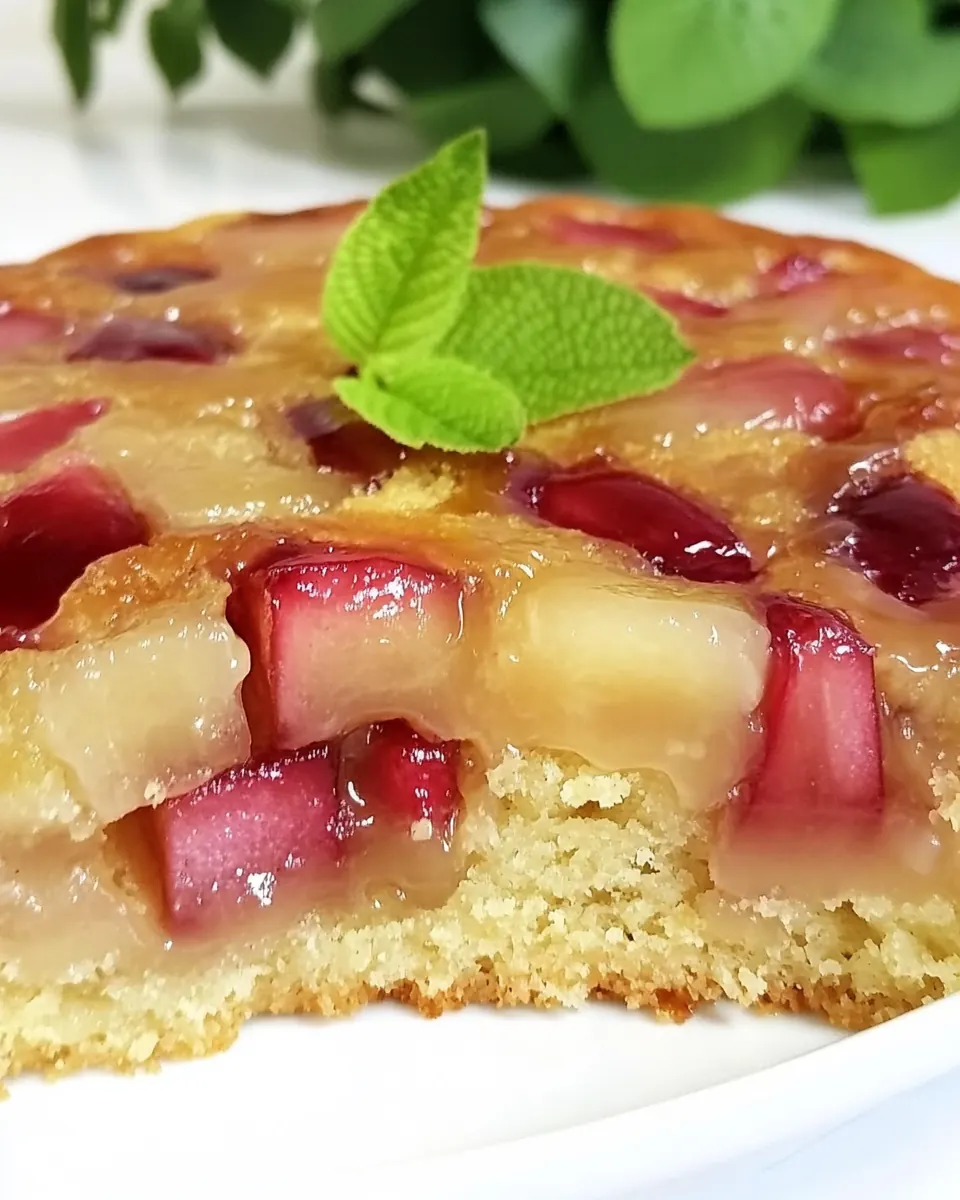
These ingredients come together to create a cake that balances sweet caramel and bright, spring fruit. The real stars are the strawberries and rhubarb, while the butter and brown sugar form the caramel base that transforms the fruit into a glossy topping. The cake batter itself relies on a mix of pantry staples that provide structure, moisture, and a tender crumb.
- 1/4 cup butter, quartered: Melted and quartered to create an evenly distributed buttery base that caramelizes with the brown sugar, adding richness and moisture to the topping layer. Provides a nonstick surface and helps brown the fruit for a glossy, flavorful finish.
- 3/4 cup packed brown sugar: Packed tightly to form a compact caramel layer that melts into the butter, contributing deep molasses notes and a chewy, sweet topping. Balances fruit tartness and helps create the signature glossy, caramelized layer of an upside-down cake.
- 2 cups sliced strawberries: Sliced to release bright, sweet flavor and a tender texture that complements the tart rhubarb; distributes color and fresh strawberry aroma throughout the topping. Adds natural juices that meld with the sugar and butter to form a syrupy glaze during baking.
- 1 cup diced rhubarb: Diced to provide a firm, tangy contrast that holds up under baking and balances the sweetness of the strawberries and caramel. Contributes structural interest and a classic rhubarb tartness that cuts through the richness of the cake.
- 2 cups all-purpose flour: Sifted or measured to provide the cake's structure and crumb, supplying gluten and body for proper rise and texture. Works with leaveners to form a tender yet sturdy crumb that supports the fruit topping.
- 1 teaspoon baking powder: Measured to activate leavening and provide gentle lift, ensuring an even crumb and slight springiness without adding flavor. Balances with baking soda to control acidity and contribute to the cake's overall rise.
- 1 teaspoon baking soda: Measured to react with acidic ingredients, creating carbon dioxide bubbles that help the cake expand and achieve a light texture. Works in tandem with baking powder to fine-tune the rise and crumb structure.
- 1/2 teaspoons salt: Measured in a small amount to enhance overall flavor and balance sweetness, while also strengthening gluten slightly for crumb control. Ensures the cake's taste is rounded and not flat.
- 2 large eggs: Beaten and added for structure, moisture, and richness, helping emulsify the batter and trap air for a lighter crumb. Contributes color, stability, and a tender mouthfeel to the finished cake.
- 1 cup sugar: Measured and combined with other wet ingredients to sweeten the batter evenly, promoting browning and providing bulk sweetness that complements the fruit topping. Helps dissolve into the batter for consistent sweetness throughout.
- 1/3 cup oil (I use avocado oil): Used to add moistness and tenderness without imparting dairy flavors, contributing to a softer crumb and improved mouthfeel; avocado oil is neutral and heart-healthy. Keeps the cake moist for several days and aids in even mixing.
- 1 teaspoon quality pure vanilla extract: Added for aromatic depth and flavor complexity, enhancing the cake's overall profile with warm, familiar notes of vanilla. Helps round out the sweetness and complements both fruit and baked flavors.
- 3/4 cup milk: Measured and mixed in to thin the batter to proper consistency while adding tenderness from its water and fat content; milk interacts with leaveners for proper rise. Contributes subtle richness and helps create a smooth, cohesive batter.
- 1/4 cup sour cream: Folded in to add tanginess and additional fat that enriches the crumb, creating a moist, tender cake with slight acidity to balance sweetness. Helps produce a fine, soft texture and extends freshness.
Recipe Steps for Strawberry Rhubarb Upside Down Cake
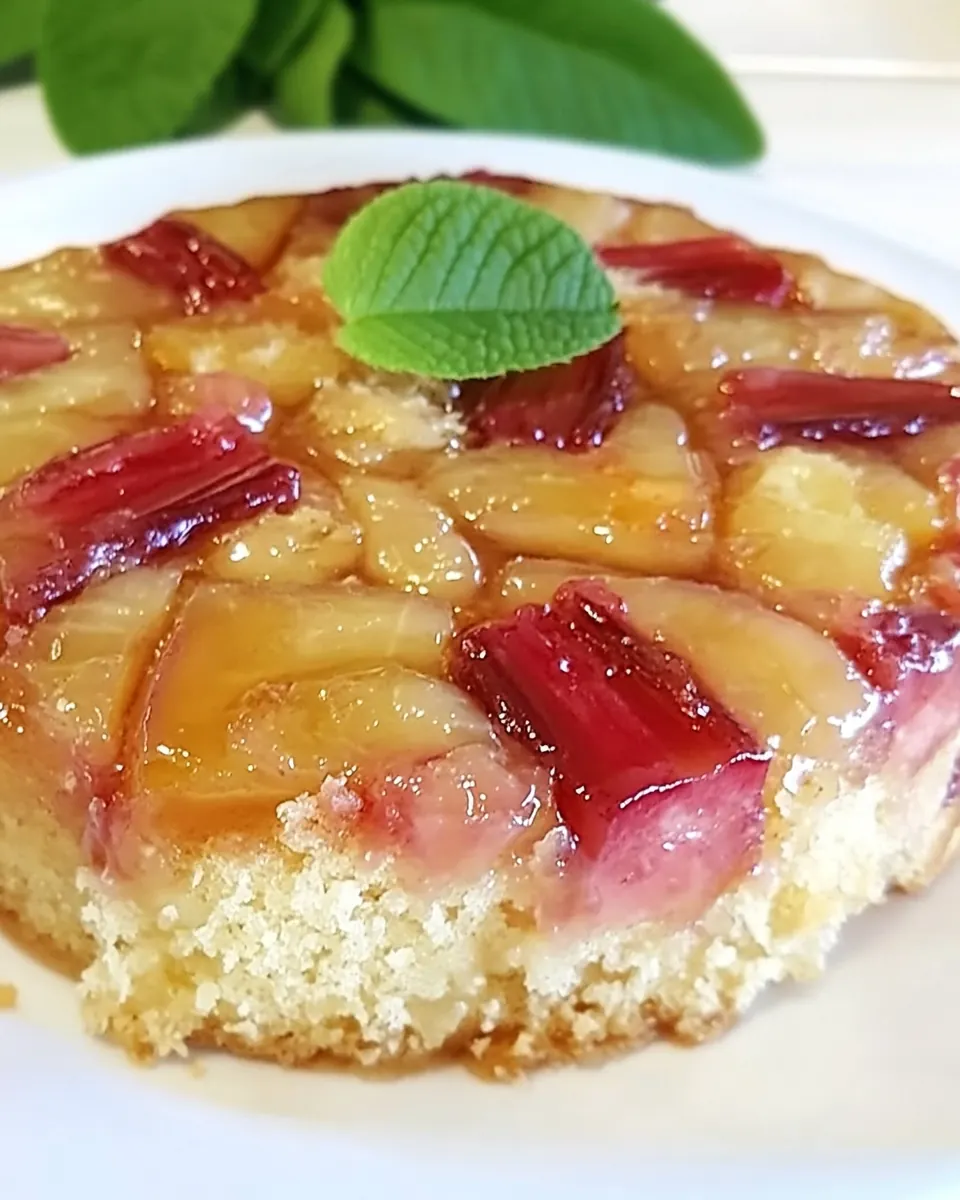
These steps will guide you from melting the topping to revealing the glossy fruit tapestry on top. Below, each core step from the original directions is followed by rich, sensory guidance so you know what to look, smell, and listen for as you bake.
- Preheat the oven to 350 degrees F. Place the pieces of butter in a 8 x 8 inch baking pan or 9 inch round pan and melt it in the oven. Sprinkle the brown sugar evenly over the melted butter. Evenly place the strawberries over the brown sugar followed by the rhubarb.: As the oven warms to 350 degrees F , you will notice the sweet, toasty scent of butter beginning to warm. The butter should fully melt and shimmer in the pan, pooling into a glossy, golden lake that invites the brown sugar . When the sugar hits the warm butter , it begins to dissolve and release a deep molasses scent, and you will see it become wet and darken slightly. Lay the sliced strawberries in an even single layer so they can sit in the caramel, and then scatter the diced rhubarb to create a balanced mosaic. This assembly encourages even caramelization and prevents pockets of overly sweet or undercooked fruit. A common mistake is overcrowding the pan, which can steam the fruit rather than caramelize it, so space the pieces modestly for the best texture. If your butter smokes, the oven is too hot or the pan was left too long, so remove and reduce temperature briefly before continuing.
- In a small bowl, combine the flour, baking powder, baking soda and salt.: As you whisk the dry components, the aroma is mild and bready, but the real benefit is texture. Combining all-purpose flour , baking powder , baking soda , and salt ensures even distribution so the leavening works uniformly during baking. Break up lumps of flour with a fork or whisk, and sift if your flour is tightly packed. This step prevents pockets of soda or powder that could create uneven rising or metallic pockets of flavor. A frequent oversight is adding liquids to a dry bowl that is not well mixed, which causes streaks of leavening and uneven crumb. Take a moment to blend these well, and you will be rewarded with an even, tender cake structure.
- In a large mixing bowl, add the eggs, sugar, oil and vanilla extract and beat to combine. Add the sour cream and beat until combined. Add the milk and flour mixture, alternating between the two and ending with the flour. Beat just until combined.: When you beat the eggs , sugar , oil , and vanilla extract , the mixture will lighten slightly and smell sweet and aromatic from the vanilla. Adding sour cream creates a thick, silky body that lends richness and a subtle tang. As you alternate adding milk and the dry mix, watch the batter transform from lumpy to smooth; it should flow slowly off a spatula like thick honey. Ending with the dry ingredients helps prevent a batter that is too loose. Avoid overmixing at this stage, because vigorous mixing develops gluten and yields a tougher crumb; stop as soon as streaks disappear. If your batter seems curdled after adding the milk, it likely needs gentle folding rather than further beating. Overbeating is the most common misstep here, so err on the side of tender rather than elastic.
- Pour the batter into the cake pan and bake for 45-55 minutes or until a toothpick inserted into the middle comes out clean. (If the cake is getting too brown on the top before the rest is done, cover it with foil.) Let the cake sit for 5 minutes then run a knife around edges and invert the cake onto a plate. (See Note): As the batter hits the pan, it will gently surround the fruit and begin to bubble at the edges. While baking, you will notice a warm, fruity caramel scent rising and the cake surface shifting from pale to golden. The center should set without wobbling, and when a toothpick comes out clean you know the crumb is cooked through. If the top develops a deep brown color before the interior is done, tent with foil to prevent overbrowning, because the goal is a fully baked center with a glossy fruit top. After removing from the oven, allow the pan to rest for about 5 minutes so the caramel thickens just enough to hold the fruit in place. Running a knife around the edges breaks any suction between cake and pan, but do it gently to avoid tearing. A common error is waiting too long to invert, which can let the caramel harden to the pan; invert while still warm for the cleanest release.
- Serve with whipped cream or ice cream if desired.: Once inverted, the cake will glisten with sticky caramel and softened slices of strawberries and ribbons of rhubarb , giving off a warm, sweet fragrance with a hint of tartness. Serving it slightly warm enhances the syrupy texture and allows any added whipped cream or ice cream to melt just enough for silky ribbons over each slice. This contrast of warm cake and cool cream creates a pleasing temperature play and amplifies the dessert experience. A simple pitfall is plating slices that are too hot, which can cause ice cream to melt into an unappealing puddle; let it cool just a touch if you want a more composed presentation. Taste for balance and add a dollop of cream if you prefer a softer finish to the sweet caramel top.
Tips for Success
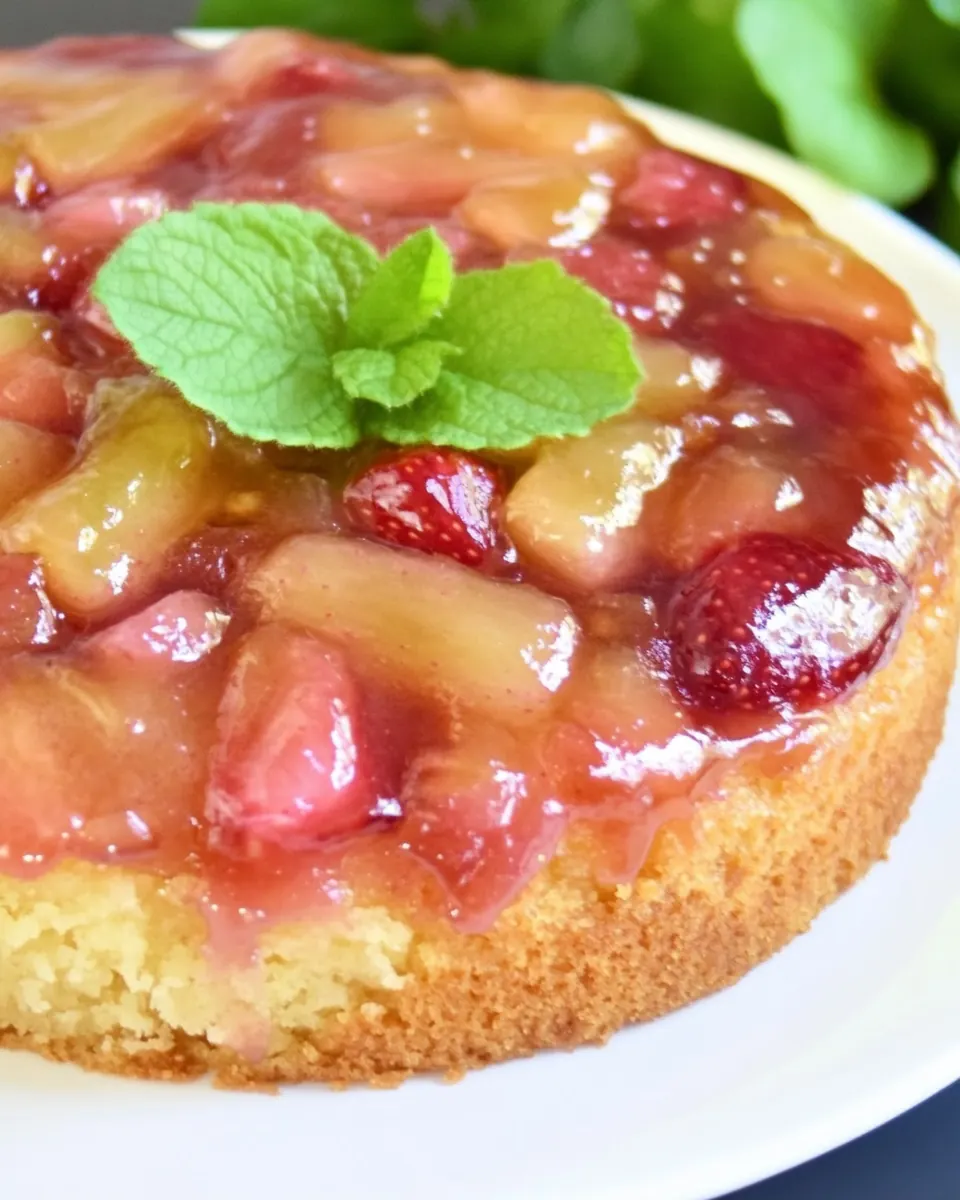
This cake benefits from thoughtful little moves that improve texture and appearance. Below are practical tips expanded into actionable steps so you can replicate the best results every time.
- Warm the pan first — Melting the butter in a preheated pan ensures even caramelization when you add the brown sugar, producing a glossy topping that clings to the strawberries and rhubarb.
- Slice fruit uniformly — Cut the strawberries and dice the rhubarb into pieces of similar size so they soften evenly and present a neat surface when inverted.
- Measure flour properly — Spoon and level the all-purpose flour into the cup to avoid packing, which can lead to a dense cake rather than a tender crumb.
- Don’t overmix the batter — Mix until ingredients are just combined to prevent gluten development, which keeps the cake soft instead of chewy.
- Check with a toothpick — Test the center at around 45 minutes; if it comes out with a few moist crumbs, it is done, and this helps avoid drying out the cake.
- Allow a short rest before inverting — Letting the pan sit for about five minutes helps the caramel set slightly for a cleaner release when you turn the cake out.
- Make a quick caramel glaze — If you want extra shine, warm a small mix of butter, brown sugar, and cream and brush over the fruit after inverting for a professional finish.
What Complements This Strawberry Rhubarb Upside Down Cake
This cake pairs beautifully with light accompaniments and seasonal settings, making it perfect for spring brunches or casual dessert after dinner. Below are serving ideas, storage tips, and occasions where this dessert shines.
- Serve warm with ice cream — A scoop of plain vanilla or a lightly sweetened cream pairs well, adding temperature contrast and a creamy foil to the caramelized fruit.
- Pair with tea or coffee — Bright black tea or a medium roast coffee complements the cake’s sweetness and brings balance to the tart rhubarb.
- Bring to spring gatherings — This cake suits potlucks and casual celebrations in spring when strawberries and rhubarb are in season, presenting well on a simple serving plate.
- Store covered at room temperature — Keep leftovers wrapped or under a cake dome for up to two days, or refrigerate for up to four days to preserve freshness. Rewarm slices briefly before serving.
- Make ahead and reheat — Bake the cake the day before and reheat gently in a low oven to restore the gloss and warmth before serving for a stress free event.
- Occasion versatility — Ideal for brunch, afternoon tea, light dessert after a family meal, or a seasonal celebration where fresh fruit is highlighted.
FAQ
Conclusion
This cake stands out because it combines a glossy, caramelized fruit topping with a tender, moist crumb that highlights spring produce. The simple assembly and comforting textures make it an approachable yet impressive dessert to bring to gatherings or to enjoy at home. I encourage you to try it when strawberries and rhubarb are in season, serve it slightly warm, and notice how the balance of sweet and tart becomes the centerpiece of your table.
Strawberry Rhubarb Upside Down Cake
Equipment
- 8 x 8 inch baking pan or 9 inch round pan
- Mixing Bowls
- Whisk
- Spatula
Ingredients
- 1/4 cup butter, quartered Melted and quartered to create an evenly distributed buttery base that caramelizes with the brown sugar, adding richness and moisture to the topping layer. Provides a nonstick surface and helps brown the fruit for a glossy, flavorful finish.
- 3/4 cup packed brown sugar Packed tightly to form a compact caramel layer that melts into the butter, contributing deep molasses notes and a chewy, sweet topping. Balances fruit tartness and helps create the signature glossy, caramelized layer of an upside-down cake.
- 2 cups sliced strawberries Sliced to release bright, sweet flavor and a tender texture that complements the tart rhubarb; distributes color and fresh strawberry aroma throughout the topping. Adds natural juices that meld with the sugar and butter to form a syrupy glaze during baking.
- 1 cup diced rhubarb Diced to provide a firm, tangy contrast that holds up under baking and balances the sweetness of the strawberries and caramel. Contributes structural interest and a classic rhubarb tartness that cuts through the richness of the cake.
- 2 cups all-purpose flour Sifted or measured to provide the cake's structure and crumb, supplying gluten and body for proper rise and texture. Works with leaveners to form a tender yet sturdy crumb that supports the fruit topping.
- 1 teaspoon baking powder Measured to activate leavening and provide gentle lift, ensuring an even crumb and slight springiness without adding flavor. Balances with baking soda to control acidity and contribute to the cake's overall rise.
- 1 teaspoon baking soda Measured to react with acidic ingredients, creating carbon dioxide bubbles that help the cake expand and achieve a light texture. Works in tandem with baking powder to fine-tune the rise and crumb structure.
- 1/2 teaspoons salt Measured in a small amount to enhance overall flavor and balance sweetness, while also strengthening gluten slightly for crumb control. Ensures the cake's taste is rounded and not flat.
- 2 large eggs Beaten and added for structure, moisture, and richness, helping emulsify the batter and trap air for a lighter crumb. Contributes color, stability, and a tender mouthfeel to the finished cake.
- 1 cup sugar Measured and combined with other wet ingredients to sweeten the batter evenly, promoting browning and providing bulk sweetness that complements the fruit topping. Helps dissolve into the batter for consistent sweetness throughout.
- 1/3 cup oil (I use avocado oil) Used to add moistness and tenderness without imparting dairy flavors, contributing to a softer crumb and improved mouthfeel; avocado oil is neutral and heart-healthy. Keeps the cake moist for several days and aids in even mixing.
- 1 teaspoon quality pure vanilla extract Added for aromatic depth and flavor complexity, enhancing the cake's overall profile with warm, familiar notes of vanilla. Helps round out the sweetness and complements both fruit and baked flavors.
- 3/4 cup milk Measured and mixed in to thin the batter to proper consistency while adding tenderness from its water and fat content; milk interacts with leaveners for proper rise. Contributes subtle richness and helps create a smooth, cohesive batter.
- 1/4 cup sour cream Folded in to add tanginess and additional fat that enriches the crumb, creating a moist, tender cake with slight acidity to balance sweetness. Helps produce a fine, soft texture and extends freshness.
Instructions
- Preheat the oven to 350 degrees F. Place the pieces of butter in a 8 x 8 inch baking pan or 9 inch round pan and melt it in the oven. Sprinkle the brown sugar evenly over the melted butter. Evenly place the strawberries over the brown sugar followed by the rhubarb.: As the oven warms to 350 degrees F , you will notice the sweet, toasty scent of butter beginning to warm. The butter should fully melt and shimmer in the pan, pooling into a glossy, golden lake that invites the brown sugar . When the sugar hits the warm butter , it begins to dissolve and release a deep molasses scent, and you will see it become wet and darken slightly. Lay the sliced strawberries in an even single layer so they can sit in the caramel, and then scatter the diced rhubarb to create a balanced mosaic. This assembly encourages even caramelization and prevents pockets of overly sweet or undercooked fruit. A common mistake is overcrowding the pan, which can steam the fruit rather than caramelize it, so space the pieces modestly for the best texture. If your butter smokes, the oven is too hot or the pan was left too long, so remove and reduce temperature briefly before continuing.
- In a small bowl, combine the flour, baking powder, baking soda and salt.: As you whisk the dry components, the aroma is mild and bready, but the real benefit is texture. Combining all-purpose flour , baking powder , baking soda , and salt ensures even distribution so the leavening works uniformly during baking. Break up lumps of flour with a fork or whisk, and sift if your flour is tightly packed. This step prevents pockets of soda or powder that could create uneven rising or metallic pockets of flavor. A frequent oversight is adding liquids to a dry bowl that is not well mixed, which causes streaks of leavening and uneven crumb. Take a moment to blend these well, and you will be rewarded with an even, tender cake structure.
- In a large mixing bowl, add the eggs, sugar, oil and vanilla extract and beat to combine. Add the sour cream and beat until combined. Add the milk and flour mixture, alternating between the two and ending with the flour. Beat just until combined.: When you beat the eggs , sugar , oil , and vanilla extract , the mixture will lighten slightly and smell sweet and aromatic from the vanilla. Adding sour cream creates a thick, silky body that lends richness and a subtle tang. As you alternate adding milk and the dry mix, watch the batter transform from lumpy to smooth; it should flow slowly off a spatula like thick honey. Ending with the dry ingredients helps prevent a batter that is too loose. Avoid overmixing at this stage, because vigorous mixing develops gluten and yields a tougher crumb; stop as soon as streaks disappear. If your batter seems curdled after adding the milk, it likely needs gentle folding rather than further beating. Overbeating is the most common misstep here, so err on the side of tender rather than elastic.
- Pour the batter into the cake pan and bake for 45-55 minutes or until a toothpick inserted into the middle comes out clean. (If the cake is getting too brown on the top before the rest is done, cover it with foil.) Let the cake sit for 5 minutes then run a knife around edges and invert the cake onto a plate. (See Note): As the batter hits the pan, it will gently surround the fruit and begin to bubble at the edges. While baking, you will notice a warm, fruity caramel scent rising and the cake surface shifting from pale to golden. The center should set without wobbling, and when a toothpick comes out clean you know the crumb is cooked through. If the top develops a deep brown color before the interior is done, tent with foil to prevent overbrowning, because the goal is a fully baked center with a glossy fruit top. After removing from the oven, allow the pan to rest for about 5 minutes so the caramel thickens just enough to hold the fruit in place. Running a knife around the edges breaks any suction between cake and pan, but do it gently to avoid tearing. A common error is waiting too long to invert, which can let the caramel harden to the pan; invert while still warm for the cleanest release.
- Serve with whipped cream or ice cream if desired.: Once inverted, the cake will glisten with sticky caramel and softened slices of strawberries and ribbons of rhubarb , giving off a warm, sweet fragrance with a hint of tartness. Serving it slightly warm enhances the syrupy texture and allows any added whipped cream or ice cream to melt just enough for silky ribbons over each slice. This contrast of warm cake and cool cream creates a pleasing temperature play and amplifies the dessert experience. A simple pitfall is plating slices that are too hot, which can cause ice cream to melt into an unappealing puddle; let it cool just a touch if you want a more composed presentation. Taste for balance and add a dollop of cream if you prefer a softer finish to the sweet caramel top.
Notes
- Warm the pan first — Melting the butter in a preheated pan ensures even caramelization when you add the brown sugar, producing a glossy topping that clings to the strawberries and rhubarb.
- Slice fruit uniformly — Cut the strawberries and dice the rhubarb into pieces of similar size so they soften evenly and present a neat surface when inverted.
- Measure flour properly — Spoon and level the all-purpose flour into the cup to avoid packing, which can lead to a dense cake rather than a tender crumb.
- Don’t overmix the batter — Mix until ingredients are just combined to prevent gluten development, which keeps the cake soft instead of chewy.
- Check with a toothpick — Test the center at around 45 minutes; if it comes out with a few moist crumbs, it is done, and this helps avoid drying out the cake.
- Allow a short rest before inverting — Letting the pan sit for about five minutes helps the caramel set slightly for a cleaner release when you turn the cake out.
- Make a quick caramel glaze — If you want extra shine, warm a small mix of butter, brown sugar, and cream and brush over the fruit after inverting for a professional finish.
