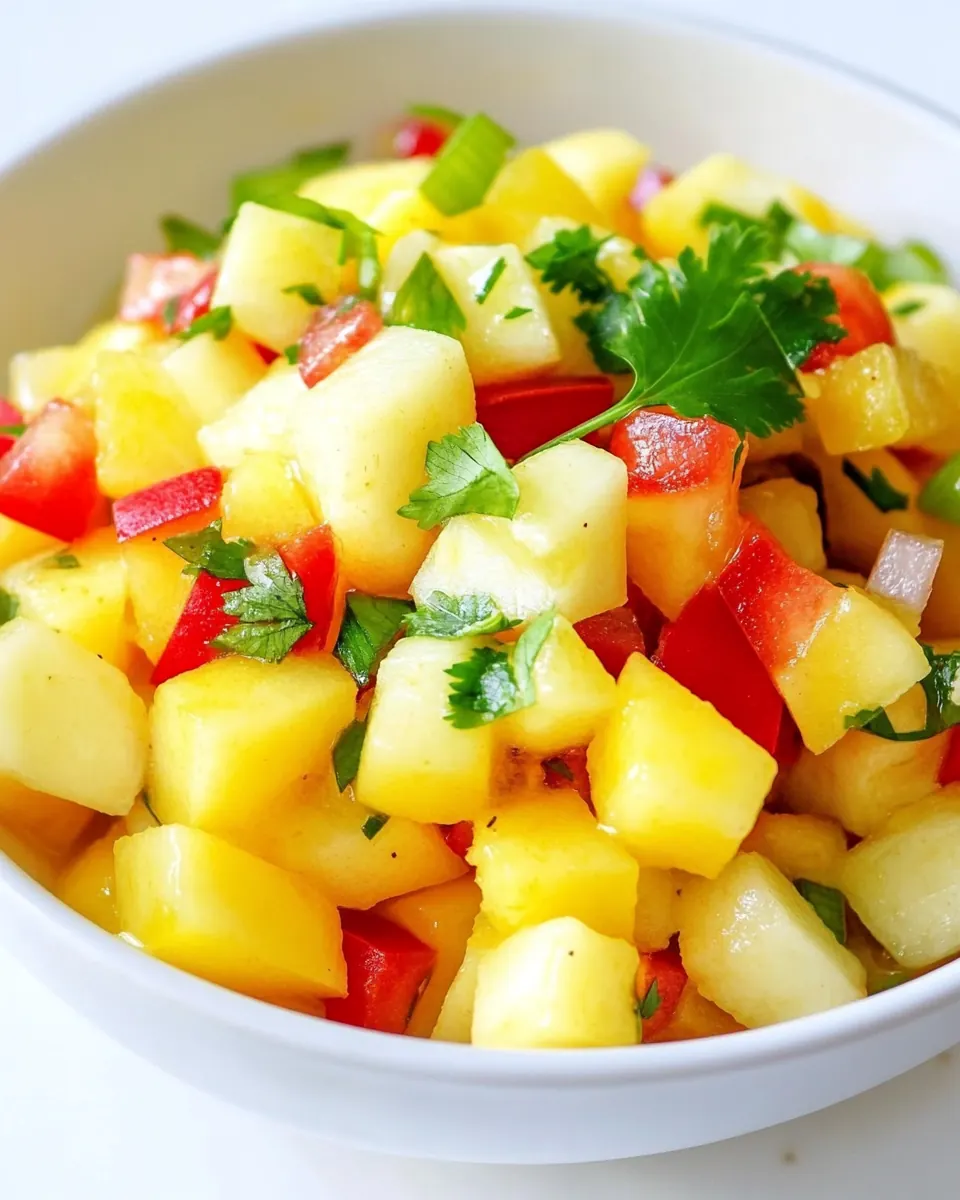
Tropical Fruit Salsa
Tropical Fruit Salsa is my go to summer condiment when I want something bright, crunchy, and quick that feels like a tiny celebration in a bowl.
I first stumbled into this combination on a humid afternoon at a neighborhood potluck, where a friend offered a spoonful that tasted like sunshine and seaside laughter. I remember the playful contrast between the sweet mango and tangy pineapple, and how the little pop of jalapeno made everyone reach for seconds. From then on I started making batches to bring to picnics and to spoon over grilled fish, and I loved watching how people paused, smiled, and asked for the recipe.
Over time I learned to treat the salsa like a living thing, adjusting the dice size and the lime balance depending on mood. Some days I keep the chunks generous so each bite sings with texture, other times I finely chop everything for easy scooping with chips. No matter how I make it, the core idea stays the same: fresh, clean flavors that let each fruit speak. Sharing this recipe feels like handing you a little jar of summer, and I can’t wait to hear how you make it your own.
Recipe Snapshot
15 mins
15 mins
Easy
80 kcal
Mexican
Paleo, Vegan
Appetizers
Large bowl, Knife, Cutting board, Citrus juicer
What Sets This Tropical Fruit Salsa Apart
Bright, fresh flavor without fuss
I love that Tropical Fruit Salsa delivers multi dimensional taste with almost no work. The natural sweetness of the mango and pineapple balances the citrusy bite of lime juice, while the jalapeno gives a gentle heat that lingers just enough to make each mouthful interesting. It’s a rare condiment that feels both indulgent and light, and I often reach for it when I want to lift a simple meal.
Textural contrast that surprises
The combination of soft mango, crisp jicama or Granny Smith apples, and crunchy cucumber creates a satisfying mouthfeel. I find that varying the dice size changes the experience dramatically, and that’s part of the fun. You can serve it chunky for scooping, or finely diced for drizzling, but either way the textures keep people coming back.
Versatility at its best
I rely on Tropical Fruit Salsa as a multiuse component. It makes a fantastic topping for seafood and grilled proteins, a lively spoonable for tortilla chips, and even a bright side for simple rice bowls. Because it is served cold and raw, it adapts easily to different menus and occasions without a second thought.
Healthy and naturally colorful
This salsa is essentially whole fruit and aromatics, so it feels nourishing and fresh. I appreciate that it’s naturally low in fat, and that it brings vitamin rich color to the plate. When I want to impress without guilt, this is my quick win.
Make ahead and travel friendly
I often prepare it a few hours before guests arrive to let the flavors mingle, and it holds up well for a day or two in the refrigerator. That makes it perfect for potlucks and beach days, where I need a reliable, transportable dish that still tastes lively when served.
Tropical Fruit Salsa Shopping List
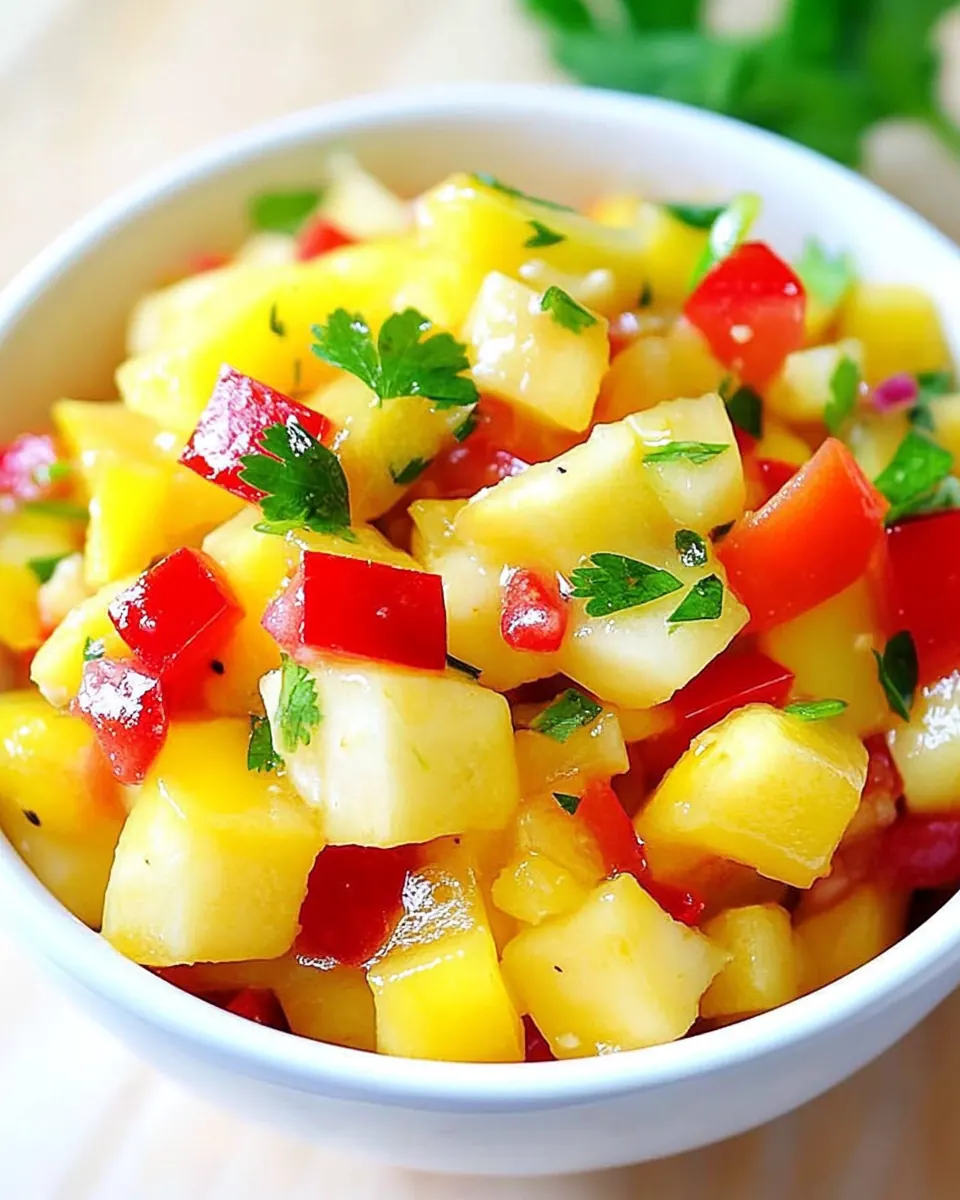
These ingredients are a simple toolkit designed to create balance and brightness. The key players are the sweet stone fruit and tropical base, the crisp textural element, the sharp aromatics, and the citrus binder. Together they create contrast in taste, texture, and temperature, which is the heart of this salsa.
- 1 cup mango firm-ripe, 1 to 2 peeled, pitted, and finely diced: Provide sweet tropical flavor and juicy texture while adding vibrant color; use firm–ripe mango chopped into small, even pieces to balance moisture and sweetness. Enhance mouthfeel and prevent mushiness by dicing uniformly and tasting for ripeness to avoid overpowering the salsa.
- 1 1/2 cups pineapple about 1/2 pineapple – peeled, cored, and finely diced: Contribute bright acidity and tropical tang with tender bite; finely dice peeled, cored pineapple to distribute its citrusy-sweet juice evenly throughout the salsa. Use ripe but not overripe pineapple to add depth and a refreshing contrast to sweeter fruits.
- 1 cup jicama finely diced (about 1 jicama) or Granny Smith apples (about 2 apples): Offer crisp, mildly sweet crunch and a neutral backbone that contrasts softer fruits; finely diced jicama adds a juicy, slightly starchy texture that keeps the salsa light. Substitute Granny Smith apples for a tart, firmer alternative when jicama isn’t available to maintain structural contrast.
- 1 cup cucumber about 1 cucumber, peeled and diced: Provide cool, hydrating crunch and subtle vegetal freshness; peeled and diced cucumber brings a clean, refreshing element that tames richer fruit flavors. Remove excess seeds or moisture if needed to prevent diluting the salsa.
- 2 tablespoons jalapeno about 1/2 jalapeno, seeds removed and finely chopped: Add bright heat and a touch of vegetal pepperiness; finely chopped jalapeno provides controlled spiciness that can be adjusted by removing seeds. Balance the heat with sweet fruits and lime juice to prevent it from dominating the dish.
- 1 garlic clove minced: Introduce pungent aromatic depth and a savory bite when minced finely; a single garlic clove enhances overall flavor complexity without overwhelming. Use fresh garlic for the cleanest flavor and mince very small to avoid harsh raw pieces.
- 3 tablespoons red onion finely chopped or 3 tablespoons sliced scallion greens: Deliver sharpness and a mild onion bite; finely chopped red onion contributes crisp texture and piquant flavor, while sliced scallion greens offer a milder, more herbaceous option. Use sparingly to avoid overpowering the delicate fruit flavors and rinse briefly if desired to soften intensity.
- 4 tablespoons lime juice about 2 limes – freshly squeezed: Provide bright acidity and aromatic freshness to brighten and balance the salsa; freshly squeezed lime juice elevates all the flavors and helps preserve the fruit’s color. Adjust quantity to taste to maintain a lively, tangy finish without excess sourness.
- 1/4 teaspoons ea salt: Enhance overall seasoning and balance by lightly salting to taste; a small amount of salt amplifies sweetness and reduces bitterness, tying the salsa components together. Sprinkle gradually and taste as you go to avoid over-salting.
- 2 tablespoons mint leaves fresh, finely chopped () (optional): Contribute aromatic coolness and a hint of sweetness when finely chopped; fresh mint leaves add an uplifting herbal note that complements tropical fruits. Add mint sparingly and fold gently to preserve its delicate flavor and bright green color.
- 1/4 cup cilantro fresh, finely chopped or parsley: Add bright, grassy herbaceousness and freshness when finely chopped; cilantro brings a citrusy, slightly peppery lift that complements lime and fruit. Use parsley as a milder alternative if cilantro’s flavor is not desired, chopping finely for even distribution.
The Process for Making Tropical Fruit Salsa
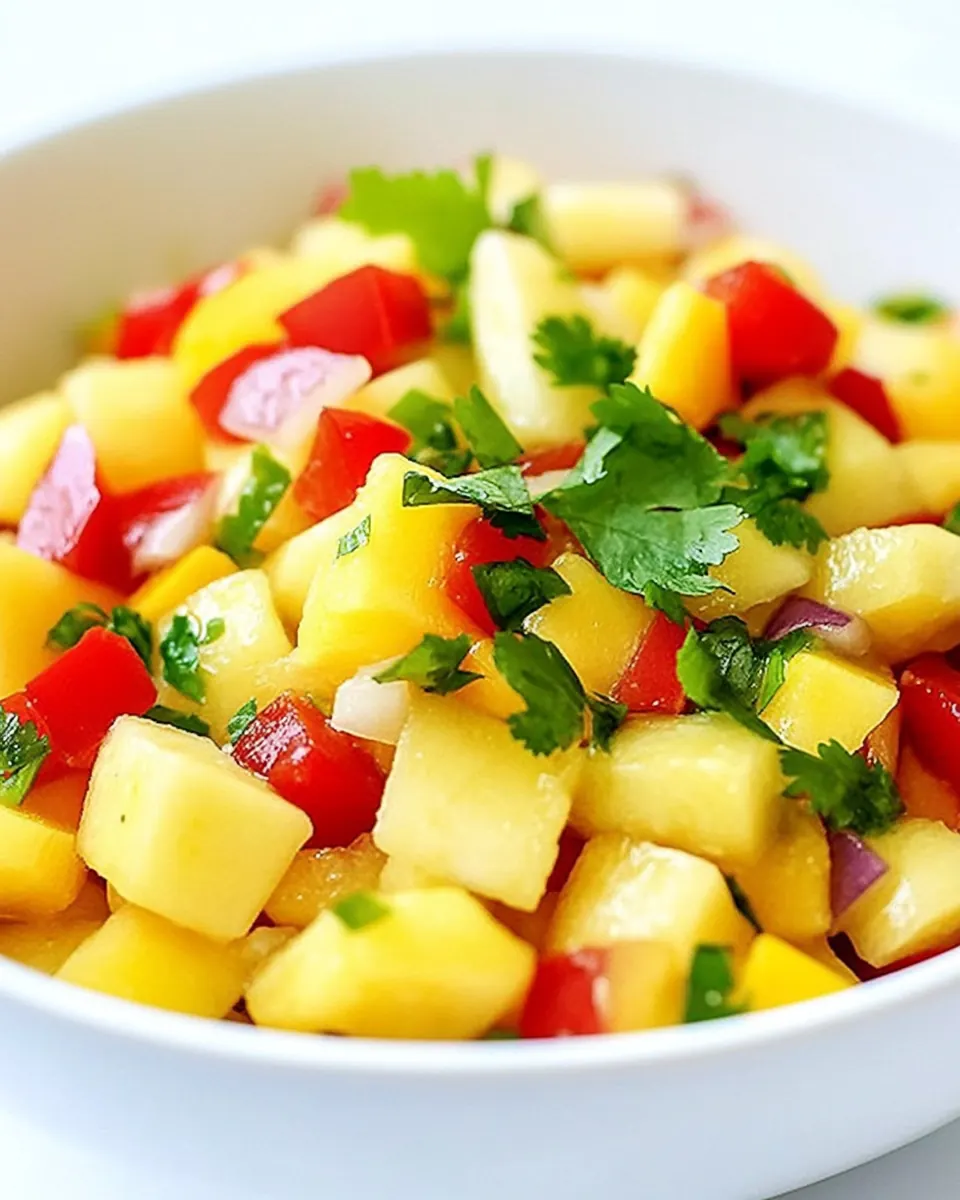
Making this salsa is forgiving and fast, but treating each step with attention elevates the result. I usually assemble everything on my counter, taste as I go, and adjust the balance of sweet, sour, and salt before serving.
- Combine all of the ingredients together in a large bowl, stirring well. Serve immediately. Salsa can also be stored in an airtight container for up to 3 days in the fridge.: The moment you mix everything you will notice a bright aroma from the lime juice lifting the scent of the mango and pineapple , and the chopped jalapeno will begin to perfume the bowl. Stirring distributes juices so each bite has a little acid, sweetness, and heat. Why this matters it creates uniform flavor throughout, preventing pockets that are too sweet or too sharp. Sensory cues include seeing juice glisten at the bottom of the bowl and noticing the colors mingle into a vibrant mosaic. A common mistake is over stirring which can bruise delicate fruit, so fold gently until combined.
- Serve immediately: When you serve right away the textures are at their peak, with crisp cucumber and jicama offering contrast to tender mango . The first spoonful should feel lively and cool on the palate, and the lime should still smell fresh. Serving immediately preserves crisp edges and prevents the mixture from becoming watery as fruit releases juices. If you wait too long the salsa will lose its crunch and the flavors will meld into a flat profile, which reduces the sensory excitement.
- Salsa can also be stored in an airtight container for up to 3 days in the fridge: Stored cold, the salsa keeps its brightness for a short window, though you will notice textures soften after the first day and juices accumulate. In the refrigerator the lime juice helps preserve color and prevents rapid enzymatic browning of the mango or apple if used. The smell will mellow with time, becoming more unified, which can be pleasant for certain dishes. A key thing to watch for is released liquid pooling in the container, which is normal; drain or spoon off excess if you want a less diluted presentation. Avoid leaving it at room temperature for long periods to prevent loss of texture and potential spoilage.
Ways to Customize
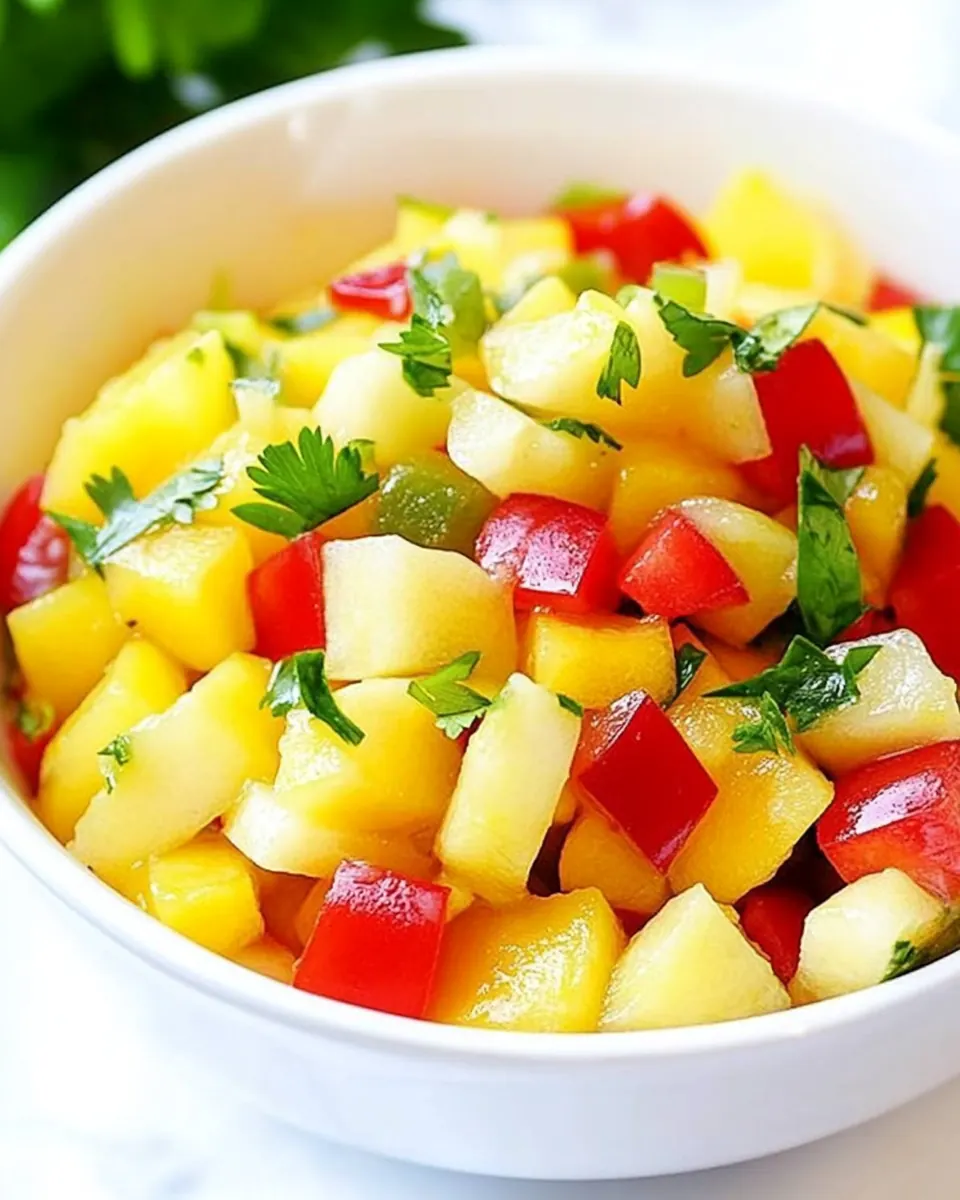
You can easily tailor Tropical Fruit Salsa for different occasions, heat tolerance, or textures. Below are thoughtful variations and small adjustments that shift the profile without changing the essence of the recipe.
- Adjust the heat by using less jalapeno or substituting with milder peppers, removing the membranes and seeds to soften the spice.
- Swap the crunch by using either jicama or Granny Smith apples, depending on whether you want a neutral crispness or a tart bite.
- Herbal shift replace cilantro with parsley if you prefer a more restrained herbal note while preserving freshness.
- Make it chunkier by increasing dice size for a more rustic, scoopable salsa ideal for salads or grilled protein toppings.
- Make it smoother by finely dicing or pulsing lightly in a food processor for a saucier finish that still maintains fresh flavor.
- Control sweetness by selecting less ripe pineapple or mango to reduce sugar if you want a tarter balance.
- Preserve texture by draining excess juice after mixing if you plan to use the salsa on delicate foods where liquid would be problematic.
What to Pair With Tropical Fruit Salsa
Tropical Fruit Salsa pairs beautifully with light proteins and simple sides, because its bright flavors can either complement or cut through richer foods. Whether you are planning a casual lunch or an outdoor dinner, the salsa adds instant freshness.
- Grilled fish such as white fish or mahi mahi, where the salsa acts as a cooling, acidic counterpoint that refreshes each bite.
- Seafood tacos for a festive lunch, spooning the salsa over warm tortillas to add crunch and tropical flavor.
- Rice bowls served with plain steamed rice and a protein, using the salsa as the primary topping to brighten the bowl.
- Chips and appetizers at gatherings, where the salsa is an easy, colorful dip that travels well when chilled.
- Salad topping spooned over a bed of greens to turn a simple salad into a tropical dish suitable for lunch or a light dinner.
- Picnic fare because it refrigerates well for a day and pairs with cold grilled items and sandwiches for al fresco meals.
- Seasonal occasions like summer parties and outdoor events, taking advantage of peak fruit quality to showcase the freshest flavors.
- Storage tips keep in an airtight container for up to three days, and if excess liquid forms, drain before serving to maintain texture on the plate.
- Serving style offer alongside tortilla chips for casual snacking, or spoon over hot proteins just before serving so the contrast of hot and cold heightens the experience.
- Occasion pairing for brunch or light dinners where something bright and cold complements heavier mains and clears the palate.
FAQ
Conclusion
Tropical Fruit Salsa stands out for its lively contrast of sweet tropical fruit, crisp vegetables, and a hint of heat, making it a versatile and effortless dish. Give it a try the next time you want to brighten a meal or bring a colorful contribution to a gathering. I hope this salsa becomes a staple in your rotation, offering quick, fresh flavor whenever you need a sunny lift.
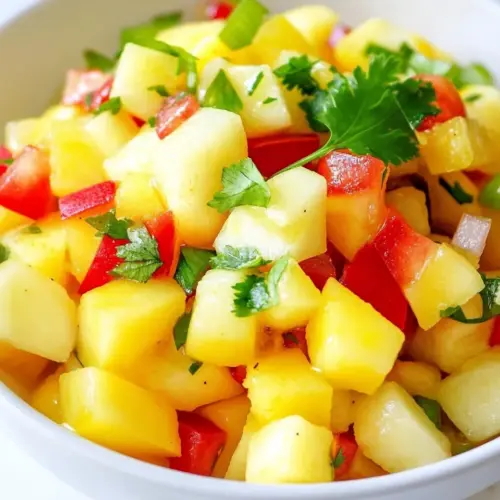
Tropical Fruit Salsa
Equipment
- Large Bowl
- Knife
- Cutting Board
- Citrus Juicer
Ingredients
- 1 cup mango firm-ripe, 1 to 2 peeled, pitted, and finely diced Provide sweet tropical flavor and juicy texture while adding vibrant color; use firm-ripe mango chopped into small, even pieces to balance moisture and sweetness. Enhance mouthfeel and prevent mushiness by dicing uniformly and tasting for ripeness to avoid overpowering the salsa.
- 1 1/2 cups pineapple about 1/2 pineapple - peeled, cored, and finely diced Contribute bright acidity and tropical tang with tender bite; finely dice peeled, cored pineapple to distribute its citrusy-sweet juice evenly throughout the salsa. Use ripe but not overripe pineapple to add depth and a refreshing contrast to sweeter fruits.
- 1 cup jicama finely diced (about 1 jicama) or Granny Smith apples (about 2 apples) Offer crisp, mildly sweet crunch and a neutral backbone that contrasts softer fruits; finely diced jicama adds a juicy, slightly starchy texture that keeps the salsa light. Substitute Granny Smith apples for a tart, firmer alternative when jicama isn’t available to maintain structural contrast.
- 1 cup cucumber about 1 cucumber, peeled and diced Provide cool, hydrating crunch and subtle vegetal freshness; peeled and diced cucumber brings a clean, refreshing element that tames richer fruit flavors. Remove excess seeds or moisture if needed to prevent diluting the salsa.
- 2 tablespoons jalapeno about 1/2 jalapeno, seeds removed and finely chopped Add bright heat and a touch of vegetal pepperiness; finely chopped jalapeno provides controlled spiciness that can be adjusted by removing seeds. Balance the heat with sweet fruits and lime juice to prevent it from dominating the dish.
- 1 garlic clove minced Introduce pungent aromatic depth and a savory bite when minced finely; a single garlic clove enhances overall flavor complexity without overwhelming. Use fresh garlic for the cleanest flavor and mince very small to avoid harsh raw pieces.
- 3 tablespoons red onion finely chopped or 3 tablespoons sliced scallion greens Deliver sharpness and a mild onion bite; finely chopped red onion contributes crisp texture and piquant flavor, while sliced scallion greens offer a milder, more herbaceous option. Use sparingly to avoid overpowering the delicate fruit flavors and rinse briefly if desired to soften intensity.
- 4 tablespoons lime juice about 2 limes - freshly squeezed Provide bright acidity and aromatic freshness to brighten and balance the salsa; freshly squeezed lime juice elevates all the flavors and helps preserve the fruit’s color. Adjust quantity to taste to maintain a lively, tangy finish without excess sourness.
- 1/4 teaspoons ea salt Enhance overall seasoning and balance by lightly salting to taste; a small amount of salt amplifies sweetness and reduces bitterness, tying the salsa components together. Sprinkle gradually and taste as you go to avoid over-salting.
- 2 tablespoons mint leaves fresh, finely chopped (optional) Contribute aromatic coolness and a hint of sweetness when finely chopped; fresh mint leaves add an uplifting herbal note that complements tropical fruits. Add mint sparingly and fold gently to preserve its delicate flavor and bright green color.
- 1/4 cup cilantro fresh, finely chopped or parsley Add bright, grassy herbaceousness and freshness when finely chopped; cilantro brings a citrusy, slightly peppery lift that complements lime and fruit. Use parsley as a milder alternative if cilantro’s flavor is not desired, chopping finely for even distribution.
Instructions
- Combine all of the ingredients together in a large bowl, stirring well. Serve immediately. Salsa can also be stored in an airtight container for up to 3 days in the fridge.: The moment you mix everything you will notice a bright aroma from the lime juice lifting the scent of the mango and pineapple , and the chopped jalapeno will begin to perfume the bowl. Stirring distributes juices so each bite has a little acid, sweetness, and heat. Why this matters it creates uniform flavor throughout, preventing pockets that are too sweet or too sharp. Sensory cues include seeing juice glisten at the bottom of the bowl and noticing the colors mingle into a vibrant mosaic. A common mistake is over stirring which can bruise delicate fruit, so fold gently until combined.
- Serve immediately: When you serve right away the textures are at their peak, with crisp cucumber and jicama offering contrast to tender mango . The first spoonful should feel lively and cool on the palate, and the lime should still smell fresh. Serving immediately preserves crisp edges and prevents the mixture from becoming watery as fruit releases juices. If you wait too long the salsa will lose its crunch and the flavors will meld into a flat profile, which reduces the sensory excitement.
- Salsa can also be stored in an airtight container for up to 3 days in the fridge: Stored cold, the salsa keeps its brightness for a short window, though you will notice textures soften after the first day and juices accumulate. In the refrigerator the lime juice helps preserve color and prevents rapid enzymatic browning of the mango or apple if used. The smell will mellow with time, becoming more unified, which can be pleasant for certain dishes. A key thing to watch for is released liquid pooling in the container, which is normal; drain or spoon off excess if you want a less diluted presentation. Avoid leaving it at room temperature for long periods to prevent loss of texture and potential spoilage.
Notes
- Adjust the heat by using less jalapeno or substituting with milder peppers, removing the membranes and seeds to soften the spice.
- Swap the crunch by using either jicama or Granny Smith apples, depending on whether you want a neutral crispness or a tart bite.
- Herbal shift replace cilantro with parsley if you prefer a more restrained herbal note while preserving freshness.
- Make it chunkier by increasing dice size for a more rustic, scoopable salsa ideal for salads or grilled protein toppings.
- Make it smoother by finely dicing or pulsing lightly in a food processor for a saucier finish that still maintains fresh flavor.
- Control sweetness by selecting less ripe pineapple or mango to reduce sugar if you want a tarter balance.
- Preserve texture by draining excess juice after mixing if you plan to use the salsa on delicate foods where liquid would be problematic.