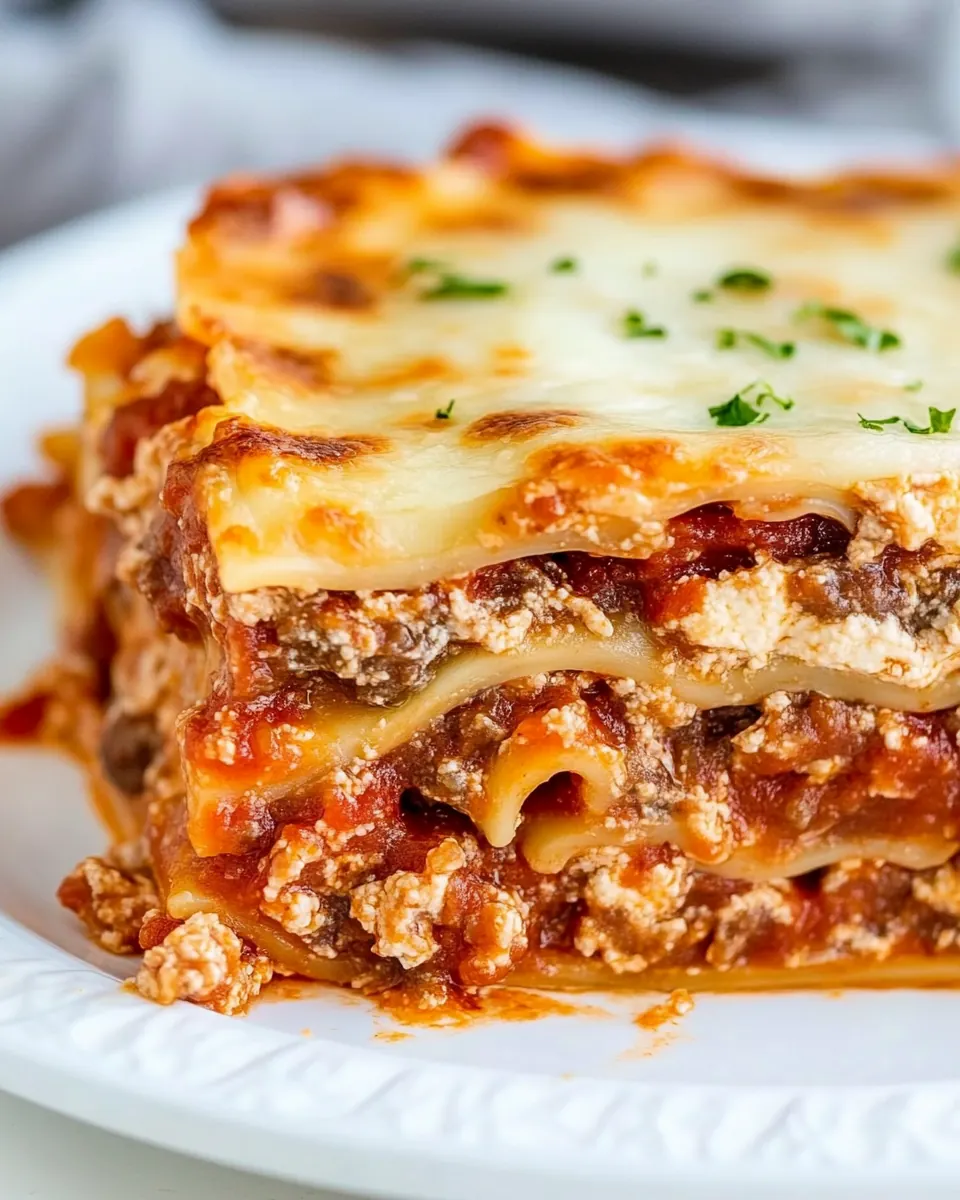
The Best Lasagna Recipe
The Best Lasagna Recipe is the one I reach for when family and friends are coming over and I want something that feels like a warm embrace on a plate. The very first time I made this, I remember the kitchen filling with a savory smell that hinted at comfort and celebration at once. I loved how the layers built flavor slowly, each forkful giving me different textures and memories tied to Sunday dinners from my childhood.
Over the years I have tweaked small things, and this version has become my dependable favorite. I enjoy the ritual of stirring the meat sauce, feeling the steam lift off the pan, and hearing the gentle simmer as the herbs bloom. When I slice into the finished dish, the cheese pulls and the noodles hold together just enough to make every serving satisfying. This recipe never fails to spark conversation, and it has earned a spot in my regular rotation for gatherings when I want food that is generous, unpretentious, and truly satisfying.
Recipe Snapshot
1 hr 35 mins
20 mins
75 mins
Medium
400 kcal
Italian
Gluten-Free, Low FODMAP
Dinner
Large skillet, 9×13 baking dish, Saucepan or large pot, Mixing bowl
What’s Great About This The Best Lasagna Recipe
Layered comfort that feeds a crowd
I love how The Best Lasagna Recipe stacks simple elements into a deeply comforting whole. The interplay between the meaty sauce and the creamy cheese filling means every bite feels deliberate, and I can serve a crowd without standing at the stove the whole evening. When guests arrive, I can relax, because the oven does most of the final work.
Balanced textures and flavors
What keeps me coming back to this dish is the textural contrast. The cooked lasagna noodles give a tender base, the meat sauce offers a hearty bite, and the cheese filling brings a silky, tangy counterpoint. Each herb and the hint of tomato paste pull the flavors together, and you end up with a dish that is rich without being one note.
Make ahead and stress free
I appreciate a recipe that allows me to plan. This lasagna can be assembled ahead and baked later, which saves so much evening time. I often prepare it the day before, refrigerate, and then let it warm slowly in the oven when guests arrive. That approach gives me time to focus on ambiance and conversation, rather than last minute cooking.
Kid friendly and crowd pleasing
Whether I am serving picky eaters or enthusiastic food lovers, The Best Lasagna Recipe wins smiles. The familiar combination of mozzarella cheese and savory meat sauce appeals across ages. I like that I can customize the seasoning level to suit family preferences, making it reliably popular.
Reliable technique that produces consistent results
Finally, this lasagna is forgiving. If you slightly overcook the noodles or simmer the sauce a bit longer, the finished dish still comes out well. I teach friends a couple of key cues, and they get great results. That reliability makes it one of my go to recipes for important meals.
What to Buy for The Best Lasagna Recipe
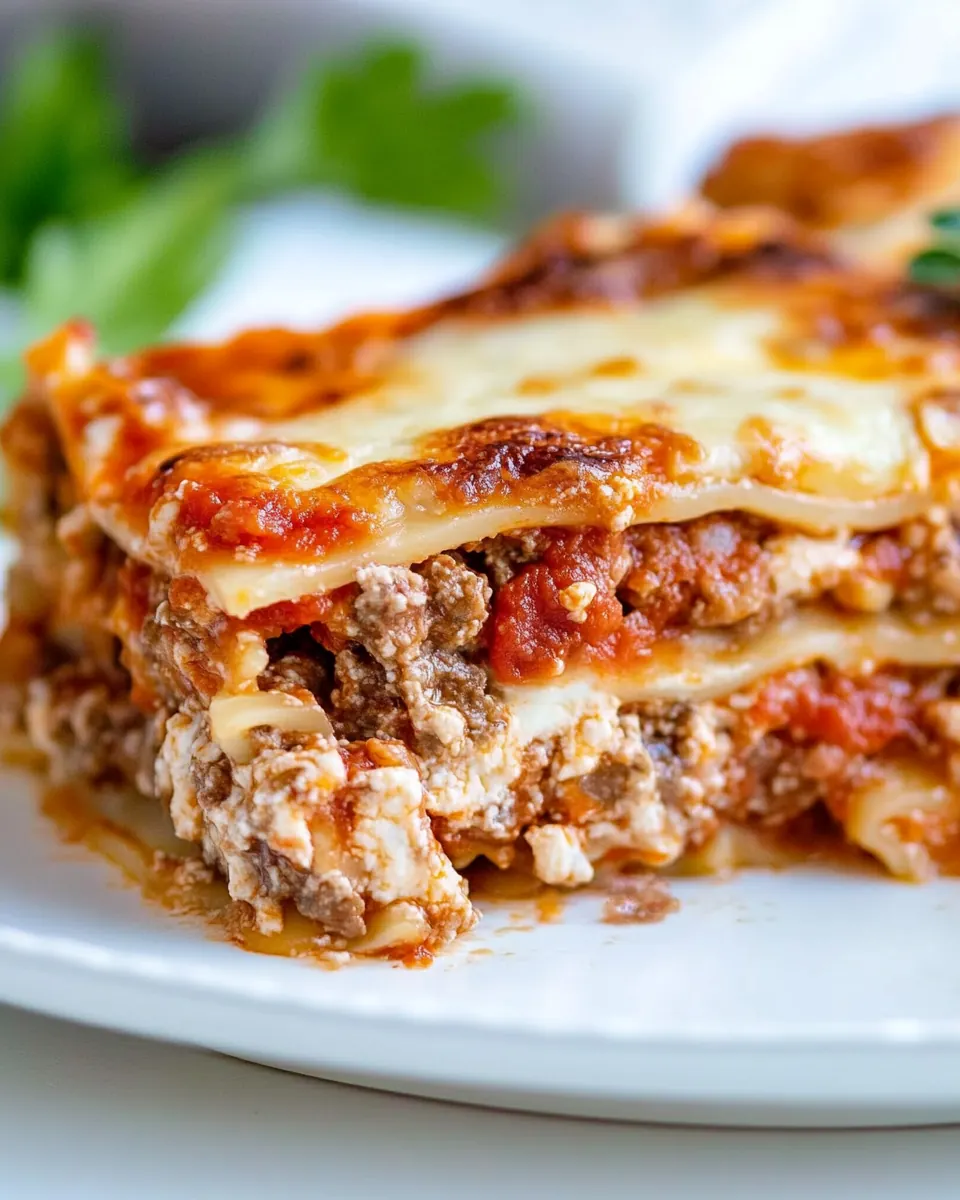
I believe great lasagna starts with honest, balanced ingredients. The key players are the pasta that holds the layers, the meat forward sauce that brings savory depth, and the creamy cheese mixture that ties everything together. Each component has a role, and together they create a dish that is greater than the sum of its parts.
- 1 pound lasagna noodles, cooked according to package directions: Boiled and layered to provide structure and absorb sauce, cooked noodles form the foundational sheets that separate the cheese and meat layers. Ensure noodles are cooked al dente so they hold up during baking without becoming mushy. Rinse briefly if needed to prevent sticking and arrange in even layers for consistent texture.
- 1/2 pound ground beef: Browned and crumbled to contribute savory depth and meaty texture to the filling, ground beef adds richness and protein to the lasagna. Drain excess fat to avoid a greasy casserole while keeping enough juices for flavor. Season while cooking to build the base flavor profile alongside the sausage and herbs.
- 1/2 pound Italian sausage: Cooked until browned and combined with beef to deliver bold, seasoned flavor and juiciness, Italian sausage offers a spiced complement to the milder ground beef. Remove casings if necessary and render some fat to meld with the sauce. Balance sausage proportionately to maintain a harmonious meat layer without overpowering the dish.
- 1 1/2 teaspoons Stone House Seasoning: Sprinkled into the meat sauce to infuse a balanced savory-herb seasoning, Stone House Seasoning adds complexity and an herby backbone. Use measured amounts to avoid over-salting while enhancing umami and aromatic notes. Integrate early in cooking to allow flavors to bloom and meld with tomato components.
- 2 teaspoons dried basil: Tossed into the sauce to lend a sweet, slightly peppery herbal lift, dried basil brightens the tomato base with classic Italian flavor. Rehydrate during simmering so it releases aroma and blends smoothly. Pair with oregano for a traditional herb profile.
- 2 teaspoons dried oregano: Added to the tomato sauce for robust, earthy Mediterranean flavor, dried oregano provides a warm, slightly bitter counterpoint to sweeter herbs. Allow time in the simmering sauce to soften and distribute its oil-soluble flavors. Combine with basil for a balanced Italian seasoning effect.
- 36 ounces pasta sauce, store-bought or homemade: Poured over the layered noodles and meats to provide acidity, sweetness, and cohesive moisture, pasta sauce is the central saucy element that binds the lasagna. Choose a sauce you enjoy or simmer homemade sauce for deeper flavor and reduced wateriness. Adjust seasoning and thickness before assembling to prevent a soggy bake.
- 2 tablespoons tomato paste: Stirred into the sauce to intensify tomato richness and thicken the filling, tomato paste concentrates umami and color. Cook briefly with the sauce to remove rawness and integrate its dense flavor. Use sparingly to avoid overpowering acidity while improving body.
- 1 large egg, lightly beaten: Beaten and folded into the cheese mixture to help bind and stabilize the ricotta-style filling, the egg provides structure and a creamier set when baked. Mix evenly to prevent streaks and ensure consistent texture throughout the layers. Use a lightly beaten egg to distribute moisture and protein without curdling.
- 8 ounces cream cheese, softened: Softened and whipped into the filling to add creamy tang and smooth body, cream cheese contributes richness and a velvety mouthfeel. Soften fully to avoid lumps and blend with yogurt and egg for a homogeneous layer. Adjust amount to achieve desired creaminess in the cheese mixture.
- 1 cup plain Greek yogurt: Stirred into the creamy layer to add thick texture and mild tang, plain Greek yogurt lightens the filling while contributing protein and acidity. Use full-fat or preferred consistency to match desired richness and moisture balance. Combine thoroughly with cream cheese and egg for a balanced, spreadable mixture.
- 1/2 cup Parmesan cheese, shredded and divided: Grated and mixed into the cheese blend to add nutty, salty complexity, Parmesan enhances savory depth and melts into the filling. Reserve half for layering or topping to create a golden, flavorful crust. Use freshly grated for best texture and pronounced flavor.
- 4 cups mozzarella cheese, shredded and divided: Shredded and layered generously to create the gooey, melty topping and interior strings that define lasagna, mozzarella provides milky stretch and a mild flavor. Divide between layers and the top to ensure even melting and an attractive browned surface. Use whole-milk mozzarella for superior melt and texture.
- 1 bunch fresh parsley, chopped () (optional): Chopped and sprinkled as an optional bright garnish to add fresh herbaceous contrast and color, parsley livens the rich, baked flavors. Add just before serving to preserve freshness and aromatic lift. Use flat-leaf parsley for best texture and flavor.
Cooking Method for The Best Lasagna Recipe
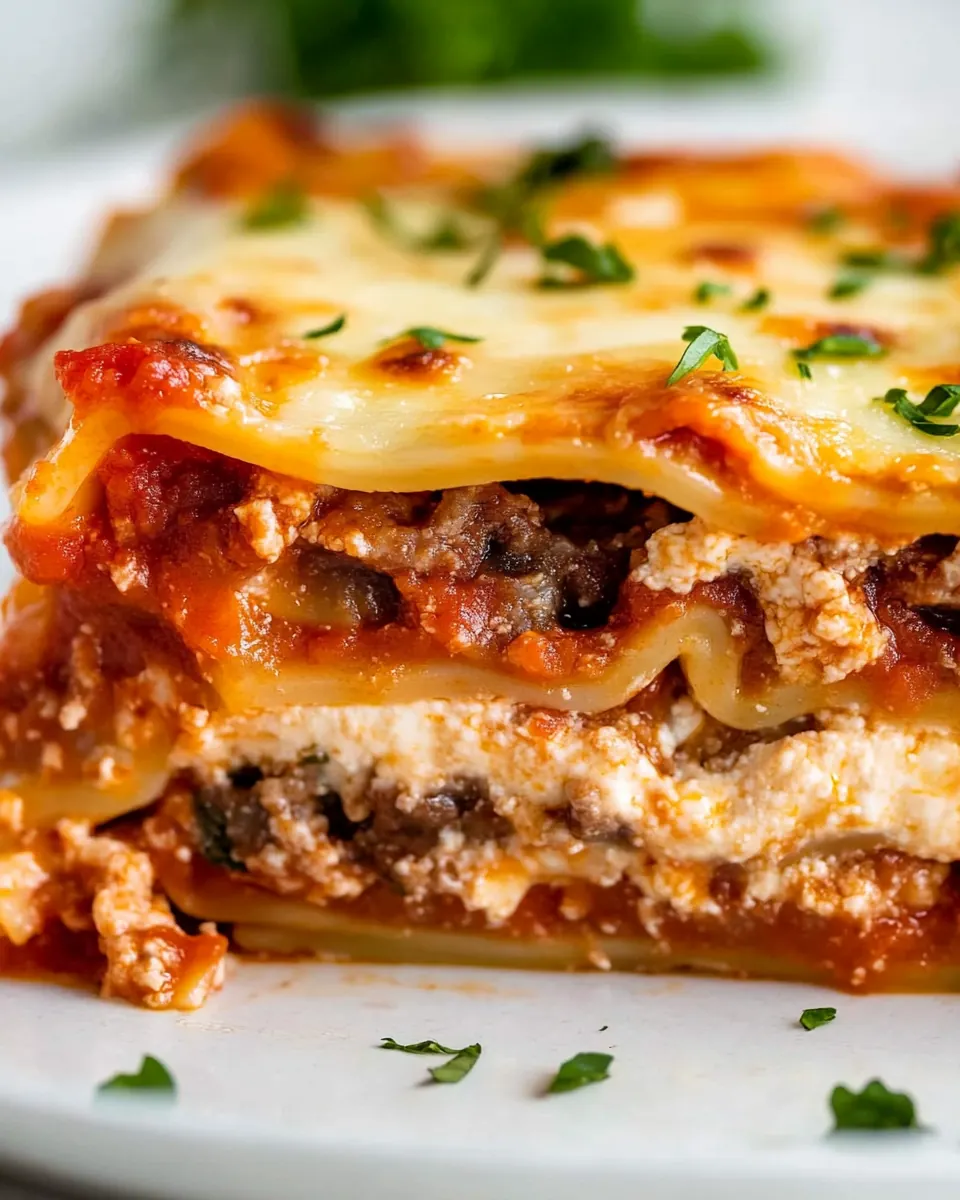
This lasagna comes together through approachable, familiar techniques. I like to move deliberately through browning, simmering, mixing, layering, and baking. The following steps expand on each stage so you can feel confident about how the dish should look, smell, and behave as you work.
- Prep. Preheat oven to 350º F. Spray a 9×13 baking dish with nonstick cooking spray and set aside. Cook and drain the lasagna noodles. Set aside.: The kitchen will smell clean and faintly of oil as you preheat the oven to 350º F and spray the baking dish. You may hear a faint hiss from the spray and feel the oven warming as it approaches temperature. Getting the oven fully hot ensures even baking throughout. A common mistake here is starting with a cooler oven, which can lengthen baking time and affect texture, so always confirm the temperature before the lasagna goes in.
- Make the Meat Sauce. Cook ground beef and Italian sausage in a large skillet over medium heat. Drain the meat well. Stir in the Stone House Seasoning, basil, oregano, pasta sauce and tomato paste. Simmer until sauce has thickened, about 5 to 10 minutes.: As you boil the water and add the lasagna noodles , you will see the water return to a gentle boil and the pasta begin to soften and loosen. The noodles should be cooked until tender yet slightly firm to the bite. Drain them and lay them flat so they do not stick together. If you overcook the noodles they become fragile and can tear when layering, so watch the pot closely and test a noodle early.
- Make the Cheese Mixture. Lightly beat the egg in a large mixing bowl. Add the cream cheese, Greek yogurt, 2 cups Mozzarella cheese, 1/4 cup Parmesan cheese, and parsley (optional). Stir to combine well.: When you brown the ground beef and Italian sausage in a large skillet, listen for a steady sizzle and breathe in an aroma that shifts from raw to richly caramelized as the meat browns. After draining fat, add the Stone House Seasoning , basil , oregano , pasta sauce , and tomato paste , then let the mixture simmer until thickened. Simmering concentrates flavors and melds the herbs, and you want the sauce to cling to a spoon rather than run off it. A frequent slip is boiling too vigorously, which can dry the sauce out, so keep it at a gentle simmer.
- Layer the Lasagna. Ladle 1 cup Meat Sauce into the prepared 9×13 baking dish. Top with a layer of the lasagna noodles. Spread 1/3 of the Cheese Mixture over the noodles and top with 1 cup of Meat Sauce. Repeat twice. Top with another layer of lasagna noodles and the remaining Meat Sauce.: In a bowl, beat the large egg lightly, then blend in softened cream cheese , plain Greek yogurt , two cups of mozzarella cheese , a quarter cup of Parmesan cheese , and the chopped parsley if using. You should feel the mixture become smooth and slightly glossy as the cheeses incorporate. The egg helps the mixture set while baking, and the yogurt keeps it tangy and light. If the cream cheese is not soft enough you will encounter lumps, so allow it to reach room temperature first.
- Bake the Lasagna. Cover lightly with aluminum foil and bake for 40 minutes.: As you spread the first cup of sauce across the bottom, it should look rich and glossy, creating a protective layer that prevents sticking. This base ensures the first noodle layer does not stick to the pan and contributes moisture to the assembly. Skipping this initial sauce layer can lead to sticking and uneven moisture distribution, so do not omit it.
- Top with Cheese and Serve. Remove foil and top with remaining 2 cups Mozzarella cheese, 1/4 cup Parmesan cheese. Bake uncovered until browned, about 15 minutes. Rest for 10 minutes before cutting and serving.: Lay the cooked lasagna noodles across the sauce so they slightly overlap, forming a continuous covering. They should look pale and supple, not cracked or dry. Proper placement prevents gaps that can make the final slices fall apart. If you crowd the noodles too tightly they may clump during baking, so give them a gentle, even spread.
- Spread 1/3 of the Cheese Mixture over the noodles: Use a spatula to distribute a third of the creamy filling evenly. The surface should appear smooth and slightly domed, with the filling reaching the edges. Even distribution guarantees every portion gets a balanced cheese layer. Rushing this step can leave uneven pockets and lead to dry areas, so take a moment to smooth it carefully.
- Top with 1 cup of Meat Sauce: Spoon one cup of the warmed meat sauce on top of the cheese layer so it forms a glossy red blanket. The sauce provides moisture and savory heft; aim for a thin, even spread so the layers remain distinct. Using too much sauce in one layer can cause the lasagna to become watery while baking, so measure portions as instructed.
- Repeat twice: Repeat the noodle, cheese mixture, and sauce layering two more times to build structure and depth. As you stack, you will see the lasagna grow taller and the layers alternate in color and texture. This repeating rhythm creates the classic lasagna cross section you want. Be mindful of even layering, a common misstep is creating lopsided stacks which can lead to uneven baking.
- Top with another layer of lasagna noodles and the remaining Meat Sauce: Finish the layering with one more noodle layer and spread the remaining sauce across the top so it appears thick and glossy. This final sauce layer helps insulate the top noodles and adds flavor to the finished surface. Avoid leaving dry noodle sections, which can produce chewy spots.
- Bake the Lasagna covered: Cover the dish lightly with aluminum foil and bake at 350º F for about 40 minutes . During this time the kitchen will fill with the aroma of simmered tomatoes and toasted cheeses, and you may notice gentle bubbling along the edges under the foil. Baking covered allows the internal layers to steam and heat through without overbrowning the top. A frequent mistake is removing the foil too early, which can dry out the interior.
- Remove foil and top with remaining 2 cups Mozzarella cheese and 1/4 cup Parmesan cheese: After the initial bake, take off the foil and scatter the remaining mozzarella cheese and the last quarter cup of Parmesan cheese across the surface. The cheeses will begin to melt and then brown, creating a bubbly, golden crust. Watch closely as the top can shift from nicely browned to overly dark quickly, so aim for a warm golden finish.
- Bake uncovered until browned, about 15 minutes: Return the lasagna to the oven uncovered and let it develop a browned, bubbling top for approximately 15 minutes . You will hear a light bubbling and see the cheese pull into small blisters. This final bake creates texture contrast and a visually appealing finish. Leaving it in too long risks drying the edges, so check at about ten minutes and adjust as needed.
- Rest for 10 minutes before cutting and serving: Once out of the oven, allow the lasagna to rest for 10 minutes . During this time the steam settles and the layers firm up, making it easier to slice. The aroma will continue to bloom, and the interior temperature will even out. Cutting immediately can cause the layers to collapse and serve sloppy pieces, so patience here improves presentation and portioning.
Recipe Notes about The Best Lasagna Recipe
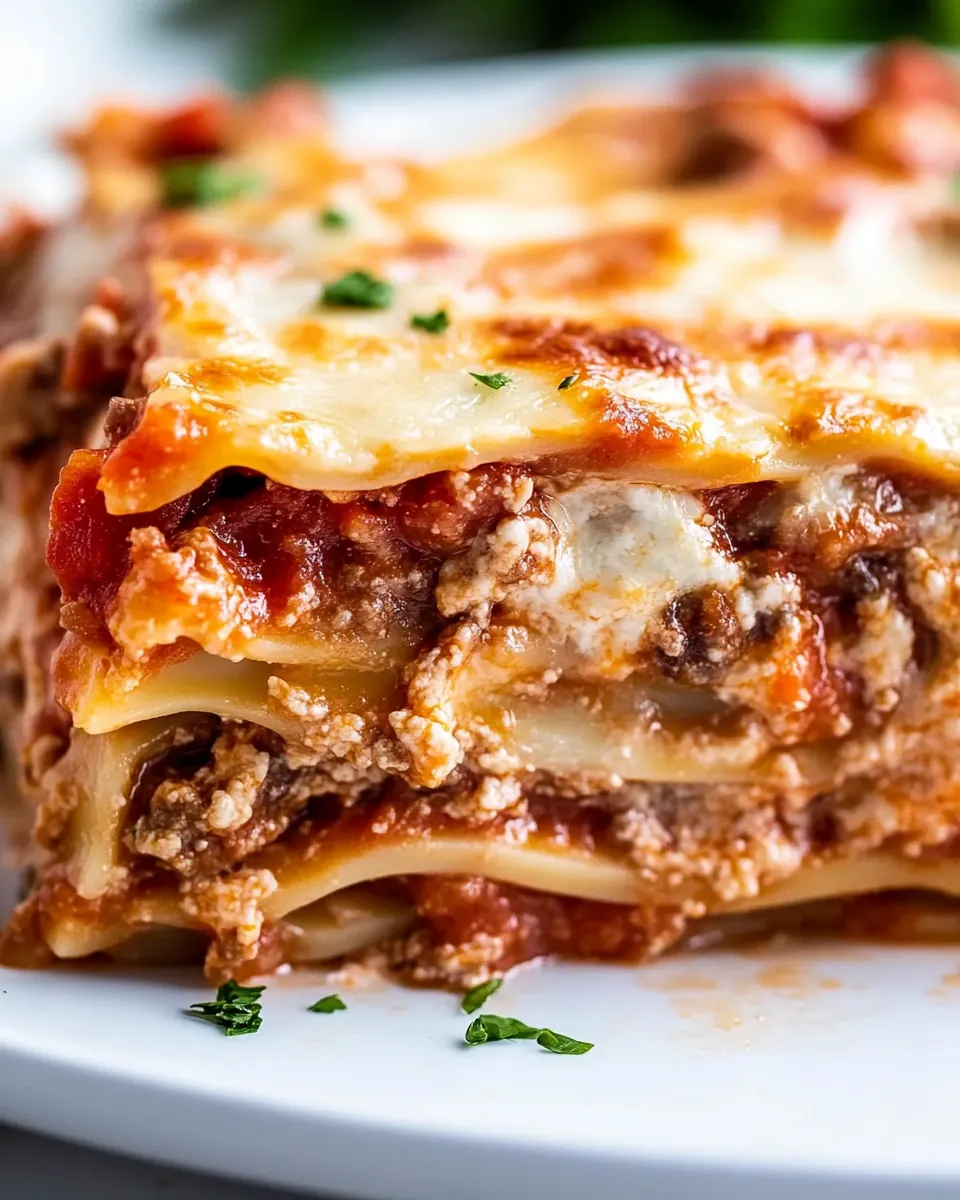
I always keep a few simple notes in mind before I start assembling lasagna. These pointers save time and help the layers come together beautifully. Below are helpful tips expanded into practical reminders so your result is consistent and satisfying.
- Make ahead: You can assemble the lasagna a day ahead and refrigerate covered, then add approximately 15 minutes to the baking time when baking from chilled. This helps flavors meld and frees up time on the day of serving.
- Freezing: For best results freeze the lasagna unbaked and without the final cheese topping. Thaw overnight in the refrigerator before baking; additional baking time may be needed when baking from cold.
- Meat substitution: If you prefer, you can use all ground beef in place of the beef and sausage combo, or substitute ground turkey or ground chicken for a lighter profile, keeping cook times similar.
- Meatless option: Omit the meat and use sliced mushrooms to create a hearty meatless version. Sauté mushrooms first to concentrate their flavor and prevent excess moisture in the lasagna.
- Cheese filling swaps: If you like, substitute a 15 ounce package of ricotta or cottage cheese instead of the cream cheese and yogurt mixture; the texture will be slightly different but still delicious.
What to Pair With The Best Lasagna Recipe
This lasagna is versatile and pairs well with crisp salads, roasted vegetables, and simple sides for a complete meal. For gatherings I like offering a light starter and a flavorful side to balance the richness of the dish. The list below includes serving suggestions and storage notes to help you plan for occasions big and small.
- Simple green salad: A crisp green salad dressed lightly with lemon and olive oil provides a refreshing contrast to the rich layers of the lasagna, perfect for dinner or a weekend meal.
- Garlic bread or crusty bread: Warm bread is great for soaking up extra sauce and makes the meal feel generously comforting, ideal for family dinners and casual entertaining.
- Roasted vegetables: Roasted seasonal vegetables such as carrots or zucchini add color and a roasted sweetness that balances the savory lasagna, suitable for both weeknight and special occasion menus.
- Occasions: This recipe fits well for family dinners, potlucks, holidays that favor hearty mains, or any meal when you want a reassuring, crowd pleasing centerpiece.
- Storage: Refrigerate leftovers in an airtight container for up to three days. Reheat in the oven for best texture, adding a few minutes if taken from cold. Freezing assembled, unbaked portions is also an excellent prep ahead strategy.
- Seasonal pairings: In cooler months serve with roasted root vegetables and a robust salad; in milder weather a bright salad and lighter sides work well to balance the richness.
FAQ
Conclusion
This version of The Best Lasagna Recipe stands out for its balanced layers, creamy cheese filling, and reliably rich meat sauce. Give it a try the next time you want a crowd pleasing meal that warms the table and the mood. I hope you enjoy the process of layering flavors and the pleasure of sharing generous slices with people you care about.
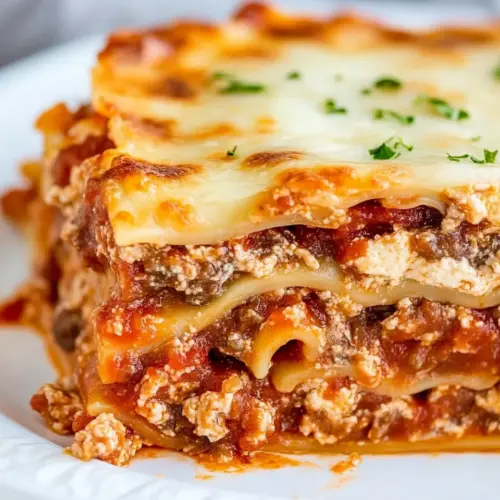
The Best Lasagna Recipe
Equipment
- Large Skillet
- 9×13 baking dish
- Saucepan or large pot
- Mixing Bowl
Ingredients
- 1 pound lasagna noodles, cooked according to package directions Boiled and layered to provide structure and absorb sauce, cooked noodles form the foundational sheets that separate the cheese and meat layers. Ensure noodles are cooked al dente so they hold up during baking without becoming mushy. Rinse briefly if needed to prevent sticking and arrange in even layers for consistent texture.
- 1/2 pound ground beef Browned and crumbled to contribute savory depth and meaty texture to the filling, ground beef adds richness and protein to the lasagna. Drain excess fat to avoid a greasy casserole while keeping enough juices for flavor. Season while cooking to build the base flavor profile alongside the sausage and herbs.
- 1/2 pound Italian sausage Cooked until browned and combined with beef to deliver bold, seasoned flavor and juiciness, Italian sausage offers a spiced complement to the milder ground beef. Remove casings if necessary and render some fat to meld with the sauce. Balance sausage proportionately to maintain a harmonious meat layer without overpowering the dish.
- 1 1/2 teaspoons Stone House Seasoning Sprinkled into the meat sauce to infuse a balanced savory-herb seasoning, Stone House Seasoning adds complexity and an herby backbone. Use measured amounts to avoid over-salting while enhancing umami and aromatic notes. Integrate early in cooking to allow flavors to bloom and meld with tomato components.
- 2 teaspoons dried basil Tossed into the sauce to lend a sweet, slightly peppery herbal lift, dried basil brightens the tomato base with classic Italian flavor. Rehydrate during simmering so it releases aroma and blends smoothly. Pair with oregano for a traditional herb profile.
- 2 teaspoons dried oregano Added to the tomato sauce for robust, earthy Mediterranean flavor, dried oregano provides a warm, slightly bitter counterpoint to sweeter herbs. Allow time in the simmering sauce to soften and distribute its oil-soluble flavors. Combine with basil for a balanced Italian seasoning effect.
- 36 ounces pasta sauce, store-bought or homemade Poured over the layered noodles and meats to provide acidity, sweetness, and cohesive moisture, pasta sauce is the central saucy element that binds the lasagna. Choose a sauce you enjoy or simmer homemade sauce for deeper flavor and reduced wateriness. Adjust seasoning and thickness before assembling to prevent a soggy bake.
- 2 tablespoons tomato paste Stirred into the sauce to intensify tomato richness and thicken the filling, tomato paste concentrates umami and color. Cook briefly with the sauce to remove rawness and integrate its dense flavor. Use sparingly to avoid overpowering acidity while improving body.
- 1 large egg, lightly beaten Beaten and folded into the cheese mixture to help bind and stabilize the ricotta-style filling, the egg provides structure and a creamier set when baked. Mix evenly to prevent streaks and ensure consistent texture throughout the layers. Use a lightly beaten egg to distribute moisture and protein without curdling.
- 8 ounces cream cheese, softened Softened and whipped into the filling to add creamy tang and smooth body, cream cheese contributes richness and a velvety mouthfeel. Soften fully to avoid lumps and blend with yogurt and egg for a homogeneous layer. Adjust amount to achieve desired creaminess in the cheese mixture.
- 1 cup plain Greek yogurt Stirred into the creamy layer to add thick texture and mild tang, plain Greek yogurt lightens the filling while contributing protein and acidity. Use full-fat or preferred consistency to match desired richness and moisture balance. Combine thoroughly with cream cheese and egg for a balanced, spreadable mixture.
- 1/2 cup Parmesan cheese, shredded and divided Grated and mixed into the cheese blend to add nutty, salty complexity, Parmesan enhances savory depth and melts into the filling. Reserve half for layering or topping to create a golden, flavorful crust. Use freshly grated for best texture and pronounced flavor.
- 4 cups mozzarella cheese, shredded and divided Shredded and layered generously to create the gooey, melty topping and interior strings that define lasagna, mozzarella provides milky stretch and a mild flavor. Divide between layers and the top to ensure even melting and an attractive browned surface. Use whole-milk mozzarella for superior melt and texture.
- 1 bunch fresh parsley, chopped (optional) Chopped and sprinkled as an optional bright garnish to add fresh herbaceous contrast and color, parsley livens the rich, baked flavors. Add just before serving to preserve freshness and aromatic lift. Use flat-leaf parsley for best texture and flavor.
Instructions
- Prep. Preheat oven to 350º F. Spray a 9×13 baking dish with nonstick cooking spray and set aside. Cook and drain the lasagna noodles. Set aside.: The kitchen will smell clean and faintly of oil as you preheat the oven to 350º F and spray the baking dish. You may hear a faint hiss from the spray and feel the oven warming as it approaches temperature. Getting the oven fully hot ensures even baking throughout. A common mistake here is starting with a cooler oven, which can lengthen baking time and affect texture, so always confirm the temperature before the lasagna goes in.
- Make the Meat Sauce. Cook ground beef and Italian sausage in a large skillet over medium heat. Drain the meat well. Stir in the Stone House Seasoning, basil, oregano, pasta sauce and tomato paste. Simmer until sauce has thickened, about 5 to 10 minutes.: As you boil the water and add the lasagna noodles , you will see the water return to a gentle boil and the pasta begin to soften and loosen. The noodles should be cooked until tender yet slightly firm to the bite. Drain them and lay them flat so they do not stick together. If you overcook the noodles they become fragile and can tear when layering, so watch the pot closely and test a noodle early.
- Make the Cheese Mixture. Lightly beat the egg in a large mixing bowl. Add the cream cheese, Greek yogurt, 2 cups Mozzarella cheese, 1/4 cup Parmesan cheese, and parsley (optional). Stir to combine well.: When you brown the ground beef and Italian sausage in a large skillet, listen for a steady sizzle and breathe in an aroma that shifts from raw to richly caramelized as the meat browns. After draining fat, add the Stone House Seasoning , basil , oregano , pasta sauce , and tomato paste , then let the mixture simmer until thickened. Simmering concentrates flavors and melds the herbs, and you want the sauce to cling to a spoon rather than run off it. A frequent slip is boiling too vigorously, which can dry the sauce out, so keep it at a gentle simmer.
- Layer the Lasagna. Ladle 1 cup Meat Sauce into the prepared 9×13 baking dish. Top with a layer of the lasagna noodles. Spread 1/3 of the Cheese Mixture over the noodles and top with 1 cup of Meat Sauce. Repeat twice. Top with another layer of lasagna noodles and the remaining Meat Sauce.: In a bowl, beat the large egg lightly, then blend in softened cream cheese , plain Greek yogurt , two cups of mozzarella cheese , a quarter cup of Parmesan cheese , and the chopped parsley if using. You should feel the mixture become smooth and slightly glossy as the cheeses incorporate. The egg helps the mixture set while baking, and the yogurt keeps it tangy and light. If the cream cheese is not soft enough you will encounter lumps, so allow it to reach room temperature first.
- Bake the Lasagna. Cover lightly with aluminum foil and bake for 40 minutes.: As you spread the first cup of sauce across the bottom, it should look rich and glossy, creating a protective layer that prevents sticking. This base ensures the first noodle layer does not stick to the pan and contributes moisture to the assembly. Skipping this initial sauce layer can lead to sticking and uneven moisture distribution, so do not omit it.
- Top with Cheese and Serve. Remove foil and top with remaining 2 cups Mozzarella cheese, 1/4 cup Parmesan cheese. Bake uncovered until browned, about 15 minutes. Rest for 10 minutes before cutting and serving.: Lay the cooked lasagna noodles across the sauce so they slightly overlap, forming a continuous covering. They should look pale and supple, not cracked or dry. Proper placement prevents gaps that can make the final slices fall apart. If you crowd the noodles too tightly they may clump during baking, so give them a gentle, even spread.
- Spread 1/3 of the Cheese Mixture over the noodles: Use a spatula to distribute a third of the creamy filling evenly. The surface should appear smooth and slightly domed, with the filling reaching the edges. Even distribution guarantees every portion gets a balanced cheese layer. Rushing this step can leave uneven pockets and lead to dry areas, so take a moment to smooth it carefully.
- Top with 1 cup of Meat Sauce: Spoon one cup of the warmed meat sauce on top of the cheese layer so it forms a glossy red blanket. The sauce provides moisture and savory heft; aim for a thin, even spread so the layers remain distinct. Using too much sauce in one layer can cause the lasagna to become watery while baking, so measure portions as instructed.
- Repeat twice: Repeat the noodle, cheese mixture, and sauce layering two more times to build structure and depth. As you stack, you will see the lasagna grow taller and the layers alternate in color and texture. This repeating rhythm creates the classic lasagna cross section you want. Be mindful of even layering, a common misstep is creating lopsided stacks which can lead to uneven baking.
- Top with another layer of lasagna noodles and the remaining Meat Sauce: Finish the layering with one more noodle layer and spread the remaining sauce across the top so it appears thick and glossy. This final sauce layer helps insulate the top noodles and adds flavor to the finished surface. Avoid leaving dry noodle sections, which can produce chewy spots.
- Bake the Lasagna covered: Cover the dish lightly with aluminum foil and bake at 350º F for about 40 minutes . During this time the kitchen will fill with the aroma of simmered tomatoes and toasted cheeses, and you may notice gentle bubbling along the edges under the foil. Baking covered allows the internal layers to steam and heat through without overbrowning the top. A frequent mistake is removing the foil too early, which can dry out the interior.
- Remove foil and top with remaining 2 cups Mozzarella cheese and 1/4 cup Parmesan cheese: After the initial bake, take off the foil and scatter the remaining mozzarella cheese and the last quarter cup of Parmesan cheese across the surface. The cheeses will begin to melt and then brown, creating a bubbly, golden crust. Watch closely as the top can shift from nicely browned to overly dark quickly, so aim for a warm golden finish.
- Bake uncovered until browned, about 15 minutes: Return the lasagna to the oven uncovered and let it develop a browned, bubbling top for approximately 15 minutes . You will hear a light bubbling and see the cheese pull into small blisters. This final bake creates texture contrast and a visually appealing finish. Leaving it in too long risks drying the edges, so check at about ten minutes and adjust as needed.
- Rest for 10 minutes before cutting and serving: Once out of the oven, allow the lasagna to rest for 10 minutes . During this time the steam settles and the layers firm up, making it easier to slice. The aroma will continue to bloom, and the interior temperature will even out. Cutting immediately can cause the layers to collapse and serve sloppy pieces, so patience here improves presentation and portioning.
Notes
- Make ahead: You can assemble the lasagna a day ahead and refrigerate covered, then add approximately 15 minutes to the baking time when baking from chilled. This helps flavors meld and frees up time on the day of serving.
- Freezing: For best results freeze the lasagna unbaked and without the final cheese topping. Thaw overnight in the refrigerator before baking; additional baking time may be needed when baking from cold.
- Meat substitution: If you prefer, you can use all ground beef in place of the beef and sausage combo, or substitute ground turkey or ground chicken for a lighter profile, keeping cook times similar.
- Meatless option: Omit the meat and use sliced mushrooms to create a hearty meatless version. Sauté mushrooms first to concentrate their flavor and prevent excess moisture in the lasagna.
- Cheese filling swaps: If you like, substitute a 15 ounce package of ricotta or cottage cheese instead of the cream cheese and yogurt mixture; the texture will be slightly different but still delicious.
