Slow Cooker Oatmeal
Slow Cooker Oatmeal is the kind of warm, uncomplicated breakfast that feels like a hug on a chilly morning. I still remember the first time I set a crock pot of oats before bed and woke up to a kitchen that smelled like cinnamon and toasted grains, the house quietly alive while everyone else slept. That memory turned into a routine, especially during winter weekends when mornings are slow and we want something comforting without fuss.
Over the years I’ve tweaked the basic approach, learning which little choices make the texture creamy and which make it clumpy. I like a creamy bowl that holds together yet still has a gentle tooth, so I often play with the oat to liquid ratio and stir in milk toward the end for silkiness. Family breakfasts became a ritual, with kids adding their own honey and fruit while we chatted about the day ahead.
Recipe Snapshot
2 hr 10 mins
10 mins
120 mins
Hard
200 kcal
American
Gluten-Free, Low FODMAP
Breakfast
Slow Cooker, Long handled spoon, Measuring cups
Why You’ll Love This Slow Cooker Oatmeal
Reliable, hands off mornings
I adore how Slow Cooker Oatmeal lets me sleep a little longer and still offer a nourishing breakfast. I set it and forget it, and the slow steady heat transforms the oats into something soft and thick without constant stirring. For busy parents or anyone who values extra minutes in the morning, this method is a tiny lifesaver.
Comforting texture and flavor
The slow gentle cooking coaxed out a creamy texture that you just do not get with quick oats, and the natural nuttiness of the oats deepens over time. Adding milk near the end softens the custard like body, while a dusting of cinnamon lifts the aroma and warms the palate. I love how the aroma fills the kitchen and makes everyone sit up straighter when they come in.
Flexible to everyone’s tastes
This recipe plays beautifully with add ins, so each bowl can be personal. I encourage family members to choose toppings, and that small ritual makes weekday mornings feel special. Whether someone wants a swirl of honey, a handful of berries, or a scatter of nuts, the base is forgiving and welcoming.
Kid friendly and safe
I’ve found Slow Cooker Oatmeal especially great for getting young eaters involved. Letting kids spoon in a drizzle of honey or pick fruit for their bowl makes them more excited to eat. The low temperature cooking also reduces the chance of hot spots, so the oats stay uniformly warm without burning if left on the warm setting overnight.
Economical and pantry friendly
There is comfort in knowing a simple set of pantry staples can produce something nourishing and satisfying. The ingredients are affordable, shelf stable, and easy to swap if you want to experiment. For me, that means fewer grocery runs and more reliable breakfasts that keep everyone fueled for the day.
Essential Ingredients for Slow Cooker Oatmeal
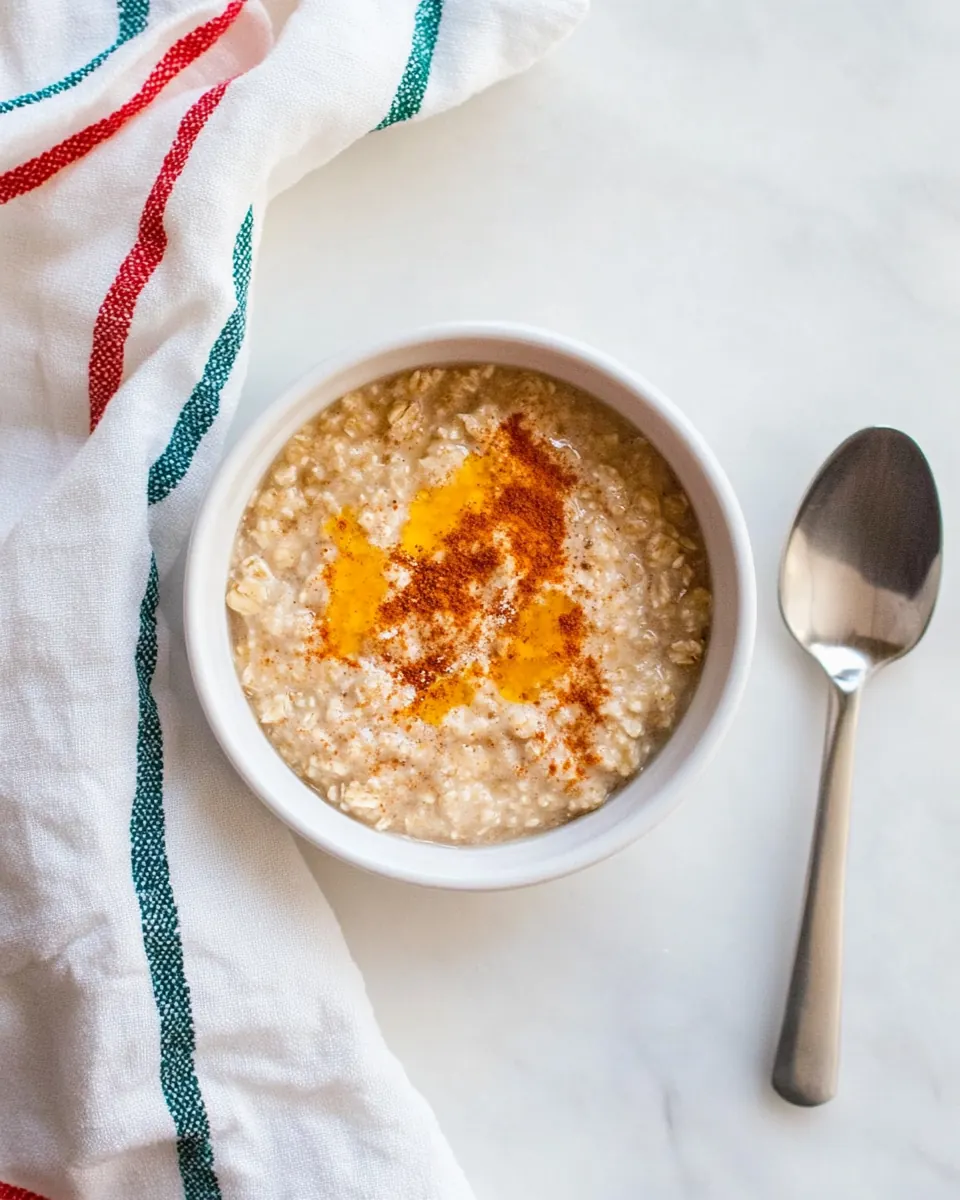
These ingredients come together to create a creamy, cozy breakfast that is greater than the sum of its parts. The philosophy here is simple: a sturdy grain, supportive liquids, and gentle seasoning. The oats are the star, the liquids determine texture, and the cinnamon lifts the flavor. Each element plays a distinct role in the final bowl, and they work together to produce warmth, depth, and comfort.
- 1 cups teel cut oats: Provide body and chewy texture when simmered slowly; steel-cut oats absorb liquid and soften into creamy porridge over several hours, releasing nutty flavor. Support overall structure of the dish and pair well with spices and sweeteners added later.
- 2 cups water: Contribute necessary hydration and help the oats cook evenly; water thins the mixture so oats can expand and soften during slow cooking. Enable controlled simmering and prevent scorching when combined with milk.
- 2 1/2 cups milk: Add creaminess and richness to the porridge; milk creates a smooth, velvety mouthfeel and enhances the comforting flavor of the oatmeal. Supply fat and subtle sweetness that balance the texture produced by the oats and water.
- 1 teaspoon cinnamon: Impart warm, aromatic flavor that complements the oats; cinnamon adds a pleasant spice note and depth without overpowering. Enhance perceived sweetness and pair well with optional sweeteners or fruits added at serving.
Recipe Steps for Slow Cooker Oatmeal
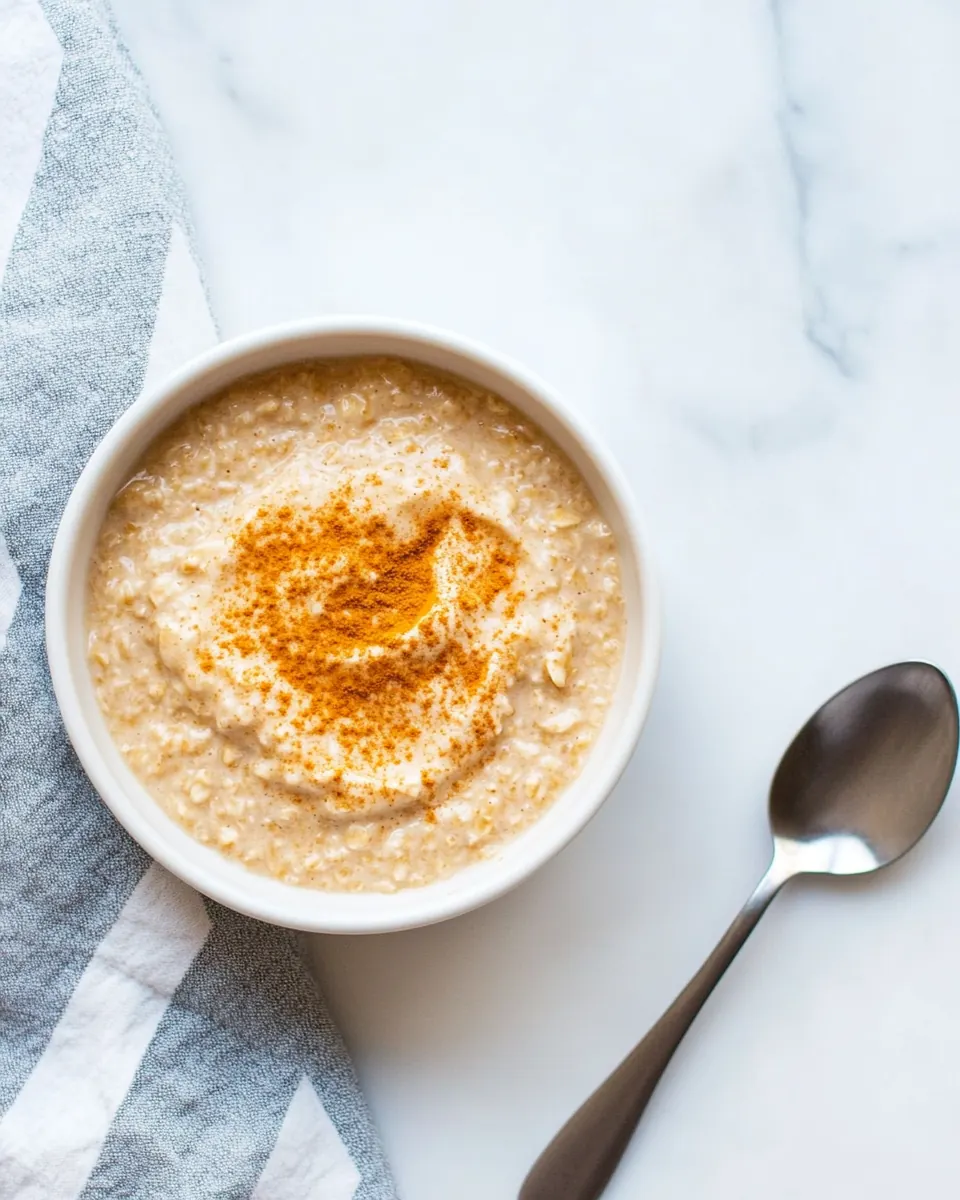
This recipe is forgiving but benefits from a calm, attentive approach as it cooks. Below I expand on each original direction with sensory cues, troubleshooting tips, and the reasoning behind the technique so you know exactly what to look for and why it matters.
- Place the first 4 ingredients in a crock pot and stir to combine.: The moment you mix steel cut oats , water , milk , and cinnamon you will notice the dry grains absorb some of the liquid and the cinnamon releases a faint spicy perfume. Listen for the quiet settling of ingredients as the spoon moves through the mixture, and watch for uniform distribution, which prevents pockets of dry oats. The why here is even hydration, ensuring every grain softens at a similar rate, and stirring minimizes the chance of oats sticking to the pot sides. A common mistake is rushing this step, leaving clumps of oats on the bottom, which can scorch later. Use a long handled spoon and be sure to scrape the bottom and corners so nothing is left unmixed.
- Cook the oatmeal on low heat for 2-6 hours (the amount of time can vary depending on your crock pot. Some crock pots that don’t have non stick surfaces can get hotter than others). Oatmeal will stay warm overnight.: As the crock pot warms, the smell evolves from faint grain to a deeper, toasted scent that fills the kitchen, signaling the oats are slowly breaking down. You will see tiny bubbles occasionally rise and a gentle steam forming, not vigorous bubbling but a steady simmer that coaxes out creaminess. Cooking slowly melts the starch granules gradually, producing a custard like texture rather than a pasty one. The reason this range exists is that crock pots vary widely; heating elements and insulation change how quickly oats soften. Avoid the common error of switching to high heat to speed things up, as that can create uneven texture and risk burning at the edges. If you are home, check periodically after two hours to gauge how soft you like them, and give them a stir if the surface forms a thin skin.
- Stir in desired accompaniments and serve.: Leaving the slow cooker on warm will keep the porridge at a safe, gently heated temperature and maintain the creamy consistency. Overnight the aroma will mellow, and the oats will continue to relax into a softer, more cohesive mass. This resting time can deepen flavor, similar to how soups taste richer the next day. The why is simple, the low sustained heat stabilizes texture without aggressive evaporation. A frequent misstep is letting the pot sit on high or unattended for too long, which can dry out or scorch the oats; using the warm setting prevents that. If you expect long unattended periods, make sure your slow cooker has a reliable warm function and consider placing a trivet or towel beneath the lid to prevent excessive condensation dripping back into the oats.
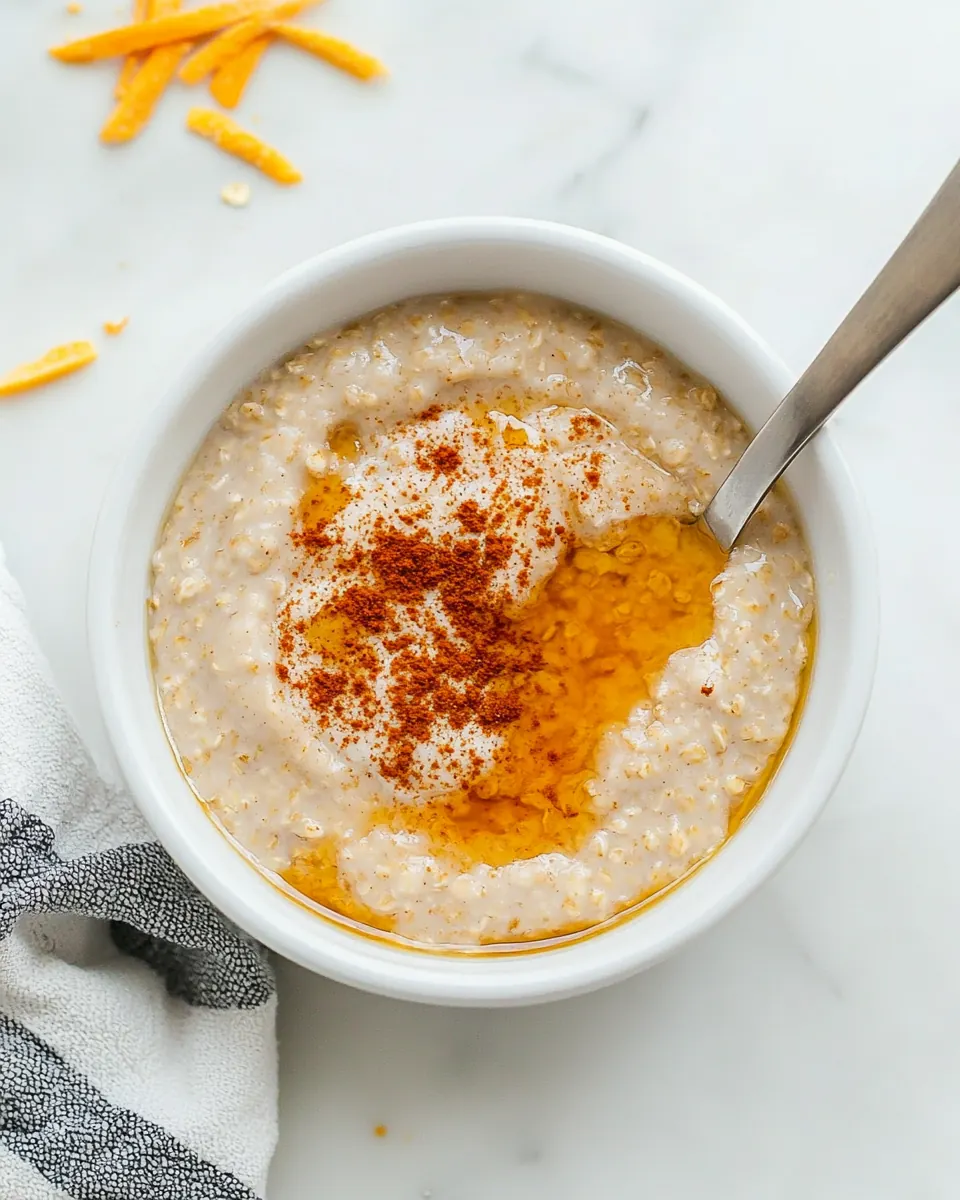
- Stir in desired accompaniments and serve: When you stir in add ins, you will notice the steam rise and small blooms of aroma from any fruit or honey, and the texture will become glossy and blended. This step is about balance, letting you adjust consistency by adding extra milk for creaminess or a drizzle of honey for sweetness. The why is that binders and toppings change mouthfeel and can tame temperature for children or picky eaters. A common problem is adding cold toppings straight from the fridge, which can chill the whole pot; warm additions slightly before stirring or add at serving to preserve temperature. Also, stirring too vigorously can break up the oats excessively, so fold gently to keep a pleasing texture.
Tips and Tricks about Slow Cooker Oatmeal
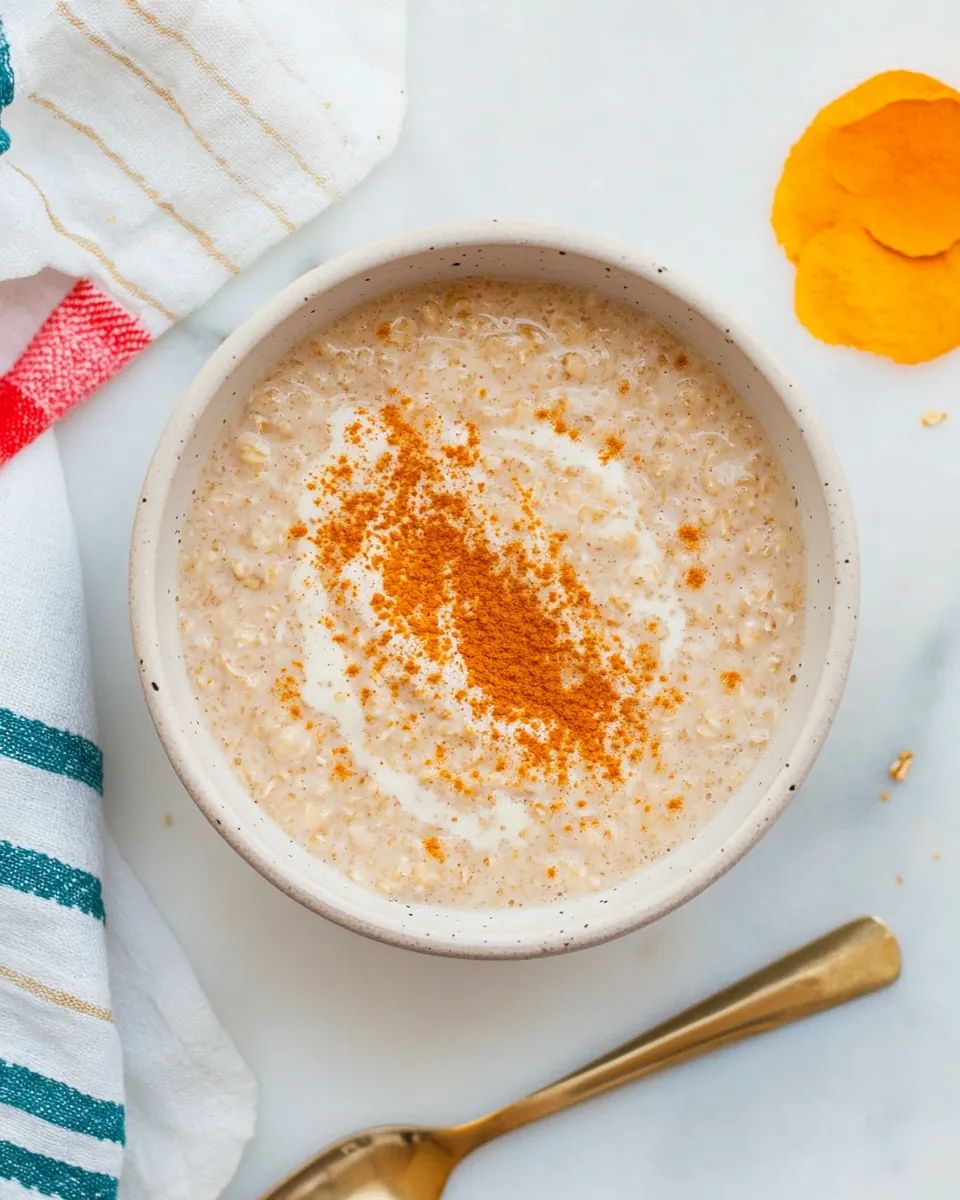
I often share these practical tips with friends so they get consistent results. They cover texture control, timing, and ways to make the porridge more versatile for different tastes and occasions.
- Measure accurately: Using the correct ratio of steel cut oats to liquids is the foundation of success, as too little liquid yields undercooked oats and too much makes them soupy.
- Choose the right setting: Cook on low for the creamiest results, and if you must speed up, monitor carefully rather than switching straight to high heat.
- Warm additions: Bring extra milk or toppings to room temperature before stirring them in to avoid chilling the pot and altering texture.
- Stir early: Give the oats a good stir at the start to prevent clumping and to ensure even distribution of the cinnamon.
- Safe overnight strategy: If leaving the pot overnight, finish the cook on low and then switch to the warm setting to maintain texture and food safety.
Serving Ideas for Slow Cooker Oatmeal
How you serve this oatmeal can turn a simple bowl into a comforting ritual. Below are many detailed serving approaches and occasions, and practical storage tips to keep leftovers tasting fresh.
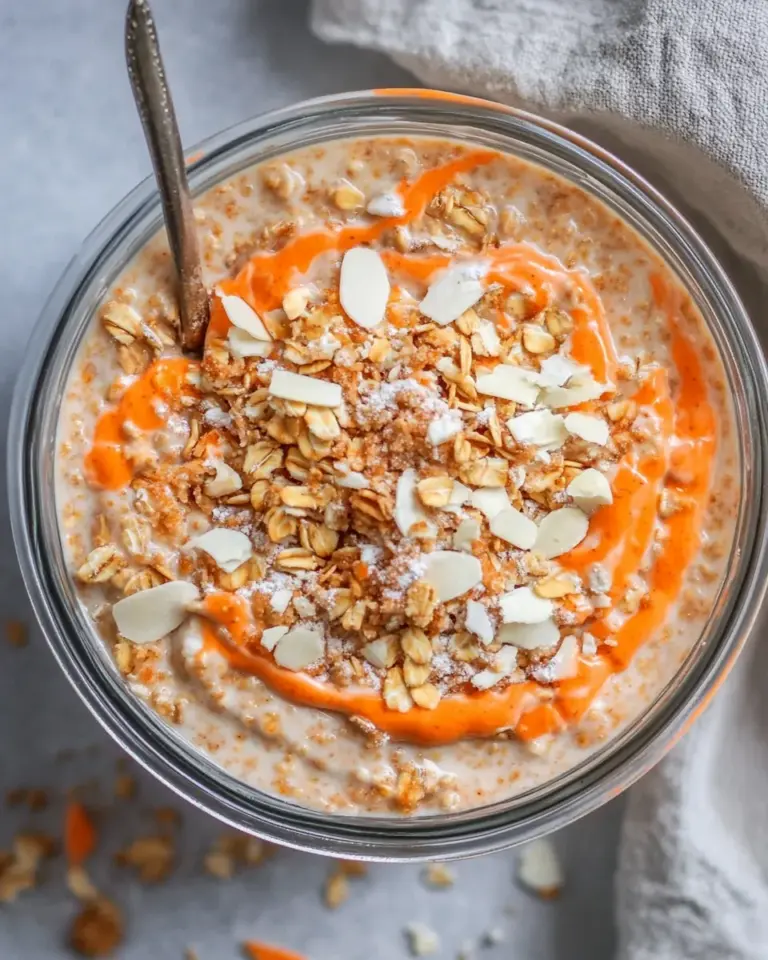
- Classic breakfast bowls: Serve warm with a drizzle of honey and a sprinkle of cinnamon, offering a familiar, cozy bowl that suits everyday mornings.
- Family style toppings: Set out bowls of fruit, nuts, and sweeteners so everyone can customize their bowl, perfect for leisurely weekend breakfasts.
- Quick school lunches: Spoon into thermoses with a dollop of fruit compote, and it will stay warm until lunchtime, making it convenient for busy mornings.
- Seasonal pairings: In winter, top with spiced apples or pumpkin for holiday flavors that feel seasonal and festive.
- Storage tips: Refrigerate leftovers in an airtight container for up to four days; reheat gently with a splash of milk to restore creaminess.
- Occasions: Perfect for slow weekend brunches, cozy winter mornings, or feeding a small gathering when you want something simple, warm, and fueling.
FAQ
Conclusion
Slow Cooker Oatmeal stands out because it transforms simple pantry staples into a warm, comforting bowl with minimal effort and maximum reward. Try it on a chilly morning when you want something nourishing and hands off, and let the slow cooker do the work while you enjoy extra minutes of calm. This recipe is forgiving, adaptable, and perfect for families or anyone who appreciates a reliably cozy breakfast—give it a go and see how easy a great morning can be.
Slow Cooker Oatmeal
Equipment
- Slow Cooker
- Long handled spoon
- Measuring Cups
Ingredients
- 1 cups teel cut oats Provide body and chewy texture when simmered slowly; steel-cut oats absorb liquid and soften into creamy porridge over several hours, releasing nutty flavor. Support overall structure of the dish and pair well with spices and sweeteners added later.
- 2 cups water Contribute necessary hydration and help the oats cook evenly; water thins the mixture so oats can expand and soften during slow cooking. Enable controlled simmering and prevent scorching when combined with milk.
- 2 1/2 cups milk Add creaminess and richness to the porridge; milk creates a smooth, velvety mouthfeel and enhances the comforting flavor of the oatmeal. Supply fat and subtle sweetness that balance the texture produced by the oats and water.
- 1 teaspoon cinnamon Impart warm, aromatic flavor that complements the oats; cinnamon adds a pleasant spice note and depth without overpowering. Enhance perceived sweetness and pair well with optional sweeteners or fruits added at serving.
Instructions
- Place the first 4 ingredients in a crock pot and stir to combine.: The moment you mix steel cut oats , water , milk , and cinnamon you will notice the dry grains absorb some of the liquid and the cinnamon releases a faint spicy perfume. Listen for the quiet settling of ingredients as the spoon moves through the mixture, and watch for uniform distribution, which prevents pockets of dry oats. The why here is even hydration, ensuring every grain softens at a similar rate, and stirring minimizes the chance of oats sticking to the pot sides. A common mistake is rushing this step, leaving clumps of oats on the bottom, which can scorch later. Use a long handled spoon and be sure to scrape the bottom and corners so nothing is left unmixed.
- Cook the oatmeal on low heat for 2-6 hours (the amount of time can vary depending on your crock pot. Some crock pots that don’t have non stick surfaces can get hotter than others). Oatmeal will stay warm overnight.: As the crock pot warms, the smell evolves from faint grain to a deeper, toasted scent that fills the kitchen, signaling the oats are slowly breaking down. You will see tiny bubbles occasionally rise and a gentle steam forming, not vigorous bubbling but a steady simmer that coaxes out creaminess. Cooking slowly melts the starch granules gradually, producing a custard like texture rather than a pasty one. The reason this range exists is that crock pots vary widely; heating elements and insulation change how quickly oats soften. Avoid the common error of switching to high heat to speed things up, as that can create uneven texture and risk burning at the edges. If you are home, check periodically after two hours to gauge how soft you like them, and give them a stir if the surface forms a thin skin.
- Stir in desired accompaniments and serve.: Leaving the slow cooker on warm will keep the porridge at a safe, gently heated temperature and maintain the creamy consistency. Overnight the aroma will mellow, and the oats will continue to relax into a softer, more cohesive mass. This resting time can deepen flavor, similar to how soups taste richer the next day. The why is simple, the low sustained heat stabilizes texture without aggressive evaporation. A frequent misstep is letting the pot sit on high or unattended for too long, which can dry out or scorch the oats; using the warm setting prevents that. If you expect long unattended periods, make sure your slow cooker has a reliable warm function and consider placing a trivet or towel beneath the lid to prevent excessive condensation dripping back into the oats.
- Stir in desired accompaniments and serve: When you stir in add ins, you will notice the steam rise and small blooms of aroma from any fruit or honey, and the texture will become glossy and blended. This step is about balance, letting you adjust consistency by adding extra milk for creaminess or a drizzle of honey for sweetness. The why is that binders and toppings change mouthfeel and can tame temperature for children or picky eaters. A common problem is adding cold toppings straight from the fridge, which can chill the whole pot; warm additions slightly before stirring or add at serving to preserve temperature. Also, stirring too vigorously can break up the oats excessively, so fold gently to keep a pleasing texture.
Notes
- Measure accurately: Using the correct ratio of steel cut oats to liquids is the foundation of success, as too little liquid yields undercooked oats and too much makes them soupy.
- Choose the right setting: Cook on low for the creamiest results, and if you must speed up, monitor carefully rather than switching straight to high heat.
- Warm additions: Bring extra milk or toppings to room temperature before stirring them in to avoid chilling the pot and altering texture.
- Stir early: Give the oats a good stir at the start to prevent clumping and to ensure even distribution of the cinnamon.
- Safe overnight strategy: If leaving the pot overnight, finish the cook on low and then switch to the warm setting to maintain texture and food safety.