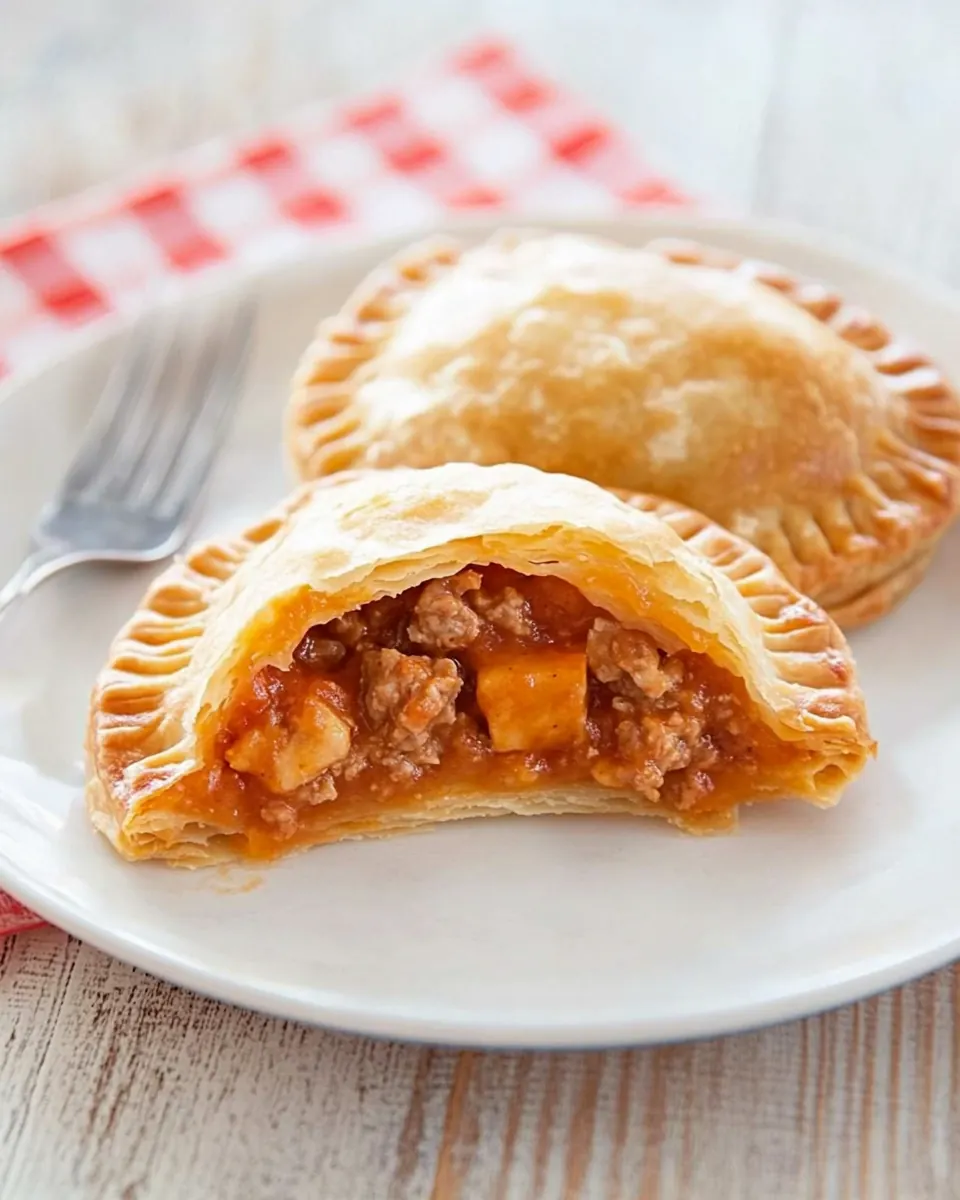
Traditional Meat Pasty
Traditional Meat Pasty has been a hands on comfort for me since my first chilly, rain soaked market day when a warm pasty felt like a small, edible hug.
I remember peeling back the crinkled paper and sighing as steam and the scent of beef, potato, and roasted carrot rose up, warming my fingers. That day taught me how much a simple, well made pastry can change the tone of an afternoon, turning a hurried lunch into something slow and satisfying. Over the years I tweaked the crust, traded fats, and learned how the size of the veg cubes changes the bite, until this version became the one I reach for when I want practical, portable comfort.
When I make Traditional Meat Pasty now, it is often for friends who need something filling and honest. I love how the assembly invites collaboration, everyone pressing edges and trading stories while the oven does the heavy lifting. The recipe below keeps things straightforward, letting each element sing, while giving you room to learn technique. If you like rustic, handheld meals that travel well, this pasty will become a dependable favorite.
Recipe Snapshot
60 mins
15 mins
45 mins
Medium
350 kcal
American
Gluten-Free, Paleo
Dinner
Oven, Mixing bowl, Cookie sheet, Fork, Rolling pin
What’s Great About This Traditional Meat Pasty
Hearty, portable comfort
I adore how Traditional Meat Pasty transforms humble ingredients into a self contained meal. The combination of lean ground beef and diced root vegetables means you get protein and satisfying texture in every bite, perfect for taking on picnics or packing for work.
Crust that stands up
The pastry here is designed to be sturdy yet tender. Using cold fat worked into white whole wheat flour yields a crumb that resists sogginess from the filling, so your pasty stays intact until you are ready to eat.
Simple pantry ingredients
I like that most of the items are pantry staples, so you can throw these together quickly. Basic seasonings like garlic powder and thyme add depth without overwhelming the natural savory flavors of the filling.
Make ahead and freeze friendly
One of the things I value most is flexibility. You can seal raw pasties and freeze them, which makes Traditional Meat Pasty excellent for batch cooking and weeknight meals when time is limited.
Comfort across seasons
While this pasty feels particularly welcome in cool weather, its portability makes it a year round option for lunches, casual dinners, or outdoor gatherings. I often reach for it when I want something honest and unfussy.
Ingredients Overview for Traditional Meat Pasty
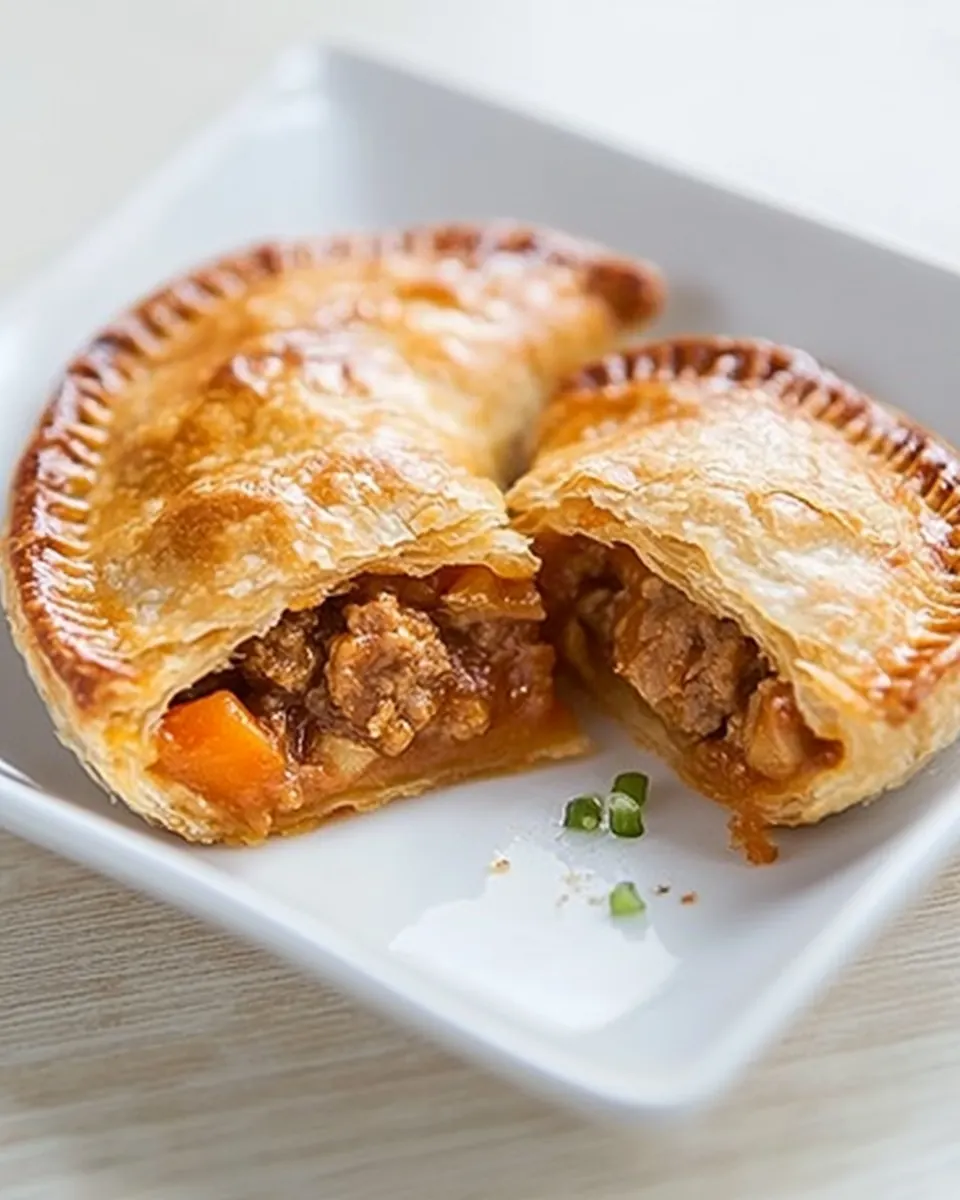
These ingredients are built for balance. The crust, made from white whole wheat flour and cold fat, provides structure and a subtle nuttiness. The filling relies on starchy potato and sweet, firm carrot and rutabaga to soak up meat juices, while aromatics like yellow onion and spices add savory depth. Together they create a pasty that is both robust and comforting, able to travel without falling apart.
- 2 cups white whole-wheat flour: Combine into a dough to provide structure and body to the pastry shell; white whole–wheat flour lends a nuttier flavor and firmer texture than all-purpose flour. Use measured cups and handle lightly to avoid overworking the dough, ensuring a flaky crust suitable for crimping around the filling.
- 1/4 teaspoon kosher salt: Enhance overall flavor balance by adding mild savory mineral notes; kosher salt dissolves evenly in dough and filling. Sprinkle and mix carefully to avoid oversalting, and adjust to taste considering other salty components in the recipe.
- 1/3 cup coconut oil cold, pure butter (optional): Incorporate as the shortening to create a tender, flaky crust; cold coconut oil yields a slightly sweet, delicate texture while optional pure butter adds rich flavor. Keep it chilled and cut into the flour until pea-sized lumps form to produce laminated layers when baked.
- 1/4 cup water cold, as needed: Bind dough particles and hydrate flour for proper consistency; cold water slows gluten development and helps maintain a tender crust. Add gradually and only as needed until the dough just comes together, avoiding sticky overhydration.
- 1 pound lean ground beef ground turkey (optional): Provide the primary protein and savory base for the filling; lean ground beef contributes rich meaty flavor and hearty texture, while optional ground turkey offers a lighter alternative. Brown and drain excess fat before combining with vegetables and seasonings to prevent a soggy pastry.
- 2 potatoes large, cut into small cubes: Contribute bulk, creamy texture, and starch to the filling; cubed large potatoes hold their shape when cooked and absorb savory juices. Parboil or cut uniformly small to ensure even cooking alongside other root vegetables and to avoid undercooked centers.
- 1/2 cup yellow onion diced: Add aromatic sweetness and moisture to the filling; diced yellow onion softens and caramelizes slightly when cooked, boosting savory complexity. Sauté until translucent to develop flavor and prevent sharp raw onion bites in the finished pasty.
- 1/2 cup rutabaga cut into small cubes: Introduce a slightly sweet, earthy note and dense texture to the filling; cubed rutabaga complements potatoes and carrots with robust flavor. Cook until tender to integrate with other vegetables and to contribute traditional pasty character.
- 3 carrots peeled and cut into small cubes: Offer natural sweetness, color, and tender bite; peeled and cubed carrots provide balance to savory meat and starchy vegetables. Cut into small uniform pieces and cook until just tender to maintain texture without overwhelming the filling.
- 1/2 teaspoon kosher salt: Season the filling to bring out flavors and stabilize taste across components; kosher salt enhances meat and vegetable juices for a cohesive profile. Add during cooking and taste-adjust at the end to ensure proper seasoning without oversalting.
- 1/2 teaspoon ground black pepper: Bring mild heat and depth to the filling; ground black pepper adds background warmth and enhances savory notes without overpowering other spices. Grind fresh if possible and distribute evenly through the mixture for consistent flavor.
- 2 teaspoons garlic powder: Impart concentrated savory garlic flavor and convenience; garlic powder blends easily into the filling, providing consistent seasoning without moisture from fresh garlic. Use measured teaspoons to avoid bitterness and to layer flavor alongside herbs and pepper.
- 1 teaspoon ground thyme: Contribute an herbal, slightly earthy aroma to the filling; ground thyme pairs well with beef and root vegetables, adding complexity to the savory profile. Use sparingly and mix thoroughly to evenly distribute the herbaceous note.
- extra water as needed: Adjust moisture and consistency as needed during cooking or dough formation; extra water helps achieve the right texture for both filling reduction and dough binding. Add incrementally to prevent a soggy filling or overly sticky dough, aiming for a cohesive but not watery mixture.
How to Prepare Traditional Meat Pasty
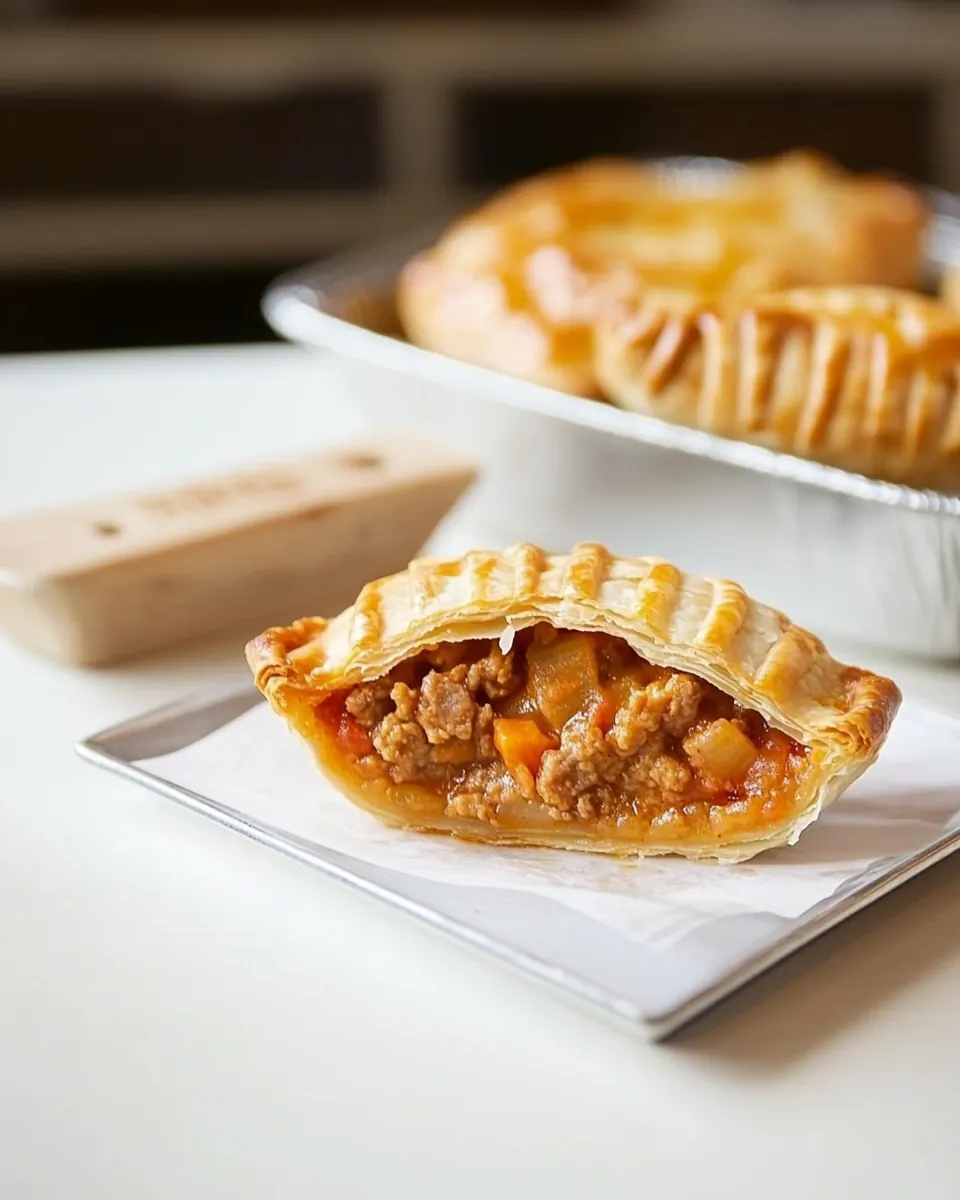
These steps guide you from mixing a sturdy crust to shaping filled pasties that bake up golden and reliable. I like to keep my workspace organized, chilled fat on hand, and a bowl for scraps so the process stays smooth and pleasant.
- Preheat oven to 400 degrees. Lightly spray a cookie sheet with nonstick spray.: As the oven warms, you will notice a clean, dry heat that is ideal for promoting a golden crust; the initial roar of the heating element settles into a steady hum, and that first whiff of warm air signals readiness. This temperature yields a balance between crisping the outer pastry and giving the filling enough time to heat through, preventing a doughy exterior with an undercooked center. A common mistake is placing pasties into an oven that is not fully preheated, which can cause uneven browning and longer bake times, so wait until your oven reaches the full temperature before sliding the tray in. Also lightly spraying the cookie sheet prevents sticking and helps the bottoms brown evenly, which keeps the pasty intact when you remove them.
- In a large bowl, add flour, salt, and cold coconut oil. Ensure the oil is cold and solid by storing in the refrigerator until ready to use. Using a fork, break the oil into the flour mix until powdery and only pea-sized chunks remain. Carefully mix in the water, one tablespoon at a time until dough can be formed into a ball. The dough should not be sticky, just able to hold together in a ball form. Divide dough into six equal-sized portions and set aside.: When you combine white whole wheat flour , kosher salt , and very cold fat, you will feel the initial resistance as you break the fat into the flour with a fork; the texture should go from powdery to a mixture dotted with pea sized pieces of fat. Those little lumps are crucial because they melt during baking and create flaky pockets in the crust, producing a tender yet sturdy shell. If you work the mixture too long or the fat warms, the dough can become greasy and the pastry will lose flakiness, so move briskly and keep the fat chilled. The right consistency looks sandy with visible bits of solid fat, not fully homogeneous.
- In a mixing bowl, combine all ingredients, with exception of extra water. Mix well.: Pay attention to tactile cues here; the mixture should shift from dry to slightly cohesive, and you should still see small fat pieces when you lift the fork. These pockets of fat are why the crust becomes layered and tender after baking, so resist the urge to over blend. A frequent error is using warm hands or tools, which melts the fat and prevents the desired texture, so if the mixture becomes clumpy and greasy, chill it for a few minutes and continue.
- Roll out dough about 1/4 inch thick into a circle about 6 inches in diameter. Place about 1/2 cup of filling onto half the circle, leaving 1/4 inch of dough on the edge. Brush the edges of the dough with extra water and fold the dough in half, using a fork press the edges together to seal. Place on a prepared cookie sheet and cut three small slits into the top.: As you add cold water , observe how the dough comes together; start with a sprinkle and fold gently until bits begin to cling, then add more very sparingly. The right dough holds together when squeezed but is not sticky; it should feel cool and slightly firm rather than wet. Overhydrating creates a sticky dough that will be hard to roll and seal, while underhydrating makes it crumbly, so take it slow and use just enough to bind. If you find it sticky, chill briefly to firm up the fat before continuing.
- Bake for 30 to 45 minutes until golden, the filling is cooked, and the vegetables are soft. Allow to cool before serving. Best served with ketchup!: When you portion the dough, you will notice smoother, rounded edges as the gluten relaxes slightly; resting these pieces helps prevent springback when rolling. Uniform portions ensure consistent bake times and a predictable final size, and dividing on a lightly floured surface prevents sticking without adding too much extra flour. A common slip is making uneven portions, which leads to some pasties baking faster than others, so use a kitchen scale or eyeball carefully to keep them similar. Cover portions with a bowl or wrap them so they do not dry out while you prepare the filling.
- In a mixing bowl, combine all ingredients, with exception of extra water: As you mix lean ground beef , diced potato , yellow onion , rutabaga , carrot , seasonings, and salt and pepper, smell the developing savory aroma as spices bloom and the vegetables mingle with the meat. The textures should be evenly distributed, with small vegetable pieces dispersed throughout so every pasty gets a balanced bite. Stir thoroughly to make a cohesive filling; if ingredients are unevenly sized or clumped, the baking will yield pockets of undercooked veg or dense meat. Avoid over mixing, which can make ground meat dense and tight, resulting in a tougher mouthfeel. If the mixture seems dry and crumbly, you can add a tablespoon of water to help it bind, but don't add the extra water yet unless needed when sealing.
- Roll out dough about 1/4 inch thick into a circle about 6 inches in diameter: Rolling to the right thickness and size creates the ideal ratio of crust to filling; at about a quarter of an inch, the dough is thin enough to be pleasant yet thick enough to remain sturdy. The surface should look matte rather than sticky, and the edges should be even so sealing is consistent. If the dough resists rolling or springs back, let it rest a few minutes to relax the gluten, which makes it more pliable. A typical misstep is rolling too thin, which leads to tears, or too thick, which overwhelms the filling, so aim for that sweet spot and check your circle dimensions often.
- Place about 1/2 cup of filling onto half the circle, leaving 1/4 inch of dough on the edge: You will see the filling mound gently on one side of the dough; aim for an even dome so it cooks uniformly. Leaving a small border makes sealing simpler and prevents filling from oozing out during baking. As you add filling, the scents of seasoned meat and root vegetables will grow stronger, indicating the pasty is becoming savory and inviting. Do not overfill, or the edges will not seal properly and the filling may spill out during baking, creating a mess and reducing the integrity of the crust.
- Brush the edges of the dough with extra water and fold the dough in half, using a fork press the edges together to seal: The moisture acts like glue, helping the pastry to hold. After folding, press firmly with the tines of a fork to form a continuous seal, which also creates a decorative edge and ensures the filling stays contained. Listen for a faint crack as the dough creases, and check visually that there are no gaps. One common error is not sealing firmly, which results in leaks and a soggy bottom; recheck the seal if necessary and add a touch more water to any dry spots.
- Place on a prepared cookie sheet and cut three small slits into the top: Once arranged, the pasties should sit with some space between them to allow air circulation; the small slits act as vents so steam escapes, preventing soggy dough and encouraging a crisp top. You may hear a slight hiss as trapped steam eventually escapes during baking, and visually, the pastry should start to turn glossy as it bakes. Skipping slits can trap steam and lead to burst seams, so be sure to vent each pasty.
- Bake for 30 to 45 minutes until golden, the filling is cooked, and the vegetables are soft: During baking you will see the pastry shift from pale to a deep golden tone and catch a whiff of roasted vegetables and seasoned meat. The sound is subtle, more of a quiet settling as juices bubble inside. To test doneness, look for browned edges and tender vegetable pieces; if you insert a small knife into a vent it should come out warm and the filling should be bubbling slightly. A typical mistake is removing them too early, leaving the interior undercooked, so allow adequate time until the crust is golden and the filling is obviously heated through.
- Allow to cool before serving: Cooling lets the filling set so it will not spill out when you bite in, and the steam will redistribute, improving texture and flavor. As they rest, the crust firms and the filling becomes less runny, giving you a clean, enjoyable bite. Cutting into a piping hot pasty risks burning and makes the structure collapse, so patience improves both safety and eating quality.
Tips and Variations
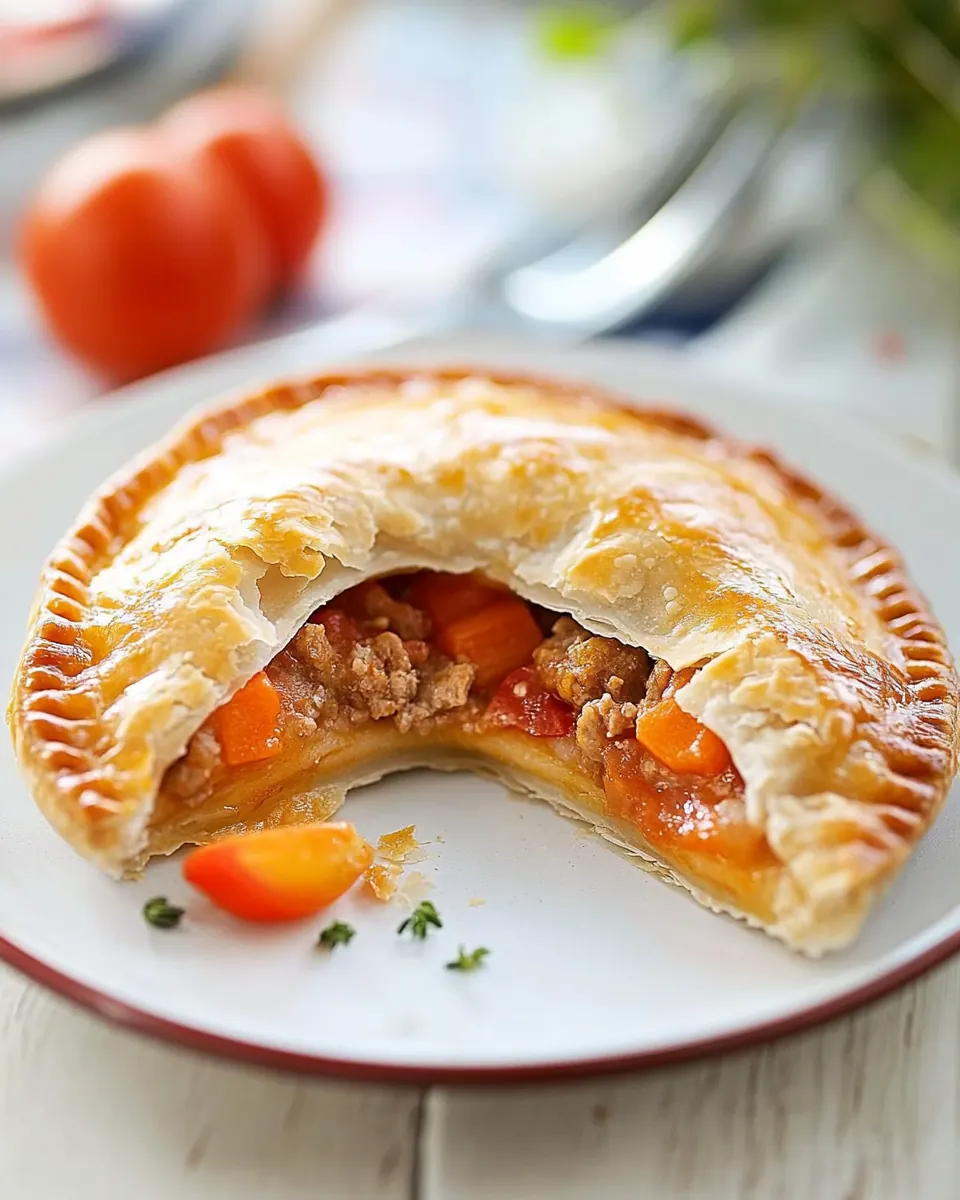
I like to think of these tips as ways to make Traditional Meat Pasty even more reliable and suited to your kitchen. Below are practical ideas and small changes that improve texture, flavor, and storage.
- Choose the right fat, use very cold coconut oil or chilled butter to create pockets in the dough; keep it in the refrigerator until the moment you cut it in, and if your hands warm the mix, return it to the fridge for five to ten minutes.
- Uniform cutting, keep vegetable pieces small and similar in size so everything cooks evenly, especially potato and rutabaga, which need to soften within the bake time.
- Don’t overwork dough, handle it lightly when bringing it together and when rolling to avoid developing too much gluten, which would make the crust tough rather than tender.
- Portion consistency, divide the dough into equal pieces so the pasties bake uniformly; use a scale or measure visually to ensure similar sizes and predictable baking times.
- Seal securely, brush the edges with a tiny bit of cold water before pressing with a fork to form a tight seam, preventing leaks and soggy bottoms during baking.
- Freeze smartly, freeze sealed raw pasties on a tray until solid, then wrap individually and store; bake from partially thawed and allow extra time if still cold in the center.
Best Served With
This section highlights how I like to present Traditional Meat Pasty and what pairs well for different occasions. The pasty is versatile, simple to pack, and suits casual meals in many settings.
- Classic ketchup or brown sauce, a small ramekin of ketchup brightens the savory filling and is a traditional pairing that many people enjoy.
- Light green salad, serve alongside crisp, lightly dressed greens for a refreshing contrast that balances the richness of the pastry and meat.
- Picnic friendly, these are ideal for outdoor meals; wrap them in parchment and a tea towel to keep warm and portable for hikes or park lunches.
- Batch cooking for gatherings, make a tray for casual dinner parties where guests can help themselves; they are great for family style service and grazing tables.
- Storage and reheating, refrigerate leftovers for up to three days and reheat in a moderate oven to revive crispness, or freeze raw and bake from partially thawed for best texture.
- Seasonal pairing, I especially enjoy them in fall when root vegetables are at their best, but they work well year round for lunches, casual dinners, or holiday prep.
FAQ
Conclusion
Traditional Meat Pasty shines because it turns simple pantry staples into a comforting, portable meal with a sturdy, flaky crust and a savory, well seasoned filling. Give it a try the next time you need a make ahead lunch or a cozy dinner that feeds a crowd with minimal fuss. I hope you enjoy the ritual of rolling, sealing, and sharing these pasties as much as I do; they are honest food that travels well and brings people together.

Traditional Meat Pasty
Equipment
- Oven
- Mixing Bowl
- Cookie Sheet
- Fork
- Rolling Pin
Ingredients
- 2 cups white whole-wheat flour Combine into a dough to provide structure and body to the pastry shell; white whole-wheat flour lends a nuttier flavor and firmer texture than all-purpose flour. Use measured cups and handle lightly to avoid overworking the dough, ensuring a flaky crust suitable for crimping around the filling.
- 1/4 teaspoon kosher salt Enhance overall flavor balance by adding mild savory mineral notes; kosher salt dissolves evenly in dough and filling. Sprinkle and mix carefully to avoid oversalting, and adjust to taste considering other salty components in the recipe.
- 1/3 cup coconut oil cold, optional pure butter Incorporate as the shortening to create a tender, flaky crust; cold coconut oil yields a slightly sweet, delicate texture while optional pure butter adds rich flavor. Keep it chilled and cut into the flour until pea-sized lumps form to produce laminated layers when baked.
- 1/4 cup water cold, as needed Bind dough particles and hydrate flour for proper consistency; cold water slows gluten development and helps maintain a tender crust. Add gradually and only as needed until the dough just comes together, avoiding sticky overhydration.
- 1 pound lean ground beef optional ground turkey Provide the primary protein and savory base for the filling; lean ground beef contributes rich meaty flavor and hearty texture, while optional ground turkey offers a lighter alternative. Brown and drain excess fat before combining with vegetables and seasonings to prevent a soggy pastry.
- 2 potatoes large, cut into small cubes Contribute bulk, creamy texture, and starch to the filling; cubed large potatoes hold their shape when cooked and absorb savory juices. Parboil or cut uniformly small to ensure even cooking alongside other root vegetables and to avoid undercooked centers.
- 1/2 cup yellow onion diced Add aromatic sweetness and moisture to the filling; diced yellow onion softens and caramelizes slightly when cooked, boosting savory complexity. Sauté until translucent to develop flavor and prevent sharp raw onion bites in the finished pasty.
- 1/2 cup rutabaga cut into small cubes Introduce a slightly sweet, earthy note and dense texture to the filling; cubed rutabaga complements potatoes and carrots with robust flavor. Cook until tender to integrate with other vegetables and to contribute traditional pasty character.
- 3 carrots peeled and cut into small cubes Offer natural sweetness, color, and tender bite; peeled and cubed carrots provide balance to savory meat and starchy vegetables. Cut into small uniform pieces and cook until just tender to maintain texture without overwhelming the filling.
- 1/2 teaspoon kosher salt Season the filling to bring out flavors and stabilize taste across components; kosher salt enhances meat and vegetable juices for a cohesive profile. Add during cooking and taste-adjust at the end to ensure proper seasoning without oversalting.
- 1/2 teaspoon ground black pepper Bring mild heat and depth to the filling; ground black pepper adds background warmth and enhances savory notes without overpowering other spices. Grind fresh if possible and distribute evenly through the mixture for consistent flavor.
- 2 teaspoons garlic powder Impart concentrated savory garlic flavor and convenience; garlic powder blends easily into the filling, providing consistent seasoning without moisture from fresh garlic. Use measured teaspoons to avoid bitterness and to layer flavor alongside herbs and pepper.
- 1 teaspoon ground thyme Contribute an herbal, slightly earthy aroma to the filling; ground thyme pairs well with beef and root vegetables, adding complexity to the savory profile. Use sparingly and mix thoroughly to evenly distribute the herbaceous note.
- extra water as needed Adjust moisture and consistency as needed during cooking or dough formation; extra water helps achieve the right texture for both filling reduction and dough binding. Add incrementally to prevent a soggy filling or overly sticky dough, aiming for a cohesive but not watery mixture.
Instructions
- Preheat oven to 400 degrees. Lightly spray a cookie sheet with nonstick spray.: As the oven warms, you will notice a clean, dry heat that is ideal for promoting a golden crust; the initial roar of the heating element settles into a steady hum, and that first whiff of warm air signals readiness. This temperature yields a balance between crisping the outer pastry and giving the filling enough time to heat through, preventing a doughy exterior with an undercooked center. A common mistake is placing pasties into an oven that is not fully preheated, which can cause uneven browning and longer bake times, so wait until your oven reaches the full temperature before sliding the tray in. Also lightly spraying the cookie sheet prevents sticking and helps the bottoms brown evenly, which keeps the pasty intact when you remove them.
- In a large bowl, add flour, salt, and cold coconut oil. Ensure the oil is cold and solid by storing in the refrigerator until ready to use. Using a fork, break the oil into the flour mix until powdery and only pea-sized chunks remain. Carefully mix in the water, one tablespoon at a time until dough can be formed into a ball. The dough should not be sticky, just able to hold together in a ball form. Divide dough into six equal-sized portions and set aside.: When you combine white whole wheat flour , kosher salt , and very cold fat, you will feel the initial resistance as you break the fat into the flour with a fork; the texture should go from powdery to a mixture dotted with pea sized pieces of fat. Those little lumps are crucial because they melt during baking and create flaky pockets in the crust, producing a tender yet sturdy shell. If you work the mixture too long or the fat warms, the dough can become greasy and the pastry will lose flakiness, so move briskly and keep the fat chilled. The right consistency looks sandy with visible bits of solid fat, not fully homogeneous.
- In a mixing bowl, combine all ingredients, with exception of extra water. Mix well.: Pay attention to tactile cues here; the mixture should shift from dry to slightly cohesive, and you should still see small fat pieces when you lift the fork. These pockets of fat are why the crust becomes layered and tender after baking, so resist the urge to over blend. A frequent error is using warm hands or tools, which melts the fat and prevents the desired texture, so if the mixture becomes clumpy and greasy, chill it for a few minutes and continue.
- Roll out dough about 1/4 inch thick into a circle about 6 inches in diameter. Place about 1/2 cup of filling onto half the circle, leaving 1/4 inch of dough on the edge. Brush the edges of the dough with extra water and fold the dough in half, using a fork press the edges together to seal. Place on a prepared cookie sheet and cut three small slits into the top.: As you add cold water , observe how the dough comes together; start with a sprinkle and fold gently until bits begin to cling, then add more very sparingly. The right dough holds together when squeezed but is not sticky; it should feel cool and slightly firm rather than wet. Overhydrating creates a sticky dough that will be hard to roll and seal, while underhydrating makes it crumbly, so take it slow and use just enough to bind. If you find it sticky, chill briefly to firm up the fat before continuing.
- Bake for 30 to 45 minutes until golden, the filling is cooked, and the vegetables are soft. Allow to cool before serving. Best served with ketchup!: When you portion the dough, you will notice smoother, rounded edges as the gluten relaxes slightly; resting these pieces helps prevent springback when rolling. Uniform portions ensure consistent bake times and a predictable final size, and dividing on a lightly floured surface prevents sticking without adding too much extra flour. A common slip is making uneven portions, which leads to some pasties baking faster than others, so use a kitchen scale or eyeball carefully to keep them similar. Cover portions with a bowl or wrap them so they do not dry out while you prepare the filling.
- In a mixing bowl, combine all ingredients, with exception of extra water: As you mix lean ground beef , diced potato , yellow onion , rutabaga , carrot , seasonings, and salt and pepper, smell the developing savory aroma as spices bloom and the vegetables mingle with the meat. The textures should be evenly distributed, with small vegetable pieces dispersed throughout so every pasty gets a balanced bite. Stir thoroughly to make a cohesive filling; if ingredients are unevenly sized or clumped, the baking will yield pockets of undercooked veg or dense meat. Avoid over mixing, which can make ground meat dense and tight, resulting in a tougher mouthfeel. If the mixture seems dry and crumbly, you can add a tablespoon of water to help it bind, but don't add the extra water yet unless needed when sealing.
- Roll out dough about 1/4 inch thick into a circle about 6 inches in diameter: Rolling to the right thickness and size creates the ideal ratio of crust to filling; at about a quarter of an inch, the dough is thin enough to be pleasant yet thick enough to remain sturdy. The surface should look matte rather than sticky, and the edges should be even so sealing is consistent. If the dough resists rolling or springs back, let it rest a few minutes to relax the gluten, which makes it more pliable. A typical misstep is rolling too thin, which leads to tears, or too thick, which overwhelms the filling, so aim for that sweet spot and check your circle dimensions often.
- Place about 1/2 cup of filling onto half the circle, leaving 1/4 inch of dough on the edge: You will see the filling mound gently on one side of the dough; aim for an even dome so it cooks uniformly. Leaving a small border makes sealing simpler and prevents filling from oozing out during baking. As you add filling, the scents of seasoned meat and root vegetables will grow stronger, indicating the pasty is becoming savory and inviting. Do not overfill, or the edges will not seal properly and the filling may spill out during baking, creating a mess and reducing the integrity of the crust.
- Brush the edges of the dough with extra water and fold the dough in half, using a fork press the edges together to seal: The moisture acts like glue, helping the pastry to hold. After folding, press firmly with the tines of a fork to form a continuous seal, which also creates a decorative edge and ensures the filling stays contained. Listen for a faint crack as the dough creases, and check visually that there are no gaps. One common error is not sealing firmly, which results in leaks and a soggy bottom; recheck the seal if necessary and add a touch more water to any dry spots.
- Place on a prepared cookie sheet and cut three small slits into the top: Once arranged, the pasties should sit with some space between them to allow air circulation; the small slits act as vents so steam escapes, preventing soggy dough and encouraging a crisp top. You may hear a slight hiss as trapped steam eventually escapes during baking, and visually, the pastry should start to turn glossy as it bakes. Skipping slits can trap steam and lead to burst seams, so be sure to vent each pasty.
- Bake for 30 to 45 minutes until golden, the filling is cooked, and the vegetables are soft: During baking you will see the pastry shift from pale to a deep golden tone and catch a whiff of roasted vegetables and seasoned meat. The sound is subtle, more of a quiet settling as juices bubble inside. To test doneness, look for browned edges and tender vegetable pieces; if you insert a small knife into a vent it should come out warm and the filling should be bubbling slightly. A typical mistake is removing them too early, leaving the interior undercooked, so allow adequate time until the crust is golden and the filling is obviously heated through.
- Allow to cool before serving: Cooling lets the filling set so it will not spill out when you bite in, and the steam will redistribute, improving texture and flavor. As they rest, the crust firms and the filling becomes less runny, giving you a clean, enjoyable bite. Cutting into a piping hot pasty risks burning and makes the structure collapse, so patience improves both safety and eating quality.
Notes
- Choose the right fat, use very cold coconut oil or chilled butter to create pockets in the dough; keep it in the refrigerator until the moment you cut it in, and if your hands warm the mix, return it to the fridge for five to ten minutes.
- Uniform cutting, keep vegetable pieces small and similar in size so everything cooks evenly, especially potato and rutabaga, which need to soften within the bake time.
- Don’t overwork dough, handle it lightly when bringing it together and when rolling to avoid developing too much gluten, which would make the crust tough rather than tender.
- Portion consistency, divide the dough into equal pieces so the pasties bake uniformly; use a scale or measure visually to ensure similar sizes and predictable baking times.
- Seal securely, brush the edges with a tiny bit of cold water before pressing with a fork to form a tight seam, preventing leaks and soggy bottoms during baking.
- Freeze smartly, freeze sealed raw pasties on a tray until solid, then wrap individually and store; bake from partially thawed and allow extra time if still cold in the center.